11 Underrated Connecticut Attractions Perfect For A Saturday Adventure
Saturday plans falling flat again? Yeah, I can fix that.
There are attractions around here that don’t get nearly enough credit and honestly that just means less crowds for the people who are actually paying attention.
The kind of places that make you feel like you cracked some sort of code just by showing up.
You spend the whole day having a ridiculously good time and then come home wondering why this wasn’t already a regular thing. Some of these spots will completely surprise you and that’s honestly the best part about going in without too many expectations.
Underrated Connecticut attractions perfect for a Saturday adventure are right there waiting and most people are sleeping on them completely.
The state has been quietly offering some genuinely incredible experiences all along and those who find them tend to become pretty passionate about spreading the word.
1. PEZ Visitor Center, Orange

A room filled floor to ceiling with PEZ dispensers from every era imaginable can turn a quick stop into a full wave of childhood nostalgia. The collection spans decades of pop culture, with dispensers shaped like characters from cartoons, movies, holidays, and more.
Displays are organized in a way that feels both playful and educational, making it easy to spend more time than expected just browsing. Kids tend to be wide-eyed the entire visit, and adults often find themselves hunting for dispensers from their own childhoods.
A gift shop on site sells exclusive PEZ items that are hard to find elsewhere. Visiting on a weekday tends to mean fewer crowds and a more relaxed pace.
You’ll find it at 35 Prindle Hill Road, Orange, CT 06477. The center is compact enough for a quick stop but interesting enough to hold attention for a solid hour or more.
2. Barker Character, Comic & Cartoon Museum, Cheshire

A quiet stretch of road in Cheshire leads to one of the most unexpectedly delightful collections in all of New England. Thousands of cartoon and comic character collectibles span nearly a century of pop culture history, from early Disney figures to vintage advertising mascots.
The sheer variety on display is genuinely impressive.
Built over decades by collectors with a deep passion for preserving cultural memory, the museum feels personal, nostalgic, and carefully assembled. Glass cases are packed with rare figurines, tin toys, original artwork, and memorabilia that feels both playful and historically significant.
Warm, intimate lighting gives the space a cozy, almost treasure-hunt quality. Admission is modest, and the visit moves at whatever pace feels comfortable since there is no tour schedule to follow.
You’ll find it at 1188 Highland Avenue, Cheshire, CT 06410. Families with kids who love animation history will find this stop especially rewarding on a Saturday afternoon.
3. Connecticut Audubon Birdcraft Museum & Sanctuary, Fairfield
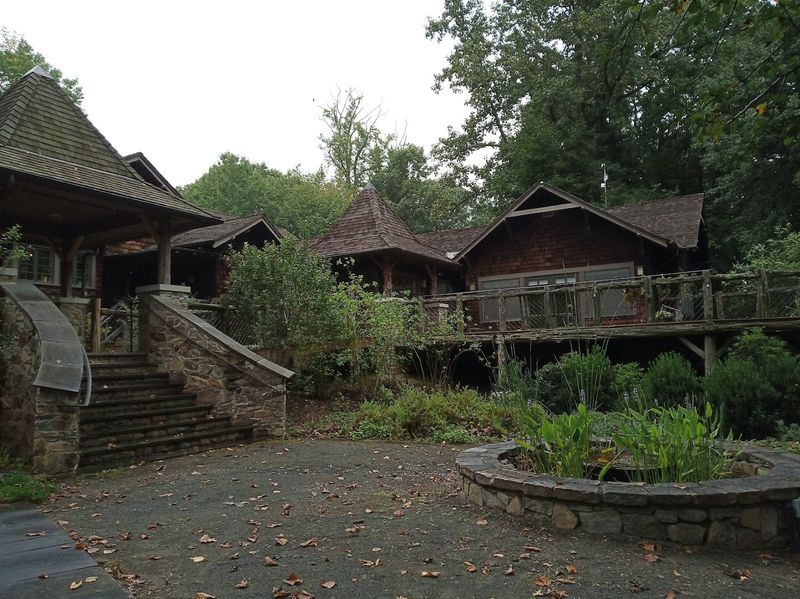
Founded in 1914, the Birdcraft Museum and Sanctuary in Fairfield holds the distinction of being the first songbird sanctuary in North America. It remains a genuinely peaceful place to spend a Saturday morning, especially for visitors who enjoy nature, quiet paths, and small museums with character.
The sanctuary covers a modest six acres but supports a surprising variety of bird species throughout the year. Inside, the small museum features historic dioramas and natural history displays that feel charmingly old-fashioned in the best possible way.
The grounds move at a slow, contemplative pace, with well-worn paths winding through native plantings and past feeding stations that attract local and migratory birds. Visiting in the early morning tends to yield the most bird activity, especially during spring and fall migration periods.
Binoculars are helpful but not required since the sanctuary is compact and birds tend to appear at close range. You’ll find it at 314 Unquowa Road, Fairfield, CT 06824.
Admission is low-cost, and the overall atmosphere is calm and welcoming for both serious birders and casual visitors looking for a quiet outdoor escape.
4. Osborne Homestead Museum, Derby
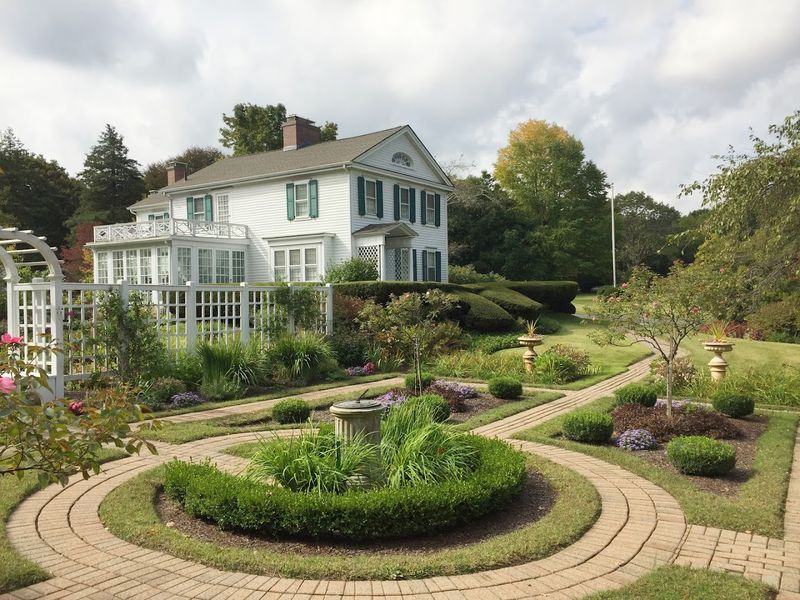
A historic estate that keeps its original character without feeling frozen or stiff can make a visit feel surprisingly personal.
The Osborne Homestead Museum preserves the early twentieth-century home of Frances Osborne Kellogg, a businesswoman and conservationist whose legacy is woven throughout the property.
The house retains much of its original furnishings, giving rooms a lived-in quality that is rare in historic house museums. Outside, the grounds include formal gardens and walking paths that are pleasant to explore at a slow pace.
You’ll find the museum at 500 Hawthorne Avenue, Derby, CT 06418.
Spring and early fall are especially lovely times to visit, when the plantings are at their best. The natural areas adjacent to the property were protected through Kellogg’s conservation efforts, which adds a meaningful layer of context to the experience.
The museum is not heavily trafficked, so visits here tend to feel personal and unhurried. Tours are offered on a schedule, which makes arriving with a few minutes to spare before the next one a practical approach for a smooth experience.
5. Hill-Stead Museum, Farmington
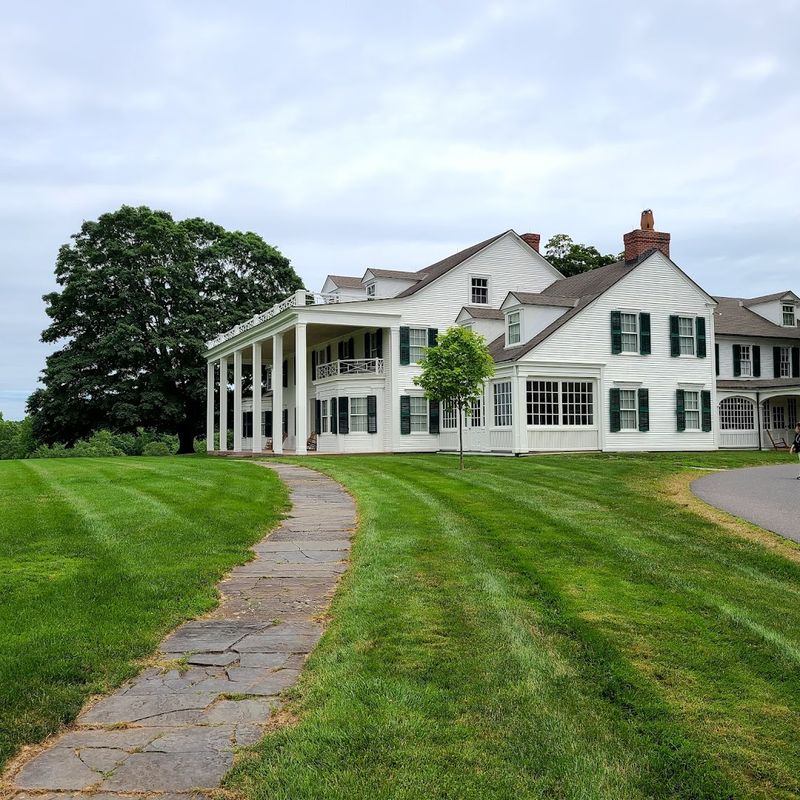
Designed by architect Theodate Pope Riddle in the late 1800s, the Hill-Stead Museum in Farmington is a house museum unlike most others in New England.
Situated at 35 Mountain Road, Farmington, CT 06032, the Colonial Revival estate houses an impressive collection of French Impressionist paintings, including works by Monet, Degas, and Cassatt, displayed exactly as they were arranged by the original family.
The paintings hang in domestic settings rather than gallery walls, which creates an intimate viewing experience that feels genuinely different.
Outside, the sunken garden is one of the most photographed features on the property, with a formal geometric layout that looks especially striking in summer. Guided tours of the house provide historical context that makes the art collection feel even more meaningful.
The grounds are open for self-guided exploration and offer pleasant walking on well-kept paths.
Parking is available on site, and the museum tends to be quieter on weekday mornings, though weekend visits are also manageable without long waits or crowded rooms.
6. Dinosaur State Park, Rocky Hill
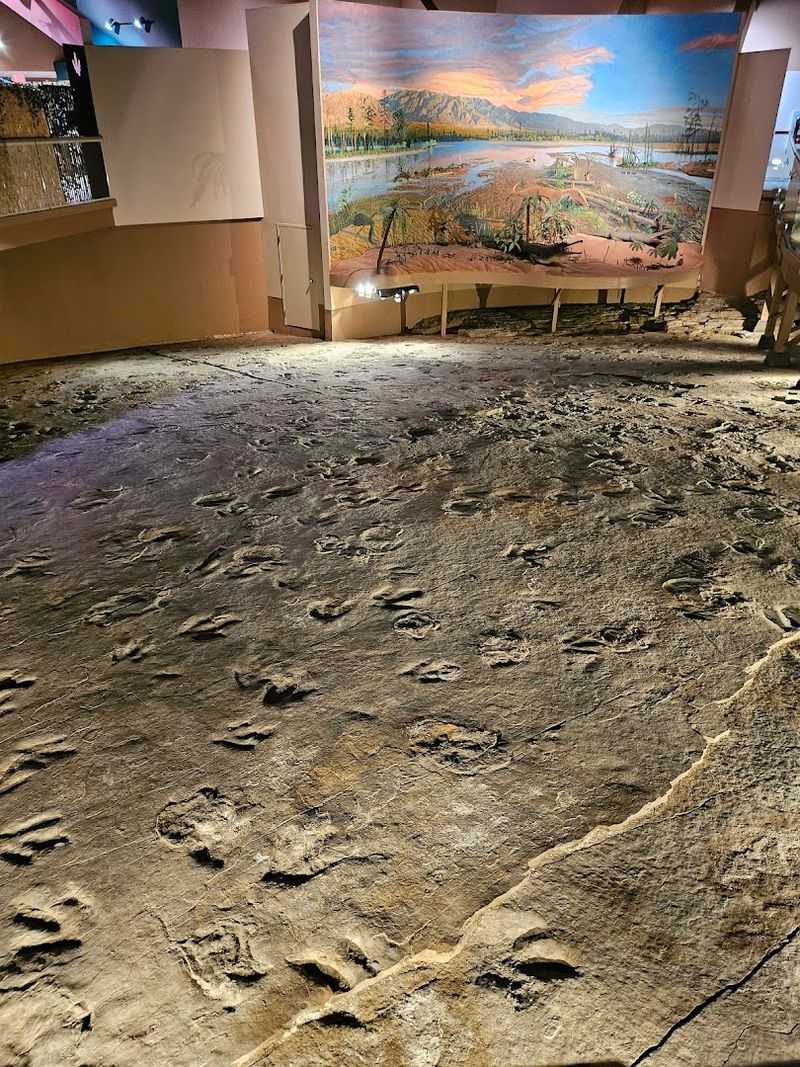
Somewhere beneath a geodesic dome in Rocky Hill lies one of the largest dinosaur track sites ever discovered in North America, and it is open to the public year-round.
Dinosaur State Park at 400 West Street, Rocky Hill, CT 06067 preserves over 500 Early Jurassic dinosaur tracks that were uncovered during a construction project in 1966.
The main exhibit center allows visitors to walk alongside the actual fossilized trackways, which is an experience that genuinely connects the present to a time roughly 200 million years ago.
The surrounding grounds include two miles of nature trails through varied habitats, making the park a solid choice for visitors who want both science and outdoor time in a single stop.
A cast-making program is offered seasonally, allowing visitors to make their own plaster replica of a dinosaur track to take home.
The park is family-friendly and tends to engage kids and adults equally well. Bringing cash or checking current payment options ahead of time is a good idea since fees apply for some activities.
7. Bellamy-Ferriday House & Garden, Bethlehem
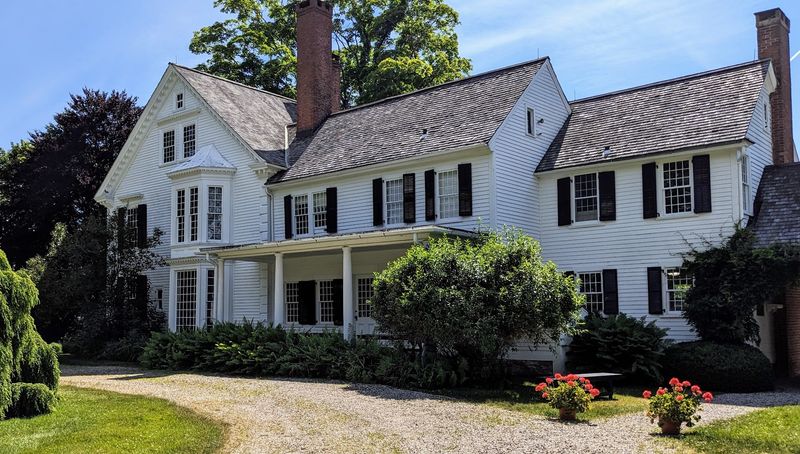
In the small town of Bethlehem, the Bellamy-Ferriday House and Garden rewards visitors who take the time to slow down and look closely. The house is filled with original furnishings and personal objects that give it an unusually authentic and layered atmosphere.
The property spans a history reaching back to the eighteenth century and reflects the lives of two very different families who shaped it over generations.
Outside, the formal gardens are among its most admired features, with a lilac collection that draws visitors each spring and a peony garden that peaks in early summer.
Seasonal timing can significantly affect what is in bloom, so planning a visit around late May or early June tends to offer the most visually rewarding experience.
Guided tours provide historical context that connects the house, gardens, and the broader state landscape in a way that feels cohesive and thoughtfully presented rather than rushed or superficial.
The address is 9 Main Street North, Bethlehem, CT 06751.
8. Shore Line Trolley Museum, East Haven
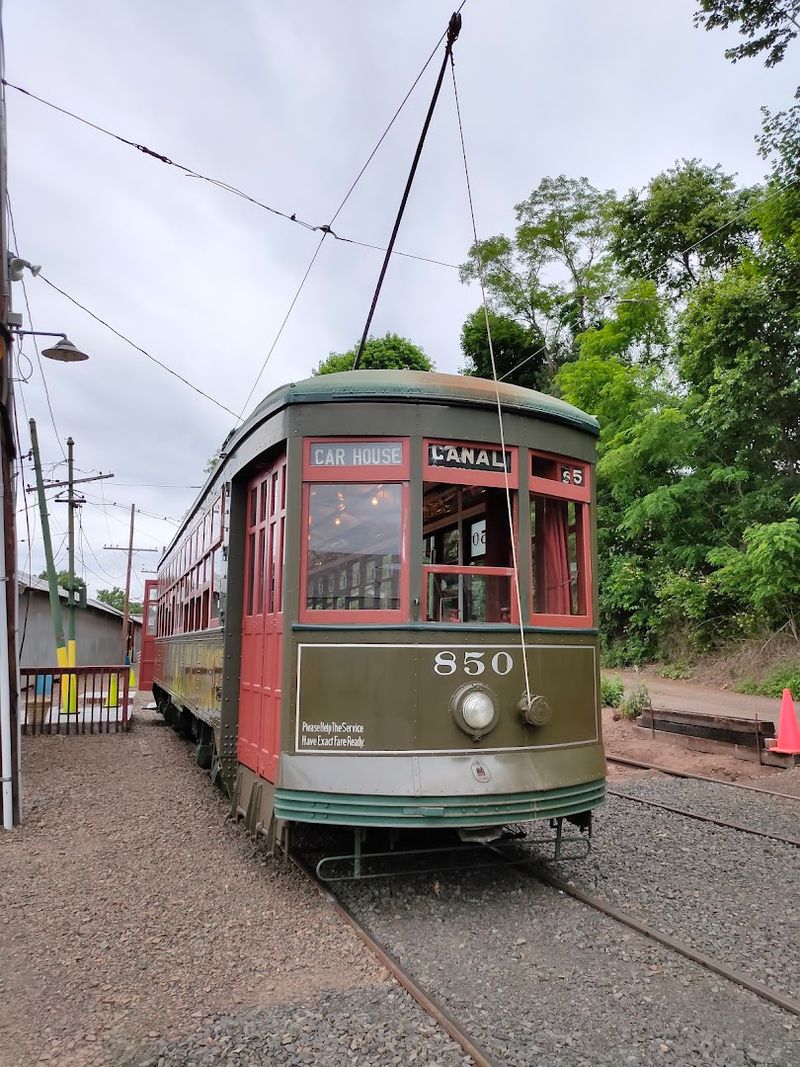
Riding a restored vintage trolley through the shoreline countryside is the kind of experience that does not happen just anywhere.
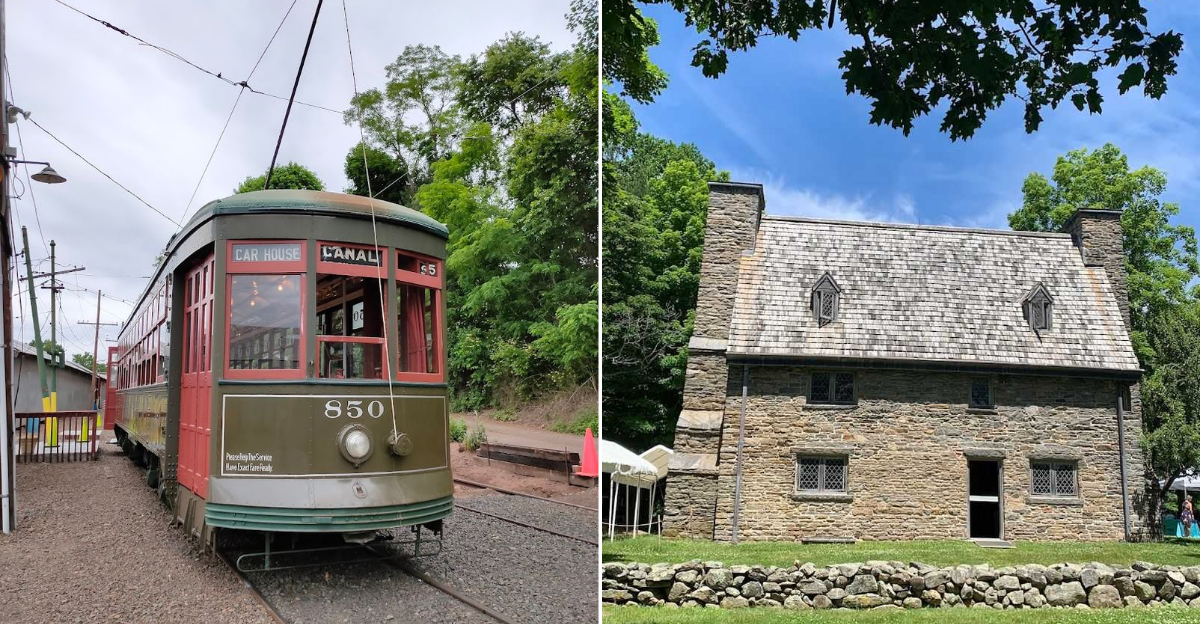
The Shore Line Trolley Museum at 17 River Street, East Haven, CT 06512 is home to one of the oldest and largest collections of antique street railways in North America.
Trolleys dating back to the late 1800s are preserved here in remarkable condition, many of them still operational for passenger rides.
The outdoor setting adds a lot to the visit, with tracks winding through a peaceful wooded landscape that feels genuinely removed from modern life.
Staff and volunteers are knowledgeable and clearly passionate about transit history, which makes conversations along the way feel natural and interesting rather than scripted.
Seasonal events and special rides are offered throughout the year, so checking ahead before a visit is worthwhile. The museum is best suited for a relaxed morning or early afternoon when the light through the trees hits the old trolley cars just right.
9. Slater Memorial Museum, Norwich

A grand Victorian hall gives this museum an atmosphere that feels dramatic, historic, and surprisingly peaceful. Its soaring interior space makes the classical plaster casts feel especially impressive, particularly for visitors seeing them in person for the first time.
The collection includes reproductions of ancient Greek, Roman, and Renaissance masterworks, forming one of the finest classical plaster cast collections in the United States.
These casts were assembled in the late nineteenth century as educational tools, and they still create a powerful visual experience throughout the building.
The scale of some pieces is striking in a way photographs cannot fully capture. Soft natural light from upper windows adds to the atmosphere of the room, giving the galleries a calm and memorable quality.
The museum’s address is 108 Crescent Street, Norwich, CT 06360.
Beyond the cast gallery, visitors can also explore collections of decorative arts, paintings, and cultural artifacts that broaden the experience. The surrounding campus of Norwich Free Academy adds a pleasant backdrop for a short walk before or after the visit.
10. Connecticut River Museum, Essex
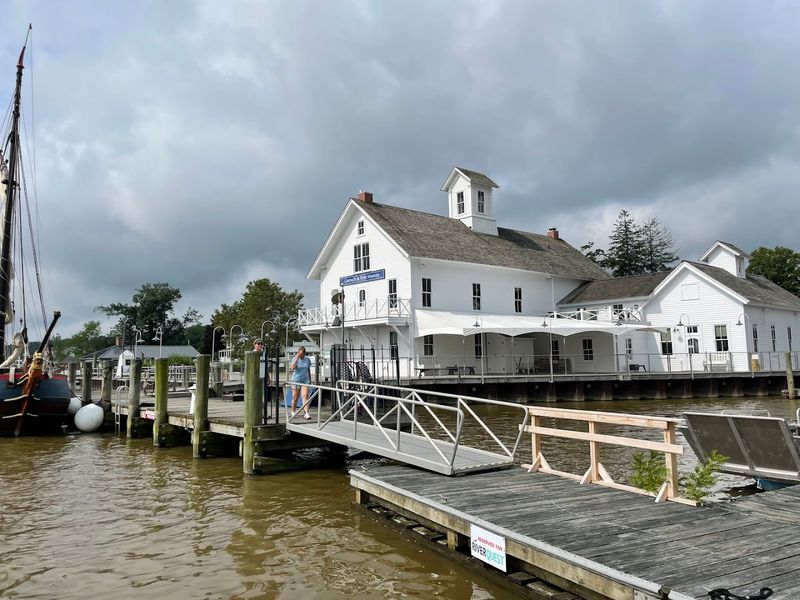
In the charming village of Essex, this museum connects visitors to one of the most historically significant waterways in New England. The waterfront setting gives the visit a distinctive feel, with river views visible from inside the museum itself.
A restored nineteenth-century steamboat warehouse gives the museum a strong sense of place and history. Exhibits explore the natural and cultural story of the river through engaging displays and hands-on features, making the experience feel accessible rather than overly formal.
Topics range from shipbuilding and maritime trade to ecology and conservation, giving the museum broad appeal beyond one type of visitor.
One of the most memorable objects in the collection is a full-scale reproduction of the Turtle, the world’s first submarine used in combat, which tends to draw considerable attention.
The surrounding village of Essex is walkable and pleasant, making the museum a natural anchor for a longer day exploring the lower Connecticut River Valley. The museum’s address is 67 Main Street, Essex, CT 06426.
Weekend afternoons can be busy during summer, so a morning arrival is a comfortable option.
11. Henry Whitfield State Museum, Guilford
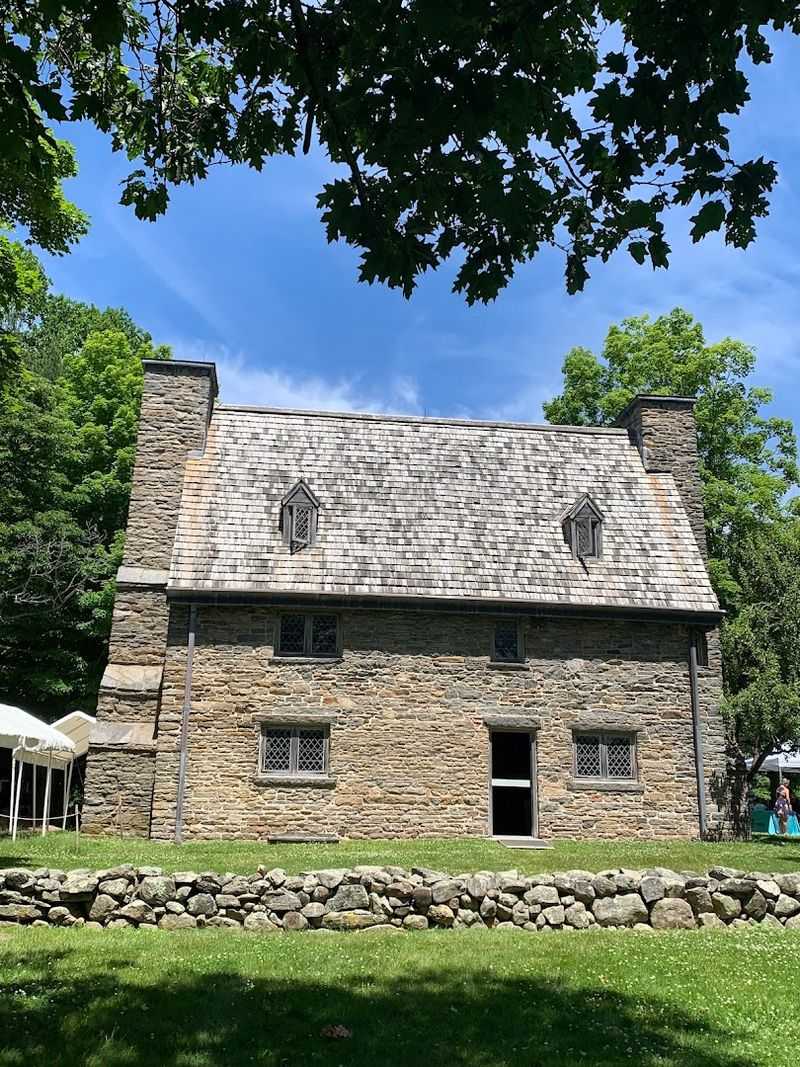
Standing since 1639, the Henry Whitfield State Museum holds the distinction of being the oldest stone house in New England and one of the oldest surviving English structures in the United States.
The museum at 248 Old Whitfield Street, Guilford, CT 06437 preserves this remarkable building alongside a collection of early colonial artifacts that paint a vivid picture of life in the region nearly four centuries ago.
The thick stone walls and low ceilings create a sensory experience that no photograph fully captures.
Walking through the rooms feels genuinely different from visiting a reconstructed site since the original materials and structure are largely intact. Exhibits inside are thoughtfully curated to help visitors understand both the building itself and the community that built it.
The surrounding grounds are quiet and well-maintained, adding to the overall sense of stepping back in time.
Admission is affordable, and the museum is small enough to explore thoroughly in about an hour without feeling rushed or overwhelmed by the amount of information presented.