13 Unbelievably Scenic Day Trips In Nebraska That Cost Less Than 65 Dollars
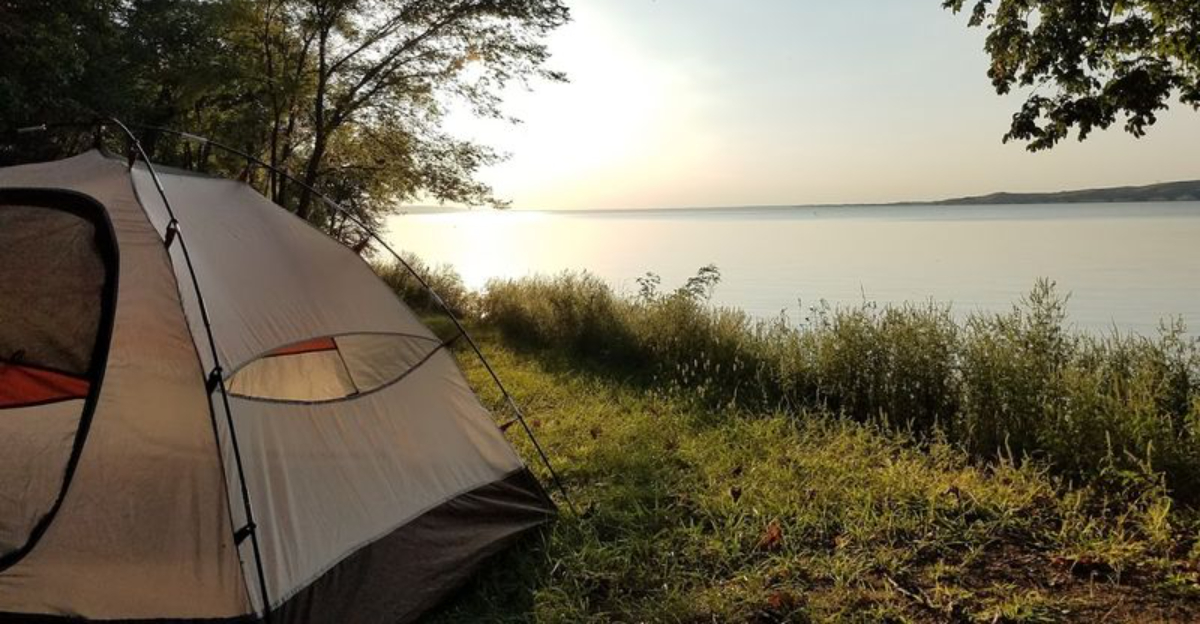
A great day trip does not need to bully your wallet.
Pack snacks. Fill the tank. Pick a view with enough drama to make the group chat pay attention.
Nebraska has scenic escapes that make $65 feel like plenty of adventure money.
That is the sweet spot, right? A cheap outing can still feel huge when the scenery shows up properly.
Bluffs or lakes. Trails or gardens. Small towns or historic sites. It’s your choice. You can turn an ordinary free day into something that feels surprisingly memorable.
There’s no need for a luxury resort needed or overplanned itinerary. Just a good route and enough beauty to make staying home feel like the wrong financial decision.
1. Smith Falls State Park, Valentine
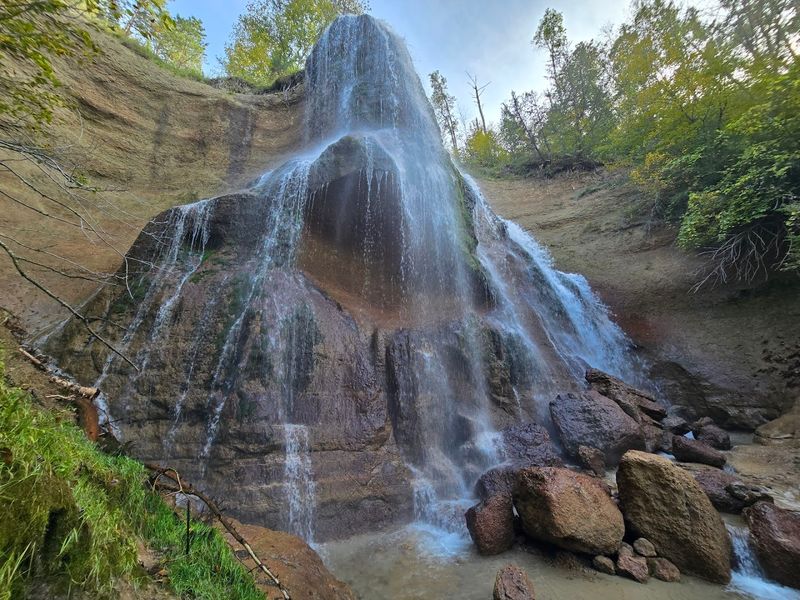
Over in the Niobrara River valley, Smith Falls State Park is home to Nebraska’s tallest waterfall, which drops about 63 feet into a shaded canyon below.
The trail to reach the falls is relatively short and manageable for most fitness levels, winding through cottonwood and cedar trees before opening up to the cascade.
A small footbridge near the base gives visitors a front-row view of the rushing water, which stays active even during drier months.
The park sits near Valentine, Nebraska, and a daily vehicle permit is required for entry, typically running around $6 for Nebraska residents and a bit more for out-of-state visitors.
Canoe and tube rentals are available nearby along the Niobrara River if a longer outdoor adventure sounds appealing.
Mornings tend to be quieter, and the light filtering through the canyon trees in the early hours makes the falls look especially vivid.
Bringing water shoes is a smart move since the trail near the falls can get slippery from mist.
The surrounding Niobrara valley is also a designated National Scenic River corridor, so the beauty extends well beyond just the waterfall itself.
2. Scotts Bluff National Monument, Gering
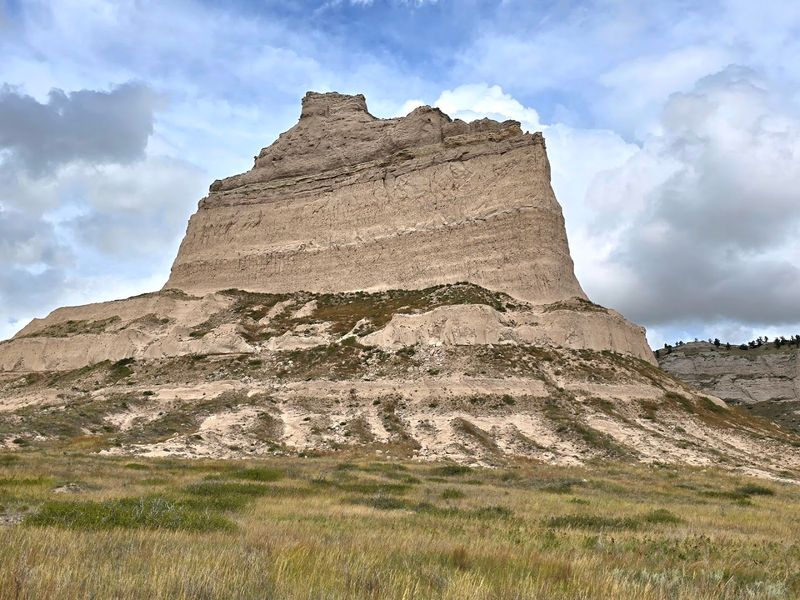
Rising dramatically from the flat prairie landscape, Scotts Bluff National Monument stands as one of the most visually striking landmarks in the entire Great Plains region.
The bluffs tower nearly 800 feet above the surrounding valley and were a major navigation landmark for pioneers traveling the Oregon, California, and Mormon trails in the 1800s.
Standing at the summit today still gives a sense of just how vast and open this part of the country really is.
Located near Gering, Nebraska, the monument is managed by the National Park Service and charges a small entrance fee of around $10 per vehicle, which covers access for seven days.
A paved road leads to the top for those who prefer to drive, while a hiking trail through Robidoux Pass offers a more immersive ground-level experience through the actual wagon ruts left by historical travelers. The visitor center at the base of the bluffs houses exhibits about pioneer life and the geology of the formation, making it a genuinely educational stop alongside the scenery.
Early evening light turns the sandstone a warm amber color that photographers tend to love. Weekdays are noticeably less crowded than summer weekends.
3. Toadstool Geologic Park, near Crawford
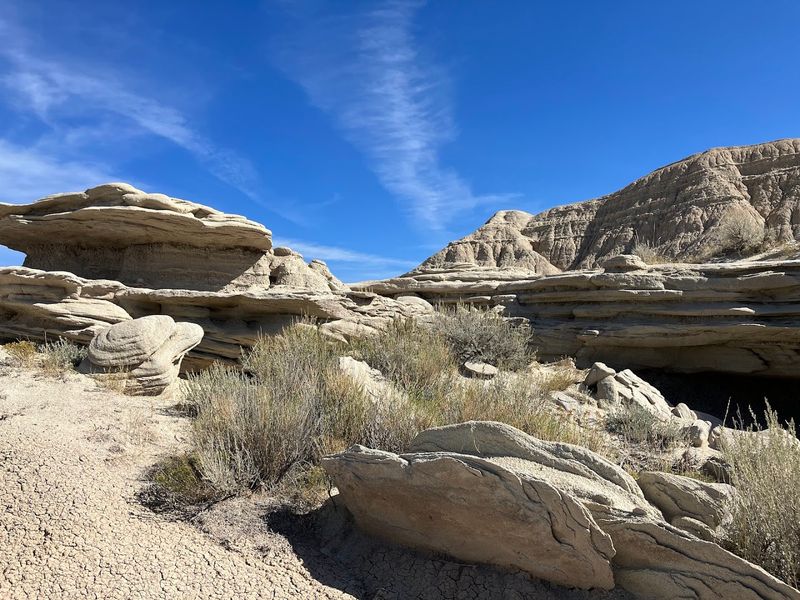
Few places in Nebraska feel quite as otherworldly as Toadstool Geologic Park, where years of wind and water erosion have carved the landscape into a series of strange mushroom-shaped rock formations.
The badlands terrain here looks more like something from the American Southwest than the Great Plains, which makes the first glimpse genuinely surprising.
Fossil remains of ancient mammals have been found in this area, giving the park both visual and scientific significance.
Located in the Oglala National Grassland near Crawford, Nebraska, the park is managed by the U.S. Forest Service and is free to enter, making it one of the most budget-friendly scenic stops in the state.
The main loop trail runs about 1.5 miles through the formations and takes roughly an hour to complete at a relaxed pace.
The terrain is mostly flat but the clay soil can become slippery after rain, so checking the weather before visiting is a practical step.
Sunrise and late afternoon tend to bring out the best colors in the layered sediment, with shades of gray, tan, and rust becoming more vivid in angled light.
Bringing plenty of water is essential since there are no services on site. The remote setting also makes for exceptionally dark skies at dusk.
4. Fort Robinson State Park, Crawford
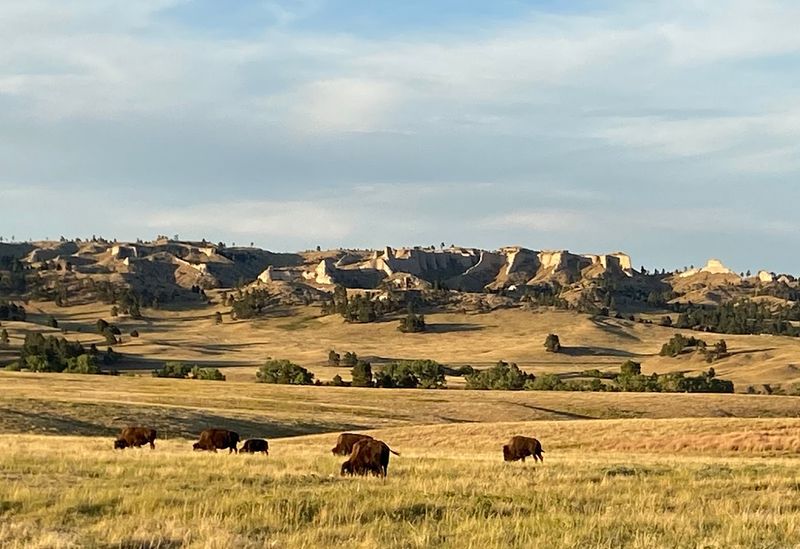
History and natural beauty share equal billing at Fort Robinson State Park, a former U.S. Army post set against the dramatic backdrop of the Pine Ridge escarpment in northwestern Nebraska.
The park covers over 22,000 acres and includes a mix of open grasslands, rugged buttes, and ponderosa pine forests that feel genuinely different from the rolling farmland found across most of the state.
Bison roam within a large pasture on the property, and spotting them from the road is one of the more memorable parts of a visit.
Horseback riding, hiking, mountain biking, and jeep tours are all available depending on the season, with trail fees and activity costs varying but generally staying well within a $65 day budget.
The historic buildings on the grounds include a museum that covers the fort’s role in the Indian Wars and its later use as a World War II K-9 training facility.
The dining lodge on site serves casual meals and is a convenient spot to refuel after a morning on the trails.
Weekday visits in late spring or early fall tend to offer cooler temperatures and fewer crowds than peak summer.
5. Chadron State Park, Chadron
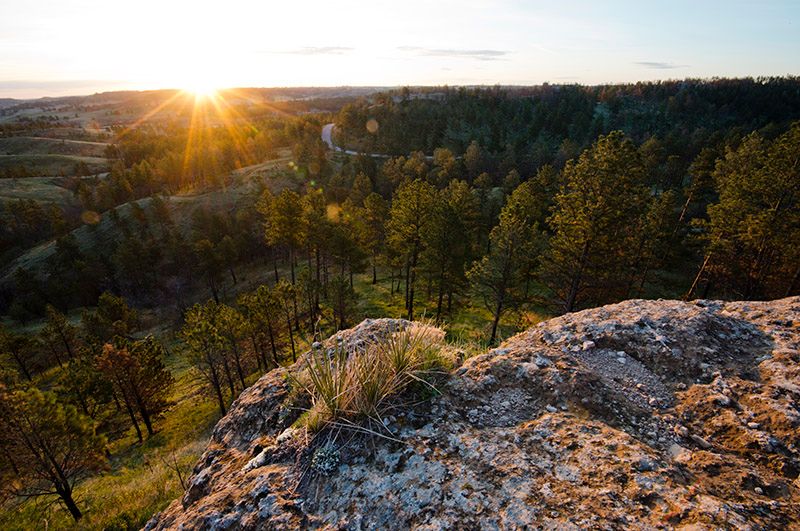
Established in 1921, Chadron State Park holds the distinction of being Nebraska’s oldest state park, and it still delivers the kind of quiet, unhurried outdoor experience that made it popular in the first place.
The park sits in the Pine Ridge region of northwestern Nebraska and features a mix of forested hills, open meadows, and a small lake that makes it feel like a genuine retreat from daily routines.
Hiking trails range from easy lakeside walks to more challenging ridge climbs with sweeping views across the surrounding landscape.
Paddleboats and paddleboards are available for rent on the lake during warmer months, and the calm water is a relaxing contrast to the more rugged terrain found on the surrounding trails.
A Nebraska state park vehicle permit covers entry, and most activities remain affordable enough to keep the day well under $65.
Cabins and camping are also available for those who want to extend the stay beyond a single day.
The forest canopy in Chadron provides welcome shade during hot summer afternoons, making midday hikes more comfortable than they would be in more exposed areas of the state.
Wildlife sightings including deer and wild turkey are fairly common along the quieter trail sections. Arriving early on weekends helps secure a good parking spot near the trailheads.
6. Indian Cave State Park, Shubert
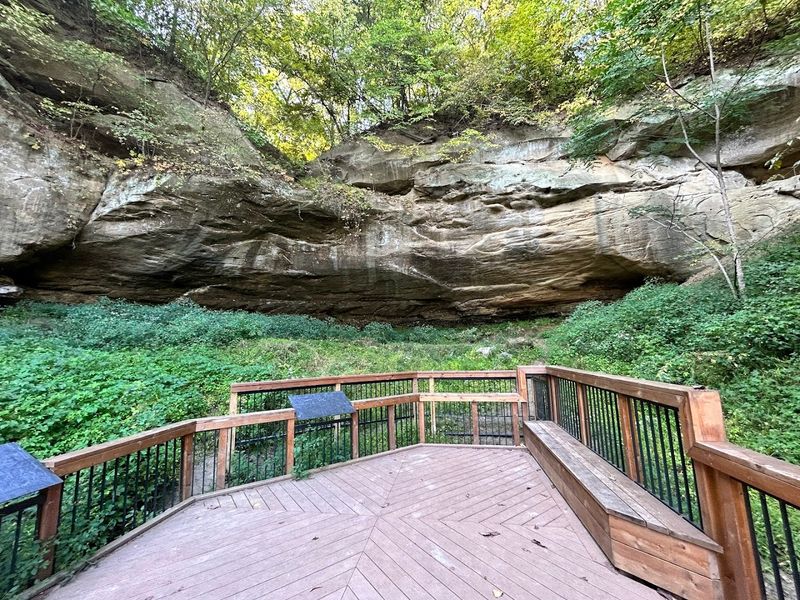
Perched along the bluffs above the Missouri River in southeastern Nebraska, Indian Cave State Park offers a landscape that feels more like the Ozarks than the Great Plains.
Dense hardwood forests cover the rolling hills, and the park’s namesake sandstone cave features Native American petroglyphs carved into its walls, giving the site genuine historical depth alongside its natural appeal.
The cave itself is accessible via a trail that winds through some of the most scenic forest terrain in the entire state.
Over 20 miles of hiking trails wind through the park, ranging from short interpretive loops to longer backcountry routes that take hikers deep into the forested bluffs above the river.
Entry requires a Nebraska state park vehicle permit, and the overall cost of a day visit stays comfortably within budget.
A reconstructed 1800s village near the cave area adds a historical dimension that makes the park especially engaging for families.
Fall foliage season turns the hardwood forest into a vivid patchwork of orange, red, and gold, making October visits particularly rewarding.
The sound of the Missouri River carrying through the trees on quieter mornings adds to the atmosphere in a way that feels genuinely calming.
7. Platte River State Park, Louisville
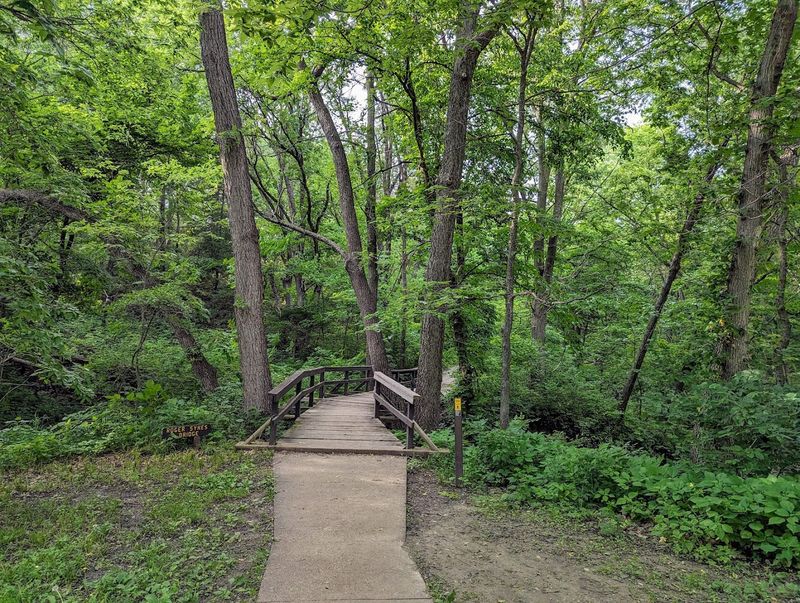
Just a short drive south of Omaha, Platte River State Park packs a surprising amount of natural variety into a relatively compact area along the Platte River valley.
Mature hardwood forests, open meadows, and a network of well-maintained trails make it a genuinely rewarding outdoor stop without requiring a long drive across the state.
A suspension bridge crossing a small stream is one of the more charming features along the trail system and tends to be a favorite spot for photos.
The park offers a range of recreational activities including horseback riding, swimming, and tent camping, with most amenities priced modestly enough to fit within a $65 day budget.
A Nebraska state park vehicle permit is required for entry, and the park is located near Louisville, Nebraska, making it an easy addition to a day trip itinerary from the Omaha or Lincoln area.
The terrain is hilly by Nebraska standards, offering some genuinely satisfying elevation changes along the longer trail routes.
An outdoor education center on the grounds offers programming and exhibits focused on local ecology, which adds an educational layer to the visit beyond just the trails.
Evening light filters beautifully through the tree canopy during late summer, giving the forest a warm, golden quality.
8. Niobrara State Park, Niobrara
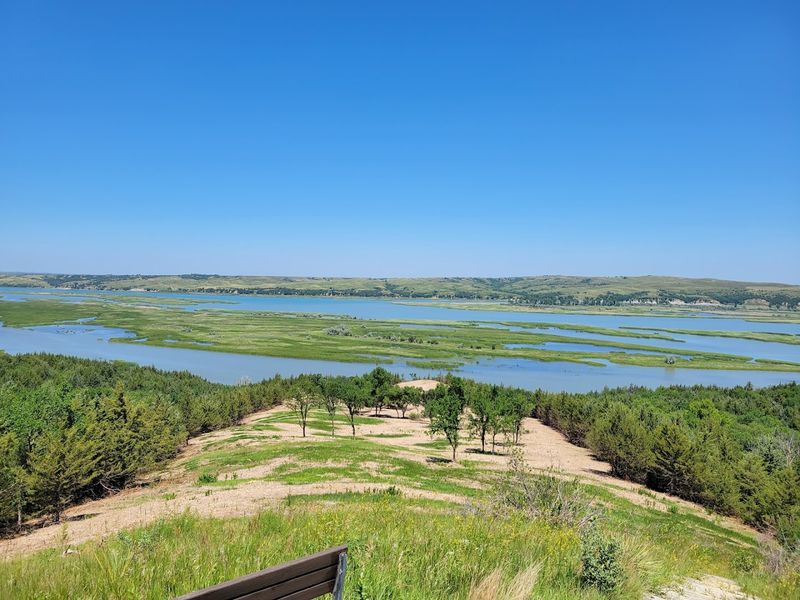
Sitting at the confluence of the Niobrara and Missouri Rivers, Niobrara State Park occupies one of the most geographically interesting locations in the state.
The overlook views from the park’s bluffs stretch across two rivers and into South Dakota on the far bank, offering a sense of scale and openness that is hard to find elsewhere in Nebraska.
The mix of river bottomland, upland prairie, and wooded hills within the park creates a diverse habitat that supports a wide range of wildlife.
Horseback riding is one of the most popular activities here, with horse rentals available on site during the warmer months at rates that fit comfortably within a day trip budget.
Hiking trails of varying lengths wind through the park’s different terrain types, and the riverside sections tend to be especially scenic in morning light.
A Nebraska state park vehicle permit covers entry, keeping overall costs reasonable for a full day of exploration.
The park also offers swimming and camping facilities, making it easy to build a longer itinerary if the day allows for it.
Birdwatching along the river corridor can be particularly rewarding during spring and fall migration periods.
The small town of Niobrara nearby has basic services including a gas station and a convenience store for last-minute supplies.
9. Chimney Rock National Historic Site, Bayard
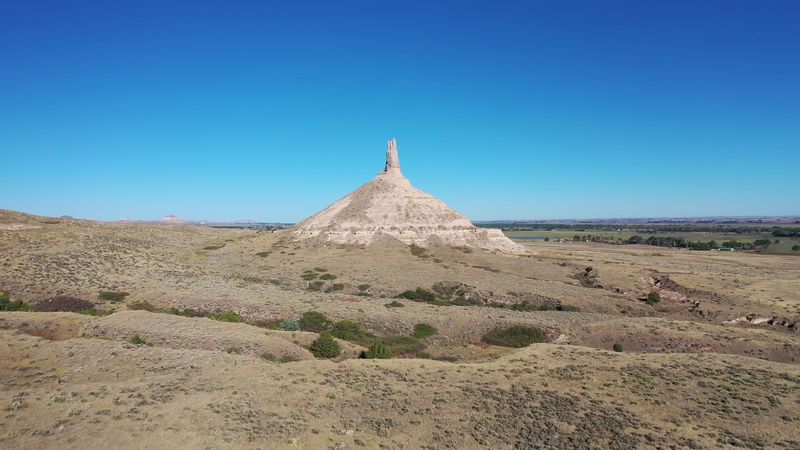
Few landmarks in American history are as instantly recognizable as Chimney Rock, a narrow spire of ancient clay and volcanic ash that rises nearly 300 feet above the North Platte River valley floor.
For thousands of westward-bound pioneers in the 1800s, spotting Chimney Rock meant they were making real progress on the trail, and journal entries from that era describe the sense of relief and wonder it inspired.
Standing at its base today, it is easy to understand why it made such a strong impression.
The visitor center at the site provides detailed exhibits about the geology of the formation and its significance to Oregon Trail travelers, offering context that makes the outdoor experience more meaningful.
The site is located near Bayard, Nebraska, and is managed by the Nebraska State Historical Society, with a modest admission fee that keeps the visit well within budget.
The grounds around the base of the spire are accessible for walking, though climbing the rock itself is not permitted in order to preserve the formation.
Morning light from the east illuminates the spire in a way that makes it look especially dramatic against the surrounding flatlands.
10. Ashfall Fossil Beds State Historical Park, Royal
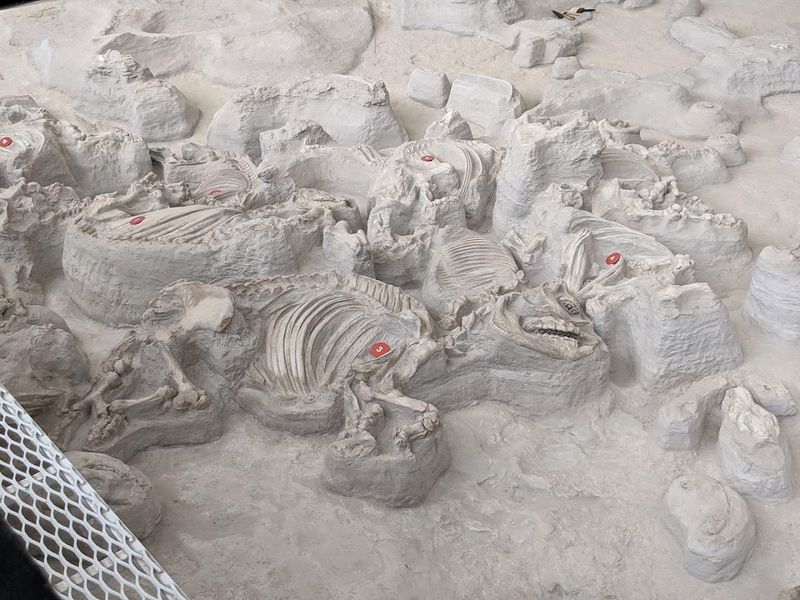
About twelve million years ago, a massive volcanic eruption in what is now Idaho sent a thick blanket of ash drifting eastward across the Great Plains, burying a watering hole and the animals gathered around it.
At Ashfall Fossil Beds State Historical Park near Royal, Nebraska, that ancient disaster has been preserved in extraordinary detail, with complete skeletons of rhinos, horses, camels, and birds.
The Hubbard Rhino Barn covers the main excavation site and allows visitors to walk above the fossils on elevated viewing platforms.
The park is genuinely one of the most scientifically significant fossil sites in North America,
The experience of seeing articulated skeletons still embedded in their original ash layer is unlike anything found at a typical natural history museum.
Admission is charged per person and remains well within a $65 day budget even for small groups.
Interpretive signs throughout the barn explain the biology of each species and the sequence of events that led to their preservation.
Outdoor trails around the park explore the surrounding prairie landscape and offer a sense of the open terrain that these animals once roamed.
The site is open seasonally, typically from Memorial Day through Labor Day, so checking the schedule before making the drive is worthwhile.
11. Bridges to Buttes Scenic Byway, Valentine to Wyoming border
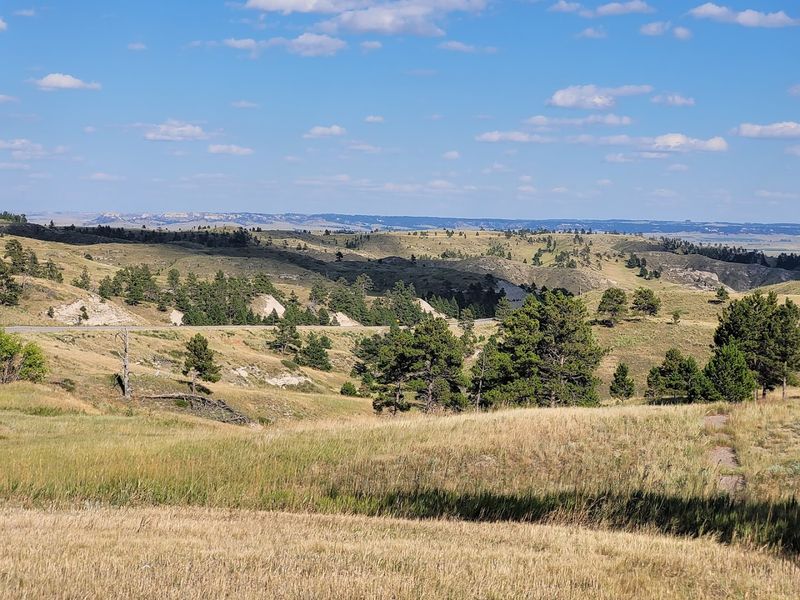
Stretching from Valentine in north-central Nebraska all the way to the Wyoming border, the Bridges to Buttes Scenic Byway covers some of the most dramatic and varied landscape in the entire state.
The route passes through the Pine Ridge region, crosses the Niobrara River valley, and winds through open rangeland where cattle graze against a backdrop of sandstone bluffs and ponderosa pine forests.
Driving the full length takes most of a day but can easily be broken into shorter segments depending on available time.
Several state parks and historical sites sit directly along or just off the byway, including Fort Robinson and Chadron State Park, making it a natural backbone for a multi-stop day trip across the region.
Fuel up and pack snacks before departing since services can be sparse between towns along certain stretches of the route.
The road itself is well-maintained and passes through several small communities where local diners and gas stations provide basic amenities.
Late spring and early fall tend to offer the most comfortable driving conditions, with moderate temperatures and good visibility across the open terrain.
The shifting light across the buttes during late afternoon turns the drive into something genuinely scenic rather than just functional.
12. Arbor Day Farm and Tree Adventure, Nebraska City
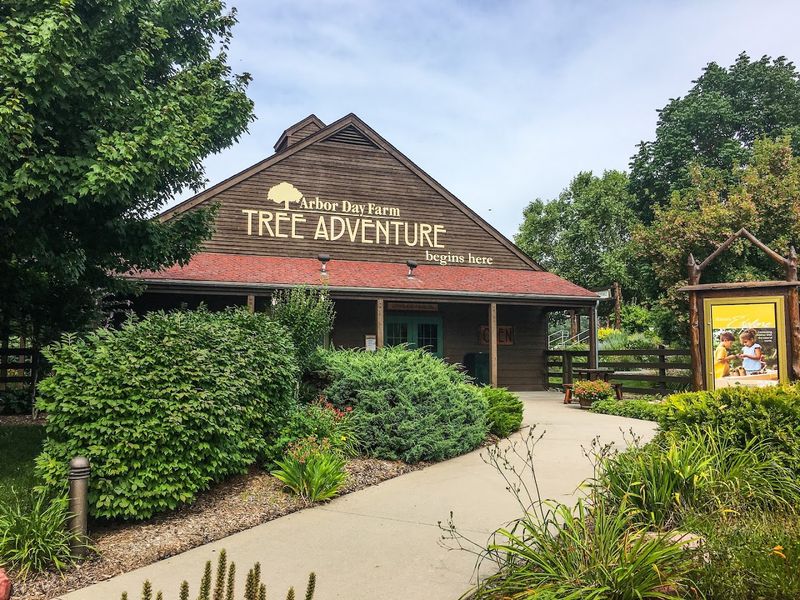
Founded on the grounds where J. Sterling Morton first championed the idea of a holiday dedicated to planting trees.
Arbor Day Farm in Nebraska City carries a legacy that feels both historically meaningful and genuinely enjoyable to visit.
The farm spans over 260 acres of apple orchards, hiking trails, and woodland areas that shift beautifully with the seasons.
A treetop adventure course weaves through the forest canopy and offers a perspective on the landscape that ground-level trails simply cannot match.
The Tree Adventure area includes zip lines and elevated walkways suitable for a range of ages, with admission fees that vary by activity but generally stay within a comfortable day trip budget.
Linden Lodge, the on-site restaurant, serves casual meals made with ingredients from the farm and surrounding region, making it a practical and satisfying lunch stop.
The apple orchards are especially popular during fall harvest season when pick-your-own options are typically available.
Hiking trails throughout the property wind past historic structures and through mature timber stands that provide welcome shade on warm days.
Nebraska City is located in the southeastern corner of the state, making Arbor Day Farm a natural destination for visitors coming from Omaha or Lincoln.
13. Lewis and Clark State Recreation Area, Crofton
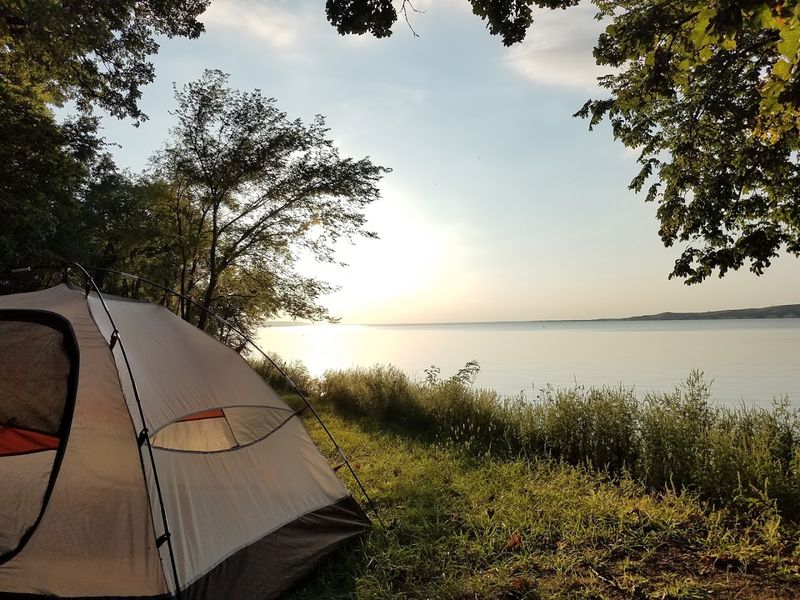
Built along the shores of Lewis and Clark Lake, the Lewis and Clark State Recreation Area near Crofton offers one of the most water-centered day trip experiences available anywhere in Nebraska.
The reservoir stretches across the Nebraska-South Dakota border and provides enough open water for sailing, motorboating, fishing, and swimming, making it a versatile destination for groups.
The lake takes its name from the famous Corps of Discovery expedition, which passed through this stretch of the Missouri River in the early 1800s.
Sandy beaches along the Nebraska shore are open for swimming during summer months, and the calm coves near the marina tend to be popular with families looking for a relaxed place.
A Nebraska state park vehicle permit covers basic access, and boat rentals are available nearby for those who want to get out on the water without bringing their own equipment.
The surrounding hills offer elevated views of the lake that reward a short walk away from the main beach area.
Fishing for walleye, catfish, and white bass is popular throughout the warmer months, and the lake is generally considered one of the better fishing destinations in the state.
Evening light reflecting off the wide surface of the reservoir tends to be especially striking during late summer.