This Aviation Museum In North Carolina Features An Interactive Flight Simulator
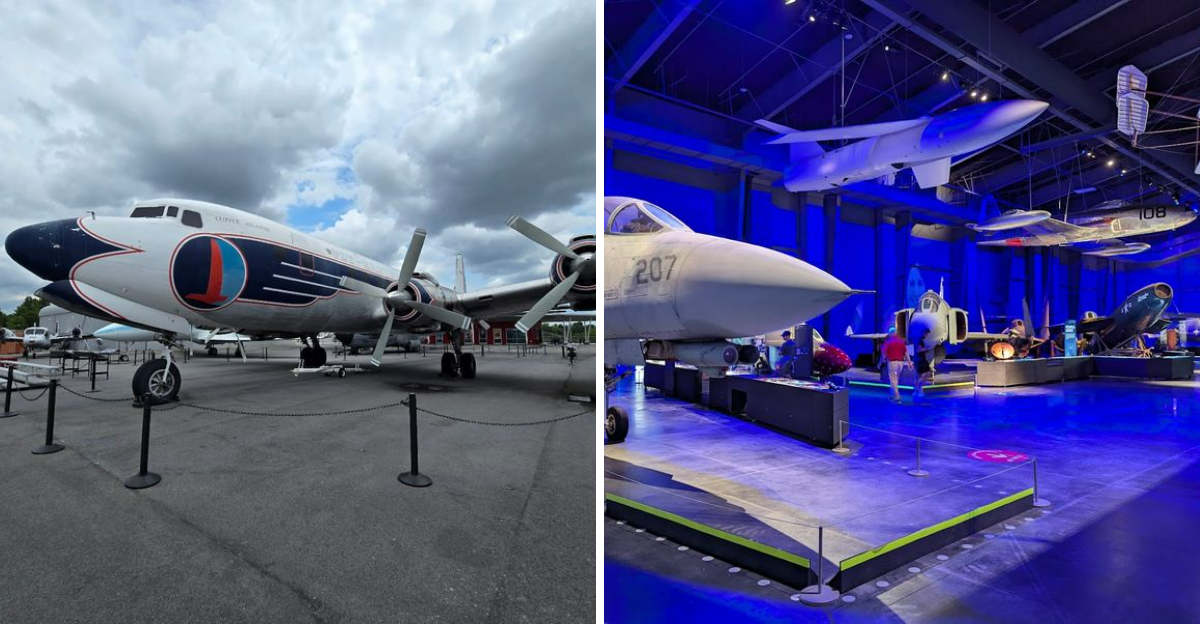
I never thought a museum could make my palms sweat. But there I was, hands gripping a control yoke, heart racing, trying to land a virtual jet without embarrassing myself in front of a room full of strangers.
North Carolina has a way of catching you off guard, and this state does it again with one of the most unexpectedly thrilling aviation experiences I have ever had. This state is home to a museum that skips the velvet ropes and dusty placards entirely.
Real aircraft hang overhead. History hits different when you can reach out and almost touch it.
And then there is the flight simulator, which is not some arcade gimmick. It is the real deal, and it will humble you fast.
If you think aviation museums are boring, this one is about to prove you completely wrong.
The Interactive Flight Simulators

Forget watching planes from a distance. The simulators here let you actually fly one.
You can choose between a Cessna 172 and an Airbus A330, both rendered on computer-based systems with real cockpit-style controls.
I tried the Cessna first, thinking it would be easy. It was not.
The simulator teaches you takeoffs, landings, and how to handle engine failure with surprising realism. STEM educators and volunteers stand nearby to guide you through every step.
One of the coolest details is the wheelchair-accessible simulator inside the Aviation City exhibit. It has a platform and lift, so everyone gets a turn.
Landing successfully even earns you a ten percent discount at the gift shop, which is a clever little reward. The simulators alone are worth the trip to 4108 Minuteman Way, Charlotte, North Carolina.
The Miracle On The Hudson Exhibit

Standing in front of the actual US Airways Flight 1549 aircraft is one of those moments that stops you cold. This is the real plane that Captain Chesley Sullenberger landed on the Hudson River in January 2009.
It is right there, close enough to touch the story.
The exhibit surrounding the aircraft is meticulously assembled. Passenger interviews, cockpit voice recordings, and a continuous film play nearby, capturing every second of that emergency landing.
The emotional weight of the display is hard to describe without actually being there.
A separate immersive tour examines the incident from every possible angle. Detailed commentary walks you through the bird strike, the rapid decision-making, and the safe evacuation of all 155 people on board.
The ten-minute film shown from the aircraft perspective is especially powerful. This exhibit alone draws visitors from across the country, and honestly, it earns every bit of that attention.
The Aviation City Exhibit

Aviation City is where the museum shifts into full gear for younger visitors. The exhibit is designed to feel like an actual city built around flight, with interactive stations at every turn.
Kids can explore careers, technology, and the basic science of how aircraft stay in the air.
The energy in this section is genuinely fun. My nephew sprinted from one station to the next, completely absorbed in each activity.
The wheelchair-accessible flight simulator is housed here, making the experience open to all visitors regardless of mobility.
SAM STEM educators move through the space, answering questions and helping visitors get the most from each display. The exhibit blends learning with hands-on engagement in a way that never feels like a classroom.
Parents appreciate how much ground the kids cover without realizing they are absorbing real science. Aviation City is proof that a museum can be both educational and genuinely entertaining at the same time.
The Historic Aircraft Collection
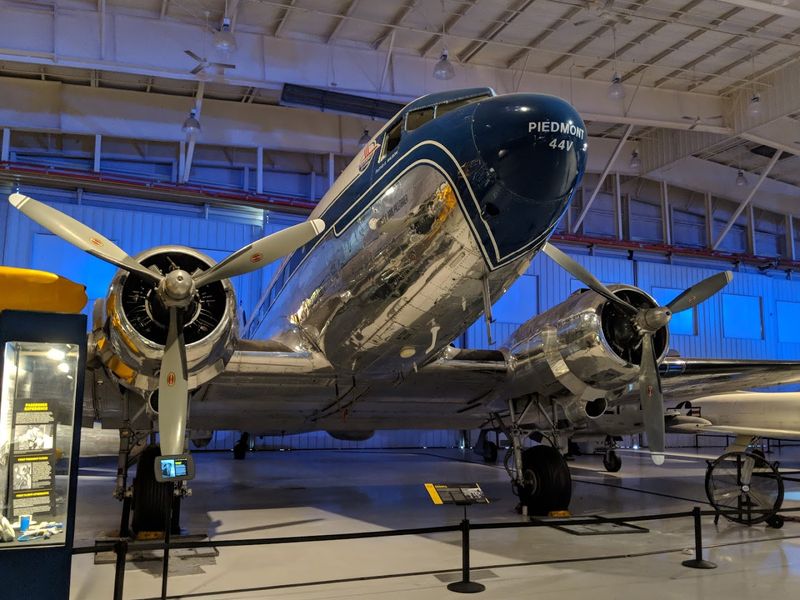
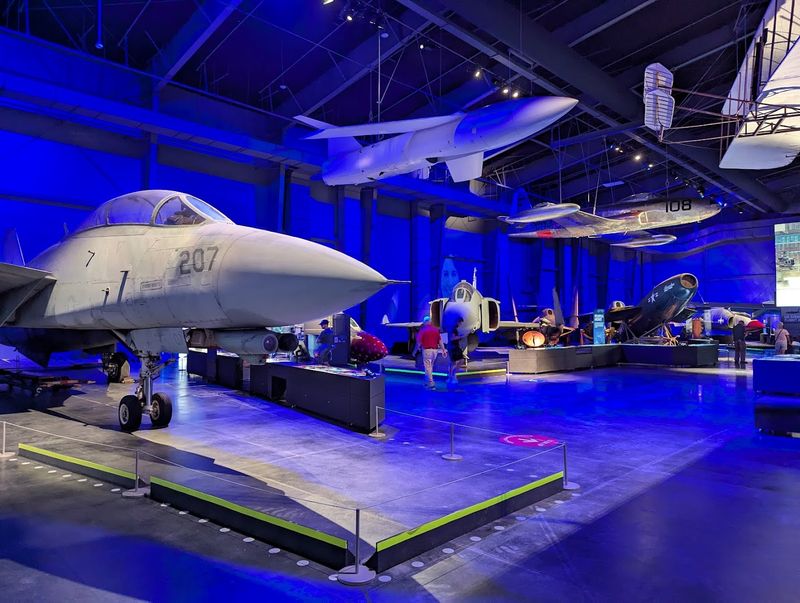
More than 40 aircraft span the museum’s two buildings and outdoor areas, covering a full century of aviation history. Helicopters, jets, and commercial airliners keep you moving from one aircraft to the next with genuine curiosity.
The separate hangar holds historical treasures like the DC-3, a Wright Flyer replica, and a C-130 that aviation history fans will immediately recognize. Some aircraft are suspended from the ceiling, which creates a dramatic visual impact as you walk through.
Tablet devices are available throughout the collection. Hold one up to a specific aircraft and icons appear on screen, letting you tap through detailed information about that plane’s history and specifications.
It is an unexpectedly clever way to explore a large collection without feeling overwhelmed. For anyone who grew up building model planes, this section feels like stepping into a life-sized version of that childhood hobby.
The Cockpit Experiences

Very few museums let you actually sit in a real cockpit. This one offers several.
The Boeing cockpit experience is genuinely impressive. Every button, switch, and gauge is real, and volunteers stationed nearby are happy to explain what each instrument does.
I spent way too long in that seat pretending I knew what I was doing, and nobody judged me for it.
There is also a T-33 jet where you can sit in the real cockpit and use a simulator to practice landings. The combination of authentic hardware and interactive technology makes these experiences feel far more immersive than a typical museum display.
Kids earn the most memorable photos here, but adults are equally reluctant to climb back out. These cockpit moments are the kind of hands-on details that set this museum apart from anything you might expect.
The Innovation Nation Exhibit
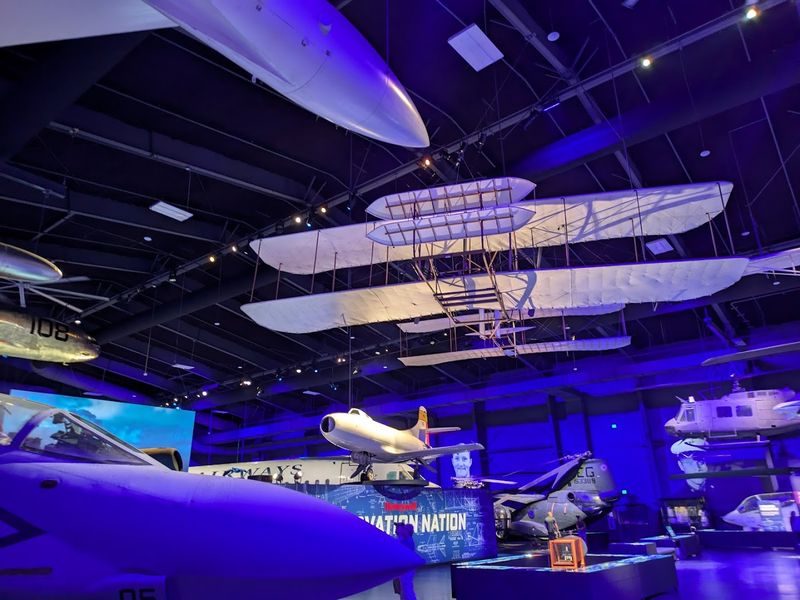
Aviation did not happen overnight, and Innovation Nation makes that crystal clear. The exhibit traces the technological leaps that took flight from the Wright brothers to modern commercial aviation, with well-organized panels and interactive screens throughout.
What makes this section stand out is how it connects invention to real human stories. Displays cover pioneering aviators, major aircraft innovations, and the people whose work helped shape modern flight.
Each story is presented with personal artifacts and firsthand accounts that give the history real texture.
The information density here is high, but the layout keeps it digestible. You can spend twenty minutes or two hours in this section depending on your level of interest.
Aviation enthusiasts tend to linger the longest, reading every panel and watching every short video. For visitors who thought they were just coming to see planes, Innovation Nation often turns into the most unexpectedly moving part of the entire visit.
The exhibit rewards curiosity at every level.
The Plane Spotting Area

Located right next to Charlotte Douglas International Airport, the museum offers something most aviation museums simply cannot. You can watch real aircraft take off and land while you are still on museum grounds.
The outdoor plane spotting area has bleachers set up specifically for this purpose.
Sitting out there with a three-year-old who loses his mind every time a jet roars overhead is one of the more joyful experiences this museum offers. The proximity to an active major airport makes every visit feel live and dynamic.
Planes appear constantly, giving spotters of all ages plenty to react to.
The outdoor area also features aircraft you can walk around and examine up close. The combination of static displays and real departing flights creates a layered experience that keeps the energy high even between indoor exhibits.
On a clear day, the spotting area alone is worth making the trip. It is the kind of detail that turns a good museum visit into a genuinely memorable afternoon.
The STEM Education Programs
The museum takes its role as a Smithsonian affiliate seriously, and the STEM programming reflects that commitment.
A dedicated workshop room hosts hands-on activities like building paper airplanes and rockets, giving younger visitors something creative and constructive to do beyond just looking at displays.
SAM STEM educators are stationed throughout the museum, not just in the workshop. They float between exhibits and simulators, ready to explain aerodynamics, flight physics, or the mechanics of a specific aircraft.
Their enthusiasm is contagious and genuinely adds to the experience.
The programming connects directly to school curriculum standards, making the museum a smart choice for educational field trips. Groups from across the region visit regularly, and the staff handles large groups with impressive organization.
Even for families visiting on a casual weekend, the STEM focus gives every interaction a little more depth. You leave feeling like you actually learned something, which is not always guaranteed at a museum.
That combination of fun and substance is exactly what keeps visitors coming back.
Visiting Tips And Museum Details

Planning your visit takes about five minutes of prep and saves a lot of frustration. The museum is open Tuesday through Saturday from 10 AM to 4:30 PM and on Sundays from noon to 4:30 PM.
Monday is the one day it stays closed, so plan accordingly.
Admission for adults runs around $25.50, with discounts available for seniors, educators, and first responders. Children have a lower rate, and the multi-museum package is worth checking if you plan to explore more of what the area offers.
Parking is free and plentiful, which is a genuine relief near any airport location.
The entrance runs through the gift shop, which is worth knowing if you are bringing kids who spot merchandise quickly. A lunch counter is available on site for a quick bite.
Most visitors spend around two hours, but aviation enthusiasts routinely stay longer. Budget the extra time.
You will want it.