These Stunning Tulip Farms in Nebraska Burst Into Color Every Spring
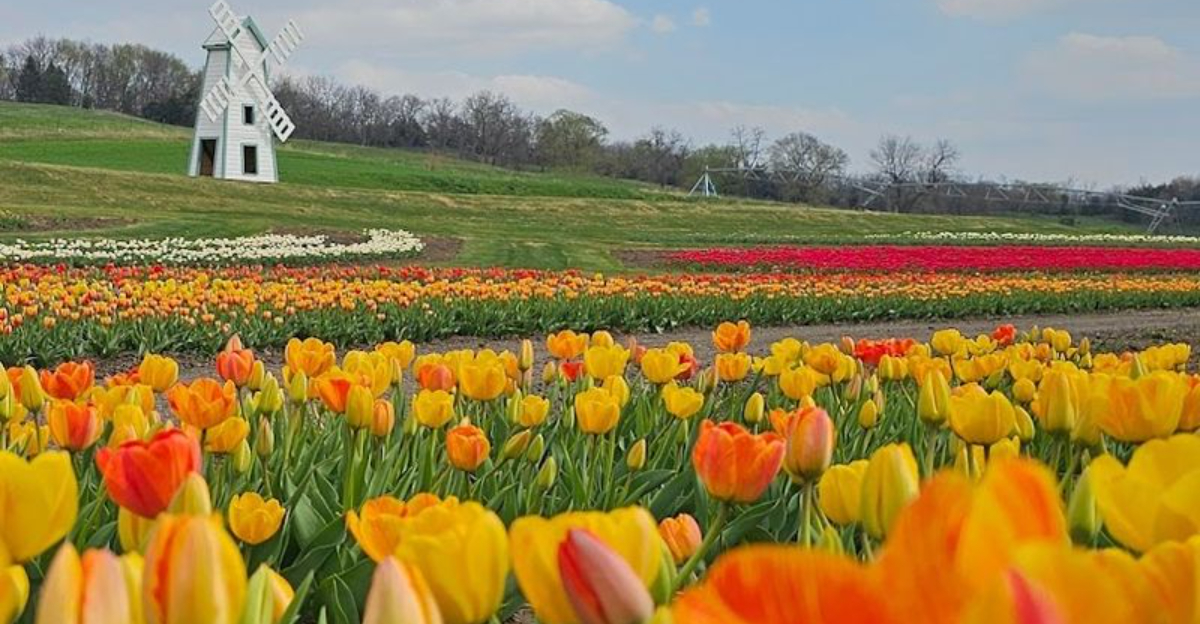
Spring has a flair for drama when tulips get involved.
One field turns red. Another goes yellow. Pink rows show up like they coordinated the whole thing behind winter’s back.
Suddenly, a quiet farm road feels like the entrance to something much brighter than the calendar promised.
Nebraska tulip farms can make spring look like it arrived with a paintbrush and absolutely no restraint.
That is the fun of bloom season. The color does not whisper. It takes over.
Families come for photos. Couples linger between rows. Kids usually care more than expected once the flowers start feeling endless.
A tulip farm turns a regular spring outing into a cheerful little spectacle with dirt paths, fresh air, and enough color to make staying home feel like the wrong decision.
Nebraska’s Spring Color Feels Like A Reward
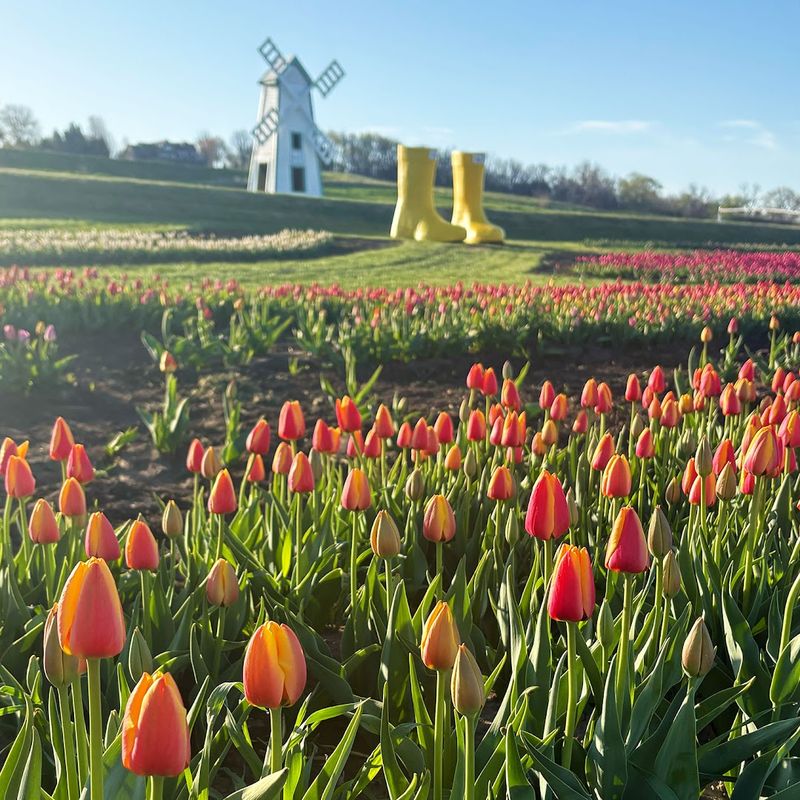
Nebraska’s flower season does not always arrive gently, which is part of what makes it feel so satisfying when the color finally appears.
After months of bare fields, cold wind, and muted prairie tones, tulips bring a sudden brightness that feels almost theatrical against the wide-open landscape.
Their petals look especially striking in Nebraska because there is so much sky around them, so even a modest flower bed can feel bigger, bolder, and more dramatic.
Spring blooms here are not just pretty background details. They mark the moment when farm roads, garden paths, and quiet rural corners begin to feel alive again.
Tulips add a cheerful rhythm to the season, with rows of red, yellow, pink, orange, and purple turning ordinary outings into small celebrations.
What makes Nebraska’s flower season so appealing is the contrast.
A field that looked plain can suddenly become one of the most colorful places a week later.
That quick transformation gives spring trips a sense of surprise, especially for visitors who do not expect the state’s countryside to deliver such vivid floral scenery.
Tulips Make The Season Feel Brief And Special
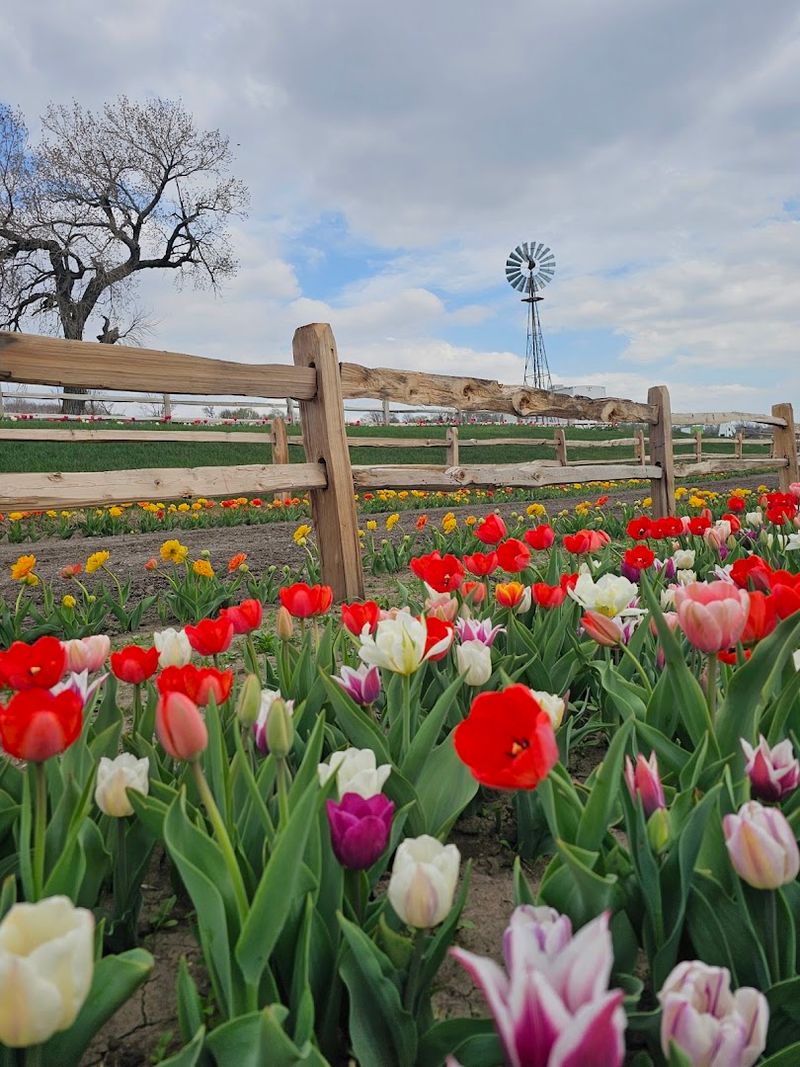
Tulips usually reach their best color in Nebraska during April, although spring weather can change the timing from year to year.
Cool nights often help the blooms last longer, while sudden warm stretches can move the season along quickly, so flower outings work best with a little flexibility. That short window is part of the appeal.
Tulips do not linger forever, and their brief appearance makes each visit feel more intentional.
People head out with cameras, baskets, comfortable shoes, and a sense that they are catching something special before it fades.
Whether the blooms appear in neat farm rows, carefully planted garden beds, or smaller seasonal displays, they bring a polished kind of beauty that still feels fresh and natural.
Their colors photograph beautifully, but seeing them in person adds another layer because the texture, height, and movement of the flowers change with the light and breeze.
In Nebraska, tulips also fit nicely into the rhythm of spring road trips. A simple afternoon drive can turn into a flower stop, a picnic plan, or a relaxed weekend outing built around one bright patch of seasonal color.
Nelson Produce Farm, Valley
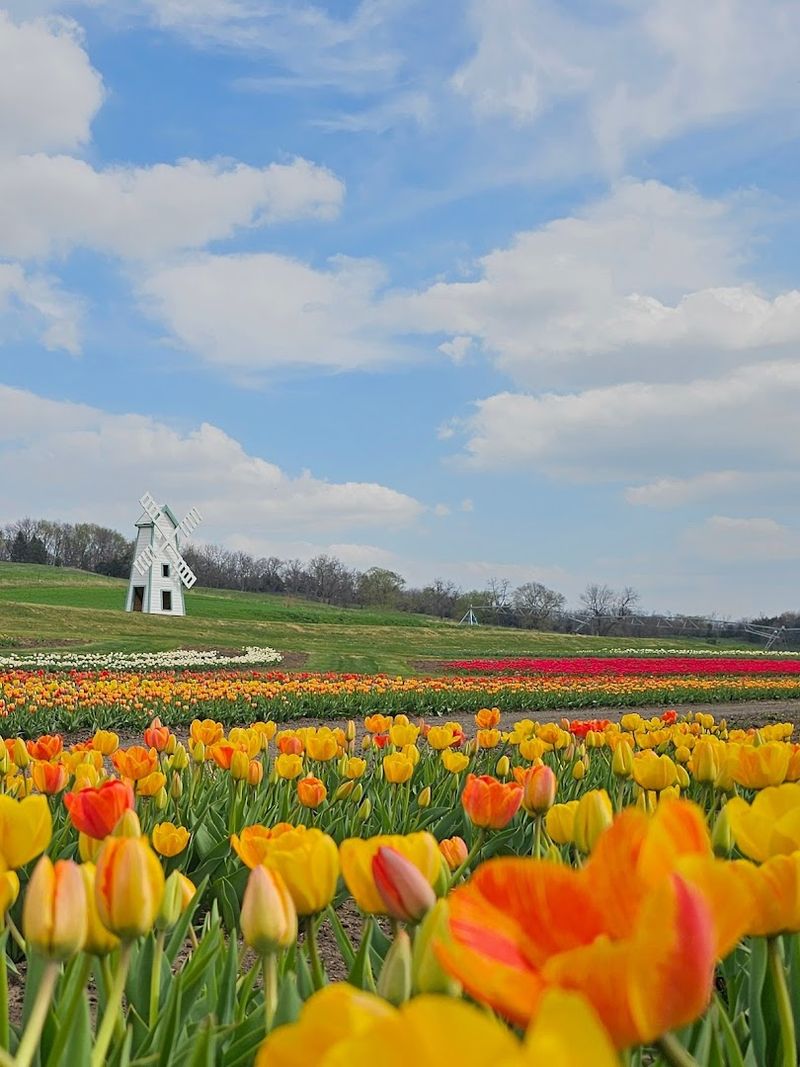
Hundreds of thousands of tulips packed into open Nebraska farmland is not something most people expect to find just outside a small town, but Nelson Produce Farm in Valley delivers exactly that every spring.
The annual Tulip Festival held here has become one of the most talked-about seasonal events in the greater Omaha area, drawing visitors who want to experience u-pick flowers in a genuine farm setting.
Rows upon rows of blooms stretch across the field in shades that shift from deep burgundy to soft lavender depending on where you walk.
The festival typically runs through April, timed carefully around peak bloom, which can vary slightly from year to year based on temperatures.
Visitors are encouraged to check current bloom updates before heading out since tulip windows can be short.
Bringing cash, wearing comfortable shoes, and arriving earlier in the day tends to make the experience smoother and more enjoyable.
The farm atmosphere feels relaxed and unhurried, with enough open space to spread out and take in the scenery without feeling crowded.
S.R. Pumpkin and Flower Farm, Ceresco
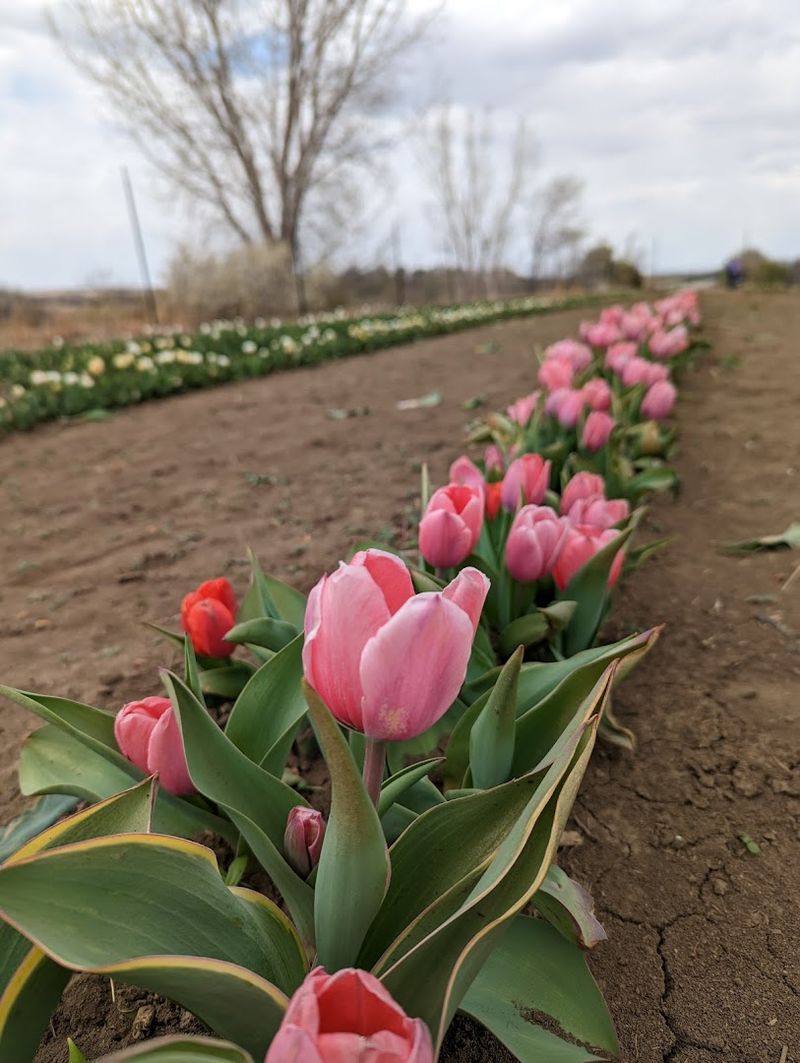
Not far from Lincoln, tucked into the quiet farmland near Ceresco, S.R. Pumpkin and Flower Farm operates as a true u-pick destination that spans multiple seasons.
Spring is when the tulips take center stage, typically marking the window for visitors to walk the rows and hand-select their own blooms directly from the ground.
The experience feels personal in a way that buying flowers from a store simply cannot replicate.
Beyond tulips, the farm offers summer and fall flowers, pumpkins, bulb sales, and plant sales throughout the year, making it a destination worth returning to more than once.
Tulip u-pick dates are generally posted on the farm’s site as the season approaches, so checking ahead of time is a smart move before making the drive out.
The setting is unpretentious and genuinely farm-like, with a laid-back pace that suits families, couples, and anyone looking to slow down for an afternoon.
Prices and availability can shift season to season, so reaching out directly to the farm for the most current details is always a good idea.
Lauritzen Gardens, Omaha
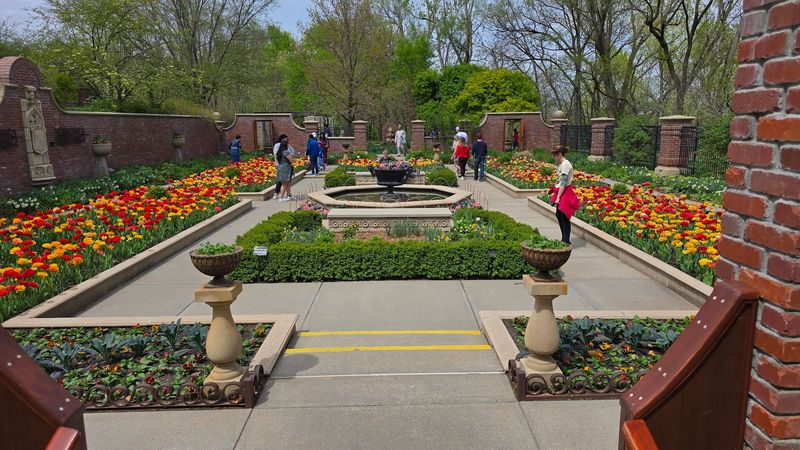
Spanning 100 acres along the Missouri River bluffs in Omaha, Lauritzen Gardens is the kind of place that earns its reputation quietly through sheer beauty.
Spring transforms the botanical garden into one of the most visually striking seasonal destinations in the entire state, with tulips and other flowering plants creating layered waves of color across carefully designed beds and open lawns.
The scale of the space means there is always something new to discover no matter how many times a visitor returns.
Located at 100 Bancroft St, Omaha, NE 68108, the garden is open to the public and draws visitors from across the region each April when peak bloom typically arrives.
Admission fees apply and hours can vary by season, so checking the official website before visiting is a practical step.
The grounds are well-maintained and designed for comfortable walking, with pathways that wind through themed garden areas at a relaxed pace.
Families with children tend to find the space especially enjoyable because of how open and accessible the layout feels.
Photography enthusiasts often arrive early in the morning when the light is softer and foot traffic is lighter. Spring weekends can draw larger crowds, so a weekday visit may offer a quieter and more personal experience overall.
Maxwell Arboretum, Lincoln
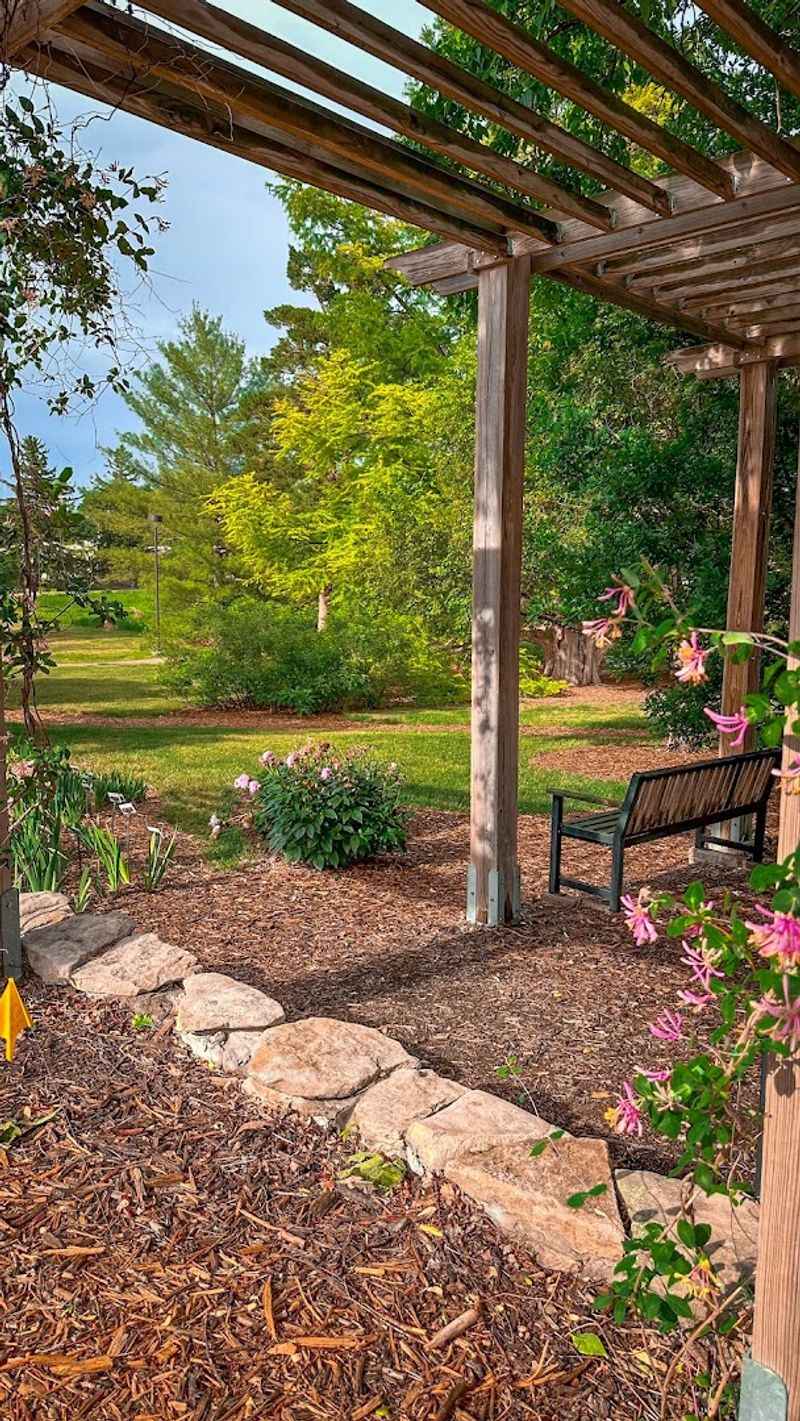
At the University of Nebraska-Lincoln East Campus, Maxwell Arboretum covers 14 acres of trees, shrubs, perennials, and seasonal plantings that shift beautifully with each passing month.
Spring brings a particularly soft and layered kind of beauty here, as flowering trees begin to open alongside early perennials and seasonal plantings that fill the landscape with color and texture.
The arboretum has a contemplative, unhurried quality that sets it apart from busier public attractions.
Located at East Campus Loop Dr, Lincoln, NE 68583, the arboretum is free and open to the public, making it one of the most accessible spring destinations in Lincoln.
The grounds are designed for walking and quiet exploration, with labeled plant collections that add an educational dimension to any visit.
Early spring mornings here tend to be especially calm, with birdsong and soft light filtering through the emerging canopy.
While not a traditional tulip farm, the arboretum offers a genuinely compelling spring flower experience that complements any broader tour of Nebraska’s seasonal bloom spots.
The combination of mature trees and ground-level plantings creates a multi-layered visual environment that feels different from open field flower farms. Seasonal changes mean the arboretum rewards multiple visits across spring and into early summer.
Meadowlark Hills Flower Farm, Southeast Nebraska
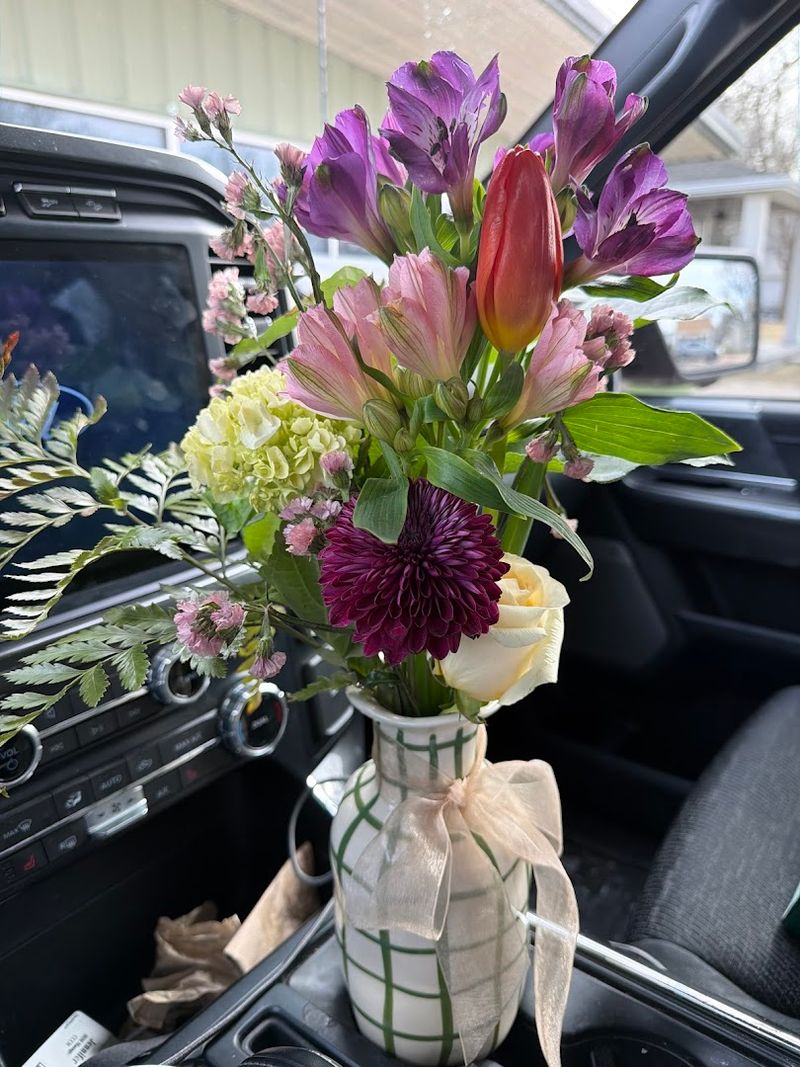
Small-scale flower farms have been quietly multiplying across southeast Nebraska over the past several years, and Meadowlark Hills Flower Farm represents the kind of locally rooted, community-oriented growing operation.
Spring tulip offerings are among the highlights of the early season, with blooms available for u-pick or as pre-cut bundles depending on what the current season allows.
The farm operates with a focus on quality over quantity, which means each visit tends to feel curated rather than chaotic.
The property reflects a genuine connection to the land and to seasonal rhythms, with planting decisions made based on what grows well in Nebraska’s climate rather than what simply looks impressive on social media.
Visitors who appreciate knowing where their flowers come from will find this kind of operation particularly satisfying.
Bloom timing and availability shift with the weather each year, so following the farm’s updates online before visiting is a practical habit.
Bringing a reusable bag or bucket for cut flowers is a thoughtful touch that many experienced u-pick visitors recommend.
The surrounding southeast Nebraska landscape adds a sense of openness and calm that makes the drive out as enjoyable as the destination itself.
Pioneers Park Nature Center, Lincoln
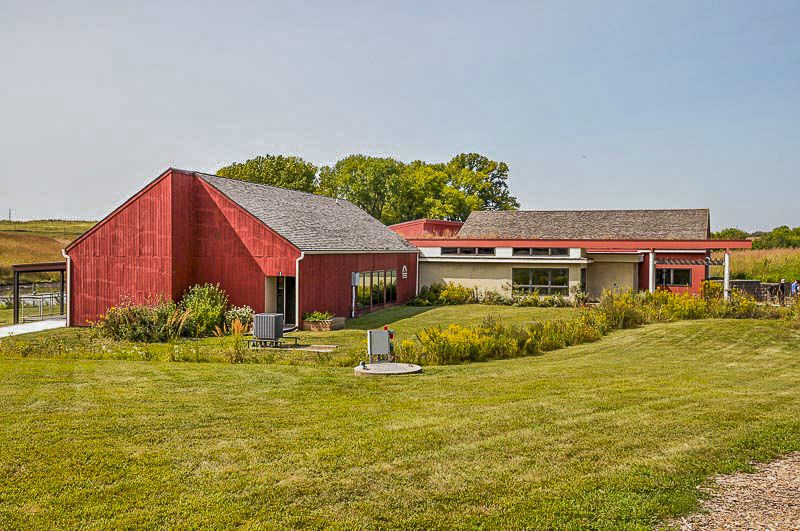
Spring in Lincoln takes on a particularly grounded and natural quality at Pioneers Park Nature Center, where native wildflowers and seasonal plantings create a bloom experience rooted in the ecology of the Great Plains.
The park covers more than 668 acres and includes a nature center, wildlife exhibits, and a network of trails that wind through prairie and woodland habitats.
April and May bring a wave of native blooms that carpet the open areas in soft purples, yellows, and whites.
Located at 3201 S Coddington Ave, Lincoln, NE 68522, the nature center is open to the public and offers free or low-cost access depending on the specific area and programming.
Trail conditions are generally well-maintained and suitable for casual walkers as well as more dedicated hikers.
The combination of wildlife viewing and seasonal wildflowers makes this a multi-layered spring outing that goes beyond a typical flower farm visit.
Children tend to engage well with the space because of the animal exhibits and hands-on nature programming available on site.