One Historic Tennessee Railway Offers A Beautiful Ride Through The Past
Historic railways carry something modern travel simply cannot ever deliver. Tennessee has one where the journey itself becomes the entire whole point.
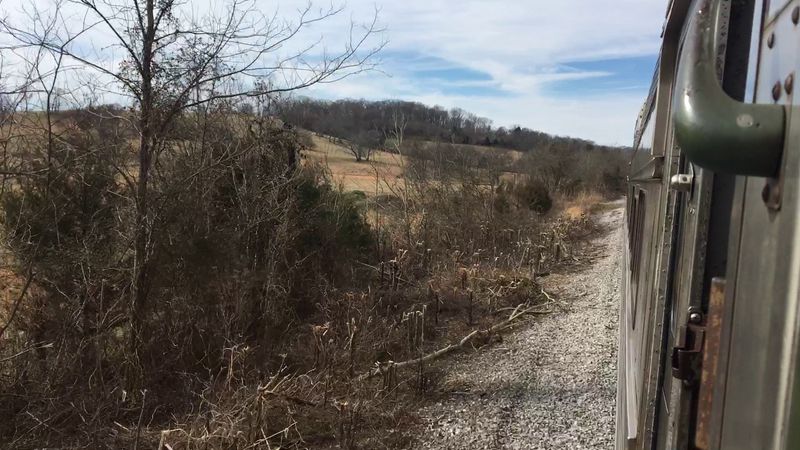
The track curves through scenery that belongs to a much older century. River valleys, iron trestles, and wooded hills fill every single window here.
Wow, the history pressing through that glass beats any museum exhibit anywhere. I boarded once expecting a pleasant hour and left wanting much more.
The slow pace here is completely intentional and it is entirely right.
Reserve a window seat, bring something warm, and fully settle in. The past scrolls beautifully past while the views do all the rest.
A Museum With Real Railroad Roots
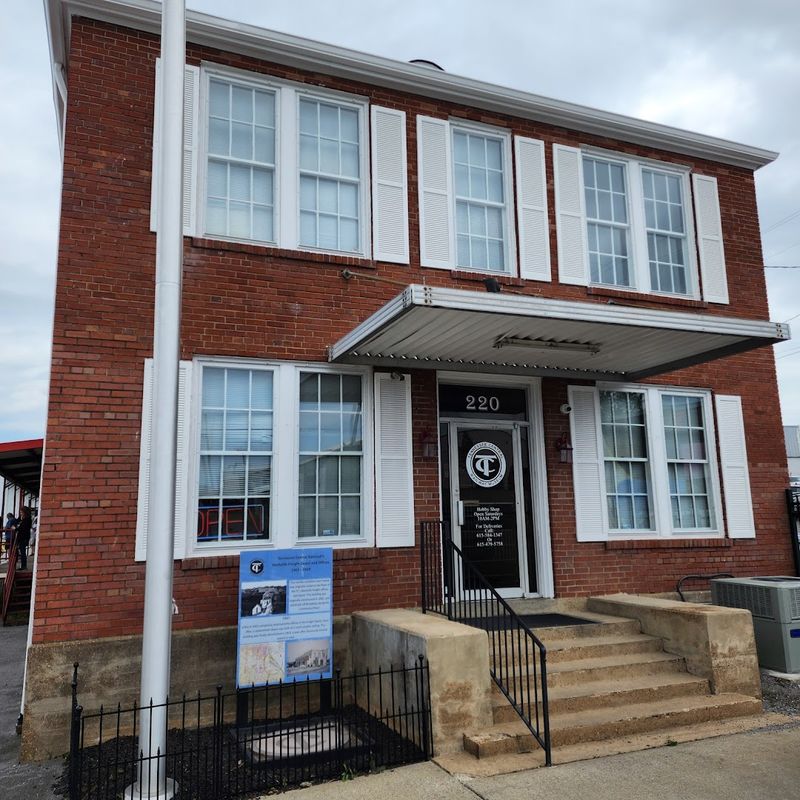
Trust me, this museum is not just a building full of old photographs and dusty plaques. Tennessee Central Railway Museum is a working, breathing tribute to American rail history.
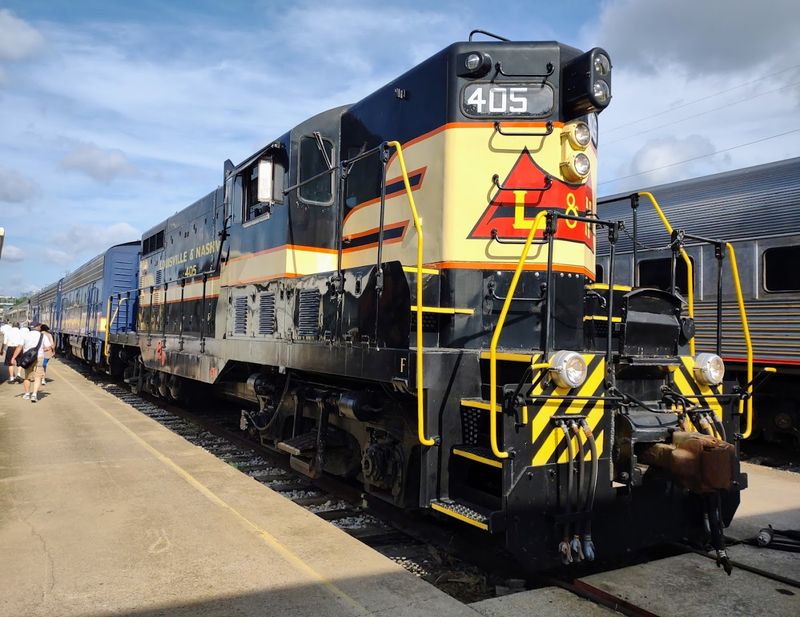
The museum preserves a remarkable collection of vintage passenger cars, locomotives, and rail equipment. Many of these pieces date back to the 1950s, and they remain in impressive condition.
Volunteers who clearly love what they do are on hand to share the stories behind each piece.
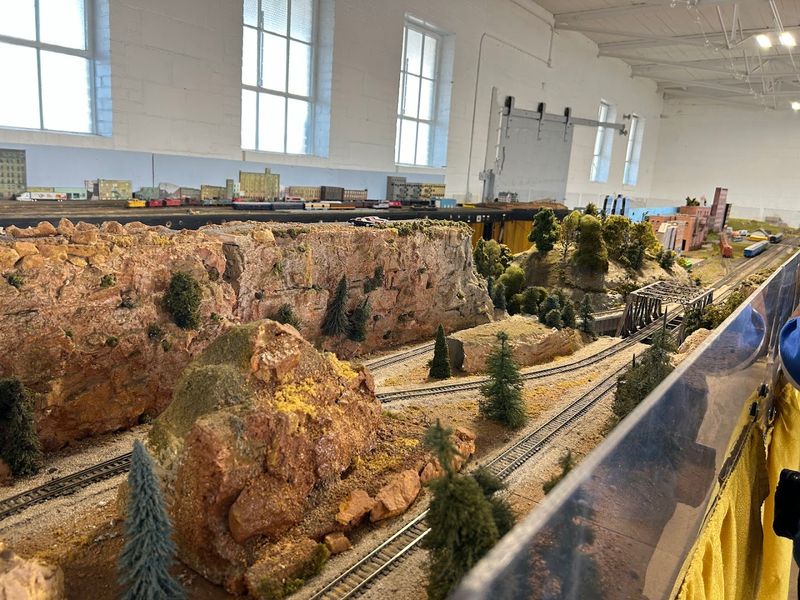
Near the entrance, a small exhibit showcases fascinating railroad artifacts. Further back, two large model train sets run on detailed tracks, giving visitors a miniature view of rail travel at its most charming.
The full-size train yard sits just beyond, where you can get up close to actual passenger and engine cars. Tennessee has a rich railroad history, and this museum captures it honestly.
There is no digital overload at 220 Willow St in Nashville, no flashy screens competing for your attention. Just iron, steel, wood, and stories worth knowing.
The Vintage Trains That Still Run
Not many museums let you actually ride the collection.
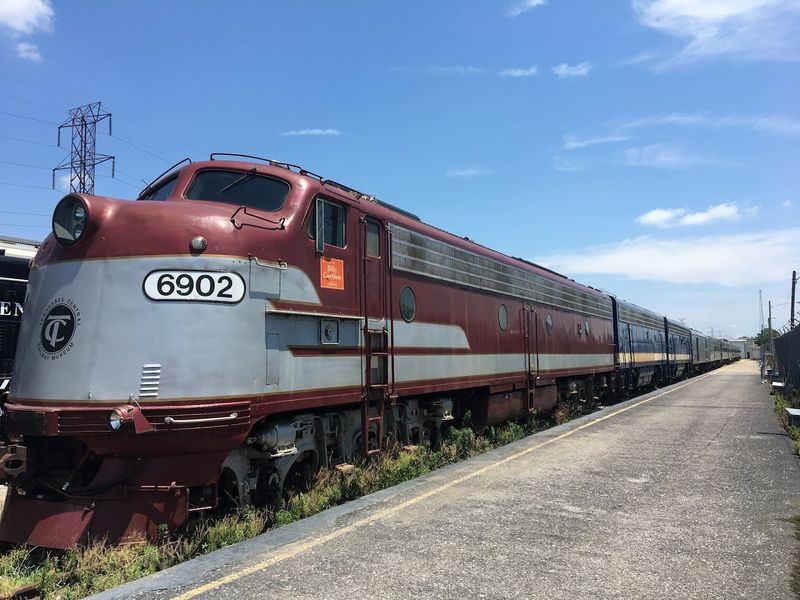
That is one of the things that makes this destination stand out in Tennessee. The vintage passenger cars here are not behind ropes or under glass. They are on the tracks, ready to go.
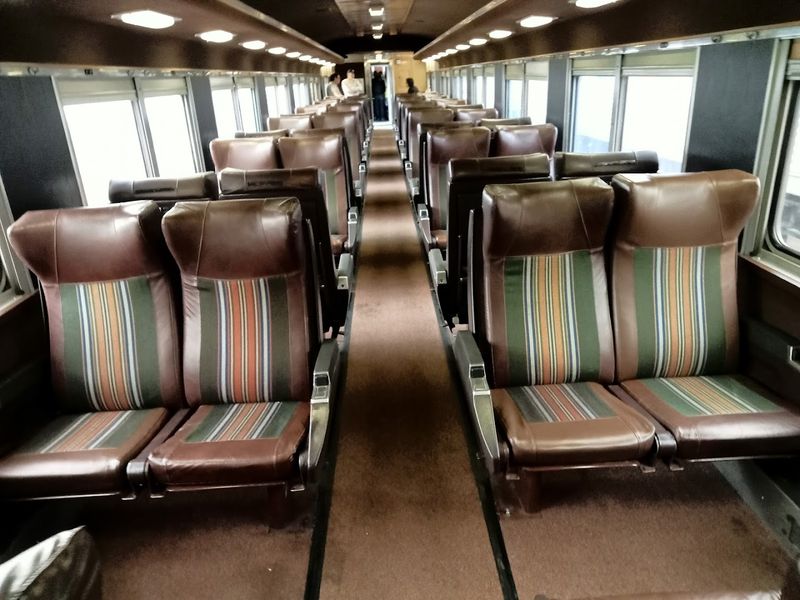
The cars date primarily from the 1950s, and they have been maintained with obvious care. Wooden interiors, classic upholstered seats, and large windows that frame the passing landscape all contribute to a ride that feels wonderfully out of time.
Conductors and volunteers often dress in period-appropriate clothing, which adds a layer of charm that feels earned rather than forced.
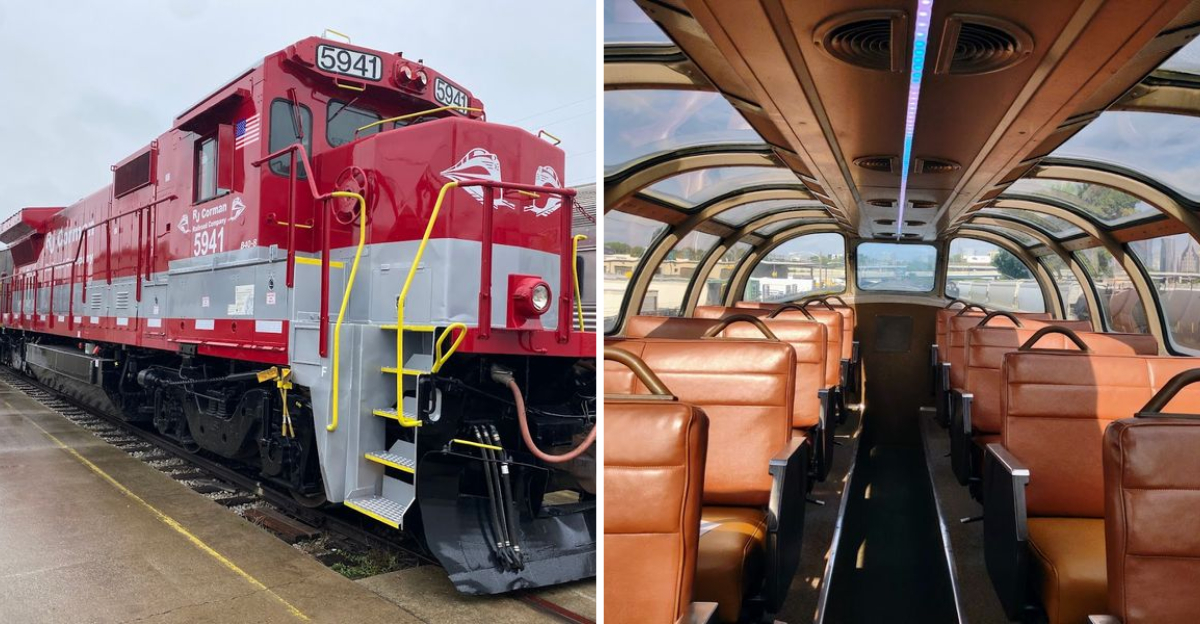
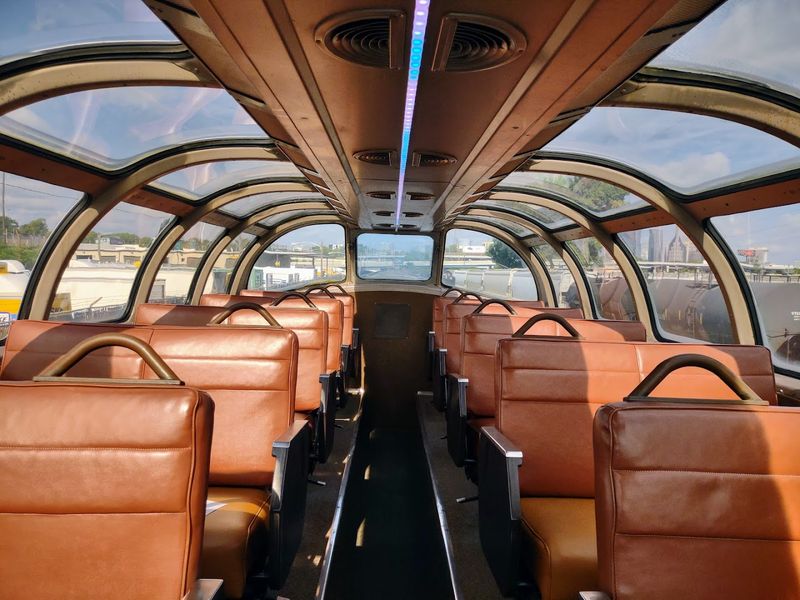
One popular seating option is the dome car, which offers panoramic views from an elevated glass-topped compartment. The seats are arranged in groups of four, so it works well for couples or small groups.
The ride itself gives you plenty of time to settle in and soak up the atmosphere of old-fashioned rail travel.
The Journey To Watertown
The destination at the end of the line adds a whole new dimension to the experience.
Watertown is a small, unhurried town that serves as the turnaround point for most excursions. Getting there takes roughly two hours each way, which is part of the appeal rather than an inconvenience.
Once the train arrives, passengers typically have around two and a half hours to explore on foot. The town has a welcome center near the main square that provides some local history.
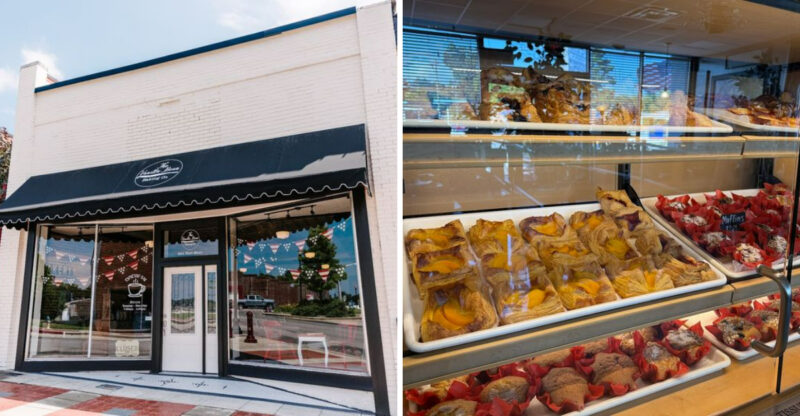
A handful of restaurants, boutiques, and a coffee shop are scattered within easy walking distance of the train stop.
One of the most popular spots in Watertown is a Mexican restaurant that offers fast, friendly service and good food. A meat-and-three diner and a BBQ food truck are also available, though lines can grow quickly once the train unloads.
The town square has benches and open space where visitors often linger after eating. It is a relaxed, low-key stop that pairs well with the slow rhythm of train travel.
Themed Excursions Worth Planning For
Beyond the standard round-trip ride, the museum runs a rotating calendar of themed excursions that give each trip its own personality.
These events are among the most popular offerings, and they tend to fill up faster than the regular runs.
The Train Robbery Excursion is a crowd favorite. Actors board the train and stage a theatrical hold-up that gets passengers laughing and playing along.
Musicians also perform during the ride, adding live entertainment to the journey. The whole production lasts only a portion of the trip, but it breaks up the time and creates memorable moments.
The Santa Express, offered during the holiday season, is especially popular with families. Carolers perform on board, Santa and his elves make their way through each car, and the festive atmosphere is warm.
Seeing children light up when Santa appears in the car is one of those simple, joyful moments that sticks with you.
Each themed trip transforms the same route into a completely different kind of outing, which is part of what keeps people coming back to this Tennessee destination.
Practical Tips Before You Board
A little preparation goes a long way when visiting this museum.
The boarding process involves a fair amount of foot traffic, especially on popular excursion days when several hundred passengers arrive at once. Knowing what to expect helps you start the day smoothly rather than scrambling at the last minute.
Arriving at least two hours before departure is strongly recommended. This gives you time to park, explore the museum, and get in line for the restrooms before boarding.
Having your ticket pulled up on your phone before you arrive saves time at check-in. Parking is available on-site, with attendants to help direct traffic.
Comfortable shoes are helpful since navigating train cars while in motion requires some balance and foot stability.
Temperatures inside the vintage cars can vary, so layering your clothing is a practical choice. The museum opens at 10 AM on Saturdays, which is the only operating day for most of the year.
Taking these small steps ahead of time ensures you can fully immerse yourself in the nostalgia of the rails without any unnecessary stress.
Once you step aboard, you will be free to sit back, relax, and enjoy a beautifully preserved piece of living history rolling past your window.
The Volunteers Who Keep It Rolling
Behind every smooth excursion and well-told story at this museum is a dedicated group of volunteers who genuinely love what they do.
These are not people going through the motions. They are passionate about rail history, and that enthusiasm is contagious in the best possible way.
Volunteer guides circulate through the train cars during rides, sharing facts about the history of the Tennessee Central Railway and the specific cars passengers are seated in.
Their knowledge runs deep, covering everything from locomotive mechanics to the social history of rail travel in the American South. Conversations with them often become a highlight of the trip.
Museum staff on the ground are equally welcoming. They greet visitors with genuine warmth and are happy to answer questions about the exhibits, the trains, and the scheduled excursions.
The sense of community around this place is real, and it shows in how the operation runs.
The museum itself is run as a nonprofit organization, and the volunteer corps is central to keeping it functional and financially sustainable.
Model Trains And Museum Exhibits
Not everyone who visits is there for the full excursion, and the museum has plenty to offer those who simply want to explore on foot.
The exhibits inside the building cover a broad range of railroad history, with artifacts, photographs, and informational displays that paint a clear picture of how rail shaped American life.
Two large model train sets near the back of the museum are a particular treat. Watching the miniature locomotives wind through detailed landscapes of tunnels, bridges, and tiny towns is surprisingly absorbing.
Children tend to be completely captivated, but adults are just as likely to linger longer than expected.
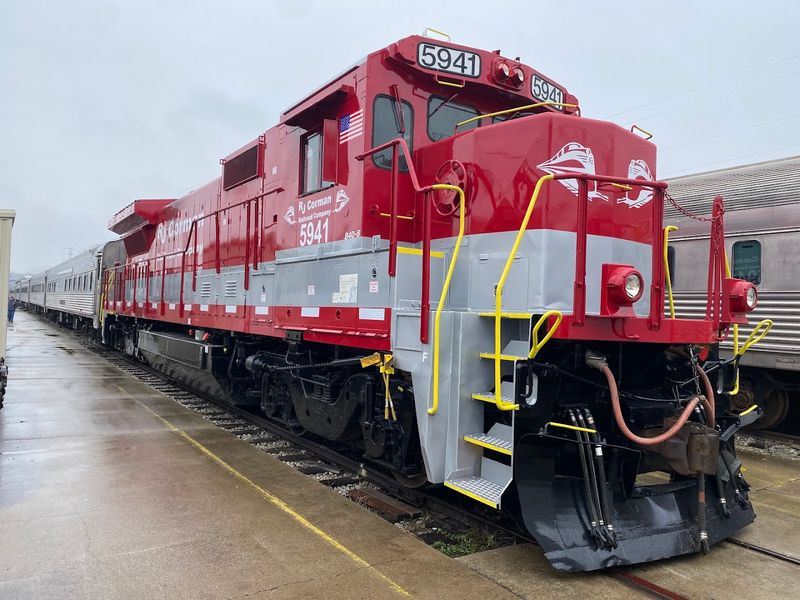
The full-size train yard outside is where the real iron lives. Actual passenger cars and engine compartments are parked there, and getting up close to machinery of that scale is impressive.
The sheer size of these machines, combined with their age and preserved condition, makes for a powerful visual experience.
The museum is free to the public for walk-in visits, which makes it an accessible option for anyone passing through Nashville.
Why This Ride Stays With You
Some travel experiences fade quickly once you are back home. This one tends to linger.
There is something about the combination of slow movement, old machinery, and genuine human hospitality that makes a day at this Nashville institution feel worth remembering.
The ride itself is long by modern standards, around seven hours for a full round-trip excursion. But that length is part of the point.
Live music, theatrical performances, and guided tastings each add a layer of texture to different excursion types. Even on quieter rides, the hum of the rails and the sway of the cars create a rhythm that is deeply calming.
Passengers often arrive as strangers and leave having had real conversations with people they never would have met otherwise.
Tennessee Central Railway Museum earns its place as one of Nashville’s most distinctive outings. It is not loud or flashy, and it does not need to be.
What it offers instead is something harder to manufacture: authenticity.