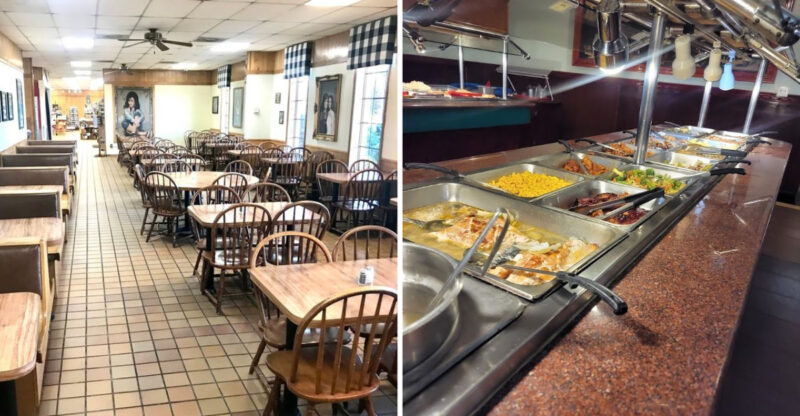
This Peaceful Tennessee Town Has Comfort Food That Keeps Visitors Returning
Some towns earn their entire reputation through their kitchens alone. This Tennessee town is exactly that kind of deeply satisfying place.
Biscuits, braised meats, and real pies define every single meal served here. Visitors arrive once and start planning the return before they leave.
The pace of the town matches the food in the best way. I know the feeling of landing somewhere that just gets cooking right.
Nothing here chases attention because it has never once needed to. Locals fill the same seats every single day, and that says everything.
Come hungry, leave happy, and keep this place saved for later visits.
A Town Unlike Any Other
Most small towns in the American South have a story, but few have one quite like this.
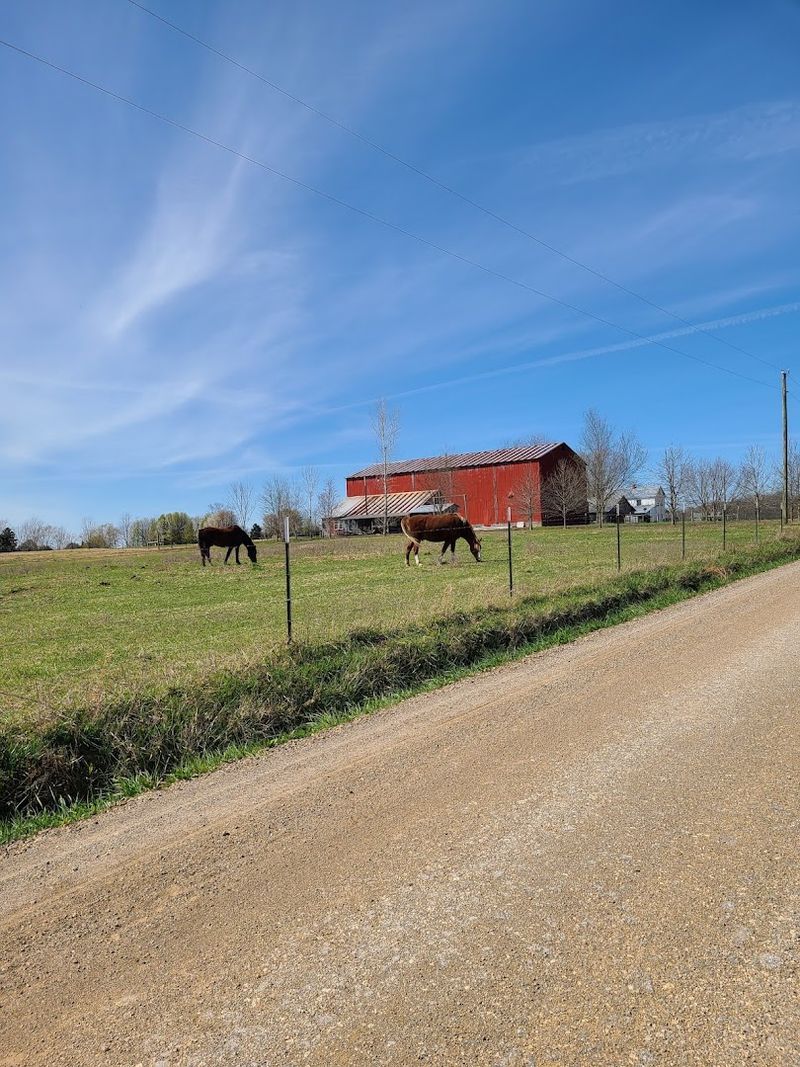
Ethridge sits quietly in Lawrence County, home to one of the largest Amish communities in the state.
Horse-drawn buggies share the road with pickup trucks. Farmland stretches wide and flat in every direction.
The simplicity here is not just scenic, it is genuine and deeply rooted.
The Amish settled in this area decades ago and have shaped the identity of the town in lasting ways. Their influence shows up in the food, the crafts, and the quiet rhythm of daily life.
Visitors often say they feel an immediate shift when they arrive.
The town sits along Tennessee 43, making it accessible from nearby cities like Lawrenceburg.
It offers a rare, peaceful window into a lifestyle sustained by tradition and hand-crafted pride. It is a proof that some of the best travel experiences happen when you slow down and step off the beaten path.
The Amish Heritage Here
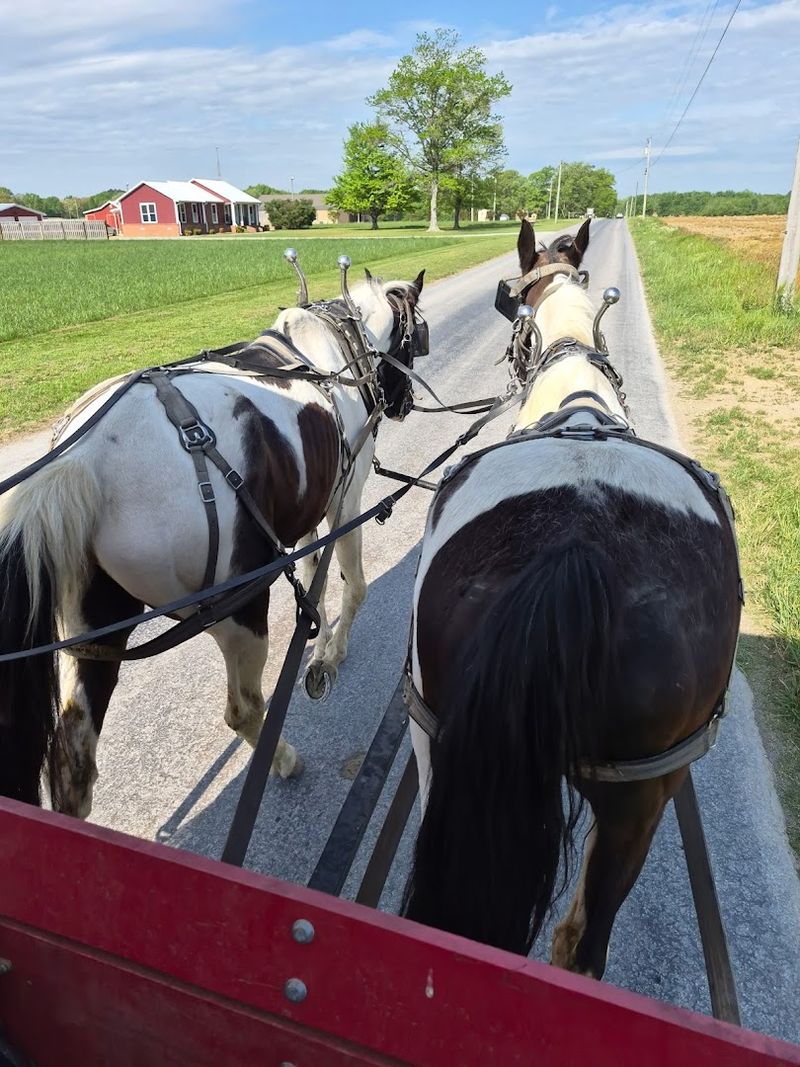
Somewhere between the rolling fields and the sound of hooves on pavement, you start to understand what makes this place special.
The Amish community in Ethridge has deep roots going back to the 1940s. Families here live without electricity and modern conveniences, by choice and by faith.
Their lifestyle is guided by the Ordnung, a set of community rules that shapes everything from dress to technology use. Seeing it up close, without judgment, is eye-opening.
There is a calm in their daily routines that city life rarely offers.
Farms here are hand-worked and carefully maintained. Gardens grow in neat rows, and children often help with chores from a young age.
The community is self-sufficient in ways that feel almost forgotten in modern times.
Visitors are welcome to observe respectfully, but photography of community members is generally discouraged. That boundary matters, and honoring it keeps the relationship between tourists and locals warm.
Homemade Food Worth Traveling For

Nothing quite prepares you for the first bite of Amish-made bread fresh from a wood-burning oven.
The crust crackles, the inside is soft, and the flavor is simple in the best possible way. Food here does not need fancy seasoning because the ingredients speak for themselves.
Local farms and roadside stands sell everything from homemade jams to smoked meats. Pies are a particular specialty, with flavors like apple, blackberry, and shoofly turning up regularly.
Each one is made by hand using recipes passed down through generations.
Tennessee comfort food already has a strong reputation, and the Amish kitchens here take that tradition to another level. You are not eating at a restaurant with a curated menu.
You are tasting food made the same way it has been made for over half a century.
Amish Country Smokehouse at 49 Bud Taylor Rd is one of the destinations you must go to if you visit this charming town! Trust me, you will be amazed!
Many of the farms sell directly from their homes or small outbuildings. Bringing cash is essential since most do not accept cards.
The experience feels less like shopping and more like visiting a neighbor who happens to make extraordinary food. That personal touch is something no chain restaurant can replicate.
Crafts, Quilts, And Woodwork
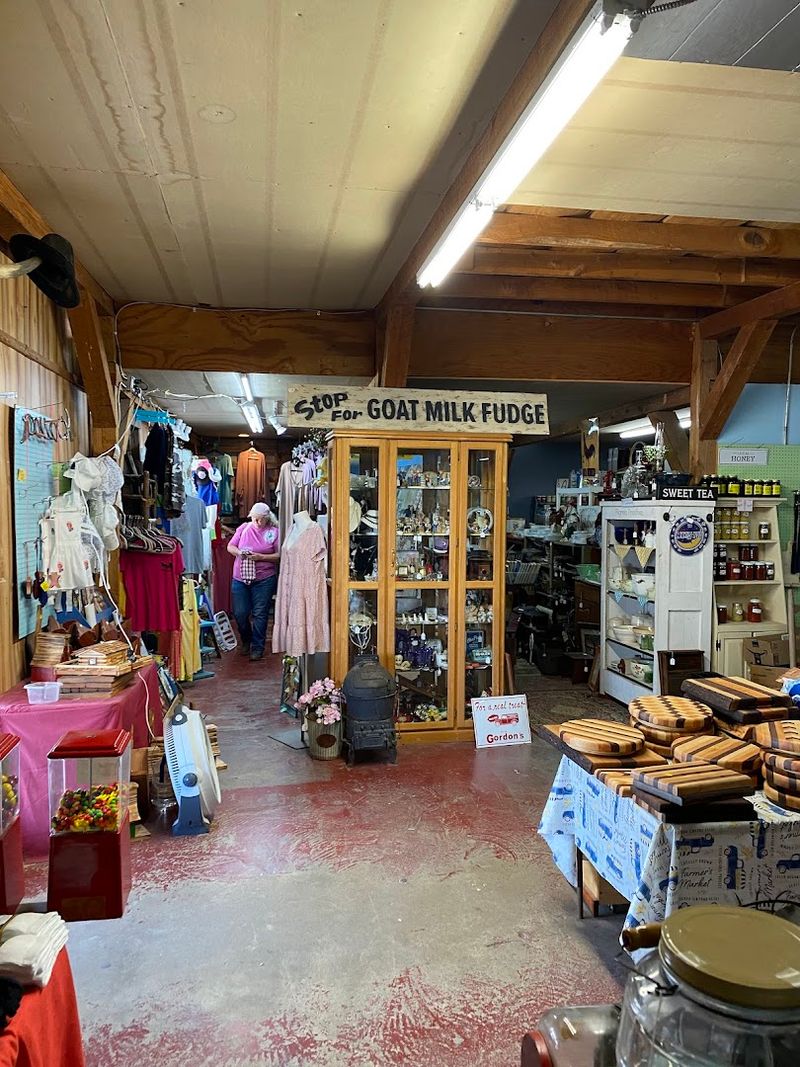
Past the bakeries and food stands, a whole other world of handmade goods waits for you.
Quilts are probably the most iconic product associated with Amish craftsmanship, and the ones here are breathtaking. Each pattern is stitched by hand, often taking weeks or even months to complete.
The colors are bold and geometric, arranged with a kind of mathematical precision that is hard to believe came from traditionally passed on pattern book. Woodwork is equally impressive.
Furniture, toys, and small decorative items are crafted with care and built to last generations.
Tennessee has a strong tradition of folk art and handmade goods, and the craftspeople in this community fit right into that heritage. Buying something here means taking home an object with real history behind it.
You know exactly who made it and roughly how long it took.
Prices vary depending on the item, but the quality is consistently high. Smaller items like wooden spoons, candles, or jars of preserves make excellent souvenirs.
Larger pieces like furniture or full-sized quilts are investments, but ones that will outlast almost anything you could buy at a mall. The craftsmanship is that solid.
The Countryside That Surrounds It

Before you even reach the food stands or craft shops, the landscape earns your attention.
The countryside around this part of Tennessee is wide, green, and deeply peaceful. Rolling pastures stretch toward low hills, and the sky seems bigger here than in most places.
Spring brings wildflowers along the roadsides, and fall turns everything into a warm palette of orange and gold. Even in winter, the bare fields have a quiet dignity that is easy to appreciate.
Every season offers something worth slowing down for.
Driving through the area feels less like a commute and more like a scenic tour. There are no billboards competing for your attention, no fast food signs interrupting the view.
Just farms, fences, and the occasional buggy moving at a horse’s steady pace.
Birdwatching is surprisingly rewarding here, with red-tailed hawks and meadowlarks common sights above the fields. The natural setting adds to the overall sense of calm that defines the experience.
How To Navigate The Community
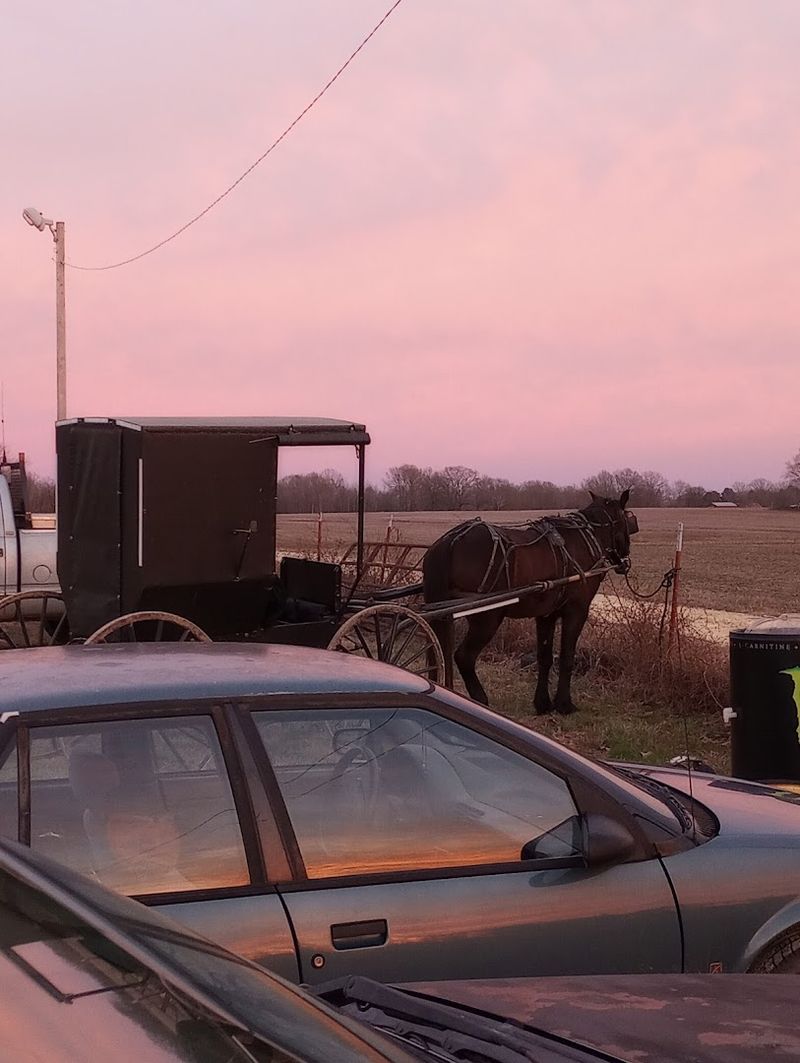
Farms and stands are spread along several rural roads, so a printed map or a downloaded offline guide helps a lot.
The best approach is to drive slowly and watch for small hand-painted signs near driveways. These signs often advertise what each farm is selling that day, from eggs to baked goods to furniture.
Not every farm is open every day, so flexibility is key. Respect is the most important thing you can bring on this trip.
Asking before approaching any structure, being quiet near homes, and never photographing people without permission are all basic courtesies that keep the community comfortable with visitors.
Tennessee has worked to maintain a positive relationship between tourists and Amish residents, and that effort deserves support. Early mornings tend to be the best time to find fresh baked goods before they sell out.
Weekdays are generally less crowded than weekends. Going midweek gives you a more relaxed experience and often leads to warmer conversations with the people selling their goods.
Local Culture Worth Absorbing
Culture does not always show up in museums or art galleries.
Sometimes it lives in a one-room schoolhouse at the end of a dirt road, or in the way a family tends their garden with the same tools their grandparents used. Ethridge offers that kind of cultural richness.
The Amish community here follows Old Order traditions, which means limited contact with modern technology and a strong emphasis on community over individuality.
Watching that value system in action, even briefly, leaves a lasting impression. It challenges assumptions about what a good life looks like.
Lawrence County itself has a broader history tied to Tennessee’s rural heritage. Small-town values, agricultural roots, and a deep sense of place define the region.
The people you meet outside the Amish community are often just as warm and proud of where they live.
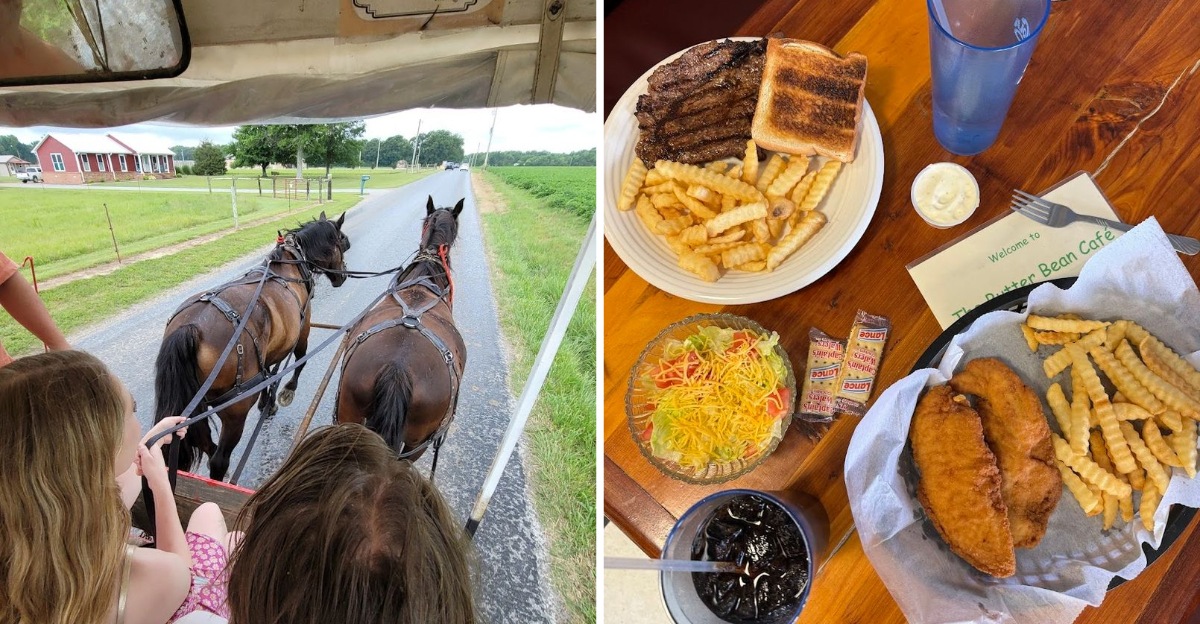
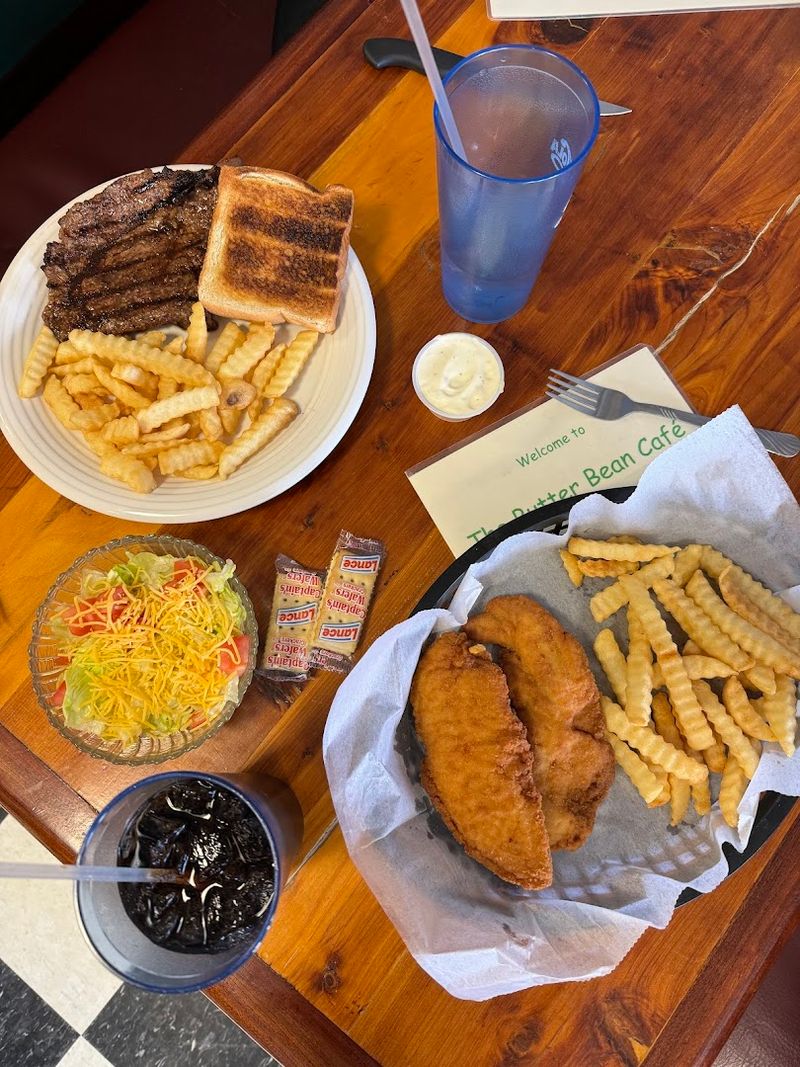
Local events, seasonal markets, and eating spots, like The Butter Bean Café at 208 Depot St, occasionally draw visitors into the wider social fabric of the area.
Paying attention to what is happening during your visit can lead to unexpected and memorable moments.
Best Time To Plan Your Visit
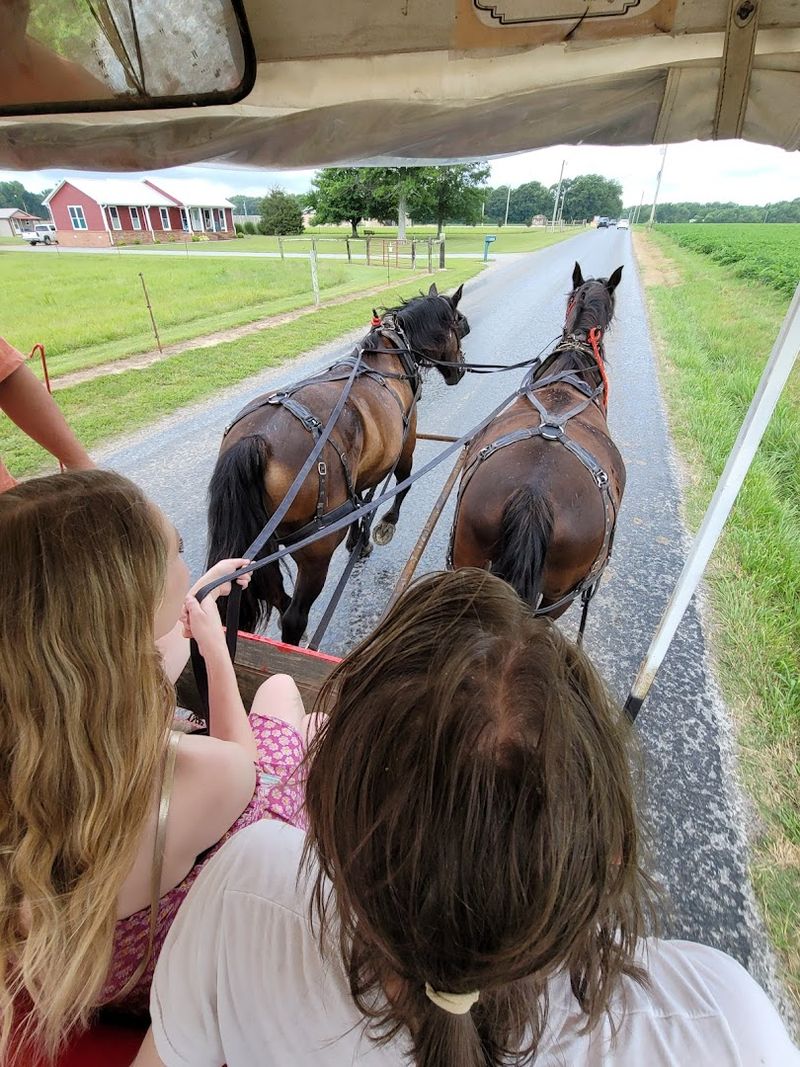
Timing a visit to this part of Tennessee can make a real difference in what you experience.
Late spring and early fall are widely considered the sweet spots. The weather is mild, the fields look their best, and the farm stands tend to be well-stocked.
Summer brings heat and humidity, which is typical for Tennessee. It is still a perfectly good time to visit, but arriving early in the morning helps you beat both the heat and the crowds.
Some baked goods sell out by midday on busy summer weekends.
Winter visits are quieter and have their own appeal. The pace slows even further, and the landscape takes on a stark, honest beauty.
Fewer tourists mean more unhurried conversations and a more personal experience overall.
The fall harvest season is particularly special. Root vegetables, preserved goods, and seasonal pies appear in greater variety during this time.
Whatever month you choose, the key is to arrive with patience and curiosity rather than a rigid schedule. The best moments here tend to happen when you are not rushing toward anything specific.