One Hidden Tennessee Field Turns Into A Stunning Sea Of Sunflowers
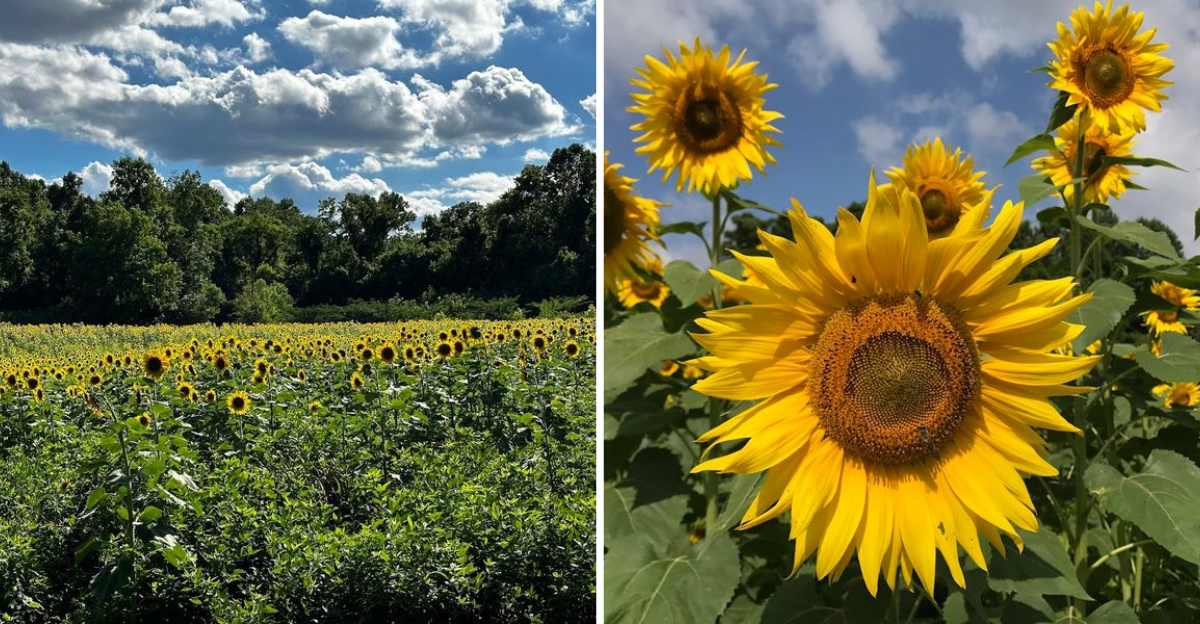
Sunflower fields don’t always announce themselves in advance at all.
Tennessee has one that quietly transforms each summer into something breathtaking.
The rows stretch farther than expected and the color stops you cold. Right in the middle of all that gold, everything else just fades.
Morning light hits differently here when it is still low and soft. I found this field by accident once and stayed far too long.
Visitors return each season because this experience never gets old at all. Check the bloom dates before going so the timing actually lands right.
Wow, when those flowers peak this place becomes truly unforgettable!
Where The Sunflowers Come From
Not every stunning natural display happens by accident.
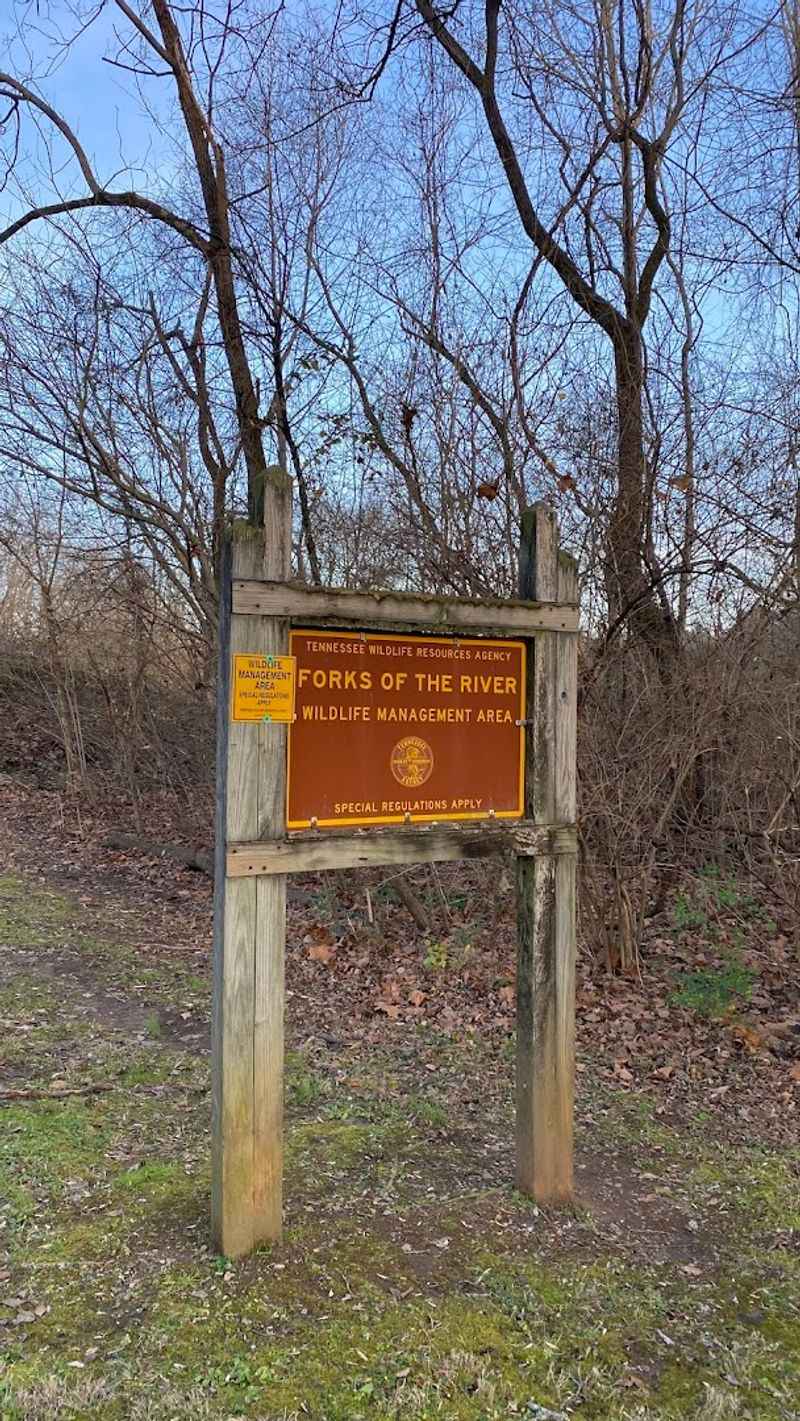
The sunflower fields at Forks of the River Wildlife Management Area are actually planted on purpose, and the reason behind it is pretty fascinating.
The Tennessee Wildlife Resources Agency manages this land, and they plant sunflowers specifically to support pollinators like bees and butterflies.
The fields also serve as food plots for wildlife, particularly doves, which are drawn to the seeds once the flowers begin to dry. This means the sunflowers pull double duty, supporting both the ecosystem and the hunting seasons that follow.
It is a smart, intentional land management strategy that happens to produce one of the most visually stunning sights in the state.
The sunflowers are not planted every single year. They follow an every-other-year cycle, giving the soil time to rest and recover between plantings.
That schedule makes the blooming seasons feel even more special, since locals know to watch for them.
What The Fields Actually Look Like
The flowers at 3140 McClure Ln in Knoxville grow tall, often reaching well above waist height, with bold yellow petals surrounding wide brown centers packed with seeds.
When the wind moves through, the whole field seems to ripple like a slow golden wave. The scale of it is what catches most people off guard.
You are not looking at a small garden patch or a decorative row along a fence. These are acres of sunflowers stretching out in every direction, planted in dense rows that blur together into a solid wash of color.
Standing at the edge of the field, the view feels almost unreal.
Early morning light hits the flowers at a low angle and makes the yellow petals practically glow. Late afternoon brings warmer tones and long shadows across the rows.
Either way, the field delivers a visual experience that seems completely out of place for a wildlife management area tucked inside a city in Tennessee. It is the kind of thing you photograph and still struggle to fully capture.
Trails That Lead You There
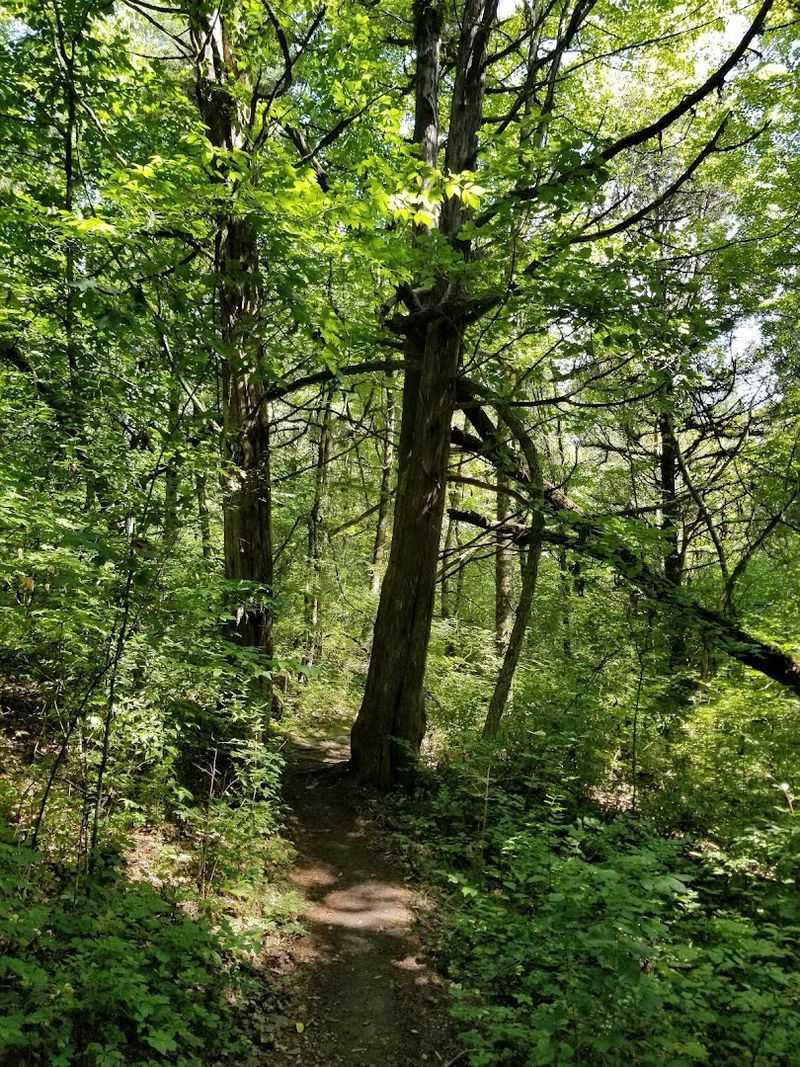
Getting to the sunflower fields is half the fun, mostly because the trail system here is genuinely well designed.
Forks of the River Wildlife Management Area has both paved and unpaved paths, giving visitors options depending on their fitness level or preferred activity. The main paved trail is flat, smooth, and easy enough for casual walkers, joggers, and cyclists alike.
The paved path winds through open sections of the park and connects to gravel trails that loop back toward the parking area.
One of those gravel routes passes directly through the sunflower fields and past an old silo, making it one of the more memorable stretches in the entire park.
The combination of the old agricultural structure and the sea of flowers creates a scene that feels straight out of a countryside postcard.
With interconnected trails spread across the property in Tennessee, there is plenty of ground to cover beyond just the sunflower route. Some paths run close to the river, offering shaded walking and occasional wildlife sightings.
Wildlife Beyond The Blooms

Sunflowers get most of the attention here, but the wildlife at Forks of the River Wildlife Management Area is worth every bit as much excitement.
Hawks circle overhead regularly, and bald eagles have been spotted soaring along the river corridor that borders the property. White-tailed deer move through the forested sections, especially in the early morning and late evening hours.
The park sits at the confluence of two river sections, which creates ideal habitat for waterfowl. Ducks and other water birds use the area throughout the year, and the open fields attract doves in large numbers once the sunflower seeds begin to mature.
Pollinators are everywhere during sunflower season. Bees, butterflies, and other insects work the flowers constantly, creating a low hum of activity across the entire field.
That ecological energy is part of what makes a visit feel so alive and connected to the natural world.
If you come with binoculars, a camera, or just your own two eyes, the wildlife here rarely disappoints and always surprises.
Hunting Season And Shared Space
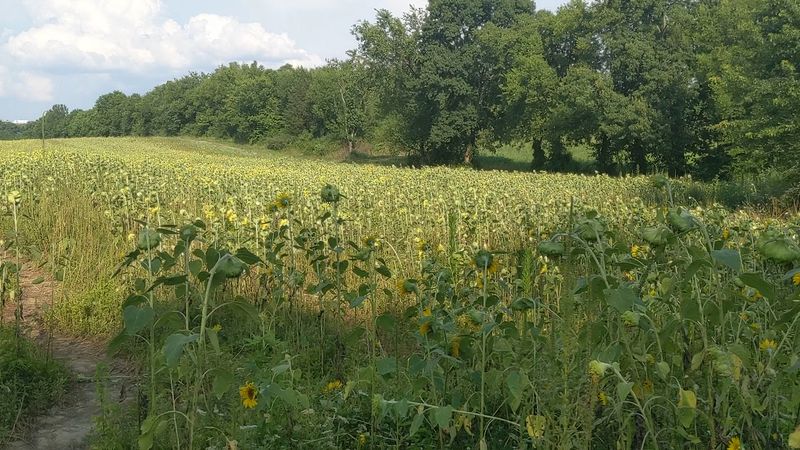
This park wears two hats, and it is worth understanding both before you show up.
Forks of the River Wildlife Management Area is a public hunting ground managed by the Tennessee Wildlife Resources Agency, which means certain areas are designated for hunting during specific seasons.
For non-hunters, this simply means paying attention to posted signs and staying on designated trails during active hunting periods.
The park does a reasonable job of marking restricted zones, but reading the signs carefully is genuinely important.
Hunting seasons tend to run in cooler months, while the sunflower fields and trails are most popular during the warmer parts of the year, so the two groups rarely clash directly.
The shared-use model actually works quite well here in Tennessee. Hunters appreciate the well-managed habitat, while hikers, cyclists, and nature lovers enjoy the same open land for entirely different reasons.
The park accommodates both without feeling crowded or complicated, as long as everyone respects the posted rules.
Biking Through Open Fields

Few activities suit this park better than cycling.
The paved trail system at Forks of the River Wildlife Management Area is flat enough for casual riders and long enough to give serious cyclists a satisfying workout.
Beyond the paved sections, the park also has mountain biking trails that range from straightforward to genuinely challenging.
Some of the downhill routes are considered advanced, with enough technical features to keep experienced riders focused.
The trail variety means you can adjust the difficulty of your ride based on your skill level and how much of an adventure you are actually looking for that day.
Biking through the sunflower fields during bloom season is an experience that feels almost surreal. Pedaling through a corridor of tall yellow flowers with the river visible in the distance is the kind of moment that makes you glad you decided to come.
The William Skelton Greenway also connects nearby, extending your riding options even further along this stretch of Tennessee. Bring your own bike, wear a helmet, and leave the trails better than you found them.
Best Time To Visit The Fields
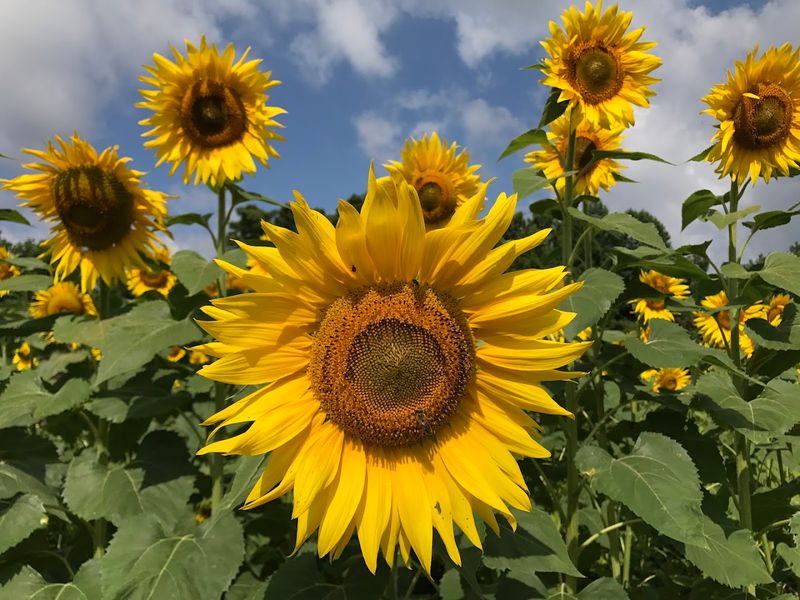
Timing is everything when it comes to the sunflower fields. The blooms typically peak in early July, making late June through mid-July the sweet spot for visiting.
The flowers move through their cycle quickly, so waiting too long means arriving at wilted heads and bare stalks instead of that glorious golden display.
Because the fields are planted on an every-other-year schedule, checking ahead before making the trip is always a good idea.
The Tennessee Wildlife Resources Agency and local community groups usually share updates when planting is confirmed and when the flowers are approaching peak bloom.
A quick check of the TWRA website or a call to the park contact number can save you a wasted trip.
The park is open daily from 7 AM to 8 PM, giving visitors a solid window to explore without feeling rushed. Morning visits tend to offer cooler temperatures and better light for photography.
A Spot Worth Returning To
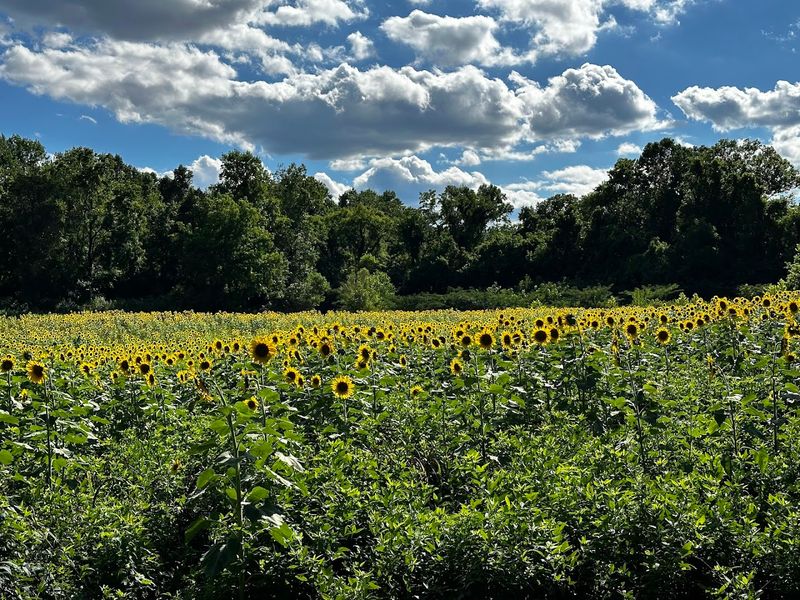
Some places earn a single visit and nothing more. Forks of the River Wildlife Management Area is not one of those places.
The combination of trails, wildlife, river views, and seasonal sunflower fields gives this park a layered quality that reveals something new each time you come back.
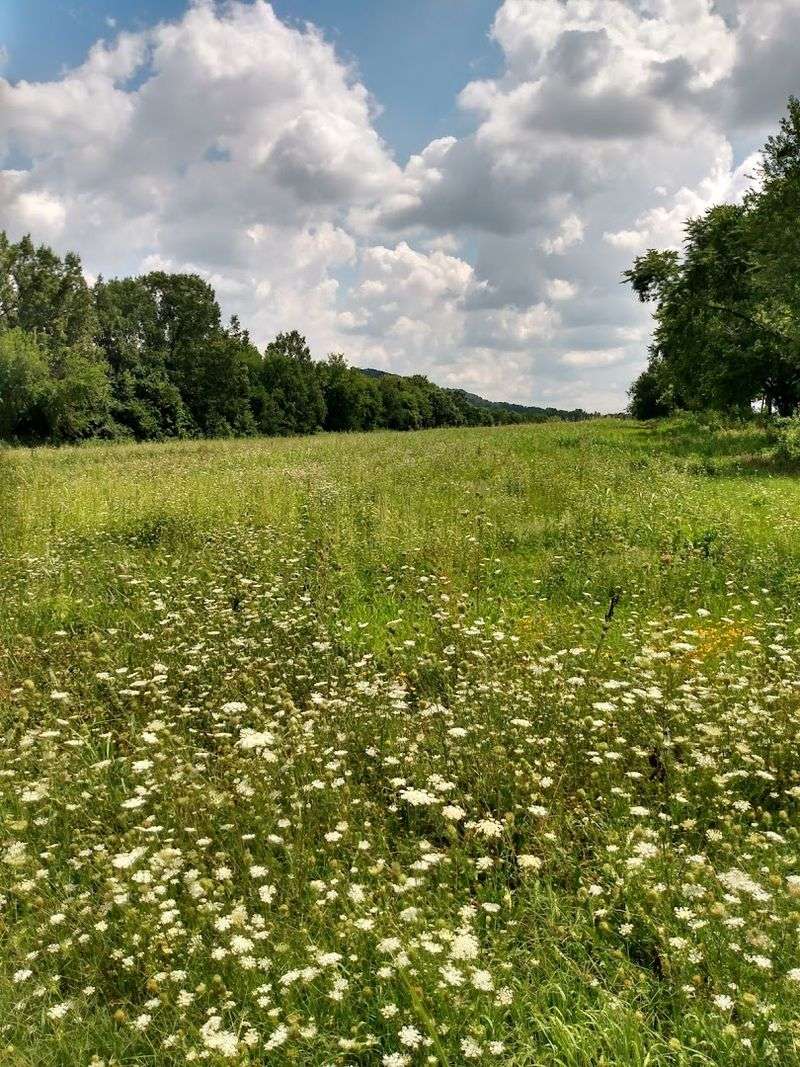
Spring brings wildflowers and migrating birds. Summer delivers the sunflower spectacle.
Fall offers a cooler hiking and hunting season atmosphere.
The park is also accessible in a way that many natural areas are not. The paved trails accommodate wheelchairs, strollers, and anyone who prefers a smooth surface underfoot.
Dogs are welcome throughout the park as long as they stay on a leash. The free parking and central location in Tennessee make it easy to work a visit into a regular routine rather than treating it as a once-a-year event.
What keeps people coming back, though, is something harder to put into words. There is a quiet energy here that feels separate from the city, even though downtown Knoxville is just minutes away.
Forks of the River Wildlife Management Area has a way of slowing things down and reminding you that remarkable natural spaces are sometimes hiding in plain sight, waiting for the right season to show off their best.