These 14 Picturesque California Towns Feel Like They’re Frozen In A Bygone Era
Old towns know how to make modern life look a little too loud.
Painted storefronts still hold their posture. Porches seem built for longer conversations. Main streets move at a pace that refuses to care about notifications.
A few California towns can make the present feel like it politely stepped aside for a better-looking decade.
You do not visit places like these for shiny newness. You go for weathered signs, antique shops, and cafés that feel like they have heard every local story twice.
Nothing has to feel staged. The best towns simply keep their character intact long enough for visitors to notice.
A quick stroll can start feeling oddly cinematic. A weekend can begin to feel slower without anyone announcing it.
Some places do not need to chase the future. They look far more interesting holding onto the past.
1. Mendocino
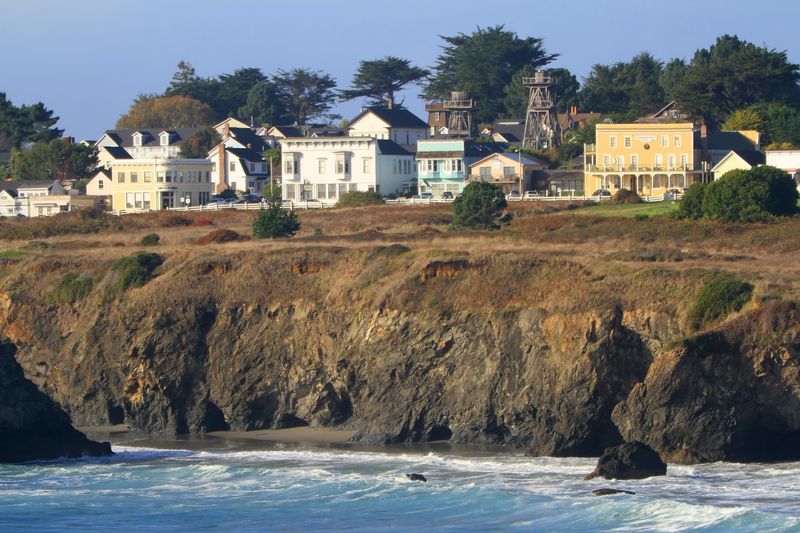
Perched on a rocky headland above the Pacific, Mendocino has a silhouette unlike almost anywhere else on the California coast.
The town’s New England-style water towers and white wooden buildings stand against an open sky in a way that feels quietly dramatic without being showy.
Founded in the 1850s as a lumber town, it drew workers from Maine and Massachusetts who built their homes to match what they had left behind.
Today the streets are still compact and walkable, with art galleries, small bookshops, and locally owned cafes tucked into heritage buildings.
The Mendocino Headlands State Park wraps around the town on three sides, meaning the ocean is never far from view.
Trails along the bluff offer some of the most accessible coastal scenery in Northern California without requiring any serious hiking preparation.
Weekends in Mendocino can draw visitors from the Bay Area, so a weekday visit tends to offer a quieter experience.
Mornings here feel especially still, with fog clinging to the bluffs and the sound of waves carrying up from the cove below in a steady, unhurried rhythm.
2. Nevada City
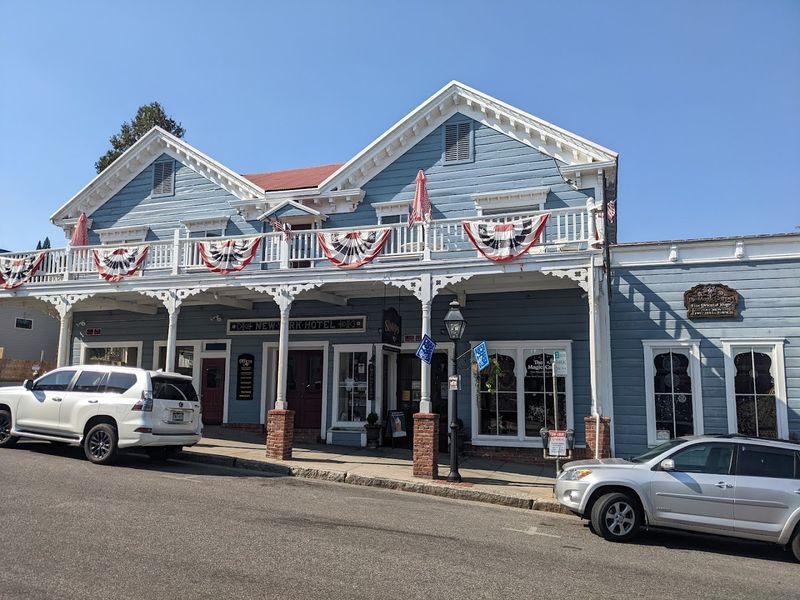
Gold was discovered near Nevada City in 1849, and the town that grew up around that rush never really lost its 19th-century bones.
Gas lamp streetlights still line the narrow downtown streets, and Victorian-era brick buildings house bookstores, coffee shops, and local restaurants.
The overall effect is of a town that aged gracefully rather than trying to reinvent itself.
The downtown historic district is compact enough to explore entirely on foot in an afternoon.
Buildings along Broad Street and Commercial Street date back to the 1850s and 1860s, many with original facades still intact.
The National Hotel, one of the oldest continuously operating hotels in California, anchors the heart of downtown and gives the whole area a sense of deep continuity.
Nevada City also has a lively arts and music scene that feels organic rather than imported, with venues and studios scattered through the historic core.
The surrounding Sierra Nevada foothills add to the atmosphere, especially in fall when the leaves turn and the air cools. The pace here is slow by design and genuinely refreshing.
3. Grass Valley
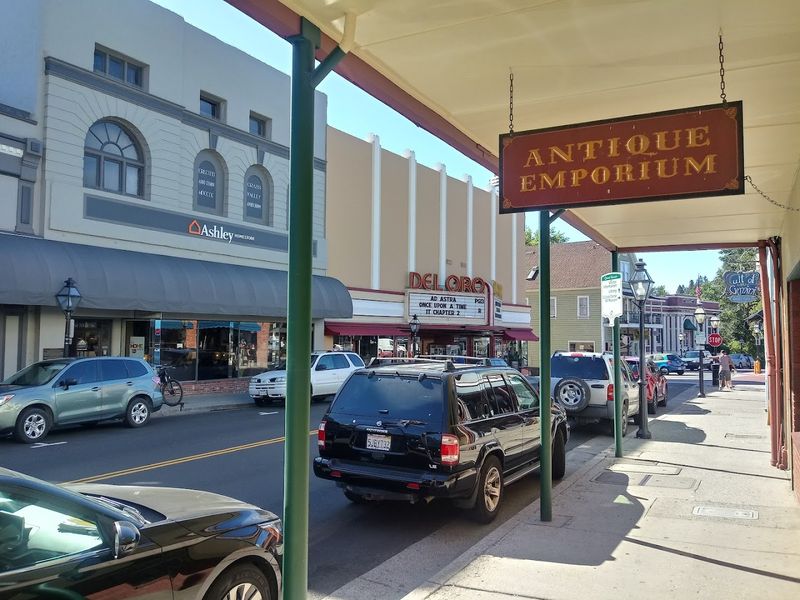
Just a few miles south of Nevada City, Grass Valley carries a slightly grittier Gold Rush energy that feels authentic to its mining roots.
The town was home to some of the deepest hard-rock gold mines in California history, and that industrial heritage still shapes the character of the place.
Empire Mine State Historic Park, located just outside downtown, preserves the actual mine buildings and grounds where operations ran from 1850 until 1956.
Downtown Grass Valley has a relaxed, lived-in quality that distinguishes it from more polished historic towns.
Mill Street and Main Street are lined with brick buildings housing local eateries, hardware stores, and small shops that serve the actual community rather than just visitors.
That mix of everyday life and historic architecture gives the town a texture that feels unforced.
The Cornish influence on Grass Valley is also worth noting, as miners from Cornwall, England settled here in large numbers and left a lasting cultural mark.
Cornish pasties, a savory pastry brought over by those miners, are still sold at a few local spots as a nod to that heritage.
4. Placerville
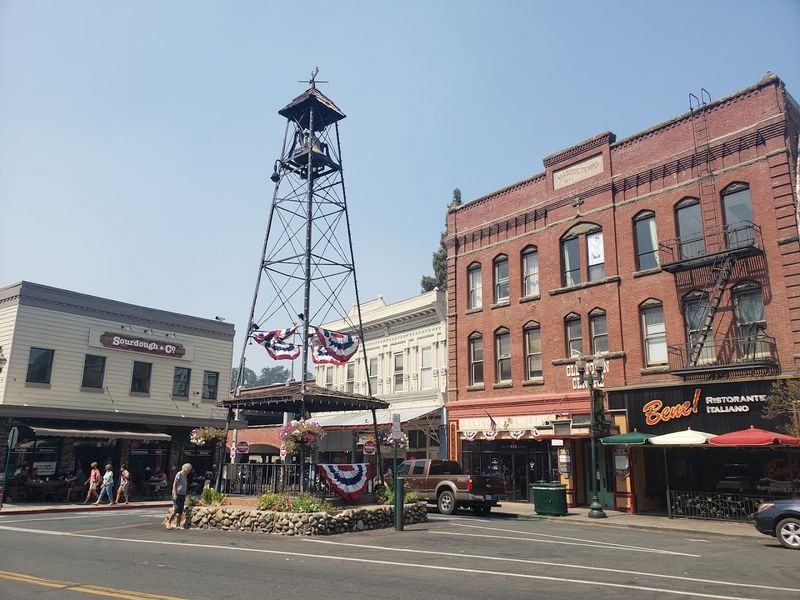
Originally called Dry Diggings and later Hangtown, Placerville earned its colorful nicknames during the roughest years of the Gold Rush before settling into its current name.
The town sits along Highway 50 in El Dorado County and serves as a genuine working community rather than a museum piece, which gives it a particular kind of authenticity.
Main Street still has the original downhill slope that made it a natural gathering point for miners coming in from the hills.
A hanging dummy bear above one of the storefronts is a longtime local landmark referencing the town’s “Hangtown” past, and it remains one of the more memorable quirks of the downtown streetscape.
The Bell Tower, built in 1865, still stands near the center of town and has been a community landmark for over 150 years.
Several buildings along Main Street date back to the 1850s and have been in continuous commercial use since then.
The surrounding Apple Hill region makes Placerville especially popular in autumn when orchards and farm stands open to visitors.
Farmers markets and local festivals bring energy to the historic core at different points throughout the year.
5. Sutter Creek
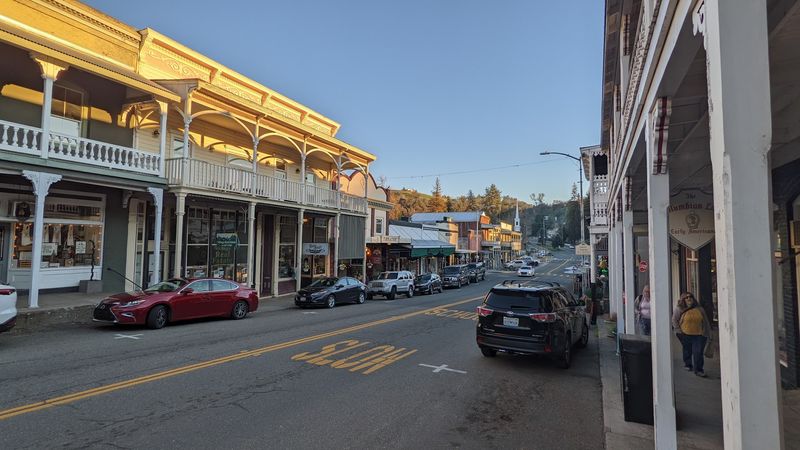
Few towns in the Gold Country feel as carefully preserved as Sutter Creek, a small community in Amador County that wears its 19th-century identity with quiet pride.
The main street is lined with white-painted buildings featuring covered wooden balconies that overhang the sidewalk, creating a shaded pedestrian experience that feels genuinely old-fashioned.
Many of these buildings were constructed between the 1860s and 1880s and have been maintained with visible care.
Sutter Creek was a center of hard-rock gold mining, and some of the mines here operated well into the 20th century.
The town produced significant wealth during the Gold Rush era, which funded the solid, well-built commercial district that still defines it today.
Antique shops, small galleries, and local boutiques fill many of the ground-floor spaces, making a slow walk down the main street an easy and genuinely pleasant way to spend an afternoon.
The surrounding countryside adds to the experience, with oak-covered hills rolling away from the town in every direction.
Sutter Creek has a population of just over 2,000 residents, giving it a neighborhood feeling that larger tourist destinations rarely manage to replicate.
6. Jackson
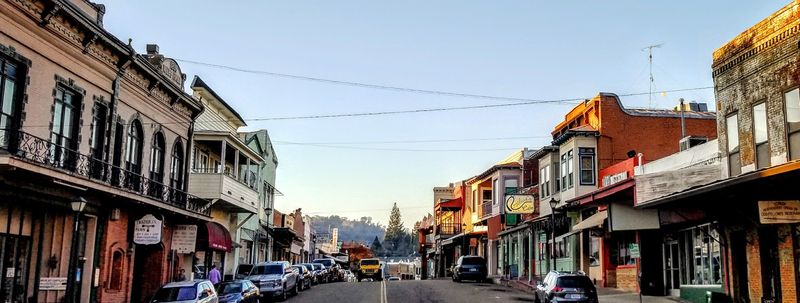
As the county seat of Amador County, Jackson has a bit more everyday activity than some of its smaller Gold Country neighbors, but its historic core still holds a strong sense of the 19th century.
The downtown area along Main Street and Water Street is anchored by brick and stone buildings that date back to the Gold Rush era, many of which survived multiple fires that swept through the town in its early years.
That resilience is part of what defines Jackson’s character.
The Amador County Museum sits in a hillside Victorian home above the downtown area and offers exhibits on local mining history and Gold Rush life.
The Kennedy Mine, once one of the deepest gold mines in North America, operated just outside town and its headframe and tailing wheels are preserved as a historic site open to visitors on weekends.
Those surviving structures give a tangible sense of the industrial scale that once defined this region.
Jackson also has a small Chinatown district, a reminder of the significant Chinese immigrant population that played a major role in the Gold Rush economy and left a lasting mark on the town’s layout.
The overall atmosphere is unpretentious and community-focused, with local diners and small shops keeping the downtown active year-round.
7. Sonora
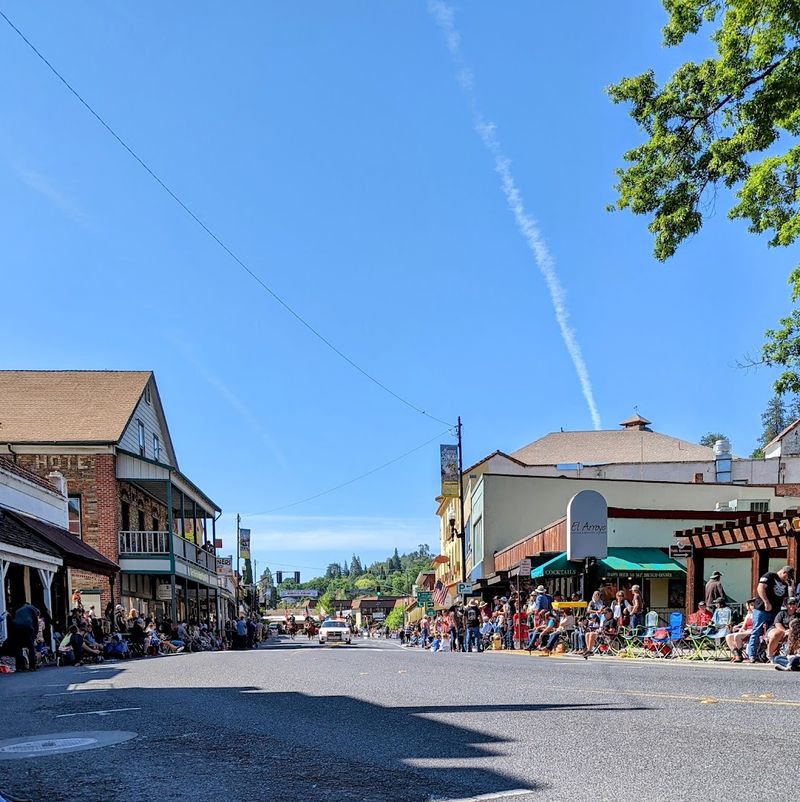
Known as the Queen of the Southern Mines, Sonora was one of the wealthiest and most cosmopolitan towns in the entire Gold Rush region during the 1850s.
That history is still visible in the downtown streetscape, where Victorian commercial buildings line Washington Street in a dense, colorful row.
The architecture here is more varied than in some neighboring towns, reflecting the diverse population of miners from Mexico, Chile, China, and the eastern United States who all contributed to its growth.
Washington Street is the spine of downtown Sonora and is walkable end to end in a comfortable amount of time.
The street has a lively mix of locally owned restaurants, shops, and galleries that keeps the historic core active rather than preserved in amber.
St. James Episcopal Church, built in 1859, anchors the upper end of the street with its red-painted Gothic Revival facade and remains one of the most photographed buildings in the entire Mother Lode region.
Sonora serves as the Tuolumne County seat, which means it has the energy of a functioning small city layered over its historic identity.
The surrounding Sierra Nevada foothills provide easy access to outdoor recreation, making it a practical base for exploring the broader Gold Country region.
8. Columbia
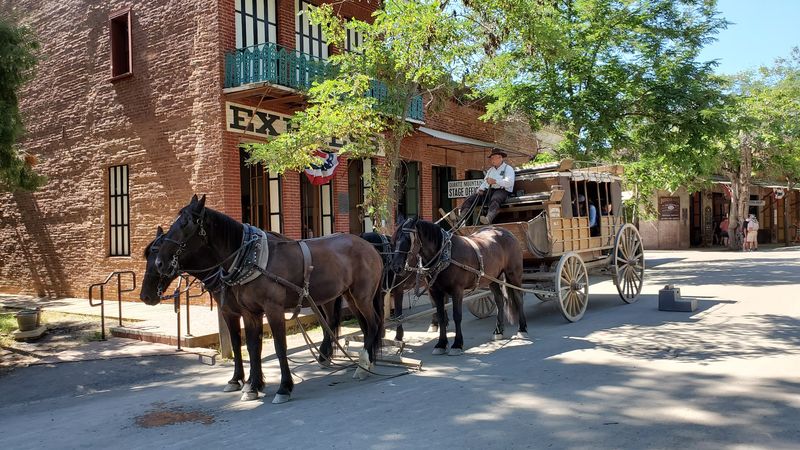
Columbia is not just a historic town but an entire living museum, preserved as Columbia State Historic Park by the California Department of Parks and Recreation.
The park covers the original townsite of a Gold Rush community that boomed in the 1850s and declined as the gold ran out, leaving behind an extraordinary collection of brick and adobe buildings.
Walking the main street here means walking on the same ground where thousands of miners once crowded every afternoon.
Inside the park, several buildings are still in active use as shops, a hotel, and a saloon serving non-alcoholic drinks, giving the space a functional quality that distinguishes it from a purely static exhibit.
Horse-drawn stagecoach rides operate seasonally, and costumed interpreters occasionally demonstrate period crafts and trades throughout the year.
The lack of modern vehicles on the main street is one of the most immediately striking things about a visit here.
Columbia State Historic Park is located at 11255 Jackson Street in Columbia, CA. Admission to the park itself is generally free, though parking fees and fees for specific activities may apply.
9. Julian
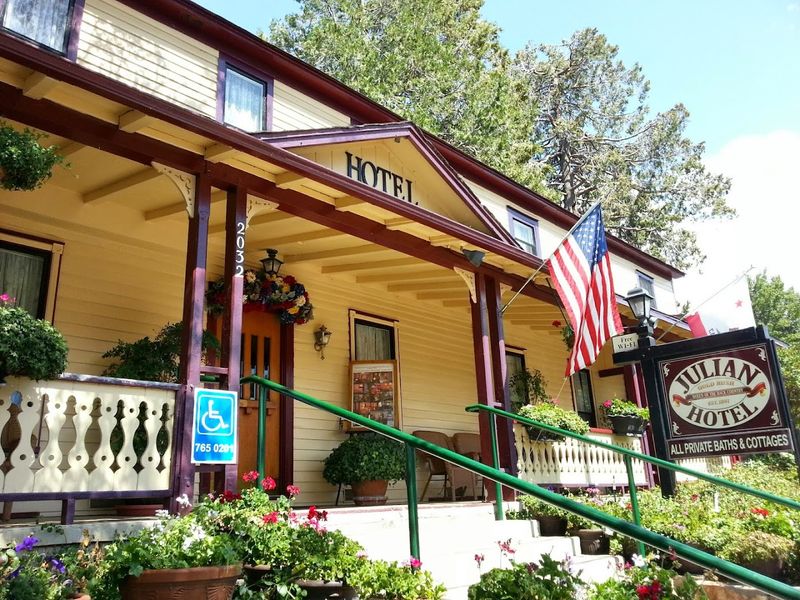
Over in the Cuyamaca Mountains east of San Diego, Julian occupies a different kind of California history than the Gold Rush towns of the north.
Gold was discovered here in 1869, and the town that grew up around that find still has a compact historic downtown lined with wooden storefronts that feel straight out of the Old West.
At an elevation of around 4,200 feet, Julian also gets actual seasons, including snow in winter and a brilliant apple harvest in fall that draws visitors from across Southern California.
Apple pie is the undisputed culinary identity of Julian, and several local bakeries have been serving it for decades using locally grown fruit.
The Julian Pioneer Museum on Washington Street holds artifacts and photographs documenting the town’s mining and ranching past, offering context that makes the historic streetscape easier to read.
The Eagle and High Peak Mine, a preserved hard-rock gold mine just outside the downtown, offers underground tours that give a visceral sense of what early mining actually involved.
Julian’s small size means the downtown can feel crowded on autumn weekends when apple season peaks, so a visit during the week or in late spring tends to offer a more relaxed experience.
10. San Juan Bautista
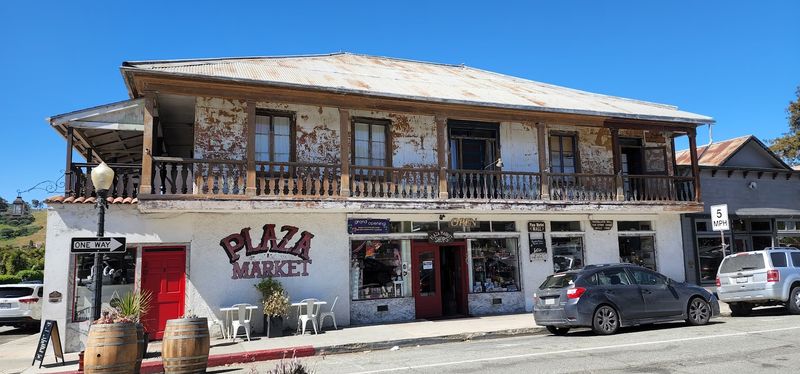
Centered on one of the most intact Spanish Colonial-era plazas in California, San Juan Bautista feels like a place where multiple centuries overlap in a single glance.
The mission church, founded in 1797, still holds active services and anchors the east side of the plaza with its long, low adobe facade.
Surrounding the plaza are preserved 19th-century buildings including a former hotel, a stable, and a granary that together form the San Juan Bautista State Historic Park.
San Juan Bautista State Historic Park is located at 19 Franklin Street in San Juan Bautista, CA.
The park buildings are open to visitors and contain period furnishings and exhibits that trace the town’s history from the mission era through the American period.
The original El Camino Real road once passed directly in front of the mission, and the grade change at the edge of the plaza marks the line of the San Andreas Fault running beneath the town.
The surrounding town outside the park is equally quiet and historically layered, with a short main street of small restaurants and shops operating out of vintage buildings.
San Juan Bautista sits in the San Benito Valley with agricultural land stretching in every direction, which keeps the setting rural and unhurried.
11. Capitola
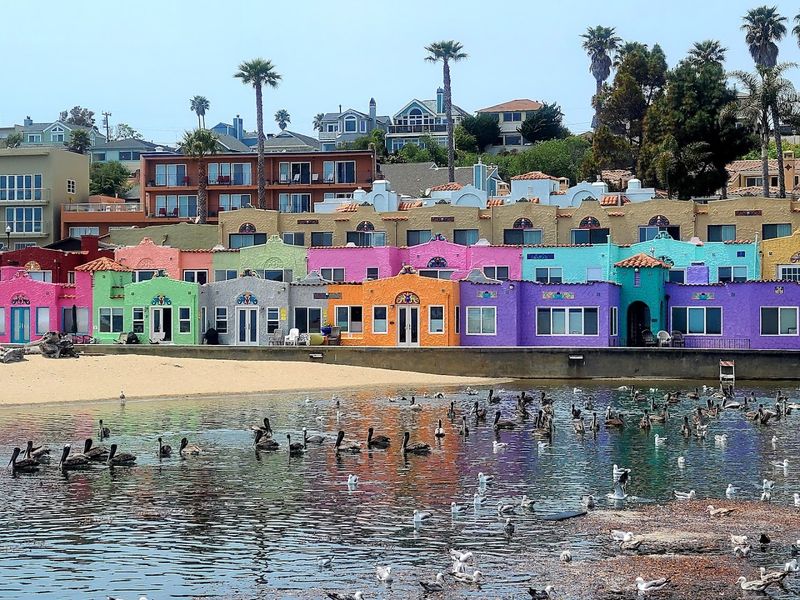
Sitting at the edge of Monterey Bay where Soquel Creek meets the Pacific, Capitola has a visual identity that is immediately striking.
Rows of brightly painted beach cottages and Mediterranean-style buildings line the waterfront, their colors reflecting in the calm water of the creek estuary in a way that looks almost too picturesque to be real.
Founded in the 1870s as a resort destination, it holds the distinction of being one of the oldest seaside resort towns in California.
The village core is compact and walkable, with a short stretch of shops, restaurants, and galleries running along the beachfront and up the main commercial street.
The Capitola Wharf extends into the bay and remains a popular spot for fishing and watching pelicans glide past at low tide.
Much of the original resort character of the town has been preserved through local planning decisions that kept chain development limited in the historic village center.
Parking near the beach can be competitive on summer weekends, and arriving early in the morning tends to make the experience significantly more relaxed.
The beach itself is a small but well-sheltered crescent that stays calmer than many exposed Pacific beaches.
12. Carmel-by-the-Sea
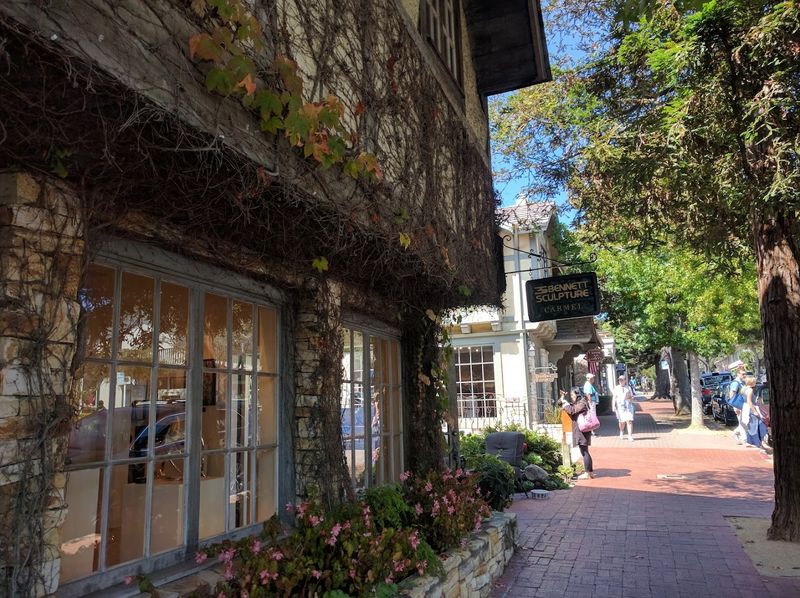
Few places in California carry as distinctive an architectural personality as Carmel-by-the-Sea, a small Monterey Peninsula town where storybook cottages built from stone and hand-hewn timber line streets.
The town was developed in the early 20th century as an artists and writers colony, and that bohemian origin shaped building codes that remain unusually protective of the town’s character even today.
Street addresses are not used here, and mail is picked up at the post office, a quirk that reinforces the town’s deliberate resistance to standardization.
Ocean Avenue is the main commercial corridor, sloping gently down from the village center toward the white sand of Carmel Beach.
Galleries, small hotels, and locally owned restaurants fill the ground floors of the cottage-style buildings, and the overall density is low enough that the town never feels overwhelming.
Carmel Beach itself is open to leashed dogs, which gives the shoreline a relaxed and community-oriented energy most California beaches lack.
Carmel-by-the-Sea works best as a slow destination, with the most rewarding experiences coming from wandering the residential streets and noticing the details of individual cottages rather than rushing through the main shopping area.
The fog that rolls in from the bay most mornings gives the pine-lined streets a soft, almost filtered quality of light that suits the town’s quiet character.
13. Cambria
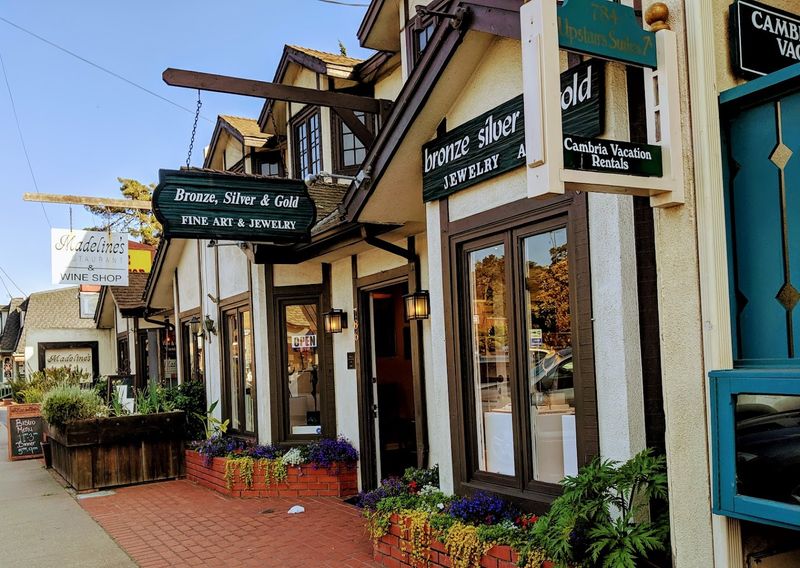
Strung along the San Luis Obispo County coast between Morro Bay and Hearst Castle, Cambria has a dual personality split between its East Village historic core and its newer West Village commercial strip.
The East Village is the older of the two and retains a genuine small-town atmosphere with Victorian-era buildings, a historic cemetery, and narrow streets lined with mature Monterey pines.
Burton Drive, the main street of the East Village, has a walkable stretch of galleries, bookshops, and cafes that feel rooted in the community rather than built for passing traffic.
Moonstone Beach, just west of the village, is one of the more accessible stretches of dramatic Central Coast shoreline, with a flat boardwalk trail running along the bluff above the surf.
The beach gets its name from the pale, translucent stones that wash up along the tideline, and collecting them is a popular low-key activity for visitors of all ages.
The combination of coastal access and historic village makes Cambria unusually easy to spend a full day in without feeling rushed.
Cambria sits far enough from any major urban center that it retains a genuine sense of geographic isolation, which contributes significantly to its unhurried pace.
14. Amador City
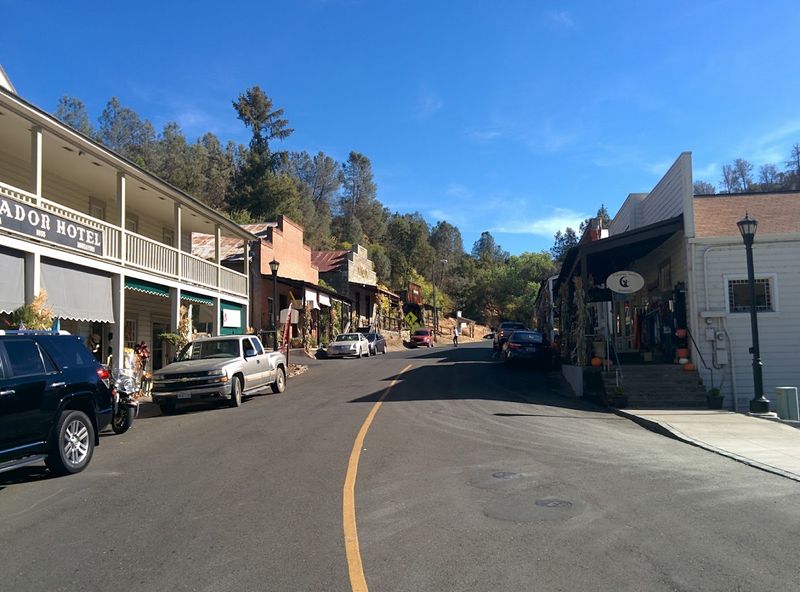
With a population hovering around 200 residents, Amador City holds the distinction of being one of the smallest incorporated cities in California, and it wears that smallness as a point of pride.
The entire downtown consists of a single short block along Highway 49, lined with 19th-century brick and stone buildings that have been in continuous use since the Gold Rush era.
That concentration of historic architecture in such a compact space gives Amador City an almost theatrical quality, as if the whole town is a single carefully composed scene.
The Amador City area was rich in gold-bearing quartz veins, and the mines here operated well into the early 20th century, funding the solid commercial buildings that still line the highway.
Several of those buildings now house antique shops and small boutiques that draw visitors making their way along the historic Highway 49 Gold Country corridor.
The Imperial Hotel, a brick building dating to 1879, remains a landmark in the downtown block and has hosted travelers for well over a century.
Amador City moves at a pace that is hard to describe without experiencing it directly. There are no traffic lights, no chain businesses, and no sense of urgency anywhere in the downtown area.