This Storybook Garden In Connecticut Feels Like A Secret European Escape
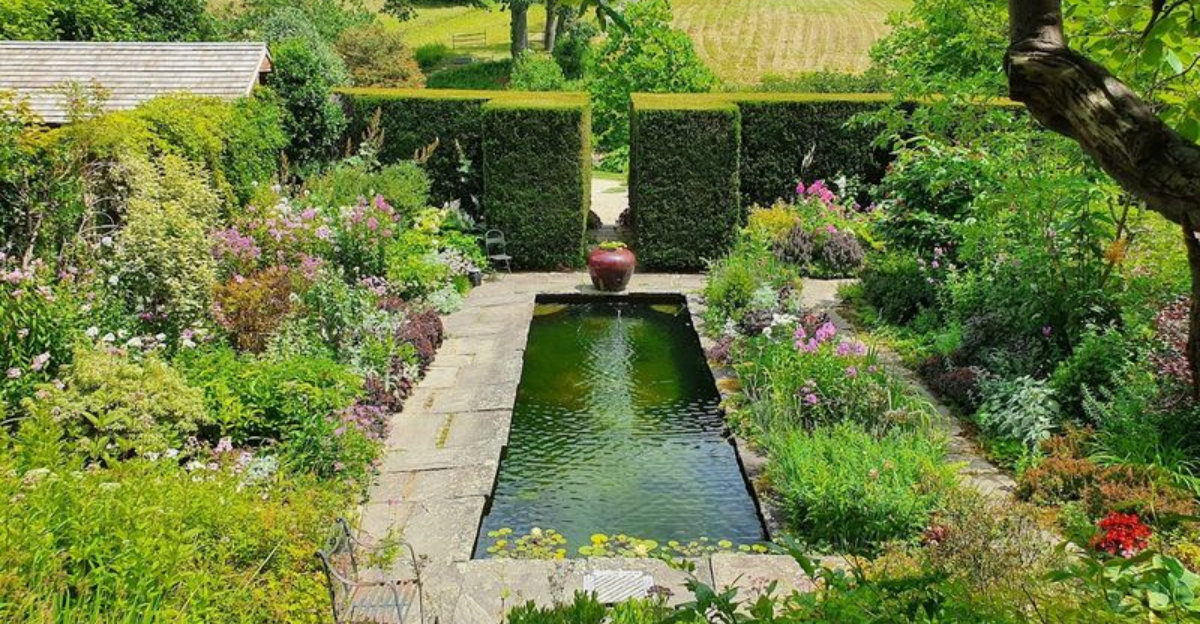
Every once in a while you stumble onto a place that makes you genuinely question where you are for a moment and this garden does exactly that.
The atmosphere here gives off an energy that feels far more European countryside than New England backyard and the effect is immediate the second you walk in.
Everything has been so thoughtfully put together that it carries this dreamlike quality that is hard to shake even after you have left and gone home.
People arrive not fully knowing what to expect and spend the entire visit slightly convinced they were transported somewhere far away without buying a single plane ticket.
The photography opportunities alone are enough to make the trip worthwhile but the actual experience of being here goes so much deeper than that.
This storybook Connecticut garden feels like a secret European escape and honestly that comparison does not do it enough justice. Some places simply have to be seen to be believed.
1. Where This Garden Hides In The Litchfield Hills
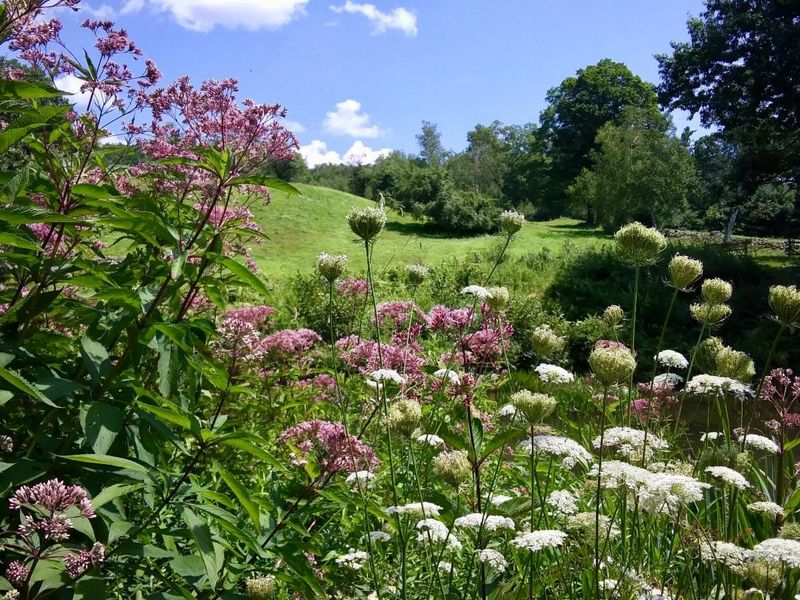
A winding road through the Litchfield Hills sets the mood before the garden even comes into view.
Wooded hillsides frame the property with a quiet, almost cinematic beauty, and the drive often feels like part of the experience as it passes through small villages and open farmland before reaching the gate.
This Washington garden fits naturally into a town known for its strong sense of character and peaceful rural scenery. The property was once a dairy farm, and traces of that agricultural past still show in the barns and outbuildings scattered across the grounds.
Parking is available on-site, and the entrance is straightforward to find once on Nettleton Hollow Road. Checking the garden’s website before visiting is a smart move since hours are limited and the season runs from April through October.
Hollister House Garden is at 300 Nettleton Hollow Rd, Washington, 06793. The quiet setting makes the whole visit feel like a small escape into the countryside.
2. Why It Feels Like An English Countryside Escape
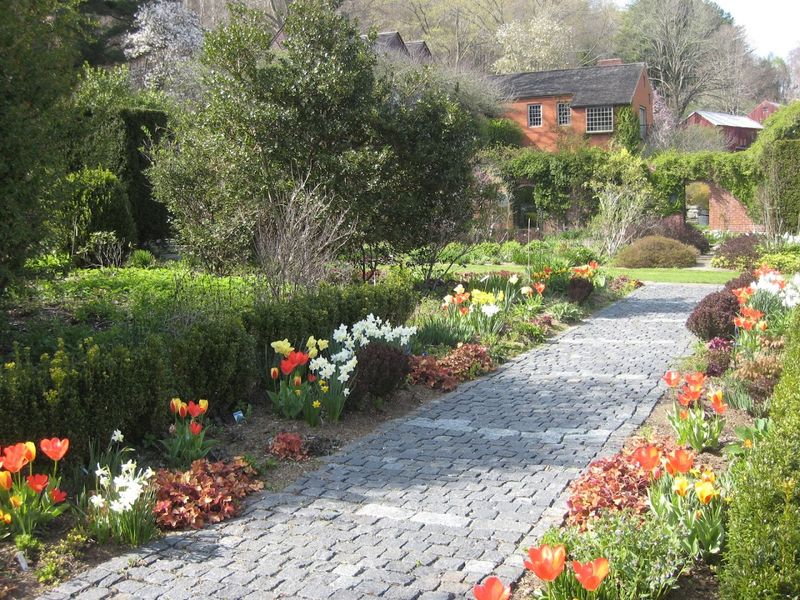
From the moment visitors step past the gate, the atmosphere shifts into something that feels distinctly Old World.
Hollister House Garden was intentionally designed as an American interpretation of classic English gardens, blending formal structure with naturalistic planting in a way that feels both curated and effortlessly alive.
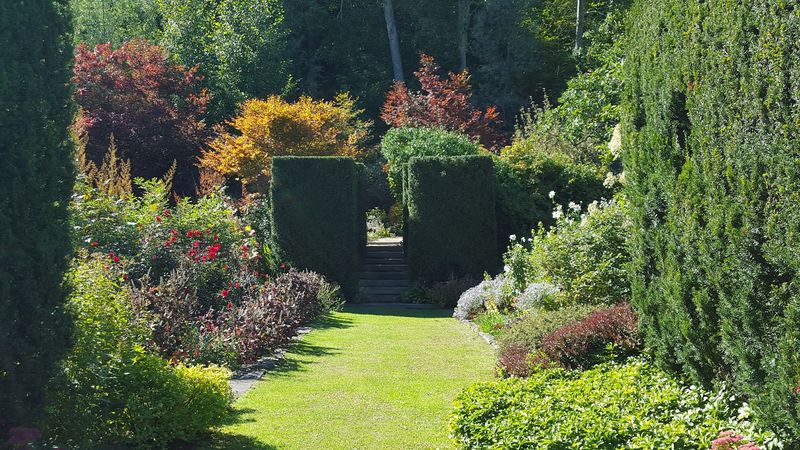
The combination of clipped hedges, stone pathways, and billowing perennials creates a rhythm that slows the pace and invites lingering.
English garden design tends to favor layered planting that rewards close attention, and that philosophy runs through every corner of the property. Plants are arranged by height, color, and texture in ways that shift subtly as the season progresses.
Visitors who come in May will see a very different garden than those who arrive in August, which is part of what makes the place so compelling to return to across the season.
The eighteenth-century saltbox house at the center of the property adds to the European feeling, even though it is a distinctly American structure.
Mature trees provide shade and scale, and the gentle sound of moving water from the stream at the lower edge of the garden adds a sensory layer that completes the mood.
3. What Makes The Garden Rooms So Dreamy
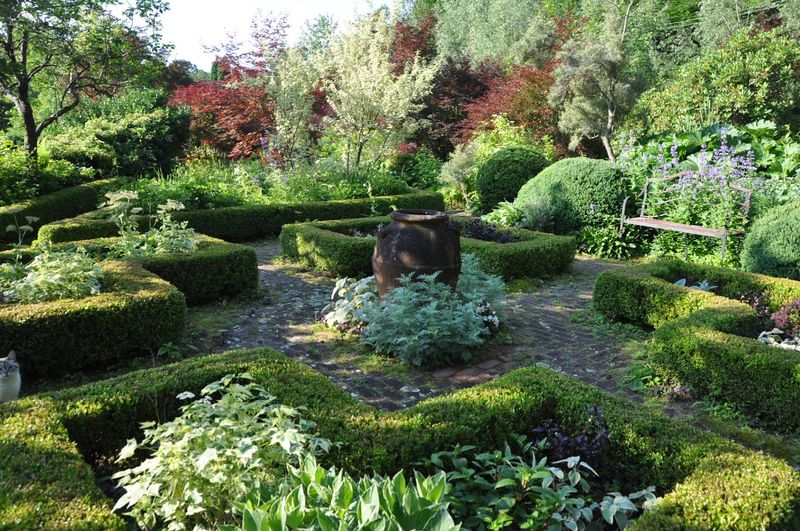
One of the most talked-about features of the property is the way the garden is organized into a series of distinct outdoor rooms.
Giant hedges, some reaching up to ten feet tall and sculpted with precision, act as living walls that divide the landscape into separate areas, each with its own planting style and mood.
Moving from one room to the next feels a bit like turning pages in a picture book, with each section offering a fresh composition to take in.
Some rooms feel formal and symmetrical, with clipped borders and structured beds that reflect classic garden design principles.
Others open up into looser, more naturalistic arrangements where plants spill freely over edges and colors mix in unexpected ways.
The contrast between these spaces keeps the visit feeling dynamic rather than repetitive, even on a short loop around the property.
Water features appear in several areas, adding sound and movement to spaces that might otherwise feel static. Benches are placed thoughtfully throughout the garden, giving visitors natural spots to pause and absorb the surroundings.
The overall effect is one of a garden that has been carefully considered at every turn without ever feeling stiff or overworked.
4. How The Stone Walls Shape The Storybook Feel
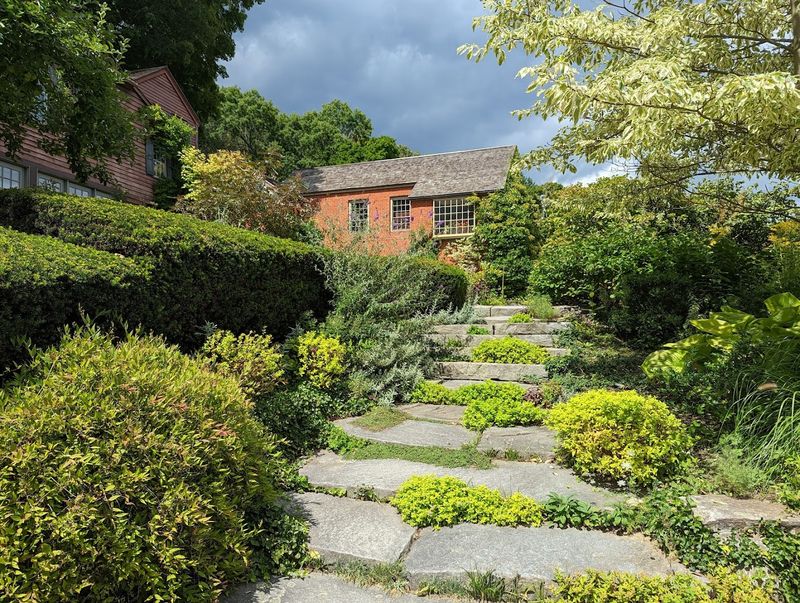
Stone is everywhere at Hollister House Garden, and it does a lot of quiet work in shaping how the space feels. Dry-laid stone walls run along paths, define planting beds, and support terraced areas as the garden steps down toward the stream and meadow below.
The walls have the look of something that has been in place for generations, even where sections have been added or repaired over time.
Connecticut fieldstone has a particular character that suits the New England landscape, and at Hollister House it blends seamlessly with the English garden aesthetic.
Moss and low-growing plants soften the edges of the walls, and in certain spots climbing plants drape over the top in a way that makes the stone feel almost decorative rather than structural.
The interplay between hard stone and soft planting is one of the most visually satisfying aspects of the garden.
Steps carved into the terrain or built from flat stone slabs connect the different levels of the property, though visitors should be aware that some areas involve uneven footing and steep drops without railings.
Wearing comfortable shoes with good grip is a practical consideration worth keeping in mind before the visit.
The stone elements also provide excellent texture and contrast for photography throughout the property.
5. Where To Slow Down And Take It All In
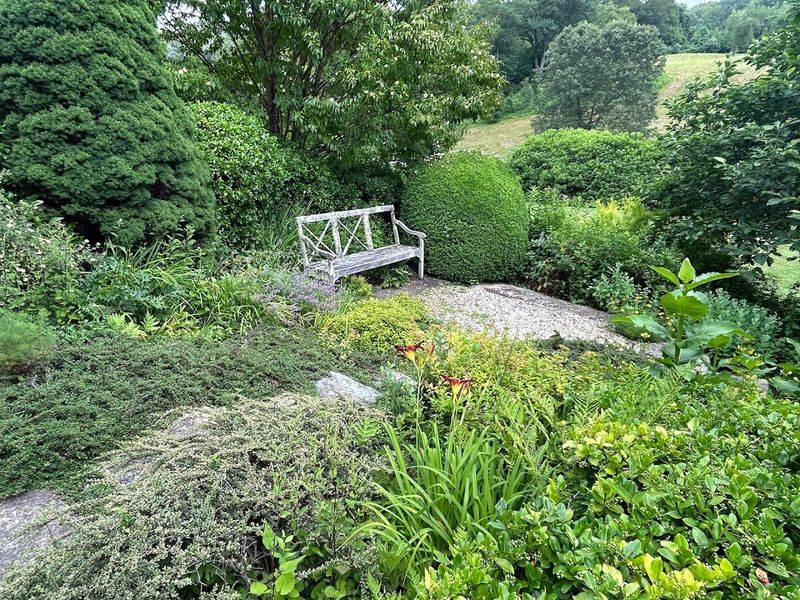
For a garden of its scale, Hollister House offers a surprisingly meditative quality that rewards visitors who move slowly rather than rushing through.
Benches are scattered throughout the property at well-chosen spots, positioned to frame particular views or to offer a moment of shade during a warm afternoon.
Sitting on one of those benches for even a few minutes tends to reveal details that walking past would miss entirely.
The lower section of the garden opens into a meadow area near the stream, and that transition from the formal rooms above to the more open landscape below feels like a natural exhale.
Birds are active throughout the property, and the combination of birdsong, water sounds, and rustling leaves creates a background that makes the space feel genuinely restorative.
The pace of a visit here is entirely self-directed, with no guided schedule or timed entry to manage.
Volunteer guides are sometimes present on the grounds and tend to be knowledgeable and approachable for visitors who want more context about specific plants or the history of the property. Their presence is helpful without being intrusive, allowing visitors to engage or simply wander as they prefer.
The overall atmosphere is one of calm and generous space.
6. When To Visit For The Prettiest Blooms
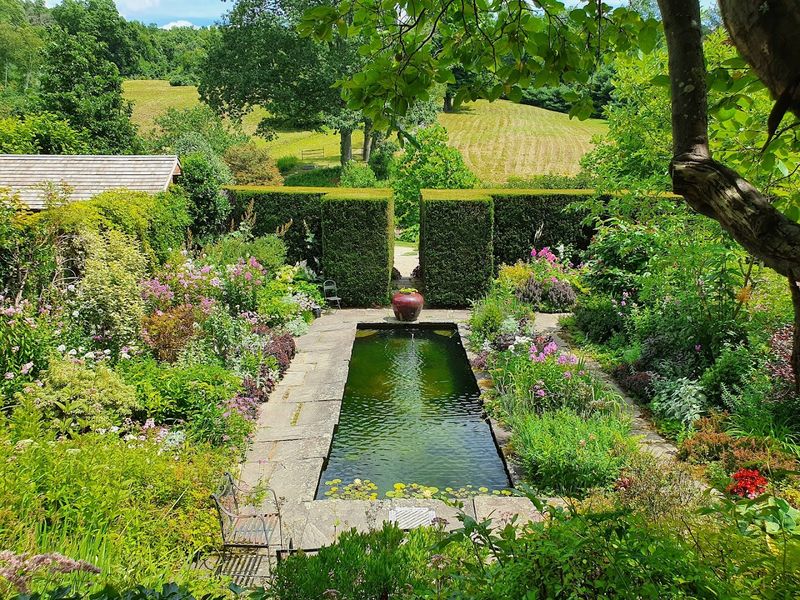
The garden opens each season in April and closes in early October, and the bloom schedule shifts meaningfully from month to month. Spring visits tend to feature bulbs, early perennials, and the fresh green of new growth emerging against stone walls and bare hedges.
By late May and June, the garden reaches a kind of full-color peak with roses, alliums, and layered perennial borders coming into their own.
Midsummer brings a different energy, with bold foliage plants, tall flowering stalks, and the garden’s water features becoming more central to the experience as shade becomes welcome.
August and September offer a softer, slightly wilder look as late-season bloomers take over and the garden begins its gradual transition toward fall.
Each phase has its own appeal, and no single visit captures everything the property has to offer.
The garden’s website publishes a monthly bloom preview, which is genuinely useful for planning a visit around specific plants or colors.
Open hours are Wednesday and Friday from 1 to 4 PM and Saturday from 10 AM to 4 PM, so timing the trip accordingly is essential.
Arriving on a Saturday morning tends to allow the most relaxed and unhurried experience of the grounds.
7. Why Garden Lovers Will Want Their Cameras Ready
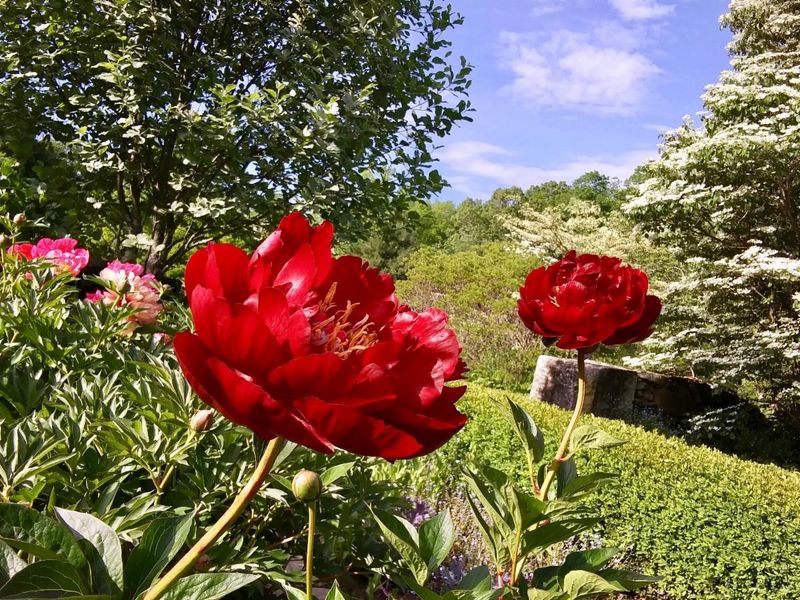
The layered structure of the garden means that every few steps brings a new composition into view, whether that is a tight shot of a single flower cluster against weathered stone or a wide view down a hedge-lined path toward the meadow.
The changing light throughout the day also shifts the mood of the same spaces considerably.
Morning light on a Saturday tends to be especially flattering, casting long shadows across the lawn and warming the colors of early-blooming plants. By afternoon, the dappled shade under the mature trees creates a softer, more diffused quality that suits close-up botanical shots.
The water features add reflective surfaces that can elevate a simple garden photo into something genuinely striking.
The garden’s mix of formal geometry and loose naturalistic planting gives photographers a range of subjects to work with, from the clean lines of a clipped hedge to the wild tangle of a late-summer border. Visitors are welcome to sketch or photograph throughout the property during open hours.
Bringing a camera with a macro lens is worth considering for anyone interested in capturing individual blooms or the fine texture of the stonework.
8. What To Know Before Planning Your Visit
Planning ahead makes a real difference when visiting Hollister House Garden since the open hours are limited and the season has a defined window. The garden is open Wednesday and Friday from 1 to 4 PM and Saturday from 10 AM to 4 PM, running from April through October.
Visiting outside those hours is not possible, so confirming the schedule on the official website before making the trip is strongly recommended.
An entry fee applies, which has historically been around ten dollars per person, though fees can change so checking the website for current pricing is a good habit.
The property is not fully accessible for visitors with significant mobility limitations since several areas involve steps without railings and uneven terrain.
Comfortable walking shoes are genuinely necessary rather than just a suggestion, especially for navigating the lower sections of the garden near the stream.
Restroom facilities are available on-site, which is a practical detail worth noting for visitors planning a longer stay. The garden does not have a café or food vendor on the grounds, so bringing water and a snack is a sensible idea especially on warm days.