These 8 Connecticut Birdwatching Spots Feel Like Hidden Front-Row Seats To Nature
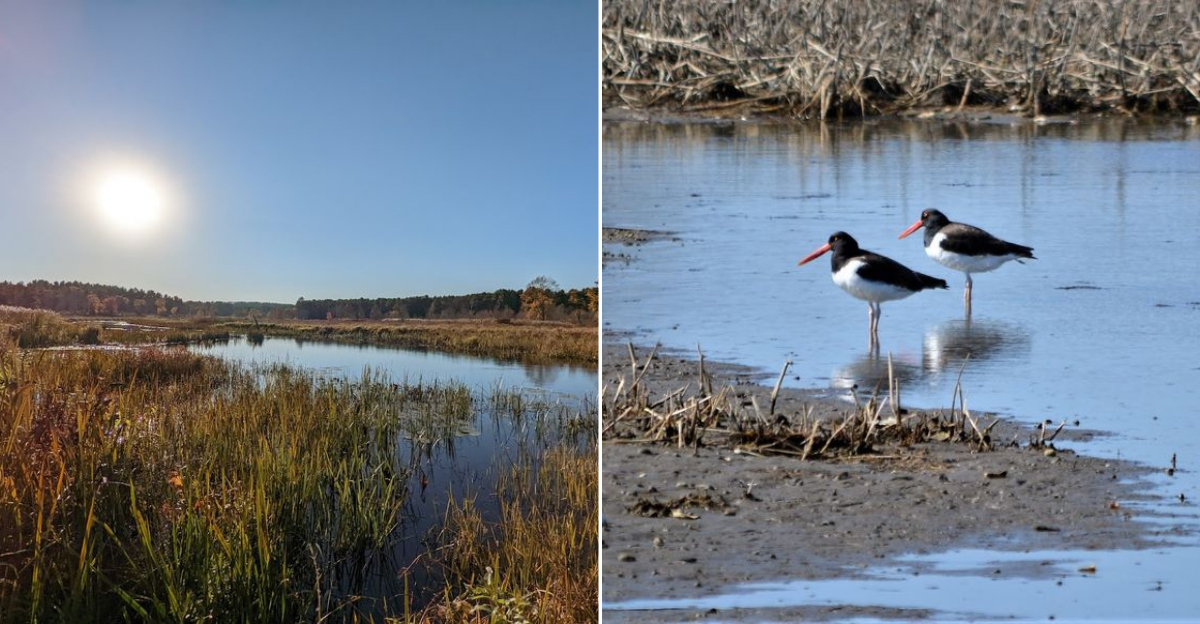
Birdwatching has this quietly addictive quality that people completely underestimate until they actually try it and then suddenly they are hooked in a way they did not see coming.
The patience it requires pays off in moments that feel genuinely electric, a rare sighting, a bird you have never seen before, a scene so unexpectedly beautiful that you forget to breathe for a second.
The right location makes all the difference and that is where things get really interesting. Some spots just have an energy that feels special, like the natural world decided to put on a show specifically for the people patient enough to show up.
Connecticut birdwatching spots offer the kind of front row access to nature that feels almost too good to be sitting right here in the state. Early mornings here hit completely different and the people who have made this a regular habit are not giving up their favorite locations without a fight.
1. Greenwich Audubon Center, Greenwich
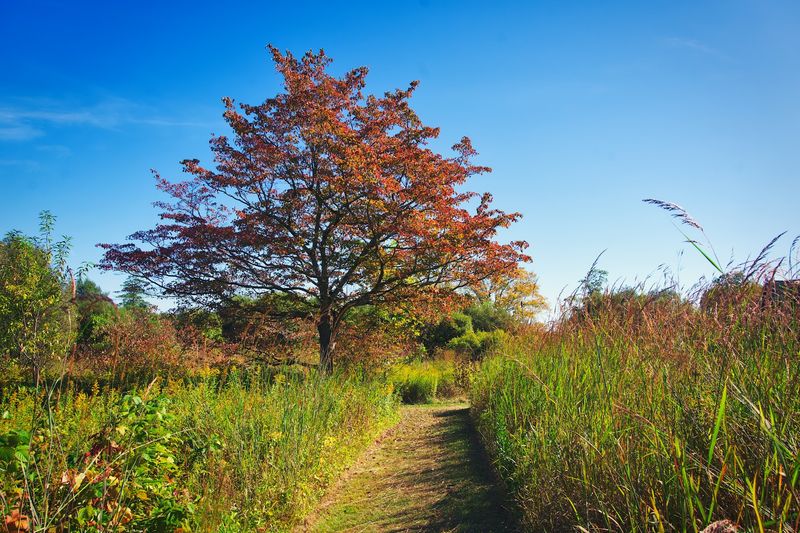
Across nearly 700 acres of protected land, this birdwatching spot feels surprisingly removed from the surrounding suburbs. Meadows, ponds, wetlands, and forested ridges create a rich mix of habitats that attract a wide range of bird species throughout the year.
Visitors often spot wood ducks, great blue herons, and various warbler species depending on the season.
The Greenwich Audubon Center is at 613 Riversville Road, Greenwich, CT 06831, in the rolling landscape of Fairfield County. The trail network here is well-maintained and clearly marked, making it easy to navigate at a comfortable pace without needing a guide.
Spring migration tends to bring the highest diversity of species, with songbirds filling the canopy in ways that can feel almost overwhelming for newer birders.
Mornings are generally the most active time, and the light filtering through the trees creates ideal conditions for spotting movement in the understory.
The on-site nature center building offers educational displays and helpful staff who can point visitors toward the most active areas on any given day.
Parking is available and the entrance fees are modest. Fall visits offer a different but equally rewarding experience, as raptors and migratory sparrows move through in steady numbers.
The mix of habitat types in one location is what makes this center stand out as a consistently productive birdwatching destination.
2. Bent Of The River Audubon Center, Southbury
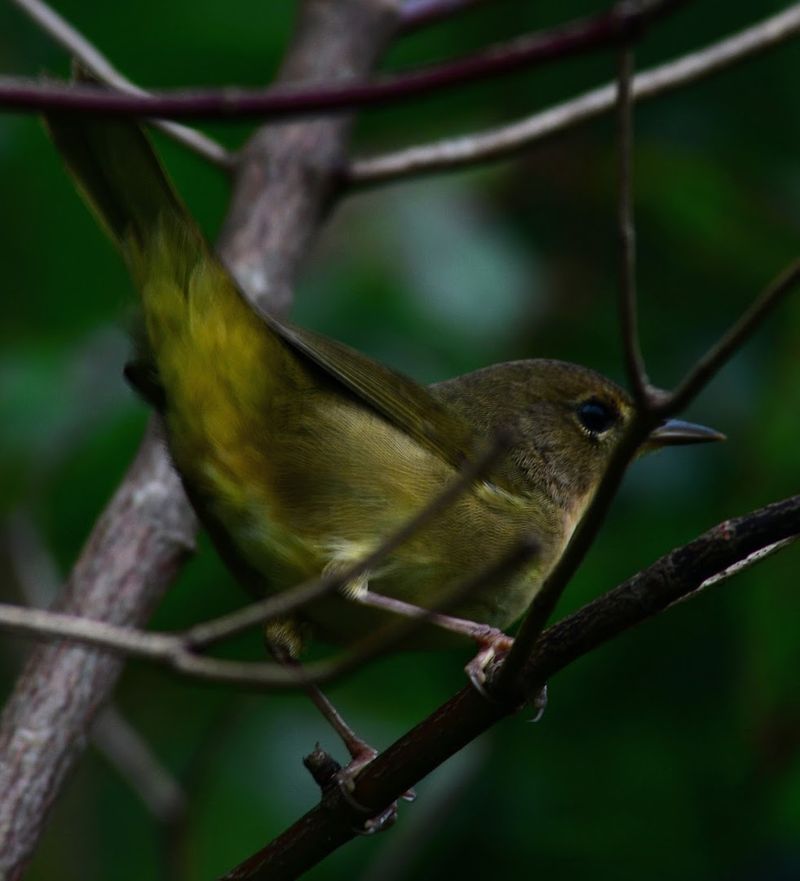
Named for the graceful curve the Pomperaug River makes through the property, Bent of the River Audubon Center in Southbury offers one of the more peaceful and varied birdwatching experiences in the state.
The center is found at 185 East Flat Hill Road, Southbury, CT 06488, and the landscape here includes river floodplains, open meadows, shrubby edges, and forested hillsides that together support an unusually broad mix of bird species.
Bobolinks, Eastern meadowlarks, and American kestrels have all been documented on the property.
The trail system winds through each habitat type without feeling rushed or overly structured, allowing visitors to slow down and spend time in areas that look particularly active.
Grassland birds are a highlight during breeding season, and the open meadows can feel almost cinematic on a clear morning when the light is low and the dew is still on the grass.
The river corridor adds another dimension entirely, attracting kingfishers, wood ducks, and spotted sandpipers along its banks.
Fall visits bring a different energy, with sparrows and warblers moving through the shrubby edges in numbers that reward patient observation. The property is managed with habitat restoration in mind, so the quality of the birdwatching here tends to improve over time rather than decline.
Southbury is a short drive from several larger towns, making Bent of the River an accessible option for a midweek morning outing without requiring extensive travel planning.
3. Birdcraft Sanctuary, Fairfield
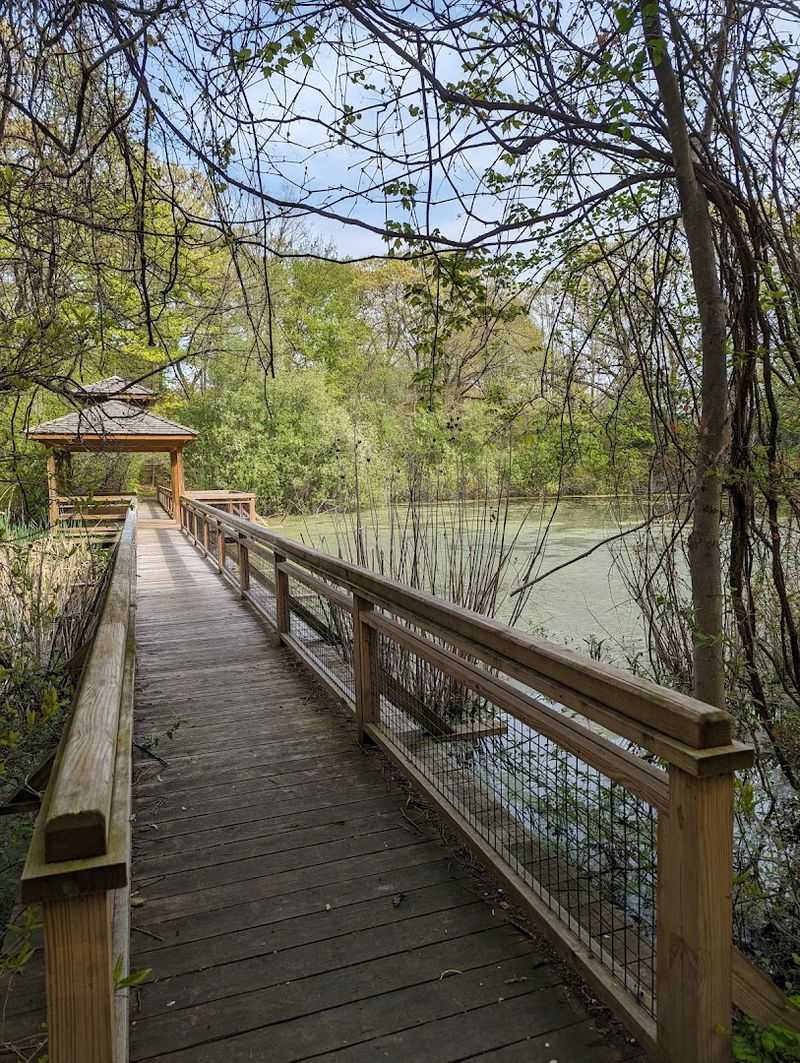
Established in 1914, this small sanctuary holds the distinction of being one of the oldest songbird sanctuaries in the United States, and that history gives the place a character that newer nature preserves simply cannot replicate.
Despite its modest size, the biodiversity here tends to surprise first-time visitors.
A small pond sits near the center of the property and draws waterfowl, herons, and shorebirds depending on water levels and the time of year.
Birdcraft Sanctuary is at 314 Unquowa Road, Fairfield, CT 06824, covering about 6 acres of carefully managed habitat designed specifically to attract and support native bird species. Native plantings throughout the grounds provide food and shelter for resident and migratory species alike.
The sanctuary is managed by the Connecticut Audubon Society, and a small museum on-site offers historical context about the conservation movement that helped establish protected bird habitats across the country.
Because the property is compact, visitors can cover the entire sanctuary in a single unhurried visit and still feel like they have not missed anything. The intimacy of the space actually works in its favor, since birds tend to be closer and easier to observe than in larger, more open preserves.
Birdcraft is particularly active during spring and fall migration windows. Anyone passing through Fairfield with a pair of binoculars and an hour to spare will find this spot genuinely worthwhile.
4. Deer Pond Farm, Sherman
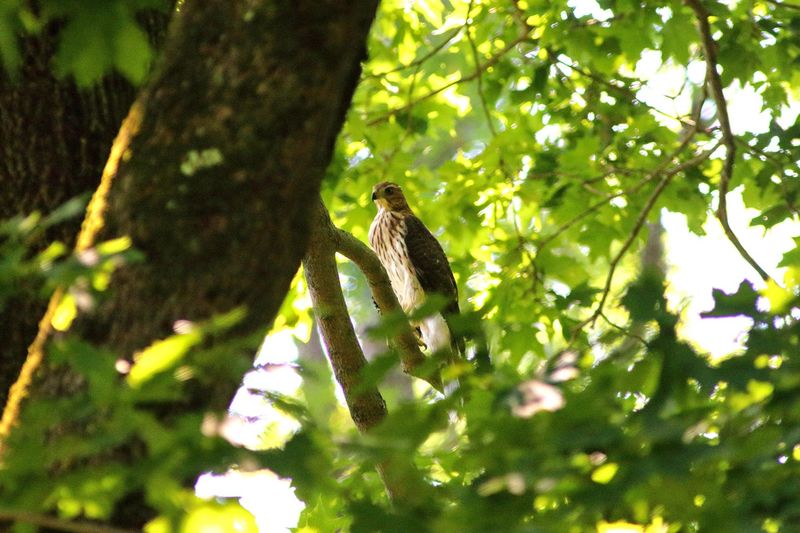
A visit here can feel like stepping into a quiet corner of the state that many people simply drive past without noticing. Mixed forest, wetlands, and pond habitat support a rich community of woodland birds that can be harder to find in more developed areas.
Pileated woodpeckers are among the more exciting finds, and their loud calls and dramatic size make them unforgettable for anyone encountering them for the first time.
Deer Pond Farm is at 57 Wakeman Hill Road, Sherman, CT 06784, in the quiet northwestern corner of the state.
This Connecticut Audubon Society sanctuary covers over 800 acres, with trails that range in difficulty and length, giving visitors options depending on how much time and energy they have available on a given day.
The pond itself attracts waterfowl and wading birds, particularly during migration.
The relative remoteness of Sherman means crowds are rarely an issue, and the sense of solitude on the trails adds to the overall birdwatching experience in a meaningful way.
Early spring is especially rewarding here, as breeding birds begin establishing territories and filling the forest with song before the leaves fully emerge.
The lack of significant light or noise pollution in the surrounding area also means dawn visits can produce the kind of chorus that urban and suburban birders rarely get to experience. Deer Pond Farm rewards those willing to make the drive.
5. White Memorial Conservation Center, Litchfield
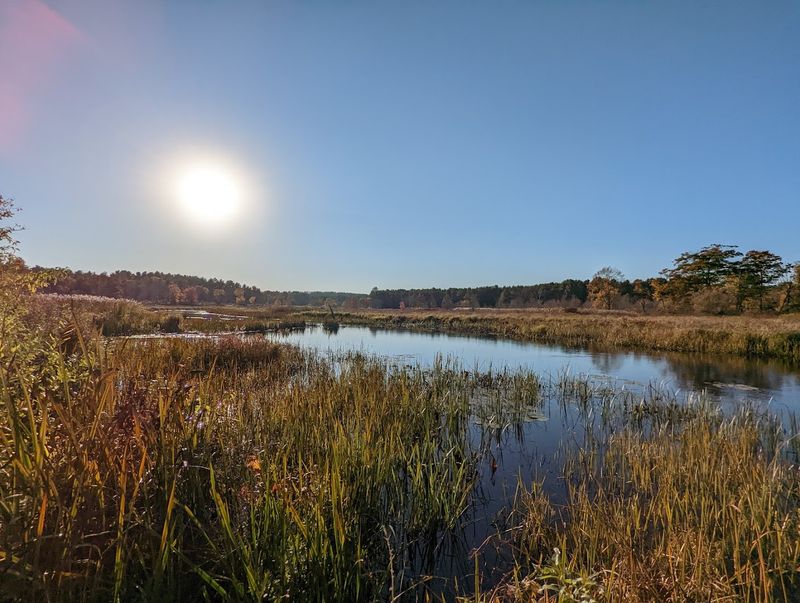
At over 4,000 acres, this is the largest nature center and wildlife sanctuary in the state, and its size alone sets it apart from nearly every other birdwatching destination nearby.
The property encompasses Bantam Lake, extensive wetlands, upland forests, and open fields that together create a mosaic of habitat supporting well over 200 recorded bird species.
The sheer variety here can keep a dedicated birder busy for an entire day without retracing a single step.
White Memorial Conservation Center is at 80 Whitehall Road, Litchfield, CT 06759.
Bantam Lake draws waterfowl in impressive numbers during migration, and the surrounding marshes are reliable spots for bitterns, rails, and other secretive wetland species that require patience and quiet to observe.
The trail network is extensive and well-marked, with routes ranging from short accessible loops to longer backcountry walks for those who prefer more solitude.
A natural history museum on the property provides helpful context about the local ecology. Spring and fall migrations are peak seasons here, but summer breeding birds and winter finches and owls give the property year-round appeal.
Weekend mornings can attract a fair number of visitors, so arriving early helps secure quieter trail sections. The conservation center also hosts guided bird walks periodically, which can be a valuable way to learn the property layout and pick up identification tips from knowledgeable local birders.
White Memorial feels genuinely expansive in a way that rewards exploration.
6. Sharon Audubon Center, Sharon
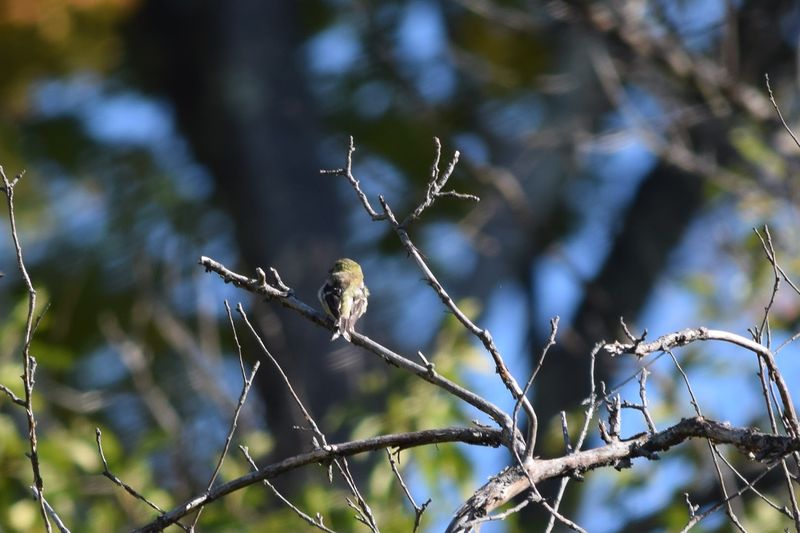
In the Litchfield Hills of the northwest, this large Audubon property consistently draws serious birders from across the region. Streams, ponds, meadows, and mature forest create favorable conditions for a wide range of species across all seasons.
The elevation and landscape in this part of the state give it a slightly different bird community than the coastal or central areas.
Sharon Audubon Center sits at 325 Cornwall Bridge Road, Sharon, CT 06069, and manages over 1,100 acres of diverse habitat.
Resident raptors are a notable feature here, and the on-site raptor exhibits give visitors an up-close look at birds like red-tailed hawks and great horned owls that are being rehabilitated on the property.
These encounters can be genuinely moving for visitors of all ages and tend to deepen appreciation for the birds encountered later on the trails.
The educational programs offered here are thoughtfully designed and worth checking before a visit. Trail conditions vary by season, and some of the lower paths near water can be muddy during early spring, so footwear choices matter.
The meadow areas are most productive for grassland species during late spring and early summer. Autumn brings a different mood to the property, with migrating thrushes and sparrows moving quietly through the leaf litter.
Sharon Audubon Center has the kind of depth that keeps visitors returning across different seasons to see what has changed.
7. Barn Island Wildlife Management Area, Stonington
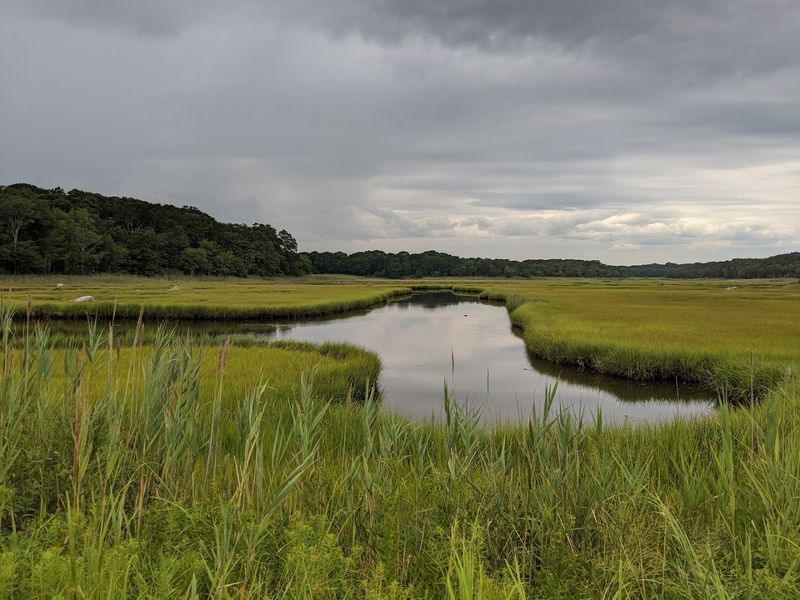
Stretching along the coast, Barn Island Wildlife Management Area offers one of the most ecologically rich birdwatching environments in the entire state.
The area is accessed from the end of Palmer Neck Road, Stonington, CT 06378, and the property includes tidal marshes, impoundments, upland fields, and forested edges that together attract an extraordinary variety of species across all seasons.
The diversity of habitat types compressed into a relatively compact area makes Barn Island consistently productive regardless of when a visit takes place.
Shorebird migration through the impoundments can be spectacular in late summer and early fall, with dowitchers, yellowlegs, and peeps sometimes present in large numbers on the exposed mudflats.
The marsh edges support secretive species like clapper rails and marsh wrens that are heard more often than seen, rewarding patient visitors who slow down and listen carefully.
Waterfowl numbers build through autumn and can be impressive on the impoundments well into winter.
The trails at Barn Island are mostly flat and follow the edges of the various habitat types, giving birders clear views into the marsh and across the open water without requiring any difficult terrain.
Bugs can be a factor during summer months, so insect repellent is a practical consideration for warm-weather visits.
The overall atmosphere at Barn Island tends to be calm and unhurried, with the sounds of the marsh creating a natural backdrop that makes even slow birding days feel deeply satisfying. Stonington itself is worth exploring after a morning at the marsh.
8. Connecticut Audubon Coastal Center At Milford Point, Milford
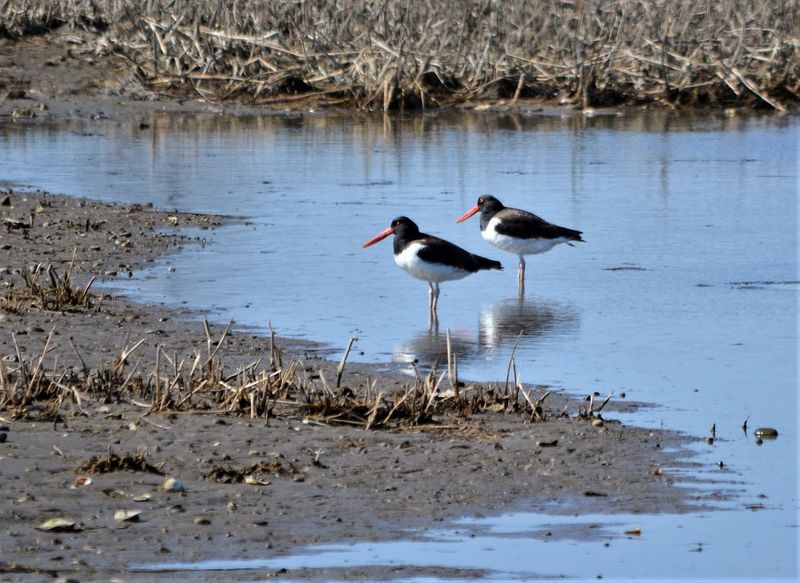
Few birdwatching locations offer the kind of dramatic, wide-open scenery that greets visitors at Milford Point.
The Connecticut Audubon Coastal Center at Milford Point is situated at 1 Milford Point Road, Milford, CT 06460, right where the Housatonic River meets Long Island Sound, creating a rich estuary environment that pulls in an impressive variety of coastal and migratory species.
Shorebirds, terns, ospreys, and piping plovers are among the regulars here.
The observation tower on-site gives birders an elevated vantage point that opens up the full sweep of the tidal flats and barrier beach below. During fall migration, the numbers of shorebirds moving through can be genuinely staggering, with dozens of species sometimes visible in a single scan.
The coastal center building includes exhibits focused on the ecology of Long Island Sound and the importance of protecting beach-nesting birds.
Timing a visit around low tide tends to produce the best shorebird sightings, since exposed mudflats concentrate feeding activity in predictable areas. Summer visits bring nesting activity along the beach, though certain sections may be closed to protect ground-nesting species.
The combination of habitat types packed into this relatively small coastal area makes it one of the most species-rich birdwatching spots in all of the state. Birders who enjoy the sound of waves alongside their morning observations will feel right at home at Milford Point.