This Connecticut Bike Trail Along The River Is Perfect For A Peaceful Ride
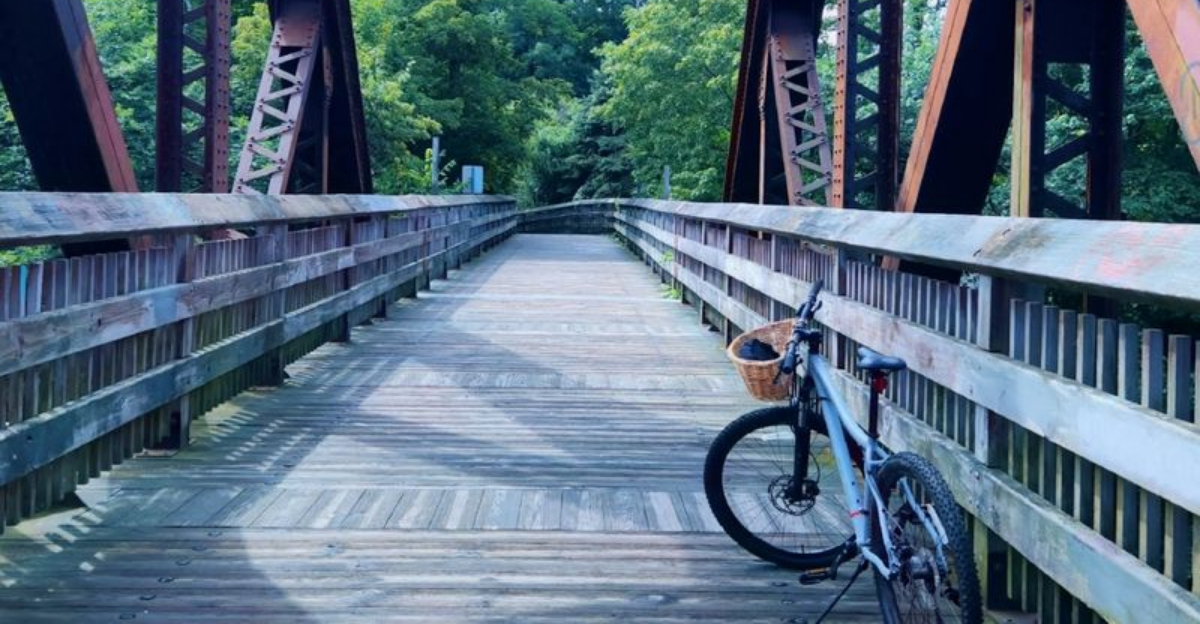
Some bike rides are just exercise and some bike rides genuinely feel like a gift and this trail falls very firmly into the second category. Following a river on two wheels with scenery this good on either side has a way of making the whole world feel very manageable and very beautiful all at once.
The pace out here is completely your own and that freedom combined with surroundings this peaceful makes for an experience that is hard to replicate anywhere else.
People who discover this trail have a tendency to make it a regular thing pretty quickly because once you have had a ride this good it becomes a hard standard to drop.
A Connecticut bike trail hugging the river like this one is about as close to a perfect peaceful ride as it gets. Whether the goal is a proper workout or just a slow scenic roll with nowhere to be, this trail delivers every single time.
1. Why This Ride Feels So Peaceful
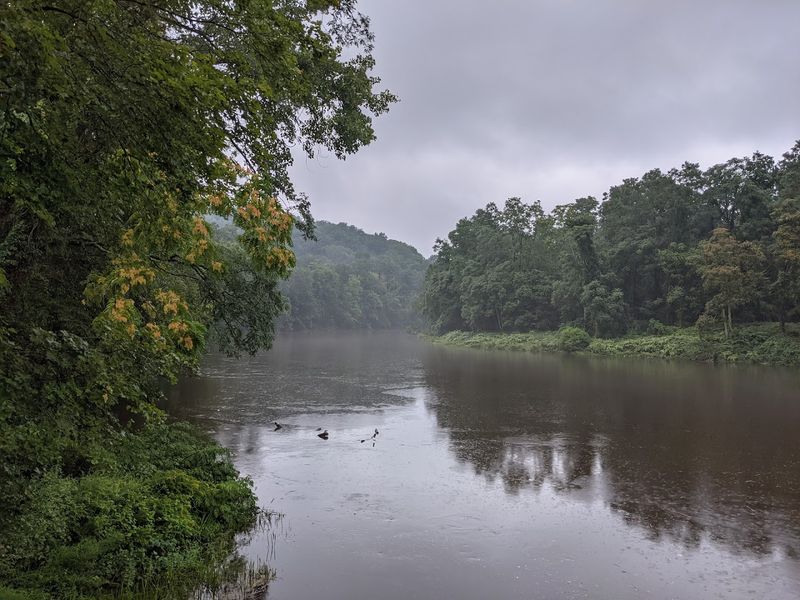
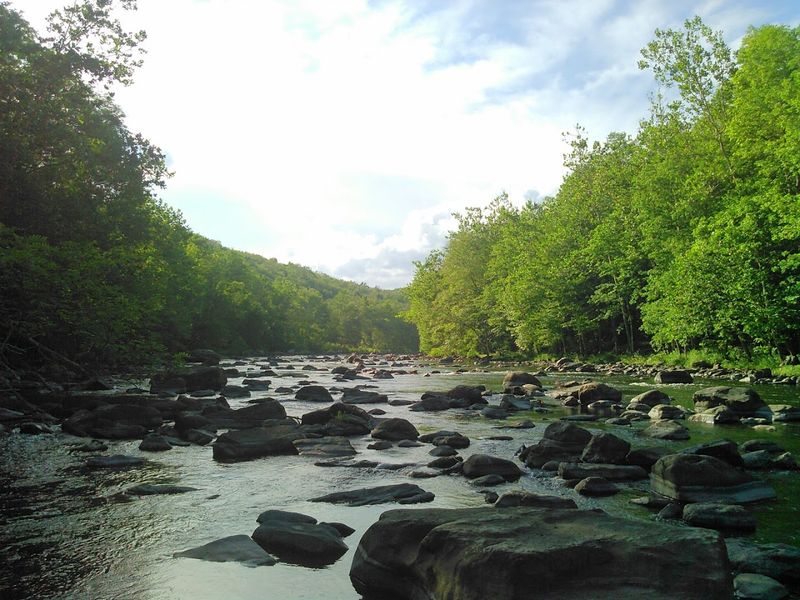
Riding beside moving water gives this trail a calm rhythm that feels almost meditative. The Farmington River follows some of the most scenic stretches, adding a steady natural soundtrack that softens the whole ride.
That sound buffer helps the experience feel quieter than many other trails, even when other visitors are out enjoying the path.
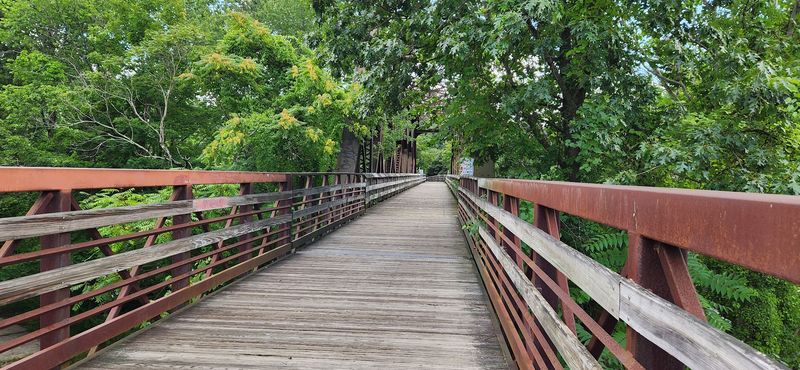
The tree canopy adds another layer of ease. Tall trees line much of the paved route, filtering sunlight into soft, shifting patterns across the ground.
Riders often slow down naturally here, not because the terrain is difficult, but because the setting makes a gentler pace feel right.
Built on a former rail line, the trail has a long, flowing layout made for steady, uninterrupted movement. Minimal sharp turns and few steep grades keep the ride smooth and approachable.
Smooth pavement, river sounds, and shaded sections make this one of the more genuinely peaceful rides in the state. A weekday morning usually offers the quietest experience, though even busier weekend afternoons tend to feel relaxed and welcoming rather than crowded.
2. Where The River Views Begin
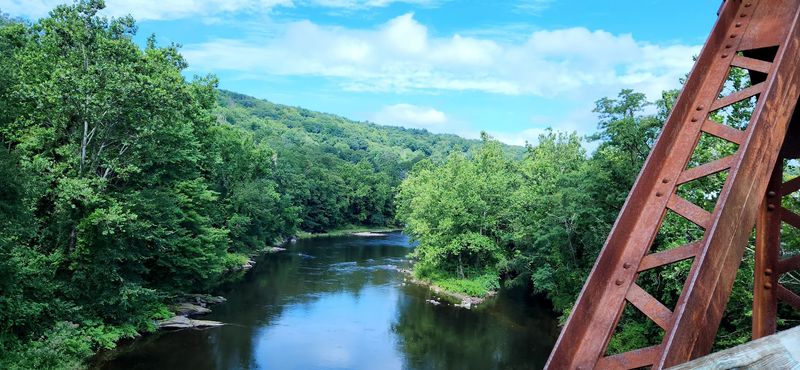
Starting the ride near Collinsville puts riders close to some of the trail’s most accessible and rewarding river views almost immediately. The Farmington River becomes visible early in the ride from this entry point, and the water stays close to the path for a good stretch of the journey.
The river here tends to run clear and steady, with a texture and color that changes depending on the season and light conditions.
In the warmer months, the riverbanks are lush and green, framing the water in a way that feels almost painted. In autumn, the foliage along the banks turns in brilliant shades of orange, red, and gold, making the views from the trail genuinely stunning.
The reflection of fall color on the water surface is one of those sights that tends to stop riders mid-pedal.
Parking near the Collinsville area gives easy access to this stretch of the trail. Multiple parking spots are available at different points along the route, so finding a place to start is rarely a problem.
Getting there early on weekends helps secure a good spot and allows more time to enjoy the river views before the path becomes busier with pedestrian traffic.
3. How Easy The Trail Feels
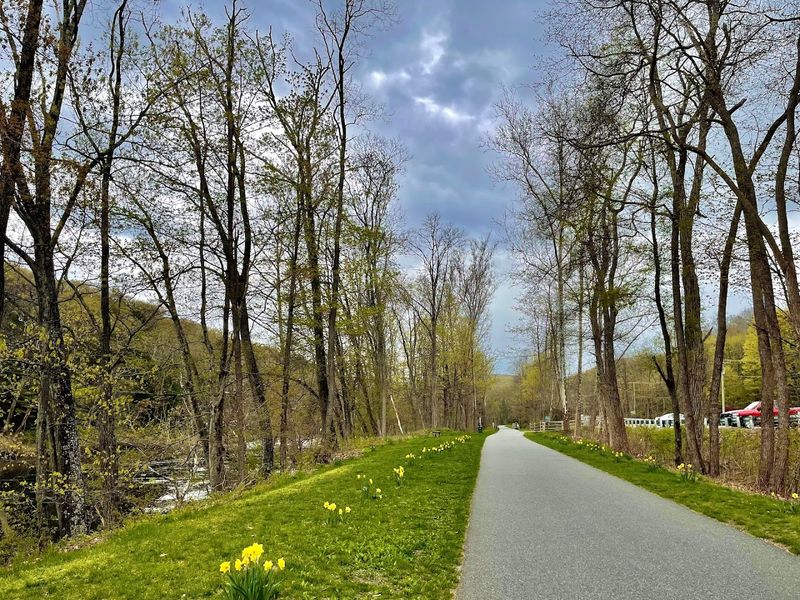
Relatively level terrain is one of the most appreciated qualities of this trail, and it is something that shows up consistently in firsthand accounts from regular visitors.
The old rail line foundation keeps the grade gentle throughout most of the route, which means riders of most fitness levels can enjoy it without feeling worn out quickly.
Families with younger children tend to find the surface manageable and confidence-building.
The pavement is smooth and well-suited for road bikes, hybrid bikes, and even inline skates. Strollers roll easily along this surface too, making it a practical choice for parents who want to bring young children along.
The width of the path allows for comfortable passing without feeling like riders are crowding each other.
Crossings at larger roads are equipped with warning devices that alert drivers to trail users, though crossing with care is still recommended regardless of the signal.
One helpful feature noted along the route is a little free library and a bench available after one of the road crossings, offering a small but charming rest point.
Further along, a flower bridge adds a decorative and scenic touch when blooms are in season. The overall layout rewards riders who take their time and pay attention to the details along the way.
4. When To Go For A Quiet Ride
Early mornings on weekdays offer the calmest conditions, with fewer pedestrians and a cooler, fresher quality to the air. Riders who prefer to move at a faster pace tend to find this window most comfortable, since the trail sees heavier foot traffic later in the day.
Weekend afternoons bring out a larger mix of visitors including walkers, joggers, dog owners, families with strollers, and rollerbladers. The atmosphere remains friendly and welcoming, but passing and yielding becomes a regular part of the ride.
Bringing a bell and using it generously makes the shared experience smoother for everyone on the path.
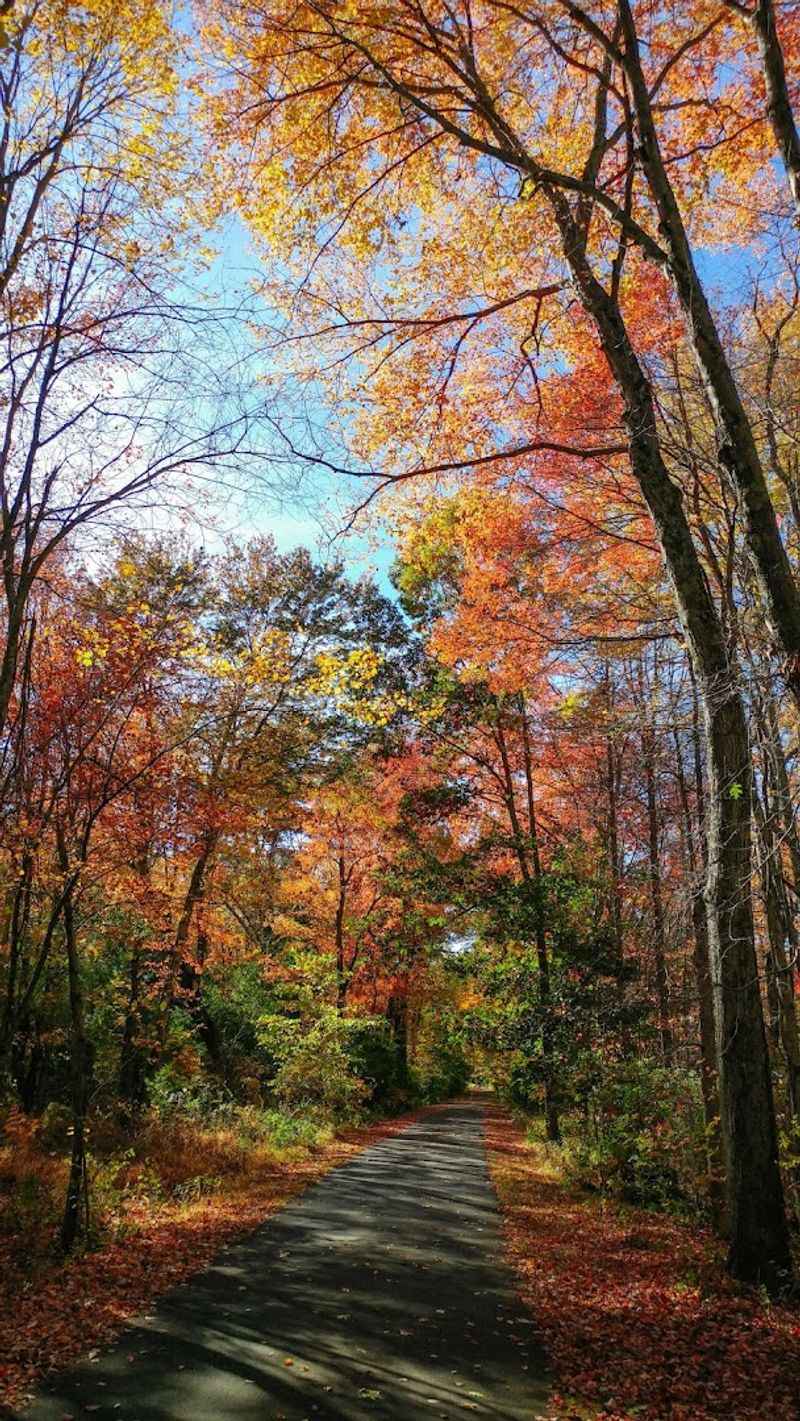
Autumn is widely considered the most visually rewarding season for this trail. The fall foliage along the Farmington River corridor tends to peak in mid-to-late October, turning the canopy into a vivid tunnel of warm color.
Spring and summer visits offer their own appeal with green shade and flowing water sounds. Winter use is possible on dry days but trail conditions may vary, so checking ahead before a cold-weather visit is a sensible step.
Each season brings a genuinely different atmosphere worth exploring.
5. Why Collinsville Makes A Great Stop
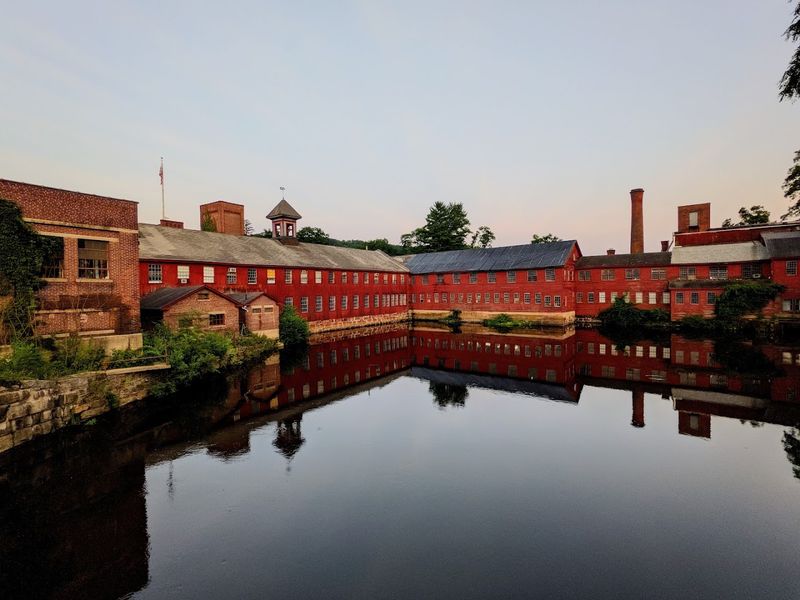
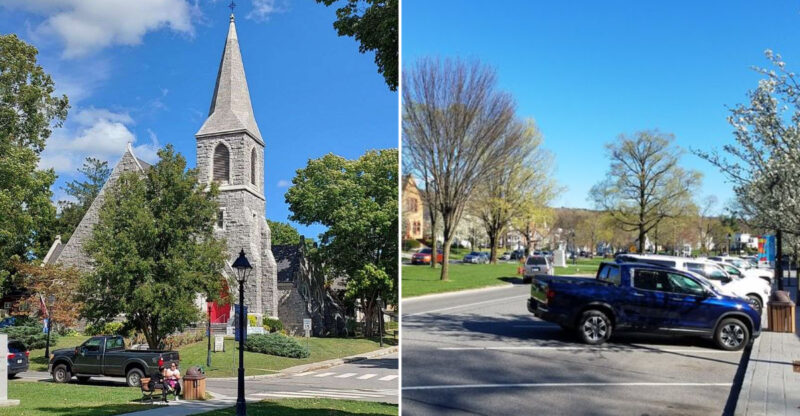
Collinsville sits right along the Farmington River Trail and serves as one of the most convenient and charming starting points for a ride. The village has a relaxed, small-town character that pairs well with the unhurried pace of the trail itself.
Arriving here before or after a ride gives visitors a chance to stretch their legs in a setting that feels genuinely rooted in Connecticut history.
The area near LaSalle Market is a commonly referenced parking and starting point for trail users. Collinsville has a walkable layout that makes it easy to grab something before heading out on the trail or to wind down with a short stroll through the village afterward.
The mix of historic architecture and river proximity gives the area a distinct character that feels different from more commercial trailheads.
Collinsville was historically known as the home of the Collins Company, which manufactured axes and machetes that were shipped globally throughout the 1800s and into the 20th century.
That industrial heritage is still visible in the brick mill buildings that remain part of the village landscape today.
Stopping in Collinsville adds context to the trail experience, connecting the natural setting of the river with the human history that has shaped this corner of Canton for generations.
6. What You’ll See Along The Way
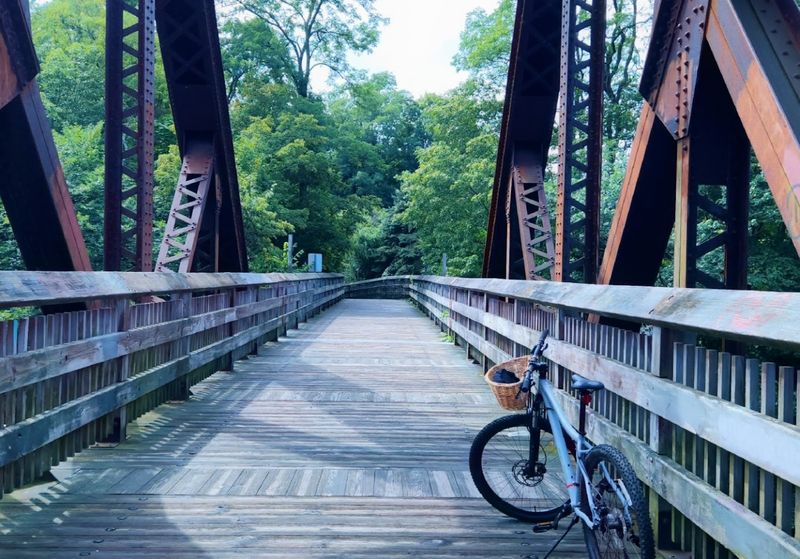
The trail offers a rotating gallery of natural and small-scale human details that reward attentive riders. Beyond the river views, the canopy overhead shifts from dense green tunnels in summer to open, golden archways in fall.
Light filters differently depending on the time of day and season, giving the path a mood that changes even on repeat visits.
A flower bridge is one of the more distinctive landmarks along the route. When blooms are in season, it adds a burst of color and texture to an already scenic stretch of the trail.
A little free library near one of the road crossings adds a small, community-minded touch that fits naturally with the welcoming spirit of the trail.
Wildlife sightings are a natural part of spending time along the Farmington River. Birds are common near the water, and the river itself can draw attention with its movement and sound at different points along the route.
The trail also connects to the larger Farmington Canal Heritage Trail, which extends through multiple towns and offers additional mileage for riders looking to explore further.
Keeping an eye on the surroundings rather than just the path ahead tends to make the experience noticeably richer and more memorable.
7. Where To Take A Scenic Break
Pacing a ride with intentional rest stops makes the whole outing more enjoyable, and the Farmington River Trail has several natural spots that invite a pause.
Benches appear at various points along the route, offering a place to sit, breathe, and take in the surroundings without needing to dismount on a slope or scramble for shade.
The bench near the little free library is one of the more pleasant stopping points, combining a functional rest spot with a small community feature.
The riverbank itself provides informal resting opportunities at certain points where the path opens up close to the water. Sitting near the river and listening to the current is a simple but genuinely satisfying way to break up a longer ride.
The sound of moving water has a way of making even a short stop feel restorative.
Porta-potties are available at some spots along the trail, which makes longer rides more manageable for families and those covering more distance. Planning a rest near one of these facilities is a practical consideration worth keeping in mind before heading out.
The trail does not have formal picnic areas or amenities at every stop, so bringing snacks and water from the start ensures the ride stays comfortable from beginning to end without depending on trail infrastructure.
8. What To Know Before You Ride
Multiple parking areas are available at different access points along the trail, with the Collinsville area being one of the most popular and well-known starting spots. Arriving early on weekends helps secure parking and gives riders more time on the trail before foot traffic picks up.
The northern section of the trail in Canton has been noted for signage that could be clearer, and getting turned around without a map is a real possibility in that stretch. Downloading a trail map or using a navigation app before heading out is a simple step that prevents unnecessary detours.
The Farmington River Trail connects with the Farmington Canal Heritage Trail at both ends, and riders should check current maps because the broader trail network has gaps and changing connections.
Road crossings along the trail are equipped with pedestrian alert buttons, but crossing carefully and not assuming all drivers will stop is important regardless of the signal.
Helmets are strongly recommended, and a bike bell is genuinely useful for navigating busier stretches shared with walkers and strollers.
The trail is suitable for a wide range of visitors, but those with mobility considerations should note that some connecting areas may have uneven surfaces. Checking current trail conditions before visiting helps set realistic expectations for the outing.