This Underrated Indiana Town Feels Wonderfully Peaceful And Timeless
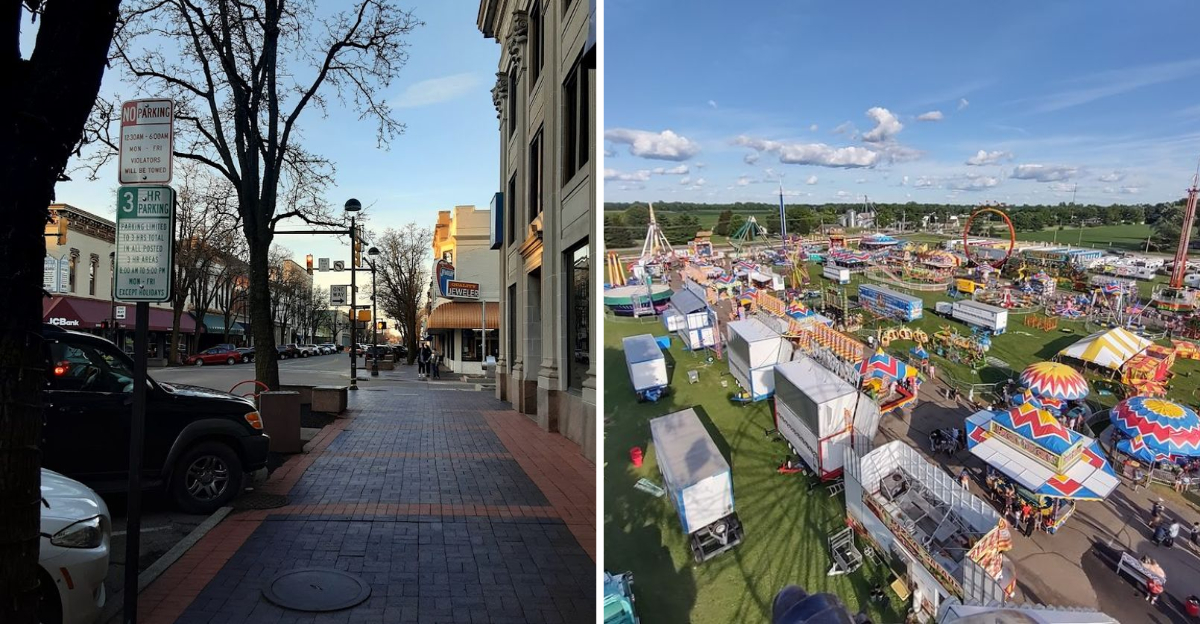
Peaceful towns that keep their character without effort are rare. Indiana has one where the quiet feels intentional and timeless.
Main streets carry history here without making any production out of it. The pace slows naturally and slowing down feels completely right.
I stopped here once on a drive and stayed far longer than planned. How does a place this calm stay this undiscovered for so long?
Right around every corner, something small and worth noticing quietly reveals itself. The town rewards wandering and the rewards multiply the longer you look.
Come with no fixed schedule and let the pace set itself naturally. This Indiana town makes the case for slow travel better than most places can.
A City Built On Architectural Ambition
Few small cities in America can claim an architectural legacy as bold as the one found here.
Columbus is home to over 70 notable buildings and structures designed by some of the most celebrated architects of the 20th century. Names like Eero Saarinen, I.M.Pei, and Richard Meier have all left their mark on this surprisingly sophisticated city.
The story behind this began in the 1950s when local industry leader J. Irwin Miller offered to pay architectural fees for any public building that hired a top-tier architect.
That single decision transformed the city into an open-air museum of modern design.
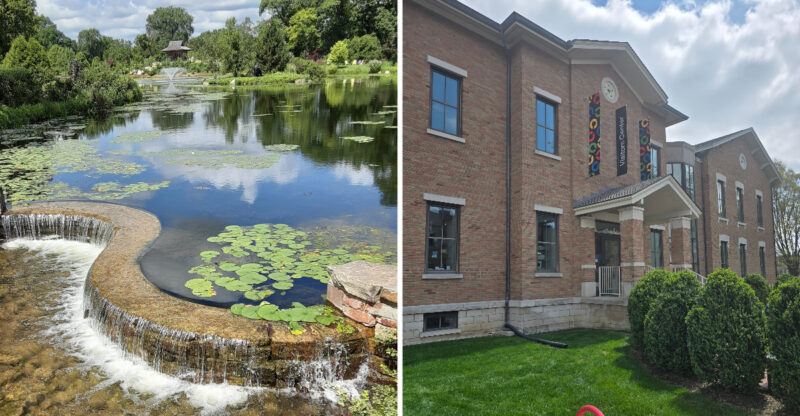
The Columbus Visitor Center at 506 Fifth Street is the perfect starting point. Staff there hand out self-guided architecture tour maps that cover both the famous landmarks and lesser-known destinations tucked into quiet neighborhoods.
I spent a full morning just wandering and looking up.
The Pulse Of Downtown Columbus
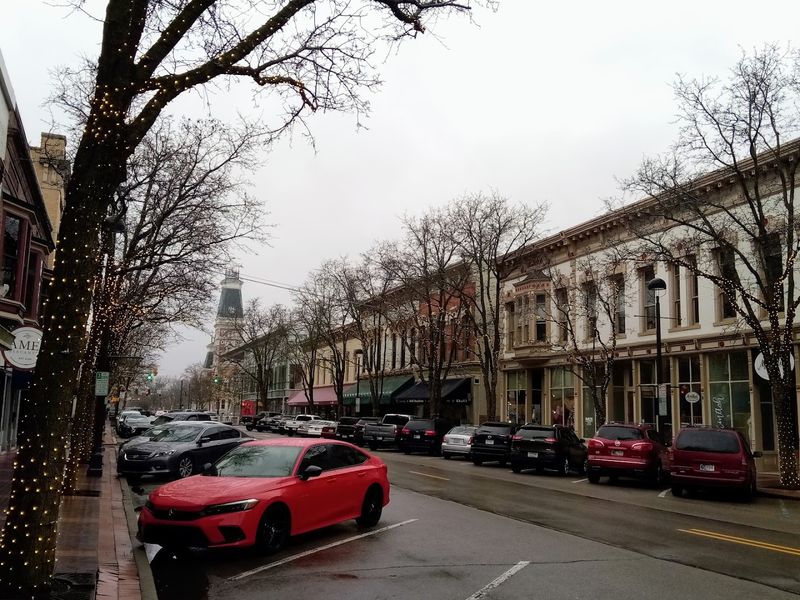
There is something quietly magnetic about a downtown that has not traded its soul for chain stores and parking garages.
The heart of Columbus moves at a rhythm that feels both productive and relaxed. Independent shops, thoughtful restaurants, and public squares sit side by side without any sense of competition.
The Commons, a community gathering space in the center of downtown Indiana, anchors much of the local activity. It features a large indoor play area for children, rotating art exhibitions, and regular community events that draw locals of all ages.
On a Tuesday afternoon, I watched a group of retirees play cards while kids ran through an art installation nearby.
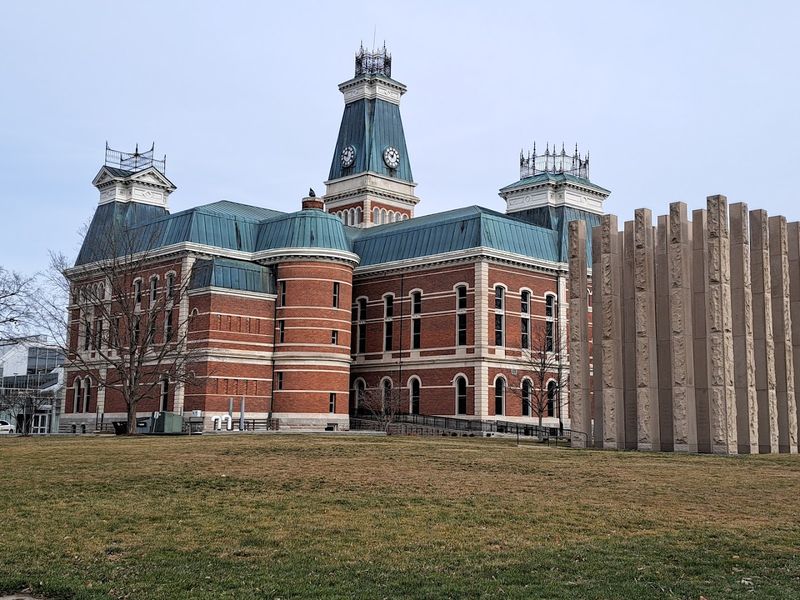
The Bartholomew County Courthouse adds a stately presence to the mix, surrounded by well-kept green space that invites people to sit and linger.
Farmers market days bring an extra layer of energy, with vendors selling everything from fresh produce to handmade pottery.
The whole scene has an unhurried quality that cities ten times its size would envy. It is a downtown that actually functions as a community hub rather than just a backdrop.
History Rooted In The Heartland
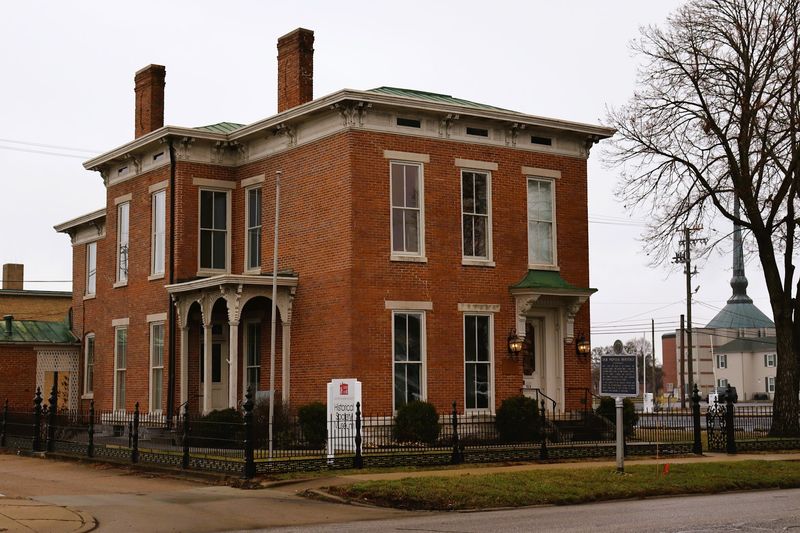
Long before the architects arrived, Columbus had a story worth telling.
Founded in 1821 along the banks of the Flatrock River, the city grew steadily as a center of commerce and agriculture in southern Indiana.
Its position as the Bartholomew County seat gave it administrative importance that attracted businesses, residents, and civic investment through the decades.
The mid-20th century brought a surge of industrial growth, largely tied to Cummins Inc., the global engine manufacturer headquartered here.
That corporate presence played a direct role in shaping the city’s cultural ambitions, funding not just architecture but also arts programs, parks, and community initiatives that still thrive today.
Local history is well preserved at the Bartholomew County Historical Society, where exhibits trace the city’s evolution from a modest frontier settlement to a nationally recognized cultural destination.
Artifacts, photographs, and documents paint a rich picture of how ordinary people built something extraordinary over two centuries. Indiana has no shortage of historic towns, but few have managed to blend their past so seamlessly with a forward-looking identity.
Green Spaces That Invite You To Slow Down
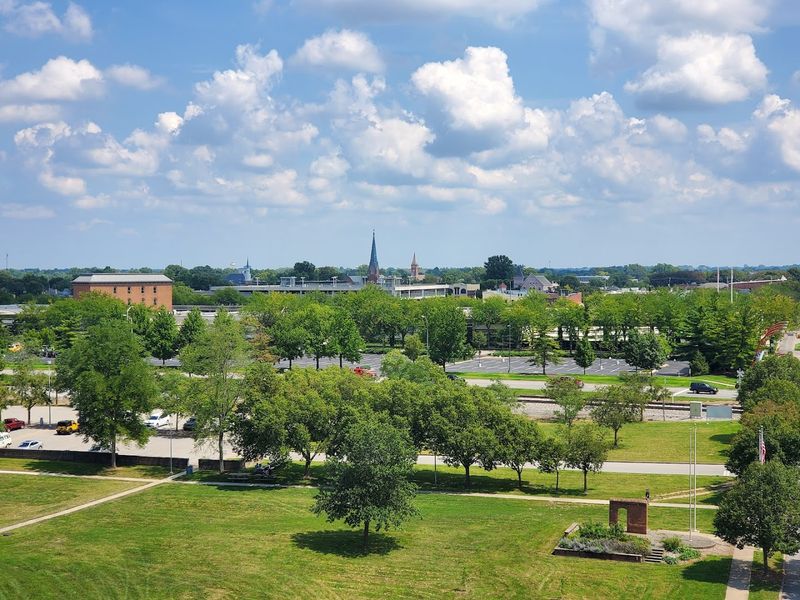
One of the first things I noticed after arriving was how much breathing room the city offers.
Parks are not an afterthought here. They are woven into the fabric of daily life in a way that makes the whole city feel calmer and more humane.
Mill Race Park is the crown jewel of the outdoor scene.
Stretching along the Flatrock and Driftwood rivers, Mill Race Park offers walking trails, open meadows, a covered bridge, an amphitheater, and picnic areas that stay busy on weekends.
The landscape design was crafted by the respected firm CRSS, giving the park a sculptural quality that fits perfectly with the city’s architectural identity. Even a simple walk here feels like a considered experience.
Donner Park and Noblitt Park round out the green space options, each offering playgrounds, sports facilities, and shaded paths that attract families and solo walkers alike.
I spent an early morning at Mill Race watching herons along the riverbank, and it set the tone for one of the most peaceful travel days I can remember. Nature here feels curated but never forced.
Art Woven Into Every Corner
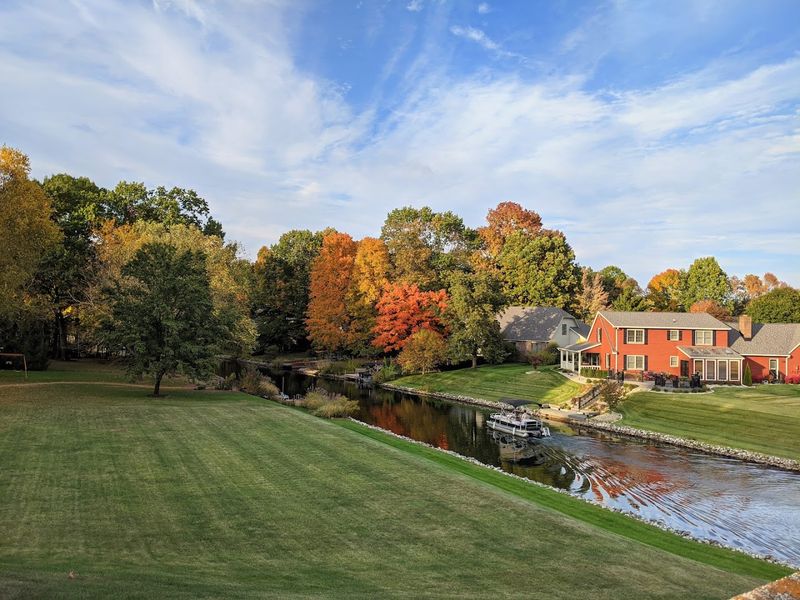
Public art in Columbus is not confined to galleries or special events.
It exists on sidewalks, in parks, outside schools, and along roadways, making the entire city a kind of curated experience for anyone paying attention. The breadth and quality of the collection is surprising for a city this size.
Henry Moore’s Large Arch stands near the Cleo Rogers Memorial Library and stops most first-time visitors in their tracks.
Jean Tinguely’s kinetic sculpture Chaos I sits outside the Columbus City Hall and actually moves, clattering and spinning in a way that feels both industrial and playful.
These are not decorative pieces. They are statements.
The Cleo Rogers Memorial Library itself, designed by I.M. Pei, is worth a visit on its own terms. The building is a masterwork of geometric restraint.
The Moore sculpture out front creates a dialogue between architecture and art that you rarely encounter outside major metropolitan centers.
Indiana may not be the first state people associate with world-class art, but Columbus quietly holds its own against cities far larger and more celebrated.
Local Food Worth The Drive
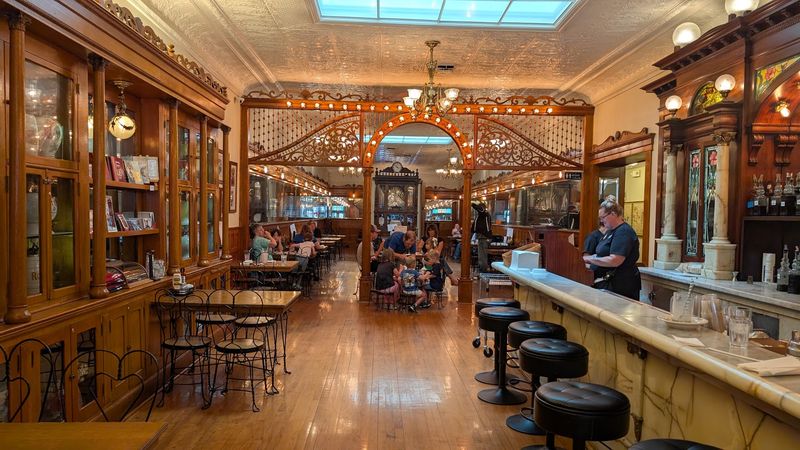
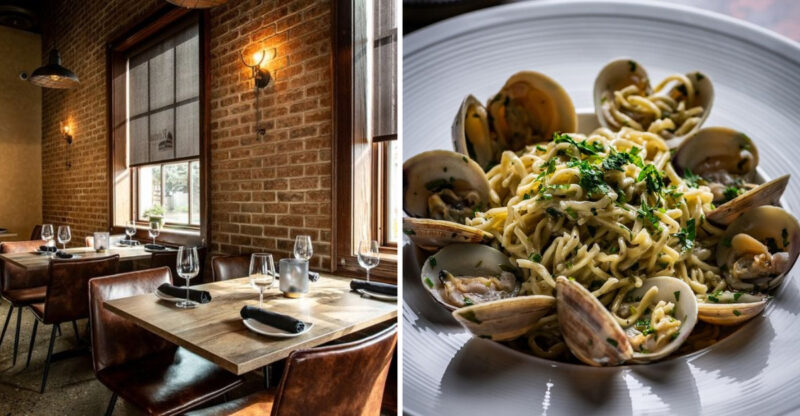
A town with this much cultural ambition tends to attract people with equally high standards for food, and Columbus delivers.
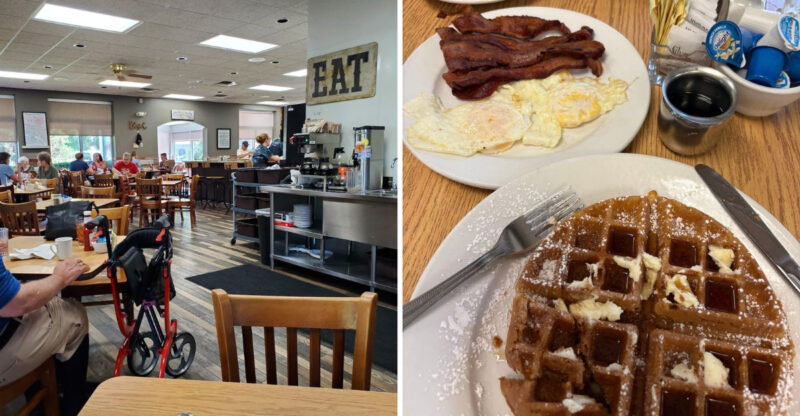
The local dining scene is small but focused, with independent restaurants and cafes that take their craft seriously without being precious about it. Comfort and quality share the same table here.
Zaharako’s Ice Cream Parlor at 329 Washington St is perhaps the most beloved food institution in town, operating since 1900 and still serving ice cream and sandwiches from a beautifully preserved Victorian interior.
The original onyx soda fountain and pipe organ are still in place, making every visit feel like a step back in time without any of the kitsch. Beyond the historic spots, a handful of newer restaurants have brought fresh energy to the food scene.
Farm-to-table cooking is not a trend here so much as a natural extension of the region’s agricultural roots. Indiana produces excellent corn, pork, and dairy, and local chefs make good use of what is grown nearby.
Festivals And Events That Unite The Community
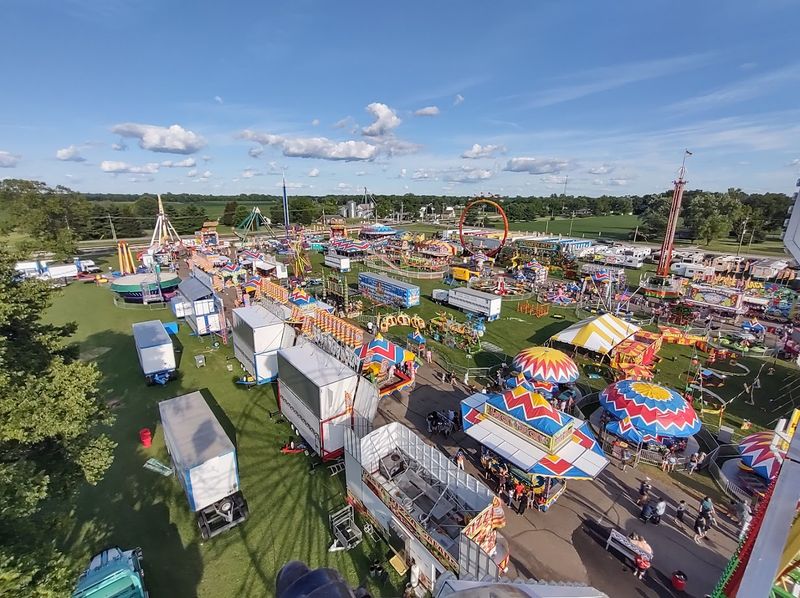
One of the best ways to understand a place is to show up when it is celebrating something.
Columbus has a full calendar of community events that reflect its values: creativity, inclusion, and civic pride. These are not tourist traps.
They are local gatherings that happen to welcome visitors warmly.
The Ethnic Expo, held each fall, brings together cultural groups from across the region to share food, music, and traditions. It draws tens of thousands of attendees and has been a community fixture for decades.
The event captures something essential about how Columbus has grown into a diverse and outward-looking city within the broader Indiana landscape.
The Columbus Area Arts Council organizes regular programming throughout the year, including outdoor concerts, studio tours, and collaborative art projects that bring residents together.
The architectural tour weekends draw visitors from across the country, with guided walking and bus tours that sell out quickly.
I attended a Saturday morning tour and ended up in a fascinating conversation with a retired professor who had been visiting Columbus annually for fifteen years.
Practical Tips For Visiting Columbus
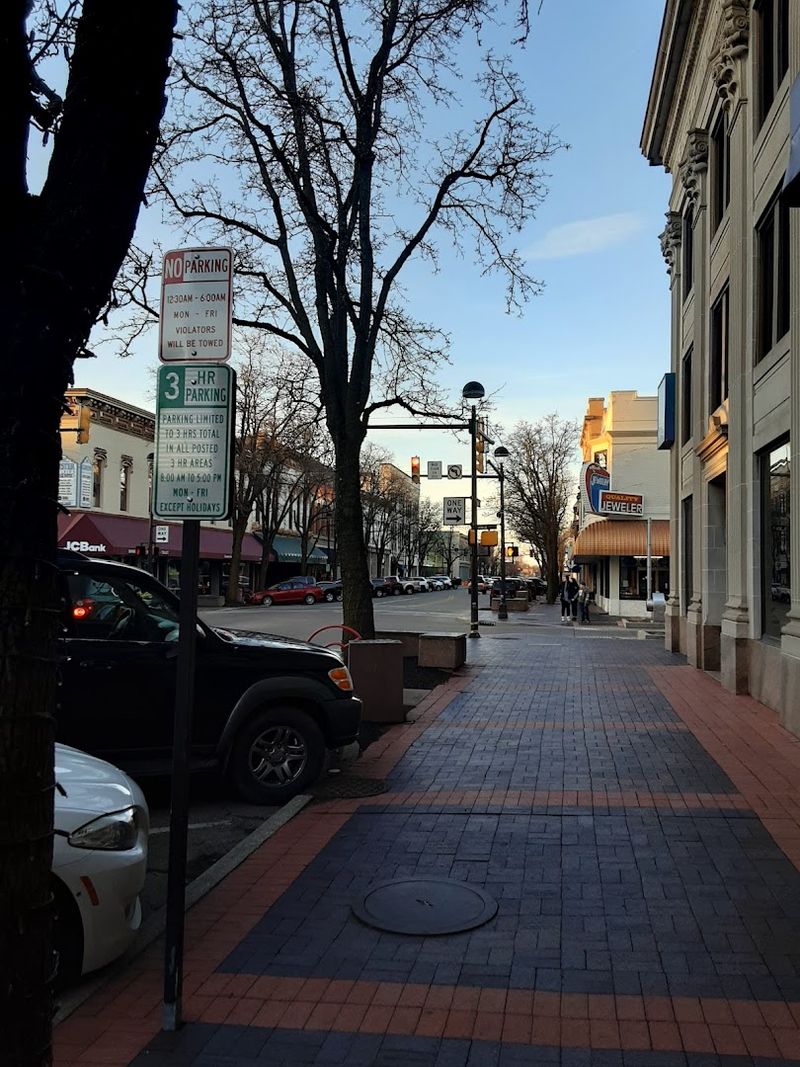
Getting to Columbus is straightforward.
The city sits along Interstate 65, about 45 miles south of Indianapolis, making it an easy day trip or weekend destination from the state capital.
Most visitors arrive by car, and parking downtown is generally easy and free in several lots near the main attractions.
The best times to visit are spring and early fall, when temperatures are comfortable and the city’s parks and outdoor sculptures look their finest. Summer works well too, especially if you plan around one of the major festivals.
Winter visits are quieter but still rewarding, particularly if you are focused on indoor architecture and the museum spaces.
The Columbus Visitor Center at 506 5th St, Columbus is staffed by knowledgeable locals who can customize recommendations based on your interests and the time you have available.
Architecture fans will want at least a full day, but two days allows for a more relaxed pace that includes parks, food, and some spontaneous wandering. Indiana hospitality is real, and Columbus exemplifies it.