This Picture-Perfect Town In Nebraska Will Quietly Win Your Heart
Some towns feel like they were written by somebody trying too hard to create “small-town charm.” This one does not.
Everything about it feels natural instead of staged.
The streets are calm, the scenery nearby turns dramatic, and the pace makes rushing around seem slightly embarrassing.
Somewhere out in Nebraska, there is a town where the sunsets linger and a simple afternoon starts stretching into “maybe we stay a little longer.”
Nothing demands attention there. That is exactly why the place works so well.
People arrive expecting a quiet stop and leave thinking about the cliffs, the open sky, the old character, and how strangely relaxing the whole experience felt.
A Setting Unlike Anywhere Else In Nebraska
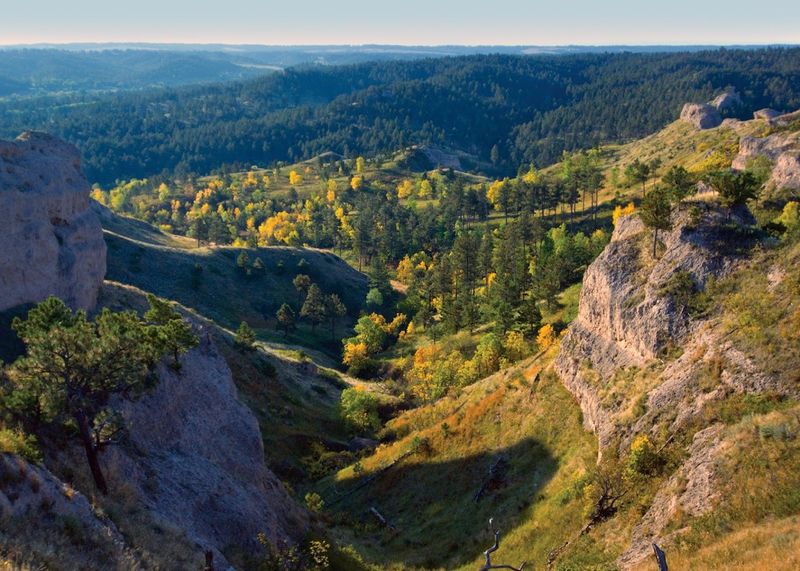
Most people picture flat cornfields when they think of Nebraska, but the landscape around Chadron tells a completely different story.
The Pine Ridge region frames the town with steep ravines, rocky buttes, and thick stands of ponderosa pine that feel closer to the Rocky Mountains than the Midwest plains.
The terrain shifts dramatically depending on which direction you look.
Heading south and east, forested ridgelines roll across the horizon. Heading north and west, open High Plains prairie stretches out in a way that feels genuinely vast and unhurried.
That contrast is part of what gives Chadron its visual appeal.
Visitors who arrive expecting a typical small town often find themselves pulling over just to take in the scenery before they even reach the town center.
The elevation near the Pine Ridge area climbs toward 5,000 feet in places, which adds a crispness to the air that feels noticeably different from lower parts of the state.
For travelers who enjoy landscapes that feel layered and varied, this corner of Nebraska tends to be a quiet but lasting surprise.
Chadron State Park And Its Deep Roots
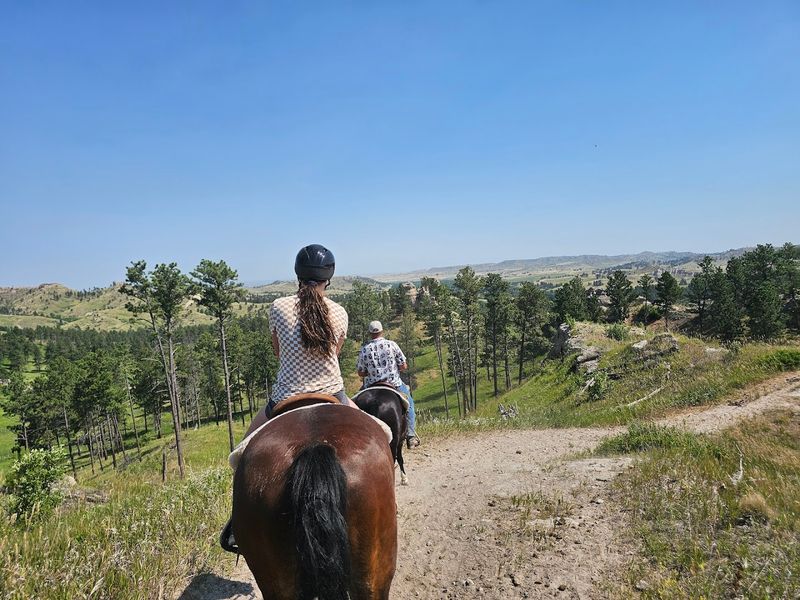
Nebraska’s very first state park sits just nine miles south of town, and it has been welcoming visitors since 1921.
The 972-acre park sits at nearly 5,000 feet in elevation and is dominated by ponderosa pine forest, which gives it a shaded, woodsy atmosphere that feels genuinely restorative.
Activities available at the park include hiking, mountain biking, horseback riding, swimming, fishing, disc golf, tennis, and paddleboating.
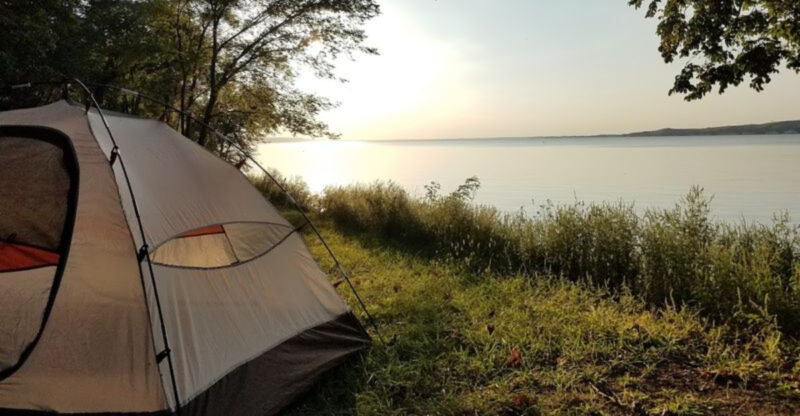
Cabins and campgrounds are available for those who want to stay overnight, making it a practical base for a longer Pine Ridge visit.
What makes the park feel special beyond its amenities is its age and its setting. There is something grounding about visiting a place that has been a public escape for over a century.
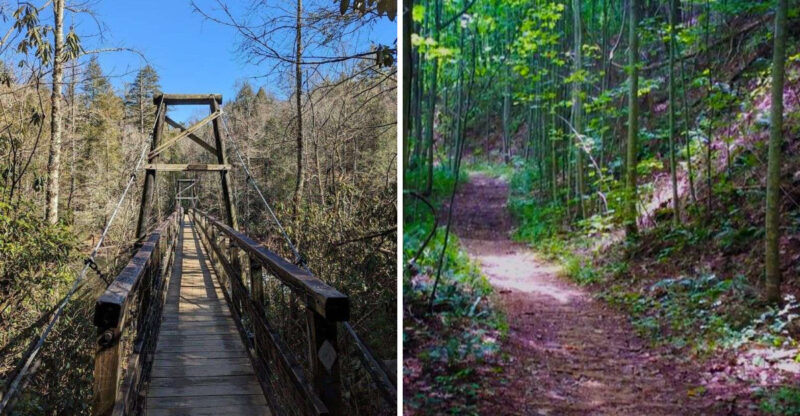
The trails wind through terrain that shifts between open meadow and dense pine canopy, and the sounds of the forest tend to replace road noise quickly once you step away from the parking area.
The Remarkable Collection At The Museum Of The Fur Trade
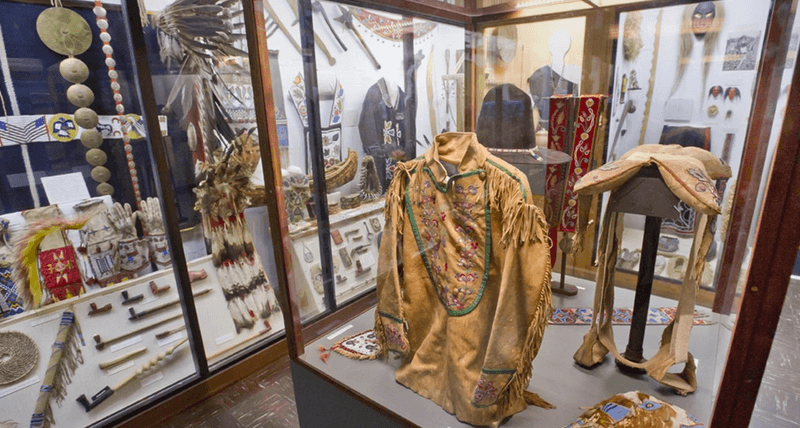
Standing on the actual site of James Bordeaux’s 19th-century trading post, the Museum of the Fur Trade holds one of the most focused and authentic collections of its kind anywhere in North America.
The trading post was originally established in the 1840s, and the museum has grown to house over 6,000 authentic artifacts tied to the history of the North American fur trade.
Displays cover everything from beaver pelts and trade goods to weapons, tools, and clothing that passed through frontier trading networks.
The depth of the collection reflects decades of dedicated preservation work, and the setting on an actual historic site adds a layer of context that a replica or urban museum simply cannot match.
History enthusiasts tend to spend more time here than they originally planned.
The museum is located at 6321 Highway 20, Chadron, NE 69337, about three miles east of town, which makes it an easy add-on to a broader Chadron itinerary.
The combination of real artifacts, an authentic site, and a well-organized layout gives this stop genuine staying power for visitors who care about the frontier era of the American West.
Mari Sandoz High Plains Heritage Center on Campus
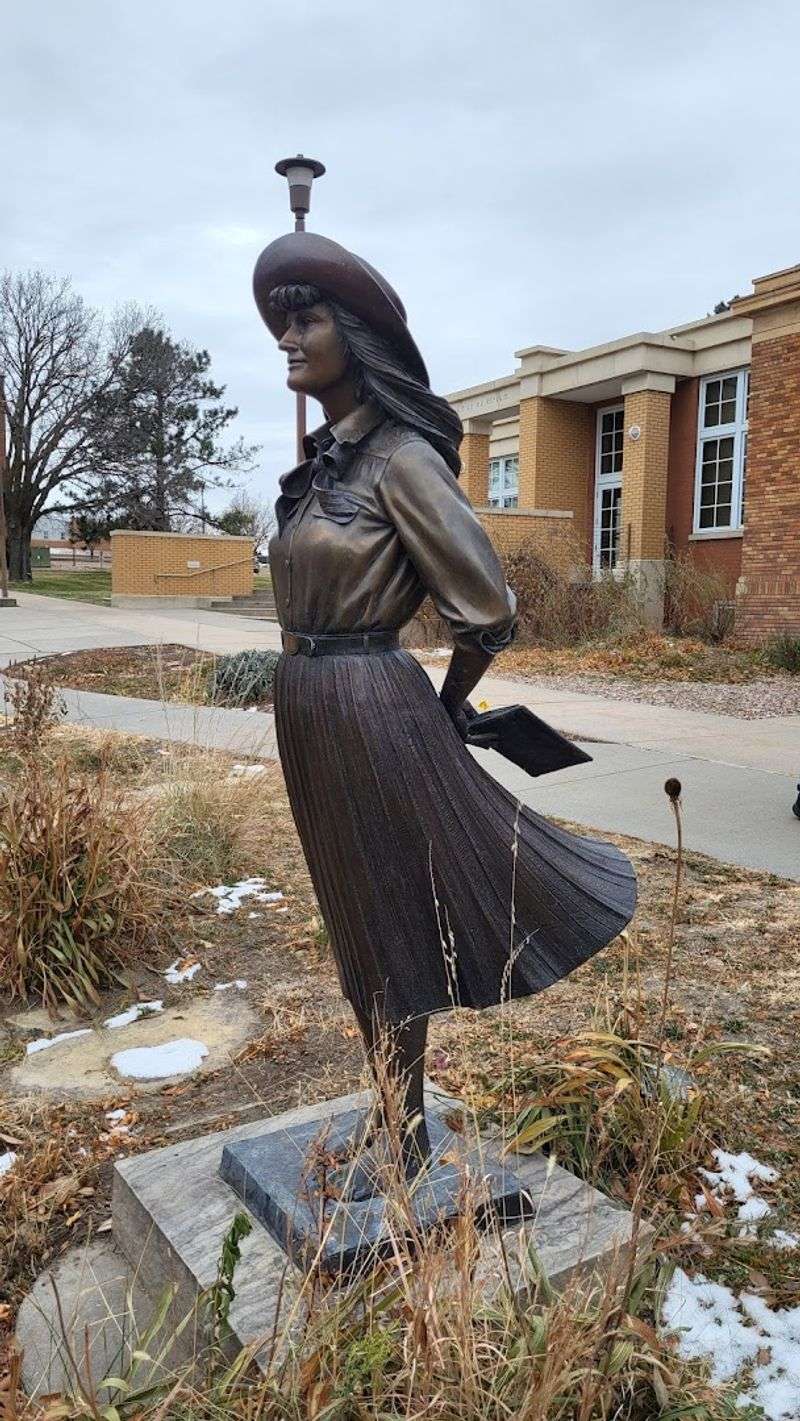
Nebraska author Mari Sandoz grew up in the Sandhills and spent her life writing about the High Plains and its people with a depth and honesty that earned her national recognition.
The heritage center dedicated to her work sits on the campus of Chadron State College and serves as both a literary archive and a regional history hub.
The center explores Sandoz’s life and legacy alongside broader themes of High Plains culture, Native American history, and the ranching and frontier heritage of northwest Nebraska.
For visitors who are not already familiar with her work, the center tends to be a genuine introduction to a voice that shaped how the region understood itself.
Standing at 1000 Main St, Chadron, NE 69337, the center connects the town’s academic identity with its deep historical roots in a way that feels organic rather than curated.
The campus setting also gives visitors a chance to see Chadron’s college-town character up close, including the 11-story high-rise that stands as the tallest building in the Nebraska Panhandle.
The combination of literary history and regional heritage makes this stop one of the more layered experiences in town.
Chadron’s Rollicking Frontier History
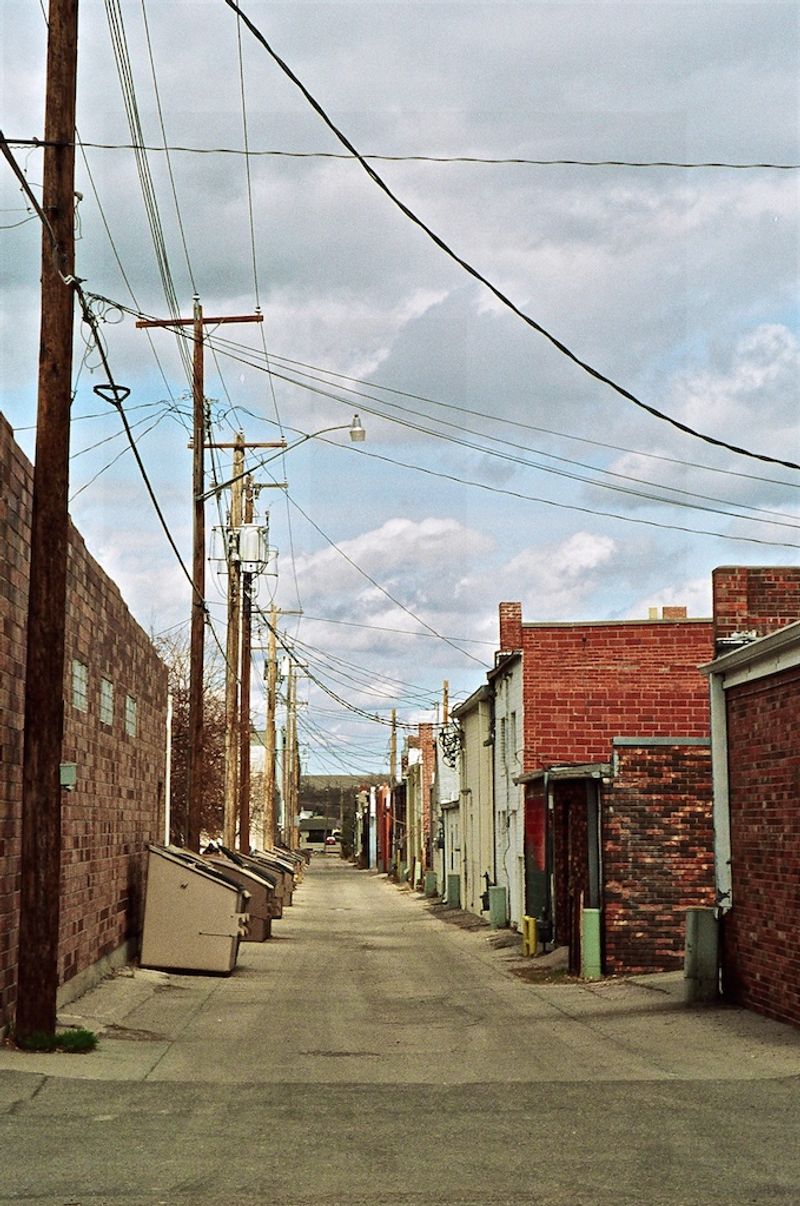
Few small towns carry a frontier backstory as colorful as Chadron’s.
The town was formally established in 1885 when the Fremont, Elkhorn and Missouri Valley Railroad arrived, and it was named after Louis Chartran, a French-Indian fur trapper who worked the region long before the railroad pushed through.
The town’s early decades included fur traders, cowboys, Native American communities, ranchers, and railroaders all moving through the same dusty streets.
In 1893, Chadron made national news as the starting point of a 1,000-mile cowboy horse race to Chicago, an event that drew attention from across the country and cemented the town’s place in frontier lore.
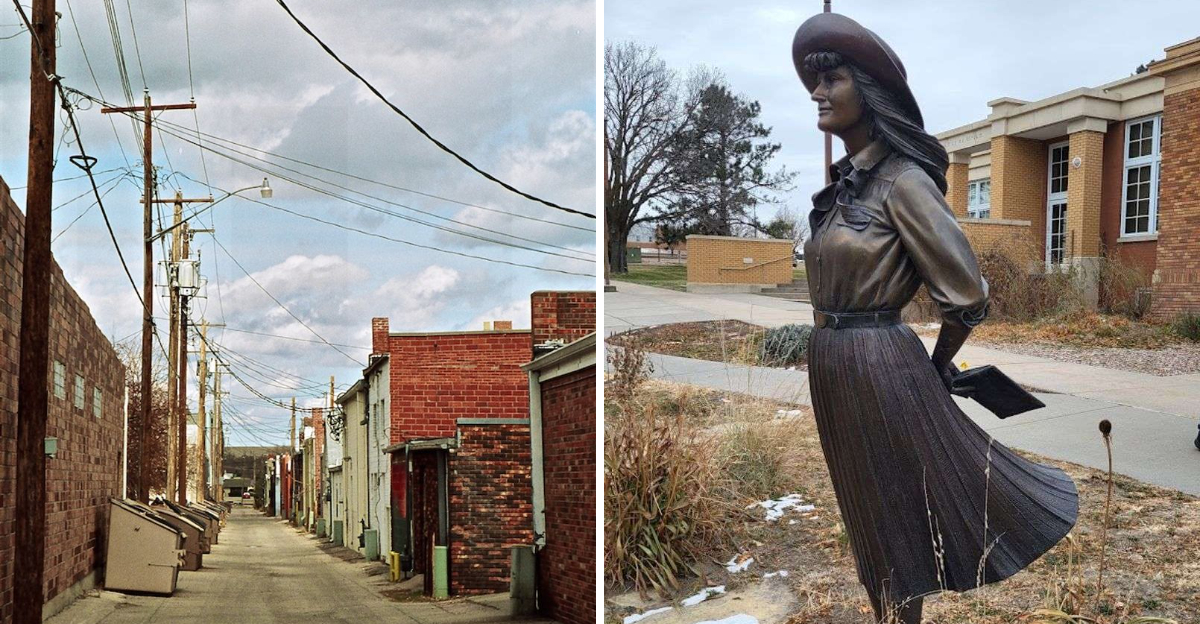
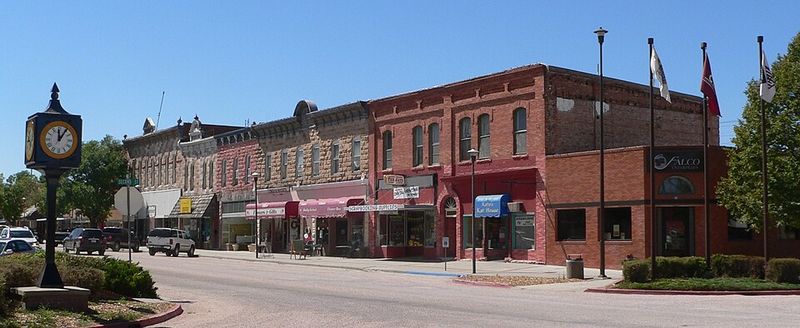
That history is still visible today. The Chadron Commercial Historic District showcases Victorian Era, Romantic Revival, and Early 20th Century Commercial architectural styles along its main streets.
Walking through the district feels like reading a timeline of the town’s growth from railroad stop to regional hub.
The architecture is not flashy, but it is honest, and that honesty gives the downtown a grounded, lived-in character that newer developments rarely manage to replicate.
Fort Robinson State Park And Agate Fossil Beds Within Easy Reach
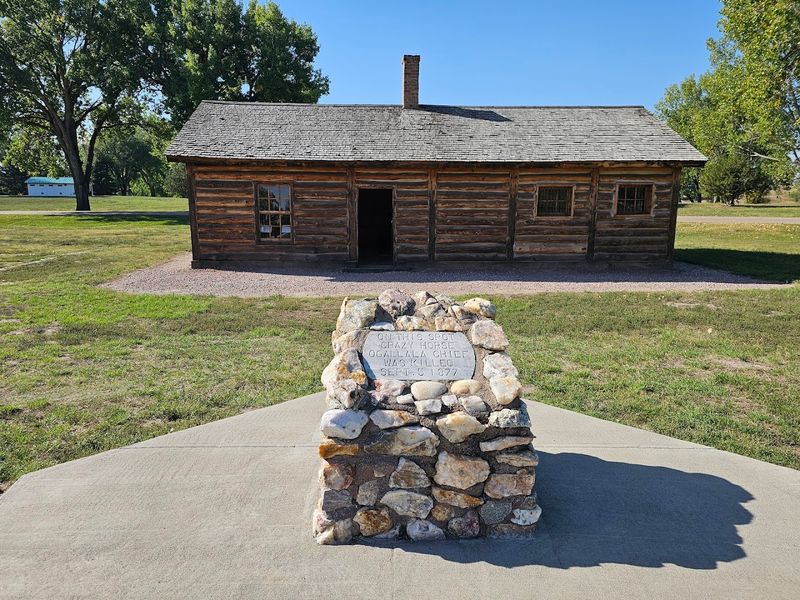
About 30 minutes west of Chadron, Fort Robinson State Park sits on the site of a former U.S. Army post with a history that stretches from the Indian Wars era through World War II.
The park covers thousands of acres and includes historic buildings, trails, horseback riding, and a range of seasonal programming that makes it worth a dedicated half-day or full-day visit.
Agate Fossil Beds National Monument lies further west and preserves one of the world’s most significant deposits of Miocene-era mammal fossils.
The monument also holds a notable collection of Native American artifacts and is managed by the National Park Service, which means admission is covered by the America the Beautiful pass for those who carry one.
Having both of these destinations within a short drive of Chadron is a significant part of what gives the town its value as a travel base.
Visitors can use Chadron as a central point and reach multiple major sites in a single multi-day trip without backtracking or long detours.
That kind of geographic convenience is rare in rural travel, and it turns Chadron from a destination into something more like a launching pad for exploring the full breadth of northwest Nebraska’s history and landscape.
Fur Trade Days And Bands On Bordeaux Keep The Calendar Lively

Every July, Chadron hosts Fur Trade Days, an annual community celebration that leans directly into the town’s frontier identity.
The event includes a World Champion Buffalo Chip Throw, which is exactly as entertaining as it sounds, along with other activities that bring locals and visitors together around the town’s history.
Running alongside the summer season, the Bands on Bordeaux concert series takes place in Railroad Park and gives the town a regular outdoor music gathering that adds a community-centered energy to summer evenings.
The park setting ties back to the town’s railroad origins, which gives even a casual concert night a subtle layer of historical context.
Events like these matter in a small town because they reveal how the community actually engages with its own story.
Chadron does not just preserve its frontier history behind glass cases. It celebrates it publicly, with a sense of humor and a lot of community participation.
Visitors who time their trip to overlap with one of these events, the town takes on an added warmth and accessibility that makes the experience feel like being briefly welcomed into something real.
Why Chadron Stays With You After You Leave
Some places earn their appeal through a single headline attraction, but Chadron works differently.
The town’s lasting quality comes from the way its pieces fit together rather than from any one standout feature.
A college campus, a frontier-era commercial district, a century-old state park, a world-class fur trade museum, and miles of pine-forested trails all exist within a few miles of each other.
The pace of the town contributes to that feeling as well. Chadron moves slowly enough that visitors can actually absorb what they are seeing rather than rushing from one stop to the next.
The downtown has six city parks woven into its layout, and the overall scale of the town means nothing feels far away or hard to reach.
That combination of variety, accessibility, and unhurried atmosphere is what the phrase picture-perfect actually points to here.
It is about a place that has a real identity rooted in landscape, history, and community, and that identity comes through clearly. Chadron earns its charm quietly, and that is what makes it stay with people.