This North Carolina Museum Sits Near Thousands Of Shipwrecks, And Every Exhibit Feels Like A Coastal Mystery
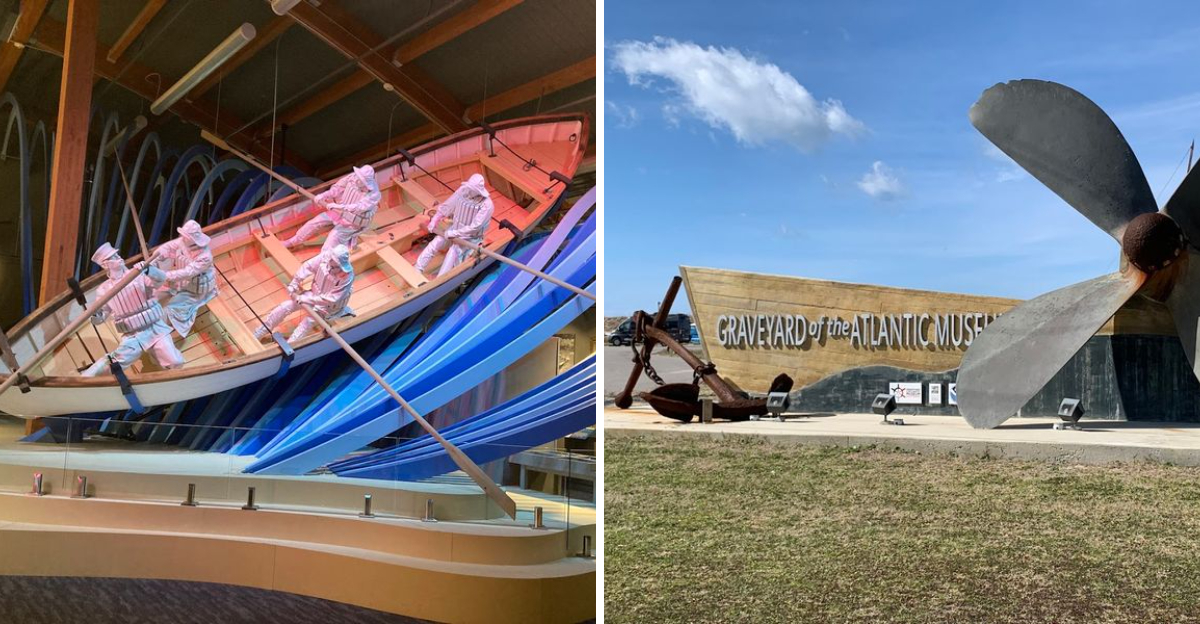
Arrr, the Outer Banks do love a good secret, and this free North Carolina museum be packed with the kind sailors used to whisper about when the wind started acting suspicious.
Step inside and suddenly the coast feels less like a postcard and more like a mystery map with salt on the edges.
Shipwreck stories rise from the exhibits like clues left behind by the Atlantic itself, each one carrying stormy drama without making history feel like homework.
Old vessels, wartime stories, and artifacts from the deep give the place a proper “what happened out there?” feeling.
Best part, matey? No treasure chest required at the door, because admission is free.
That means more coins left for snacks after ye solve the sea’s secrets.
Shipwreck Stories At The Edge Of Hatteras
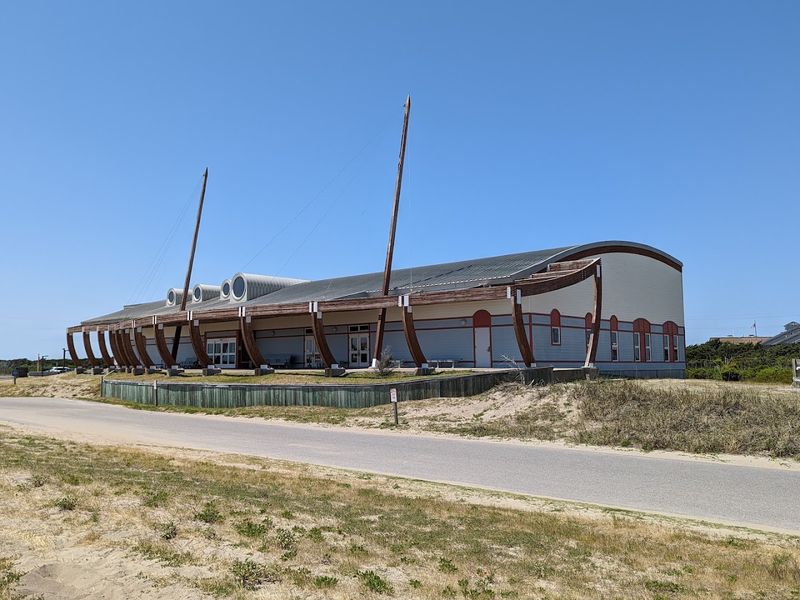
Wind, water, and history meet in a powerful way inside this Hatteras museum. The Graveyard of the Atlantic Museum focuses on the maritime culture of the Outer Banks, where shipwreck stories have shaped local identity for centuries.
Exhibits bring together artifacts, maps, photographs, and interpretation that help visitors understand why these waters became so difficult for sailors to navigate.
Powerful currents, storms, shifting sandbars, and shoals all played a role in turning the nearby Atlantic into one of America’s most storied wreck zones.
The museum does not need to exaggerate the drama. A single anchor, vessel fragment, or preserved object can make the danger feel immediate.
Families can move through the galleries at an easy pace, while history lovers will find enough detail to slow down at nearly every case. Its Hatteras location matters because the ocean is not an abstract idea here.
Step outside afterward, and the same coastline from the exhibits is waiting just beyond the building.
Thousands Of Wrecks Behind One Coastal Nickname
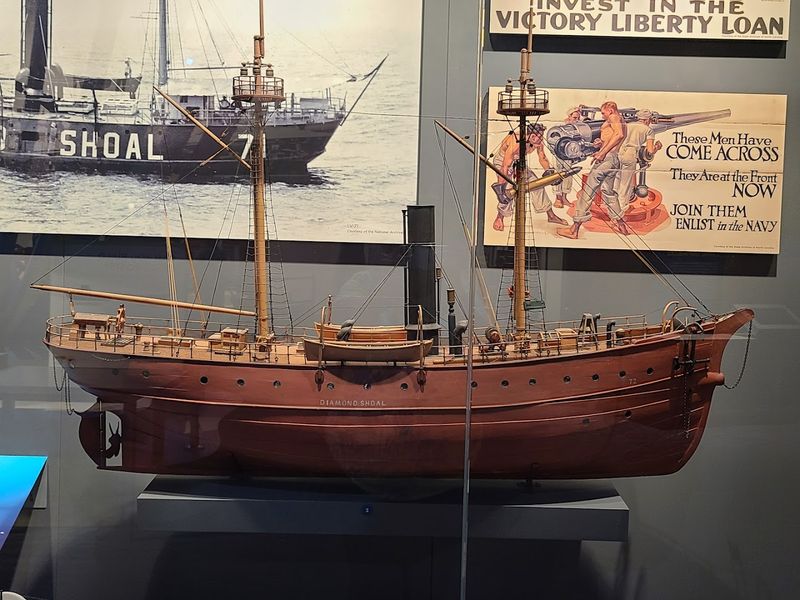
Numbers become startling when visitors realize how many vessels are connected to this coastline.
North Carolina’s Outer Banks are known as the “Graveyard of the Atlantic” due to thousands of shipwrecks, often estimated at about 5,000 along the coast.
That nickname came from real maritime difficulty, not tourist branding. Cape Hatteras sits near a dangerous meeting of currents, and Diamond Shoals created an especially risky obstacle for ships traveling close to shore.
Weather could change quickly, visibility could disappear, and vessels could be pushed into trouble before crews had time to recover. Museum displays help explain those conditions in a way that feels clear without becoming dry.
Maps are especially useful because they show how clustered these wreck stories are around the Outer Banks. Seeing the geography makes the nickname easier to understand.
This was not one unlucky stretch with a few famous incidents. It was a long-running challenge for sailors, merchants, military vessels, and coastal lifesaving crews.
Maritime Mysteries From The Outer Banks Coast
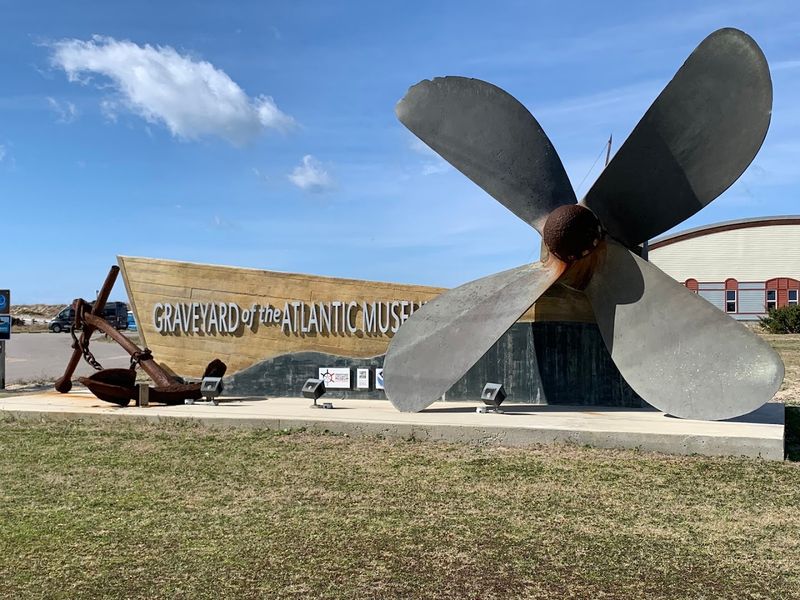
Some stories here stay compelling because the ocean never gave back every answer. Vessels disappeared, cargo scattered, and fragments surfaced years later with only part of the story attached.
The museum leans into that uncertainty without turning the history into spectacle. Visitors see how maritime researchers, divers, historians, and preservation teams use artifacts and records to piece together what happened.
World War II maritime history adds another layer, with exhibits helping visitors understand how wartime activity off the North Carolina coast affected Outer Banks communities. Exhibits tied to that era help visitors understand how the shoreline became a witness to danger just offshore.
Smaller objects can feel just as intriguing as major wreck stories. A porthole, tool, dish, or section of hardware invites questions about the people who handled it and the ship it came from.
The museum’s best quality is that it lets curiosity do some of the work. Every display feels like a clue, not just a label.
Artifacts Pulled From North Carolina’s Dangerous Waters
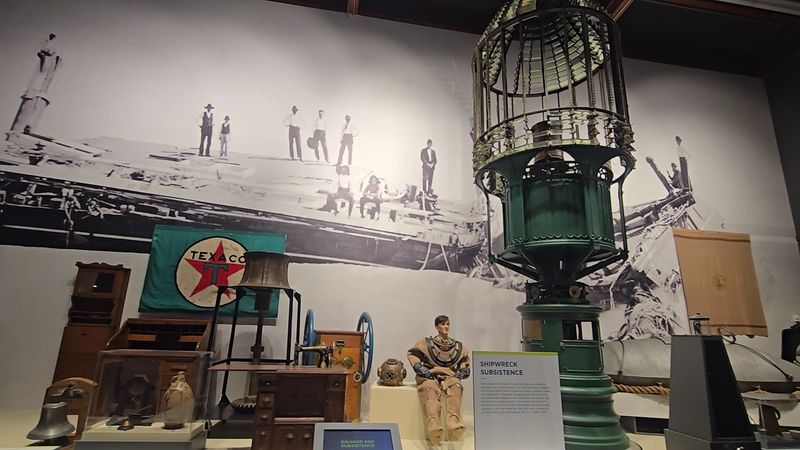
Recovered objects give the museum its most tangible sense of connection. Photographs and timelines are useful, but anchors, ship fittings, tools, ceramics, and personal items make the past feel physically present.
Many maritime artifacts require careful conservation because saltwater can damage metal, wood, and other materials long after recovery. That preservation work gives visitors a deeper appreciation for what it takes to protect coastal history.
Nothing in these cases feels random. Each object helps explain a vessel, a crew, a rescue, a route, or a technology that shaped life at sea.
Larger pieces show the scale of maritime travel, while smaller items often feel more personal. A dish or button can say as much about daily life as a cannon or anchor says about a ship.
The museum handles these materials with a tone of respect rather than sensationalism. Visitors are not just looking at wreckage.
They are looking at pieces of journeys, labor, skill, risk, and survival pulled from one of the most challenging maritime regions in the country.
Cape Hatteras History With A Haunting Ocean Backdrop
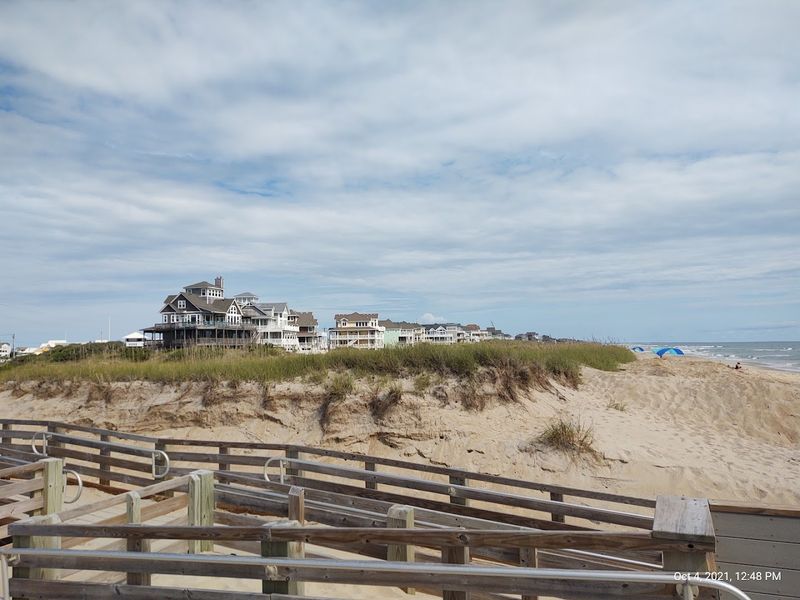
Cape Hatteras gives the museum a setting no inland gallery could copy. The island’s beaches, wind, open horizon, and shifting weather make the maritime stories feel close, even before visitors read the first exhibit panel.
This part of the Outer Banks has long been associated with dangerous navigation, and the museum uses that setting to deepen the experience. Inside, displays explain currents, shoals, storms, lifesaving efforts, war history, and shipwreck archaeology.
Outside, the Atlantic remains the constant backdrop. That connection between gallery and coastline makes the visit feel unusually immediate.
Visitors can learn about vessels that went down offshore, then step back into the same landscape that shaped those events. The mood is not gloomy so much as powerful.
Hatteras has always depended on the water while also respecting its force. The museum captures that complicated relationship beautifully.
It shows how coastal communities learned to live beside an ocean that brought travel, trade, danger, rescue work, and stories that still shape the island today.
Lighthouse, Lifesaving, And Shipwreck Lore In One Stop
Rescue history gives this museum some of its most human moments. Alongside shipwreck stories, exhibits explore lifesaving stations, surfmen, rescue equipment, and the coastal networks created to help crews in trouble.
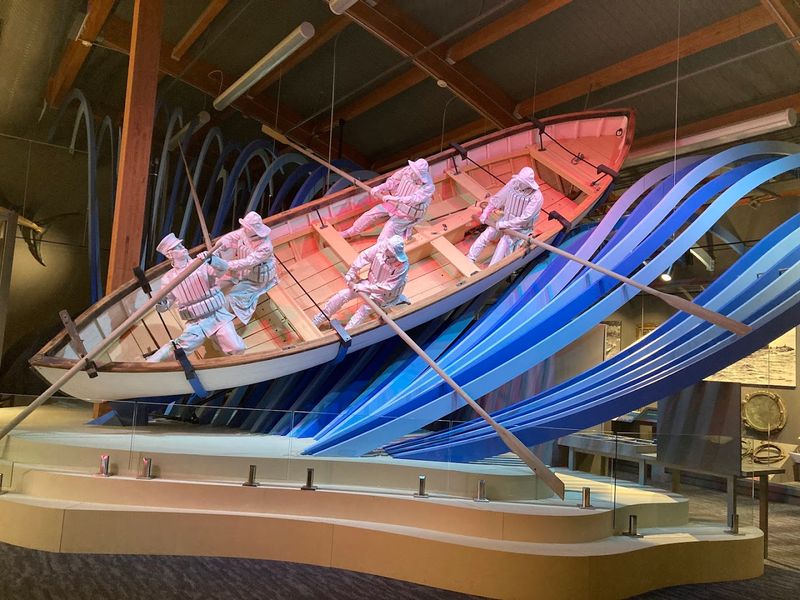
The United States Life-Saving Service, a predecessor to the Coast Guard, played a major role along the Outer Banks, where dangerous shoals and rough surf made rescues both urgent and difficult. Learning about that work changes the way visitors understand the coast.
Shipwreck history is not only about vessels that failed to reach harbor. It is also about communities that watched the water, launched into dangerous surf, and developed systems to save people when the sea turned against them.
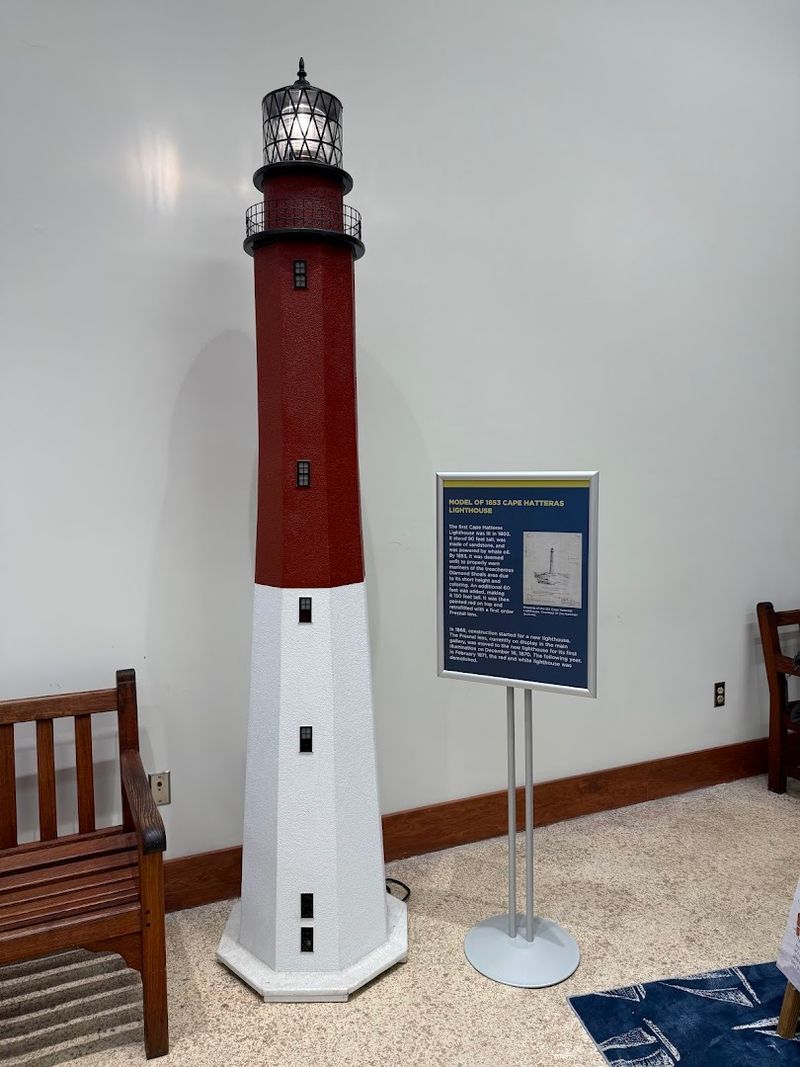
Lighthouse history fits naturally into that story. Cape Hatteras Lighthouse helped warn mariners away from hazards, while lifesaving crews responded when warnings were not enough.
Together, these themes make the museum feel more complete. It is not simply a collection of wreck stories.
It is a portrait of navigation, warning, courage, community, and coastal survival.
Coastal Exhibits That Feel Like Clues From The Deep
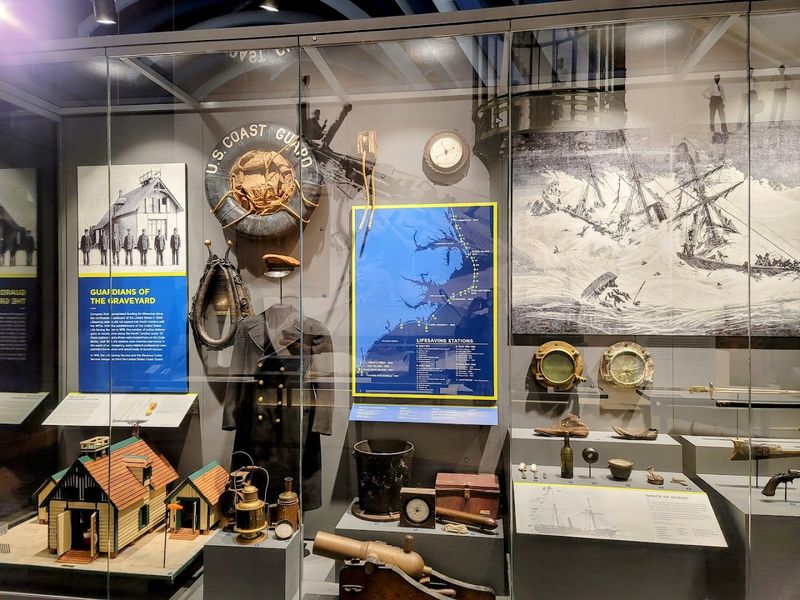
Curiosity drives the best museum visits, and this one gives visitors plenty to follow. Displays are built around maritime questions: where did a ship go down, why did the coast become so dangerous, what did divers recover, and how do historians connect an artifact to a larger story?
That structure makes the galleries feel more active than a simple row of dates. Children can focus on objects, maps, and visual details, while adults may find themselves pulled into the deeper research behind each case.
Shipwreck interpretation works especially well because every object seems to hold a missing chapter. A corroded piece of hardware can point to technology.
A salvaged personal item can point to daily life. A map can reveal how close danger sat to the shoreline.
Instead of overwhelming visitors with too much text at once, the museum invites them to keep looking. Each room adds another layer to the coastal mystery.
By the end, the Outer Banks feels less like a vacation backdrop and more like a vast maritime archive.
A Free Hatteras Museum Built Around Lost Ships
Free admission makes this Hatteras stop one of the easiest cultural additions to an Outer Banks trip. The Graveyard of the Atlantic Museum is part of North Carolina’s maritime museum system and presents the maritime history and culture of the Outer Banks.
Its official site notes that the museum is named for the thousands of shipwrecks in the waters off the state’s coast, which gives the collection a clear and powerful focus.
Visitors should check current hours before leaving, especially with the posted update showing Tuesday through Saturday hours beginning June 1.
The address is 59200 Museum Drive, Hatteras, NC 27943, and the museum phone number is 252-986-0720. A visit can be short, but rushing would miss the point.
Plan enough time for artifacts, shipwreck stories, lifesaving history, and the gift shop. For families, history lovers, beach travelers, and anyone fascinated by what rests offshore, this free museum turns Hatteras into more than a scenic stop.
It makes the coast feel full of stories.