10 Inspiring Connecticut Places Every Art Lover Should Visit At Least Once
Art has a way of showing up where you least expect it. One minute you’re walking through a quiet town, and the next you’re standing in front of something that completely stops you in your tracks.
Connecticut’s art scene doesn’t get talked about nearly as much as it should, and that’s honestly a shame because what’s out here is genuinely impressive.
Galleries, sculpture gardens, museums, studios, creative spaces built into old buildings with so much history baked into the walls. The people who discover these spots tend to get a little obsessive about coming back, and you’ll understand why the moment you walk into your first one.
For art lovers, inspiring places like these are the kind of finds that make you want to drag every creative person you know along for the ride next time.
1. Wadsworth Atheneum Museum of Art, Hartford
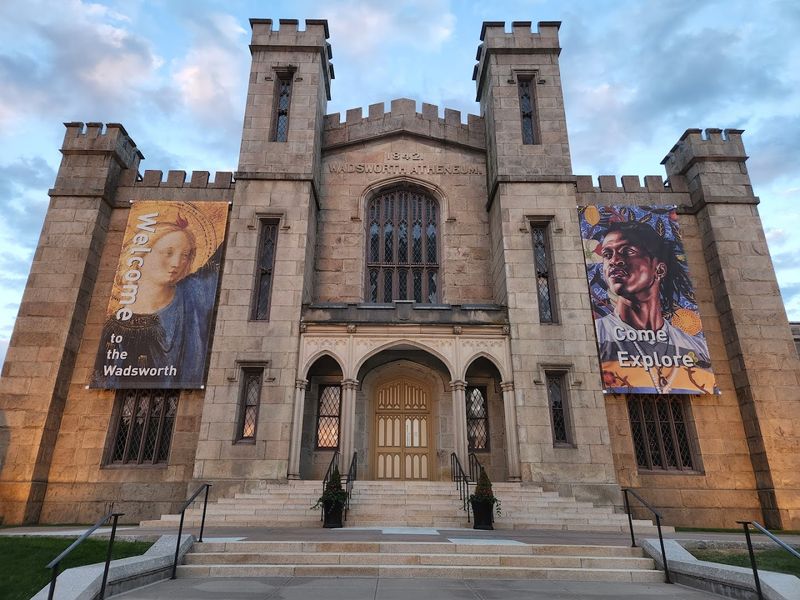
Founded in 1842, this landmark museum holds the distinction of being the oldest continuously operating public art museum in the United States. The building itself is a striking piece of Gothic Revival architecture, setting expectations high before visitors even step inside.
The collection spans more than 50,000 works, covering ancient Egyptian artifacts, Baroque paintings, Impressionist canvases, and American modernism. Visitors tend to move at their own pace here, and the galleries are laid out in a way that feels manageable rather than overwhelming.
Natural light filters through certain rooms, giving the older paintings a soft, almost cinematic quality. The Hudson River School works are particularly well displayed, with enough wall space to let each piece breathe.
Weekday mornings are generally quieter, which makes it easier to spend unhurried time in front of pieces that deserve more than a passing glance. The Wadsworth Atheneum sits at 600 Main Street, Hartford, CT 06103.
Comfortable seating is available throughout the museum, so longer visits are easy to sustain. Admission is reasonably priced, and free admission days are offered periodically throughout the year.
2. Yale University Art Gallery, New Haven
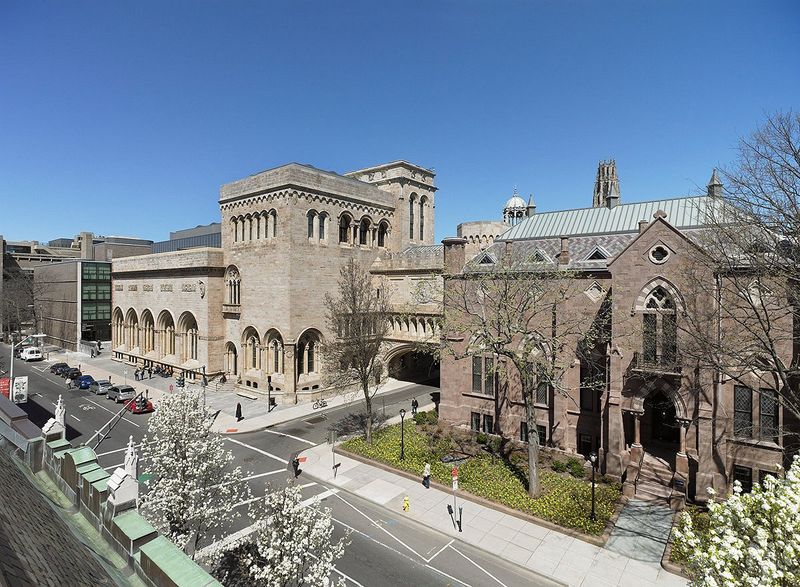
The depth and range here make this one of the most rewarding art stops in the state. Admission is free to all visitors, and the Yale University Art Gallery holds the distinction of being the oldest university art museum in the Western Hemisphere.
That combination of prestige and accessibility gives the visit a lot of appeal. The building itself is a quiet architectural statement, with a geometric concrete ceiling in the main hall that feels both serious and inviting.
Collections include ancient art from Africa, Asia, and the Americas, alongside European paintings from the medieval period through the 20th century. American works are also strongly represented, with pieces that trace the country’s visual history across several centuries.
Louis Kahn designed the 1953 wing, and architecture enthusiasts will notice the careful way light is handled throughout the space. You’ll find the museum at 1111 Chapel Street, New Haven, CT 06510.
The galleries are well organized without feeling sterile, and the flow between rooms encourages exploration rather than a rigid route. Parking in New Haven can be limited on weekends, so arriving early or using public transit tends to make the visit more relaxed.
3. New Britain Museum Of American Art, New Britain
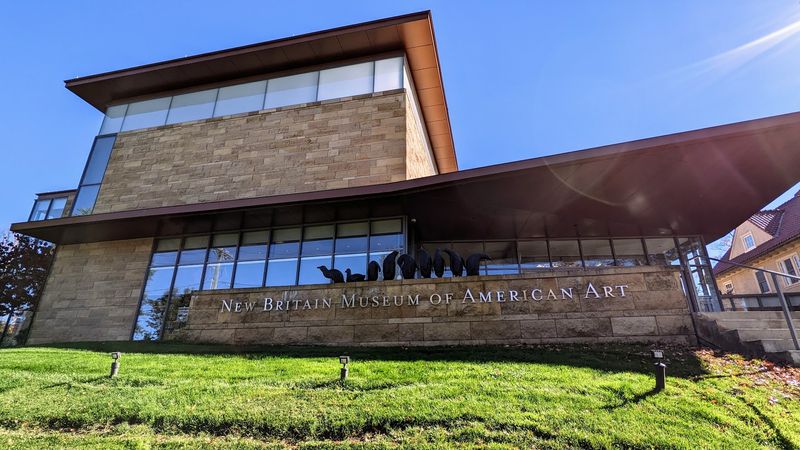
Dedicated entirely to American art, this museum offers a focused and deeply satisfying experience for anyone interested in how visual culture developed in the United States.
The building is located at 56 Lexington Street, New Britain, CT 06052, and the collection traces American art from colonial-era portraits all the way through contemporary works.
That span of nearly four centuries gives visitors a genuine sense of artistic evolution over time.
The Thomas Hart Benton murals are among the highlights, depicting scenes of American life with bold color and expressive movement. Illustration art is also prominently featured, which sets this museum apart from others in the region.
Visitors who grew up reading mid-century magazines or picture books may find the illustration galleries particularly resonant.
Gallery spaces are well lit and thoughtfully arranged, with enough room between pieces to prevent the crowded feeling that can occur in smaller museums. The museum also runs rotating special exhibitions that bring fresh perspectives to the permanent collection.
Families tend to find the programming accessible, and there are often hands-on activities available for younger visitors during weekend hours.
4. Florence Griswold Museum, Old Lyme
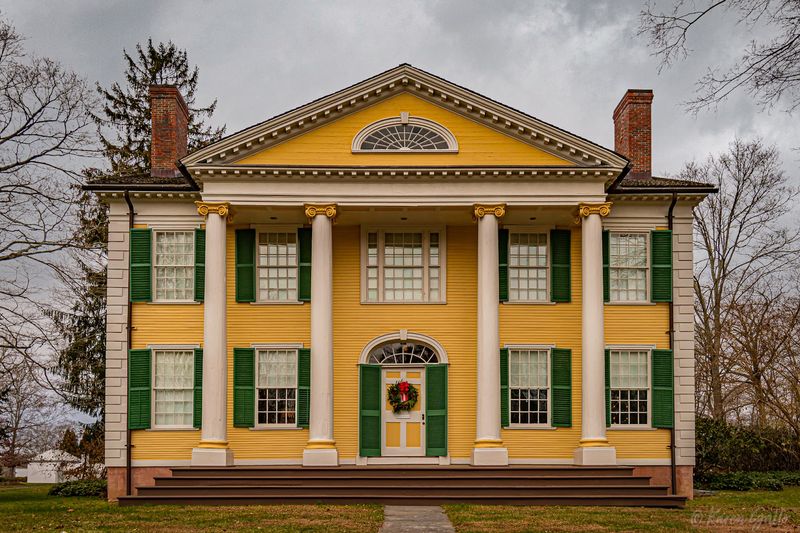
A museum visit feels especially memorable when the building itself becomes part of the story. The Florence Griswold Museum was once a boardinghouse for the artists of the Lyme Art Colony, a group of American Impressionists who worked in the area during the late 19th and early 20th centuries.
The house still stands, and the walls inside are decorated with panels painted directly by the artists who lived there. Walking through the rooms feels less like a standard museum visit and more like stepping into a working artist’s home from a century ago.
The surrounding landscape is part of the experience too, with gardens and river views that match the tones and subjects found in the paintings on display. Plein air painting workshops are held on the grounds, connecting the site’s living history to current practice.
The Krieble Gallery nearby handles rotating exhibitions and provides modern gallery space without disrupting the historic atmosphere of the main house. The museum sits at 96 Lyme Street, Old Lyme, CT 06371.
Seasonal hours apply, so checking ahead before visiting is worthwhile. The grounds are walkable and unhurried, making this a comfortable stop for visitors who prefer a slower pace.
5. The Aldrich Contemporary Art Museum, Ridgefield
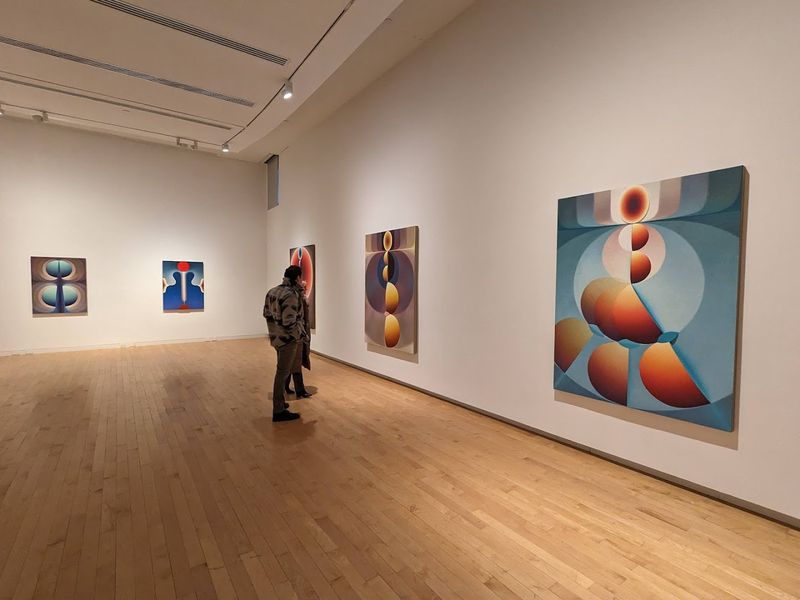
Contemporary art can sometimes feel inaccessible, but the Aldrich has a reputation for presenting challenging work in ways that feel approachable and genuinely engaging.
Housed at 258 Main Street, Ridgefield, CT 06877, the museum sits in a converted historic building that contrasts interestingly with the cutting-edge work shown inside.
The Aldrich focuses exclusively on living artists, which means every exhibition features work that is actively shaping current conversations in the art world.
The galleries are flexible and reconfigured with each new exhibition, so repeat visitors will always find a different spatial experience. Sculpture gardens and outdoor installations add another layer to the visit, making the experience feel more expansive than the building’s footprint might suggest.
The museum tends to favor artists who are mid-career or emerging rather than already-established names, giving visitors early exposure to work that may become more widely recognized over time.
Programming includes talks, workshops, and family-focused events that run throughout the year. Ridgefield itself is a charming town with walkable streets and cafes nearby, so combining a museum visit with time spent in the surrounding area is easy.
Admission prices are moderate and group rates are available.
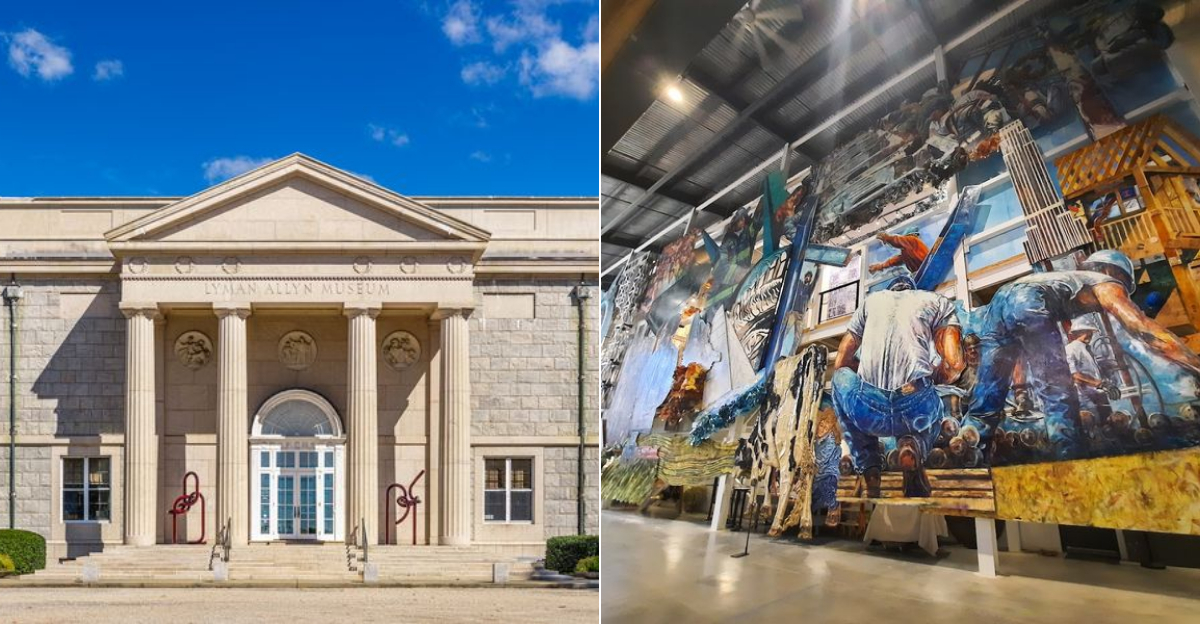
6. Lyman Allyn Art Museum, New London
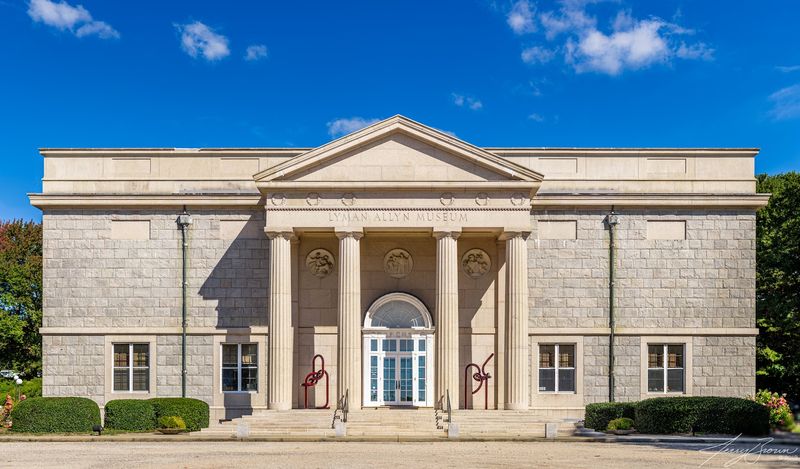
A hilltop setting overlooking the Thames River gives this museum a calm, confident presence that suits its neoclassical architecture.
Its permanent collection includes more than 20,000 works spanning ancient civilizations through modern and contemporary art, with a genuinely broad variety of decorative arts, paintings, prints, and drawings from multiple continents and eras.
American furniture and decorative objects from the 18th and 19th centuries are particularly well represented, and these pieces provide context that purely fine art collections sometimes lack.
Seeing how craft, function, and beauty intersected in everyday objects gives a fuller picture of the periods being explored.
The painting galleries are calm and uncrowded on most days, allowing for unhurried looking. The building sits on the grounds of Connecticut College, and the surrounding campus adds a leafy, peaceful quality to the visit.
Special exhibitions rotate throughout the year and often focus on regional artists or specific historical themes. The Lyman Allyn Art Museum’s address is 625 Williams Street, New London, CT 06320.
The museum is smaller in scale than some others on this list, which makes it a comfortable stop for visitors who prefer a more intimate experience without large crowds or lengthy walking routes.
7. The William Benton Museum Of Art, Storrs
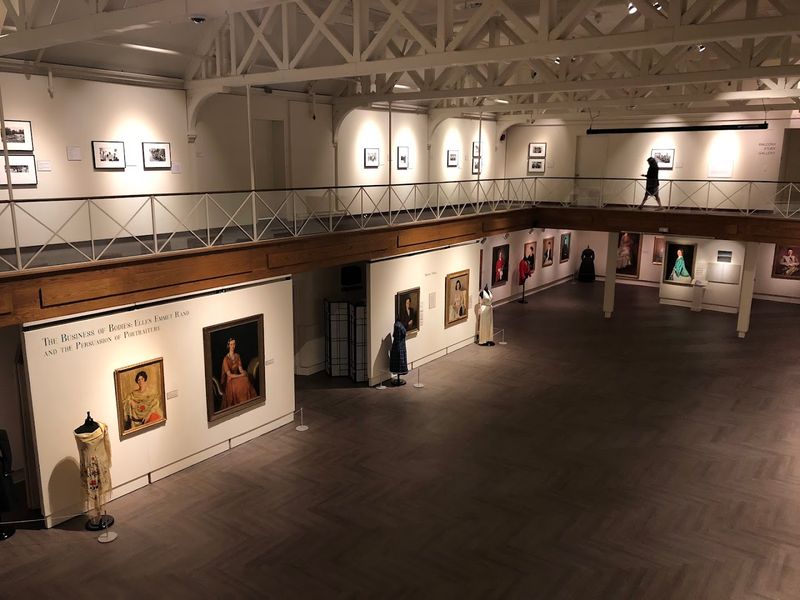
Set within the University of Connecticut campus, the William Benton Museum of Art offers a level of collection depth that surprises many first-time visitors. The museum serves as the state’s art museum, and admission is free, making it one of the most accessible art destinations in the region.
The permanent collection includes works on paper, photographs, and paintings that span several centuries and artistic traditions. European prints and drawings are a particular strength here, with works that trace the technical evolution of printmaking from the Renaissance through the modern era.
American realism is also well covered, and the museum regularly organizes exhibitions that connect historical works to contemporary themes. The gallery spaces are modest in scale but thoughtfully curated, with each room feeling purposefully assembled rather than simply filled.
Being on a university campus means the surrounding environment is lively and walkable, with coffee shops and green spaces nearby. The museum’s address is 245 Glenbrook Road, Storrs, CT 06269.
The museum tends to be quieter than urban institutions, which creates a contemplative atmosphere that many visitors find refreshing. Parking is available on campus, and the museum’s central position within the UConn grounds makes it easy to combine with a broader campus walk.
8. Mattatuck Museum, Waterbury
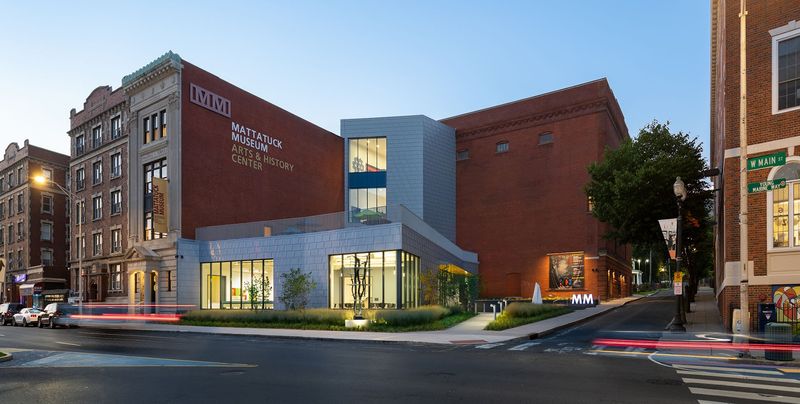
Art and local history rarely get equal billing in the same institution, but the Mattatuck Museum manages to hold both with genuine care.
Situated at 144 West Main Street, Waterbury, CT 06702, the museum focuses on art and history with a collection that highlights the state’s industrial past alongside its artistic contributions.
Waterbury’s identity as a manufacturing center comes through in exhibits that treat craft and labor as cultural subjects worth serious attention.
The fine art collection includes works by Connecticut-born artists and pieces that reflect the social and economic realities of New England life across different eras.
Portraits, landscapes, and genre scenes are all represented, and the historical artifacts displayed alongside them add layers of meaning that a purely art-focused institution might miss.
The building occupies a prominent spot in downtown Waterbury, and the architecture reflects the civic ambition of the city during its industrial peak.
Rotating exhibitions keep the experience fresh for repeat visitors, and the museum’s programming often engages with community themes in ways that feel locally rooted rather than generic.
Admission is affordable and the galleries are compact enough to explore thoroughly in a two-hour visit without feeling rushed.
9. Bruce Museum, Greenwich
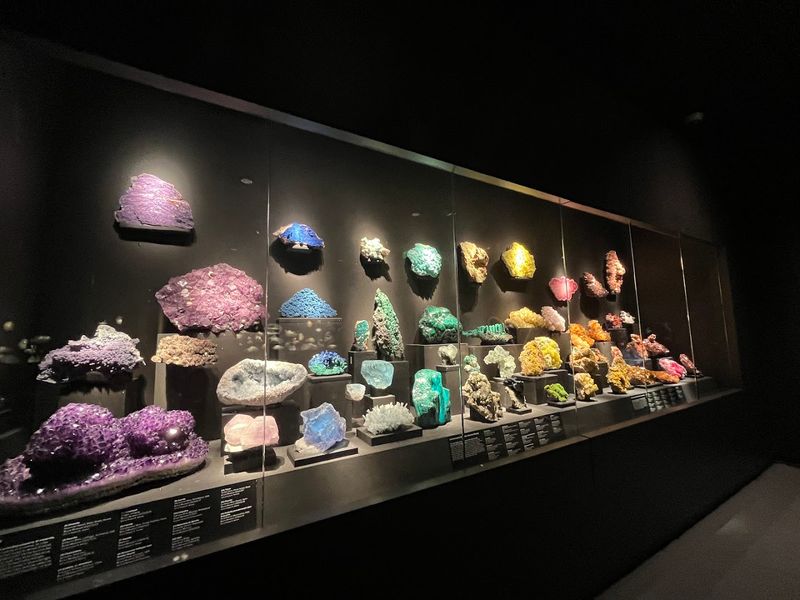
This museum blends science and art in a way that makes it genuinely difficult to categorize. Its recently completed expansion has significantly enlarged the gallery space and improved the visitor experience throughout the building.
The art collection includes works from the Cos Cob Art Colony, a group of American Impressionists who worked in Greenwich during the late 19th century. Seeing these paintings in a museum so close to where they were created adds a geographic resonance that is hard to replicate.
The light in the shoreline paintings often matches the actual light outside on clear days, which creates an unusual sense of continuity between the art and the landscape.
Science galleries covering geology and natural history share the building with the art spaces, making the Bruce an interesting option for visitors who travel with children or companions with varied interests.
The park setting outside the museum is pleasant for a walk before or after the visit. The Bruce Museum’s address is 1 Museum Drive, Greenwich, CT 06830.
Admission fees apply and parking is available near the entrance. Weekend hours tend to draw more visitors, so weekday visits offer a calmer experience overall.
10. American Mural Project, Winsted

Some art projects take years to complete, and the American Mural Project in Winsted is one of the most ambitious undertakings of that kind anywhere in the country.
Located at 90 Whiting Street, Winsted, CT 06098, the American Mural Project centers on a massive indoor collaborative artwork set inside a repurposed factory building, with scenes celebrating American workers, creativity, and community.
The scale alone makes it a memorable stop.
Visiting while the mural is still in progress gives the experience an unusual energy, since the artwork is actively evolving and the sense of ongoing creation is palpable in the space.
Guided tours are available and provide context about the artistic process, the themes being explored, and the history of the building itself.
The industrial setting adds texture to the experience, with the raw architecture of the former factory serving as an unlikely but fitting canvas.
Winsted is a small town in the Litchfield Hills, and the surrounding area has a quiet, rural character that contrasts with the monumental ambition of what is being created inside this building.
Tour availability and hours can vary, so checking the official website before visiting is strongly recommended. Admission is charged for guided tours.