This Gorgeous State Park In Idaho Feels So Hidden You’ll Want To Keep It Quiet
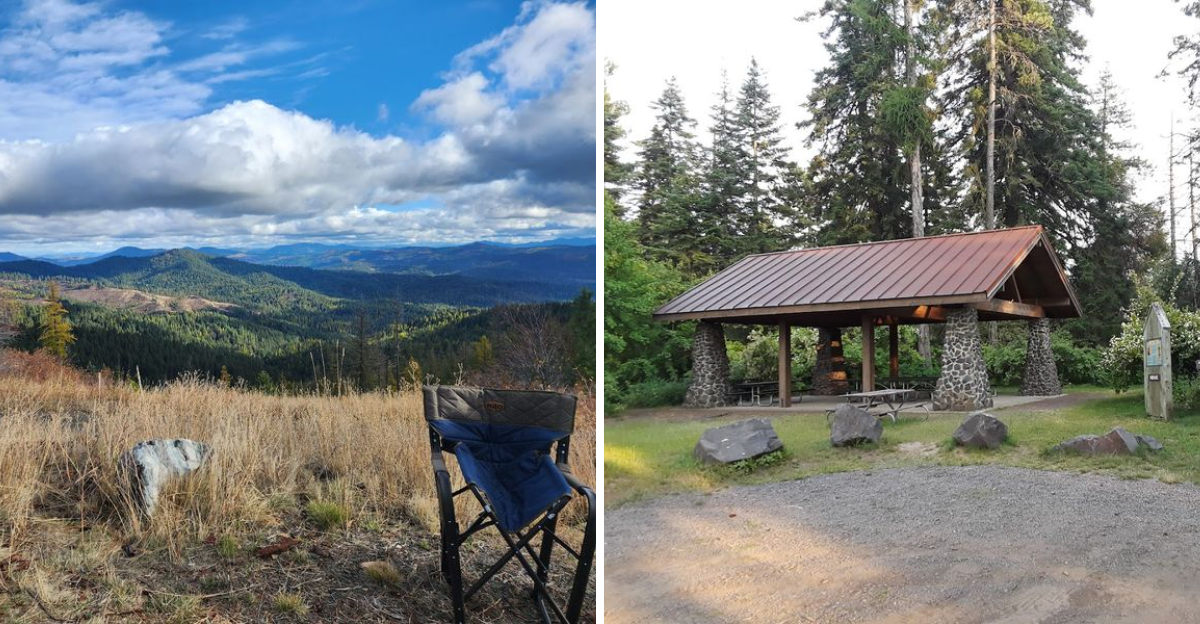
I love a park that makes me feel like I accidentally found something the highway was trying to keep for itself.
Up in Idaho’s northern panhandle, I can leave the usual noise behind and suddenly end up on a ridge where the views start acting like they have been waiting all day to show off.
Nothing here feels rushed, polished, or desperate for attention, which is exactly why I trust it.
The trails have that “keep walking, you are not done being impressed” energy.
Every overlook makes me pause like I discovered a secret and instantly became annoying about protecting it.
Honestly, if a park can make my phone feel unnecessary and my lungs feel fancy, it has already won.
Idaho’s Ridge-Top Park That Still Feels Secret
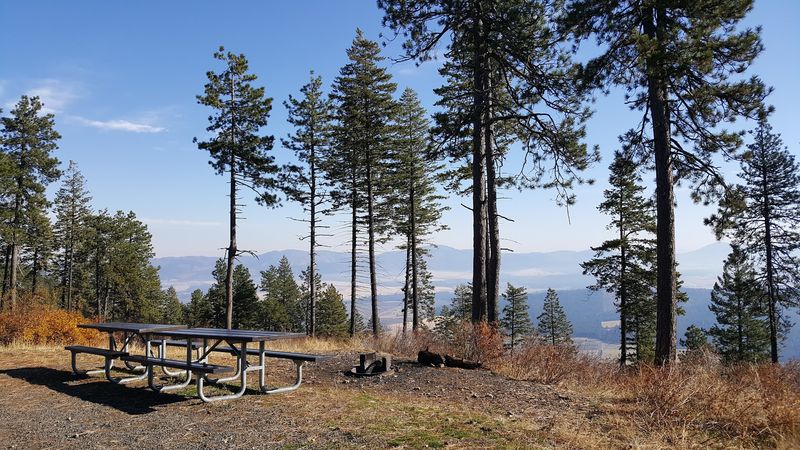
Quiet confidence suits Mary Minerva McCroskey State Park better than a grand entrance ever could.
Travelers looking for the park’s official contact point will find 57 Chatcolet Road, Plummer, ID 83851, but the real experience unfolds along Skyline Drive, where gravel, forest, and ridge views do most of the talking.
Idaho Parks and Recreation describes the park as a historic sightseeing destination. It features Palouse Divide views, lush cedar forest, secluded camping, historic interest, multi-use trails, open ponderosa stands, and a road made for a slow scenic drive.
That list sounds impressive, yet the park itself feels wonderfully understated.
No visitor center waits to package the experience, and no busy plaza pushes people toward a fixed route. Pit toilets, picnic areas, fire rings, seasonal drinking water, and primitive camping keep things practical rather than fancy.
Such simplicity filters the mood immediately. People who come here expecting polished resort energy may miss the point entirely.
Anyone who likes rougher roads, quiet overlooks, and forested ridges will understand why this park feels like one of Idaho’s best low-volume treasures.
Skyline Drive Turns The Whole Visit Into A Slow Reveal
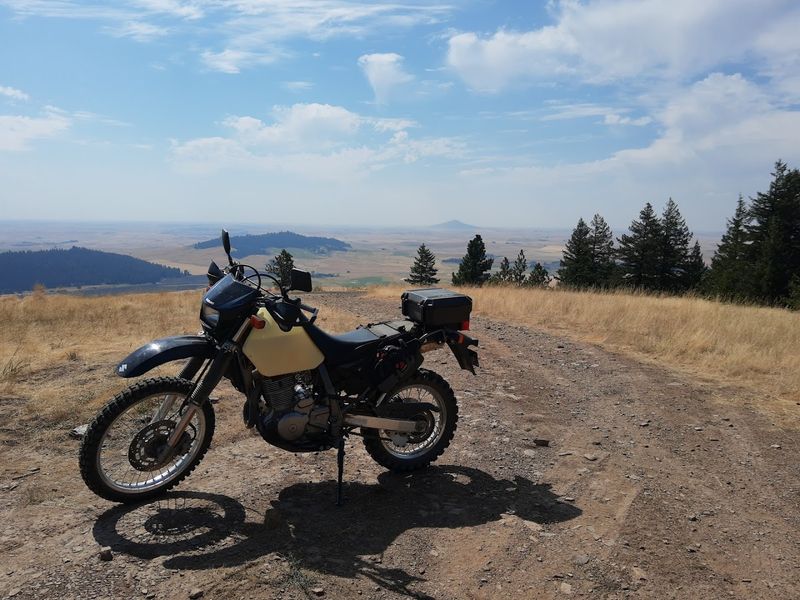
Nothing about Skyline Drive encourages hurry, which is exactly why it works.
Idaho Parks and Recreation says the main access route through McCroskey is a gravel road a little over 17 miles long. The route runs essentially one lane, though shoulders and pullouts allow passing in many places.
Very wide or long recreational vehicles and horse trailers are not recommended unless drivers first make their own assessment, and the road is not plowed when winter snow sets in. That information matters because the drive is part of the adventure, not a shortcut through it.
Forest closes in, the ridge opens, and each turnout offers a slightly different way to read the landscape. Some stops frame the Palouse in broad farmland curves, while others keep the view tucked among trees.
A standard vehicle can often manage the route in good conditions, but patience is the best equipment. Bring snacks, check weather, and leave the schedule loose.
Skyline Drive rewards people who treat the road like the destination rather than the way to reach one.
Palouse Views Make The Silence Feel Enormous
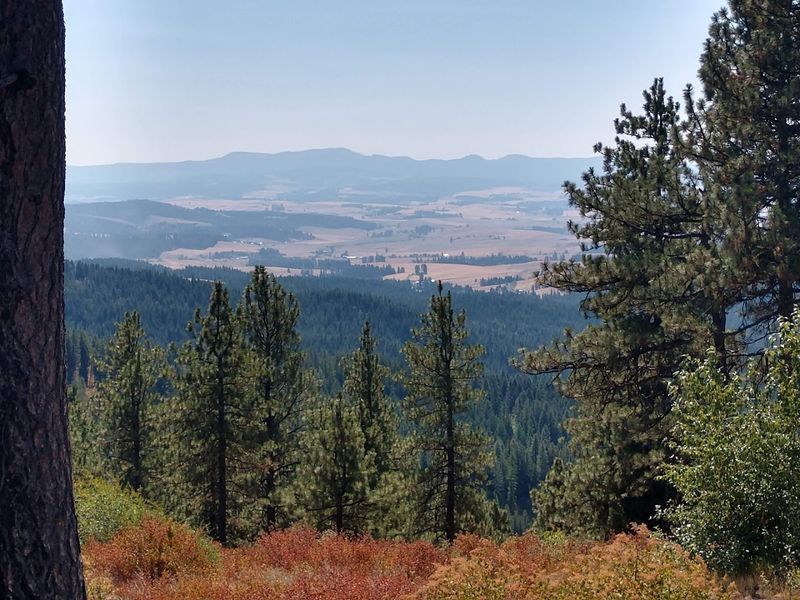
High overlooks along the west side of Skyline Drive give McCroskey its most unforgettable visual moments.
Idaho Parks and Recreation notes that some of the best Palouse views in the park sit along the western side of the road, where the forested ridge gives way to rolling farmland and open sky.
That contrast is the whole magic trick. Behind you, cedar, grand fir, ponderosa, and Douglas fir shape a northern Idaho forest mood; ahead, the Palouse stretches in soft folds that shift with crop cycles, weather, and light.
Quiet seems bigger up there because the view has so much room to carry it. Wind moves through grass and trees, birds pass overhead, and the absence of traffic noise becomes part of the scenery.
Photographers will want wide framing, but even a phone camera can catch enough of the sweep to explain the stop. No dramatic overlook tower is needed.
A simple pullout, a steady ridge, and a horizon full of curves do the work. Those views make the park feel hidden because they appear so suddenly after miles of tree cover.
Cedar Forests Hide The Park Before The Overlooks Open
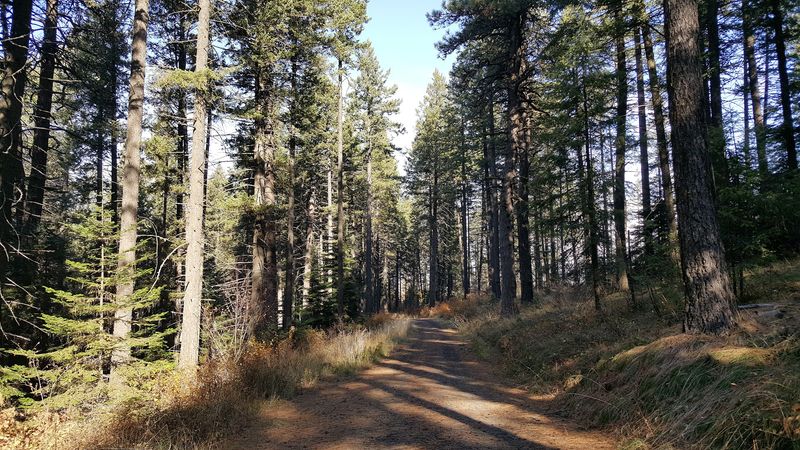
Forest does not merely surround McCroskey; it controls the pacing of the visit.
Idaho Parks and Recreation describes the route as moving through dense cedar and grand fir forests on steep northeast-facing slopes, then into more open southern sky among ponderosa and Douglas fir stands.
That shift gives the park an unusual layered feeling, as if each mile is slowly changing the terms of the landscape. Early sections can feel enclosed, with filtered light, deep shade, and a cooler mountain mood that makes the outside world seem far away.
Then the road rises, the trees loosen, and the Palouse begins appearing through gaps like a secret finally being shared. Native Palouse Prairie is also preserved within the park, which adds ecological importance to the scenic beauty.
Instead of one uniform forest drive, McCroskey becomes a transition between ecosystems, where prairie, ridge, and woodland meet. That variety keeps the route from feeling repetitive.
Visitors who slow down before the famous views arrive get a better sense of why this park is more than a pretty overlook.
Unpaved Roads Keep The Crowds Somewhere Else
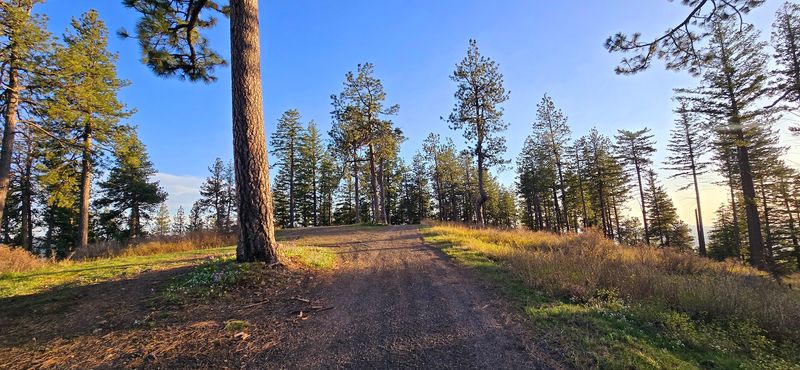
Gravel has a funny way of asking travelers how badly they want the view.
McCroskey’s Skyline Drive stays deliberately rugged.
Idaho Parks and Recreation describes it as gravel, narrow in places, unplowed in winter, and better approached with caution by drivers of very wide or long vehicles.
Those details help explain why the park often feels quieter than more developed destinations. A portion of casual traffic disappears once pavement ends, leaving the ridge to people willing to accept dust, slower speeds, and a little uncertainty.
That does not mean the road is extreme in good summer conditions, but it does mean visitors should check current conditions, drive patiently, and avoid treating the route like a regular highway.
ATVs and UTVs are popular along Skyline Drive, and some wider trails also see motorized use, so awareness matters.
Still, the park’s size gives everyone room to spread out.
Solitude here is not a marketing promise; it is a practical result of rough access, dispersed stops, primitive amenities, and a landscape that asks people to meet it on its own terms.
Pioneer-Woman History Gives The Scenery More Meaning
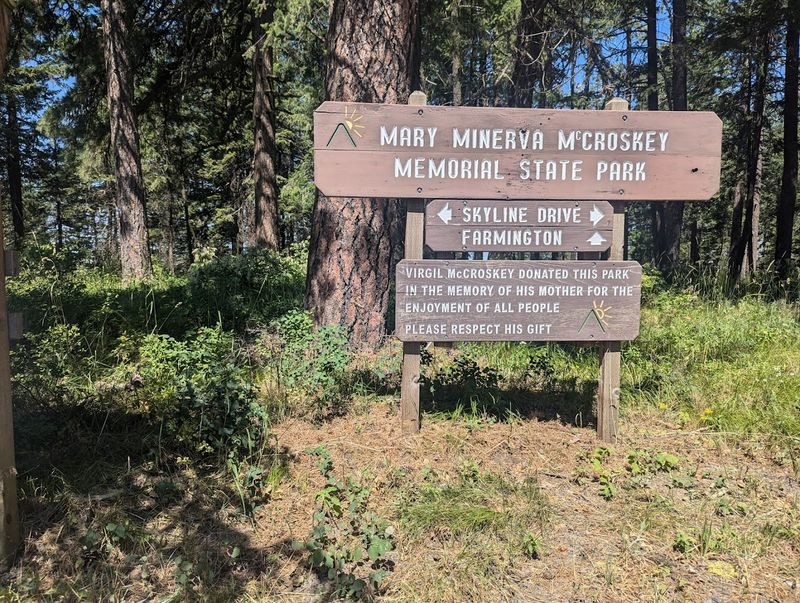
Knowing the story behind McCroskey changes the way its ridges feel.
In 1955, Virgil Talmage McCroskey acquired and donated 4,400 acres to the State of Idaho in honor of his mother, Mary Minerva McCroskey. She had traveled west from Tennessee to Washington with her ten children in the late 1800s, according to Idaho Parks and Recreation.
The state accepted the gift only after Virgil agreed to maintain the park at his own expense for 15 years, a commitment he fulfilled before his passing in 1970 at age 93. That history gives the overlooks a deeper emotional weight.
The park is not just land that happened to become public; it is the result of a long personal vision shaped by family memory, persistence, and admiration for pioneer women. Every picnic area and pullout feels a little different when that context is understood.
Beauty can be generous on its own, but here it also carries a dedication. McCroskey’s quiet personality fits the story behind it: determined, unshowy, and built around the belief that wide-open views should be shared.
Primitive Campsites Add To The Hidden-Park Feeling
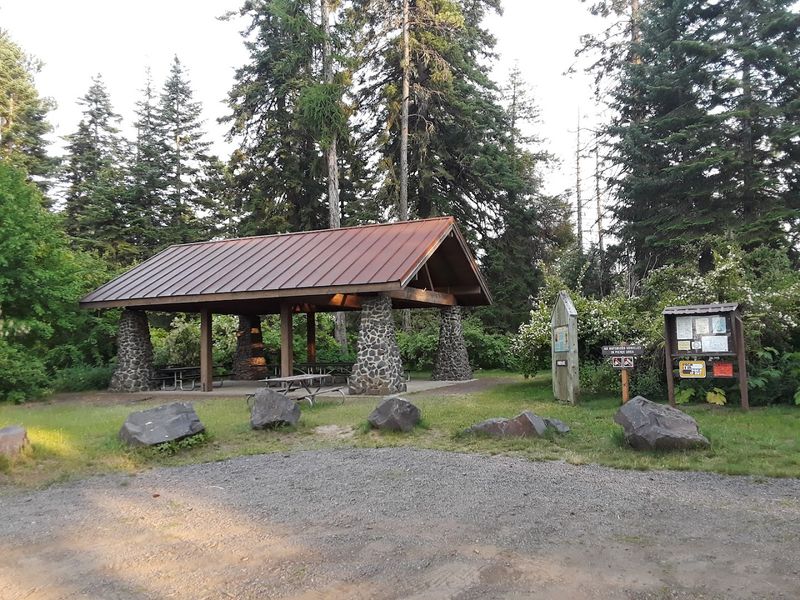
Camping at McCroskey keeps the park’s rugged personality intact. Idaho Parks and Recreation lists four established campgrounds: Fireplace, Mission Mountain, Redtail, and Iron Mountain, with vault toilets available at all four.
Potable water is seasonal, available from late spring through early fall at the base of Mission Mountain near mile nine on Skyline Drive and in Redtail Campground.
That setup gives campers enough support to stay comfortably prepared without turning the experience into a polished campground resort.
Fire rings, picnic areas, tent sites, RV campsites, and group options exist, but visitors should remember there is no garbage service, so everything packed in must be packed out. Nights here are the reward for people who like quieter public lands.
Forest sounds replace campground bustle, stars feel easier to notice, and morning arrives with the slow confidence of a place that never tried to entertain anyone too aggressively. Redtail may offer a bit more convenience when water is available, while the other campgrounds keep things simple.
Every option fits the park’s main promise: less flash, more ridge, more silence, more sky.
Thirty-Two Miles Of Trails Make It Worth Keeping Quiet
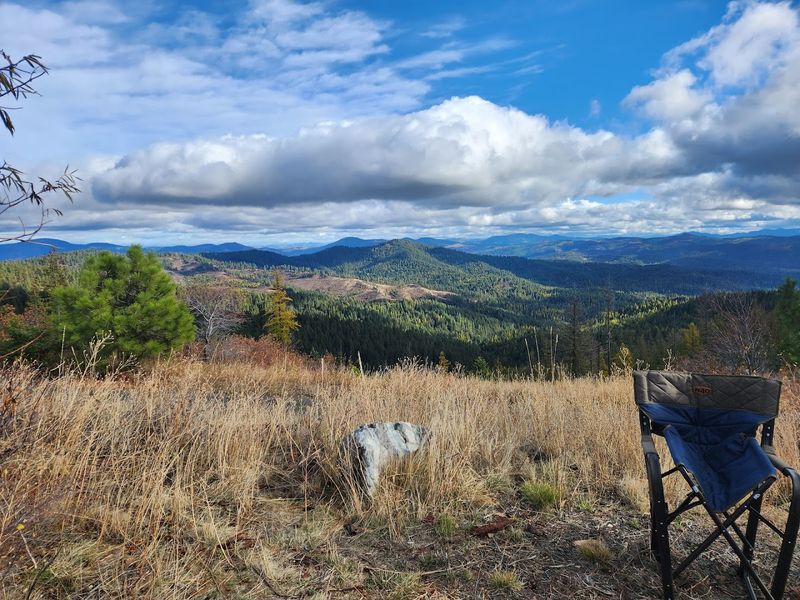
Trail mileage gives McCroskey real staying power beyond the scenic drive.
Official park information lists hiking, biking, horseback riding, motorcycle use, bird watching, camping, and history among its activities. Visit Idaho notes that Skyline Drive provides access to 32 miles of multi-purpose trails for hikers, horseback riders, mountain bikers, and all-terrain vehicles.
That shared-use identity means visitors should check trail designations, stay aware, and practice good etiquette before heading out. The reward is variety.
Some routes move through dense forest, others edge toward ridge views, and wider tracks can feel more exploratory than manicured.
Idaho Parks and Recreation also mentions old growth trees, accipiters, butterflies, elk, moose, and other wildlife as possible sights for attentive visitors, adding another reason to slow down.
This is not the kind of park where one paved loop tells the whole story. Cover a short stretch and the place feels peaceful.
Spend more time on the trail network and the park becomes larger, wilder, and more rewarding. Keeping it quiet may be impossible forever, but every mile still feels like a lucky find.