8 North Carolina Beaches Where Seashell Hunters Strike Gold
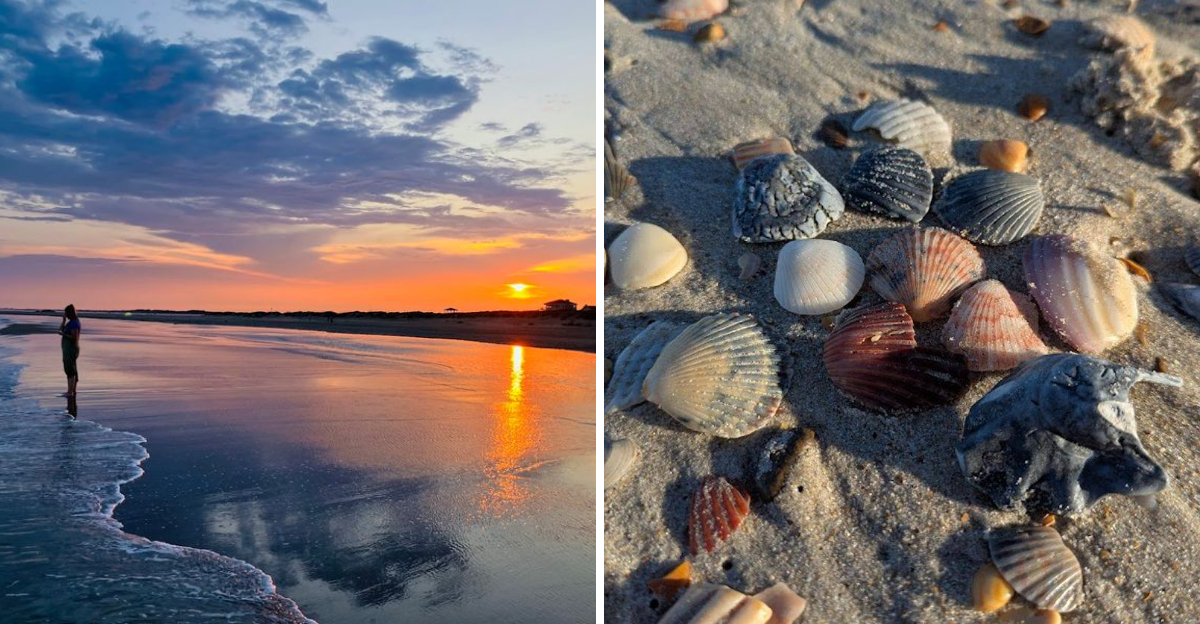
I went seashell hunting in North Carolina thinking it would be a calm beach walk, then immediately became a tide-chasing detective with wet shoes and delusional confidence.
Every time the water pulled back, I crouched like I had just uncovered pirate treasure, even when the big discovery was a tiny shell behaving like it had a publicist.
That is the ridiculous joy of shelling.
The beach looks empty for three seconds, then one perfect shape appears and suddenly the ocean seems to be flirting with your collection bag.
Remote stretches make the hunt feel even better, because fewer footprints give every wave a better chance to leave something behind.
I started out strolling like a normal person and ended up studying wet sand like it owed me answers.
By the end, my pockets had sand in places pockets should not have sand, and every retreating wave looked suspiciously full of secrets.
1. Shackleford Banks
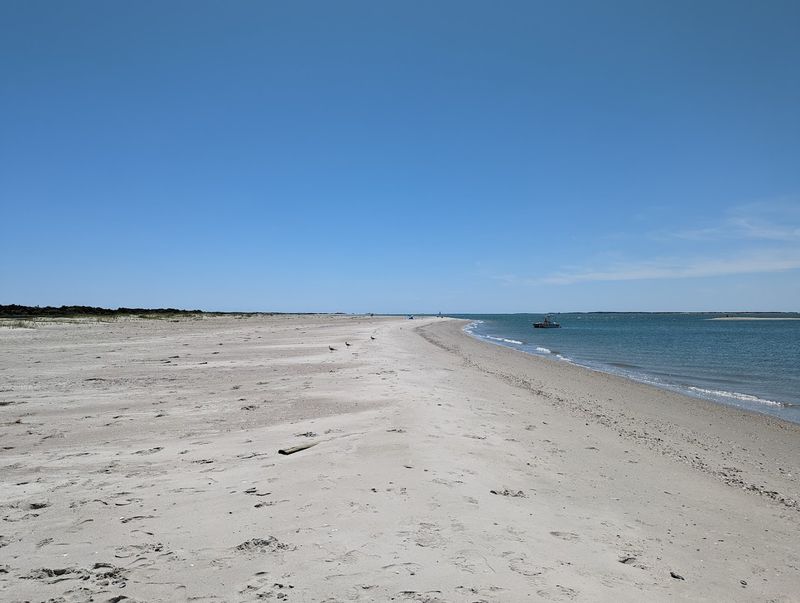
Reaching Shackleford Banks already feels like crossing into a shell hunter’s better mood.
Part of Cape Lookout National Seashore, this undeveloped barrier island is accessible by passenger ferry from Beaufort or Harkers Island. Island Express Ferry Service is the authorized concessioner serving Cape Lookout and Shackleford Banks.
No roads, hotels, shops, or boardwalk distractions wait once visitors step onto the sand. That limited access matters because fewer people comb the shoreline compared with easy drive-up beaches, leaving more chances for shells to remain where the tide placed them.
Knobbed whelks, Scotch bonnets, bay scallops, olive shells, moon snails, and other coastal finds may appear depending on water, wind, and luck.
National Park Service guidance for Cape Lookout recommends shelling early in the morning, at low tide, after storms, and during lower-visitation seasons such as winter.
Wild horses add another unforgettable part of the experience, but they should be admired from a respectful distance, not approached for photos. Shade is scarce, facilities are limited, and visitors need to bring water, sunscreen, snacks, and a bag for shells.
Shackleford Banks rewards preparation because the island feels genuinely wild. A single long walk along the ocean side can feel more productive than days spent on busier strands, especially when fresh shell beds appear beyond the ferry landing.
2. Ocracoke Island
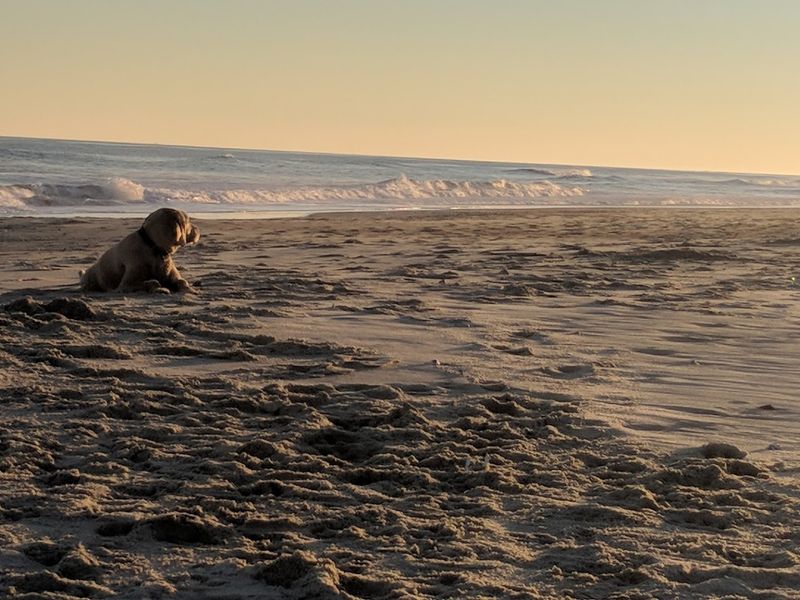
Getting to Ocracoke Island takes commitment, and that extra effort is exactly what keeps its beaches so appealing for shell hunters.
The island is reachable only by ferry, private boat, or small aircraft, with the free Hatteras ferry and longer Cedar Island and Swan Quarter routes giving visitors several ways to arrive.
Once there, the village provides charm and supplies. The broad Cape Hatteras National Seashore beaches offer long, open stretches where the tide can leave behind sand dollars, whelks, olives, scallops, and other finds.
Shelling success changes with storms, wind direction, tide stage, and the beach’s shifting shape, so staying overnight can make a major difference.
Multiple tide cycles give collectors better odds than a quick midday stop. South Point, near the island’s southern end, is often discussed by beachcombers because inlet currents can concentrate shells, though access conditions and regulations should always be checked before heading that way.
Ocracoke Island Lighthouse Road, Ocracoke, NC 27960, works as a useful village reference point before driving or biking toward beach access areas. Morning walks usually feel calmest, especially before the summer heat and day visitors build.
Ocracoke’s shelling appeal is not just about quantity. The whole setting adds to the hunt: quiet roads, ferry arrival, wide sand, sea oats, and enough isolation to make each good find feel personally earned.
North Carolina beach spots are made for seashell hunting.
3. Cape Lookout Lighthouse Area
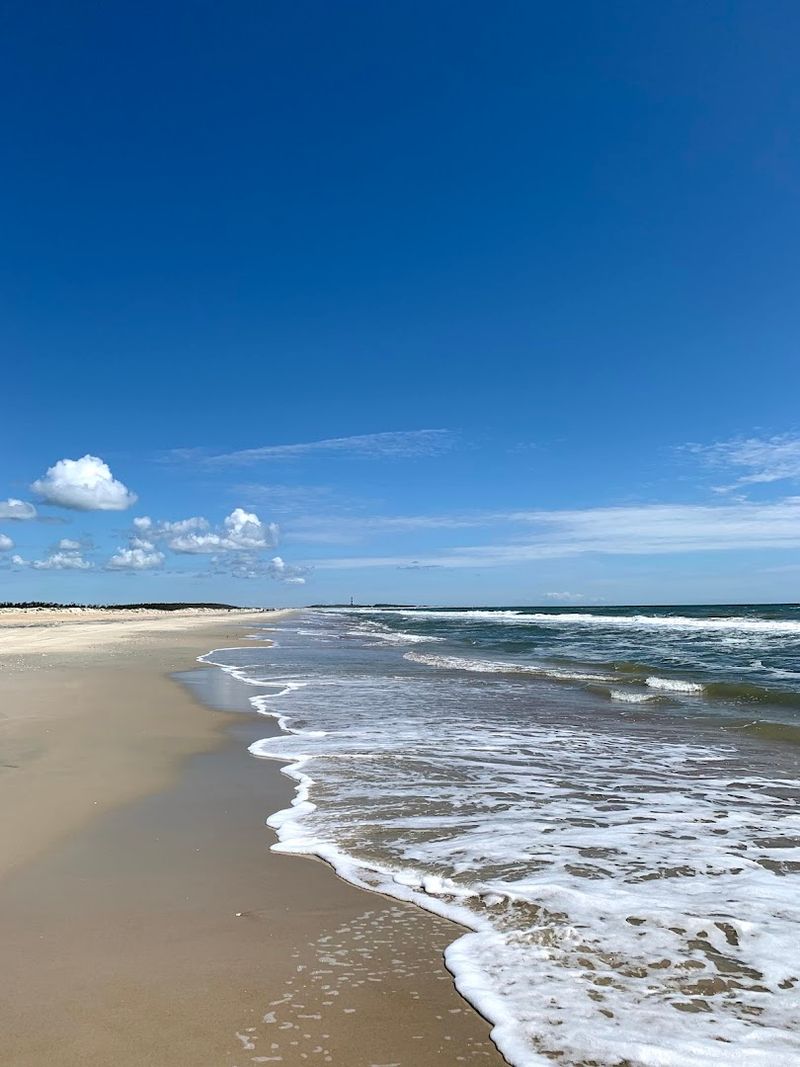
Remote beaches inside this national seashore make shelling feel more like an expedition than a casual stroll from a parking lot.
Cape Lookout National Seashore stretches across undeveloped barrier islands, with ferry access from Beaufort and Harkers Island to areas such as Cape Lookout Lighthouse and Shackleford Banks.
That boat-only access helps protect the beach from the constant foot traffic found at more developed strands. Once visitors arrive, wide beaches and strong coastal currents create excellent conditions for shell deposits, especially after storms or strong offshore winds.
Knobbed whelks, bay scallops, Scotch bonnets, olive shells, shark eyes, and cockles are among the finds collectors often hope to spot. The area around Cape Lookout Lighthouse can be especially appealing because current patterns near points and inlets may gather shells in concentrated lines.
Camping is available in designated ways, giving serious shell hunters access to sunrise and sunset searches when competition is much lower. Planning matters because facilities are limited and visitors need to bring supplies, water, sun protection, and a way to carry everything back.
Cape Lookout rewards people who treat shelling like a real coastal outing rather than a quick detour. The beaches feel wide, wild, and unscripted, and every good shell found there seems tied to the effort it took to reach the sand.
4. Holden Beach
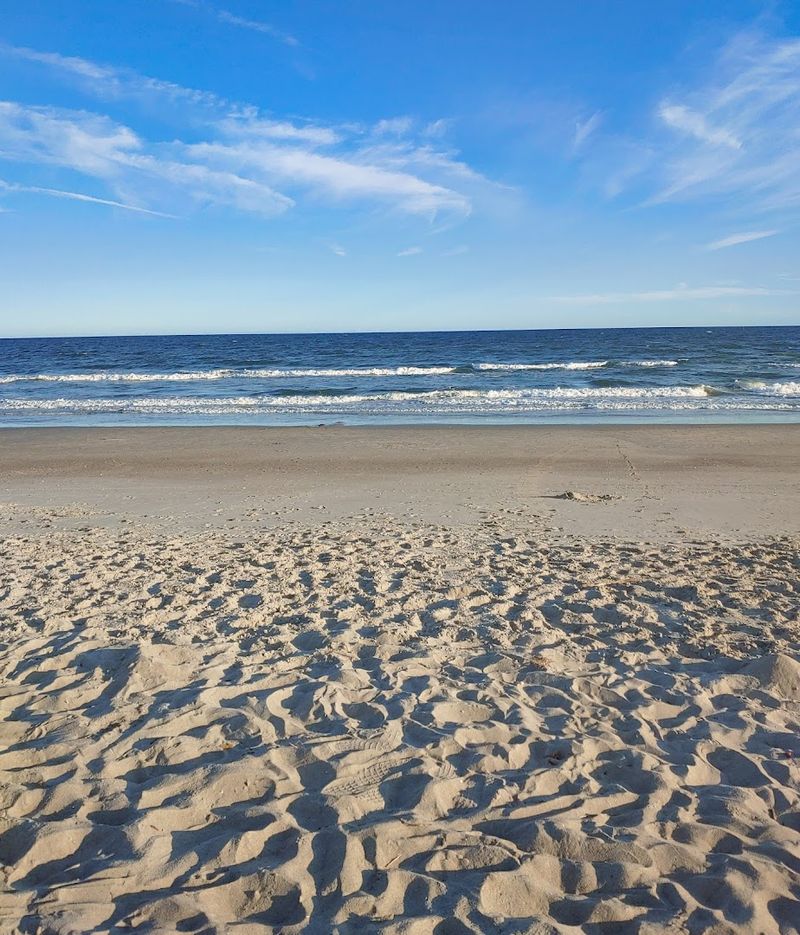
Holden Beach has a loyal following among shell collectors, and it earns that loyalty every single season. In Brunswick County, this barrier island beach is known for its long, relatively quiet shoreline that stretches far enough to give every hunter their own stretch of sand.
The east end near Lockwood Folly Inlet is especially prized for its shell deposits.
Holden Beach Causeway, Holden Beach, NC 28462 is the main route onto the island, putting you close to both the inlet end and the central beach access points.
The inlet area is where currents from the Intracoastal Waterway and the Atlantic Ocean meet, creating conditions that push shells onto the beach in concentrated clusters.
Fossil shells occasionally turn up here too, adding a prehistoric thrill to the hunt.
Knobbed whelks, scotch bonnets, moon snails, and sand dollars are regular finds. After a northeast wind event, the beach can look completely different from the day before, with fresh layers of shells covering the sand.
Early risers consistently report the best hauls before other beachgoers arrive.
Holden Beach is a family-friendly destination with a relaxed pace that makes it easy to spend hours walking the shoreline without feeling rushed. Rentals, restaurants, and beach supply shops are all within easy reach, so logistics are simple.
For collectors who want a mix of reliable shelling and comfortable amenities, this Brunswick County gem hits a sweet spot that few other beaches can match.
5. Ocean Isle Beach
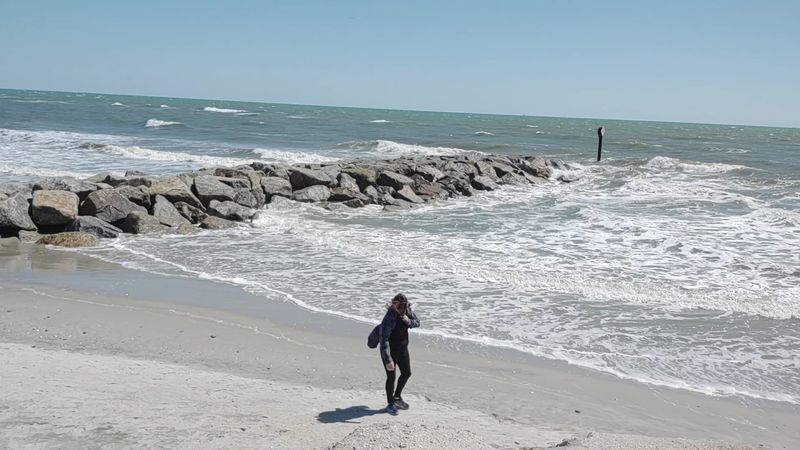
Colorful coquinas give this Brunswick County beach a cheerful advantage for shell hunters who enjoy small, vivid finds. Ocean Isle Beach is easy to reach by road, and Ocean Isle Beach Boulevard, Ocean Isle Beach, NC 28469, runs through the island community with multiple access points nearby.
The east end, where the island approaches the inlet, is especially favored by shell collectors because shifting water can gather fresh deposits after tide changes and storms.
Coquinas are the signature find here, and their purple, orange, yellow, cream, brown, pink, and striped shells can make the sand look scattered with tiny painted pieces.
Moon snails, slipper shells, scallops, whelks, and other common Brunswick Islands finds may also show up when conditions cooperate. Families often enjoy this beach because children can spot coquinas easily without needing to walk miles or study complicated shell guides.
Low tide and early morning give the best odds, especially before crowds disturb the shell line. Nearby shops, restaurants, rentals, and the Museum of Coastal Carolina make it simple to turn a shell hunt into a longer beach day.
Ocean Isle feels friendly and approachable, but it still has enough shelling potential to satisfy more serious collectors. A slow walk here can produce a bag full of color, especially after the ocean has recently rearranged the shoreline.
6. Bald Head Island
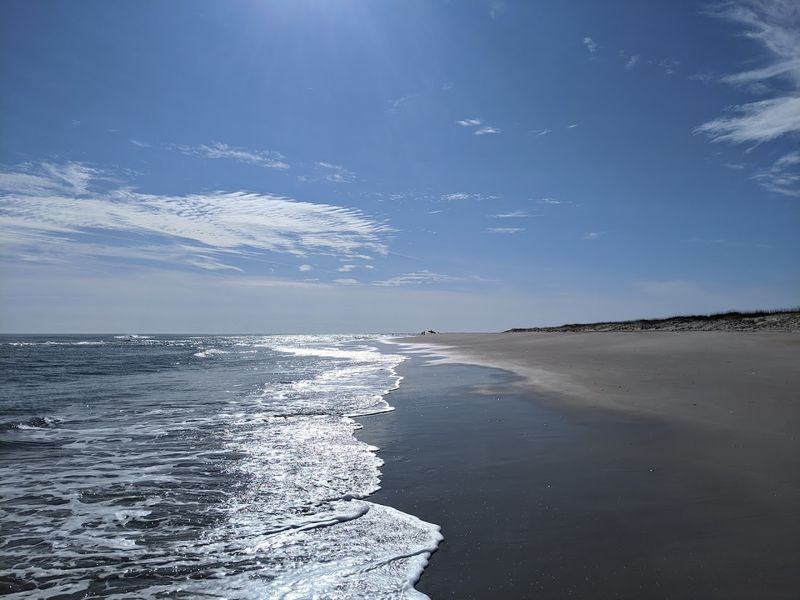
Arriving on Bald Head Island by ferry sets the right pace before the shelling even begins. There is no bridge to the island, and passenger vehicles are not permitted, so visitors leave cars behind in Southport and continue by ferry, golf cart, bicycle, tram, or on foot.
That slower rhythm fits shell hunting beautifully because the island naturally discourages rushing. Bald Head sits where the Cape Fear River meets the Atlantic, giving its beaches varied conditions across east-facing and south-facing shorelines.
Depending on tide, season, and recent weather, collectors may find coquinas, olive shells, whelks, sand dollars, scallops, and other coastal treasures.
Off-season visits can feel especially rewarding because fewer people are walking the same beach, and cooler weather makes long shoreline searches more pleasant.
The island’s marina and ferry landing provide the main arrival point, while beach access depends on where visitors are staying or traveling by golf cart. Old Baldy, maritime forest, marshes, turtle habitat, and quiet lanes add atmosphere around the hunt, but conservation rules matter.
Live shells, sea turtle nests, dunes, and posted protected areas should remain undisturbed. Bald Head Island works best for collectors who care as much about the mood as the haul.
Even a small shell bag can feel special when the day includes a ferry ride, car-free roads, broad beaches, and a pace that makes every discovery feel unhurried.
7. Coquina Beach
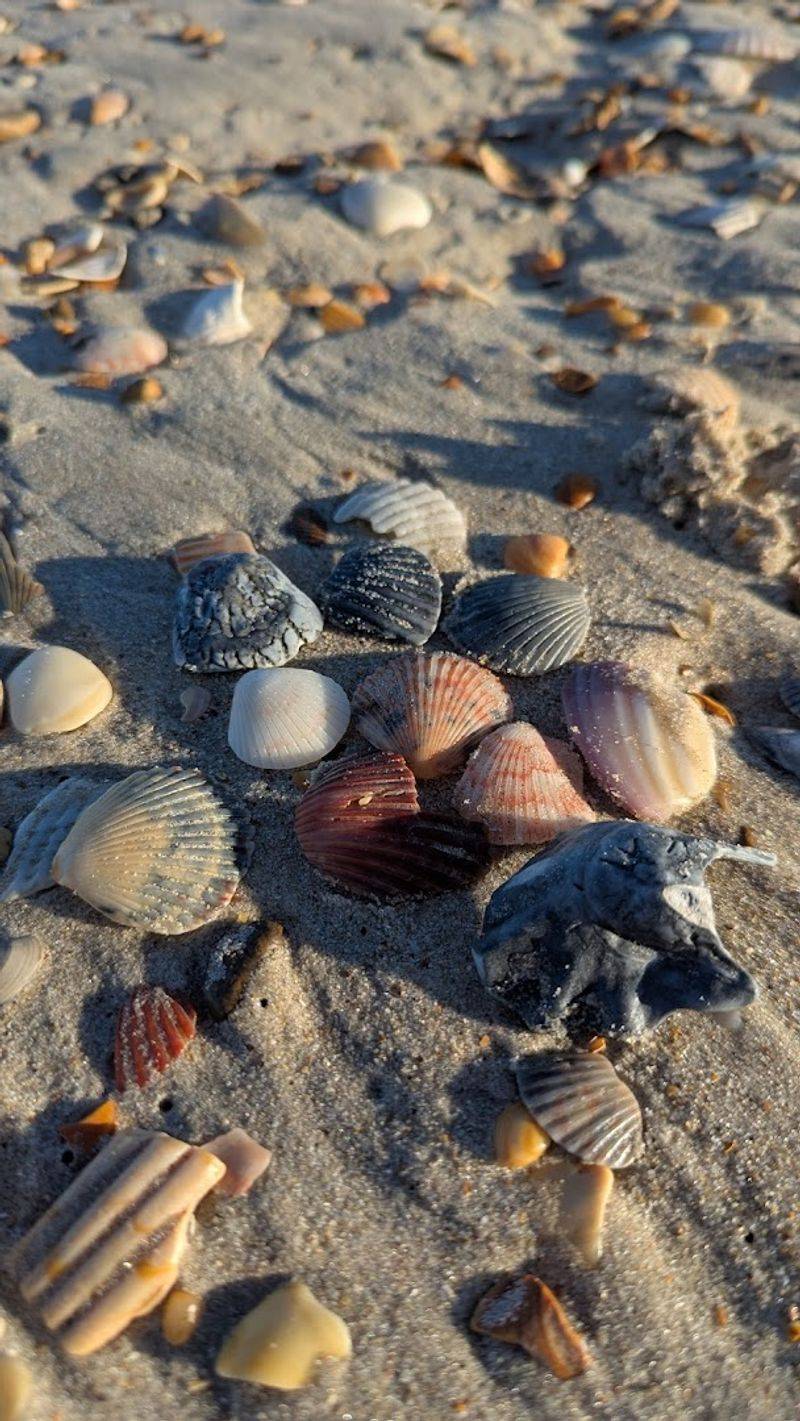
Easy access makes this Outer Banks beach a smart choice for families and first-time shell hunters. Coquina Beach sits inside Cape Hatteras National Seashore, off NC Highway 12 across from the road to Bodie Island Lighthouse, between Nags Head and Oregon Inlet.
That location gives visitors a natural beach setting without requiring a ferry, long hike, or complicated plan. Coquinas are the namesake prize, and their small, colorful shells often gather in the swash zone where waves wash up and pull back.
Depending on tide, wind, season, and recent storms, collectors may also find lettered olives, whelks, surf clams, scallops, and other common Outer Banks shells. Low tide gives the best search window because more beach is exposed and shell lines become easier to read.
Families with younger children tend to appreciate Coquina Beach because the shells are easy to spot, parking is straightforward, and the shoreline feels open without being intimidating. A mesh bag, sun protection, water, and a patient eye are usually enough for a satisfying outing.
The surrounding national seashore setting helps keep the beach from feeling overly commercial, which adds to the pleasure of searching. Coquina Beach proves a shelling trip does not need to be remote to feel rewarding, colorful, and worth repeating during an Outer Banks visit.
8. Emerald Isle
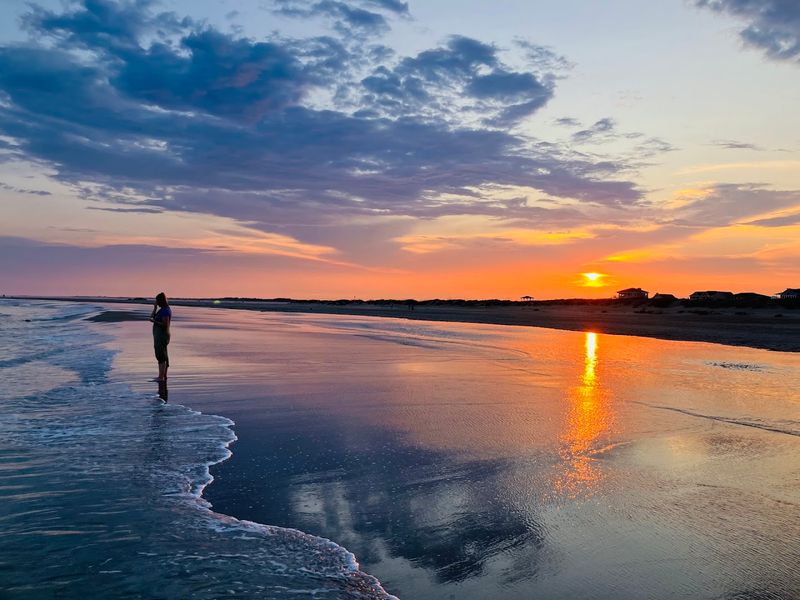
Not every great shelling spot requires a ferry, a long hike, or a complicated logistics plan. The Point at Emerald Isle proves that accessible beaches can still deliver impressive finds, making it a favorite for collectors who want solid results without the extra effort.
At the western tip of Emerald Isle where Bogue Inlet meets the Atlantic, this spot benefits from the same current dynamics that make inlet areas so productive.
Use the western end of Emerald Isle near Bogue Inlet/The Point as the general destination, and follow current public-access and parking guidance. From there, a walk along the beach toward the inlet brings you to where shells tend to pile up most consistently.
Knobbed whelks, scotch bonnets, moon snails, and sand dollars are all regular finds, and the variety tends to improve after a storm or a strong northeast wind.
The Crystal Coast setting adds to the appeal, with calm, clear water and a laid-back beach town atmosphere that makes spending a full day here feel effortless. Emerald Isle has restaurants, shops, and vacation rentals nearby, so the stay-and-shell approach is very easy to execute.
Unlike some of the more remote destinations on this list, no special transportation is required beyond a car.
Collectors who are newer to the hobby often find the Point at Emerald Isle to be a confidence-building spot. The shells come in regularly, the beach is easy to navigate, and the overall experience feels welcoming rather than challenging.
It is a genuinely great starting point for anyone wanting to explore the shelling riches that this state has to offer.