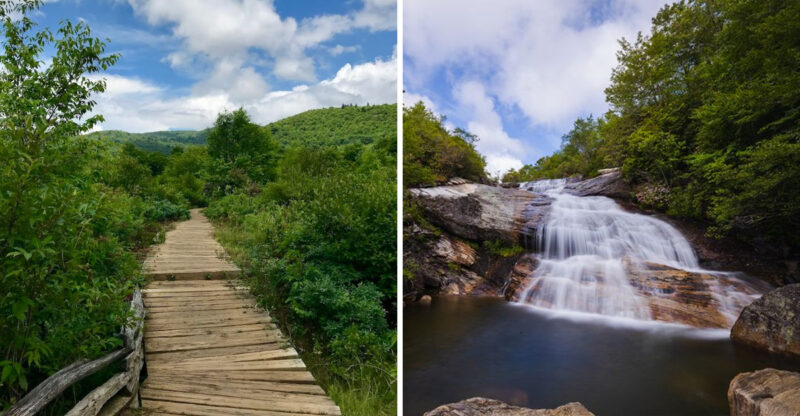
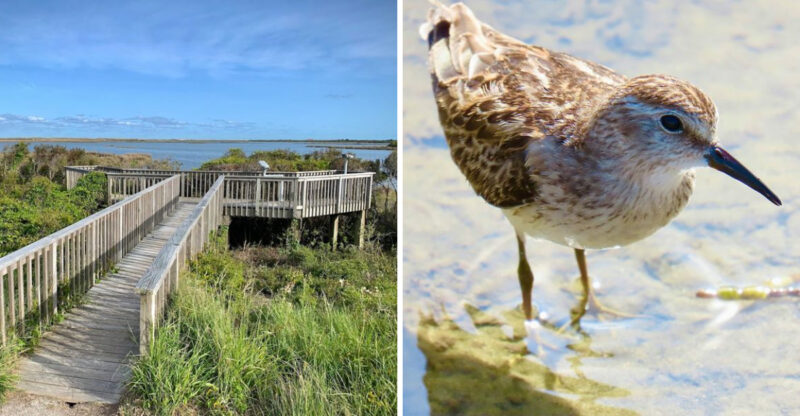
11 North Carolina Rockhounding Spots Where Crystals And Hidden Gems Wait
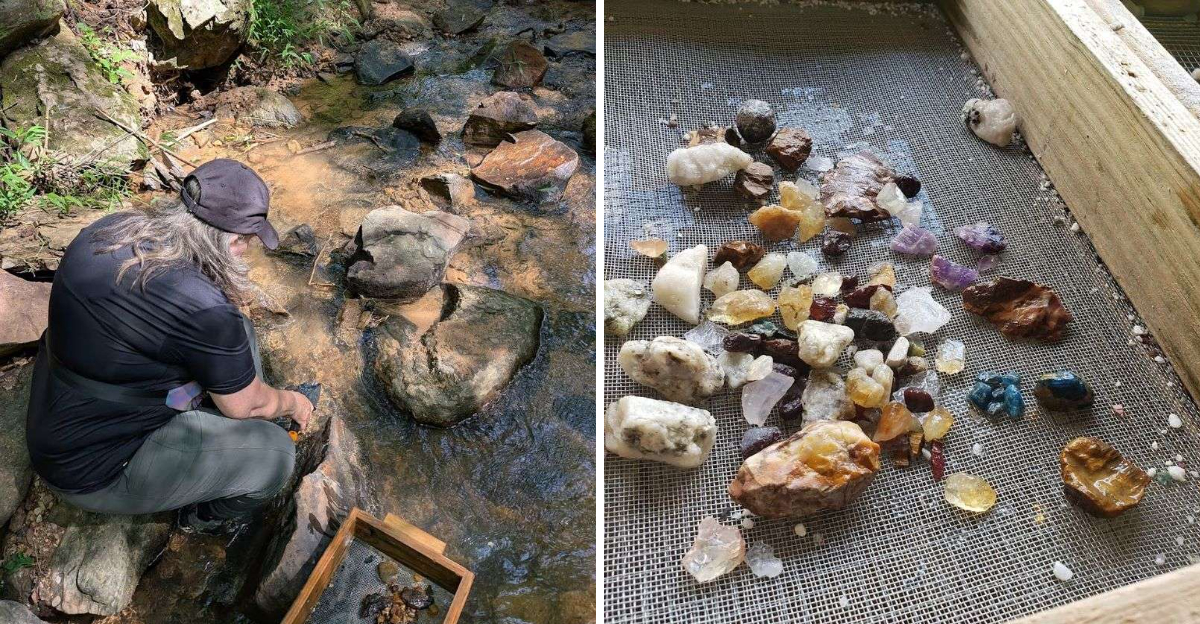
Rockhounding sounds calm until somebody finds one shiny rock and immediately starts acting like the mountain personally chose them.
North Carolina is basically a treasure hunt with better hiking shoes, where dirt suddenly becomes suspicious and every pebble deserves a dramatic second look.
First-time gem hunters show up curious, then five minutes later they are squinting at gravel like certified mineral detectives.
A tiny sparkle can turn a normal adult into someone whispering, “Wait, is this something?” with the intensity of a courtroom reveal.
Public mines make the hunt feel easy to start, while mountain trails add just enough adventure to make every find feel earned.
These eleven spots prove that digging in the dirt can absolutely count as a personality upgrade.
1. Emerald Village Turns Old Mines Into A Gem Hunt
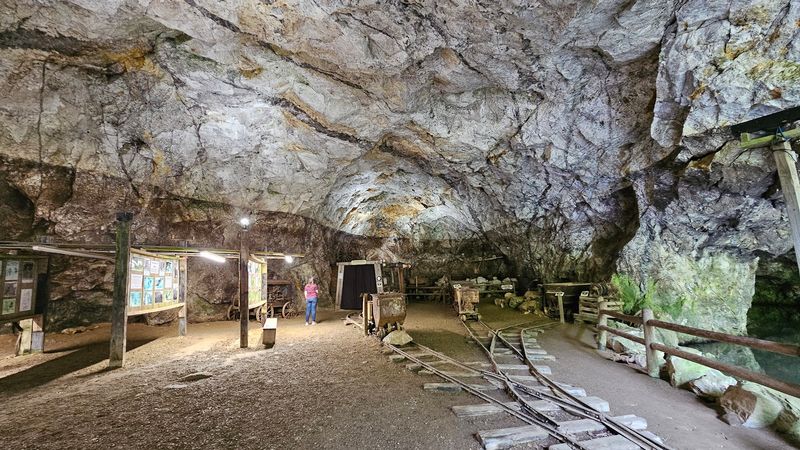
Old mine tunnels make Emerald Village feel like a rockhounding stop with a backstory, not just a row of flumes and buckets.
Set in Little Switzerland, this Blue Ridge Mountain attraction features historic mines, a mining museum, gem mining, and gold panning. It all highlights the area’s mining history in one spot.
Emerald Village says the property includes 12 historic mines, and its activities include gem mining, gold panning, the Bon Ami Mine tour, and collecting on the McKinney Mine dumps.
Families get the easiest version of the experience at the flumes, where gem buckets make the hunt approachable for kids and first-timers.
More serious collectors can look into the dump-collecting options, where finds may include quartz, feldspar, mica, and other minerals tied to the area’s old mining history.
The setting adds to the fun because the property feels placed into real mountain terrain, with uneven ground, mine structures, old equipment, and enough visual detail to keep even non-collectors interested.
Comfortable shoes matter here, especially for visitors planning to explore beyond the basic sluice setup. A weekday visit can feel calmer, while weekends bring more family energy around the flumes and museum areas.
Emerald Village works because it combines hands-on discovery with a genuine mining-history atmosphere instead of treating gem hunting like a quick souvenir stop. Visit Emerald Village at 331 McKinney Mine Road, Spruce Pine, NC 28777.
2. Gem Mountain Keeps Spruce Pine Sparkling
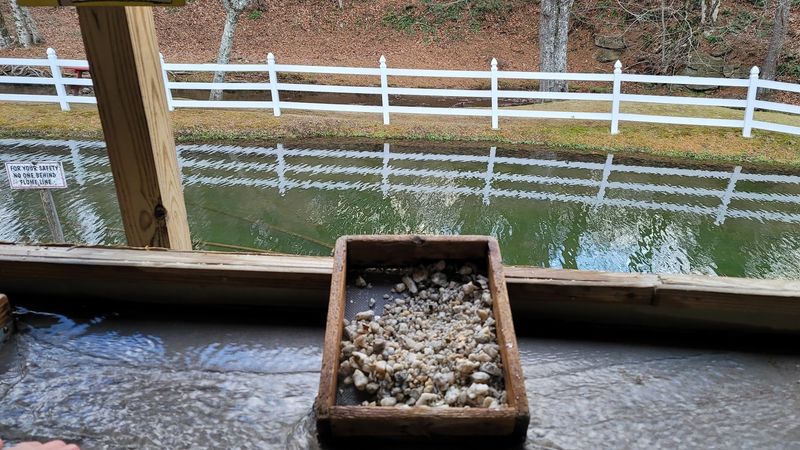
Spruce Pine has a serious mineral reputation, and Gem Mountain gives visitors an easy way to step into that story without needing expert tools or advanced geology knowledge.
The area is known for minerals such as emeralds, aquamarines, quartz, and other pegmatite-related finds. Gem Mountain turns that regional richness into a family-friendly mining experience with flumes, buckets, a rock shop, and jewelry services.
The mine promotes authentic gem mining, guided mine trips, custom jewelry services, and the chance for visitors to keep what they find.
That combination makes the visit especially appealing for people who want the thrill of discovery and the option of turning a favorite stone into something wearable.
Kids can focus on color and sparkle, while adults can enjoy the mineral variety and the broader Spruce Pine setting. The experience feels organized enough for beginners but still connected to one of North Carolina’s most famous mineral regions.
Buckets may include colorful stones that are easier for children to recognize, while guided options can appeal to visitors who want something closer to a true collecting outing. Staff help also matters because a muddy rock does not always announce itself as something worth keeping.
Gem Mountain is a strong stop for families, couples, and collectors who want a polished mountain gem-mining day with enough depth to feel worthwhile. Find Gem Mountain Gemstone Mine at 13780 NC-226, Spruce Pine, NC 28777.
3. Cherokee Ruby Mine Brings Native Stones To The Sluice
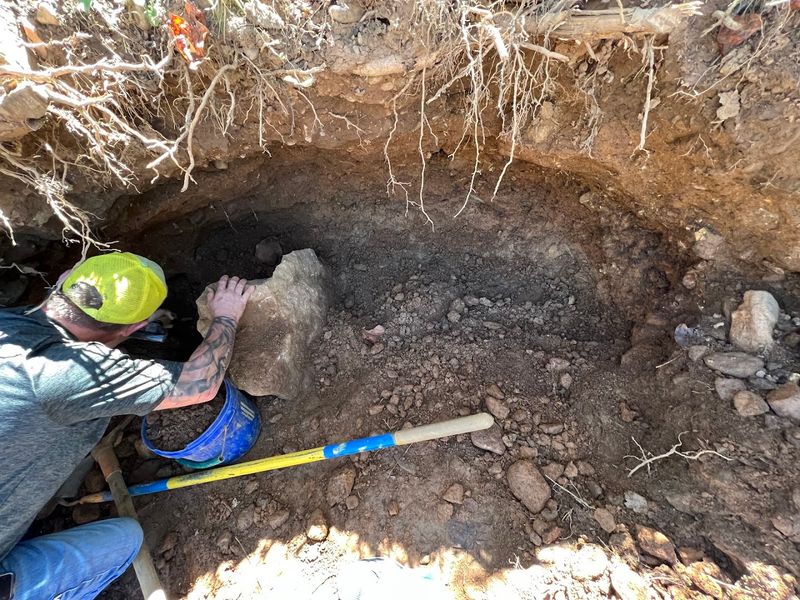
Native dirt changes the whole mood of a gem hunt, and Cherokee Ruby and Sapphire Mine leans hard into that appeal. Set in Franklin’s Cowee Valley, this mine emphasizes unsalted, naturally occurring local material rather than pre-loaded buckets from somewhere else.
Cherokee Ruby Mine describes itself as the only 100-percent unsalted mine in Macon County. It lists Cowee Valley gemstones such as rubies, sapphires, star rubies, star sapphires, garnets, moonstone, kyanite, quartz crystals, and smoky quartz crystals.
That makes the experience especially exciting for visitors who care about where their finds actually came from.
Beginners may need patience because native material does not guarantee instant sparkle with every screen, but that uncertainty is exactly what makes a real find feel more satisfying.
Cowee Valley has long been associated with ruby and sapphire hunting, and the landscape still carries that old mountain-mining personality.
Staff guidance can help visitors understand what to look for, since rough corundum may not always resemble the polished gems people imagine. Warm-weather visits call for sunscreen, water, and clothes that can handle splashes and dirt.
The reward is a rockhounding outing that feels more rooted in local geology than a simple tourist bucket. For collectors who want a true Franklin-area ruby and sapphire experience, Cherokee Ruby and Sapphire Mine belongs near the top of the list.
Go to 41 Cherokee Mine Road, Franklin, NC 28734.
4. Emerald Hollow Lets Visitors Hunt For Real Gems
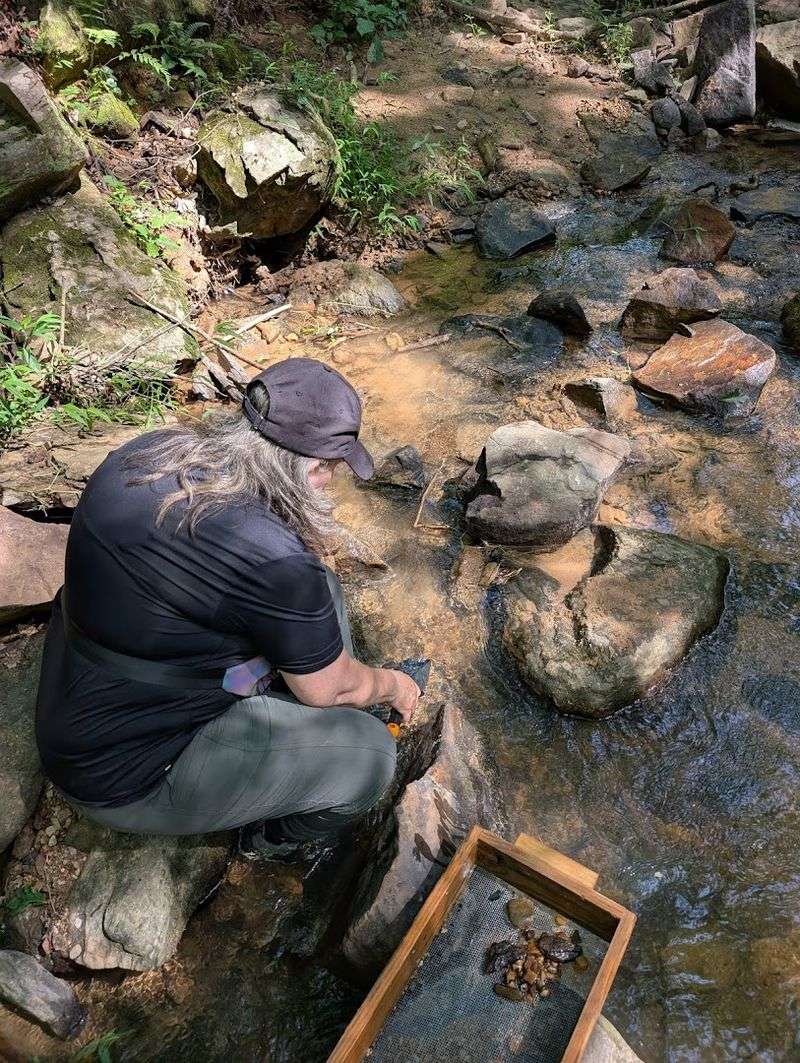
Hiddenite makes emerald hunting feel possible in a way few places can, and Emerald Hollow Mine is the reason many rockhounds know this small North Carolina community by name. Visitors can sluice, creek, or dig, which gives the experience more range than a basic flume-only attraction.
Beginners can start with sluicing because it is cleaner, easier, and less intimidating for families with young kids. More adventurous visitors can move toward creeking or digging, where mud, water, and patience become part of the story.
Possible finds may include emerald, hiddenite, quartz, garnet, amethyst, aquamarine, and other minerals associated with the area. That variety keeps the hunt interesting because every method feels slightly different.
Digging requires clothes that can get dirty, while creeking calls for shoes that can handle water and slick surfaces. Staff identification is especially useful here because green minerals can be exciting, confusing, and easy to misread when they first come out of the ground.
The mine works for a wide range of visitors, from families wanting a fun hands-on activity to collectors hoping for a more involved search. Its biggest strength is flexibility.
One person can keep the experience tidy at the sluice while another decides that mud is clearly part of destiny. Emerald Hollow Mine is at 484 Emerald Hollow Mine Drive, Hiddenite, NC 28636.
5. Sheffield Gem Mine Adds A Classic Ruby Hunt
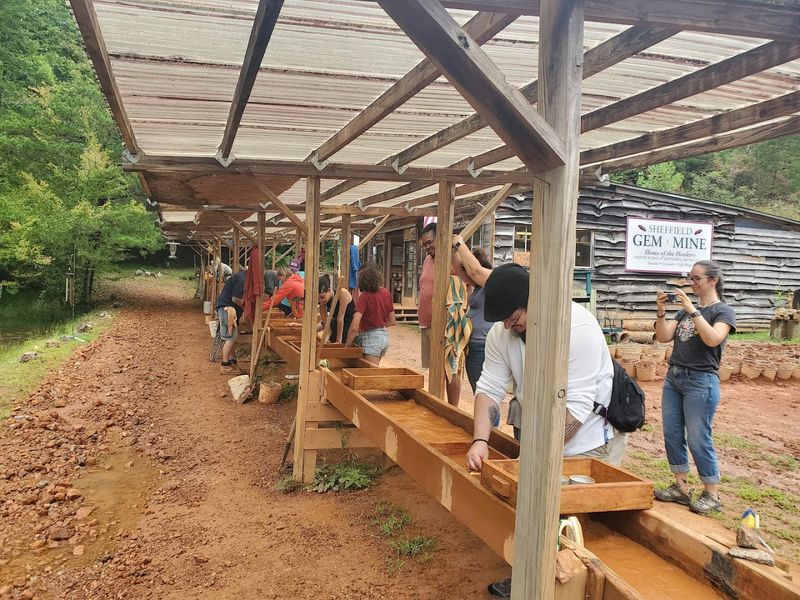
Franklin’s gem-hunting tradition feels especially direct at Sheffield Gem Mine, where visitors can chase native ruby and sapphire history without needing a complicated setup.
This long-running mountain stop has the kind of simple, old-school appeal that works well for people who want the hunt to be the main event.
Covered flumes make the process accessible even when the weather gets moody, and buckets of material give families a straightforward way to search for stones together.
Rubies and sapphires are the headline draw, while garnets, moonstone, and other minerals may also appear depending on the material.
The slower pace is part of the charm. Instead of rushing through a glossy attraction, visitors can sit at the sluice, wash gravel, sort carefully, and learn what rough gems look like before cutting and polishing change them completely.
A small magnifier can help with tiny finds, especially for anyone who wants to inspect color and structure more closely. Younger visitors often enjoy the suspense of each scoop, while adults may appreciate how the experience connects to Macon County’s long mineral story.
Sheffield is a good pick for people who prefer a classic gem mine over a highly produced attraction. Bring patience, water, and clothes that can handle splashes.
Sheffield Gem Mine is at 385 Sheffield Farms Road, Franklin, NC 28734.
6. Mason Mountain Makes Franklin Feel Like Gem Country
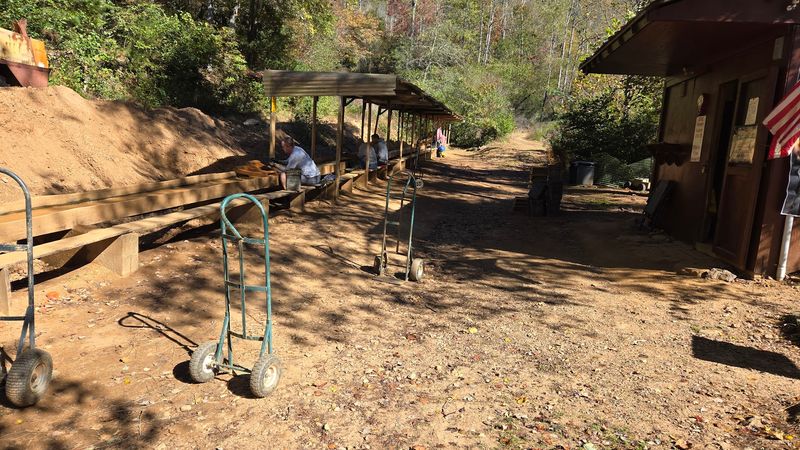
Old-fashioned digging energy gives Mason Mountain a stronger sense of adventure than some cleaner, more controlled gem stops. Franklin has plenty of polished mining experiences, but this one appeals to visitors who like the idea of putting in real effort and getting a little messy.
Native material and enriched bucket options give families and collectors different ways to approach the visit. Patient rockhounds can focus on local dirt, where ruby, sapphire, moonstone, garnet, quartz, and other finds may reward careful searching.
Visitors who want brighter, faster results can choose enriched material and still enjoy the hands-on process. That flexibility matters when a group includes both serious collectors and kids who want something colorful before patience leaves the building.
The setting feels casual and rooted in Franklin’s larger gem-mining culture, which is part of why people return. Staff can help explain what visitors are seeing, because rough stones rarely look as dramatic as finished gems in jewelry cases.
Older clothes, gloves, snacks, and water make the outing more comfortable, especially for anyone planning to spend more than an hour working through material.
Mason Mountain is best for people who want a gem mine that still feels connected to digging rather than only display cases and souvenirs.
Make the drive to Mason’s Ruby and Sapphire Mine at 5315 Bryson City Road, Franklin, NC 28734.
7. Rockhound Ridge Gives Sylva A Crystal Stop
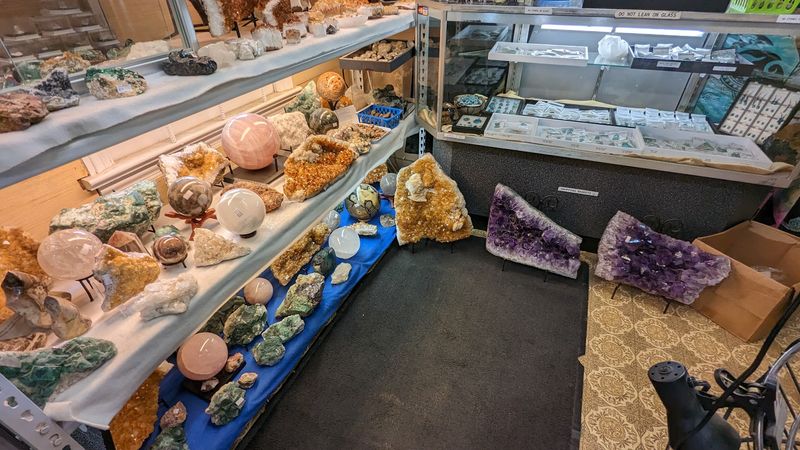
Sylva brings a quieter mountain option into the rockhounding conversation with Rockhound Ridge Gem Mine and Rock Shop.
Instead of sitting directly on Franklin’s busy gem trail, this stop gives visitors a chance to enjoy sluicing, browsing, and learning in a setting that can feel more personal and less rushed.
The mine-and-shop combination is the real advantage. Families can work through buckets at the sluice, then step inside to look at crystals, fossils, jewelry, and mineral specimens that show how rough finds can become display pieces or keepsakes.
Crystal lovers may enjoy the shop as much as the mining because it gives them time to compare colors, shapes, textures, and finished pieces. Kids get the satisfaction of washing gravel and spotting bright stones, while adults can ask questions and take the outing at a slower pace.
Sylva’s location also pairs well with a mountain day trip, especially for visitors already exploring Jackson County, nearby Whittier, or the scenic drive toward Cherokee. Water-resistant shoes are useful because sluicing always finds a way to splash someone who thought they were safe.
Calling ahead is smart for groups or visitors working around a tight schedule. Rockhound Ridge works best for people who want a relaxed gem stop with both hands-on mining and a strong rock-shop payoff.
Find Rockhound Ridge Gem Mine and Rock Shop at 8430 US Highway 441 S, Sylva, NC 28779.
8. Sugar Creek Pairs Gem Buckets With Mountain Views
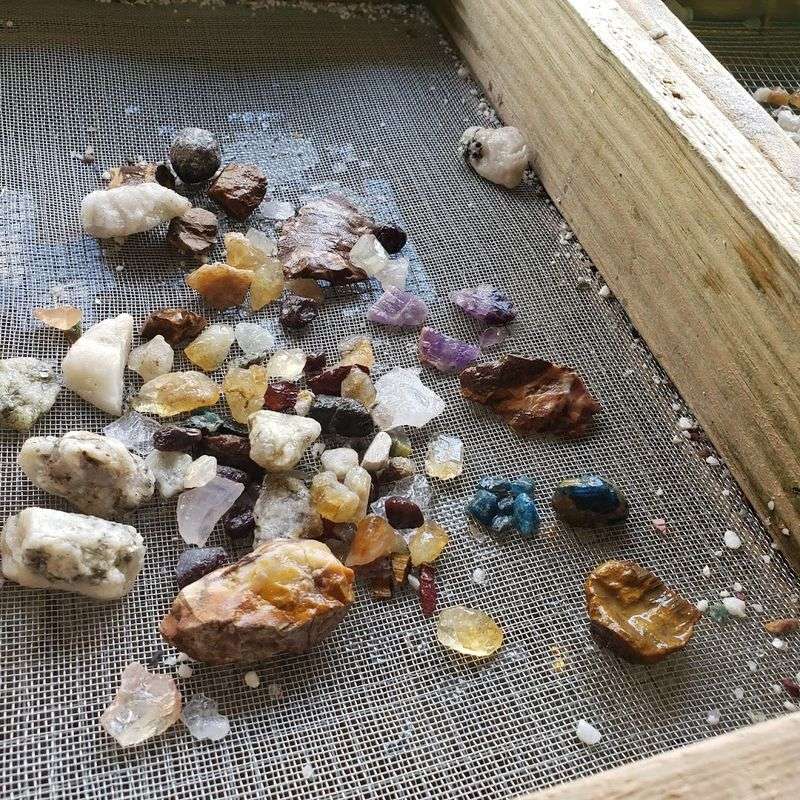
High-country scenery gives Sugar Creek Gem Mine a beautiful head start before anyone even finds a stone. Near Banner Elk and Sugar Mountain, this family-friendly stop offers gem buckets, flumes, staff help, and on-site services that can turn certain finds into jewelry.
That full-circle experience is part of what makes the mine appealing. Visitors do not just wash gravel, admire a colorful stone for a few minutes, and forget about it.
A favorite find may become a pendant, ring, or keepsake that carries the memory of the trip beyond the day itself. The mining setup is beginner-friendly, making it easy for kids, couples, and first-time rockhounds to understand what to do without feeling overwhelmed.
Possible finds depend on the bucket selected, but the excitement remains the same: rinse, shake, sort, and suddenly take one small rock very seriously. Mountain weather can shift quickly, so layers are useful even when lower elevations feel warm.
Sugar Creek also fits easily into a larger High Country trip with scenic drives, restaurants, hiking, and seasonal attractions nearby. Families appreciate the convenience, while adults may enjoy the jewelry side of the experience just as much as the hunt.
The setting helps the whole outing feel less like a roadside stop and more like part of a mountain getaway. Sugar Creek Gem Mine is at 3045 Tynecastle Highway, Banner Elk, NC 28604.
9. Crabtree Emerald Mine Adds A Legendary Green Find
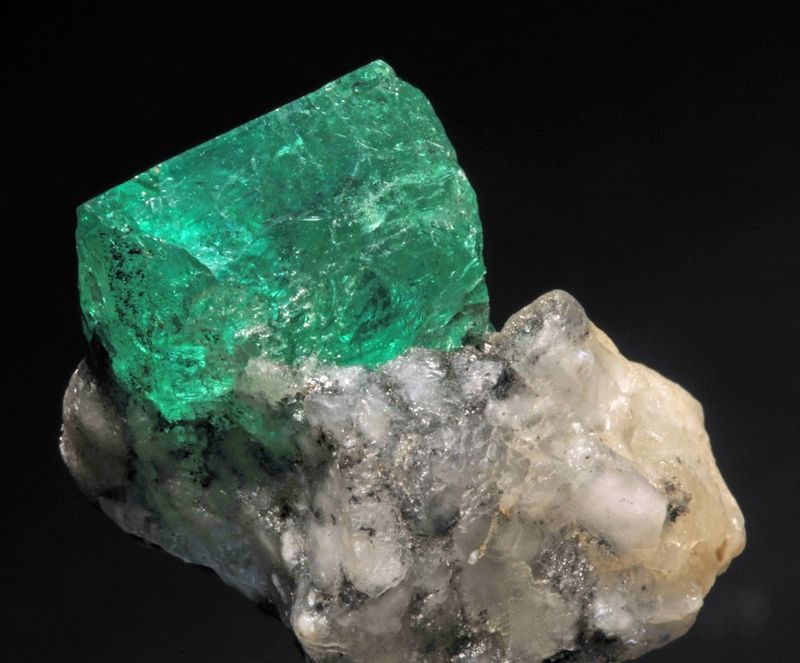
Emerald history gives the Crabtree Mine name a special charge among North Carolina mineral collectors. Near Little Switzerland, the Crabtree area is tied to some of the state’s best-known emerald stories and remains part of the broader Emerald Village experience.
Visitors should understand this stop as a historic and mineral-collecting highlight rather than a separate casual roadside mine where anyone can wander freely.
Emerald Village offers the most practical public access point for learning about the area, exploring mining history, and checking available collecting opportunities tied to its mine dumps and property rules.
That distinction matters because serious mineral locations often involve private property, safety restrictions, and changing access policies. When experienced through Emerald Village, the Crabtree story becomes much easier to appreciate.
Visitors can connect the region’s emerald fame with the surrounding mines, museum displays, mineral examples, and hands-on activities.
The green color of emerald naturally steals attention, but the geology behind it is just as interesting, involving pegmatite formations and mineral conditions that made this part of the Blue Ridge so notable.
Rockhounds who love history may find this stop especially rewarding because it links a specific mineral to a specific mountain landscape. Comfortable shoes and a willingness to read the interpretive material help the visit feel richer.
To explore the Crabtree Emerald Mine story through public-facing access, use Emerald Village at 331 McKinney Mine Road, Little Switzerland, NC 28749.
10. Nantahala Forest Keeps Rockhounding Wild
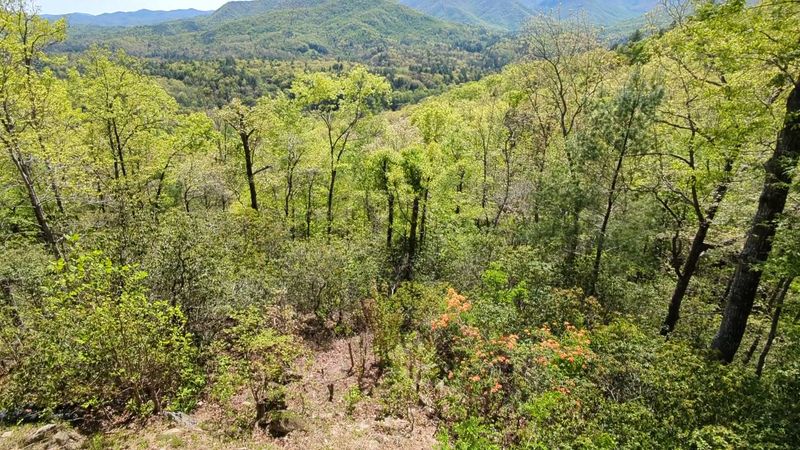
Forest rockhounding feels very different from sitting at a flume, and Nantahala National Forest requires a more careful, rule-aware approach.
Western North Carolina’s largest national forest contains dramatic mountain landscapes, creeks, old geological formations, and mineral-rich terrain.
However, visitors cannot dig just anywhere they please.
Public lands have collecting rules, private inholdings, protected areas, wilderness restrictions, and site-specific limits that must be checked before anyone removes rocks or minerals. That caution is not meant to ruin the fun.
It keeps the landscape protected and keeps visitors from accidentally trespassing or damaging sensitive places.
For rockhounds who do their homework, the Nantahala region offers a more adventurous way to appreciate quartz, garnet, mica, feldspar, and the metamorphic geology of the southern Appalachians. Careful preparation is key for a safe and rewarding experience.
The best plan is to contact the appropriate ranger district, ask about current recreational collecting rules, and stick only to areas where casual collecting is clearly allowed.
Hiking boots, maps, water, weather awareness, and a real sense of direction matter here much more than they do at a family gem mine.
The reward may be modest in terms of finds, but the setting can be spectacular. Nantahala suits responsible collectors who want wild scenery as much as specimens.
Begin planning with the Nantahala Ranger District around 90 Sloan Road, Franklin, NC 28734, before choosing any collecting area.
11. Pisgah Forest Hides Minerals Beyond The Trails
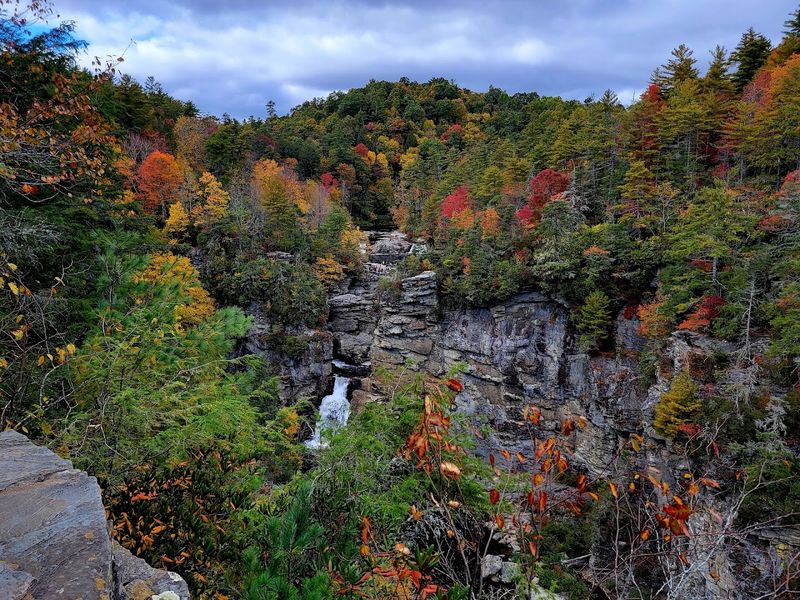
Pisgah National Forest is famous for waterfalls, trails, and Blue Ridge scenery, but its geology also gives careful rockhounds a reason to look more closely at the ground beneath all that beauty.
Like Nantahala, this is not a casual free-for-all where visitors should start digging beside any trail or creek that looks promising.
National forest land comes with rules, and some areas may restrict collecting because of conservation, safety, wilderness status, archaeological concerns, or land-management decisions.
Responsible visitors should contact the relevant ranger district before collecting, confirm what is allowed, and avoid disturbing streambeds, trail cuts, roadbanks, and protected habitats.
With that said, Pisgah’s broader region has long been associated with minerals such as quartz, feldspar, mica, and other Appalachian specimens. The experience here is less about guaranteed gem finds and more about understanding the landscape through a rockhound’s eyes.
A hike can become more interesting when visitors notice outcrops, textures, layers, and the way water reveals different stones along legal, low-impact routes. Field guides help, especially for beginners trying to identify common minerals without guessing wildly.
Safety matters too, since slippery trails, steep terrain, sudden weather changes, and remote areas can turn a casual outing serious. Pisgah is best for patient, rule-following collectors who value scenery and geology equally.
For current guidance, contact the Pisgah Ranger District at 1600 Pisgah Highway, Pisgah Forest, NC 28768.