The Inspiring New York Sanctuary Where Rescued Animals Get A Second Chance At Life
I am not someone who cries at farms.
I want to establish that before I tell you what happened to me on a quiet afternoon in upstate New York, because what follows requires that disclaimer to make any sense at all.
I had heard about this place from a friend who described it the way people describe things that genuinely moved them, with slightly more enthusiasm than the situation seemed to call for.
I smiled politely and added it to my list the way you do when you are humoring someone. Then I went.
And I understood completely.
A sanctuary for rescued animals hidden in the rolling hills of New York, where every resident has a name, a history, and a second chapter that nobody saw coming.
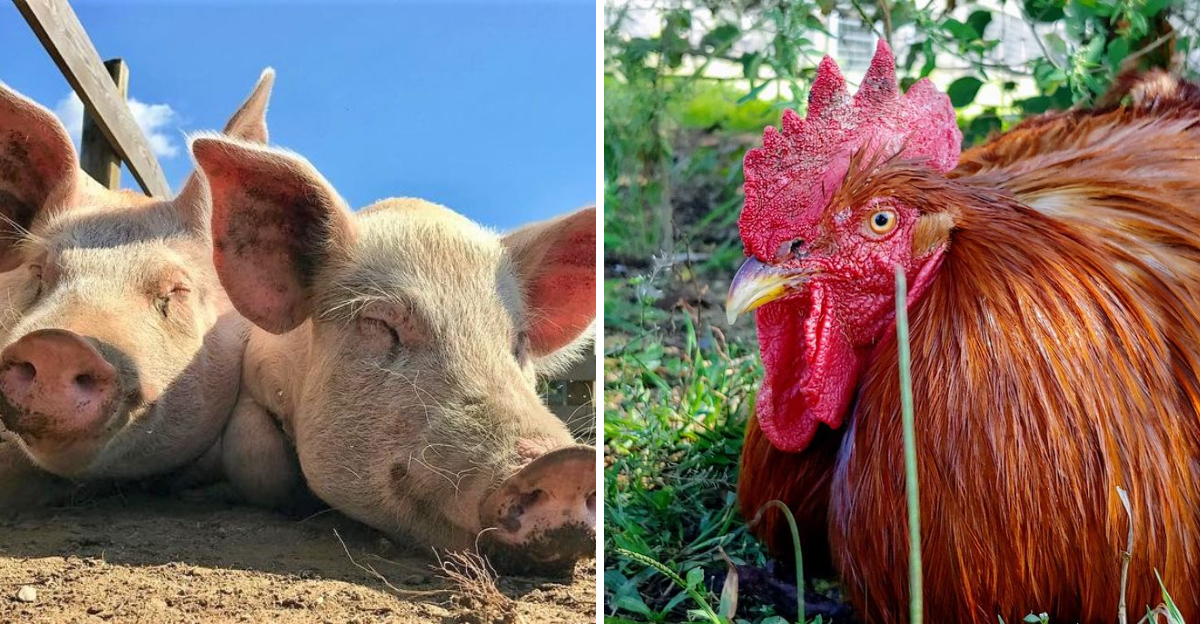
Imagine goats that arrived terrified and left completely unbothered. Cows that apparently have best friends, which is information I was not prepared to receive.
A Safe Haven And An Education Center
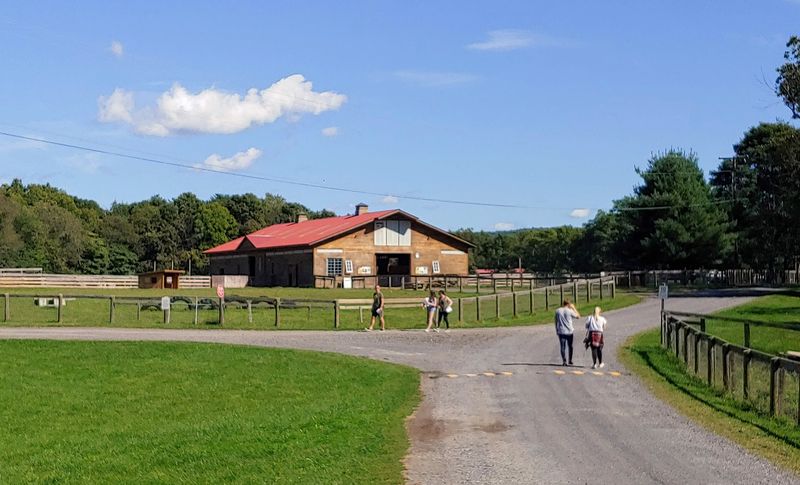
Woodstock Farm Sanctuary is the kind of place that makes you rethink everything you thought you knew about farm animals.
Founded in 2004, this nonprofit sanctuary sits on a large Hudson Valley property and is home to hundreds of rescued animals. The address alone, Rescue Rd, feels like the universe had a plan all along.
Pigs, cows, goats, sheep, chickens, turkeys, and rabbits all share this land. Each one arrived with a story that would make your heart do a full somersault.
Some were saved from factory farms. Others came from neglect or abandonment.
The sanctuary at 2 Rescue Rd, High Falls, New York, operates as both a safe haven and an education center.
Visitors are welcome on scheduled tour days, and the experience is unlike anything you get at a typical petting zoo.
This is real, meaningful, and surprisingly moving. You leave knowing names, not just species.
The Animals Who Call This Place Home
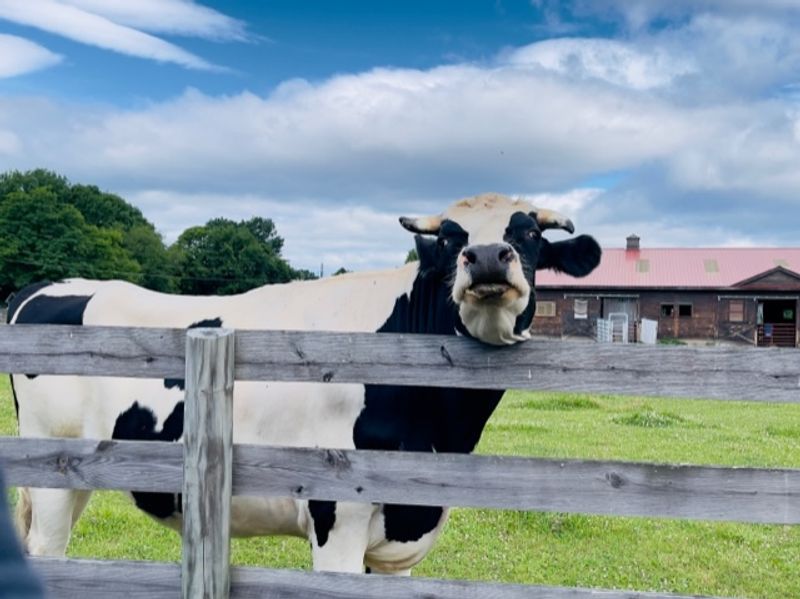
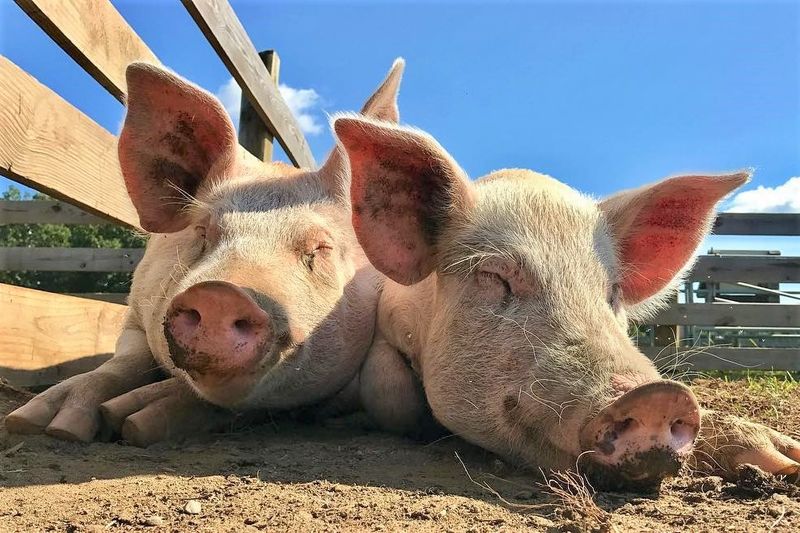
Walking through the sanctuary, I met a pig who trotted over like she had been expecting me specifically.
That kind of confidence is earned, not given. These animals have been through real hardship, and yet their personalities shine through in ways that feel almost theatrical.
The sanctuary is home to cows, goats, turkeys, chickens, rabbits, and sheep, each living in spacious, well-maintained areas. Staff and volunteers know every single resident by name.
That personal attention shows in how calm and social the animals are around visitors.
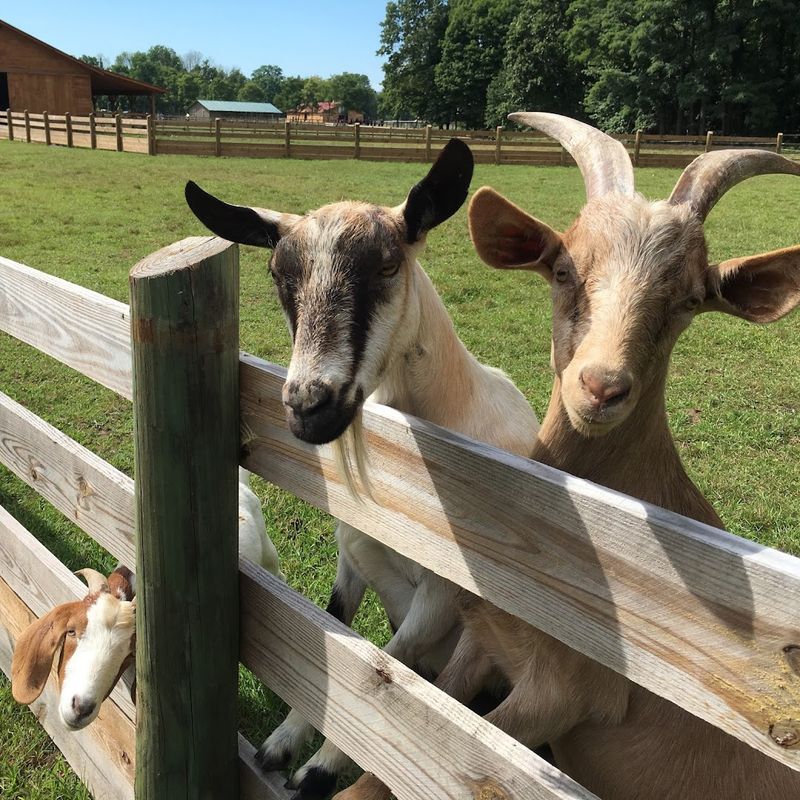
What struck me most was how individual each animal felt. A goat followed our tour group for ten straight minutes.
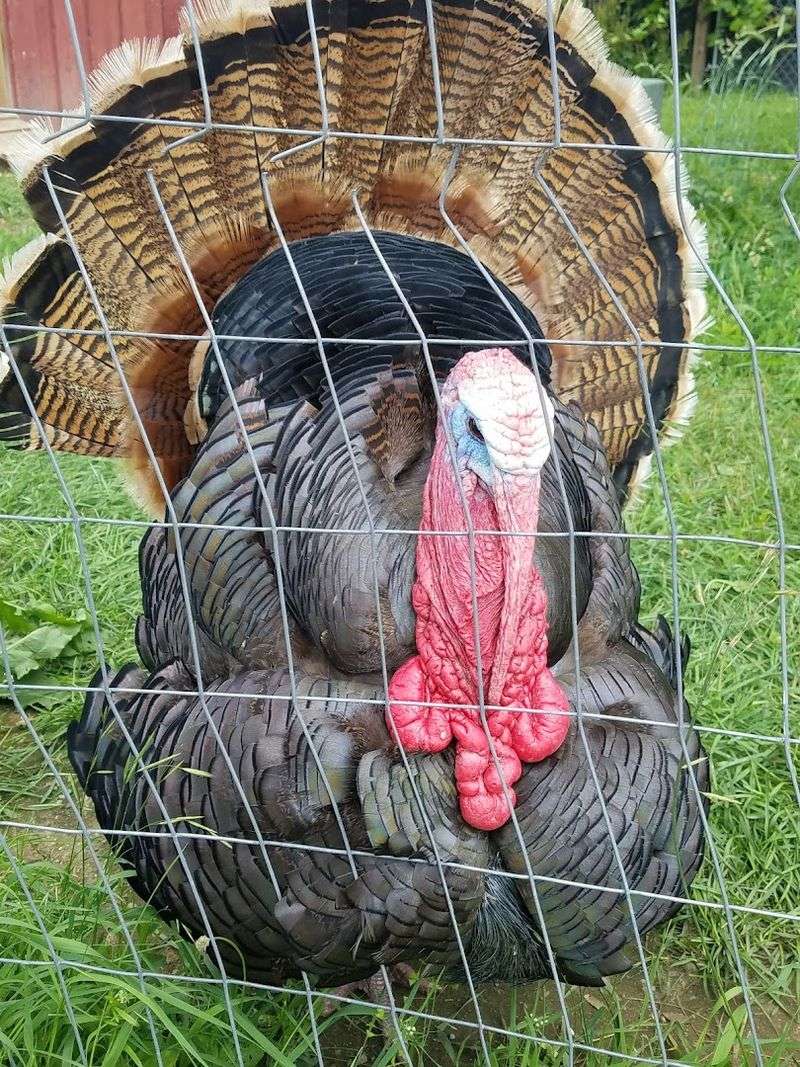
A turkey fanned his feathers at absolutely no one in particular.
These are not background characters. They are the whole story.
Spending even an hour among them shifts something in you quietly and permanently.
How The Sanctuary Rescue Process Works
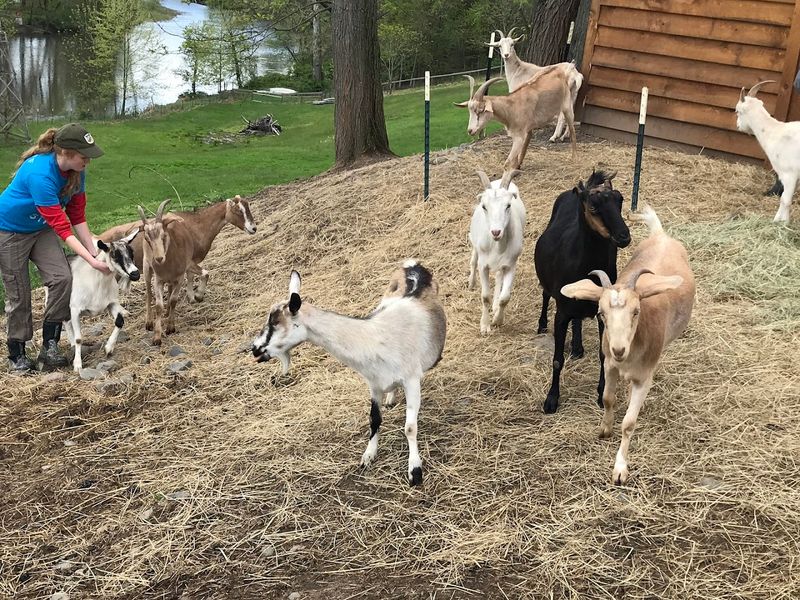
Every animal at this sanctuary arrived through a deliberate and compassionate rescue process.
The team responds to calls about animals in distress, works with law enforcement, and coordinates transfers from overcrowded shelters. It is not a passive operation.
These people actively go out and bring animals to safety.
Once an animal arrives, they go through a health assessment and quarantine period before joining the larger community. Veterinary care is a priority, not an afterthought.
Some animals arrive in rough shape and require months of rehabilitation before they can interact with visitors or other residents.
The sanctuary also partners with other organizations across the country to place animals when space is limited.
That kind of network-thinking is what separates a true sanctuary from a well-meaning but overwhelmed rescue.
Watching the intake process described during a tour made me appreciate just how much logistical care goes into what looks, from the outside, like a peaceful hillside farm.
Touring The Sanctuary On A Weekend Visit
Tours at the sanctuary run on scheduled weekends from spring through fall, and booking in advance is strongly recommended because spots fill up fast.
I showed up on a crisp Saturday morning and joined a group of about twenty people ranging from curious kids to retired couples. Nobody looked disappointed for a single second.
The guided tour lasts roughly two hours and covers multiple animal habitats across the property. Your guide introduces each resident by name and shares their rescue story.
It is genuinely hard not to get emotionally invested by the third stop.
Children on the tour were completely captivated. One kid asked if she could adopt a turkey, which is both adorable and also a very reasonable question after meeting it.
The tour pace is relaxed, the staff is knowledgeable, and the entire experience feels curated without feeling scripted. It is one of those rare outings where you forget to check your phone for two full hours.
Education That Stays With Visitors
Education is a major part of the experience at Woodstock Farm Sanctuary, but it does not feel like a formal lecture.
Visitors learn through the animals themselves, their rescue stories, and the thoughtful explanations shared during tours.
Guides help guests understand where the animals came from, what kind of care they need, and why sanctuary work matters.
Instead of overwhelming visitors with heavy information, the sanctuary creates space for curiosity, questions, and a more compassionate way of seeing farmed animals.
That approach is especially meaningful for families. Children get to meet animals as individuals, not as background figures in a farm setting.
A goat, pig, cow, or turkey becomes someone with a name, a personality, and a story.
The learning here feels gentle but memorable. Visitors leave with a clearer sense of animal rescue, long-term care, and the choices that affect farmed animals beyond the sanctuary gates.
It is the kind of education that works because it feels personal. The message is not forced.
It comes through in the quiet details, the rescued animals, and the people who care for them every day.
Volunteering And Getting Involved
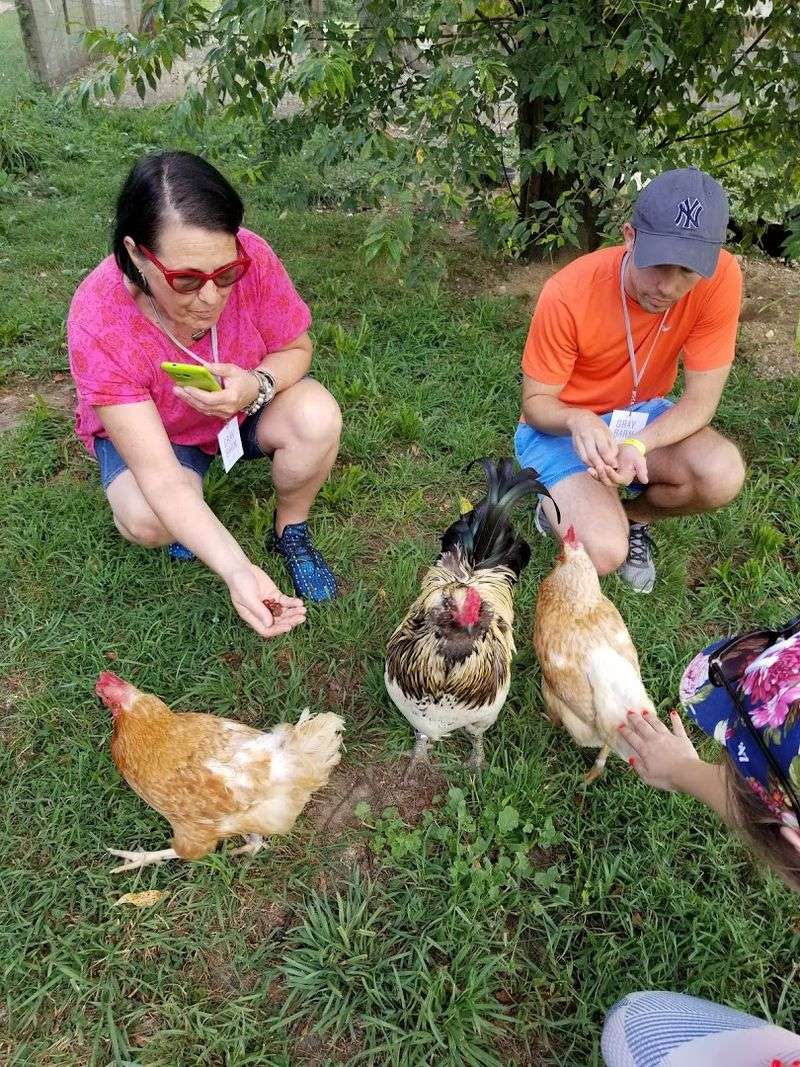
Volunteering at Woodstock Farm Sanctuary is one of the most hands-on ways to support animal rescue in the Hudson Valley.
The sanctuary welcomes volunteers for farm chores, special events, and outreach activities. If you have ever wanted to muck a stall and feel genuinely great about it afterward, this is your moment.
Volunteer shifts typically involve feeding, cleaning, and general maintenance of animal habitats. No prior farm experience is required, just a willingness to show up and do the work.
The community of regular volunteers is warm, funny, and deeply committed. I met a woman who had been coming every other Saturday for three years and described it as her favorite part of the week.
The sanctuary also hosts volunteer appreciation events and keeps its community engaged through newsletters and social media updates.
For those who cannot volunteer in person, there are remote opportunities in communications and fundraising. Whatever your skill set, there is a role here that puts it to good use without making you feel like a spare part.
Supporting The Sanctuary From A Distance
Not everyone can make it to High Falls in person, but that does not mean you cannot be part of what this sanctuary is building.
The organization has a robust online presence and offers several ways to contribute from anywhere in the country.
Sponsoring a specific animal is one of the most popular options and comes with regular updates and photos.
Animal sponsorships start at accessible price points and make genuinely thoughtful gifts.
I sponsored a pig after my visit and received a welcome packet that I may have read more carefully than most documents I encounter in a given month.
Monthly giving programs help the sanctuary plan long-term care and staffing.
The sanctuary also has an online shop with branded merchandise, and proceeds go directly toward animal care. Following their social media accounts is free and surprisingly joyful.
Their Instagram in particular is a reliable source of good news in a world that does not always offer enough of it. Supporting from a distance still counts, and the animals notice the difference it makes.
Why This Place Stays With You Long After You Leave
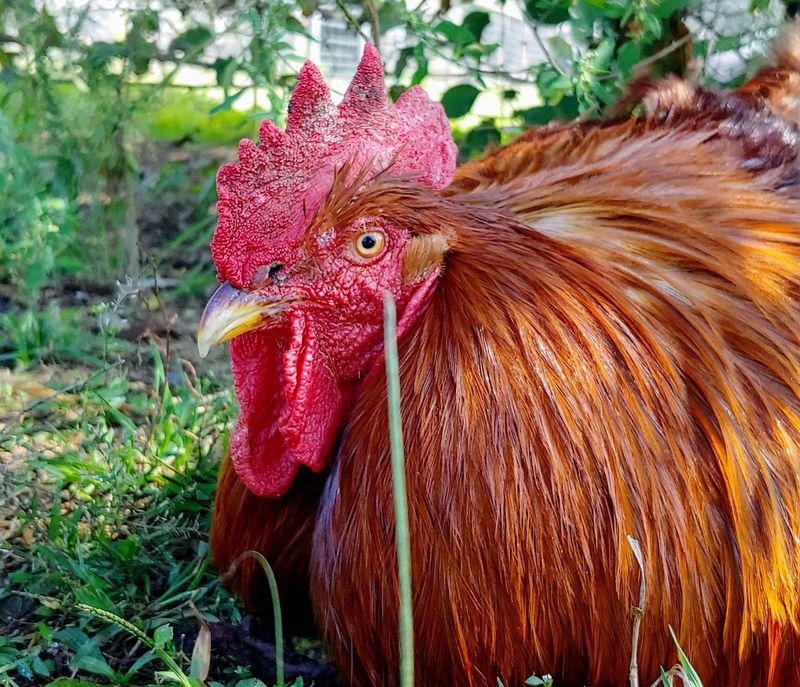
There are places you visit and forget by dinner. This is not one of them.
Something about spending time at Woodstock Farm Sanctuary changes the way you see ordinary things.
A chicken at a county fair looks different after you have met one with a name and a personality and a backstory involving a cross-state rescue operation.
The sanctuary does not preach at you. It simply shows you what it looks like when animals are treated with full respect and genuine care.
The contrast with industrial farming is implied, never forced.
That restraint is actually more powerful than any lecture could be.
I drove back down the hill feeling like I had been handed something I did not know I needed.
The Hudson Valley is full of beautiful destinations, but Woodstock Farm Sanctuary earns its place among them for entirely different reasons. It is not about scenery, though the scenery is genuinely lovely.
It is about the animals, the people who care for them, and the quiet but persistent belief that second chances matter.