This Idaho Fossil Site Lets Visitors Dig For 15-Million-Year-Old Treasures
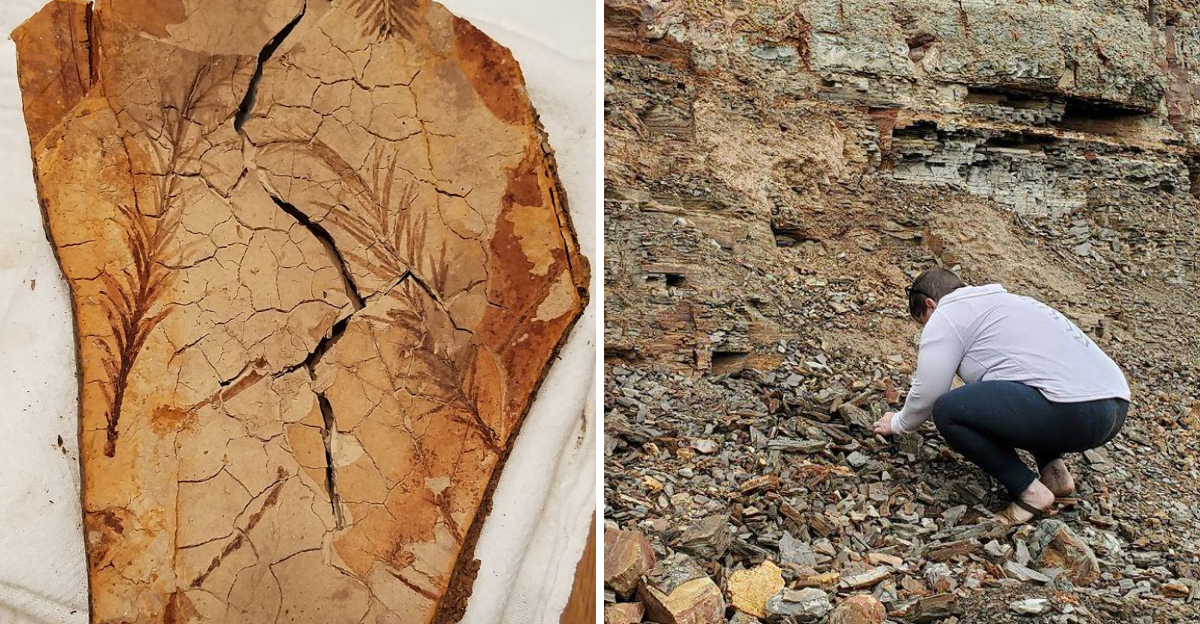
Crack open a piece of shale here and suddenly the past is not some dusty museum label anymore.
It is sitting in your hands.
Northern Idaho hides a roadside fossil hunt where ordinary travelers can feel like explorers the second the rock splits and a leaf from 15 million years ago appears like nature left a secret note.
Every piece feels like a tiny mystery waiting for the right tap.
Kids get wide-eyed fast, rockhounds start acting professionally serious, and even casual visitors can become deeply invested in prehistoric plant drama.
That is the magic of this place. You are not just looking at history.
You are prying it open.
Idaho’s Fossil Dig Turns A Roadside Stop Into A Time Machine
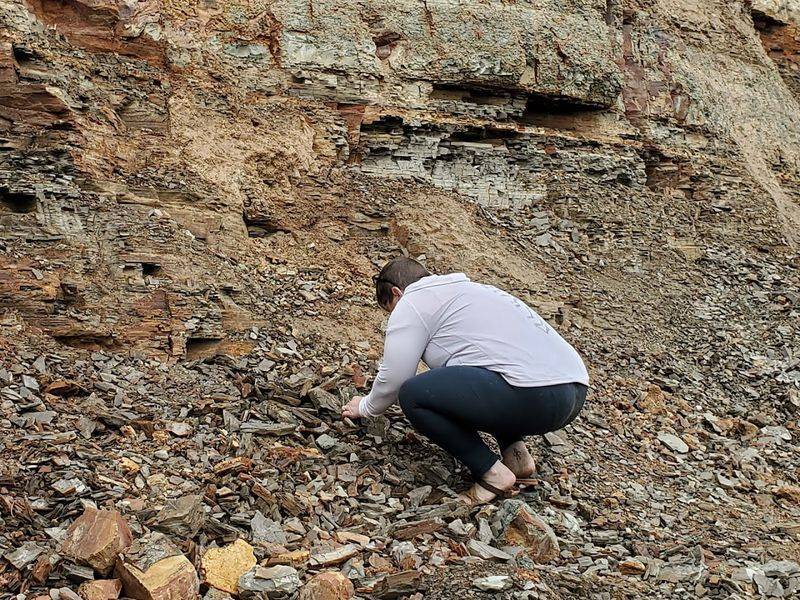
Roadside stops usually do not ask visitors to think in millions of years, which is exactly why the Fossil Bowl near Clarkia feels so strange in the best way.
One minute the drive is all forested North Idaho road, and the next the ground is offering pieces of an ancient lake bed that once held leaves, seeds, stems, and other traces of a very different world.
The site is tied to the Clarkia fossil beds, a Miocene deposit famous for unusually well-preserved plant material. Visitors do not need advanced tools or paleontology degrees to enjoy the experience.
The basic rhythm is simple: pick up shale, split the thin layers carefully, and look for the ghostly outline of something that fell into lake sediment roughly 15 million years ago. That direct contact is what makes the visit so memorable.
A fossil in a display case can feel distant, but a leaf impression appearing in your own hands feels personal and almost impossible. Families, curious travelers, and rock lovers all get the same thrill when a dull slab opens like a page.
The setting may look modest from the road, but the ground carries a story far larger than the stop suggests.
Fifteen-Million-Year-Old Leaves Still Split Open In The Dirt
Freshly split shale can make deep time feel oddly close, especially when a leaf shape appears with veins still sharp enough to recognize. The Clarkia fossils are famous because the ancient lake environment helped preserve plant remains in unusually fine detail.
University of Idaho archive material describes the fossils as primarily plant remains preserved in Miocene lake-bed sediments from a lake formed about 15 to 15.5 million years ago.
That preservation is why visitors may find leaves that look less like vague smudges and more like delicate botanical prints.
Some fossil leaves have been noted for retaining color briefly after exposure, although that fragile look can fade as the material oxidizes in open air.
The moment can feel almost unfairly dramatic: a rock opens, a leaf appears, and suddenly the forest around Clarkia has a much older version sitting in your palm.
Wrapping finds in newspaper and handling them gently helps protect the fragile layers as they dry. Visitors should avoid treating every slab like a hammer project because patience works better here than force.
The reward is not just finding “a fossil.” It is seeing a preserved plant shape that once settled into a quiet lake long before Idaho looked the way it does now.
Clarkia’s Ancient Lake Bed Hides More Than Ordinary Rocks
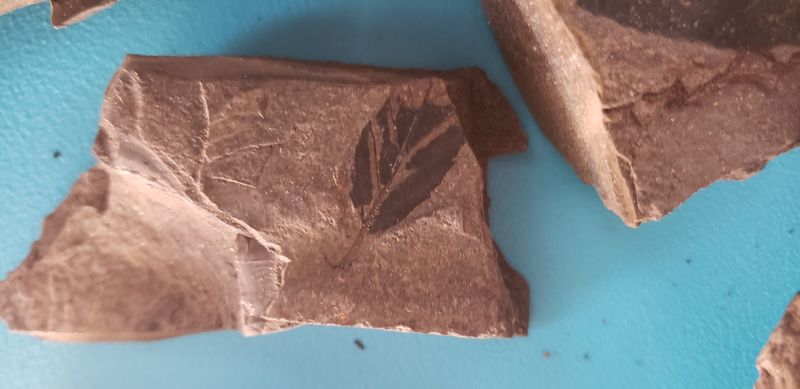
Ancient lake mud is doing the heavy lifting at Clarkia, and that is what makes the fossil site so scientifically interesting. Long before the modern forest and highway shaped the area, a lake basin collected leaves, pollen, seeds, stems, and small aquatic life in fine layers of sediment.
Over time, those layers compacted into shale that now splits apart like a very old, very delicate book. The Clarkia fossil beds are associated with the Miocene Latah Formation, and their preservation has drawn serious scientific study because the plant material can be exceptionally detailed.
For visitors, the science does not need to be complicated to feel exciting. Each layer has the possibility of showing a different shape, from a narrow needle-like imprint to a broad leaf with visible veins.
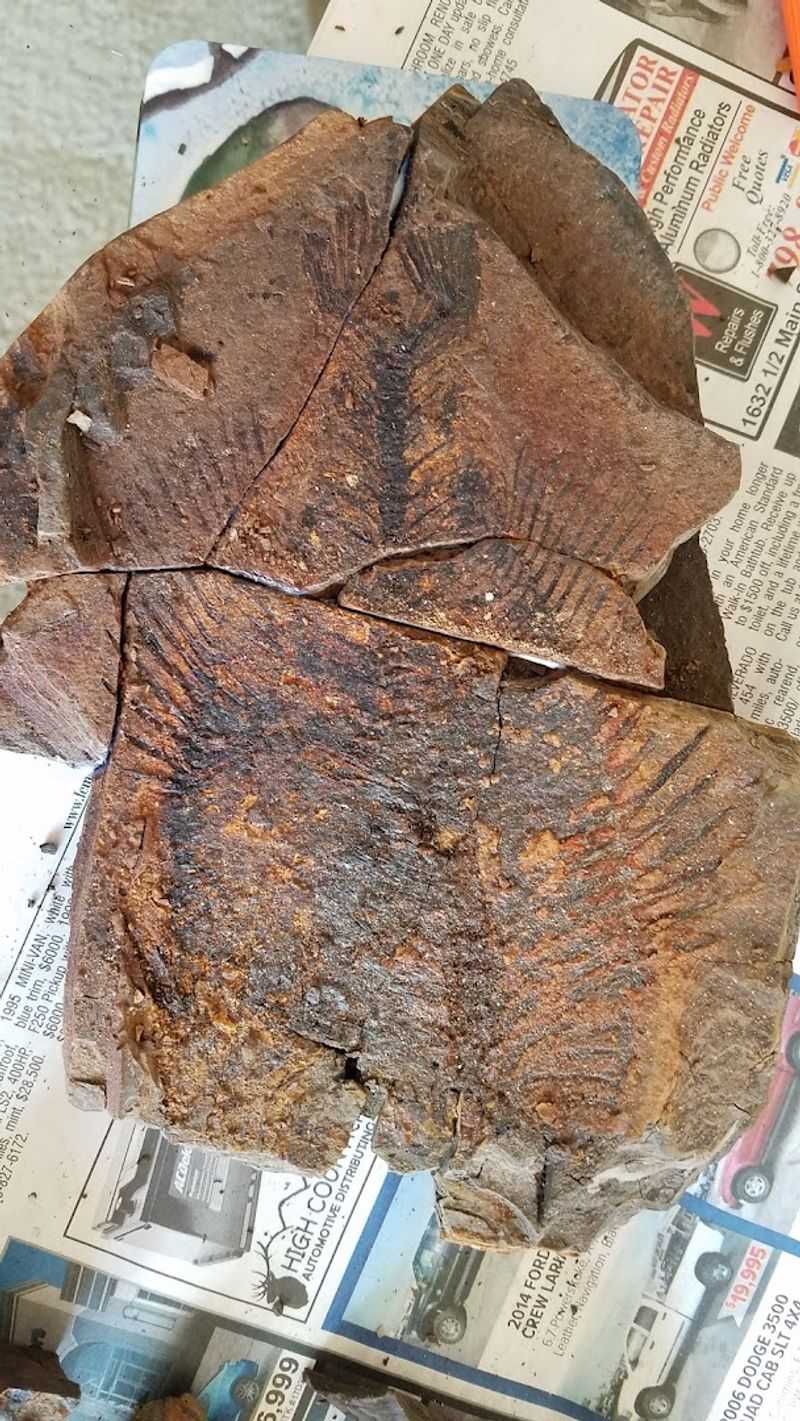
Fossil fish are less common but possible, which adds a little extra suspense to every careful split. The ancient lake setting also explains why the fossils feel so compressed and layered.
Instead of bones scattered in a desert, this is a quieter kind of fossil record, built from plants that drifted into water and settled into low-oxygen sediment. That quiet origin makes every discovery feel like a preserved pause from an Idaho that disappeared millions of years ago.
Every Shale Layer Feels Like A Tiny Prehistoric Surprise
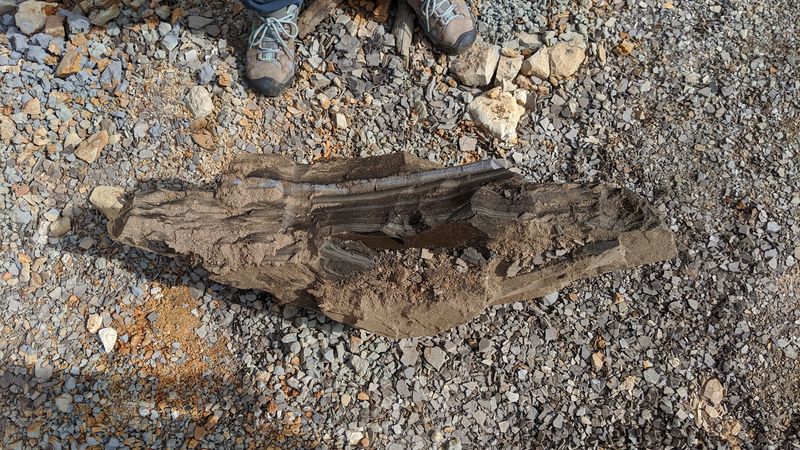
Curiosity does most of the work at Fossil Bowl because no one knows what the next slab will reveal. A plain piece of dark shale may split into nothing, or it may open to show a leaf, stem, seed, needle, or delicate plant pattern that makes everyone nearby suddenly lean in.
That uncertainty keeps the activity addictive. Kids usually understand the fun immediately because the process gives them real results instead of asking them to stare politely at a sign.
Adults get pulled in just as quickly, especially after the first good fossil appears and the search becomes personal. The best technique is slow and careful, using a dull blade or simple splitting tool to ease apart the layers rather than smashing through them.
Old clothes are a good idea because the material can be dusty, muddy, or messy depending on conditions. Sun protection matters too, since the exposed digging area can feel hotter than the surrounding forest suggests.
Visitors should bring water and snacks because services are limited, and cell reception may not be dependable in the area. The payoff is wonderfully immediate.
Instead of leaving with only photos, people can leave with fossil impressions they uncovered themselves, each one carrying a small piece of Idaho’s prehistoric landscape.
Fossil Bowl Lets Visitors Hunt For Real Miocene Treasures
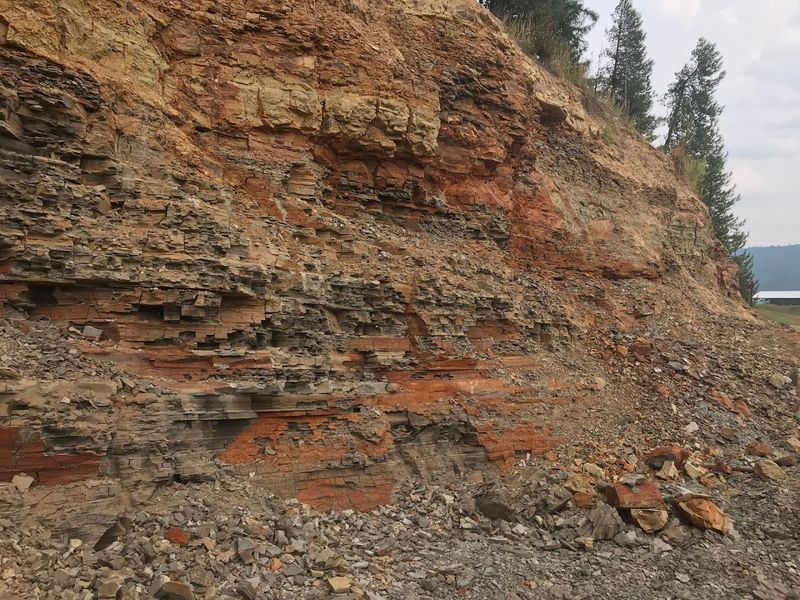
Public fossil digging is not something travelers can assume everywhere, which makes Fossil Bowl feel especially generous. Many scientifically important fossil sites are closed to casual collecting, restricted by permits, or protected from public digging.
Here, visitors have long been able to pay for the chance to search through shale and keep selected finds, making the experience feel unusually direct.
Because operations, fees, and access can change, calling ahead before driving is smart, especially for families traveling from farther away or planning around a weekend.
The hands-on format is the real draw. Visitors are not just hearing about the Miocene epoch; they are splitting open material from it.
Leaves are the most familiar reward, but the larger story includes an ancient ecosystem with plants that suggest a warmer, wetter climate than northern Idaho has today.
The site has been described as one of those rare places where fossils can appear quickly enough to keep beginners excited, yet still feel meaningful enough for experienced rock and fossil fans.
That balance is hard to find. Too easy, and the outing feels staged.
Too difficult, and younger visitors lose interest. Fossil Bowl sits in a sweet spot, where patience helps but discovery can happen fast enough to make the past feel alive.
North Idaho Forest Country Keeps This Dig Feeling Unexpected
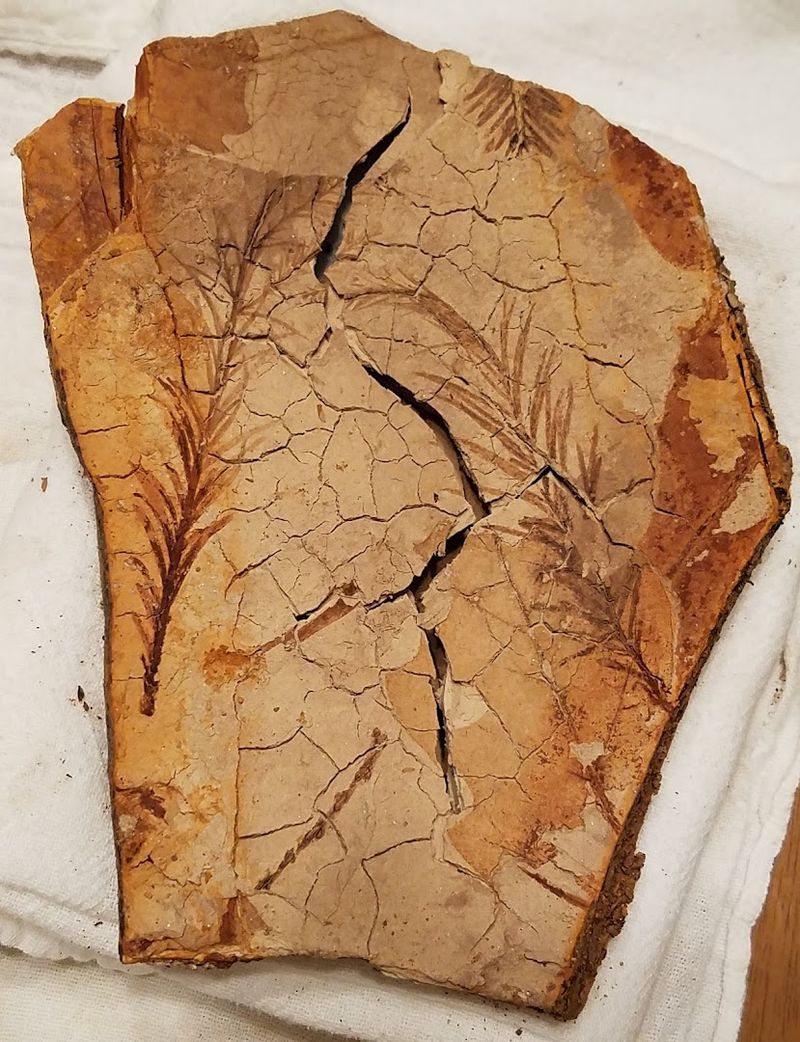
Forested North Idaho makes the fossil experience feel even more surprising because the setting does not look like the usual fossil-hunting postcard.
Instead of a desert badland or exposed canyon wall, visitors reach a wooded, rural stretch near Clarkia, where the modern landscape feels green, quiet, and unmistakably Pacific Northwest.
That contrast gives the dig extra drama. A person can stand among present-day trees and split open shale filled with leaves from a much older plant community, all in the same afternoon.
The drive from St. Maries toward Clarkia adds to the feeling of discovery, with rural roads, timber country, and small-town scenery leading to a site that can look easy to miss if travelers are not paying attention.
Fossil Bowl also shares its local identity with a motocross setting, so visitors should check ahead and avoid assuming the atmosphere will always feel silent or museum-like.
That rough-around-the-edges quality is part of the story. The place feels practical, local, and hands-on rather than polished into a glossy attraction.
Families who arrive prepared usually enjoy it more. Bring sturdy shoes, water, sun protection, and packing material for finds.
North Idaho does not hand over its ancient secrets with neon signs, but this stop makes the search worth the dirt.
Ancient Plants Tell The Story Of A Much Warmer Idaho
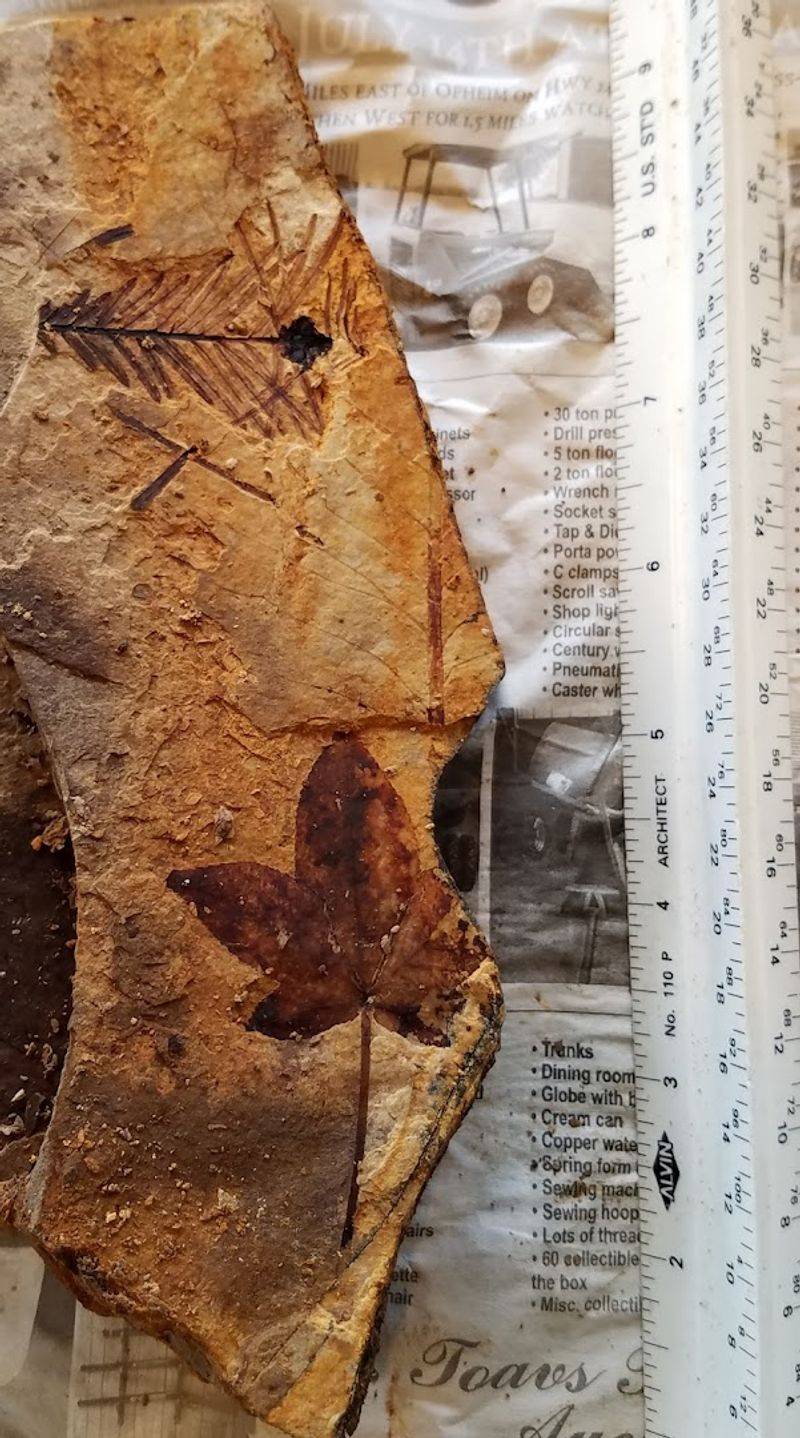
A fossil leaf from Clarkia does more than look pretty. It hints at an Idaho that felt warmer and wetter than the region visitors see today.
The Clarkia fossil beds preserve a rich Miocene flora, and the plant remains have helped researchers study what the area’s environment may have been like millions of years ago.
Summaries of the site describe a warmer, wetter climate and note that the fossil beds are best known for exceptionally preserved leaves.
That makes the dig meaningful even for people who arrive only expecting a fun roadside activity. A leaf impression can lead to bigger questions about climate, forests, lakes, and how landscapes change over immense spans of time.
Younger visitors may find this especially powerful because the fossil is not abstract. It is a real object they uncovered themselves.
Parents can connect the find to living trees, changing climates, and the difference between human history and geological time without turning the outing into a lecture. The best discoveries here are not always the rarest specimens.
Sometimes a simple, clear leaf makes the strongest impression because it is so easy to understand. Something grew, fell, sank, stayed buried, and waited millions of years for someone curious enough to split the stone.
A Hands-On Fossil Site Makes The Past Feel Shockingly Close
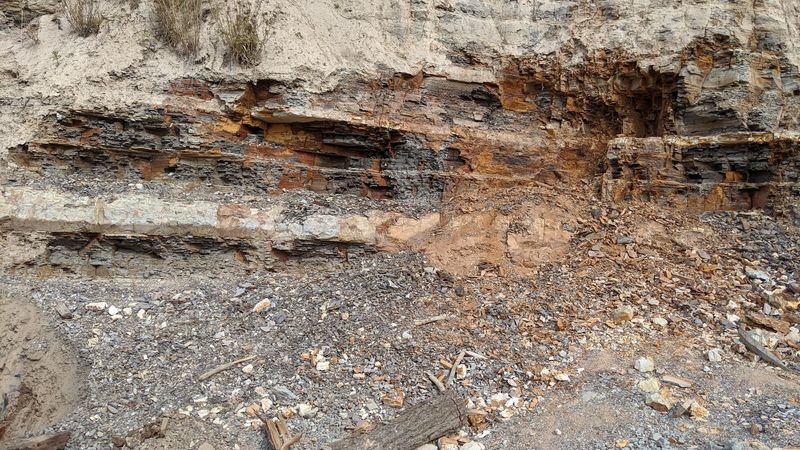
Deep time usually feels too huge to grasp, but Fossil Bowl shrinks it into something that can sit in newspaper on the car ride home. That is the magic of the place.
Visitors may arrive thinking they are making a quick roadside stop, then spend far longer than planned splitting shale and comparing finds. The experience rewards careful hands, curious eyes, and a willingness to get dirty.
It also works across ages because the activity does not depend on expensive gear or long hiking ability. A child can find a leaf.
A grandparent can sit and split shale. A rockhound can study layers more seriously.
Everyone gets a version of the same basic thrill. Practical planning makes the day better.
Bring lunch, water, closed-toe shoes, sun protection, and newspaper or other wrapping material for fragile pieces. Check current access and fee details before leaving, since small private sites can adjust schedules.
Most importantly, slow down once the shale is in hand. Rushing through the layers can break what patience might reveal.
Fossil Bowl is not fancy, and that is a good thing. Its power comes from giving ordinary visitors a direct, muddy, unforgettable connection to an Idaho lake bed that vanished millions of years ago.
The site sits along Idaho State Highway 3 near Clarkia, with visitor directions commonly pointing to the Fossil Bowl area around mile marker 52.5 and the listed address of 52250 State Highway 3, Clarkia, ID 83812.