This Connecticut Destination Blends Small-Town Charm With Sweeping Outdoor Beauty
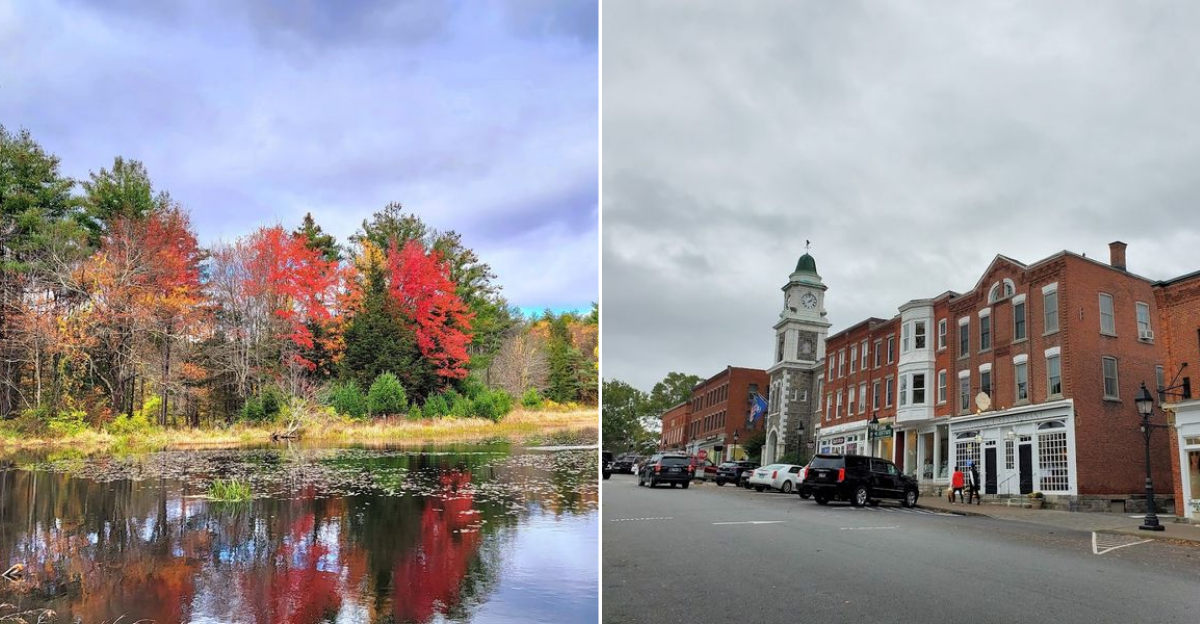
Blending small town charm with sweeping outdoor beauty the way this Connecticut destination does is genuinely rare and the people who find it tend to come back on a very regular basis.
Small town charm and genuinely breathtaking scenery do not always show up together but when they do the result is something worth going out of your way for.
Strolling through here feels completely unhurried in a way that makes everyday life feel very far away without actually going anywhere that requires a long drive or a packed bag.
The scenery surrounding the town is the kind that makes people pull over just to take it in properly before continuing on their way.
There is a quiet confidence to this place that comes from knowing exactly what it is and not needing to shout about it. People who discover it tend to return on a very regular basis and that loyalty says everything.
1. Why This Place Feels So Timeless
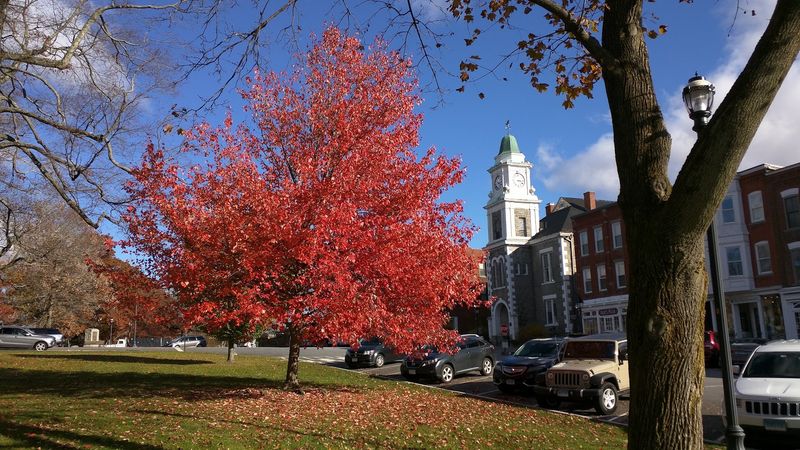
Centuries of history still shape the mood of this old New England town, and the result feels remarkably intact. Litchfield has held onto its original character with unusual care, giving the streets a calm, timeless quality that feels earned rather than staged.
The historic district was approved in 1959 as the first of its kind in the state, and it includes more than 475 buildings, many dating back to the 18th century.
In 1968, the district was designated a National Historic Landmark and recognized as one of the best-preserved examples of a Georgian-era New England village in the country.
White colonial homes, formal architectural details, well-maintained greens, and an unhurried pace all work together to create a strong sense of continuity.
Chain restaurants do not crowd the corners, big-box stores do not interrupt the view, and the town’s quiet pride comes through in the way its surroundings are cared for.
Its history reaches beyond beautiful architecture, with ties to the Revolutionary War and the earliest American law school. That past does not feel locked away in plaques and museums but woven into the everyday texture of the town.
2. Where Small-Town Streets Meet Big Outdoor Views
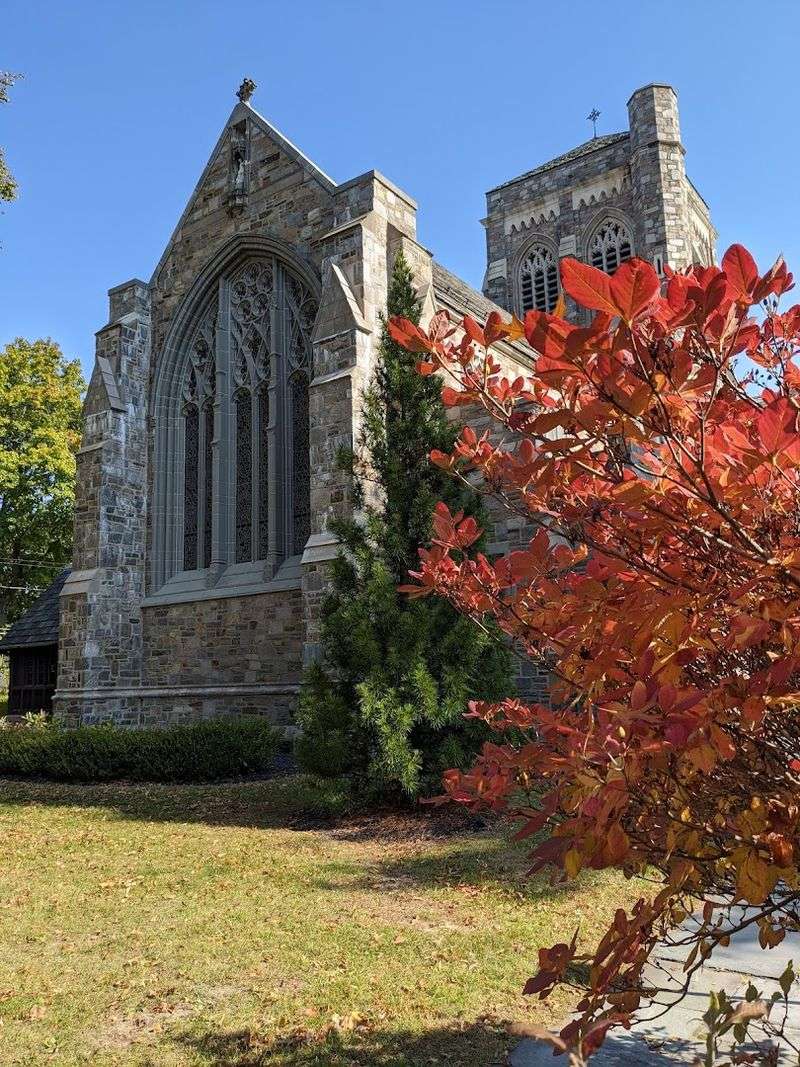
What sets Litchfield apart from other charming New England towns is the scale of natural beauty that surrounds it. Thousands of acres of preserved land spread out in nearly every direction from the town center, featuring lakes, ponds, rivers, streams, waterfalls, and hundreds of miles of trails.
The Litchfield Land Trust alone maintains approximately 13 miles of trails across five preserves, including the 340-acre Prospect Mountain Preserve.
The transition from historic streetscape to open woodland can happen within minutes of leaving the town green. That contrast is part of what makes a visit feel so satisfying.
Outdoor enthusiasts and history lovers can both find something that genuinely appeals to them without driving far or making complicated plans.
The Litchfield Hills form a softly dramatic backdrop to the area, with elevations that create sweeping views across meadows and forest canopy.
Hauser Nature Preserve, for example, protects some of the town’s highest land and offers hayfield views of the hills along with woodland trails that serve as a critical breeding and migration area for bobolinks.
The landscape here is quietly impressive in a way that tends to stay with visitors long after the drive home.
3. Start With A Stroll Around The Historic Green
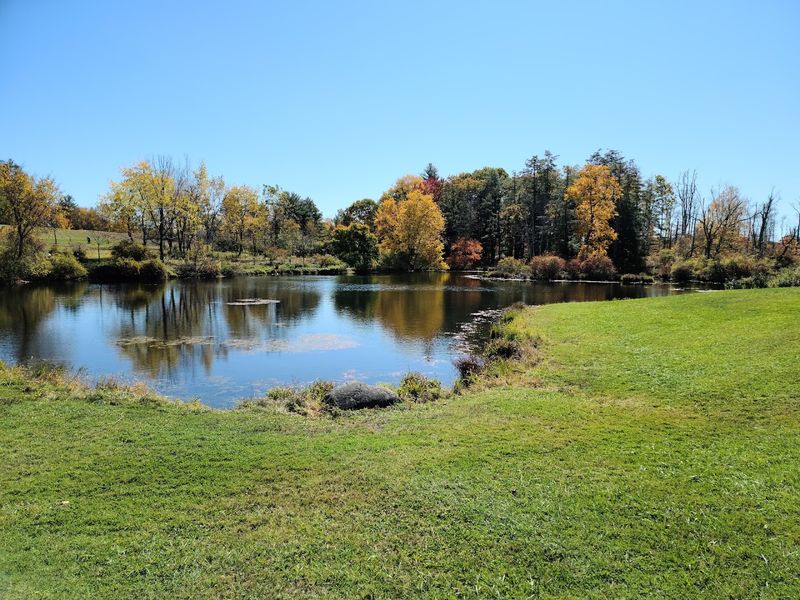
The Litchfield Town Green sits at the heart of the historic district and was officially designated a park in 1836. It serves as a natural starting point for any visit, offering a grounded sense of the town’s layout and a comfortable place to get oriented before exploring further.
The green is surrounded by some of the most well-preserved colonial-era buildings in the state, and simply walking its perimeter gives a solid introduction to the town’s architectural character.
On weekday mornings, the green tends to be calm and easy to enjoy at a relaxed pace. Weekends can bring more foot traffic, especially during warmer months, but the space is large enough that it rarely feels crowded.
Nearby streets branch off into small clusters of locally owned shops, cafes, and galleries that are easy to wander through without a set agenda.
The overall walkability of the town center makes it a good destination for anyone who prefers exploring on foot. Comfortable shoes are recommended since the sidewalks near the green and surrounding streets can be uneven in spots due to the age of the infrastructure.
Parking is available close to the green, which makes it easy to use as a home base throughout the day.
4. Explore The Trails At White Memorial Conservation Center
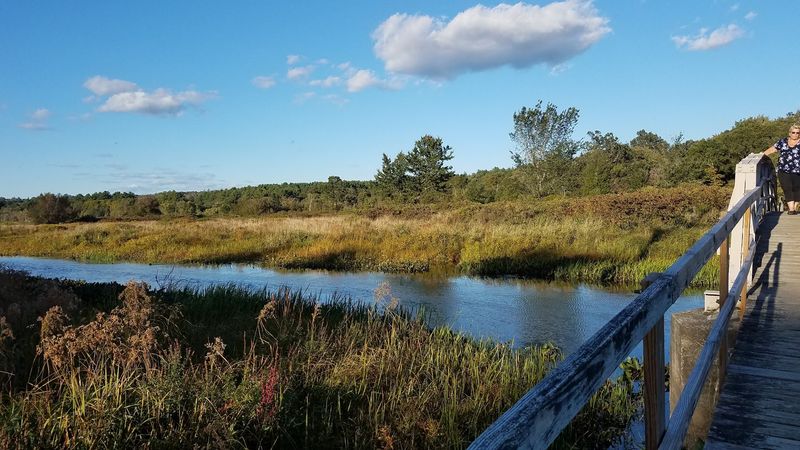
The largest natural reserve in the state, the White Memorial Conservation Center spans 4,000 acres and offers more than 40 miles of trails for hikers, birdwatchers, and nature enthusiasts of all experience levels.
The center is located at 80 Whitehall Road, Litchfield, CT 06759, and the property includes a nature museum along with environmental education programs that run throughout the year.
The Marsh and Boardwalk Trail is one of the most popular routes on the property, winding through wetland habitat that supports a wide variety of bird species and plant life.
The boardwalk sections make it accessible even during wetter seasons and provide close-up views of the marsh environment without disturbing the surrounding ecosystem.
Trails range from flat and easy to more moderately challenging woodland paths, so there are options for families with young children as well as more experienced hikers.
The conservation center is open year-round, and each season brings a different quality to the landscape.
Spring brings migrating birds and emerging wildflowers, summer fills the canopy with dense green shade, fall turns the woodland into a display of warm color, and winter opens up views through the bare trees that are not visible at other times of year.
5. See The Sweeping Beauty Of Topsmead State Forest
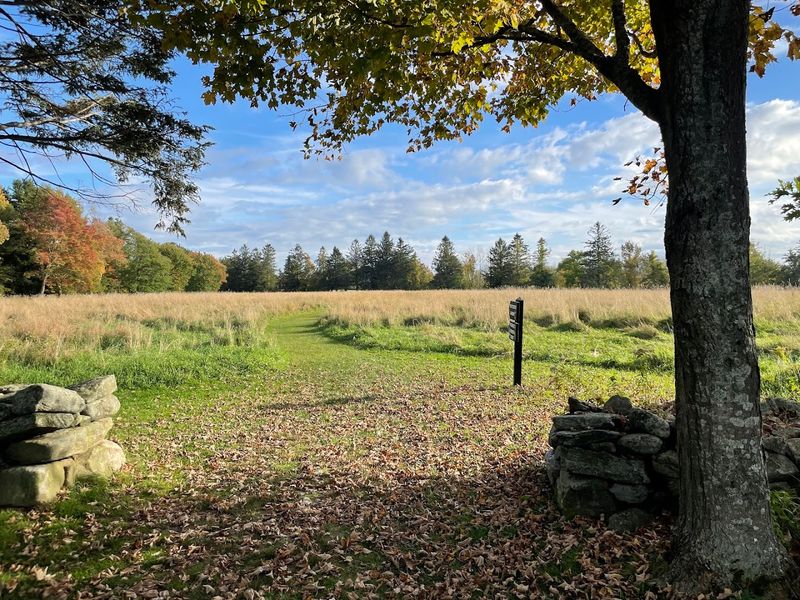
Topsmead State Forest covers 511 acres and offers a combination of natural and architectural beauty that makes it feel unlike a typical state forest visit.
The property is located at 46 Chase Road, Litchfield, CT 06759, and its most distinctive feature is an English Tudor-style cottage set amid formal gardens that were designed as part of the estate before the land was transferred to the state.
The cottage tours are available on a seasonal schedule, so checking ahead before a visit is a good idea.
Beyond the gardens and cottage, the forest includes trails through open woodlands and meadows that provide a quieter, less crowded alternative to some of the area’s more well-known outdoor spots.
Topsmead has also been recognized by Audubon as an Important Bird Area, which adds value for anyone interested in birdwatching during migration seasons.
The meadows at Topsmead tend to be especially striking in late spring and early summer when wildflowers are in bloom. The combination of manicured garden spaces near the cottage and wilder, more open meadow trails creates a varied experience within a single visit.
The property has a calm, unhurried atmosphere that rewards visitors who take their time rather than rushing through.
6. Save Time For Local Shops And Cozy Cafes
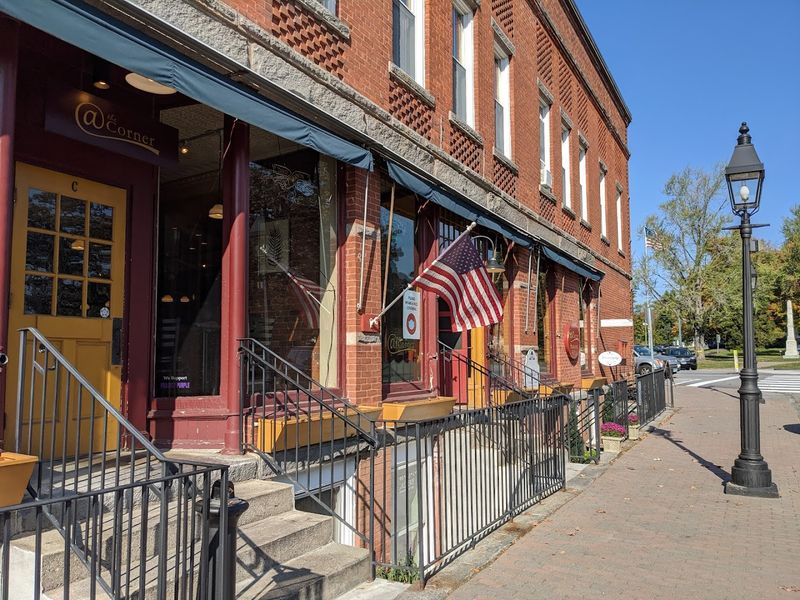
The streets around the Litchfield town green are lined with locally owned shops, galleries, and cafes that reflect the town’s character without feeling overly curated or touristy. Browsing through them is an easy and pleasant way to spend a few hours, especially after a morning on the trails.
The pace of shopping in Litchfield tends to be unhurried, which suits the overall atmosphere of the town well.
West Street Grille, located at 43 West Street, Litchfield, CT 06759, has earned a strong reputation over the years and is a reliable choice for a sit-down meal during a visit.
Arethusa Farm Dairy is another well-regarded local option known for its dairy products made from milk sourced at a nearby farm in Bantam.
For a slower morning start, several cafes near the green offer coffee and light breakfast options in comfortable settings. The combination of good food, browsable shops, and a walkable layout makes the town center easy to enjoy without any specific agenda.
Most shops are open on weekends, though weekday hours can vary, so checking ahead is worthwhile for specific destinations.
7. Add Bantam Lake Views To Your Day
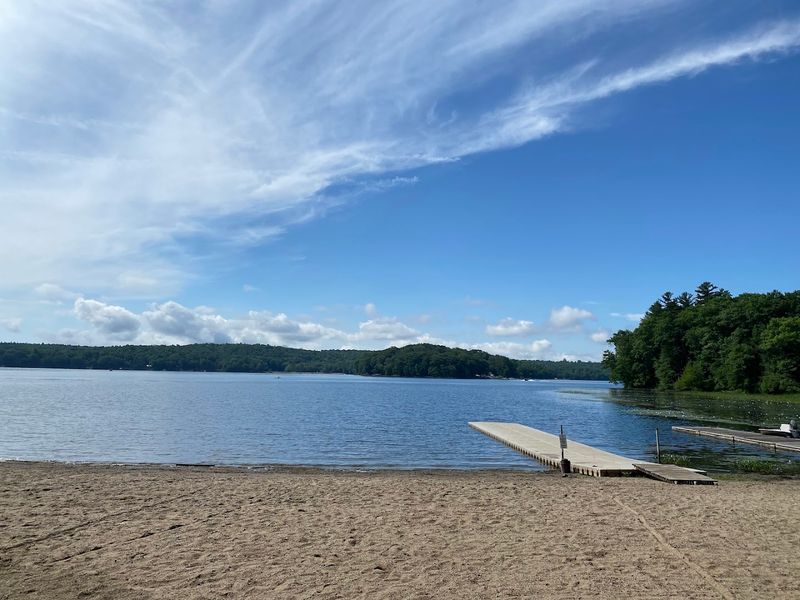
At 947 acres, Bantam Lake holds the distinction of being Connecticut’s largest natural lake, and it sits just a short drive from the Litchfield town center.
The lake offers opportunities for swimming, fishing, and boating during warmer months, and in winter it draws visitors for ice fishing and cold-weather walks along its shores.
The surrounding landscape is peaceful and relatively undeveloped, which helps preserve the natural quality of the setting.
Morris Town Beach provides public access to the lake for swimming during summer, and the calm water tends to make it a comfortable option for families and casual swimmers.
Boat rentals are available seasonally in the area, though availability and hours can change, so confirming ahead of a visit is a practical step.
Fishing on Bantam Lake is popular among locals, with the lake known to support a variety of freshwater species.
Adding Bantam Lake to a Litchfield itinerary gives the day a natural anchor point that balances well with time spent in the historic town center. The short distance between the two means there is no need to choose one over the other.
Morning light on the water tends to be especially calm and worth arriving early to experience.
8. Make It A Slow Weekend Escape
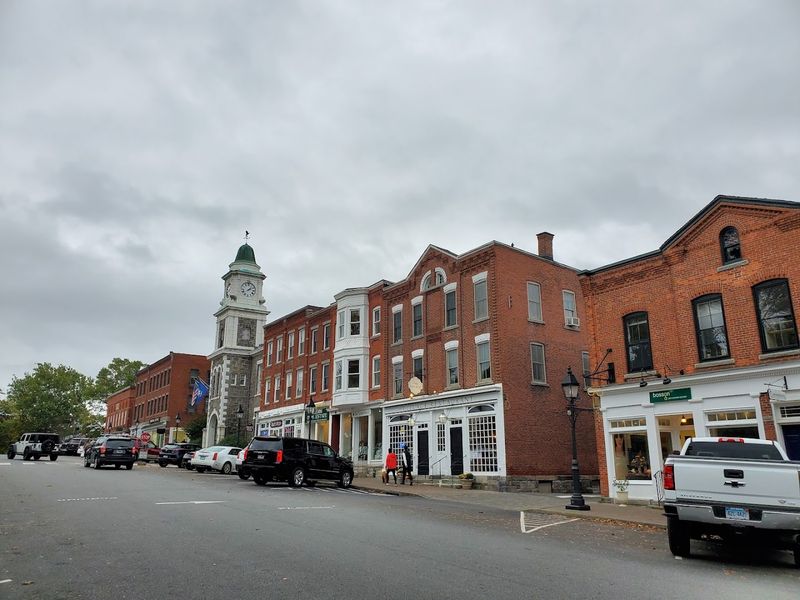
Litchfield is the kind of destination that rewards visitors who resist the urge to pack too much into a single trip.
A slow weekend approach, arriving Friday evening and leaving Sunday afternoon, allows enough time to cover the historic green, at least one nature trail, a sit-down meal, and some unhurried browsing through local shops without feeling rushed.
That pacing tends to match the rhythm of the town itself.
Lodging options in and around Litchfield include small inns and bed-and-breakfast properties that suit the town’s character better than chain accommodations.
Availability during fall foliage season and holiday weekends can be limited, so booking in advance is a smart move for those planning a trip during peak periods.
Staying in town rather than commuting from a nearby city adds to the overall sense of settling into the place rather than just passing through.
The combination of walkable streets, accessible trails, and genuinely good local food means that a weekend in Litchfield rarely requires a long itinerary to feel satisfying.
The best visits tend to be the ones with a loose plan and enough flexibility to follow whatever seems most appealing in the moment.
That kind of easy, open schedule fits Litchfield well.
9. Why Litchfield Is More Than Just Pretty Scenery
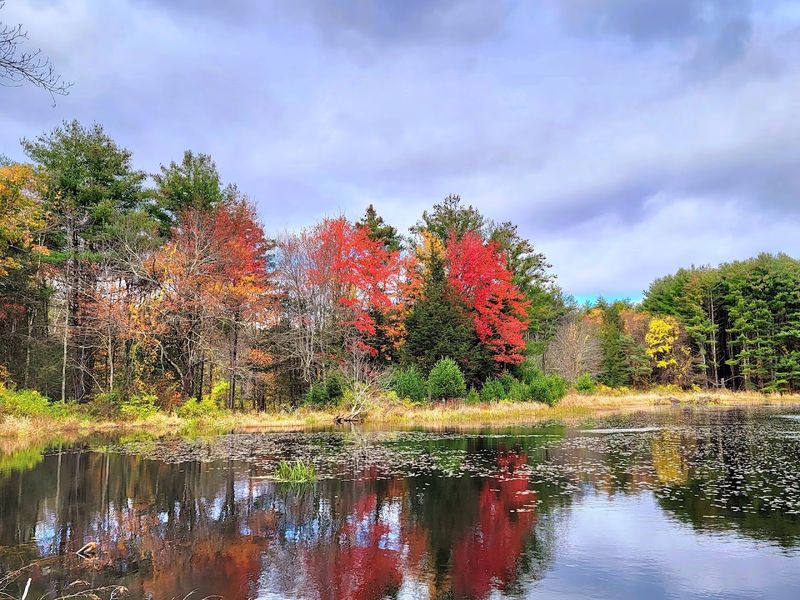
What makes Litchfield genuinely interesting is the way its history, architecture, and natural landscape all reinforce each other rather than competing for attention.
The town played a real role in American history, from its Revolutionary War connections to hosting the country’s earliest law school, and that background gives the preserved buildings and streets a sense of meaning beyond surface-level aesthetics.
Recognition from publications like Smithsonian Magazine and Conde Nast Traveler reflects a broader awareness that Litchfield offers something substantive.
The outdoor spaces surrounding the town are not just scenic backdrops but actively managed conservation areas that protect wildlife habitat, water quality, and public access for future visitors.
The White Memorial Conservation Center, Topsmead State Forest, and the preserves maintained by the Litchfield Land Trust represent a serious long-term commitment to keeping the landscape intact.
That kind of stewardship is part of what makes the outdoor experience here feel genuine rather than manufactured.
Visitors who take the time to engage with both the town’s history and its natural surroundings tend to leave with a fuller picture of what makes the place worth the trip.
Litchfield is a destination that holds up well on repeat visits, with different seasons and different trail choices offering new perspectives each time.