One Of Pennsylvania’s Creepiest Historic Places Is Known For Its Haunted Past
Pennsylvania knows how to hide its darkest history in the most ordinary looking places, and this particular spot has been doing that more effectively than almost anywhere else in the state.
I drove past it once without stopping, which is a decision I have since made my peace with because the second visit more than compensated for the first.
There is a specific feeling that comes from standing in front of a building that has absorbed decades of stories that most people would rather not think about too carefully.
This place delivers that feeling from the parking lot before you even get to the door.
History this layered and this genuinely unsettling has a gravity to it that is hard to explain and impossible to ignore once you are standing inside it.
Pennsylvania is full of old places, but old and haunted and genuinely fascinating at the same time is a much shorter list. This one sits comfortably at the top of it.
The Haunted History Of This Place
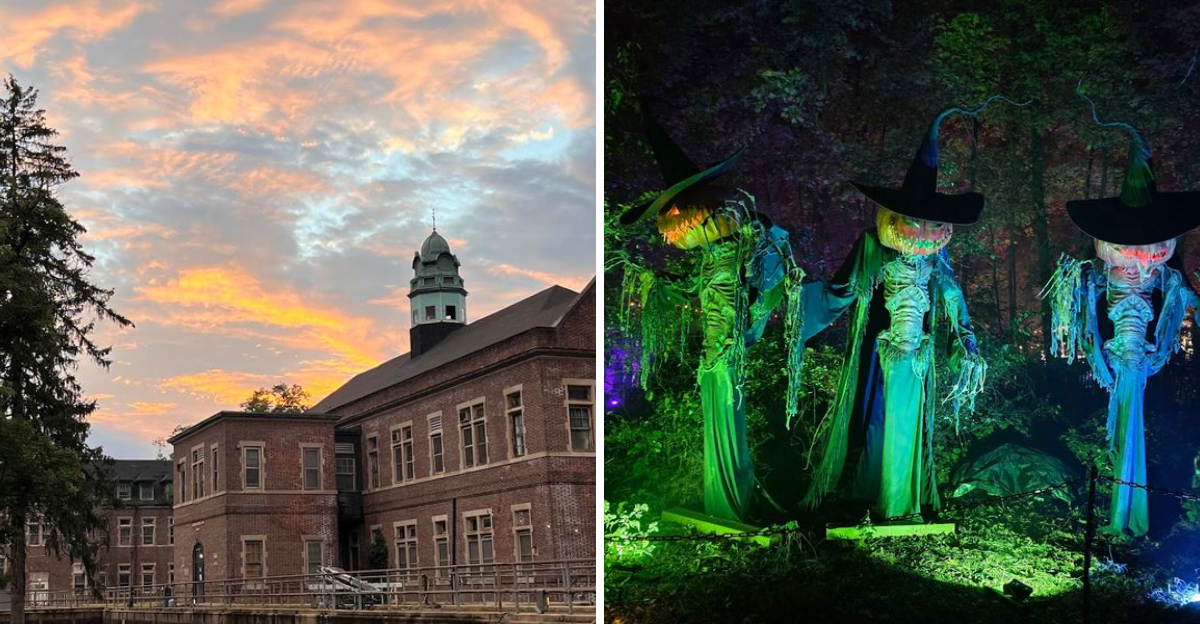
Pennhurst Asylum carries more history per square foot than most places three times its size.
Opened in 1908, this sprawling campus was originally called the Eastern Pennsylvania State Institution for the Feeble-Minded and Epileptic. That name alone tells you the era had a very different approach to care and compassion.
The facility housed thousands of residents over its decades of operation, many of whom had nowhere else to go.
It officially closed in 1987 following a landmark legal case that exposed troubling conditions inside. That closure marked a turning point in how Pennsylvania, and the country, thought about institutional care.
Today the site draws history enthusiasts, paranormal investigators, and curious visitors from across the region. The buildings still stand, weathered but imposing, like a reminder of a complicated past.
Walking the grounds feels like stepping into a history book that nobody quite finished writing.
Every crumbling corridor and rusted gate has a story attached to it, and most of those stories are genuinely worth knowing.
The Architecture That Refuses To Be Forgotten
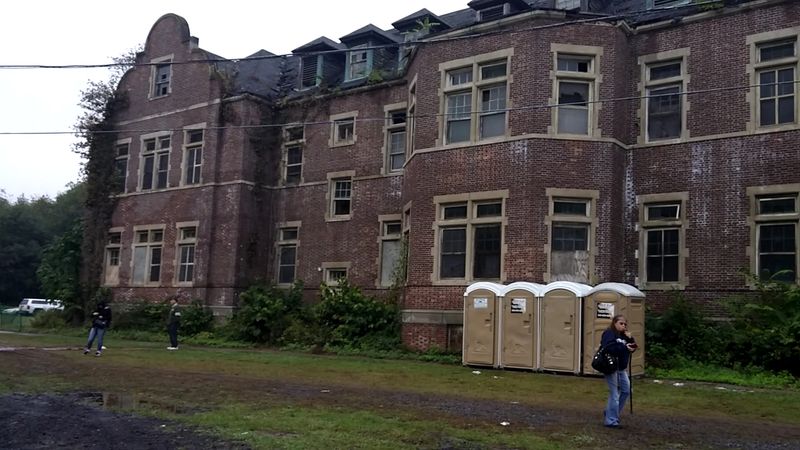
There is something about old institutional architecture that stops you cold.
Pennhurst, at 601 N Church St, Spring City, Pennsylvania, was designed in the Cottage Plan style, which was actually considered progressive for its time.
The idea was to create a self-contained community where residents could live, work, and receive care all on one campus.
The complex once included over 30 buildings spread across hundreds of acres. Some housed residents, others served as kitchens, a power plant, a farm, and even a chapel.
The scale of the place is genuinely staggering when you see it in person for the first time.
I remember standing at the edge of the property and trying to count the rooftops visible through the trees.
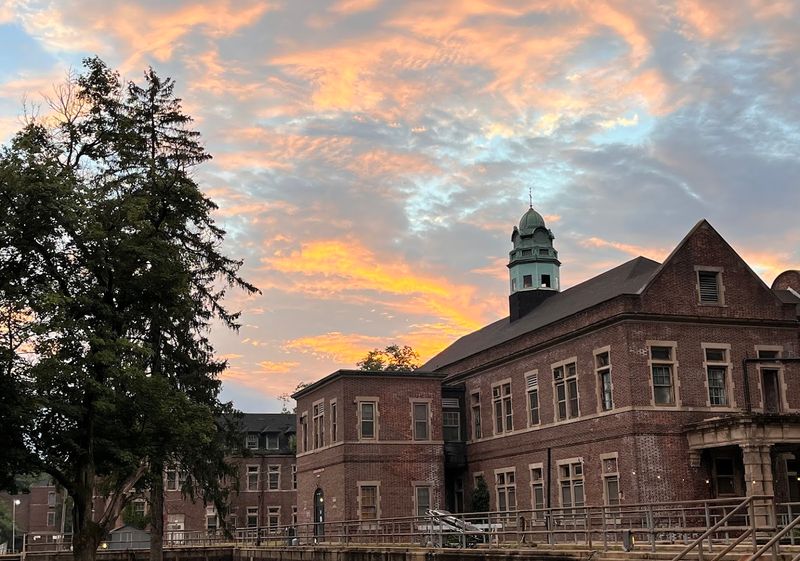
The red brick, arched windows, and stone detailing give the buildings a kind of severe beauty that is hard to ignore.
Architects and history buffs often visit just to photograph the structures before time takes more of them.
The design was meant to inspire calm and order, and in a strange way, even now, the bones of that original vision are still visible if you look carefully enough.
Why People Call It One Of Pennsylvania’s Creepiest Spots
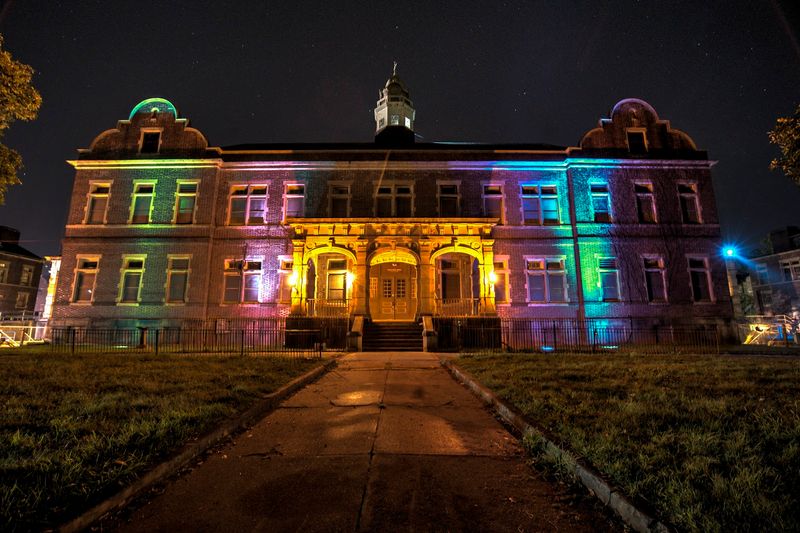
Calling a place creepy is easy. Actually earning that reputation takes decades.
Pennhurst has had plenty of time to build its unsettling atmosphere, and it has leaned into that identity in a way that feels both honest and surprisingly self-aware.
The combination of its long history, the stories attached to its residents and staff, and the physical state of the buildings creates an experience that is hard to shake.
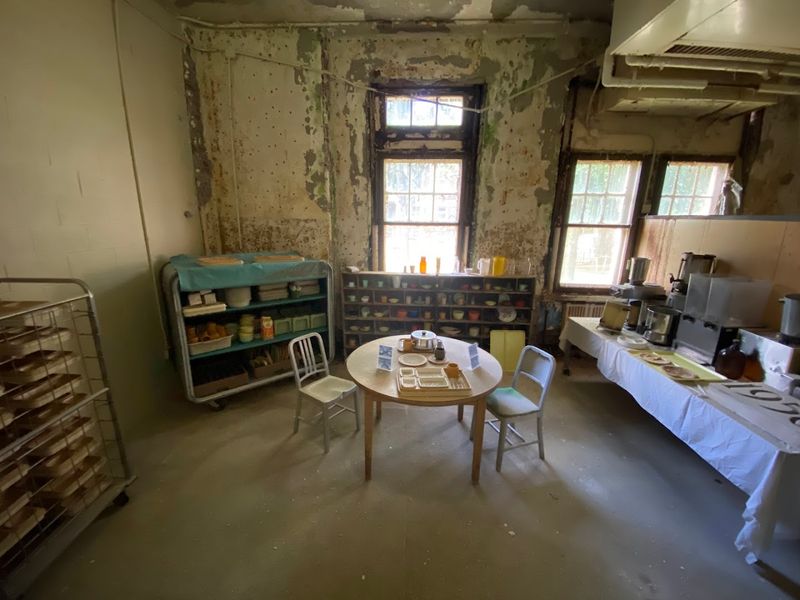
Peeling paint, collapsed ceilings, and empty hallways that once held hundreds of people tend to leave an impression. The silence inside is the kind that feels intentional.
Pennsylvania has no shortage of historic and atmospheric locations, but Pennhurst occupies a unique category.
It is not just old. It is layered with real human stories that most visitors feel almost immediately upon arrival.
Local historians, journalists, and documentary filmmakers have all found material here that goes well beyond ghost stories.
The creepiness is not manufactured. It grew organically from a place that witnessed enormous change, controversy, and eventually, transformation into something the public could actually engage with.
The Landmark Legal Case That Changed Everything
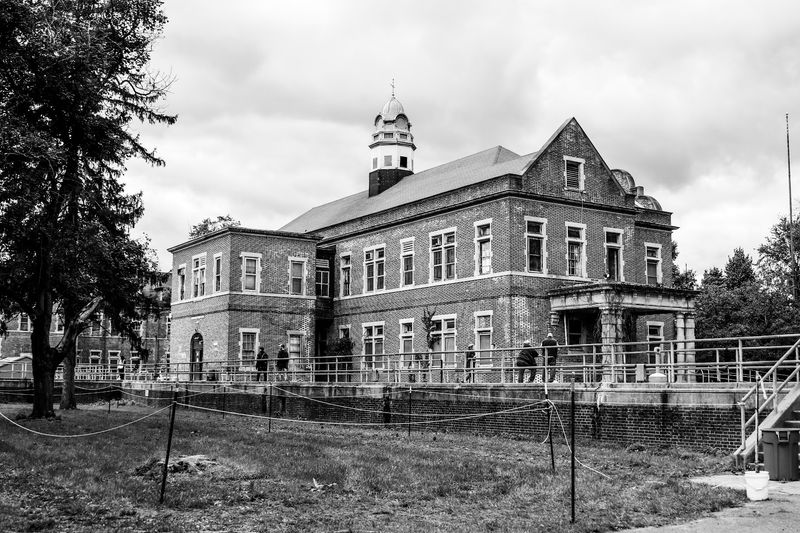
Few people outside of Pennsylvania know that Pennhurst sits at the center of one of the most significant legal battles in the history of disability rights in America.
The case, Halderman v. Pennhurst State School and Hospital, began in 1974 and stretched through the courts for years.
Terri Lee Halderman was a young resident whose family argued she was not receiving adequate care.
The lawsuit that followed eventually reached the Supreme Court twice and helped reshape federal policy around the rights of people with disabilities in institutional settings.
That is a remarkable legacy for a building most people only know from ghost tour brochures.
The case contributed directly to the national movement toward deinstitutionalization, pushing for community-based care over large residential facilities.
Pennhurst closed its doors in 1987 as a direct result of years of legal and political pressure. Understanding this history does not make the building less eerie, but it does make it far more meaningful.
The place is a physical monument to a legal and social revolution that changed lives across the entire country, not just in Spring City.
The Ghost Tours That Draw Thousands Every Year
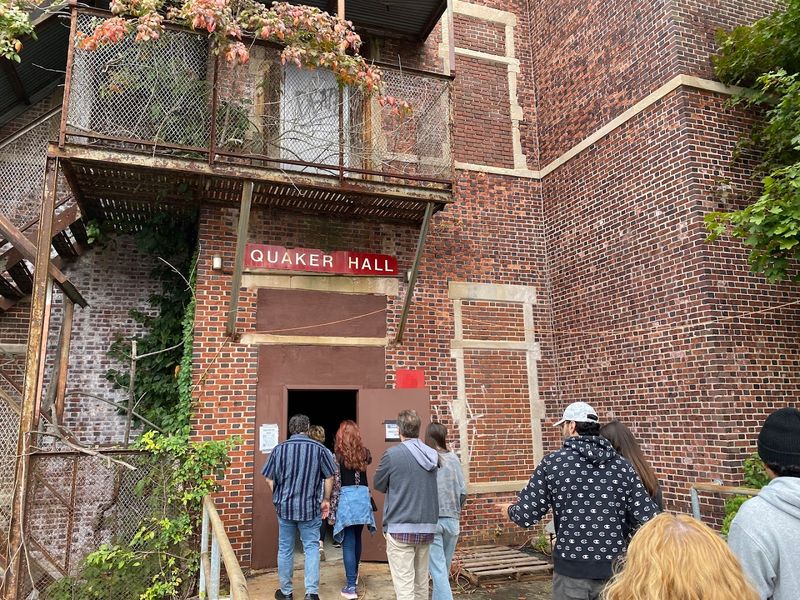
Every October, Pennhurst transforms into one of the most visited haunted attractions in the entire northeastern United States.
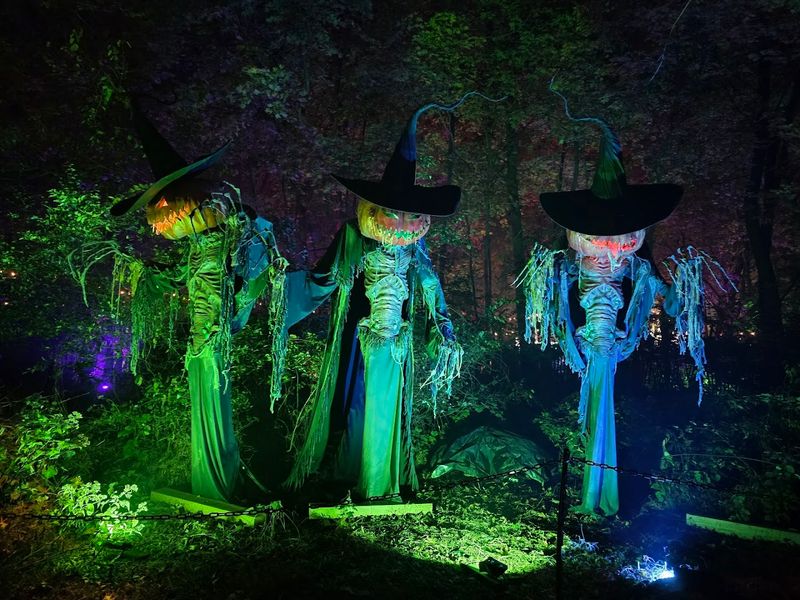
The Pennhurst Asylum haunted experience draws visitors from multiple states, and the lines on weekend nights can stretch impressively long. People genuinely plan their fall calendars around this place.
The event uses the actual historic buildings as its setting, which gives it an authenticity that purpose-built haunted houses simply cannot replicate.
You are walking through real hallways, past real rooms, inside a structure with a century of actual history behind it. That context adds a layer of atmosphere that no amount of theatrical design can manufacture.
I went on a guided historical tour rather than the haunted attraction, and even in full daylight the building had a presence that was hard to describe.
The tour guides are genuinely knowledgeable and passionate about the site’s history. They balance the spooky reputation with real facts and context, which makes the experience feel worthwhile rather than gimmicky.
Whether you come for the history or the thrills, Pennhurst delivers something that sticks with you long after you have driven back down Route 724 toward home.
What The Campus Looks Like Today
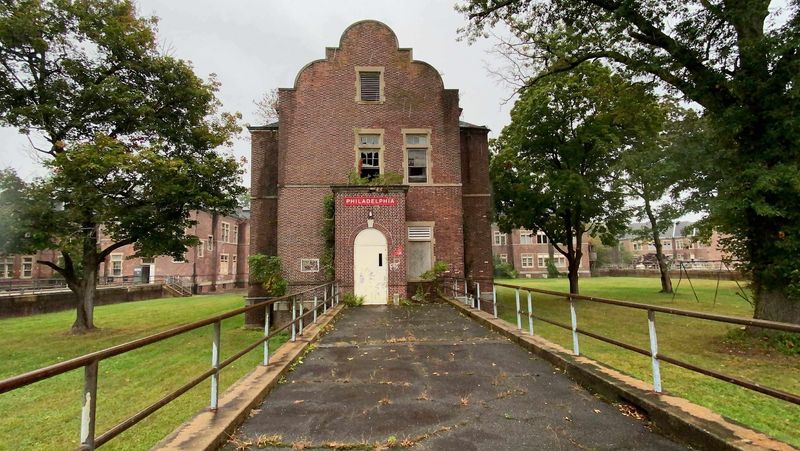
The Pennhurst campus today is a mix of preserved buildings, ongoing restoration efforts, and structures that nature has slowly begun to reclaim.
The property is privately owned and has been actively managed since 2010, when new ownership began converting it into a heritage and entertainment destination.
Some buildings have received significant attention and stabilization work, while others remain in a more raw, atmospheric state.
The campus spans a large footprint along North Church Street, and the scale of it becomes more apparent the longer you spend there. It does not feel like one building.
It feels like an entire neighborhood frozen at a specific moment in time.
Seasonal events, historical tours, and photography sessions are among the activities available to the public.
The ownership has worked to balance preservation with accessibility, which is not always an easy line to walk with a property this complex.
Spring City itself is a small, quiet borough in Chester County, and Pennhurst is by far its most recognizable landmark. Driving past on a clear day, with sunlight hitting the brick, the place looks almost peaceful.
Almost.
The Stories That Locals Still Talk About
Ask anyone who grew up in Spring City or the surrounding Chester County area about Pennhurst, and you will get a story. Some are secondhand accounts passed down through families.
Others are firsthand memories from people who worked there, visited residents, or simply grew up driving past the gates on their way to school.
The facility was a visible and significant part of the local landscape for nearly 80 years. That kind of long-term presence leaves marks on a community.
Former staff members have shared accounts of the daily life inside that paint a more human picture than the dramatic headlines often suggest.
There were moments of genuine connection and care alongside the institutional difficulties.
Local historians in Chester County have worked to document these stories before they fade entirely.
Oral history projects, newspaper archives, and advocacy group records all contribute to a more complete picture of what Pennhurst actually was, beyond the ghost tour version.
The community relationship with the site is complicated and layered, as it should be for a place with this much history. Those local voices are honestly the most interesting part of the whole story.
Planning Your Visit
Getting to Pennhurst is straightforward if you are coming from the Philadelphia area. Spring City sits in Chester County along the Schuylkill River, roughly 35 miles northwest of the city.
The drive takes you through some genuinely pretty Pennsylvania countryside, which makes the arrival feel earned.
Parking is available on site during events and tours.
The Pennhurst website is the best place to check current tour schedules, seasonal event dates, and ticket availability, since programming changes throughout the year.
Daytime historical tours run at select times and are great for visitors who want the history without the theatrical scares.
The haunted season typically runs through October, and tickets sell out quickly on weekends. Wear comfortable shoes because the grounds are large and some interior surfaces are uneven.
Bring a jacket in the fall because the buildings hold the cold in a way that surprises most first-time visitors. Go with an open mind, a curiosity about real history, and maybe a friend who does not scare easily.
You will not regret the trip.