This Former Service Station In Fruitland, Idaho Serves Comfort Food Locals Keep Coming Back For
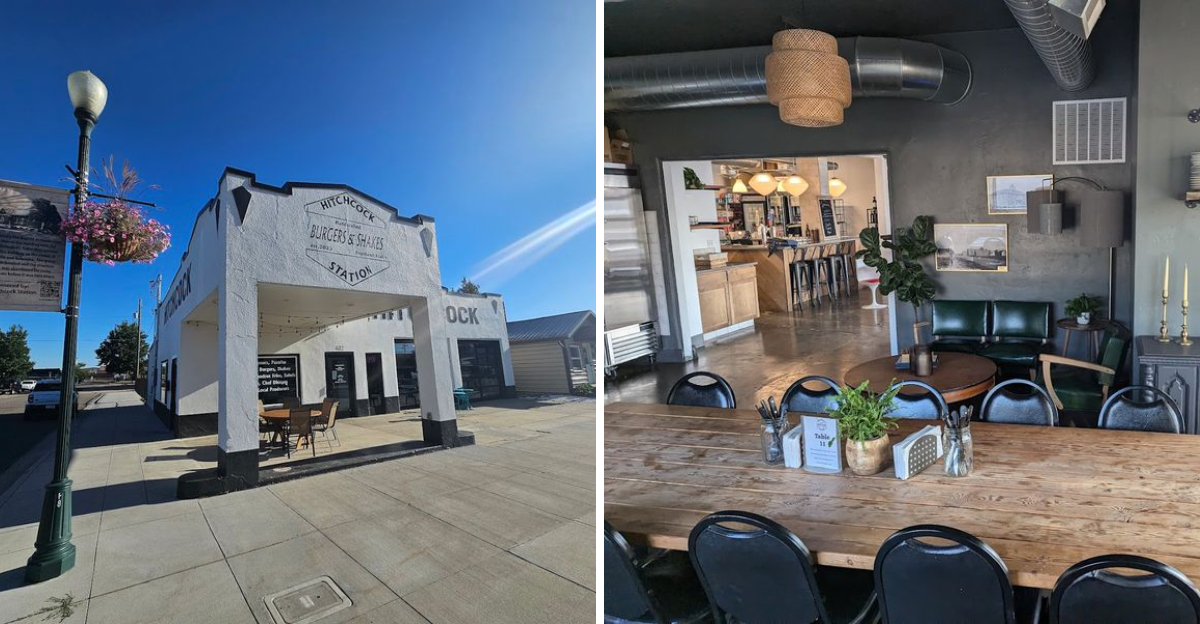
Old service stations usually promise fuel and maybe a suspicious bathroom key, so finding comfort food with real heart inside one feels like a delicious plot twist.
In Fruitland, Idaho, this former garage has traded engine noise for warm plates, and honestly, that feels like a strong career upgrade.
The building still carries that old roadside character, but the kitchen gives it a reason to stay busy.
Nothing feels overly polished or dressed up for attention.
That is part of the charm.
A meal here feels familiar without being boring, like the kind of place locals mention with a little pride.
Pull in once, and the old station may start feeling like a regular stop.
Fruitland’s Former Service Station Now Feeds The Neighborhood
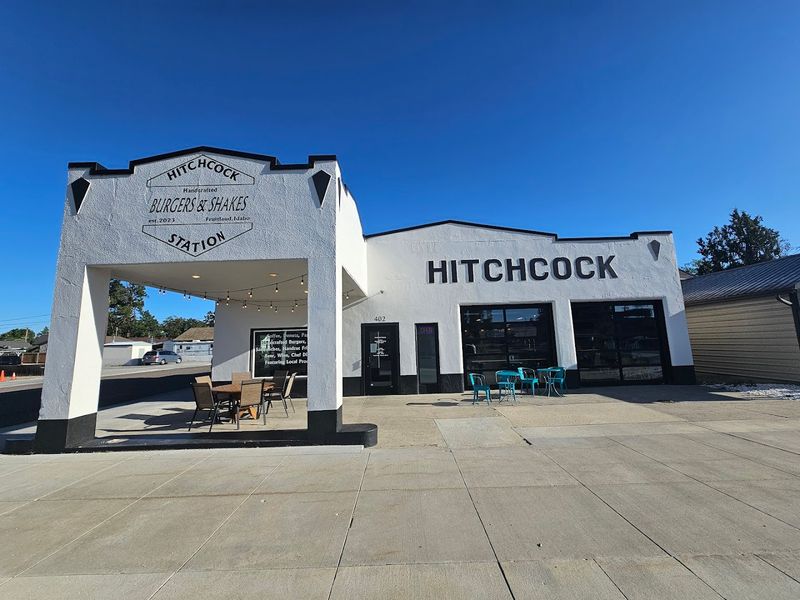
Old service stations usually disappear into memory once the cars stop pulling in, but Hitchcock Station found a much better second life.
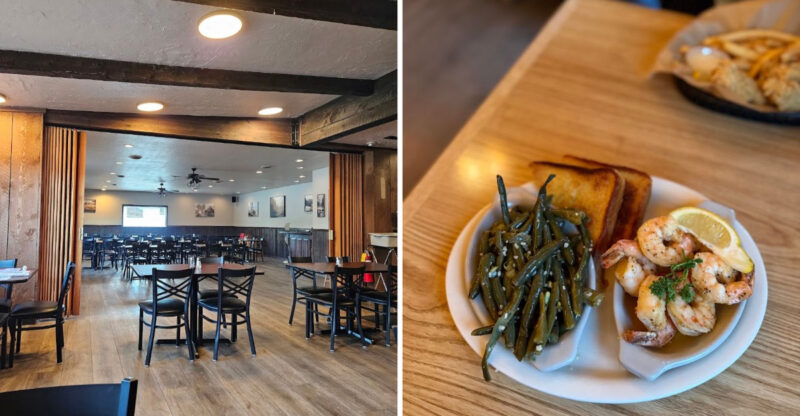
The building still carries the bones of its 1924 past, yet the space now works as a warm neighborhood restaurant where the focus has shifted from filling tanks to filling plates.
That transformation gives the dining room a personality newer buildings struggle to imitate. Instead of feeling themed or artificially vintage, the setting has the kind of inherited character that comes from real use over time.
Guests walk into a place that has already lived several lives, which makes the meal feel connected to Fruitland before the first order even arrives. The open, casual atmosphere works for families, coworkers, road-trippers, and locals who want something more personal than another chain stop.
A restaurant like this gives a small city a gathering point, especially when the food feels carefully made rather than rushed through a fryer.
Hitchcock Station’s story is simple but effective: take a historic building, keep the local spirit visible, and let a good kitchen bring people back through the door.
The result is comfort food with a little history under its feet and a lot of hometown energy around it.
A 1924 Building Gives Comfort Food Extra Character
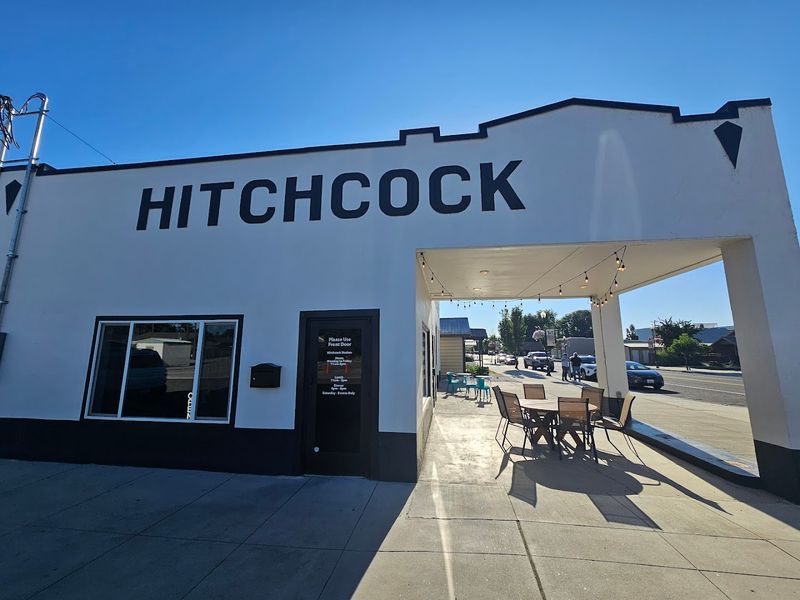
Century-old walls have a way of making a meal feel more grounded, especially when the building’s past has not been scrubbed away completely. Hitchcock Station’s home began as a service station, and that history gives the restaurant a built-in sense of place.
Comfort food already depends on familiarity, but serving it inside a repurposed local landmark adds another layer. Burgers, fries, sandwiches, salads, steaks, seafood dishes, and specials feel more memorable when the room around them has a story.
The restaurant does not need to overdecorate or shout about nostalgia because the building does the quiet work on its own. A former garage space turned into an eatery naturally creates contrast, and that contrast is part of the appeal.
What once existed for quick roadside utility now invites people to sit, eat, talk, and linger. That shift says something about how small-town spaces can adapt without losing their identity.
Fruitland’s downtown setting helps, too, because the restaurant feels woven into local life rather than placed there as a novelty. Guests may come in hungry, but they also get the pleasure of eating somewhere that feels specific.
A plate of comfort food tastes better when the setting has enough character to make the visit feel like more than lunch. Hitchcock Station sits at 402 SW 3rd Street, Fruitland, ID 83619, inside a building constructed in 1924 and originally used as a service station.
Handcrafted Burgers Make The Old Station Feel Alive Again
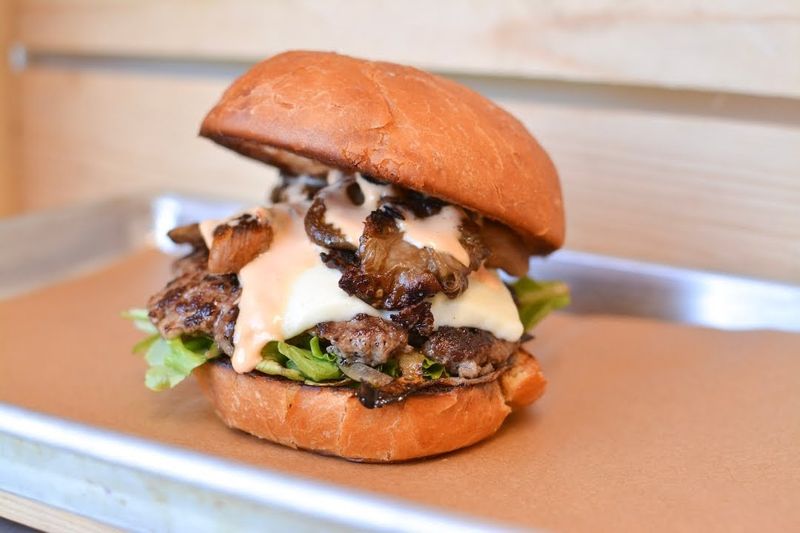
A good burger can carry a restaurant’s reputation, and Hitchcock Station clearly understands that responsibility. The menu features handcrafted burgers built with local and carefully chosen ingredients, including buns made with Idaho wheat and beef sourced from regional producers.
That attention changes the experience from ordinary comfort food into something that feels more deliberate. The Garden of Eden burger brings mushrooms, grilled onion, Manchego cheese, lettuce, pickles, and house sauce together in a way that gives a classic format a little more personality.
The Boon Classic keeps things direct with beef, white cheddar, lettuce, pickles, and house sauce, while other burger and sandwich options give regulars a reason to keep working through the menu. What matters most is that these dishes do not feel like filler.
They feel like the kind of food the restaurant wants to be known for. Burgers also suit the building’s old roadside identity beautifully, connecting the former service-station setting to the kind of hearty, satisfying meal travelers and locals both understand immediately.
The best comfort food does not need to be complicated. It needs good ingredients, proper cooking, and enough flavor to make someone start planning a return visit before the plate is empty.
Hitchcock Station gets that formula right.
Local Ingredients Turn Familiar Plates Into Something Better
Fresh sourcing can make even familiar food feel new again, and Hitchcock Station builds much of its identity around that idea.
The restaurant says it works with local producers and highlights ingredients such as regional beef, local cheese, local lettuce, organic chicken, Idaho wheat buns, and carefully selected cooking fats.
That approach matters because the menu is built around dishes people already know: burgers, sandwiches, salads, fries, steaks, seafood, and hearty entrées. Familiar food has to be done well to stand out, and better ingredients give the kitchen a stronger foundation.
A salad becomes more than a side when the greens taste fresh and the dressing feels thoughtfully matched. A burger feels different when the bun, beef, cheese, and sauce all seem chosen rather than automatic.
Even fries get a more distinctive flavor when they are hand-cut and cooked with care. Local sourcing also gives the meal a regional connection, which is especially important in a small Idaho city surrounded by agricultural land.
Eating here feels like participating in a local food loop rather than simply buying a plate from a generic menu. The restaurant’s comfort-food appeal comes from more than richness or portion size.
It comes from making everyday dishes taste cared for, specific, and tied to the community around them.
Sandwiches And Fries Keep The Roadside Spirit Going
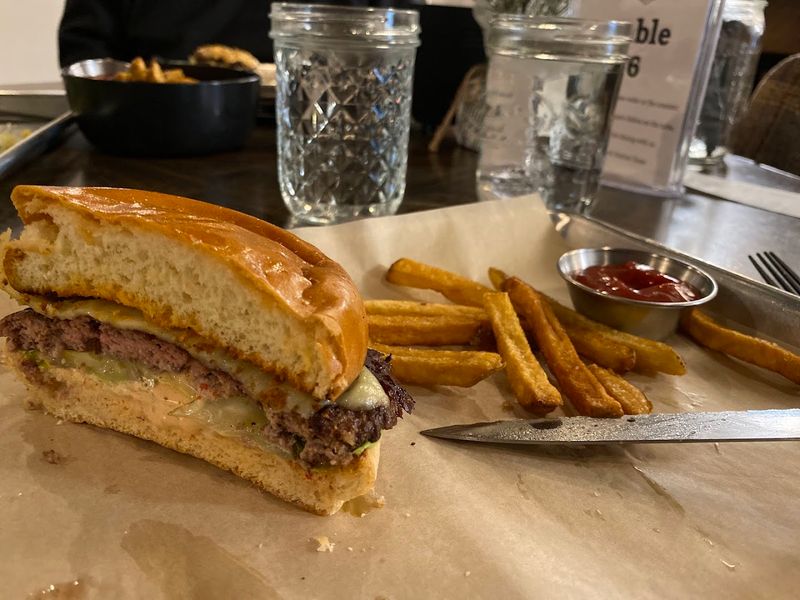
Roadside food works best when it is satisfying without pretending to be fancy, and Hitchcock Station keeps that spirit alive through sandwiches and fries with real personality.
The menu includes a fried chicken sandwich, a BLTC with grilled halloumi, bacon, lettuce, tomato, and house sauce. It also offers several burger-style options that suit the former service-station setting.
These are the kinds of dishes that make sense in a repurposed roadside building because they feel hearty, direct, and easy to crave again. The fries deserve attention of their own.
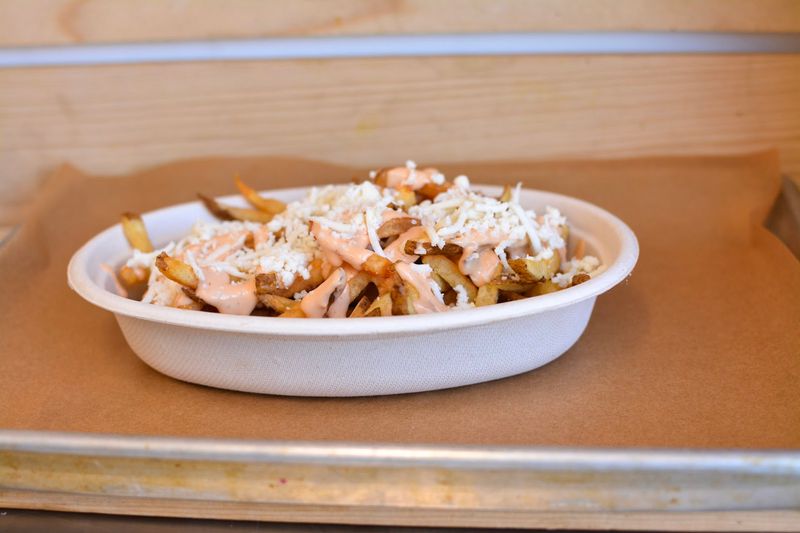
Hand-cut Idaho potato fries are listed on the menu, along with spicy cheese fries, truffle fries, and other loaded options that can turn a side dish into the thing people keep talking about. Good fries are a small test of a comfort-food restaurant.
If they taste like an afterthought, the whole meal loses momentum. Here, they feel connected to the kitchen’s larger approach: simple food treated seriously.
Sandwiches and fries also make the restaurant flexible. Someone can stop in for a quick lunch, bring a friend for a casual meal, or build a more generous dinner around specials and sides.
That range helps Hitchcock Station stay useful to locals, not just interesting to first-time visitors.
Dinner Specials Give This Small Spot A Bigger Pull
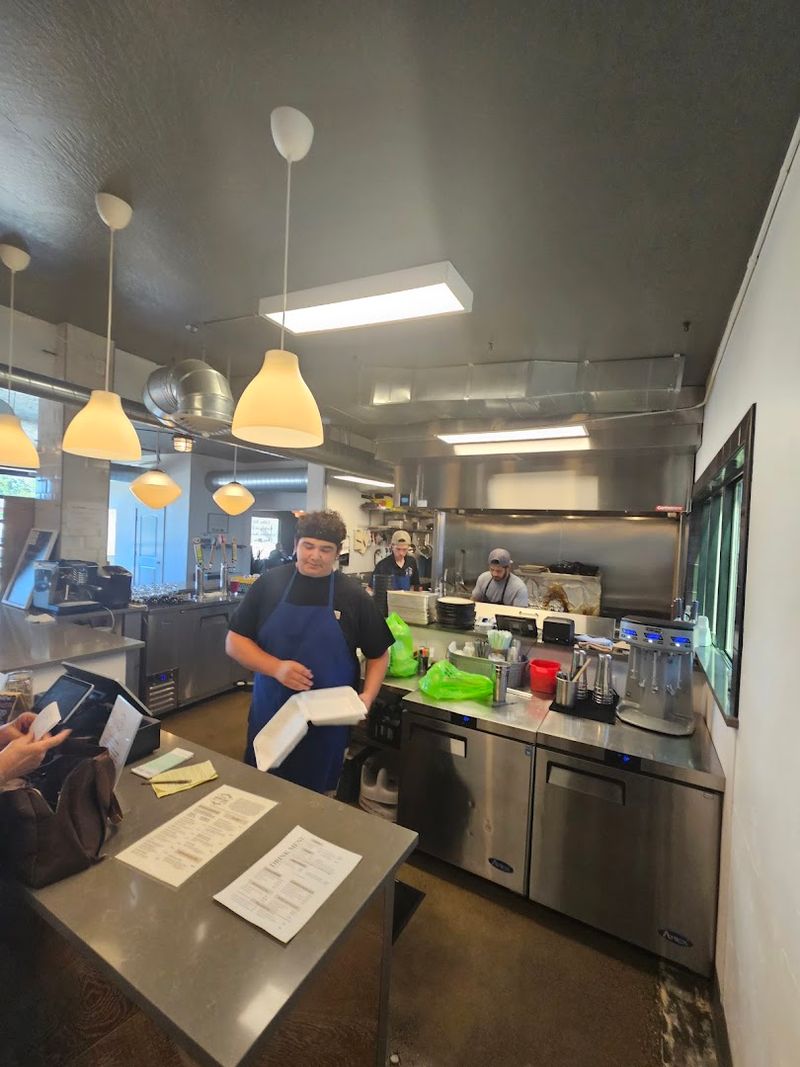
Even a restaurant known for burgers needs room to surprise people, and Hitchcock Station’s rotating specials help the kitchen stretch beyond the expected.
The menu and online ordering page feature chef-driven dishes and specials alongside burgers, sandwiches, salads, fries, shakes, and entrées. This gives the restaurant more range than a simple lunch counter.
That variety matters for repeat customers. A person might first visit for a burger, then come back later for flank steak, seafood, pasta-style specials, or another chef-crafted dish that changes the mood of the meal entirely.
Dinner service also gives the old building a different energy. Lunch can feel quick and neighborhood-centered, while evening hours make the restaurant feel more like a small-town dining destination.
The kitchen’s background in farm-to-table cooking shows in the way specials and entrées are framed around fresh ingredients and regional sourcing. That keeps the menu from becoming predictable, even when the comfort-food foundation stays familiar.
For Fruitland, a place like this adds dining depth without losing accessibility. Guests can still order something casual, but they also have the option to try a more composed plate when the specials board calls.
Hitchcock Station’s dinner appeal comes from that balance between approachable and unexpected.
The Historic Building Makes Every Meal Feel More Memorable
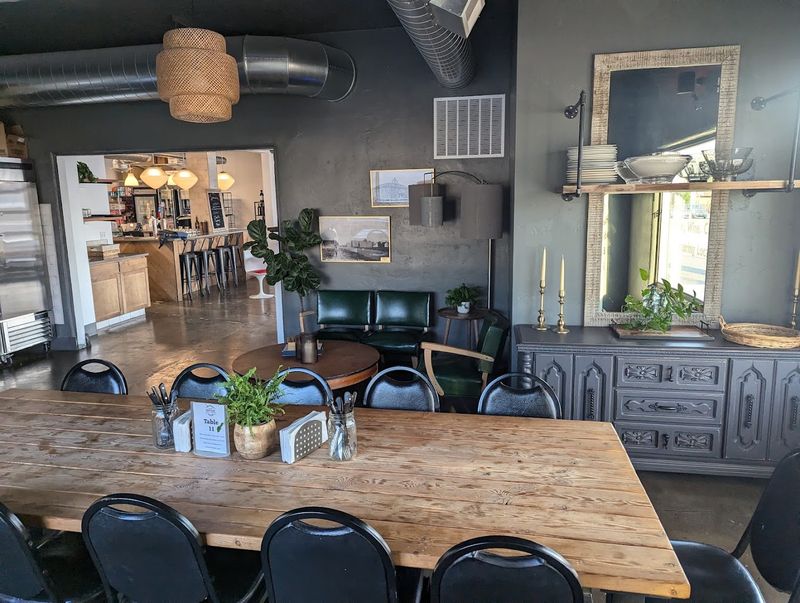
Atmosphere can feel forced when a restaurant tries too hard, but Hitchcock Station benefits from a setting that already had character before the kitchen arrived.
A former service station carries visual and emotional texture: old bones, practical history, and the sense that generations of people passed through the space for reasons completely different from dining.
Turning that kind of building into a restaurant gives every meal a built-in conversation starter. Guests can enjoy a burger or entrée while still noticing that the room around them once belonged to Fruitland’s roadside past.
That connection makes the experience feel more grounded than a restaurant built only to look rustic. The historic structure also gives the menu a better frame.
Comfort food belongs in places that feel lived-in, and this building gives those plates the right kind of backdrop. Nothing needs to be overly polished.
Warmth comes from the mix of history, local ownership, open hospitality, and food that feels made with care. The best small-town restaurants often become beloved because they offer more than a meal.
They give people a place to return to, a place that feels specific to the community, and a setting that makes ordinary lunches and dinners feel a little more meaningful. Hitchcock Station has that quality.
Hitchcock Station Turns A Quick Stop Into A Local Favorite
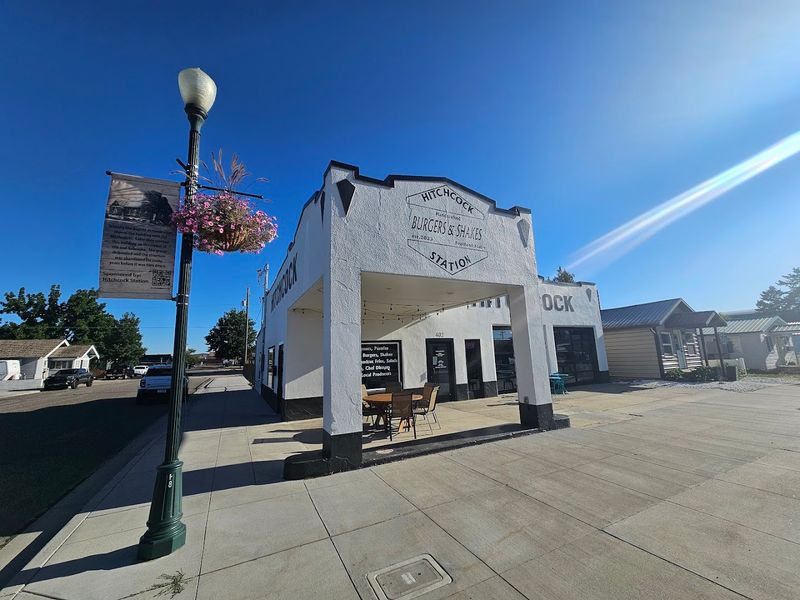
Word-of-mouth matters more than slogans in a small town, and Hitchcock Station has the kind of menu that encourages people to bring someone new the next time.
Burgers, sandwiches, fries, salads, shakes, seafood, steaks, desserts, and changing specials give the restaurant enough variety to handle different cravings without losing its identity.
The shakes add an old-fashioned touch, with flavors such as Dutch Chocolate, Huckleberry Heaven, Vanilla, Salted Caramel, and Cookies and Cream appearing on the online menu.
That sweet finish fits the former service-station setting perfectly, giving the place one more reason to feel nostalgic without becoming stuck in the past.
Gluten-free notes also appear on some menu items, which helps diners with certain needs navigate more comfortably. What keeps the restaurant appealing is the combination of story and execution.
A converted 1924 service station might get people curious once, but food has to do the work after that. Locals do not keep returning because a building used to be something else.
They return because the burgers, fries, specials, and service make the visit feel worthwhile. Hitchcock Station has turned a historic Fruitland address into a real neighborhood dining stop, one that feels casual, thoughtful, and rooted in the community it serves.