16 Overlooked California Towns Where $1,500 A Month Can Still Stretch Further
Housing headlines do a good job of making California sound financially impossible. Then a few overlooked towns show up and complicate the story.
The rent looks different. The grocery bill feels less aggressive. A monthly budget suddenly has room to breathe again.
Not every corner of the state follows the same script. That is what makes these places worth a closer look.
A budget of $1,500 a month will not create luxury living, but in certain communities it can still cover the basics far more comfortably.
Smaller populations help. Lower housing costs help even more.
Add a slower pace and fewer big-city expenses, and the numbers start looking a little friendlier.
These towns are a chance for money to last longer without leaving California behind.
1. Bakersfield
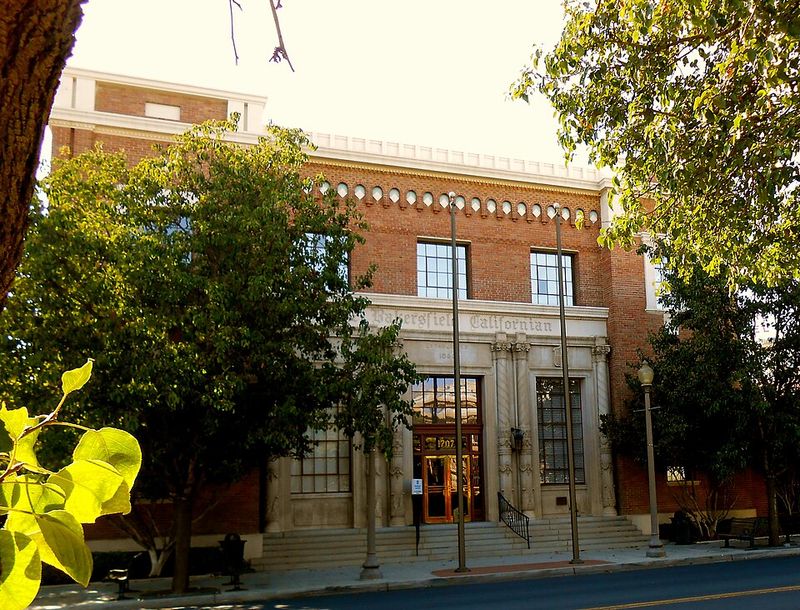
Sitting at the southern end of the Central Valley, Bakersfield has quietly built a reputation as one of the most budget-friendly cities in the state.
Average rent hovers around $1,367, which means a $1,500 monthly budget can realistically cover housing and still leave room for groceries and utilities.
The city is not flashy, but it is functional in a way that many renters and first-time buyers genuinely appreciate.
Local industries like agriculture, energy, and healthcare keep the job market active throughout the year.
Grocery costs run lower than in coastal cities, and many neighborhoods offer solid value for the square footage.
Public parks, community centers, and affordable dining options fill out daily life without requiring much spending.
Weekend farmers markets and local food festivals give the town a grounded, community-driven feel that does not cost much to enjoy.
Traffic tends to be manageable compared to larger California cities, which saves both time and fuel costs.
2. Fresno
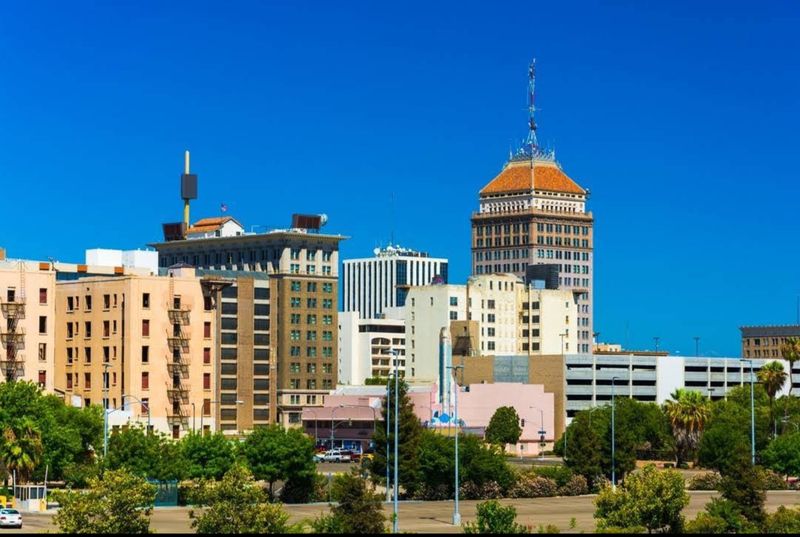
Known as the agricultural heart of California, Fresno offers a mix of urban convenience and small-city pricing that is hard to find elsewhere in the state.
Average rent sits around $1,430, making it one of the more accessible options for renters working with a limited monthly budget.
The city has grown steadily over the years and now includes a range of shopping, dining, and healthcare options that rival much larger metros.
Healthcare and education are among the strongest employment sectors, providing stable job opportunities for residents across different skill levels.
Utility costs tend to run lower than in coastal areas, and local grocery stores are well-stocked with affordable options.
The surrounding farmland also means access to fresh produce at reasonable prices throughout the growing season.
Fresno sits within driving distance of Yosemite National Park, Kings Canyon, and Sequoia, giving outdoor enthusiasts easy access to world-class scenery without paying premium housing prices to get there.
The city also hosts a lively arts scene and several community events throughout the year.
3. Merced
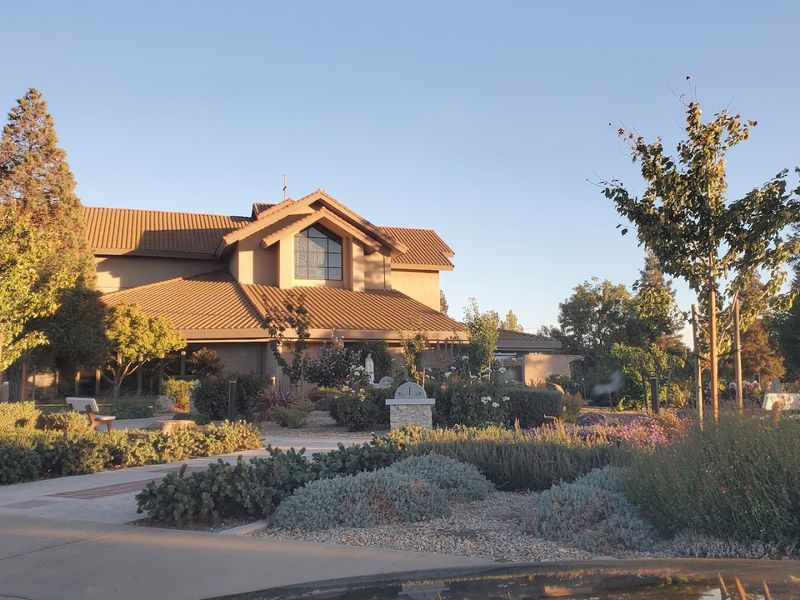
Positioned in the northern San Joaquin Valley, Merced carries the nickname “Gateway to Yosemite” and earns it with its location just over an hour from one of the most visited national parks in the country.
Average rent runs close to $1,481, which places it at the upper edge of a $1,500 monthly budget but still well below what coastal cities charge.
The University of California, Merced, brings a steady stream of activity and employment to the area.
Mercy Medical Center is another major employer, giving healthcare workers a strong reason to consider settling here.
The campus atmosphere keeps the town feeling younger and more energetic than many similarly sized inland cities.
Local coffee shops, bookstores, and casual dining spots give everyday life a comfortable, low-key rhythm.
Housing options range from older single-family homes to newer apartment complexes near the university, giving renters and buyers a decent range of choices.
Grocery prices and utility costs stay modest compared to the Bay Area, which is roughly 90 miles away.
4. Visalia
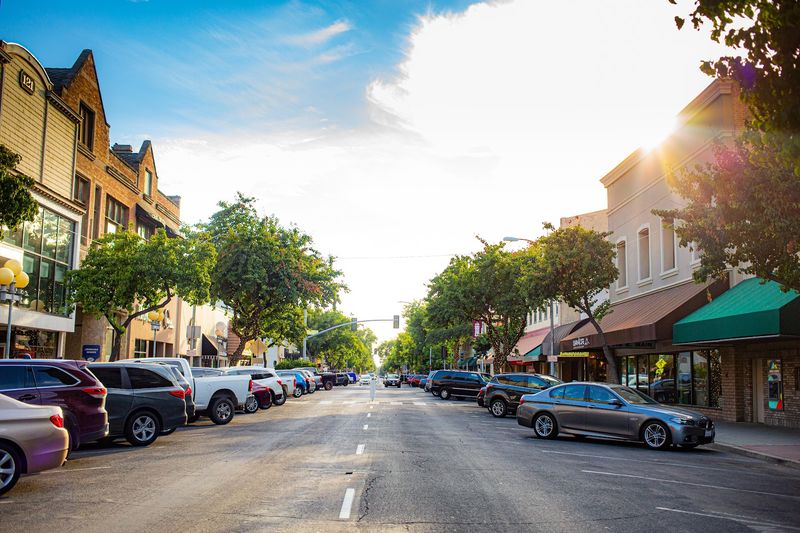
Clean streets, a walkable downtown, and a genuine small-city atmosphere make Visalia one of the more pleasant surprises in the Central Valley.
Housing costs stay well below California’s state average, and renters can typically find solid options without stretching a $1,500 monthly budget to its limit.
The downtown area has a historic character that feels lived-in rather than overdeveloped, with local shops and restaurants lining the main corridors.
Agriculture drives much of the local economy, but healthcare, retail, and education also provide steady employment for residents.
Kaweah Delta Medical Center is one of the largest employers in the region and anchors the healthcare job market.
Proximity to Sequoia National Park gives outdoor lovers access to giant redwoods and mountain trails without a long drive.
The community tends to feel tight-knit, with local events, farmers markets, and youth sports programs drawing families together throughout the year.
Grocery shopping is affordable, and the city has enough retail infrastructure to handle everyday needs without requiring a trip to a larger city.
5. Tulare
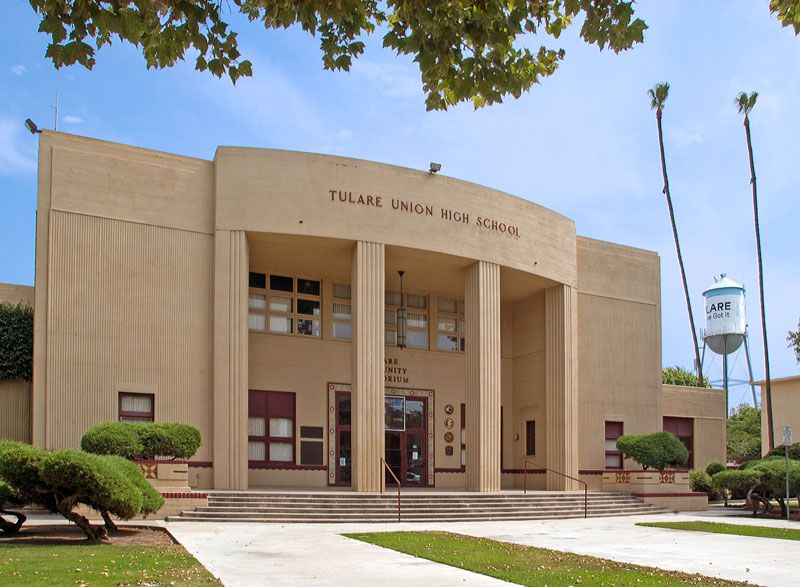
Just south of Visalia, Tulare sits in the heart of California’s agricultural belt and offers some of the most affordable real estate in the entire state.
Median home prices stay well below the California average, and renters can find comfortable apartments and houses at prices that leave breathing room in a $1,500 monthly budget.
The town has a steady, no-frills quality that appeals to people who prioritize practical living over prestige.
The local economy leans heavily on agriculture and dairy farming, with food processing and logistics providing additional employment options.
Tulare is also home to the World Ag Expo, one of the largest agricultural trade shows in the world, which brings economic activity to the area every February.
That kind of industry presence keeps the local job market more stable than in many similarly sized towns.
Everyday costs including groceries, gas, and utilities tend to run low here, which compounds the savings for anyone working within a tight budget.
Parks and recreational facilities are accessible and affordable, and the surrounding landscape offers a flat, open quality that some people find genuinely calming.
For budget-conscious Californians who want stability and space without the premium price, Tulare is worth putting on the radar.
6. Porterville
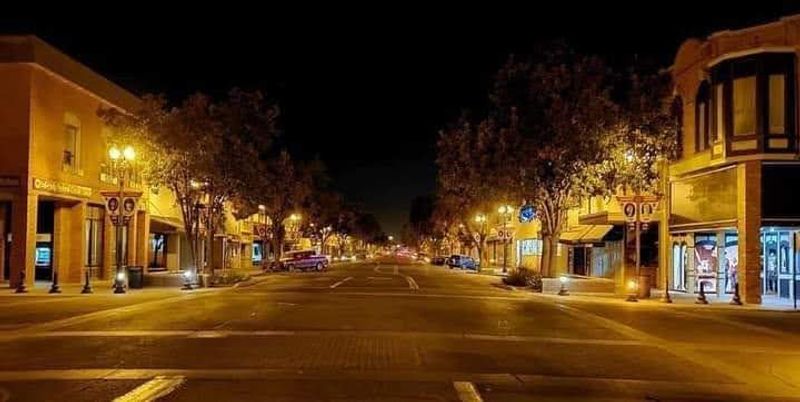
Nestled at the base of the Sierra Nevada foothills, Porterville combines scenic surroundings with housing prices that feel almost out of place in California.
Median home values sit well below the state average, and renters can find options that comfortably fit within a $1,500 monthly budget while still leaving room for savings.
The town has a quiet, unhurried pace that works well for people who prefer a slower lifestyle without sacrificing access to basic services.
The local job market draws from healthcare, retail, and agriculture, with Sierra View Medical Center serving as one of the larger employers in the area.
Grocery costs and utility bills tend to stay modest, and the town has enough commercial infrastructure to handle most daily needs without requiring frequent trips elsewhere.
The nearby Sierra Nevada foothills offer hiking trails and outdoor recreation that cost little to nothing to enjoy.
Porterville also has a growing arts and community events scene, with local festivals and markets adding variety to everyday life.
The town sits roughly an hour from Sequoia National Park, giving residents access to some of the most dramatic landscapes in California.
7. Hanford
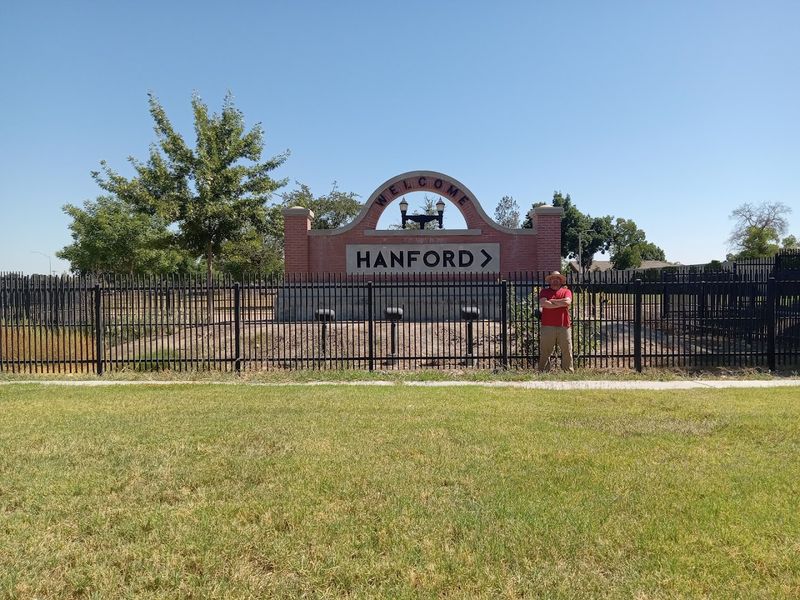
There is something genuinely charming about Hanford that goes beyond its low cost of living.
The downtown area features well-preserved historic architecture, including a beautiful courthouse and a collection of brick buildings that give the town a character rarely found at this price point.
Housing costs stay low, and renters working within a $1,500 monthly budget can often find well-maintained homes and apartments without much difficulty.
Located in Kings County, Hanford serves as the county seat and benefits from stable government and public sector employment.
Agriculture and food processing also provide steady work, and the town has enough retail and dining options to support comfortable daily living.
The community has a family-friendly reputation with good access to schools and parks.
One of Hanford’s more interesting quirks is its historic China Alley district, a preserved section of town that reflects the area’s 19th-century Chinese immigrant history.
It is a surprisingly rich cultural detail for a town of its size. Grocery prices are competitive, and the overall cost of utilities and transportation tends to run lower than in urban California.
8. Delano
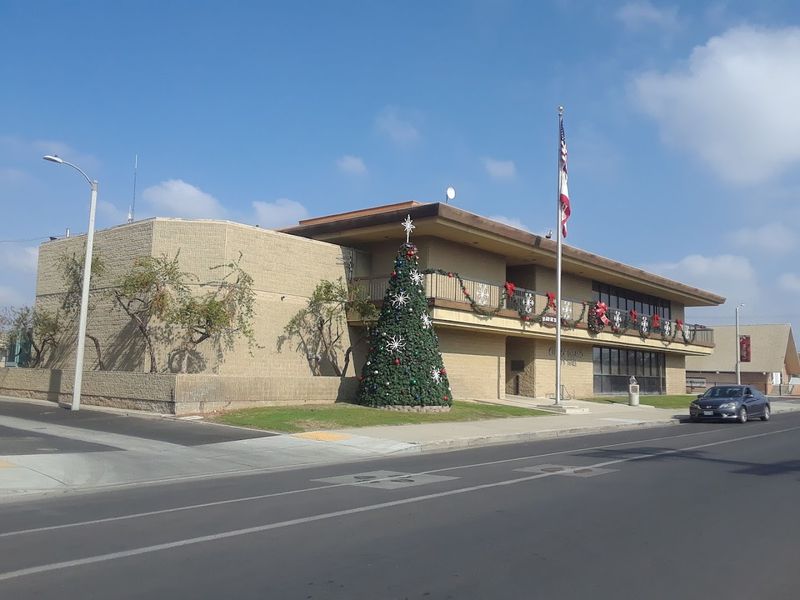
Delano may not be the first name that comes up in conversations about California living, but its affordability is hard to argue with.
Housing costs here sit among the lowest in Kern County, and a $1,500 monthly budget can go a meaningful distance toward covering both rent and basic living expenses.
The town has a working-class, community-focused character that reflects its deep roots in the California farmworker movement.
Agriculture remains the dominant industry, with table grapes being a particularly significant crop in the surrounding area.
Food processing and logistics also provide employment, and the town’s location along Highway 99 makes commuting to nearby Bakersfield or Fresno a viable option for residents who work outside the immediate area.
Gas prices and grocery costs tend to stay reasonable here.
Local parks and community facilities give residents accessible recreational options, and the town’s small size keeps daily life manageable and low-stress.
Healthcare access has improved in recent years with expanded clinic services serving the local population.
Delano does not offer the amenities of a larger city, but for someone focused purely on stretching a tight budget in California, the combination of low housing costs and essential services makes it a practical choice.
9. Wasco
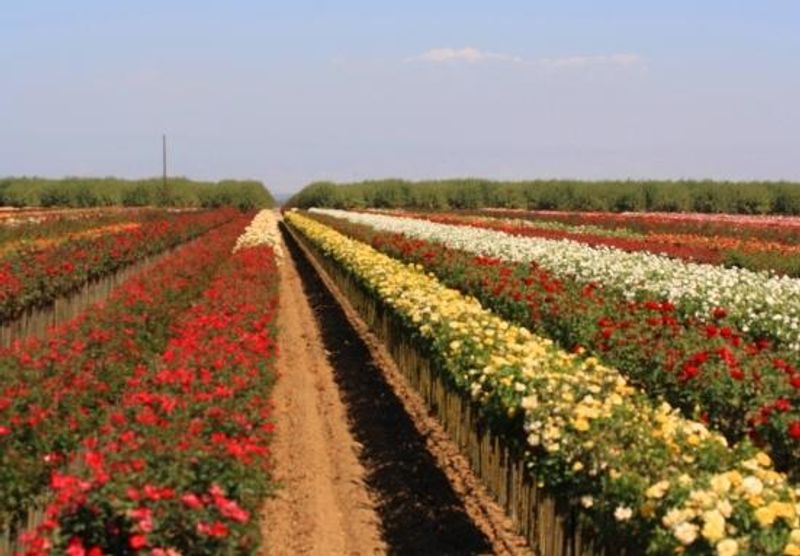
Known informally as the “Rose Capital of the Nation” due to its long history of commercial rose growing, Wasco is a small Kern County town that offers some of the most budget-friendly housing in the region.
Renters and buyers looking to make a $1,500 monthly budget work in California will find that Wasco’s low cost of living provides more flexibility than most other options in the state.
The town is compact and straightforward, with a population that stays close to the land and its agricultural roots.
Rose cultivation and general agriculture form the backbone of the local economy, along with food processing and logistics tied to the broader Central Valley supply chain.
The town sits along Highway 46, placing it within reasonable driving distance of Bakersfield, which expands job and shopping options for residents.
Utility costs and everyday expenses tend to run low here, which adds up over time for anyone on a careful budget.
Community events tied to the town’s rose-growing heritage, including an annual Rose Festival, give residents a sense of local pride and shared identity.
Public parks and open spaces offer low-cost recreation, and the flat surrounding landscape gives the area an open, uncluttered feeling.
10. Ridgecrest
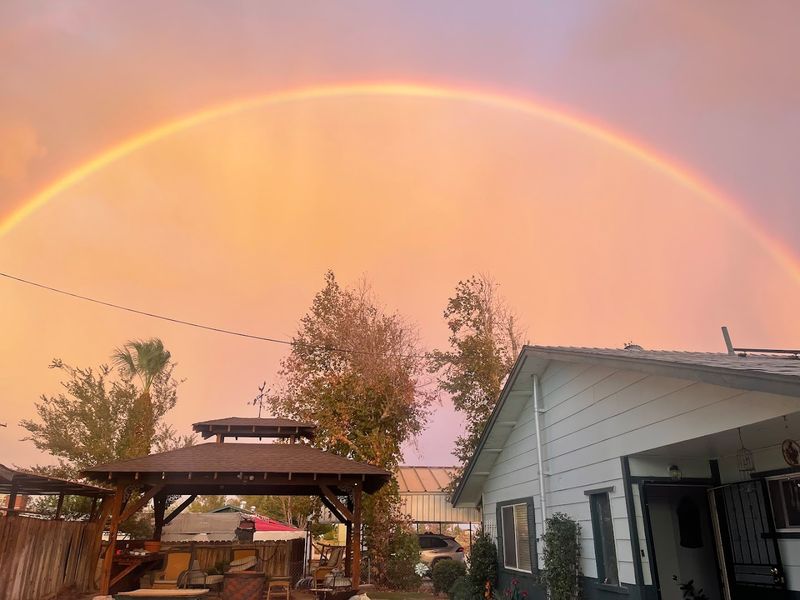
Sitting in the Mojave Desert in northern Kern County, Ridgecrest offers a kind of affordability that feels almost counterintuitive for California.
Housing prices run significantly lower than in coastal or urban areas, and a $1,500 monthly budget can realistically cover rent and leave room for other expenses.
The desert setting gives the town a quiet, uncrowded quality that suits people who prefer open space over city density.
The local economy has a notable anchor in the Naval Air Weapons Station China Lake, which is one of the largest employers in the region and brings a degree of economic stability that many similarly sized desert towns lack.
Healthcare, retail, and education round out the employment options for civilians. Grocery prices and utility costs tend to stay manageable, though summer cooling bills can rise during peak heat months.
Outdoor recreation opportunities in the surrounding desert are plentiful and largely free, including access to petroglyphs at the Coso Rock Art District and hiking in the nearby mountains.
The Maturango Museum offers an accessible look at the region’s natural and cultural history.
11. Barstow
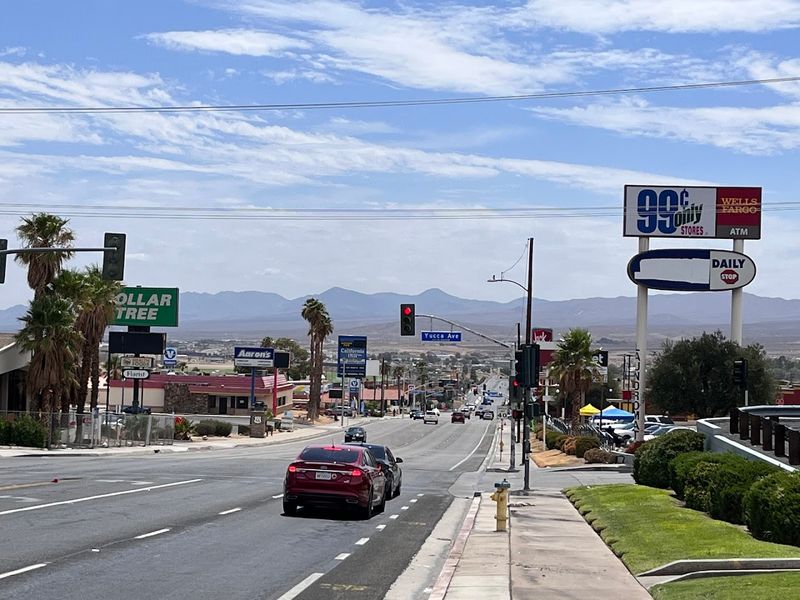
Straddling the historic Route 66 corridor in the Mojave Desert, Barstow has a rugged, road-trip-town energy that comes with surprisingly low living costs.
Housing prices here sit well below the California average, and renters can often find basic but functional apartments and homes that fit comfortably within a $1,500 monthly budget.
The town has a transient quality due to its highway location, but long-term residents tend to appreciate its low-key, no-pressure atmosphere.
The local economy draws from transportation, logistics, and military activity at the nearby Marine Corps Logistics Base Barstow, which provides stable employment for a portion of the population.
Retail and service industry jobs fill out the employment landscape, and the town has enough commercial infrastructure to cover basic daily needs.
Grocery options are available locally, though residents sometimes drive to larger nearby cities for more variety.
The surrounding Mojave Desert offers hiking, off-road recreation, and stargazing that require little to no financial investment.
Calico Ghost Town, located just outside the city, is a popular and affordable attraction that gives the area a distinct historical character.
12. Needles
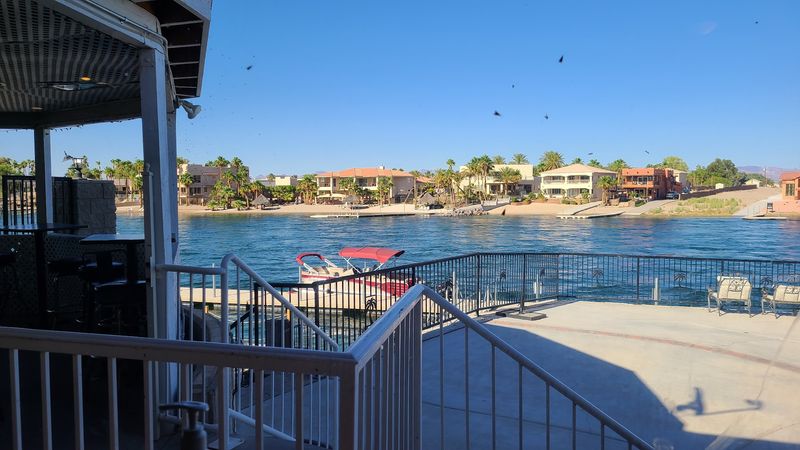
Perched on the eastern edge of California along the Colorado River, Needles is one of the most affordable places to live in the entire state.
Housing costs here are exceptionally low, and a $1,500 monthly budget can cover rent and leave a meaningful amount for other expenses.
The town sits at the border of California, Arizona, and Nevada, giving it a crossroads quality that draws a mix of long-term residents and passing travelers.
The Colorado River provides a natural recreational resource that locals rely on for boating, fishing, and swimming during the warmer months.
Summer temperatures in Needles rank among the highest recorded in the United States, which is worth factoring into any decision about living here, particularly when estimating cooling costs.
The winter months, however, are mild and pleasant, making the town more comfortable for a larger part of the year than its extreme summer reputation might suggest.
Employment options are limited locally, which makes Needles better suited for remote workers, retirees, or people with flexible income sources.
Basic services including grocery stores and healthcare clinics are available in town.
13. Blythe
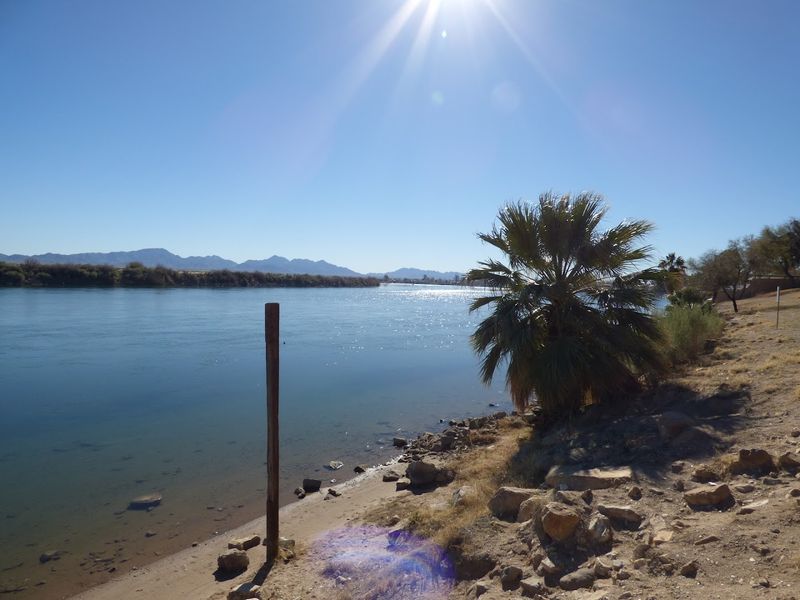
In the far southeastern corner of California where the Colorado River meets the desert, Blythe is one of those towns that most Californians drive past on Interstate 10 without ever stopping.
That oversight works in favor of anyone looking for genuinely affordable housing, since costs here stay low and a $1,500 monthly budget can stretch further than in almost any coastal or urban part of the state.
The town has a relaxed, unhurried pace that suits people looking to simplify their lives.
Agriculture plays a major role in the local economy, with crops like alfalfa and melons growing in the surrounding irrigated desert farmland.
The Colorado River provides access to fishing, boating, and water recreation that residents can enjoy without spending much money.
Summers are intensely hot, so cooling costs during peak months are worth budgeting for carefully.
Healthcare services are available locally through Palo Verde Hospital, which also serves as one of the larger employers in the area.
Grocery options and basic retail are accessible within the town limits.
The river access and flat agricultural landscape give it a distinctive, grounded character that is hard to replicate elsewhere in the state.
14. Brawley
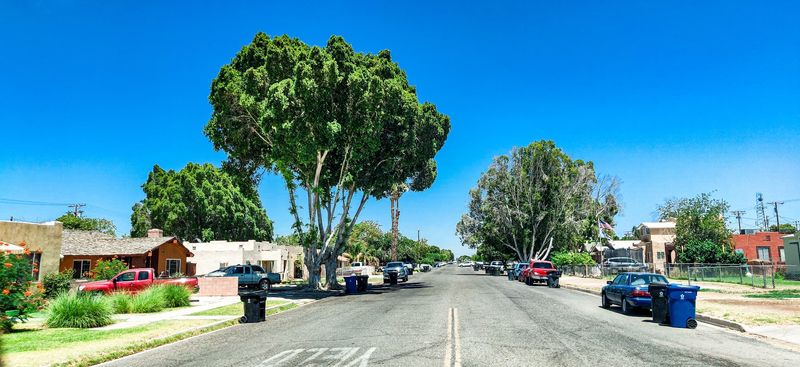
Located in the Imperial Valley south of the Salton Sea, Brawley sits in one of the most geographically unique parts of California and offers living costs that reflect its distance from major urban centers.
Housing prices here are low by any California standard, and renters working within a $1,500 monthly budget can find options with room to spare.
The town has a warm, community-oriented character shaped by its agricultural heritage and close ties to the surrounding farmland.
Agriculture drives the local economy, with crops like cattle, lettuce, and sugar beets defining the area’s output throughout the year.
The Imperial Valley is known for its year-round growing season, which supports a steady agricultural job market.
The summer heat in this part of California is intense, with temperatures regularly exceeding 110 degrees Fahrenheit, making cooling costs a real budget consideration for anyone planning to live here.
Brawley hosts the annual Cattle Call Rodeo, one of the longest-running rodeo events in California, which gives the town a strong sense of local identity and community pride.
Basic services, schools, and healthcare are accessible within the city.
15. El Centro
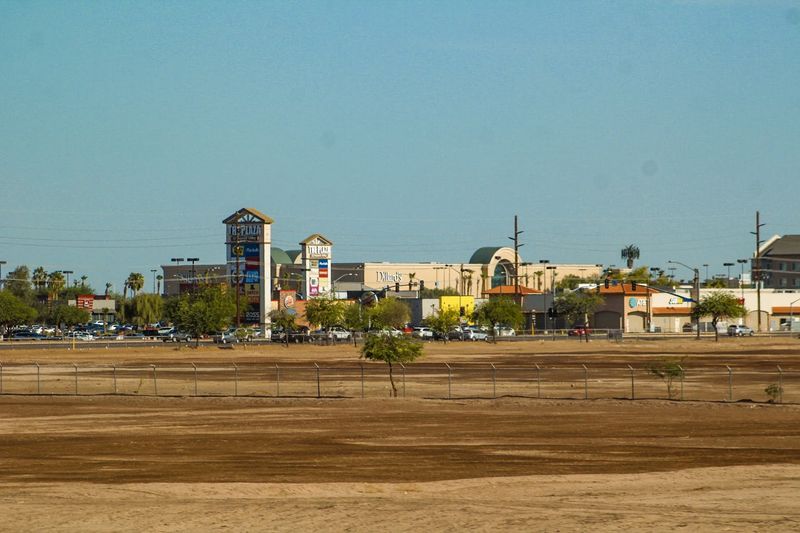
As the largest city in the Imperial Valley and the county seat of Imperial County, El Centro carries more urban infrastructure than most of its neighboring towns while still maintaining some of the lowest housing costs in California.
Average rent runs well below $1,500, giving renters a realistic shot at keeping housing expenses manageable while still having access to a broader range of services.
The city has a more developed commercial core than smaller valley towns, with shopping centers, medical facilities, and dining options spread throughout.
Employment opportunities in El Centro span government, healthcare, education, and retail, with El Centro Regional Medical Center serving as one of the larger employers in the area.
The city’s location near the US-Mexico border also creates economic activity tied to cross-border trade and commerce.
Summers are extremely hot, and the Imperial Valley consistently records some of the highest temperatures in the nation during peak months.
Despite the heat, the city has a lively local culture shaped by its diverse population and strong community events calendar.
Grocery prices and utility costs outside of air conditioning tend to stay affordable.
16. Calexico
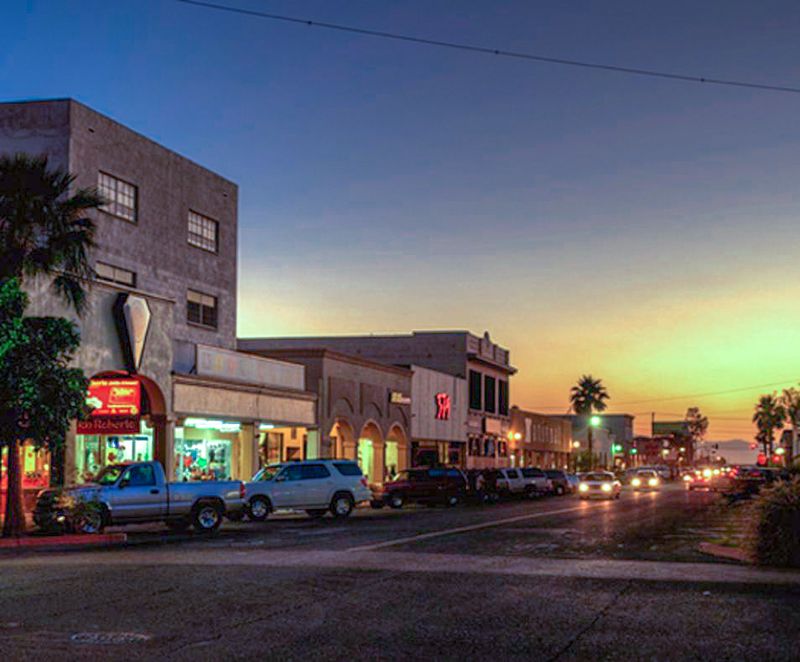
Sitting directly on the US-Mexico border across from Mexicali, Calexico has a distinctly bicultural energy that makes it unlike almost any other city in California.
Housing costs here are among the lowest in the state, and a $1,500 monthly budget can cover rent comfortably while leaving room for other expenses.
The city’s border location creates a unique economic environment where cross-border commerce and daily life are closely intertwined.
Many residents move fluidly between Calexico and Mexicali for shopping, dining, and family visits, which can reduce everyday living costs significantly for those who take advantage of the proximity.
Local employment draws from retail, border services, government, and education, with Calexico Unified School District and Imperial Valley College providing stable public sector work.
Agriculture in the surrounding Imperial Valley also contributes to the broader regional economy.
The city has a warm, community-driven atmosphere shaped by its predominantly Latino population and strong cultural traditions.
Local food options reflect the border heritage, with authentic Mexican cuisine available at accessible prices throughout the city.
Summers are harsh and extremely hot, but the rest of the year brings mild and manageable weather.