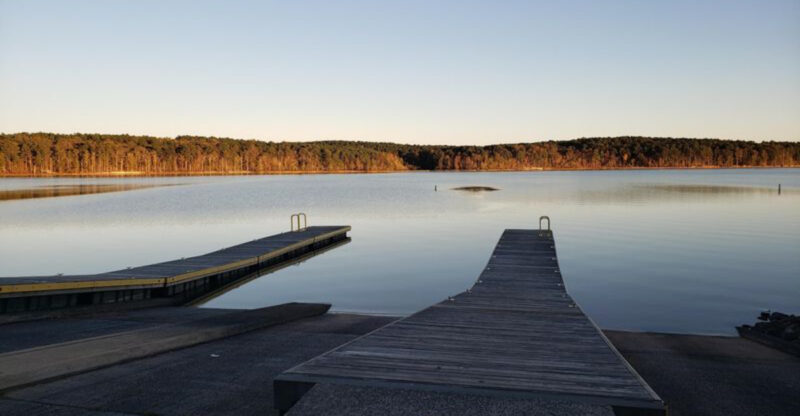
This North Carolina Trailhead Leads To A Mountain View Worth The Climb
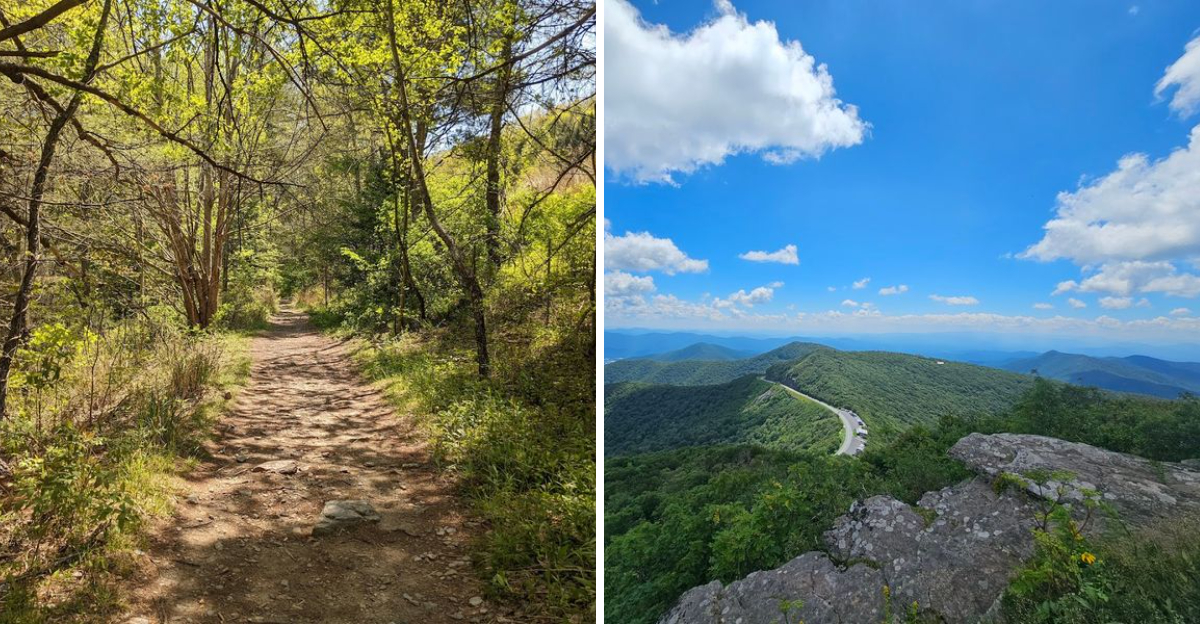
Climbing this trail feels like signing a temporary contract with my calves, and the fine print is mostly switchbacks.
North Carolina does not hand over these Blue Ridge views without making hikers earn them first, which honestly makes the summit feel even better.
The forest starts out calm enough, then the path gets steeper and suddenly every breath becomes part of the adventure.
A mountain bike passing by makes the whole thing look heroic and mildly suspicious.
Still, the climb has a way of turning effort into momentum.
By the time the view opens up, sore legs feel less like a complaint and more like proof that the mountain kept its promise.
A Steep Climb That Makes The View Feel Earned
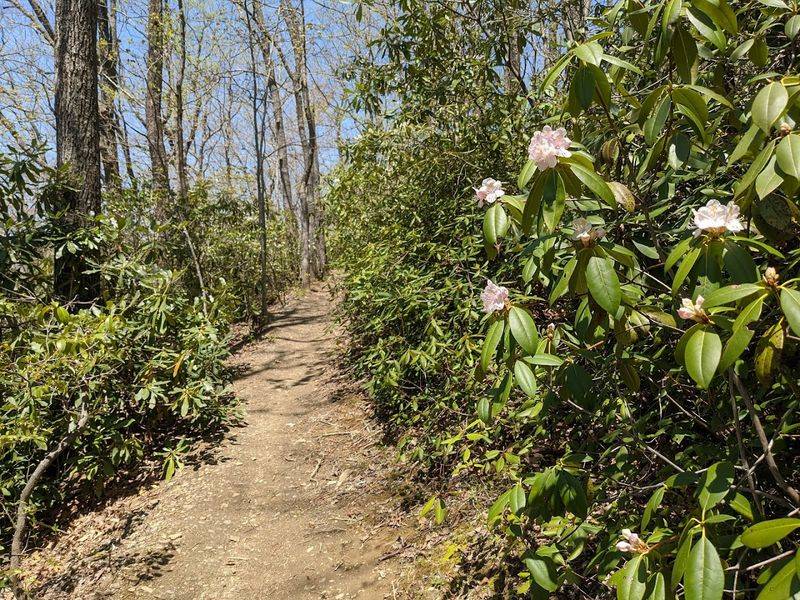
Honest elevation shows up almost immediately on the way toward Kitsuma Peak, which is part of what gives this trail its reputation. The trail is commonly accessed from the USFS Old Fort Picnic Area near Old Fort, with visitors checking current map directions before heading out.
Roots, rocks, tight turns, and a steady incline force hikers to pay attention early, especially when the forest thickens and the path starts gaining height with very little warmup. That first push can feel humbling, but it also gives the trail its satisfying rhythm.
Every step up feels connected to the view waiting ahead, so the climb never feels pointless. Beginners with reasonable fitness can still take it slowly, while experienced hikers and trail runners get enough challenge to stay engaged.
Proper shoes matter here because the ground can be uneven, especially after rain. Water matters too, since the early climb can raise the heart rate faster than expected.
By the time the grade begins to ease, the mountain has already made visitors work, and that effort makes the first open glimpse feel much more rewarding.
Switchbacks Turn The Trailhead Into A Real Mountain Test
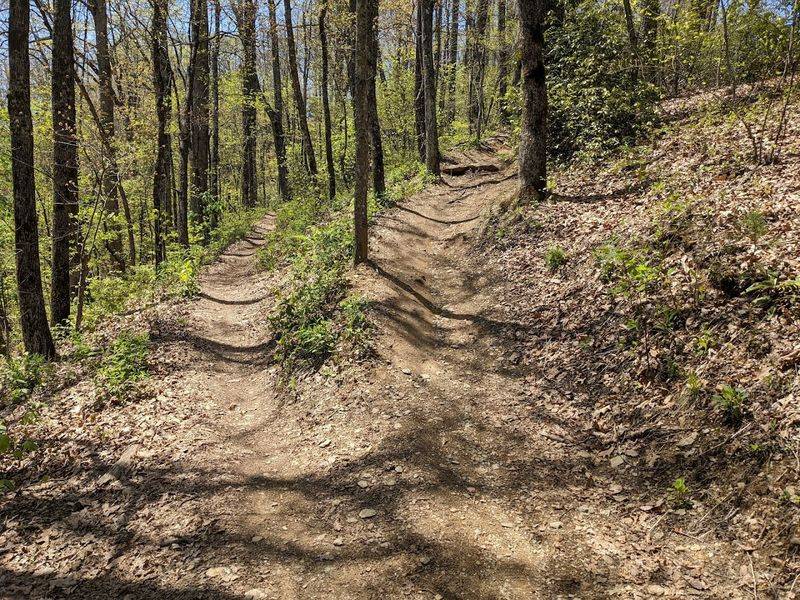
Sharp turns give the opening climb its personality, and those switchbacks are the reason Kitsuma feels like a real test instead of a simple forest walk.
The trail begins climbing almost as soon as hikers leave the trailhead, then starts folding back on itself through a series of tight bends that steadily pull the route higher.
Each turn offers a tiny mental reset, which helps even when the legs are not especially grateful. Instead of charging straight up the slope, the switchbacks make the elevation gain more manageable while still keeping the challenge very real.
That balance is what makes this section memorable. Hikers are not scrambling wildly, but they are absolutely working.
The forest stays close, the footing stays busy, and the repeated turns create a rhythm that rewards patience. Anyone expecting an easy warmup may be surprised by how quickly the climb becomes serious.
Mountain bikers also know this stretch well, since the tight turns and grade make both climbing and descending a technical experience. Slower hikers should stay aware, listen for riders, and move with courtesy when sharing the trail.
Once the switchbacks finally ease, the sense of progress feels immediate. The mountain has tested you early, and the ridge begins to feel like a prize.
Pisgah Forest Opens Up Once The Ridge Takes Over
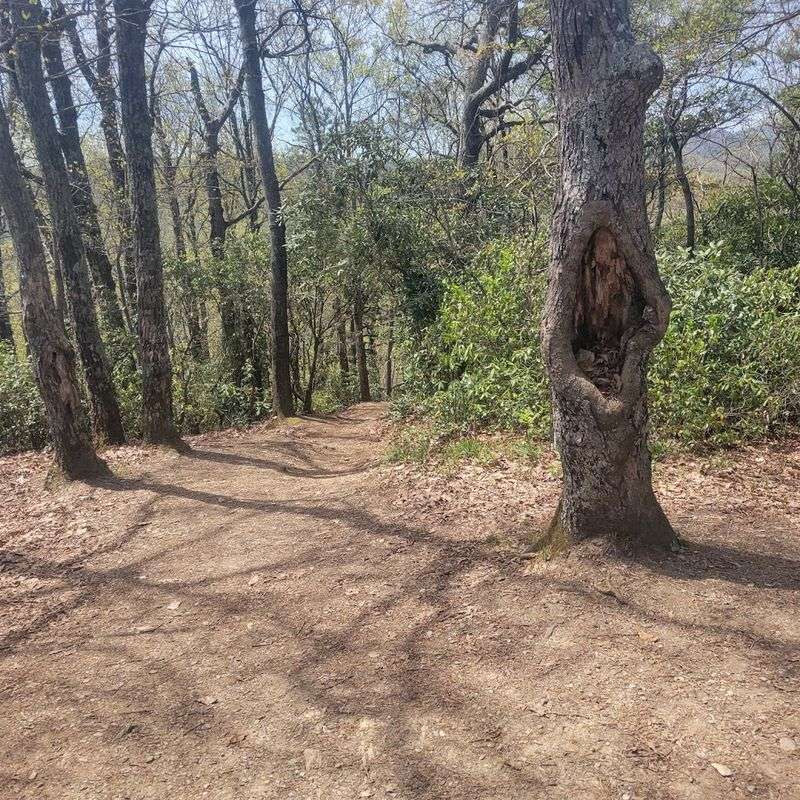
Green shade becomes easier to enjoy after the hardest climbing fades, and that is where Kitsuma starts showing a softer side.
The trail moves into a ridge section where the forest feels more open, the grade relaxes, and hikers can finally look around without staring at every root beneath their shoes.
Pisgah National Forest surrounds the route with classic western North Carolina texture: tall trees, leaf litter, mossy rocks, broken branches, and occasional openings where the mountains start to hint at the view ahead. This stretch matters because it changes the mood of the hike.
The early switchbacks feel focused and demanding, while the ridge feels like a reward that arrives before the summit itself. Conversation usually starts again here.
Cameras come out. Breathing settles.
The trail still requires attention, but it stops feeling like a nonstop uphill argument. Seasonal changes make this section worth revisiting, too.
Spring brings fresh green growth, summer fills the woods with shade, fall lights up the ridge with color, and winter reveals longer views through bare branches. Kitsuma works because it does not rely on one overlook alone.
The whole route builds through different moods, and this forested ridge section gives the climb depth before the main scenery arrives.
Kitsuma Peak Rewards The Effort With Big Blue Ridge Scenery
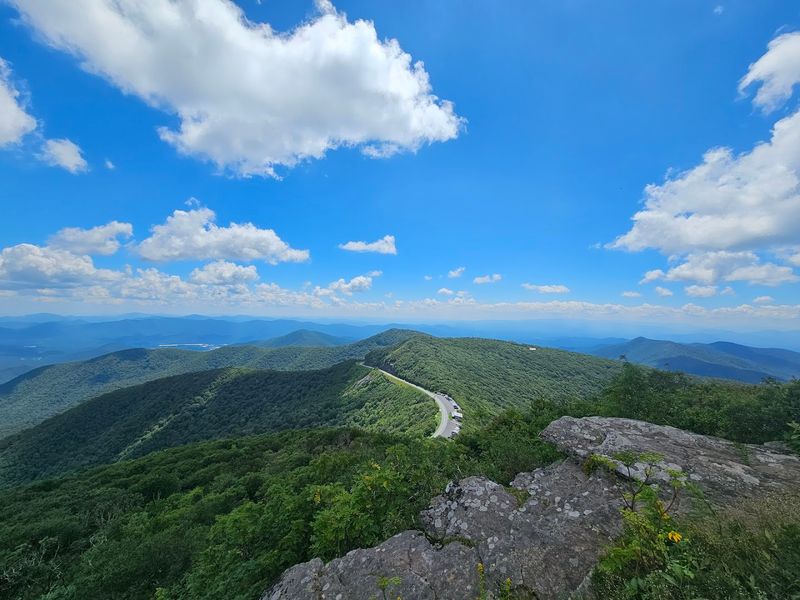
High ridges make the Blue Ridge look endless, and Kitsuma Peak gives hikers that layered mountain feeling after a climb that fully earns it.
The summit area sits around 3,159 feet, bringing views across forested ridges, valleys, and hazy slopes that show why this part of North Carolina keeps pulling people onto steep trails.
Clear days offer the most dramatic payoff, with mountain lines stacking in the distance and the surrounding landscape opening beyond the trees. Cloudier days can still feel special, especially when mist hangs over the ridges and gives the whole scene a quieter mood.
The summit is not about flashy infrastructure or a built-up viewing platform. Its appeal feels more natural, with rocky places to pause, catch breath, drink water, and let the climb settle into the legs.
That simplicity makes the view feel more personal. Nobody worked through the switchbacks for a paved observation deck and a crowded railing.
They worked for a mountain moment with space, air, and a view that feels tied directly to the trail beneath them. Photographers will want changing light, while casual hikers may only need a snack and a few quiet minutes.
Either way, Kitsuma makes the effort feel worthwhile.
The Mountain View Feels Better Because It Does Not Come Easy
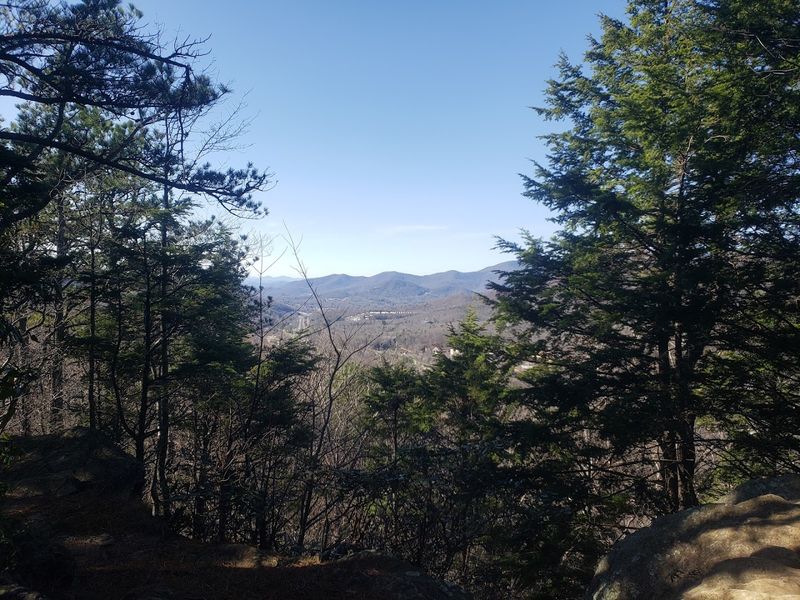
Reward feels different when the trail makes people earn it, and Kitsuma Peak understands that perfectly. An easy overlook can be beautiful, but a climb with switchbacks, sweat, and rough footing changes how hikers read the view.
The Blue Ridge scenery at the top feels less like something casually received and more like something traded for effort. That is why people remember this trail.
The summit is not only a place to look outward. It is a place where the body catches up with what it just accomplished.
Sore calves, steady breathing, muddy shoes, and the slight relief of being done climbing all become part of the view itself. That physical honesty gives Kitsuma more staying power than gentler trails with quicker payoffs.
The challenge is real, but it does not feel punishing when approached with patience. Hikers can stop, breathe, take the switchbacks one at a time, and let the mountain set the pace.
First-timers may find it tougher than expected, while returning visitors often come back precisely because the trail asks something of them. By the time the ridges open up, the view feels like a personal victory rather than a pretty backdrop.
That is the kind of mountain memory that lasts.
Old Fort’s Forested Trailhead Hides A Serious Payoff
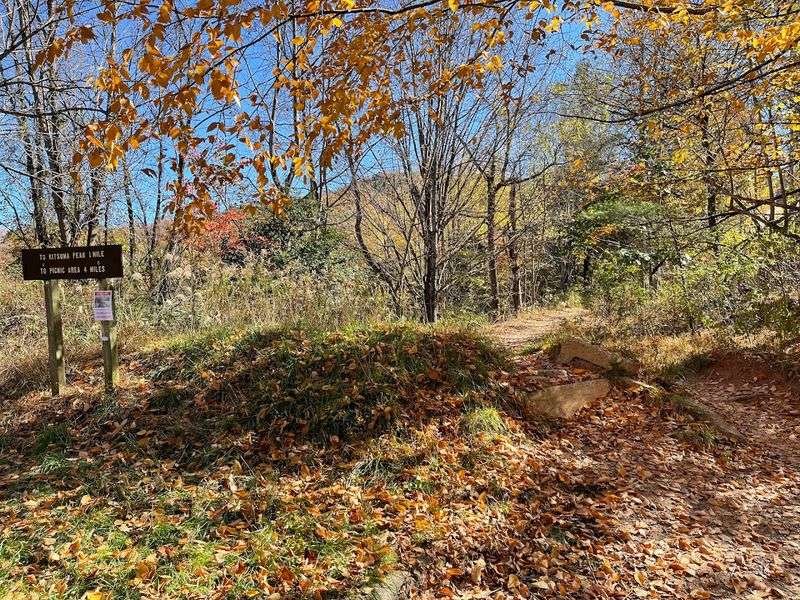
Quiet beginnings can be deceptive, and the Kitsuma Peak Trailhead proves that with a modest start that gives little away. The parking area and forested entrance feel simple, almost understated, especially for a route with such a strong scenic payoff.
That contrast is part of the fun. Visitors arrive near Old Fort and Ridgecrest, step onto the trail, and soon realize the mountain has no interest in easing them gently into the day.
Dense shade, rocky patches, exposed roots, and quick elevation gain make the trail feel rugged almost immediately. Good preparation makes the experience much better.
Sturdy footwear helps with the uneven ground, especially on damp days. Water is essential, even for hikers who think the distance sounds manageable.
Weather checks matter because mountain storms can move in quickly, and slick rock or muddy roots can change the feel of the descent. The trailhead’s quiet appearance should not fool anyone into treating the route casually.
It may begin without drama, but the climb quickly turns into one of those western North Carolina hikes where the payoff is hidden until the legs have done their share. That hidden quality makes the summit feel even better, like the mountain kept its best view waiting just long enough.
Hikers And Mountain Bikers Share The Same Rugged Climb
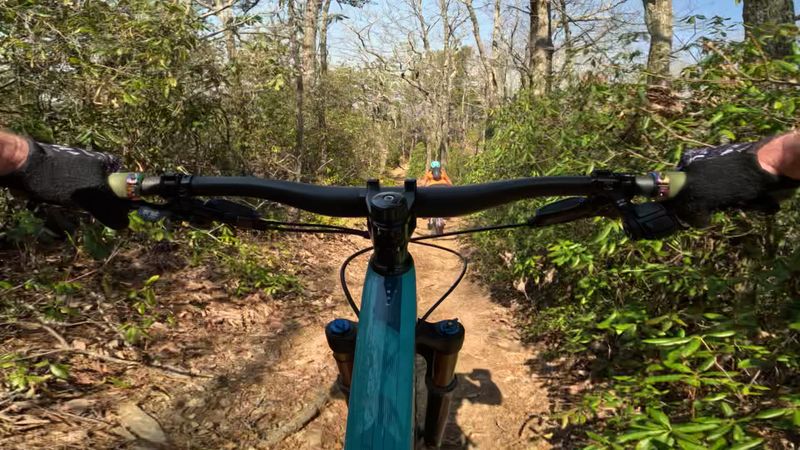
Shared trails work best when everyone brings patience, and Kitsuma Peak is a strong example of why awareness matters in the mountains. Hikers and mountain bikers both use this route, which gives the trail a different kind of energy than a foot-traffic-only path.
Climbers may be moving slowly through the switchbacks, while riders may be working hard uphill or descending with speed and focus. That mix can be exciting when handled respectfully.
Hikers should listen for bikes, avoid blocking blind turns, and step aside when it is safe. Riders should control speed, communicate clearly, and remember that not every hiker knows how quickly a bike can appear around a curve.
The terrain makes cooperation important because roots, rocks, turns, and narrow sections leave little room for carelessness. Seeing mountain bikers handle the technical pieces can be impressive, especially on the descent, where skill and trail familiarity show quickly.
For hikers, the bike presence also serves as a reminder that Kitsuma is not a sleepy nature path. It is a rugged multi-use trail with a strong local reputation.
That shared identity adds to the trail’s character. Everyone is out there for the same broad reason: challenge, forest, movement, and that hard-earned Blue Ridge reward waiting above.
One Ridge Walk Makes The Whole Ascent Worth It
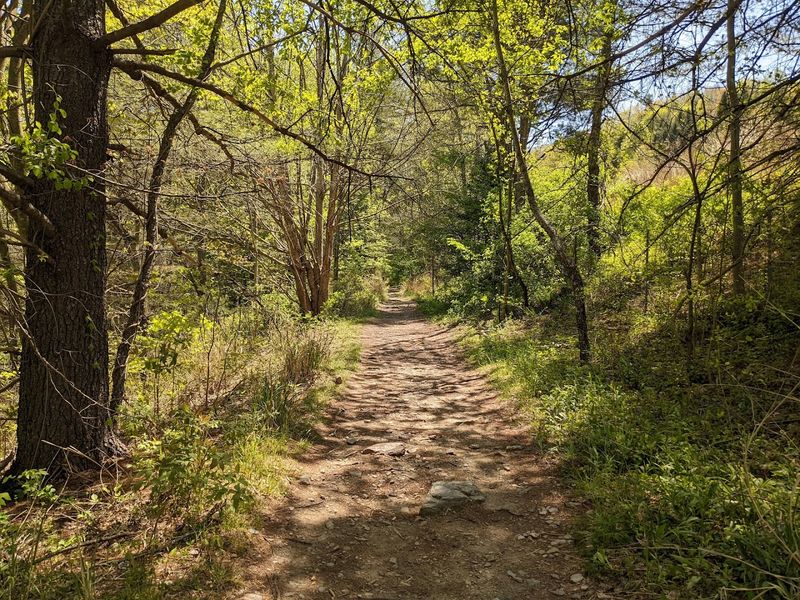
Relief arrives beautifully when the climb gives way to ridge walking, and that transition may be the most satisfying part of the Kitsuma experience.
After the early grind, the trail begins to roll more gently through the forest, offering glimpses of surrounding mountains and enough breathing room to actually enjoy the elevation already gained.
The body notices the difference immediately. Steps feel lighter, conversation returns, and the trail starts feeling less like a test and more like a mountain reward in motion.
This section also gives the route a better shape than a simple up-and-down climb. The switchbacks create effort, the summit creates payoff, and the ridge walk ties everything together with movement that feels scenic and earned.
Hikers who continue beyond the main viewpoint can build a larger outing, while those keeping the trip shorter still get the pleasure of walking high through the trees.
Mountain bikers often prize this terrain for its flow and variety, but hikers get their own version of the reward through quiet, changing views and a stronger sense of being above the valley.
Kitsuma’s ridge section proves the best trail moments are not always limited to the top. Sometimes the walk after the climb is where the whole experience finally opens up.