One Of America’s Most Charming Small Cities Happens To Be In Massachusetts
Small cities with real charm earn their place on any list through nothing but honesty.
Massachusetts has one that belongs in every conversation about the most charming small cities in America.
The architecture, the walkable streets, and the community here all contribute something truly irreplaceable.
This city has a quality that photographs can barely do justice to on any given day.
The combination of history, beauty, and livability here creates something that feels both rare and effortless.
Come with no particular agenda and let this city make its own quiet and convincing case.
This state has charming small cities, and this one belongs at the very top of that list.
A City That History Built
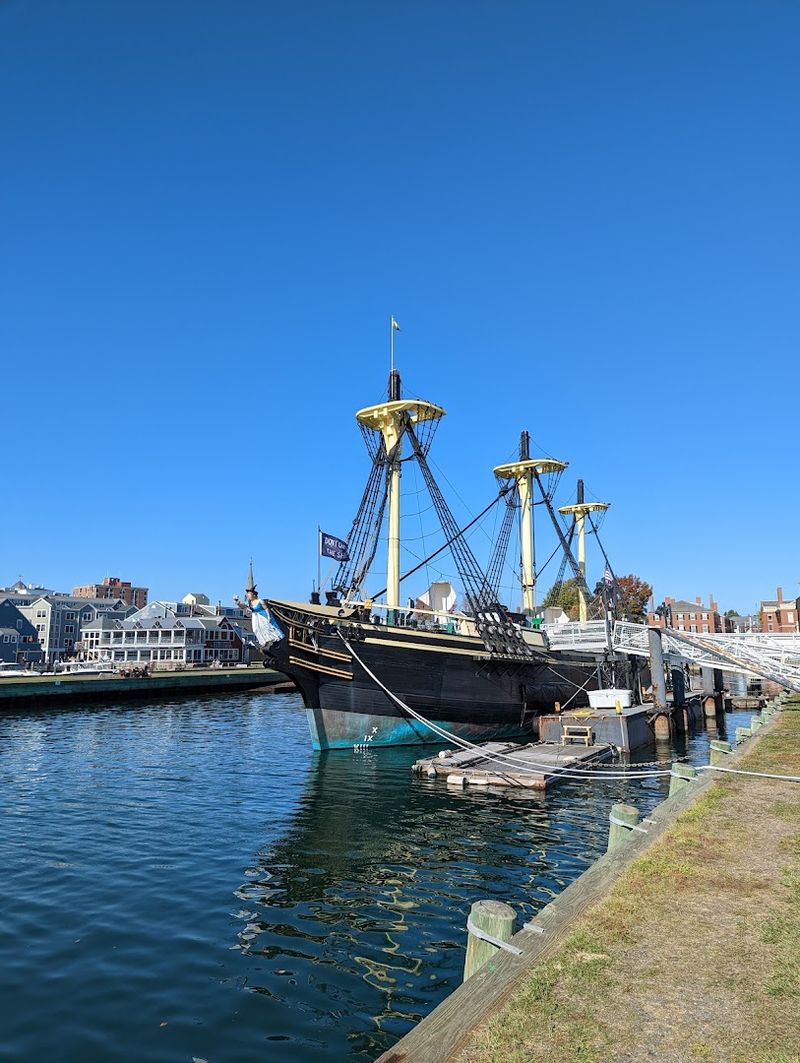
Would you believe me if I told you that only a few American cities wear their past as openly as this one?
Salem has been shaping its own legend since the 1600s, and walking its streets feels like flipping through a living history book. The city sits on a natural harbor that made it one of colonial America’s busiest trading ports.
At its peak, Salem’s merchant ships reached as far as China, India, and the Pacific Islands. That global reach is still visible in the architecture, the museums, and the cultural DNA of the place.
Derby Street, running along the waterfront, was once lined with counting houses and merchant mansions that funded entire fleets.
Salem is easily reachable from Boston in under an hour by commuter rail. That accessibility makes it a perfect day trip, though a longer stay rewards you with far more depth.
History here is not behind glass. It is in the brickwork, the harbor wind, and the stories locals tell with quiet pride.
The Witch Trials Story Explained
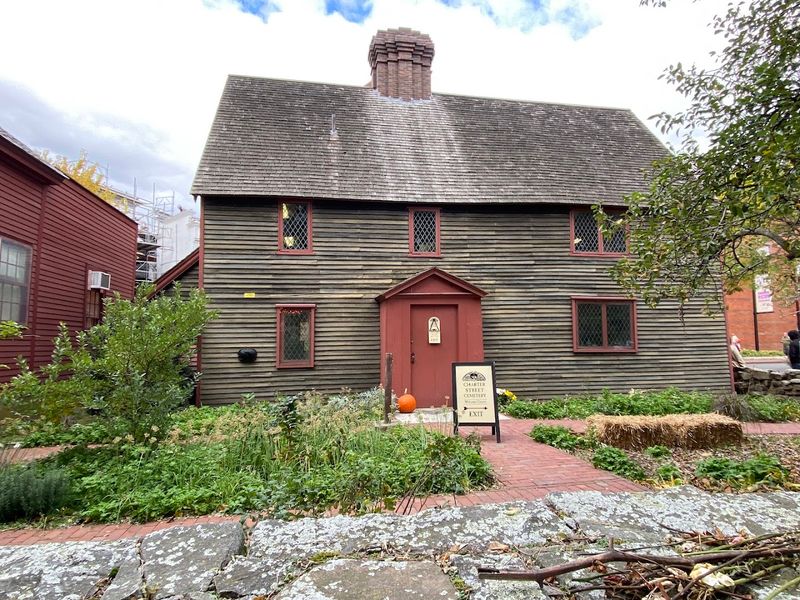
The year 1692 changed everything for this city and for American legal history.
A series of accusations spread through the Puritan community, leading to a period of trials that had lasting consequences for many residents.
The events remain one of the most widely studied chapters in early American history and continue to be examined by historians today.
The Witch House on Essex Street is the only surviving structure directly tied to the trials. It was the home of Judge Jonathan Corwin, who presided over many of the hearings.
The interior has been carefully preserved to reflect the period, and a visit there is sobering in the best possible way.
Salem has never tried to hide this chapter. Instead, the city has built thoughtful memorials and educational spaces that encourage reflection rather than spectacle.
The Salem Witch Trials Memorial at 24 Liberty St, is a simple and powerful tribute. Stone benches are engraved with the names of the accused.
The silence there hits differently than any museum exhibit could, and most visitors leave it walking a little more slowly than when they arrived.
Peabody Essex Museum Wows Every Visitor
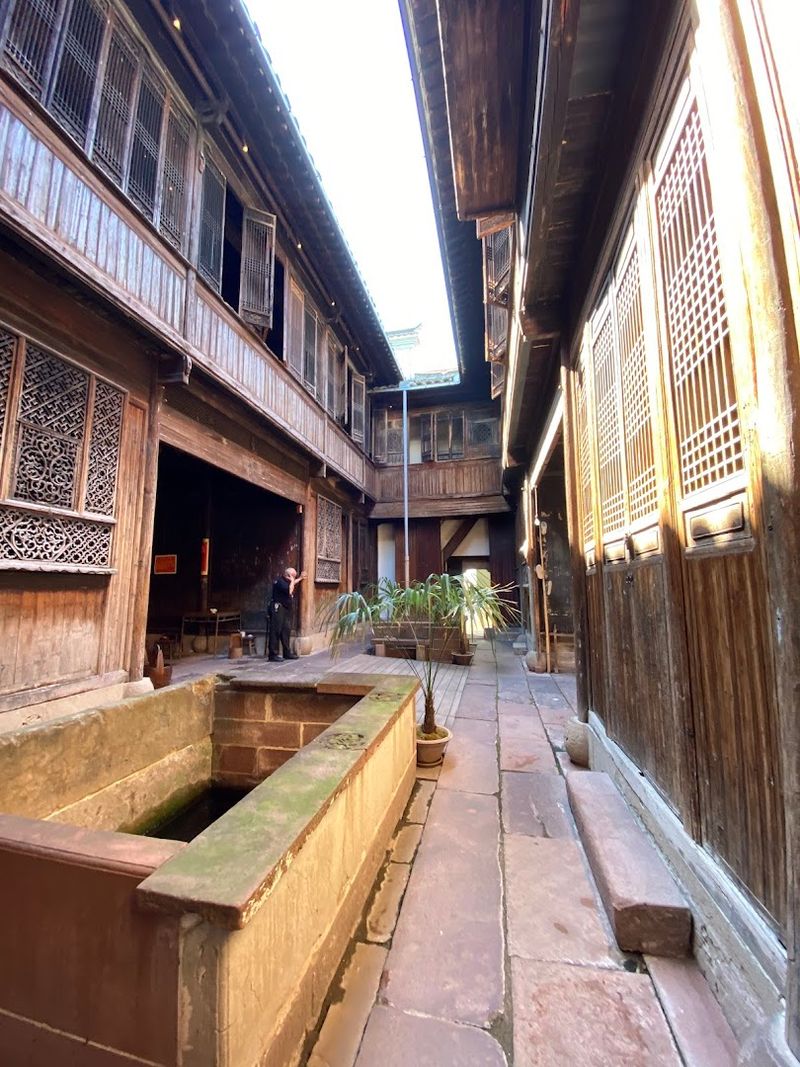
Honestly, nothing quite prepares you for the Peabody Essex Museum.
It is one of the oldest continuously operating museums in the United States, founded in 1799 by sea captains who brought back treasures from around the world. Today it holds more than two million objects spanning centuries and continents.
The building itself is a destination. A dramatic modern expansion by architect Moshe Safdie added sweeping glass-covered galleries that flood the space with natural light.
Inside at 161 Essex St, you will find everything from maritime paintings and carved scrimshaw to contemporary photography and Indigenous textiles from the Pacific.
The crown jewel is Yin Yu Tang, a fully reconstructed Qing dynasty Chinese house that was dismantled, shipped from Anhui Province, and reassembled inside the museum.
Plan for at least three hours, because rushing through it would be doing yourself a serious disservice. The collections here rival those of major metropolitan institutions, which makes finding it in a small coastal city all the more satisfying.
The Waterfront And Derby Wharf
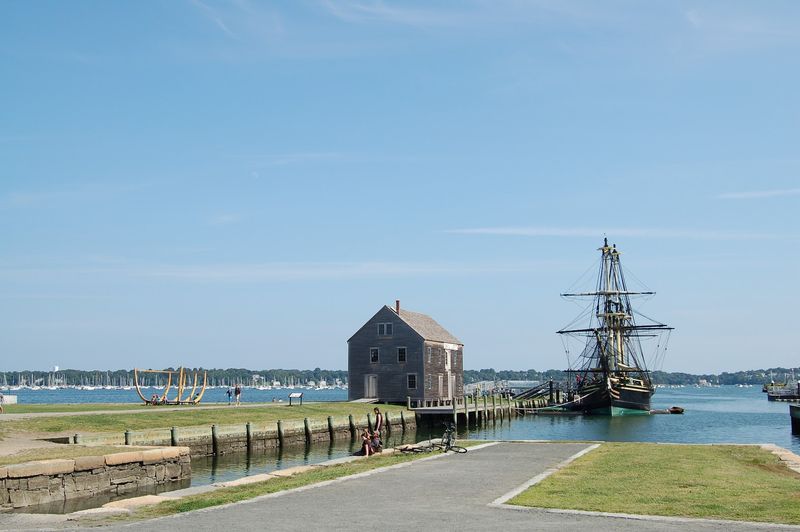
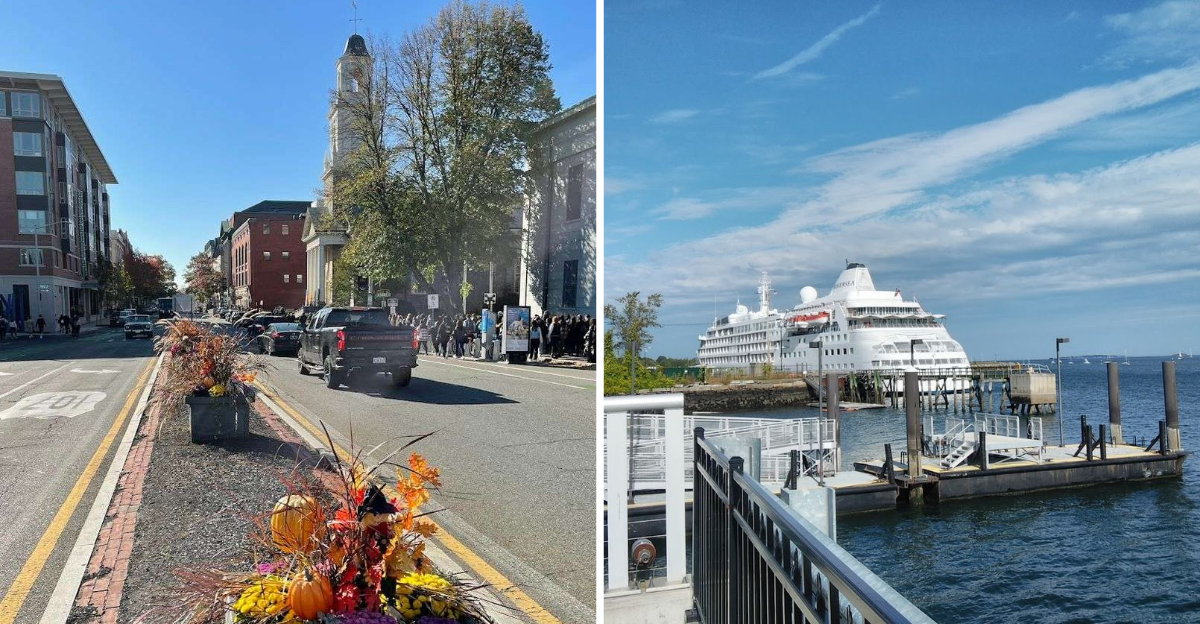
The harbor is where Salem’s soul lives. Derby Wharf stretches out into the water like an old stone handshake between the city and the sea.
At its far end stands a small red lighthouse that has guided ships since 1871, and on calm days the reflection it throws across the harbor is picture-perfect.
Derby Street runs parallel to the water and is lined with some of the finest Federal-style architecture in Massachusetts.
The Gardner-Pingree House at 128 Essex St and the Derby House at 65 Derby St are both part of the Salem Maritime National Historic Site. They give visitors a close look at how prosperous merchant families lived in the 18th century.
The National Historic Site also includes a replica tall ship, the Friendship of Salem, which occasionally opens for boarding.
Standing on its deck with the harbor spread out behind you and the city skyline ahead is one of those travel moments that makes you reach for your camera without even thinking.
October Magic And Halloween Culture
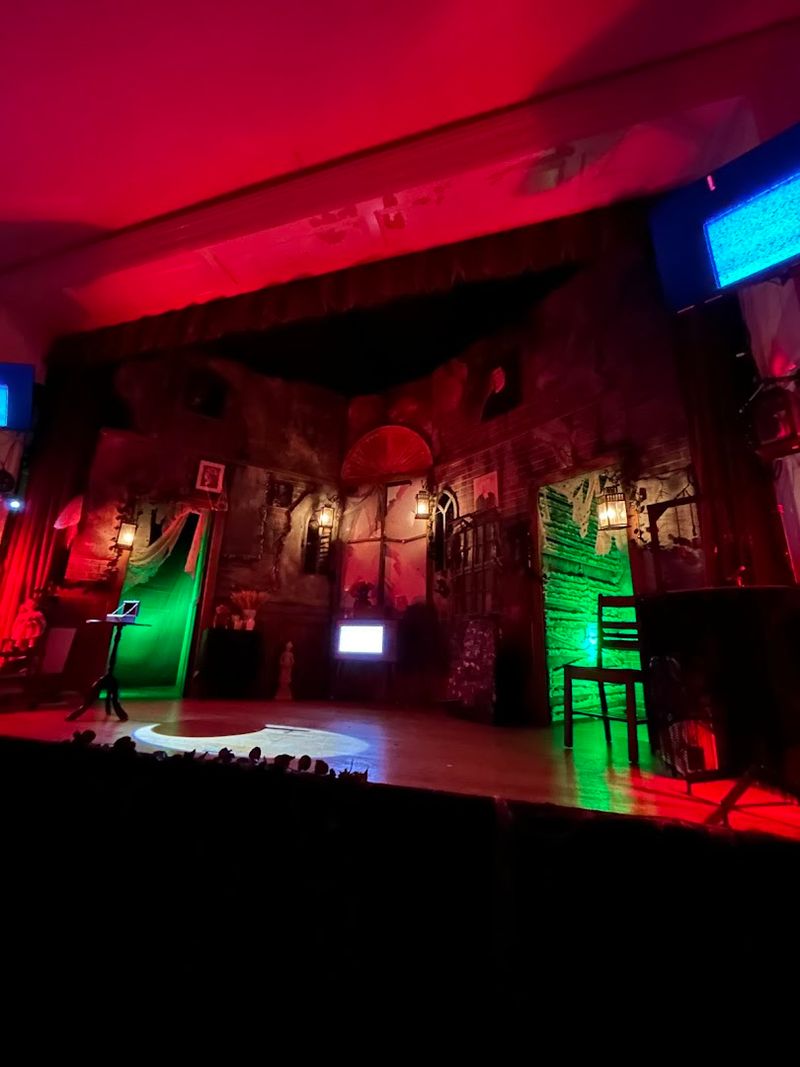
If Salem has a signature season, October is it.
The city hosts Haunted Happenings, a month-long series of events that draws hundreds of thousands of visitors from across the country and beyond.
Costume parades, psychic fairs, ghost tours, lantern-lit cemetery walks, and theatrical performances fill every weekend from the first of the month through Halloween night.
The energy in the streets during this period is unlike anything else in Massachusetts. Essex Street, the main pedestrian corridor, transforms into a sensory experience of carved pumpkins, dramatic costumes, and street performers.
Shops that sell crystals and tarot cards year-round suddenly find themselves with lines stretching down the block.
That said, the crowds during peak October weekends are genuinely intense. If you want to enjoy the atmosphere without the shoulder-to-shoulder press of humanity, aim for a weekday visit in early or mid-October.
The decorations are fully up, the events are running, and you can actually move through the streets at a comfortable pace.
Food, Shops, And Local Character
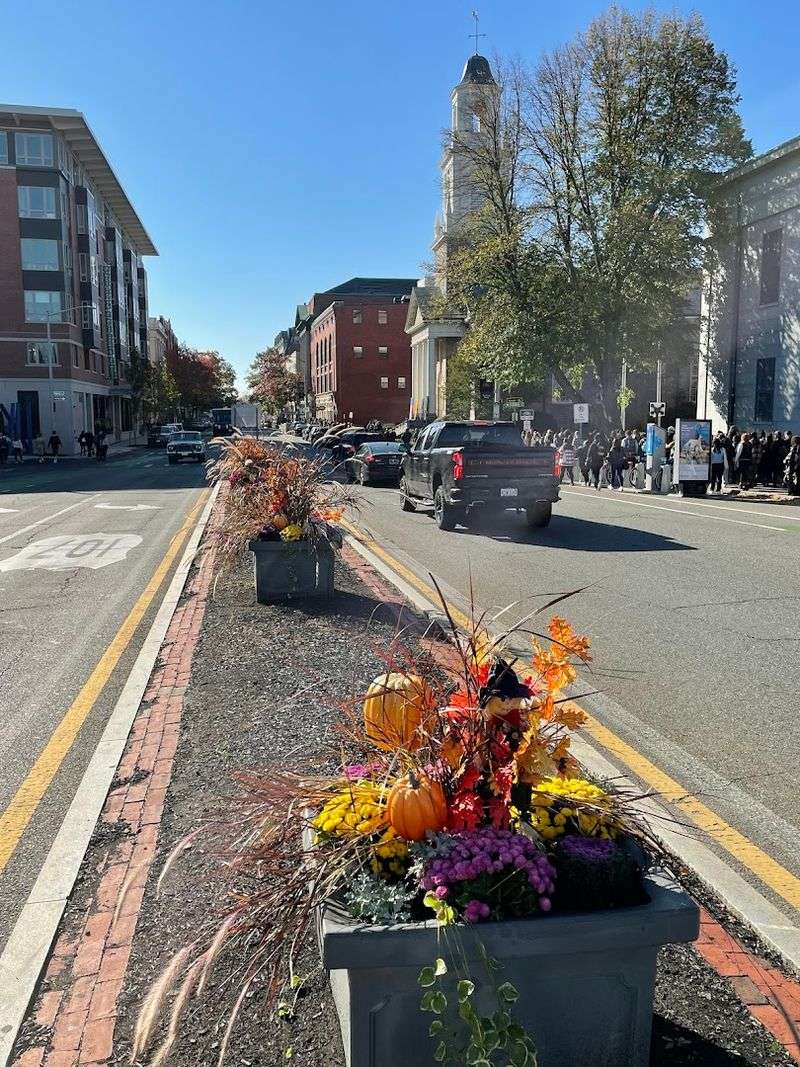
Beyond the history and the haunted reputation, Salem has a genuinely thriving local food and retail scene that rewards slow exploration.
The Essex Street Pedestrian Mall is the commercial heart of the city, lined with independent bookshops, crystal boutiques, clothing stores, and cafes that each have their own distinct personality.
The food options here span a wide range without ever feeling generic. You can find fresh New England seafood, wood-fired pizza, creative brunch menus, and artisan bakeries all within a short walk of each other.
The Pickering Wharf area adds a marina-side dining option for those who want a water view with their meal.
What makes the retail culture in Massachusetts cities like this one special is the high proportion of owner-operated businesses.
Many shop owners have deep roots in the community and are happy to talk about the city’s history or point you toward something you might otherwise miss.
Charter Street Cemetery And Old Burying Point
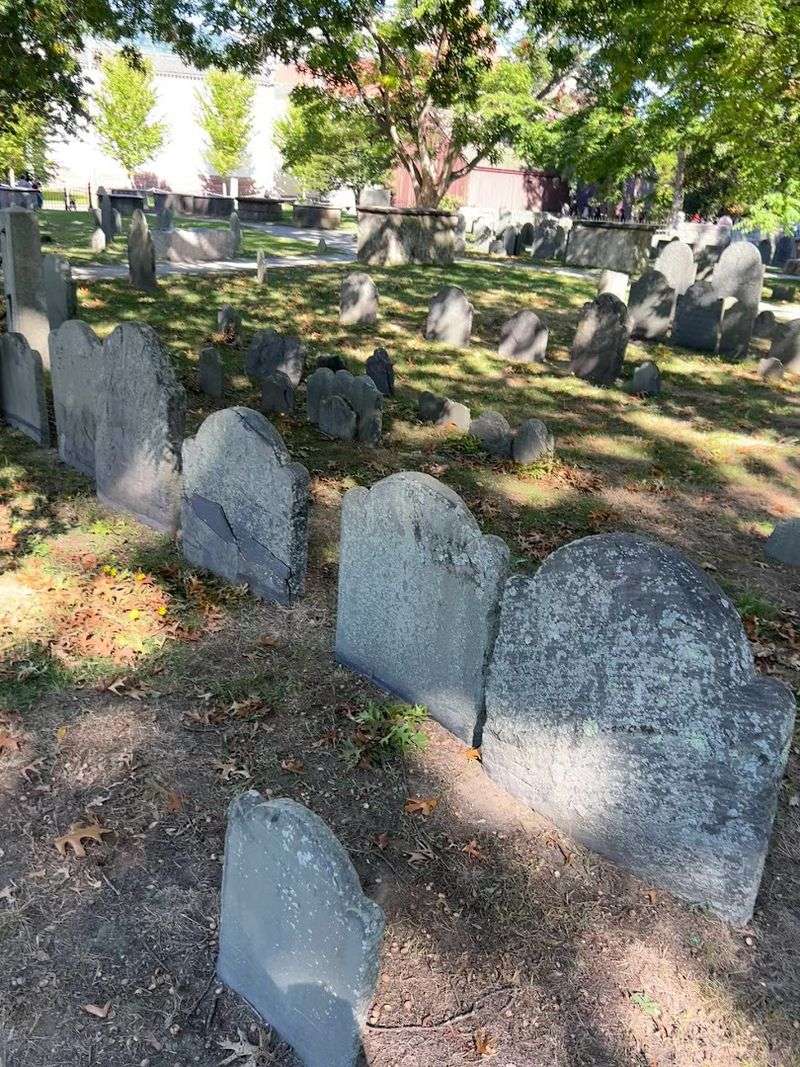
Some places earn their atmosphere without any theatrical help, and Charter Street Cemetery is one of them.
Known also as the The Burying Point at 51 Charter St, it is one of the oldest cemetery in the United States, with graves dating back to 1637. The headstones here are works of folk art in their own right, carved with winged skulls, hourglasses, and weeping willows.
Walking among them is a quiet, contemplative experience that connects you directly to the earliest European settlers of Massachusetts.
Many of the carved inscriptions are still legible, which is remarkable given that some are nearly four centuries old. The craftsmanship of the colonial stonecutters is evident in every carefully chiseled letter.
Adjacent to the cemetery is the Salem Witch Trials Memorial, added in 1992 to mark the 300th anniversary of the trials. The two spaces work together in a way that feels completely unplanned but deeply appropriate.
Visitors tend to move between them in hushed tones, reading names and dates, pausing at individual stones.
Best Times And Tips For Visiting
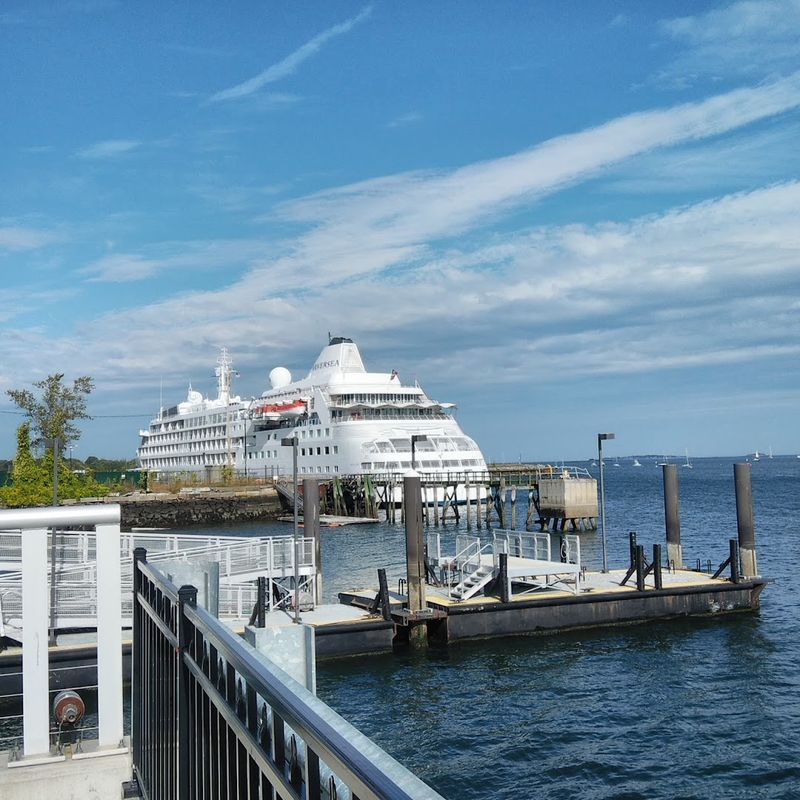
Timing your visit to Salem can make a significant difference in the kind of experience you have.
October is spectacular but crowded. Spring, particularly May and June, offers mild weather, fewer tourists, and the city in full bloom without the Halloween-season pressure.
The museums are fully open, the waterfront is pleasant, and you can actually hear yourself think.
Summer brings a steady flow of visitors but nothing like October’s surge. The harbor is at its most inviting from July through early September, and outdoor events and farmers markets add to the appeal.
Winter in Massachusetts is cold, but Salem handles it with charm. The quieter streets let you appreciate the architecture without distraction.
Getting there is straightforward. The MBTA commuter rail runs directly from Boston’s North Station to Salem in about 30 minutes. Parking in the city can be tricky during busy periods, so the train is the smarter option most of the time.
Comfortable walking shoes are essential since most of the key sites are within easy reach on foot. Pack layers regardless of the season, because the harbor wind has strong opinions about what temperature you should be experiencing at any given moment.