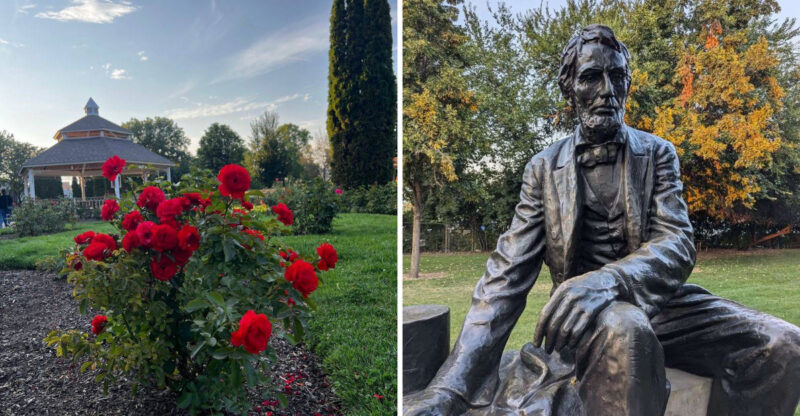
There’s Nothing Quite Like This Spectacular Half-Mile Cave Tour Hidden In Idaho
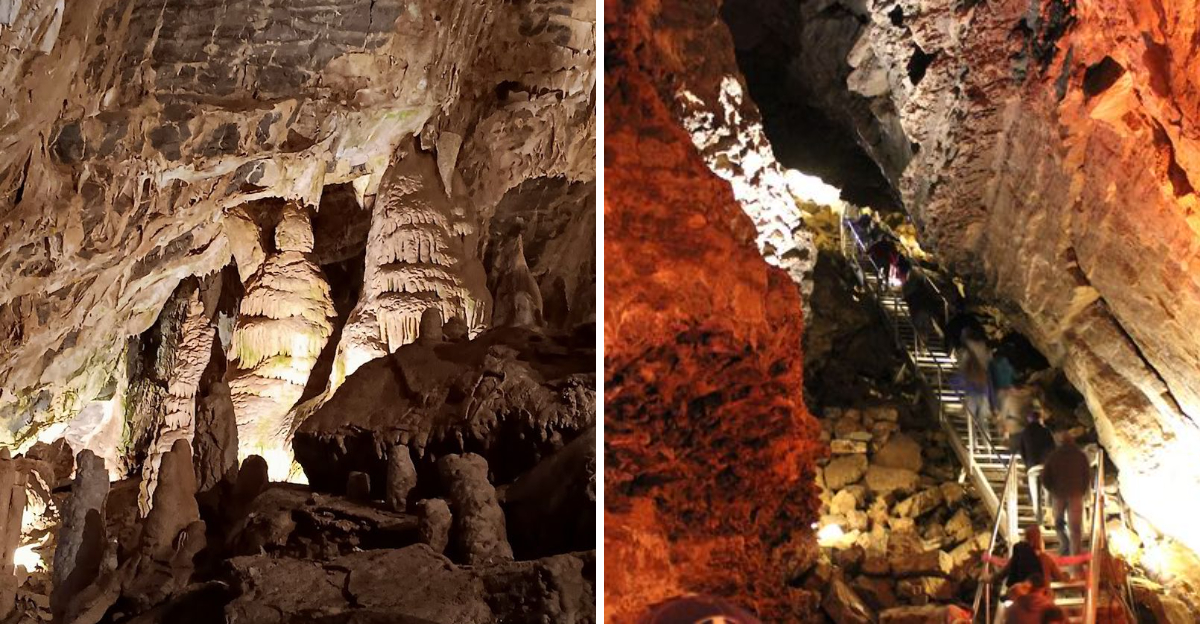
I thought Idaho had already shown off enough above ground, and then I found out the mountains were hiding an entire underground drama department.
A cave tour sounds simple until the first chamber opens up and suddenly I am staring at ancient stone formations like they personally waited centuries for my reaction.
The air turns crisp fast, the stairways keep pulling me deeper, and every room feels stranger than the last in the best possible way.
Nothing about it feels like a quick roadside stop.
It feels like the mountain invited me in, dimmed the lights, and decided to prove it had secrets worth keeping.
By the time I come back out, daylight feels almost suspiciously normal.
A Cave Tour Hidden Above Bear Lake
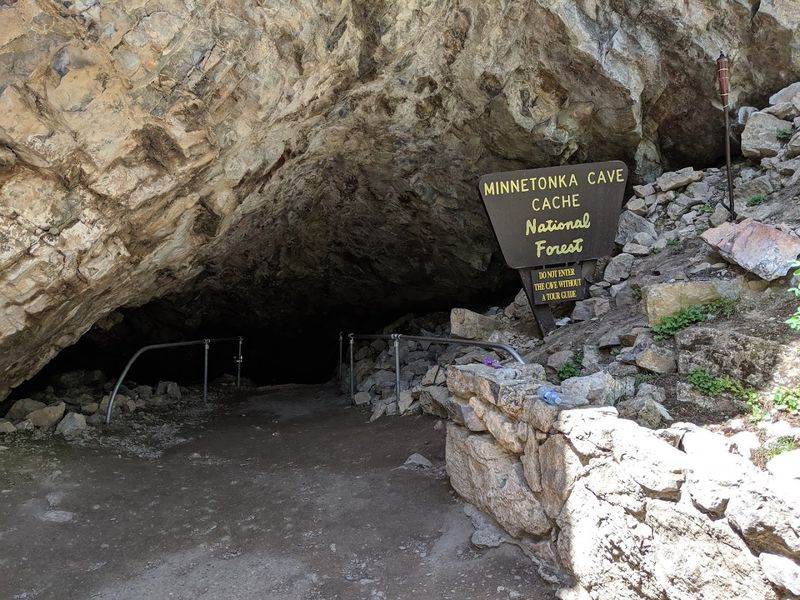
High above the blue water of Bear Lake, Minnetonka Cave waits in the mountains near St. Charles, Idaho, with the kind of entrance that makes the whole trip feel more adventurous before the tour even begins.
Travelers should use Minnetonka Cave Road, St. Charles, ID 83272 as the general destination. Current Caribou-Targhee National Forest directions and seasonal updates should be checked because access depends on weather, snow, and road conditions.
The drive climbs away from the valley through forested terrain, giving visitors a scenic approach that feels completely different from a beach day at Bear Lake. That contrast is part of the appeal.
One moment, the trip feels sunny and open, with lake views and summer traffic below. The next, the road leads toward a cool limestone cave where jackets suddenly make more sense than swimsuits.
Minnetonka Cave works beautifully as a Bear Lake side trip because it adds mystery, geology, and mountain air to a region many travelers associate mostly with water recreation.
Families can pair the cave with a lake weekend, while road-trippers can use it as a memorable detour through southeastern Idaho.
The location is remote enough to feel hidden, but known enough to reward anyone who plans ahead.
The Route Runs Through A Wild Underground Limestone World
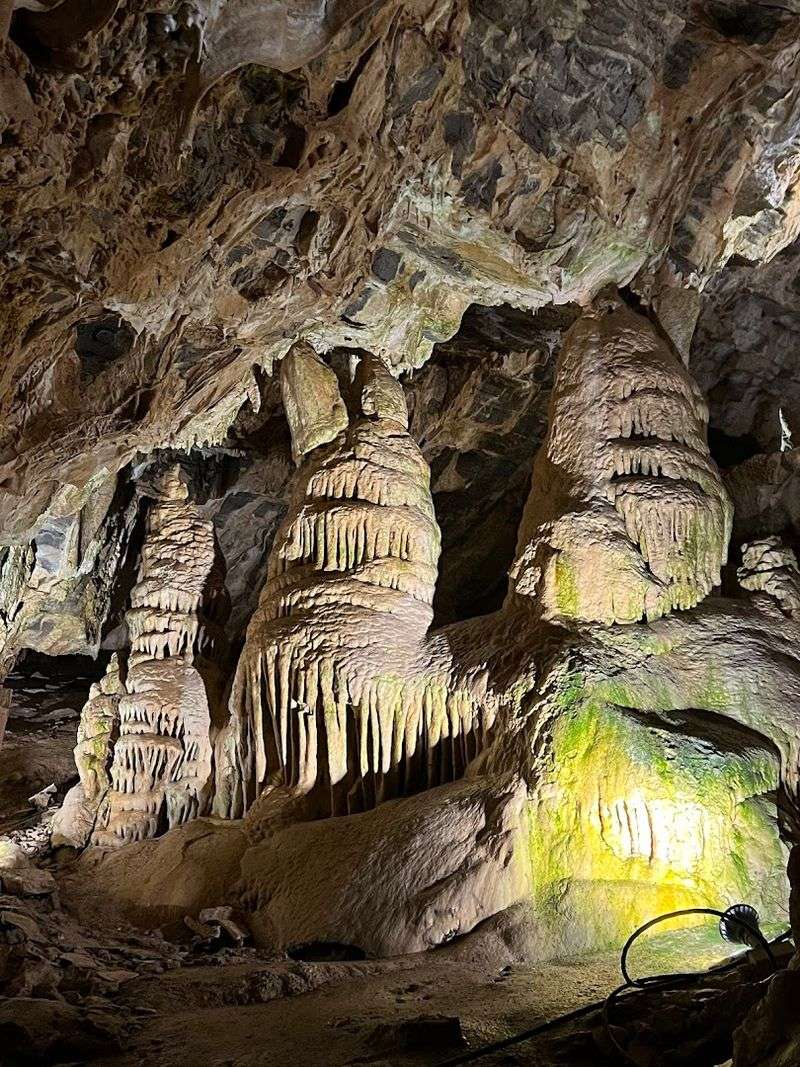
Limestone gives Minnetonka Cave its strange personality, shaping walls, ceilings, rooms, and formations through the slow work of water and minerals over enormous stretches of time.
Once the guided tour begins, the outside world quickly disappears behind cool air, darker stone, and a route that feels far removed from the sunny Bear Lake Valley above.
The cave is not a wide-open cavern where visitors simply stand in one room and look around. Instead, the path moves through connected underground spaces where the walls curve, ceilings rise, and formations appear in new shapes as the group keeps going.
That progression makes the tour feel active and surprising, especially for visitors who have never been through a limestone cave before. Handrails and stairs help guide the way, but the cave still feels natural enough to keep its sense of adventure.
Damp surfaces, dim lighting, and steady cold remind visitors that this is a real cave, not a polished indoor attraction. Good shoes matter here because the route includes many steps and spots that can feel slick.
The limestone world below St. Charles is beautiful, but it also asks visitors to move carefully, listen to the guide, and respect the fragile formations around them.
Nine Cave Rooms Give The Tour Its Big Payoff
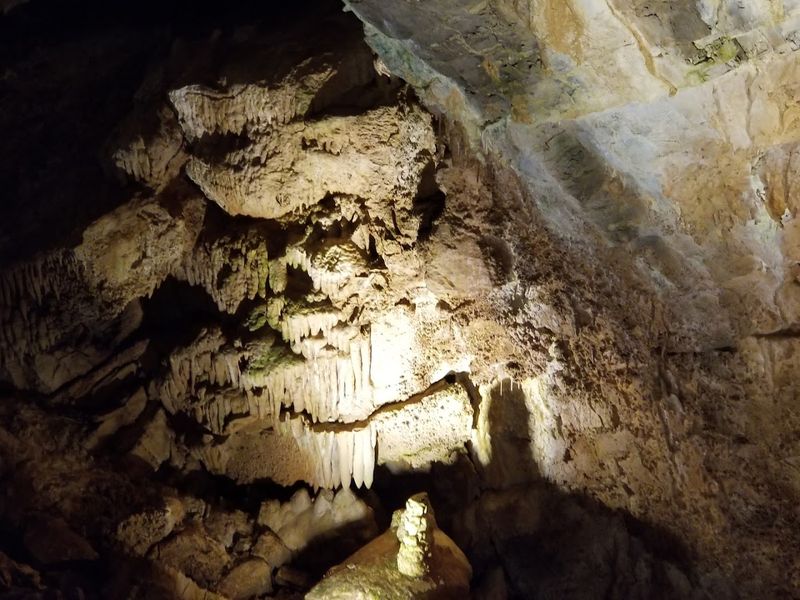
One of the most exciting things about the Minnetonka Cave tour is that it does not just pass through one open space and call it a day. Instead, the route moves through nine distinct rooms, each with its own personality, size, and collection of formations.
Going from one room to the next builds a sense of discovery that keeps the energy high throughout the entire tour.
Some rooms feel cozy and close, with formations hanging just overhead, while others open into grand cathedral-like spaces that make you feel very small. The variety keeps the experience from ever feeling repetitive, which is a real achievement for a cave tour of this length.
Guides pause in each room to share facts about what formed there and how long it took, turning each space into its own mini lesson.
The final rooms near the deepest part of the tour tend to leave the biggest impression. Visitors often describe a genuine sense of wonder when stepping into those last chambers.
Plan for a tour that lasts around 90 minutes from start to finish, including all nine stops along the route.
Stalactites And Stalagmites Make The Walk Feel Otherworldly
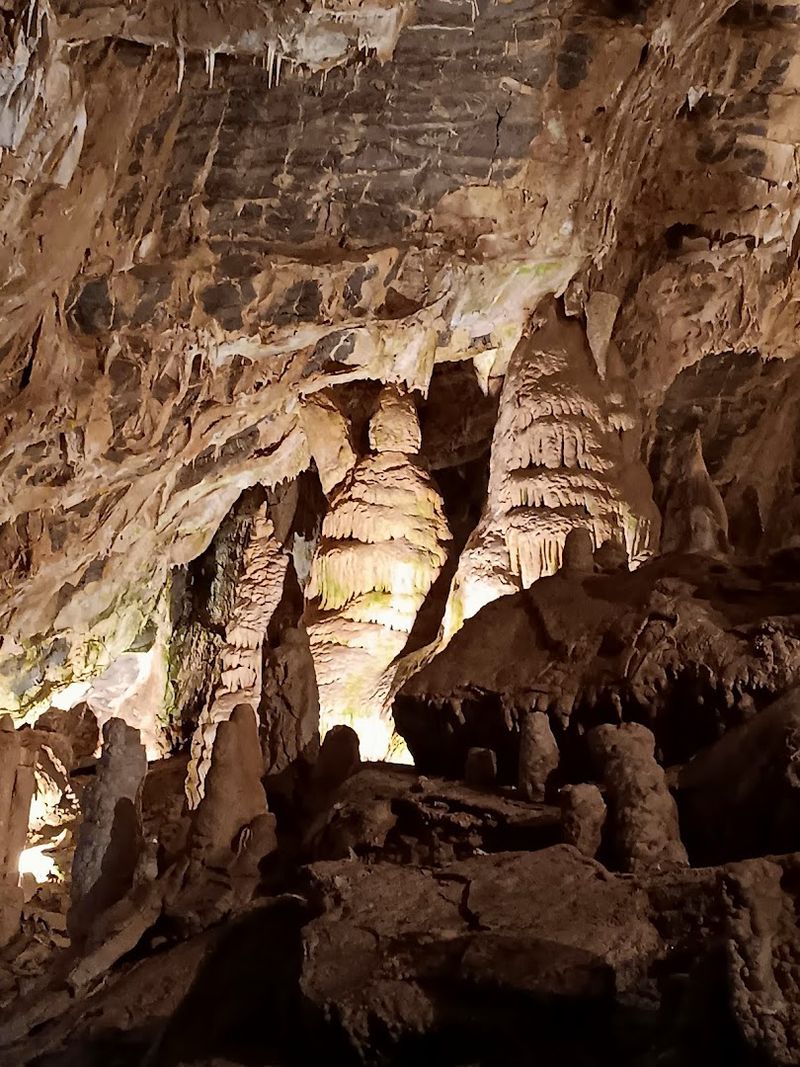
Stone formations turn the cave into something that feels almost unreal, especially when the guide points out how slowly each feature grows. Stalactites hang from the ceiling like mineral icicles, while stalagmites rise from the floor where dripping water has deposited minerals over time.
In some places, the two formations grow toward each other until they eventually create columns, which makes the cave feel like a natural cathedral shaped one drop at a time.
These features are the reason visitors spend so much of the tour looking up, down, and sideways instead of simply watching the path ahead.
Guides help explain the difference between formations, how they develop, and why they must be protected. That protection is not just a polite suggestion.
Touching cave formations can leave oils behind and interfere with natural growth, so visitors should keep hands away from the stone even when the texture looks tempting.
Children often enjoy learning that something so large can form so slowly, while adults may find the patience of the process even more impressive.
The formations make Minnetonka Cave feel otherworldly because they look sculpted, yet they were made by water, minerals, darkness, and time working far longer than any human schedule can easily grasp.
Banded Travertine Adds Color To The Stone Formations
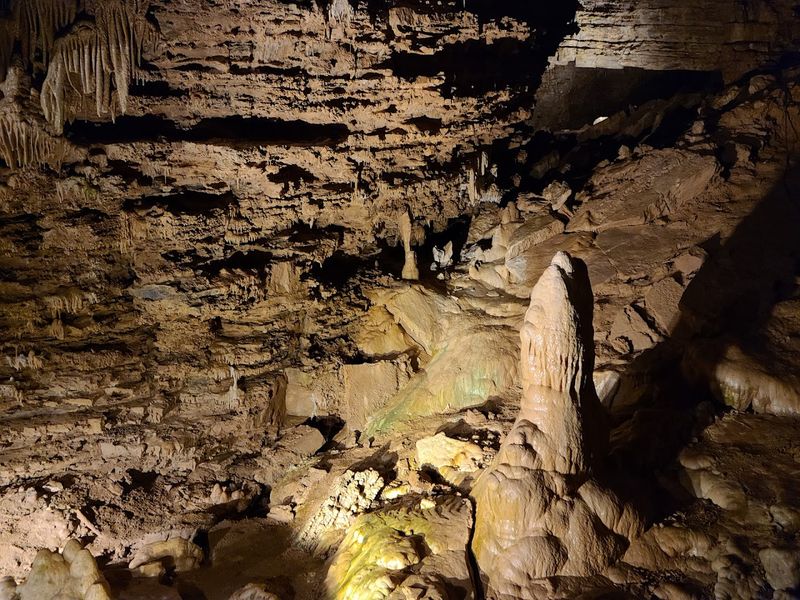
Banded travertine gives Minnetonka Cave a softer, more colorful layer beyond the classic stalactites and stalagmites. In a dark limestone cave, visitors might expect mostly gray stone, shadows, and pale formations, but travertine adds ribbons and layers that can look almost painted into the rock.
This kind of formation develops when mineral-rich water deposits calcium carbonate across surfaces, leaving bands that record subtle changes in water flow, mineral content, and time.
The effect can be surprisingly beautiful, especially when cave lighting catches the textures and colors from the right angle.
Guides usually help visitors notice these details because travertine can be less obvious than dramatic ceiling formations or tall stone columns. Once pointed out, it becomes one of the more interesting parts of the tour.
The bands make the cave feel like it has its own underground artwork, created slowly by natural processes instead of brushstrokes. Visitors who enjoy geology will appreciate the science, while casual travelers can simply enjoy the way the stone changes from room to room.
Minnetonka’s travertine helps keep the route visually varied, giving the cave more personality than a single-note underground passage. It is a reminder that caves are not just hollow spaces.
They are records of water, minerals, pressure, and patience.
The 40-Degree Cave Air Makes June Feel Suddenly Chilly
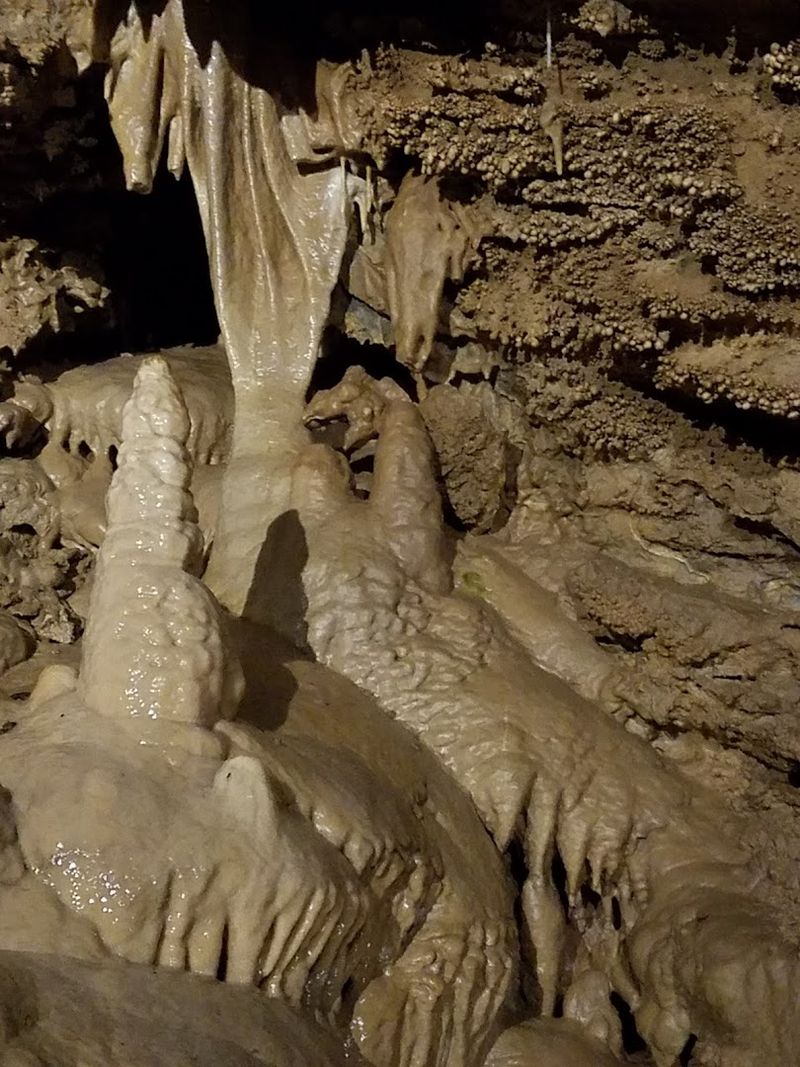
Summer weather outside can be warm and bright, but Minnetonka Cave changes the temperature story almost immediately. The air inside stays around 40 degrees year-round, which means a June visit can go from sunny Bear Lake mood to natural refrigerator in just a few steps.
That sudden chill is part of the fun, but it can also catch unprepared visitors off guard. A light jacket may be enough for some adults, but many people will be more comfortable with a warmer layer, especially children who tend to feel the cold faster during a long tour.
Long pants are also smarter than shorts because the cave stays chilly for the full route, not just at the entrance. Metal handrails can feel cold too, and the damp environment makes sturdy shoes especially important.
The temperature adds to the cave’s sense of separation from the outside world. While the valley below may be busy with lake traffic, sunshine, and summer plans, the underground route holds steady in its own cold, quiet climate.
That contrast makes the tour memorable. Visitors do not just see a cave.
They feel the cave immediately, through the air, the stone, the moisture, and the sudden need to zip up a jacket.
Hundreds Of Stairs Turn The Tour Into A Real Adventure
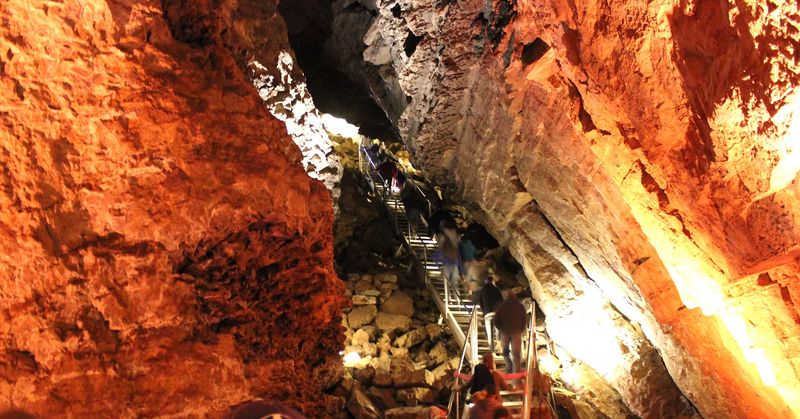
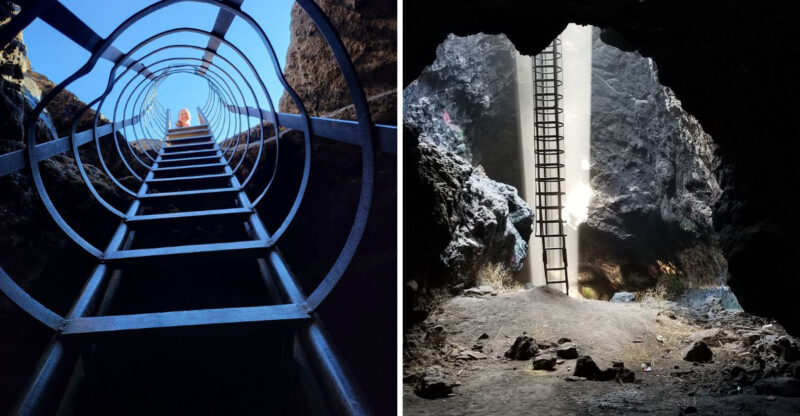
Physical effort is part of the Minnetonka Cave experience, and visitors should understand that before booking a tour. The route includes roughly 888 stairs total, with steps going down into the cave and back up again before the group returns to daylight.
That number sounds dramatic because it is. The stairs are broken up across the route, and guides pause at several points, but the tour still requires stamina, balance, and comfortable movement on damp surfaces.
This is not the best choice for someone expecting a flat, easy stroll through a wide cave hallway. Closed-toe shoes with good traction are the smartest choice, and anyone with knee, hip, breathing, heart, or balance concerns should think carefully before committing.
For visitors who can handle the climb, the stairs actually add to the reward. Each room feels more earned, and the return to sunlight at the end brings a real sense of accomplishment.
Kids who enjoy active adventures may treat the steps like part of the challenge, while adults may feel them more on the way back up. Minnetonka Cave is spectacular, but it is also honest about being rugged.
The beauty comes with effort, and that effort is one reason the tour sticks in people’s memory.
Guided Tours Keep The Underground Route Easy To Follow
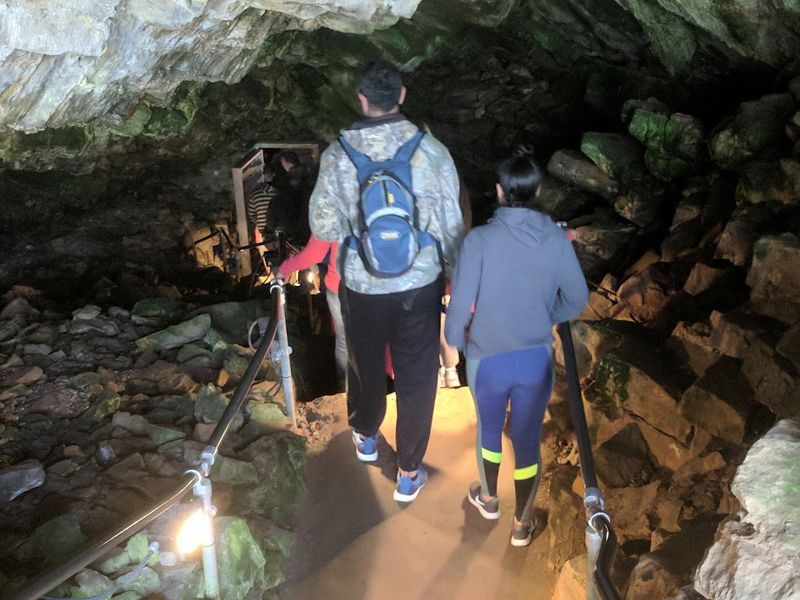
One of the best parts of visiting Minnetonka Cave is that you never have to figure out the route on your own. Knowledgeable guides lead every tour, sharing a rich mix of geology, history, and even a little humor along the way.
Groups are capped at 30 people per tour, which keeps the experience feeling personal rather than crowded, and gives everyone a good view of the formations being discussed.
Guides are trained to make the science accessible and entertaining for all ages, weaving in stories about early explorers and the cave’s discovery alongside explanations of how each formation grew.
Tours run daily from 9:30 AM to 5 PM, and reservations can be made through the Caribou-Targhee National Forest website at fs.usda.gov.
For questions, the contact number is +1 435-491-0618.
Walk-in tickets are sometimes available, but weekday visits offer the best chance of securing a spot without a long wait. Idaho draws visitors from across the country to this cave, and for good reason.
The combination of expert guidance, stunning formations, and a well-maintained route makes Minnetonka Cave one of the most rewarding underground experiences anywhere in the American West.