10 Missouri Small Towns That Could Easily Star In A Hollywood Film
Some towns feel like they were built for the big screen. Not because anyone planned it that way, but because decades of real life left something behind.
Peeling storefronts, courthouse squares frozen in time, cobblestone streets that echo when you walk them. Missouri has that in abundance.
The state is full of small towns that carry the kind of quiet drama no set designer could replicate. The kind that only comes from actually living through something.
A flood. A boom.
A long, slow fade. Missouri has seen all of it, and the towns that survived wear it beautifully.
Each one on this list has a look, a feel, and a story that would translate perfectly to film. Some are barely a few blocks wide.
All of them are completely unforgettable.
1. Hannibal
Mark Twain did not just write about this town. He breathed life into it, and the streets still feel like a living novel.
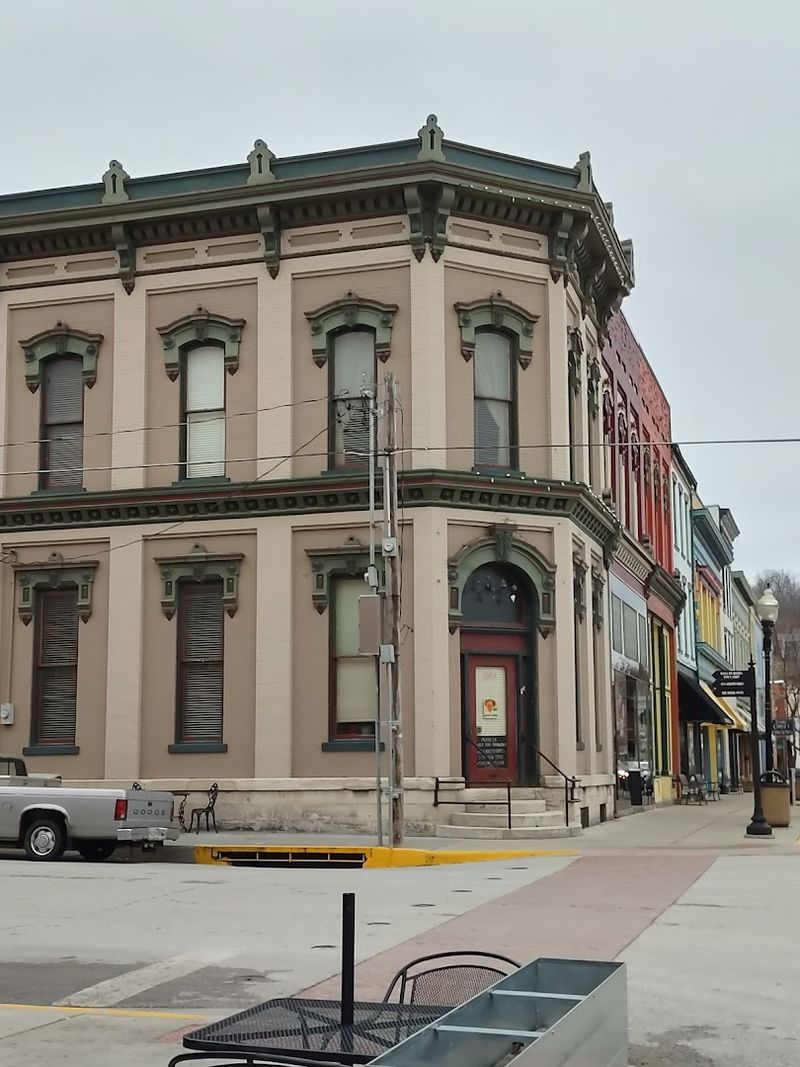
Hannibal sits along the Mississippi River with a downtown that looks frozen in the best possible way. Brick buildings over a century old line the waterfront, and every storefront seems to have a story carved into its walls.
The Mark Twain Boyhood Home and Museum on Main Street is the crown jewel of the historic district. Standing outside it, you half expect Tom Sawyer to come sprinting past with a paintbrush.
The town’s layout is made for film. Wide river views, narrow side streets, and classic American architecture create natural cinematic framing at every turn.
A camera crew would never run out of angles here.
Hannibal also hosts the National Tom Sawyer Days festival each summer, drawing thousands of visitors. Fence-painting contests, frog-jumping competitions, and live entertainment fill the streets with pure, joyful chaos.
If you want the full experience, walk down to the riverfront at dusk. The light hits the water in a way that feels almost too perfect to be real.
This town earns its place on any film location shortlist without even trying.
2. Hermann
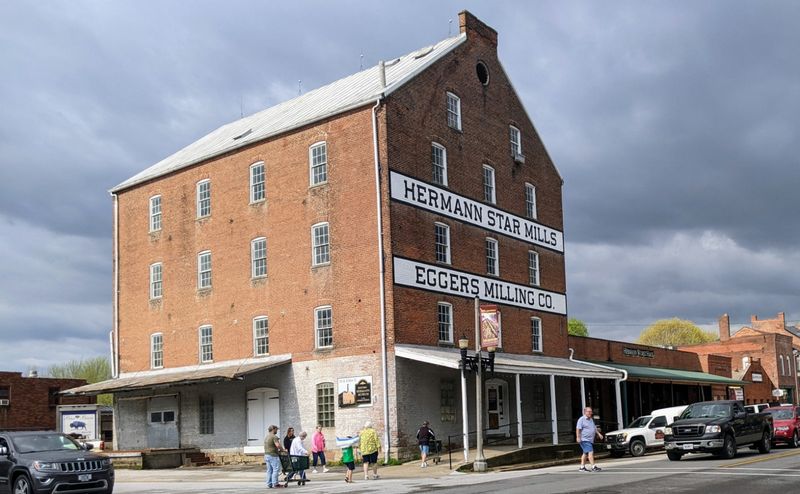
Imagine a German village got airlifted and dropped onto a Missouri hillside. That is Hermann in a nutshell, and it works beautifully.
Founded in 1837 by German immigrants, the town was deliberately designed to preserve German culture in America. The brick buildings, many dating back to the 19th century, still give downtown a strong historic character.
Every street feels like a period film set ready for action.
The town follows the natural slope of the land, creating terraced layers of buildings that look stunning from a distance. Vineyards blanket the surrounding hills, adding rich texture and color to every view.
The whole scene is almost aggressively picturesque.
Hermann is located along the Missouri River in Gasconade County, and the river views from the upper streets are genuinely breathtaking. The combination of water, hills, and historic architecture is rare anywhere in the Midwest.
Each October, the town hosts Oktoberfest, filling the streets with music, food, and festive energy. But even on a quiet Tuesday in March, Hermann feels alive with personality and charm.
Walking through downtown, you pass bakeries, antique shops, and historic churches that have been standing for generations. A film director scouting locations here would probably just point in any direction and say, yes, right there.
That is the shot.
3. Ste. Genevieve
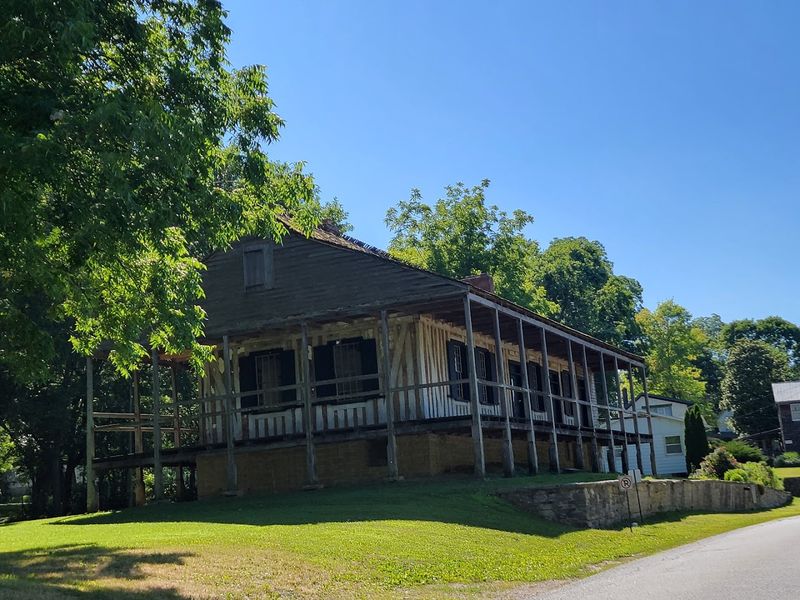
This town is older than the state itself, and it carries that age with extraordinary grace and confidence.
Ste. Genevieve is Missouri’s oldest permanent European settlement, founded by French colonists in the mid-1700s.
The architecture here is unlike anything else in the region. Vertical log construction, whitewashed walls, and steep rooflines give the town a distinctly French colonial look that feels worlds away from a typical Midwest main street.
The historic downtown is part of the Ste. Genevieve National Historical Park, which helps protect its remarkable collection of original buildings.
Walking through this area feels like stepping onto a film set for an 18th-century period drama. The details are just too good.
Wrought iron gates, stone walls, and wooden shutters add layers of visual richness at every corner.
The town sits near the Illinois state line along the western bank of the Mississippi River. That proximity to the water has shaped its entire history, from its founding as a trading post to its role as a cultural hub for early settlers.
For anyone who loves architecture, history, or just genuinely beautiful places, Ste. Genevieve delivers something rare.
It is authentic, unhurried, and completely unforgettable in the best possible way.
4. Carthage
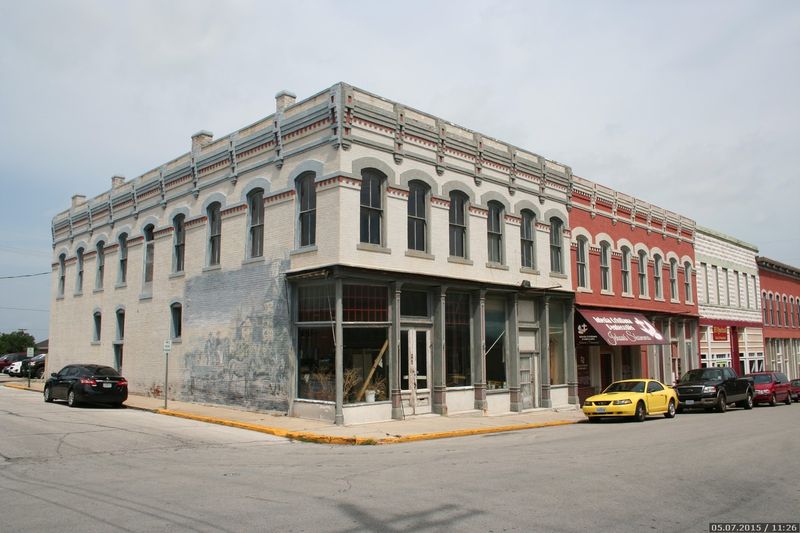
Route 66 runs straight through Carthage, and the town wears that legacy like a perfectly worn leather jacket.
Few places in the Midwest deliver nostalgia this efficiently. Carthage sits in Jasper County in the southwest corner of the state, and its downtown square is anchored by the stunning Jasper County Courthouse, built in 1895 from Carthage marble.
The building alone looks like it belongs in a prestige drama series.
The 66 Drive-In Theatre is one of the town’s most beloved attractions. Open seasonally, generally on weekends, with the current schedule posted by the theater, it is one of the few remaining drive-in theaters still operating in the region.
Watching a film under the open sky here feels like a genuine time-travel experience.
Just outside town sits Red Oak II, a small village created by artist Lowell Davis to resemble a 20th-century ghost town. It includes a gas station, general store, and schoolhouse, all lovingly recreated.
It is quirky, creative, and completely unique.
Carthage also has a strong Victorian architecture scene, with dozens of well-preserved homes lining its residential streets. The variety of architectural styles packed into one small town is genuinely impressive.
For a Hollywood scout, Carthage would offer multiple distinct settings within just a few square miles. That kind of versatility is rare and incredibly valuable on any production budget.
5. Kimmswick
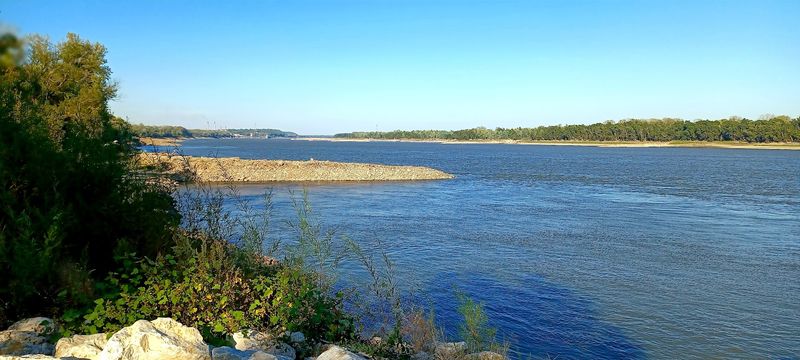
Kimmswick is so small that you can walk its entire historic district in about twenty minutes. But those twenty minutes will absolutely ruin you for other towns.
Sitting along the Mississippi River in Jefferson County, Kimmswick was founded in 1859 and retains an almost impossibly intact collection of 19th-century buildings. The town has a population of just a few hundred people, but its charm punches well above its weight class in every measurable way.
The brick storefronts, cottage gardens, and tree-lined streets create a storybook aesthetic that feels both real and slightly unbelievable. Window boxes overflow with seasonal flowers, and wooden signs hang above doorways of shops that have been operating for decades.
Every detail feels intentional and lovingly maintained.
Kimmswick is also home to Mastodon State Historic Site just outside town, where actual mastodon bones were discovered. That prehistoric layer beneath such a tidy, pretty village adds a wonderfully unexpected depth to the place.
The Apple Butter Festival held each October draws visitors from across the region who come for crafts, food, and the sheer pleasure of being somewhere this genuinely lovely. The streets fill up fast, so arriving early is always a smart move.
A director filming a quiet, heartfelt drama about small-town American life would find the perfect backdrop here. Kimmswick does not try to impress anyone.
It simply is impressive, effortlessly and completely.
6. Hollister
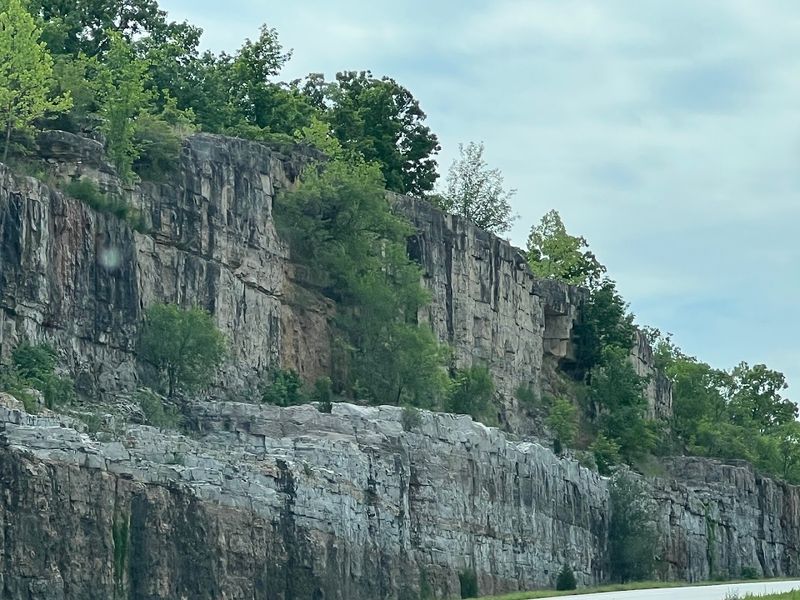
Hollister looks like a small English village decided to relocate to the Ozark hills, and somehow it worked out perfectly for everyone involved.
Located just south of Branson in Taney County, Hollister was designed in the early 1900s with a deliberate Tudor Revival architectural style.
The result is a downtown that looks like a movie set for a British period drama, complete with half-timbered facades, stone details, and steeply pitched rooflines.
The Downing Street commercial district is the heart of Hollister’s historic area, and it runs along a terraced hillside that drops toward the Lake Taneycomo waterfront.
The elevation changes and layered views give the town a dramatic, cinematic quality that flat-terrain towns simply cannot replicate.
Hollister sits near Table Rock Lake and the White River, making it a natural base for outdoor adventures. Fishing, boating, and hiking are all within easy reach, which adds a rugged contrast to the town’s refined architectural character.
The town was specifically designed to attract tourists arriving by railroad in the early 20th century. That intentional design philosophy is still evident today in the careful layout of the streets and the consistent architectural language throughout the district.
For a filmmaker, Hollister offers something genuinely unusual: a visually coherent, architecturally distinctive setting that does not look like anywhere else in the American Midwest. That kind of uniqueness is worth its weight in production value.
7. Marceline
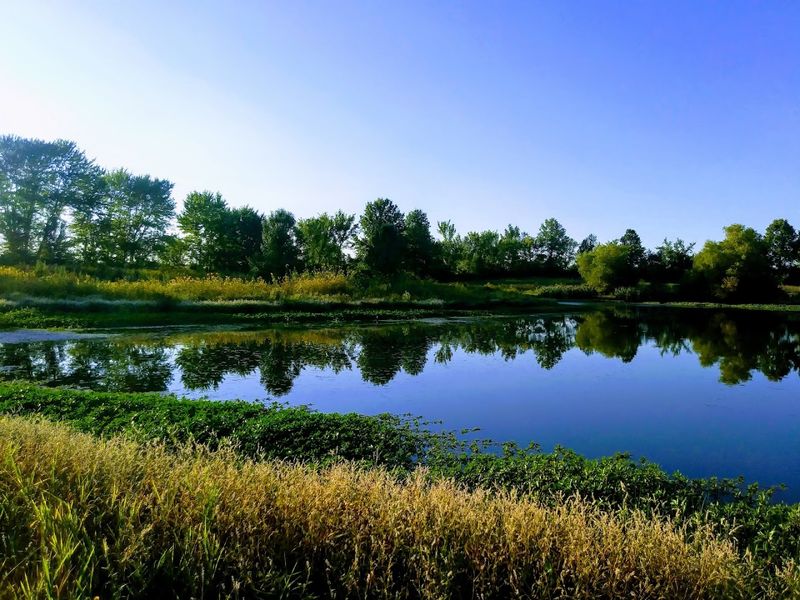
Walt Disney grew up here, and if you look closely at Main Street U.S.A. in any Disney theme park, you will see Marceline staring right back at you.
Located in Linn County in north-central Missouri, Marceline is a modest, quiet town that carries an outsized cultural legacy. Disney spent his formative childhood years here, and the town’s classic American main street directly inspired the design of Disneyland’s iconic entrance.
That is not a small claim, and Marceline owns it proudly.
The Walt Disney Hometown Museum on Main Street is a genuine treasure for fans of both Disney history and American nostalgia.
Marceline’s downtown still has that unhurried, small-town feel that Disney captured so perfectly in his work. Wide sidewalks, classic storefronts, and friendly faces make it feel like a place where stories naturally begin.
The Uptown Theater, a beautifully restored historic movie house, still screens films and hosts community events. It is the kind of place that makes you feel like cinema was invented specifically for towns like this one.
For a Hollywood location scout, Marceline offers something priceless. It is the real-life inspiration for one of the most famous fictional streets ever designed.
That backstory alone is worth the drive.
8. Weston
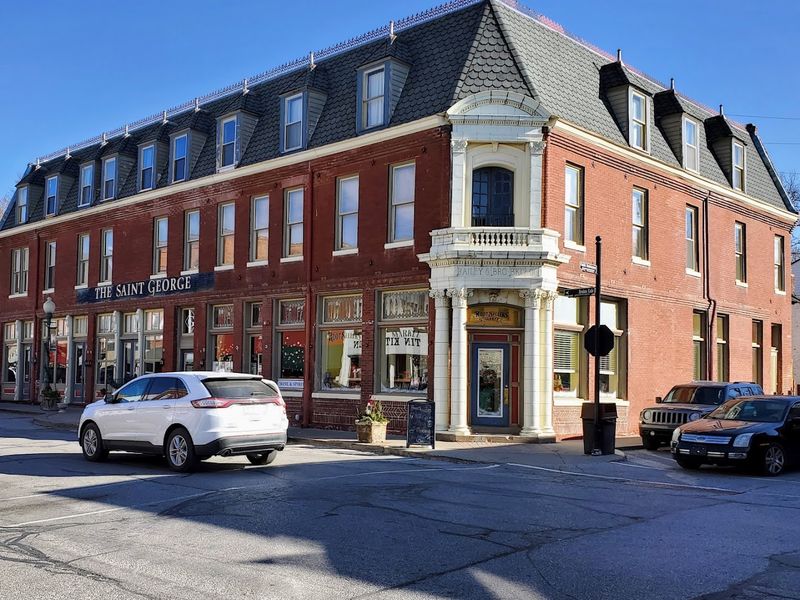
Weston looks like someone paused time somewhere around 1880 and just forgot to hit play again. Honestly, no complaints here.
This historic river port sits on bluffs above the Missouri River in Platte County, and its wealth from the 19th century is still visible in every brick and iron detail downtown.
Cast-iron accents, ornate facades, and Victorian homes cascading down the hillside create a visual richness that few towns of this size can match.
The downtown district is lined with antique shops, specialty stores, and historic buildings that have been thoughtfully preserved. Strolling through it feels less like shopping and more like curating a personal museum experience.
Every window display tells a different story from a different era.
Weston’s architecture is some of the finest 19th-century commercial and residential work in the entire state. The mix of Federal, Italianate, and Victorian styles packed into a few walkable blocks is remarkable.
Architecture enthusiasts tend to lose significant amounts of time here.
The town also hosts seasonal events that bring its historic streets to life throughout the year. Apple festivals, holiday markets, and heritage celebrations draw visitors who quickly realize Weston is far more than a day trip destination.
A film set in the Gilded Age would find everything it needs right here. The bones of the town are that good, and no set designer could replicate them on a budget.
9. Eminence
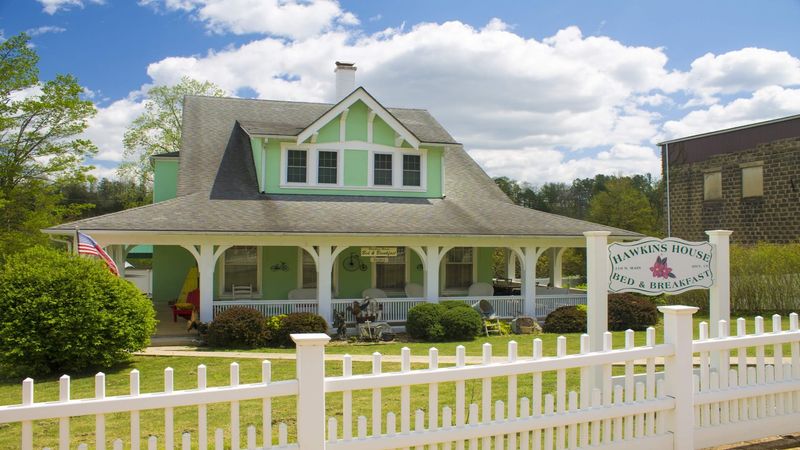
There are towns that make you want to sit down and stay awhile. Eminence is the kind of place that makes you want to cancel your return trip entirely.
Eminence sits in Shannon County in the heart of the Ozark hills, and it serves as the gateway to some of the most spectacular natural scenery in the entire region.
The Current River, famous for its crystal-clear spring-fed water, flows nearby and draws canoeists, kayakers, and nature lovers from across the country.
The town itself is small and unpretentious, with a main street that feels genuinely rooted in its surroundings. It is not trying to be a tourist destination.
It just happens to be surrounded by breathtaking wilderness, and that honesty is part of its appeal.
Alley Spring and Millpond, located just a few miles from town along Route 106, is one of the most photographed spots in the Ozarks. The historic red mill building beside the brilliant blue spring pool creates a composition so beautiful it almost looks digitally enhanced.
Eminence is also part of the Ozark National Scenic Riverways, the first national park area established to protect a river system. That designation speaks to the extraordinary quality of the natural environment surrounding this modest little town.
A filmmaker wanting raw, untouched American wilderness as a backdrop would find Eminence and its surroundings almost impossibly generous. Nature here does all the heavy lifting.
10. Parkville
Parkville is the kind of town that makes you feel slightly guilty for not having discovered it sooner. It has been this good the whole time.
Sitting along the Missouri River in Platte County, Parkville combines a beautifully preserved historic downtown with the energy of a college town.
Park University, founded in 1875, sits on a dramatic limestone bluff overlooking the river, and its campus adds an architectural elegance that complements the town perfectly.
The historic Main Street district is lined with independently owned shops, galleries, and restaurants housed in 19th-century brick buildings. The street runs parallel to the river, and English Landing Park stretches along the waterfront just steps away.
That combination of walkable history and open green space is genuinely rare in a town this size.
Parkville is located just 12 miles northwest of Kansas City, which makes it an easy escape without the need for a long drive. But once you arrive, the city feels very far away.
The pace here is noticeably different, and that difference is refreshing.
The town also hosts a well-regarded Farmers Market and various seasonal festivals that keep its streets lively throughout the year. Community life here feels active, genuine, and deeply local in the best sense.
For a film set in a charming river town with real architectural character, Parkville would require almost no set dressing at all. The town simply looks the part, naturally and completely.