This Abandoned North Carolina Colonial Town Still Has Ruins You Can Walk Through
History gets a lot less boring when it looks like the past forgot to clean up after itself.
A walk through these ruins feels gloomy in the best way, like the old town packed up dramatically and left the walls to explain everything.
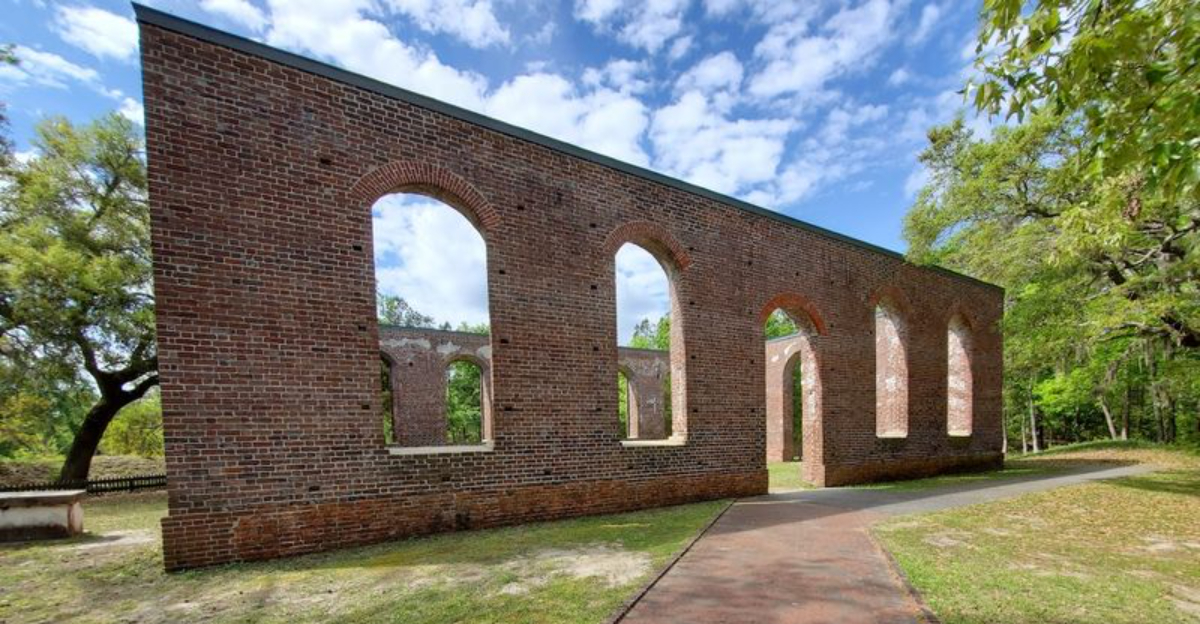
Brick foundations still sit in the grass, looking suspiciously calm for something that has seen centuries of trouble.
Roofless walls rise nearby with all the cheer of a haunted postcard.
Even daylight does not make the place feel normal.
People once built lives here with serious plans for the future, and then history basically said, “Cute idea.”
Now every quiet corner feels like it knows something.
Anyone expecting a dull field trip may be surprised, because this abandoned-feeling site brings just enough gloom, mystery, and old-stone attitude to make the past feel weirdly entertaining.
Colonial Town Left Behind On The Cape Fear River
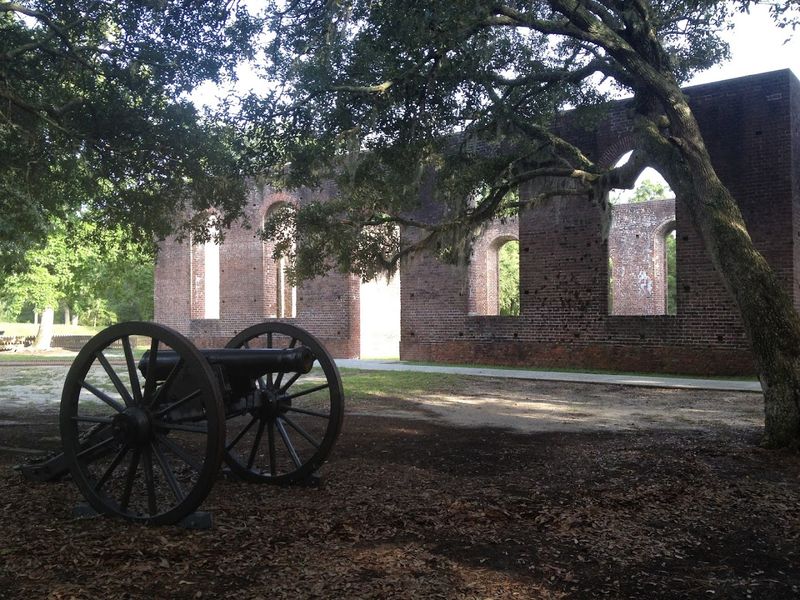
Colonial history becomes unusually physical at Brunswick Town / Fort Anderson, where visitors can walk through the remains of a settlement that never returned after the American Revolution.
The site is at 8884 St. Philips Road SE, Winnabow, NC 28479, along the Cape Fear River between Wilmington and Southport.
North Carolina Historic Sites describes Brunswick as a major pre-Revolutionary port that was razed by British troops in 1776 and never rebuilt, while Fort Anderson was later constructed over the old town site during the Civil War. That layered story is what makes the visit so powerful.
This is not a recreated village or a polished theme-park version of colonial life. It is an archaeological landscape where foundations, church walls, earthworks, river views, and interpretive signs work together to show what remains after a town disappears.
The Cape Fear River still gives the site its sense of place, just as it gave Brunswick Town its original purpose as a port. Standing there now, with the water moving quietly nearby, makes the distance between past and present feel much shorter than expected.
Brick Ruins Make The Abandoned Streets Feel Real
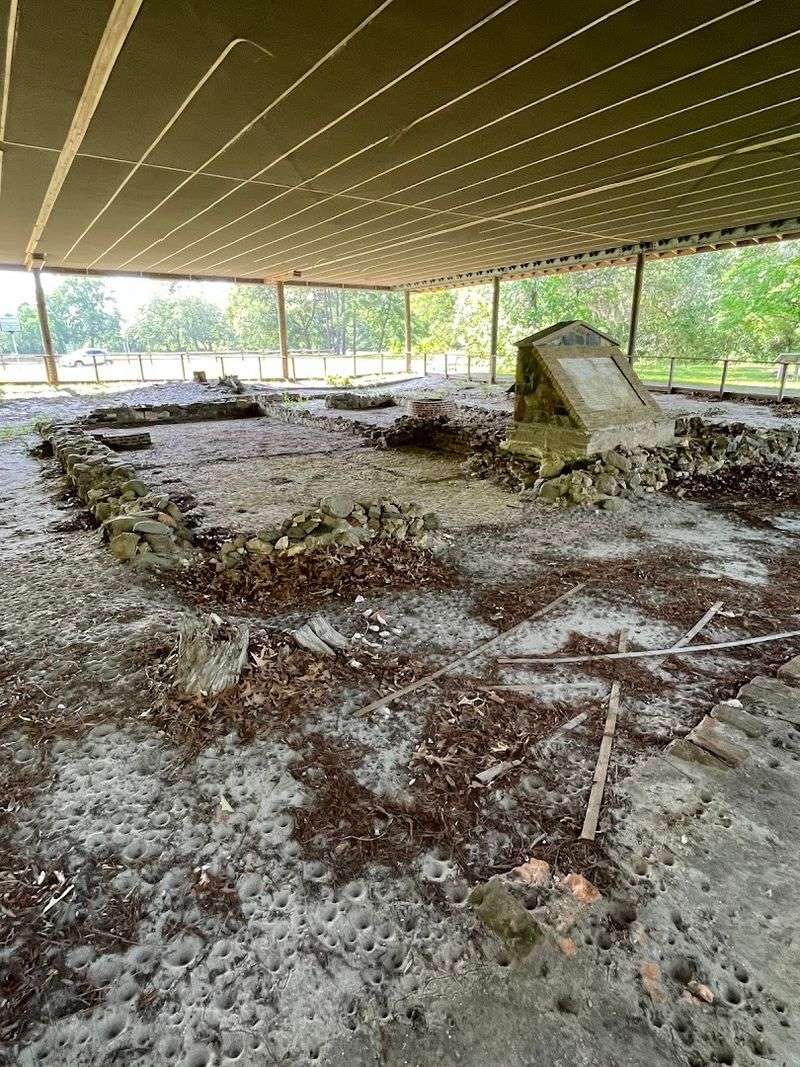
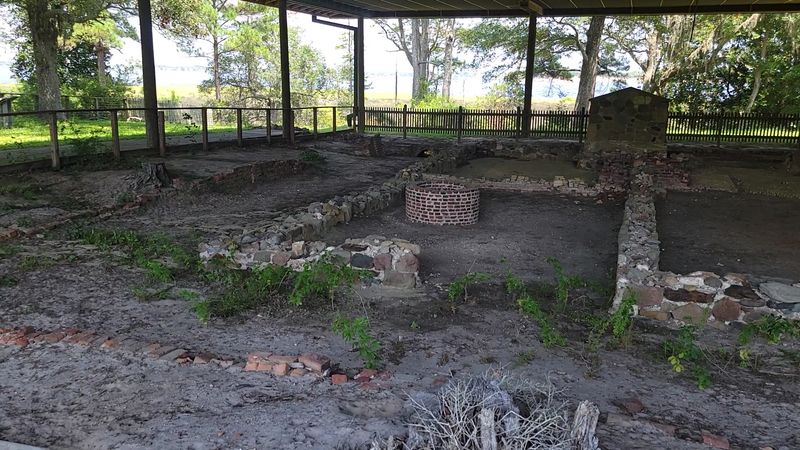
There is something powerful about kneeling beside a 300-year-old brick foundation and realizing a family once cooked dinner right there. The excavated home sites at Brunswick Town are not behind glass or roped off at a distance.
Visitors can walk directly alongside them, reading the outlines of rooms, doorways, and hearths like a floor plan drawn in stone and soil.
Each foundation tells a slightly different story. Some belonged to merchants wealthy enough to build in brick when most colonial homes were made of wood.
Others were more modest, their smaller footprints hinting at simpler lives spent close to the river. Interpretive signs placed along the trail fill in the details with names, dates, and historical context that bring each ruin to life.
North Carolina has many historic landmarks, but few allow this kind of direct, hands-on connection to colonial architecture.
The paved path makes every foundation accessible to all visitors, including those using wheelchairs or strollers, so no one has to miss the experience of reading a town through its bones.
St. Philip’s Church Still Stands Roofless After Centuries
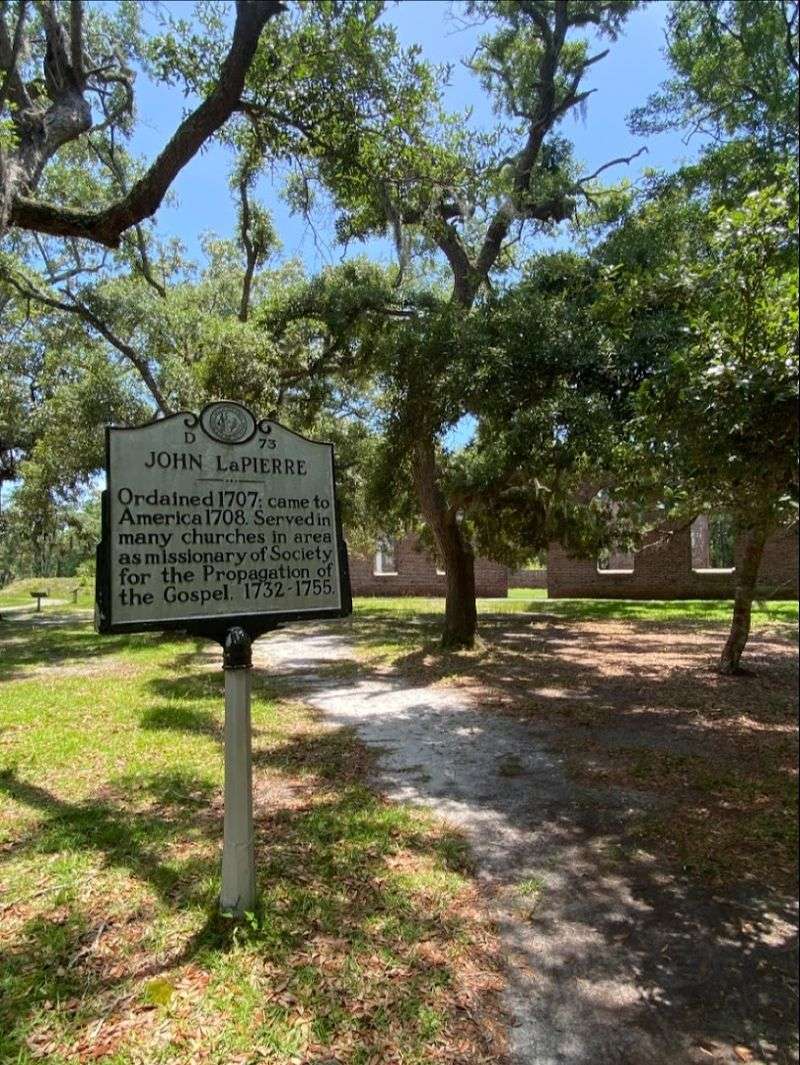
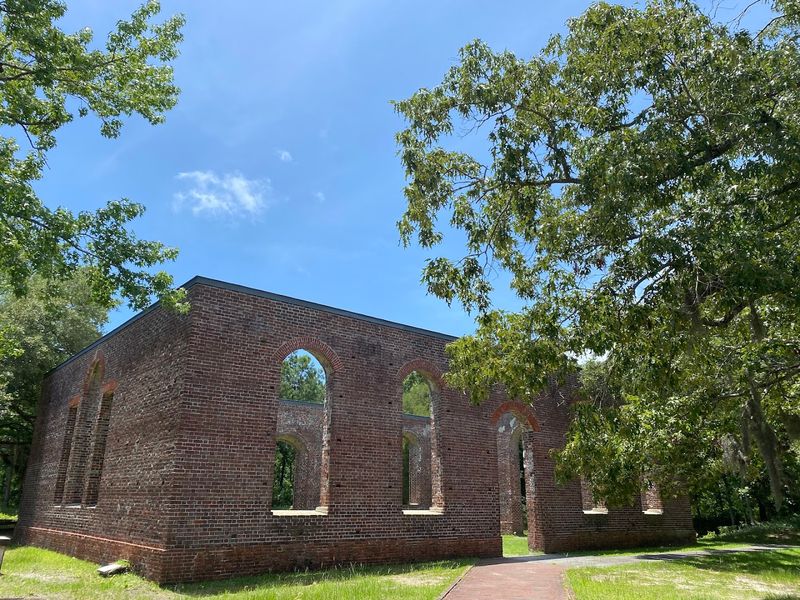
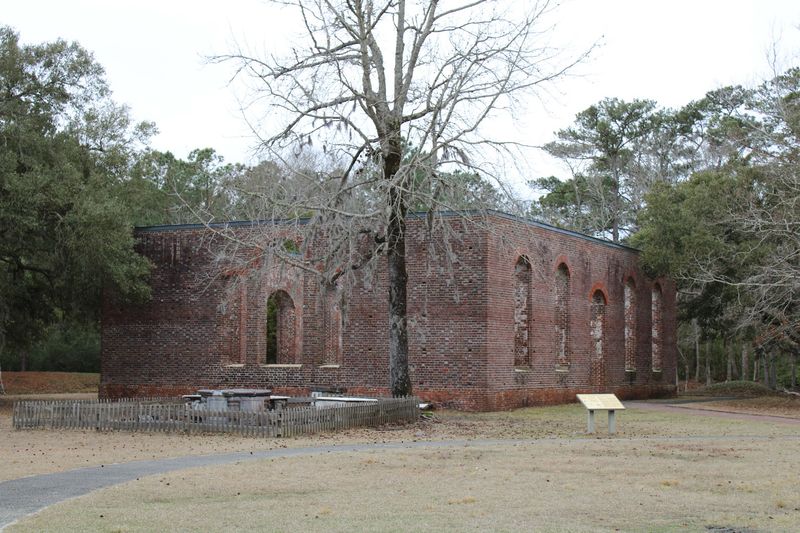
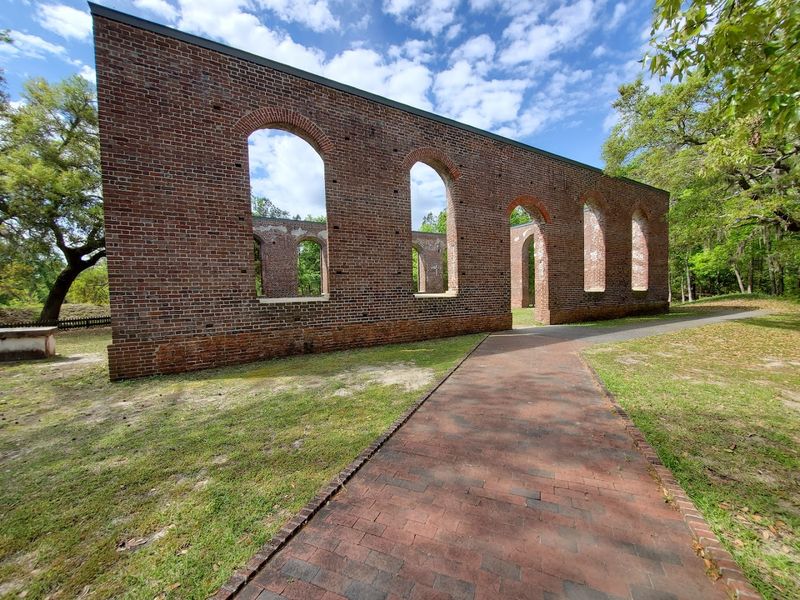
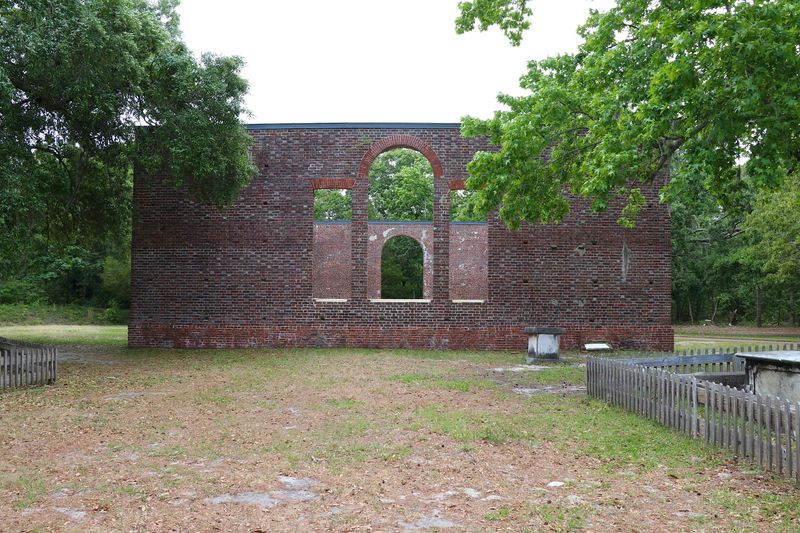
St. Philip’s Church gives the site its most striking architectural moment. The roof is gone, but the brick walls still rise from the grass, creating a powerful open-air shell that makes visitors stop almost immediately.
Visit NC notes that the walls of St. Philip’s Church survived and can still be seen on the site’s trail tour, along with colonial foundations and Fort Anderson earthworks. The church feels different from the lower foundations because it still has height, shadow, and a clear sense of interior space.
Standing near it, visitors can understand why churches often become the emotional centers of historic ruins. The missing roof lets the sky fill the room, while the surviving walls make the building feel both strong and fragile.
It is easy to see why photographers and history lovers spend extra time here. The brick texture, open windows, grassy floor, and surrounding trees create a scene that feels solemn without needing dramatic language.
St. Philip’s also helps connect the town’s civic and spiritual history to the wider landscape. Homes and port buildings show daily life, but the church gives Brunswick Town a more human scale.
It reminds visitors that this was once a community, not just a name in a history book.
British Troops Burned Brunswick Town, And It Never Came Back
Not every town fades slowly. Brunswick Town met a swift and fiery end in 1776, when British forces sailed up the Cape Fear River and burned much of what remained of the already-declining settlement.
The raid was part of the broader chaos of the American Revolution, and it effectively ended any hope of the town ever recovering its former importance.
What makes the story even more compelling is that Brunswick Town had already been struggling before the flames arrived. Wilmington, just upriver, had been drawing residents and trade away for years, leaving Brunswick in a slow economic decline.
The British attack simply finished what geography and commerce had already started, turning a once-thriving port into silent ash and scattered brick.
North Carolina lost one of its earliest and most significant settlements that year, a loss that historians and archaeologists are still working to fully understand. Walking the grounds today, knowing what happened here, gives the ruins a different kind of weight.
The silence is not peaceful emptiness. It is the echo of a community that was taken before its time, preserved now for everyone to witness.
Fort Anderson Adds A Civil War Layer Over The Colonial Past
Civil War earthworks add a second chapter to a site that was already historically important. North Carolina Historic Sites explains that Fort Anderson was constructed atop the old town site during the Civil War, and that the present-day tour trail bisects the earthworks of the Confederate fort.
That overlap gives Brunswick Town / Fort Anderson its unusual depth. Visitors are not only walking through colonial remains.
They are also moving through a later military landscape built in the same strategic location along the Cape Fear River. The fort was part of the defenses below Wilmington, a port that remained significant during the war.
Earthen walls still help visitors understand the scale of the fortification and why this river position mattered. The experience can feel almost disorienting in the best way because the ground carries two different histories at once.
A colonial foundation may sit near Civil War earthworks, compressing more than a century into a single view. That layering makes the site more than a preserved ghost town.
It becomes a place where North Carolina’s colonial, Revolutionary, and Civil War stories physically intersect. Few historic sites make that overlap so easy to see on foot.
Walking The Grounds Feels Like Moving Through Two Eras At Once
Trail walking is the best way to understand why this site stays with people. The loop carries visitors past colonial foundations, the roofless church walls, river scenery, and the remains of Fort Anderson, turning the landscape into a timeline that can be experienced at human pace.
North Carolina Historic Sites describes the site as a serene riverside setting with colonial and Civil War history, colorful exhibits, foundations, and earthworks that visitors can remember long after leaving. That is exactly what the walk does well.
It lets the history unfold without forcing it into one room or one display case. Visitors can pause where something catches their attention, read interpretive panels, look toward the Cape Fear River, and connect the physical remains to the stories behind them.
The site feels especially rewarding for families, history lovers, photographers, and anyone who prefers outdoor historic places to crowded indoor museums. Comfortable shoes, water, and sun protection help, especially during warm months when shade can feel precious.
The grounds are calm now, but the ruins keep the walk from feeling empty. Every turn adds another reminder that several different versions of North Carolina history once occupied the same piece of land.
Archaeology Keeps Pulling More Stories From The Soil
Ongoing archaeology keeps Brunswick Town from feeling frozen in the past.
The North Carolina Office of State Archaeology notes ongoing archaeological work at the 18th-century town and 19th-century fort. It also explains how coastal erosion continues to threaten buried sites along the Cape Fear River.
That research matters because the site is not only a preserved attraction. It is still a place where the ground can reveal new details about colonial life, trade, riverfront activity, and military use.
The Office of State Archaeology says erosion has exposed two colonial wharves and damaged part of the northern fort battery, showing how fragile the landscape can be. Visitors who walk the site are seeing history that requires active care, not ruins that can simply be left alone forever.
Artifacts, foundations, shoreline evidence, and ongoing study all help expand what is known about Brunswick Town and Fort Anderson. That makes return visits worthwhile because interpretation can deepen as research continues.
A ruin may look still on the surface, but the story beneath it is not finished. Brunswick Town keeps reminding visitors that history is something people uncover, protect, revise, and better understand over time.
Winnabow Hides One Of North Carolina’s Most Walkable Ruins
Winnabow may not stand out loudly on a North Carolina road-trip map, yet it offers one of the state’s most rewarding ruin walks.
Brunswick Town / Fort Anderson State Historic Site offers free admission, according to North Carolina Historic Sites. Official visitor information also notes regular hours from Tuesday through Saturday, with Sunday afternoon hours available during part of the year.
The Friends of Brunswick Town / Fort Anderson also list the site’s phone number as 910-398-9361 and confirm the St. Philips Road SE address. That makes planning a visit fairly simple, especially for travelers coming from Wilmington, Southport, or Oak Island.
The appeal is the rare combination of accessibility and atmosphere. Visitors can see colonial foundations, St. Philip’s Church ruins, Fort Anderson earthworks, river views, exhibits, and archaeological interpretation without paying admission or committing to a difficult hike.
The site feels quiet enough for reflection but detailed enough to keep curious visitors engaged. It is the kind of place that proves history does not have to feel distant, dusty, or dull.
Sometimes it sits in the grass beside a river, waiting for people to walk through what remains.