This Gorgeous State Park In Connecticut Is So Hidden You’ll Have It All To Yourself
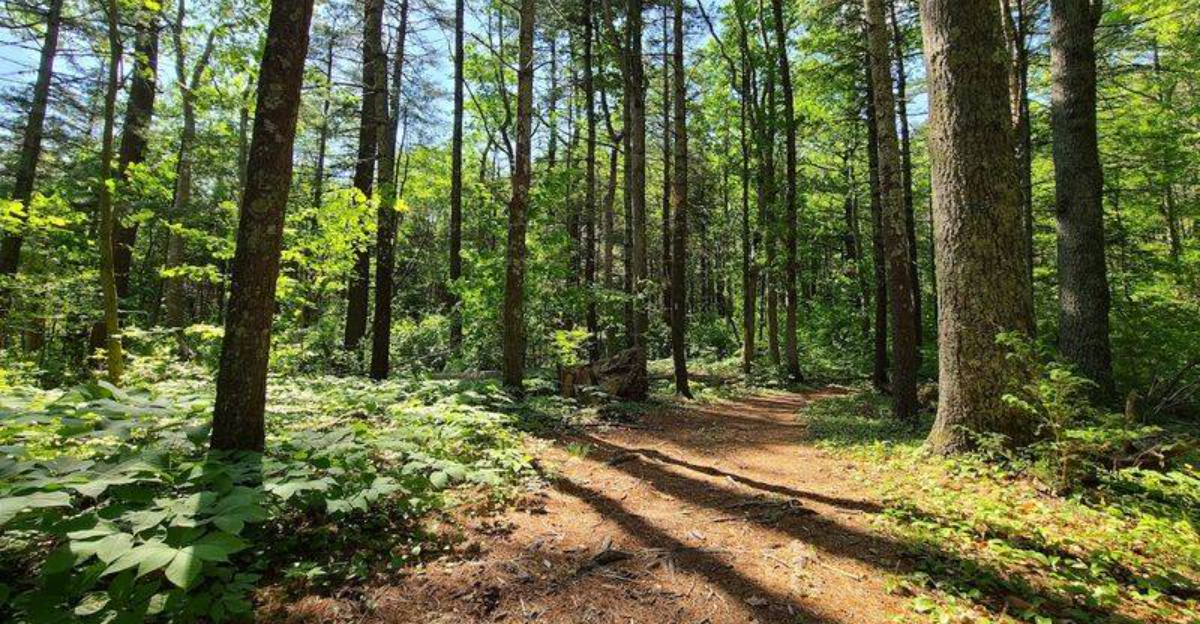
Finding a state park this beautiful that feels completely untouched by the usual crowds is the kind of discovery that makes you want to keep it entirely to yourself.
The trails here wind through scenery so genuinely stunning that the whole experience feels almost private in a way that more well known parks simply cannot offer anymore.
Connecticut is sitting on outdoor spaces this gorgeous and most people have absolutely no idea they exist which makes stumbling onto one feel like a very lucky day indeed.
The peace and quiet here is the real draw on top of everything else and that combination of beauty and solitude is genuinely rare in a way that makes this place feel almost too good to share.
People who find it come back quietly and consistently without making much noise about it and that protectiveness makes complete sense once you have actually been here and experienced what all the fuss is about.
1. State’s Biggest Forest
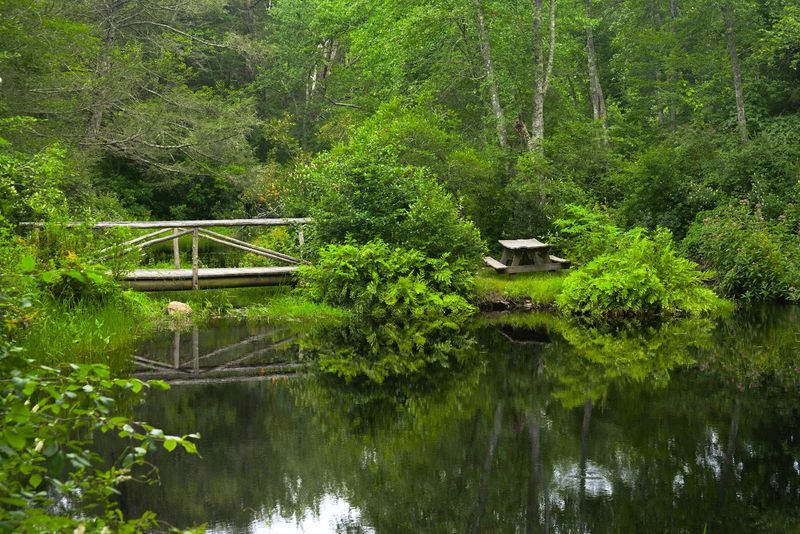
Not many people realize that Pachaug State Forest is the largest state forest in the state, covering roughly 27,000 acres across several towns in the eastern part of the state.
That kind of scale is hard to picture until a person is actually standing inside it, surrounded by trees in every direction with no buildings or traffic in sight.
The sheer size of the forest means that even on busy days, the crowd thins out quickly once visitors move beyond the entrance areas.
The forest spans parts of Griswold, Voluntown, Lisbon, and Sterling, making it a regional landmark that quietly anchors a large stretch of rural parts of the state.
Gravel roads cut through sections of the forest, offering access to different trailheads, campgrounds, and natural features spread across the land.
Because the forest is so spread out, no single spot ever feels overwhelmed by foot traffic.
Managing a forest this large takes consistent effort, and Connecticut’s Department of Energy and Environmental Protection oversees the land to keep it healthy and accessible.
Habitats here range from upland forest to wetlands and Atlantic white cedar swamps, which are rare ecosystems that support a wide variety of wildlife.
2. Where The Quiet Trails Begin
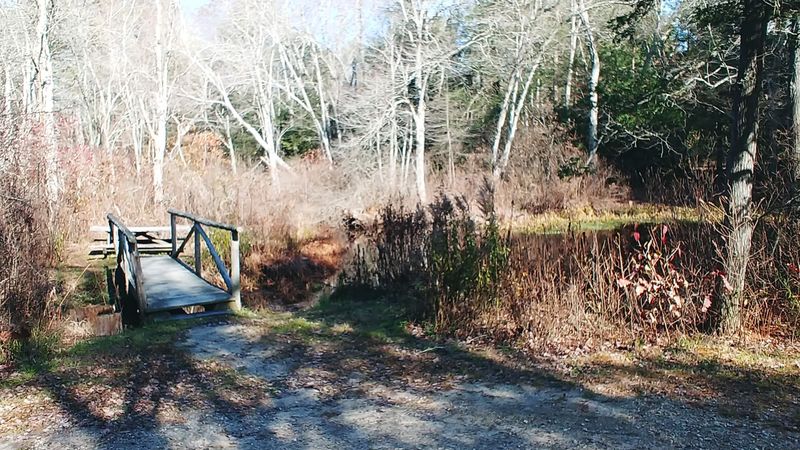
A hike through Pachaug State Forest can feel surprisingly remote, especially once the road noise fades and the woods take over.
With miles of trails spread through the largest state forest in the state, visitors can choose anything from shorter walks to longer routes that demand more time, attention, and stamina.
Conditions shift with the season, so checking maps and recent trail notes before heading out is always a smart habit.
The Pachaug Trail is one of the forest’s key routes, running from Green Fall Pond in Voluntown to Pachaug Pond in Griswold. Along the way, it passes ponds, streams, rock formations, hardwoods, conifers, and a rhododendron sanctuary.
Some sections are easy to follow, while quieter stretches require closer attention to blazes and junctions. A paper map or downloaded offline map can make the day much smoother.
Morning is often the best time to start, when the forest feels cool, still, and full of soft light. Midweek visits can be especially peaceful, with fewer hikers on the trail and more room to enjoy the slower rhythm of the woods.
3. Why Locals Love The Solitude
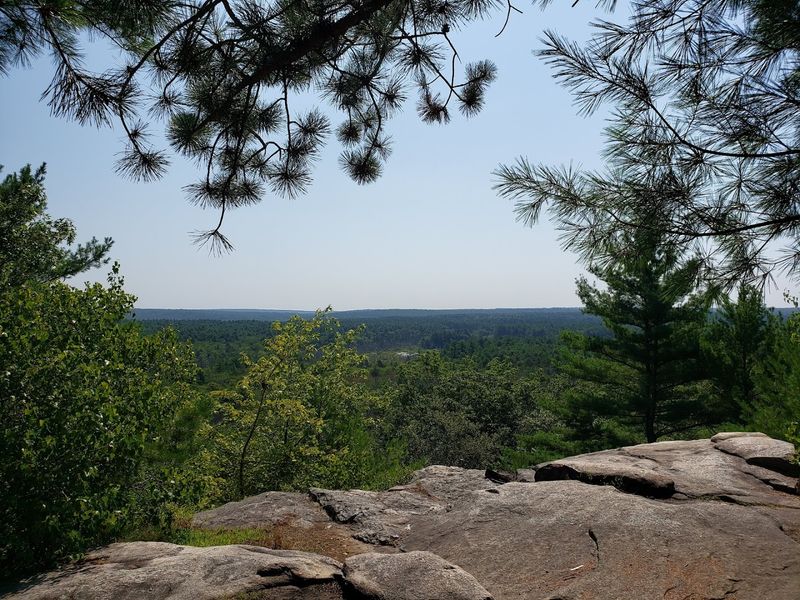
Regulars who visit Pachaug often describe it as a place where time slows down in the best possible way. Unlike state parks that draw large crowds on holidays, this forest tends to stay genuinely quiet throughout the year, even during peak foliage season in October.
That reliability is part of why people who live nearby return again and again without feeling like they need to plan around the crowds.
The Mt. Misery overlook is one of the spots that locals tend to mention with particular enthusiasm, especially when the fall colors are at their peak.
From that elevated vantage point, the view stretches across a wide sweep of unbroken forest, with no parking lots or tourist infrastructure cluttering the scene. Getting there requires a hike, which naturally filters out anyone who is not genuinely interested in the experience.
Dogs are welcome on the trails, and the forest is large enough that multiple groups can spread out without ever crossing paths. The absence of vendors, loud music, or organized events keeps the atmosphere calm and self-directed.
For people who find crowded parks draining, Pachaug offers something genuinely restorative, a place where the natural environment takes full priority over visitor amenities.
4. Best Time For A Peaceful Walk
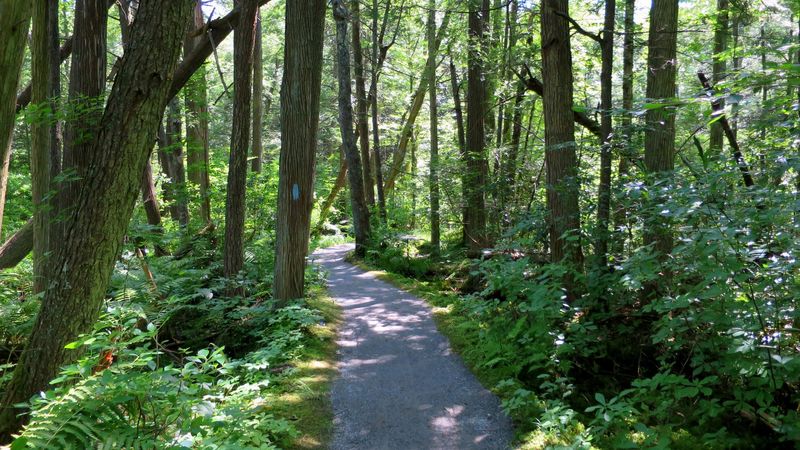
Early morning walks, particularly on weekdays, tend to offer the most undisturbed time on the trails, with cooler temperatures and better wildlife sightings as a bonus.
Birds are especially active in the first hour or two after sunrise, which makes those early starts worthwhile for anyone interested in the natural sounds of the forest.
Late spring and early fall are generally considered the most comfortable seasons for walking here. Summer brings heat and humidity that can make longer hikes more demanding, and it also brings deer flies and other insects that can be genuinely bothersome without proper repellent.
Bug spray and long sleeves are practical items to pack from late May through August.
Autumn shifts the energy of the forest entirely, with cooler air and the gradual color change turning every trail into something that feels almost cinematic. Winter visits are possible and surprisingly peaceful, with snow softening the landscape and reducing insect activity to zero.
Each season brings a different texture to the forest, and regular visitors often find a favorite time of year that feels like their own private version of the place.
5. Green Falls Adds The Magic
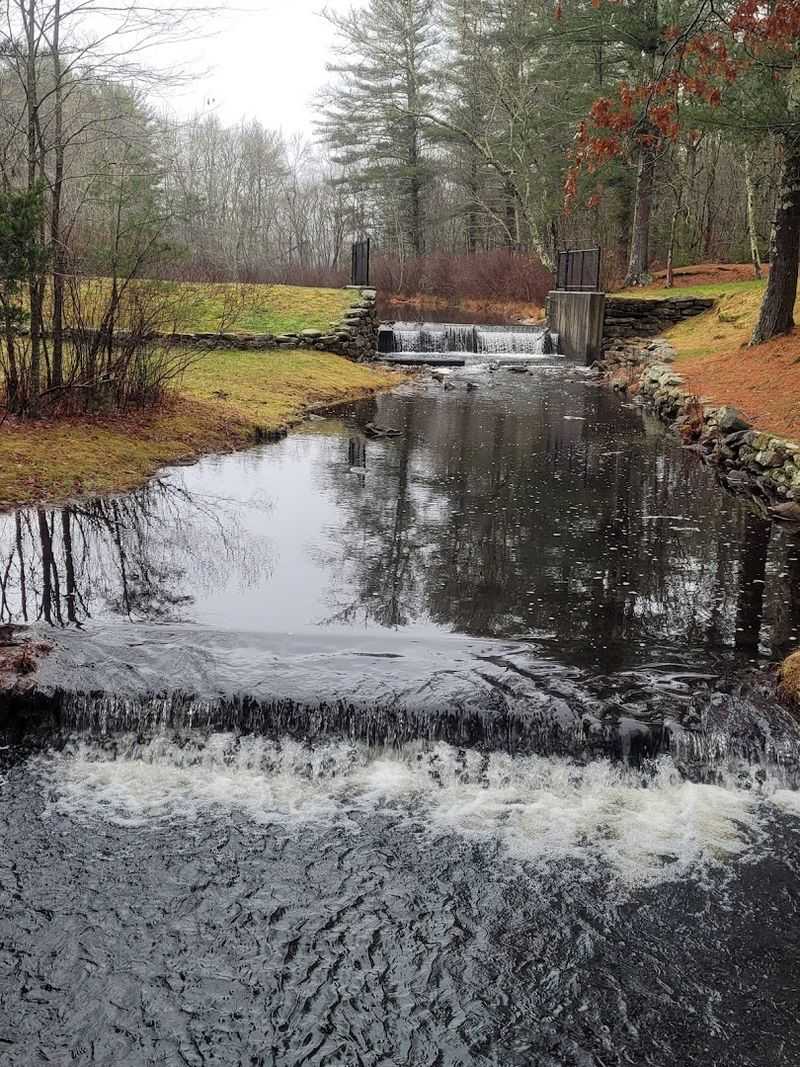
A quiet stop near the water can change the whole feel of a forest visit, and Green Falls offers that kind of pause inside Pachaug State Forest.
In the southern part of the forest near Voluntown, Green Falls Pond and the nearby brook create a calmer setting than the wider trail network, with water, trees, and rocky shoreline giving the area a more intimate character.
The campground adds to that simple outdoor appeal. Green Falls Campground has 18 wooded campsites, with reservations handled through Reserve America.
Facilities are basic, which suits visitors looking for a more rustic overnight stay rather than a polished resort-style setup. Summer weekends can fill quickly, so planning ahead is the safest approach.
Green Falls Pond is also the main fishing spot for the campground, and nearby Beachdale Pond offers additional fishing opportunities.
The area draws people who want a slower outing, whether that means casting a line, taking photos, following the pond trail, or just sitting near the water for a while.
The overall mood feels quieter than many busier recreation areas. Instead of crowds or commercial distractions, Green Falls gives visitors a chance to enjoy one of Pachaug’s most peaceful corners at an easy pace.
6. Bring Your Hiking Shoes
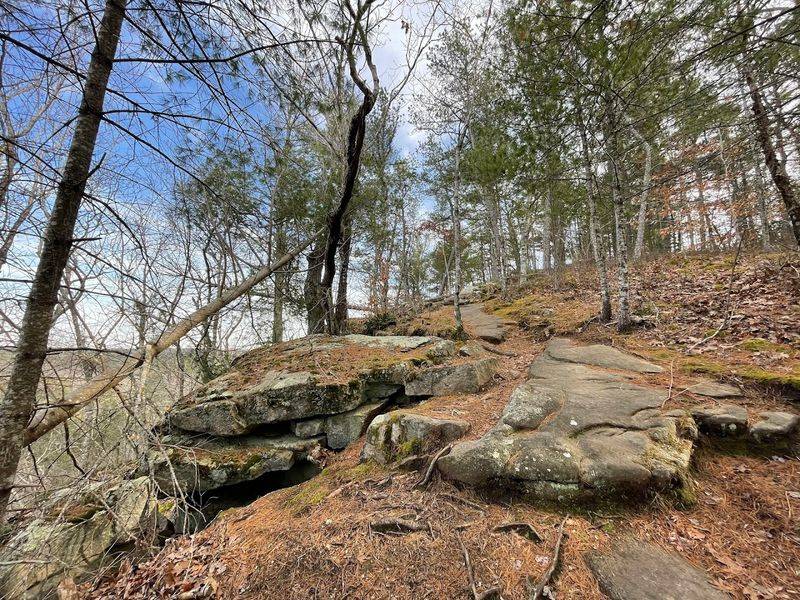
Footwear matters more at Pachaug than at some other parks, simply because the terrain here can shift quickly from packed dirt to muddy sections, rocky ridges, and rooted forest floor within a single trail.
Sneakers can work on the easier paths, but anyone heading into longer or more remote sections of the forest will benefit from proper ankle support and a grippy sole.
Wet conditions after rain make certain sections genuinely slippery.
Trekking poles are a practical addition for trails that involve steeper elevation changes or loose terrain, and some visitors find them especially helpful when navigating around fallen trees.
The forest does not always clear downed trees quickly after storms, so stepping over or around obstacles is a normal part of the experience on less-maintained paths.
Being physically prepared for that kind of uneven footing makes the hike more enjoyable and reduces the risk of a twisted ankle.
Layering clothing is also worth thinking about, since temperatures inside dense woodland can feel noticeably cooler than open areas nearby. Packing water, a snack, and a basic first aid kit rounds out the essentials for a comfortable and safe day on the trails.
7. A Wild Corner Of Eastern Part Of The State
Eastern Connecticut has a quieter, more rural character than the rest of the state, and Pachaug fits naturally into that landscape.
The towns surrounding the forest, including Voluntown and Griswold, are small and unhurried, which means the drive to the forest already feels like a step away from the usual pace of things.
That regional character adds to the sense of genuine escape that the forest provides.
The ecological variety inside the forest is one of its most distinctive qualities. Atlantic white cedar swamps are among the rarer habitats found here, and they support plant and animal species that are not commonly seen elsewhere in the state.
Birders and naturalists visit specifically to observe the wildlife that thrives in these protected wetland areas.
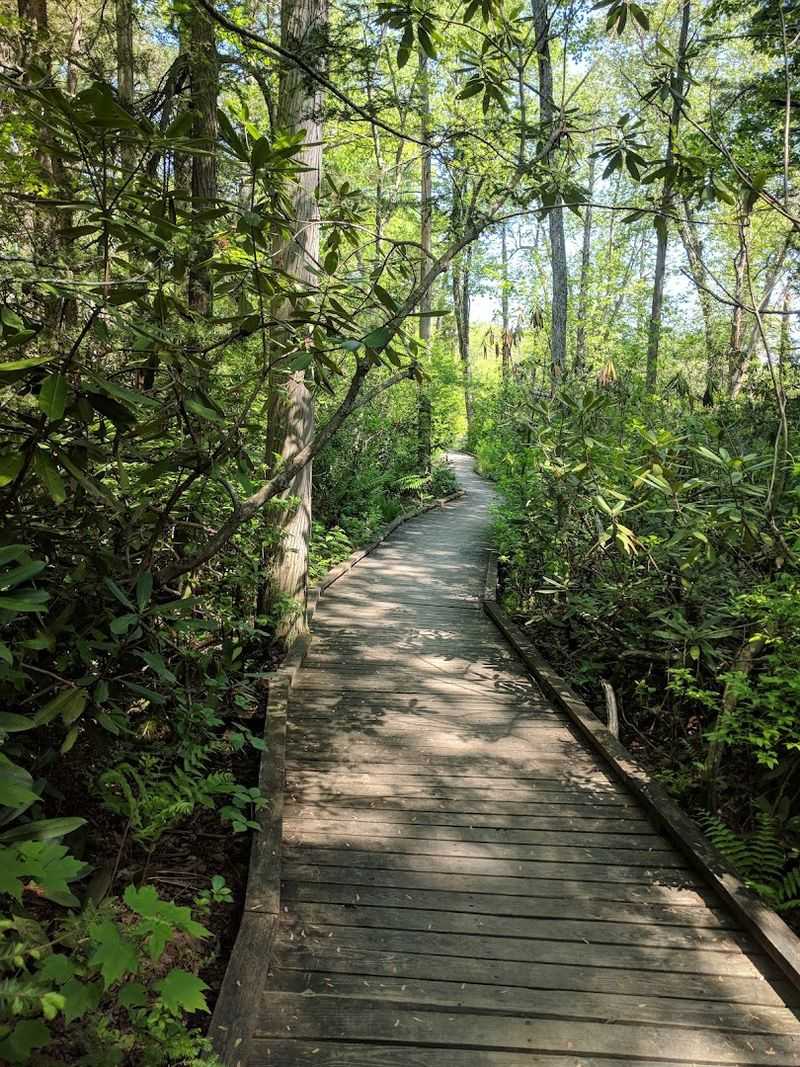
Rhododendron thickets grow in parts of the forest and bloom in late June, creating stretches of trail that feel almost tropical in their density and color. The Rhododendron Trail is a named route that passes through one of these sections and tends to draw visitors during peak bloom.
Even outside of flowering season, the dense evergreen foliage of the rhododendrons gives those sections a lush, layered quality that stands apart from the open hardwood forest found elsewhere in the park.
8. Perfect For Unplugged Exploring
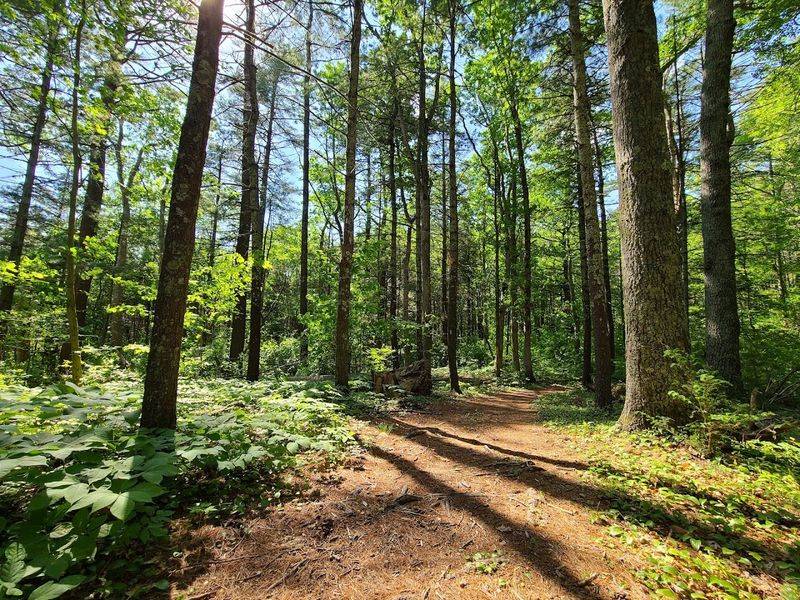
Cell service is unreliable in many parts of Pachaug, which turns out to be one of the more appealing features for visitors who come specifically to disconnect.
Without the pull of notifications or the option to scroll through a feed, attention naturally shifts toward the physical environment, the texture of bark, the sound of wind, the way light moves through a gap in the canopy.
That kind of sensory reset is something that forest environments do particularly well.
Downloading trail maps before arriving is genuinely important here, since relying on real-time navigation is not always possible. Several apps allow offline map access, and printing a paper backup is a practical habit that experienced visitors tend to recommend.
Going in prepared means less time staring at a phone screen trying to find a signal and more time actually moving through the forest.
The absence of Wi-Fi, vendors, and organized programming means that a visit to Pachaug is largely self-directed. There is no set route, no timed entry, and no admission fee for most areas of the forest.
That freedom to move at whatever pace feels right, stopping where something catches the eye and backtracking without consequence, is the kind of low-pressure outdoor experience that is increasingly hard to find close to home.
9. What Makes It Feel So Hidden
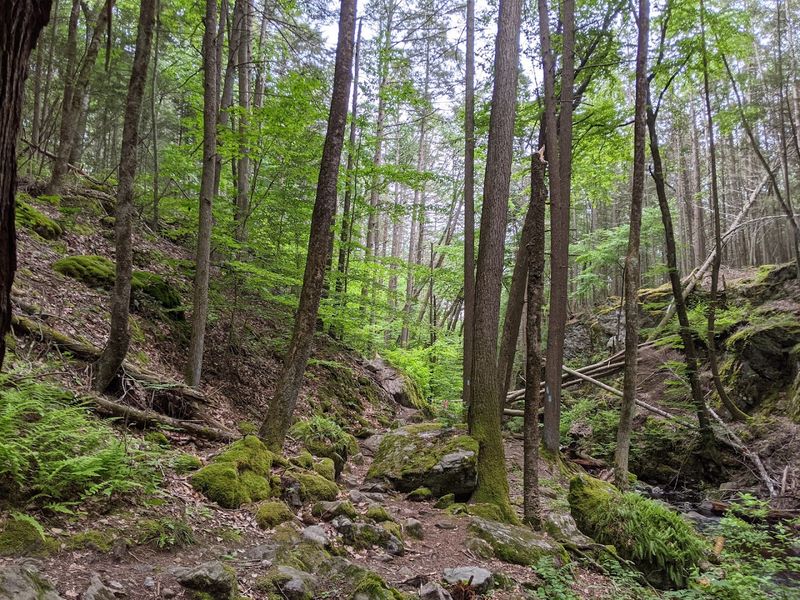
Part of what keeps Pachaug feeling hidden is simply that it does not advertise itself the way other parks do. There is no dramatic entrance gate, no large interpretive center, and no social media moment that has gone broadly viral and pulled in sudden waves of visitors.
The forest exists quietly at the end of rural roads, and finding the right access point takes a bit of research ahead of time.
The gravel roads that run through the forest give it an unfinished, working-landscape quality that feels different from manicured state parks with paved lots and directional signs every fifty feet.
Some trailhead parking areas are easy to miss, and the forest boundary itself blends into surrounding private and public land without dramatic visual markers.
That ambiguity is part of what makes it feel genuinely off the beaten path.
Visitors who put in the effort to find their way around tend to feel a quiet sense of ownership over the experience, as if they have discovered something that most people drive past without noticing. That feeling is not an illusion.
Pachaug genuinely does see fewer visitors than its size and quality would suggest, which means the solitude on offer is real and consistent rather than a marketing promise.