The Idaho Backcountry Road That Climbs Nearly 9,000 Feet And Feels Miles From Everything
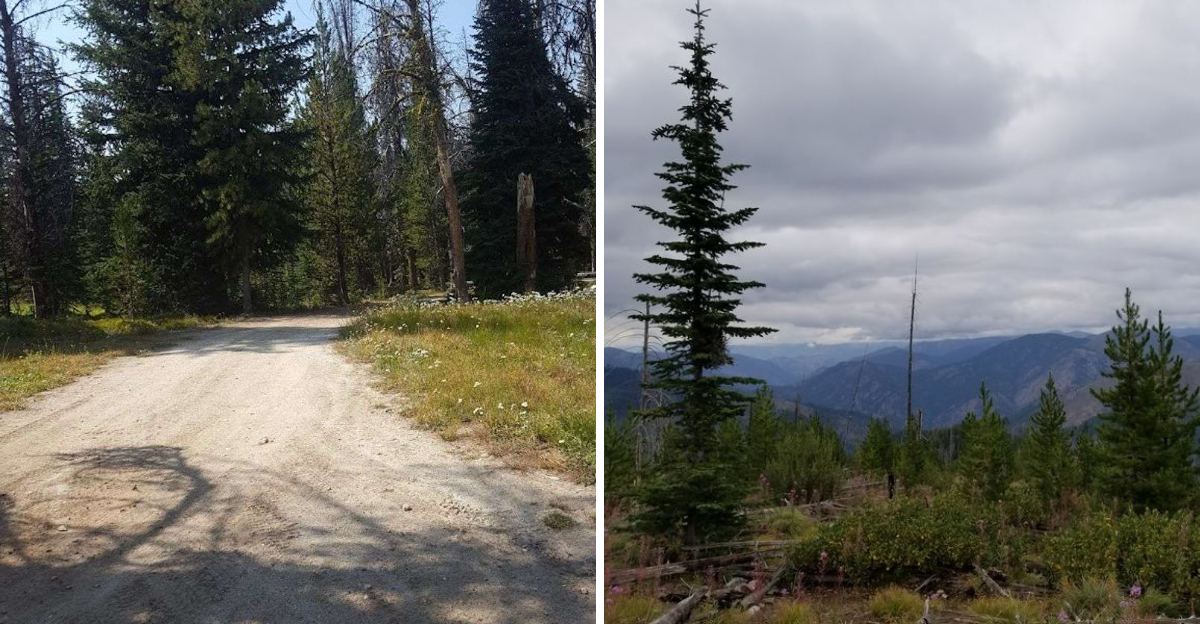
Regular roads ask politely where you are going, but this Idaho backcountry route seems more interested in finding out how badly you want to disappear for a while.
The air out here really does taste different, like the mountains filtered out every annoying email before letting you breathe.
Phone service taps out early, which feels offensive for about five minutes and then starts sounding like luxury.
Each mile gets rougher, quieter, and more convinced that civilization was a strange little phase you once went through.
The forest closes in with dramatic confidence, while the ridges keep rising like they are trying to prove a point.
Even the silence has personality, sitting in the passenger seat like it paid for gas.
Anyone taking this drive should expect dust, patience, and the rare thrill of being unreachable on purpose.
By the end, normal air may taste a little too boring.
Explore This Backcountry Road That Feels Like You’ve Left Everything Behind
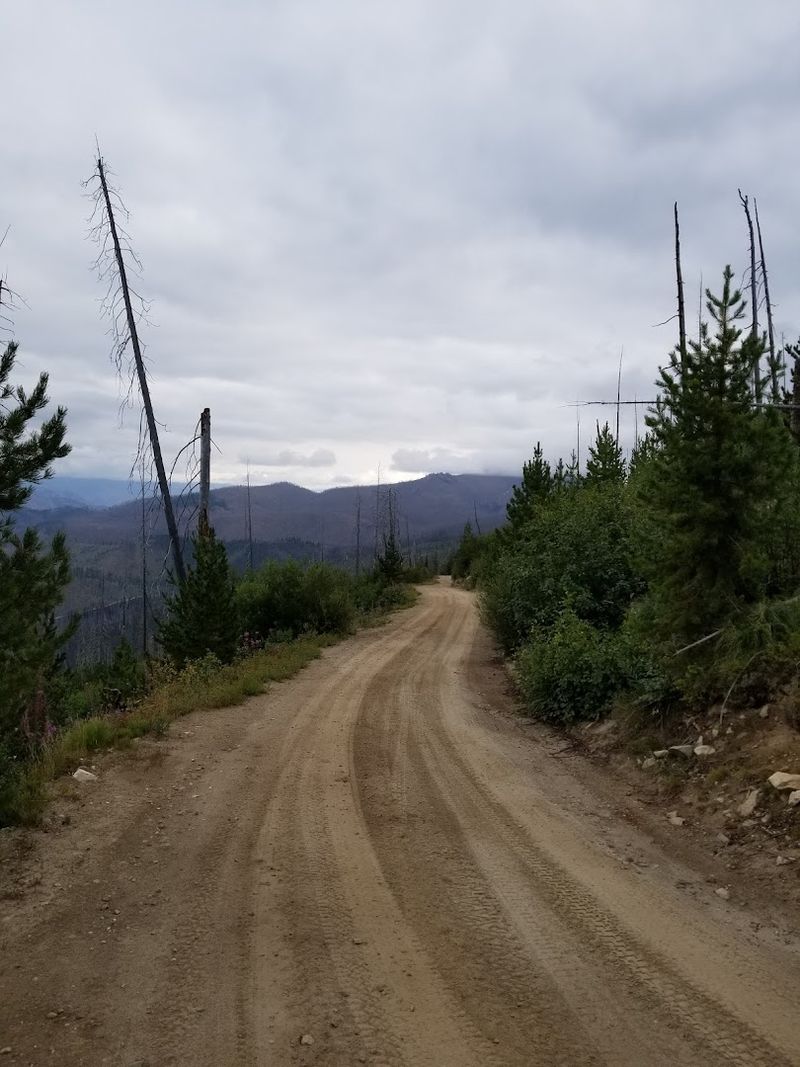
Modern comfort disappears fast once Elk City fades behind you. The Magruder Corridor Road strips the drive down to its most basic form, with long stretches of dirt, gravel, washboard, rock, and narrow mountain track cutting through some of Idaho’s wildest terrain.
Cell service is unreliable to nonexistent, fuel is not available along the route, and help can be hours away if something goes wrong. That reality is part of what makes this road feel so serious.
It is not a scenic cruise built for casual sightseeing. It is a remote backcountry route that asks travelers to respect the landscape before entering it.
Extra water, food, a paper map, recovery gear, a spare tire, and a well-maintained high-clearance vehicle are not optional details here. They are part of the experience.
The reward for that preparation is a rare feeling of true separation from ordinary life. Forested ridges stretch in every direction, traffic disappears, and the road seems to belong more to weather, wildlife, and old mountain stories than to people.
Idaho has many scenic drives, but very few feel this far removed from everything.
More Than 100 Miles Of Primitive Mountain Driving
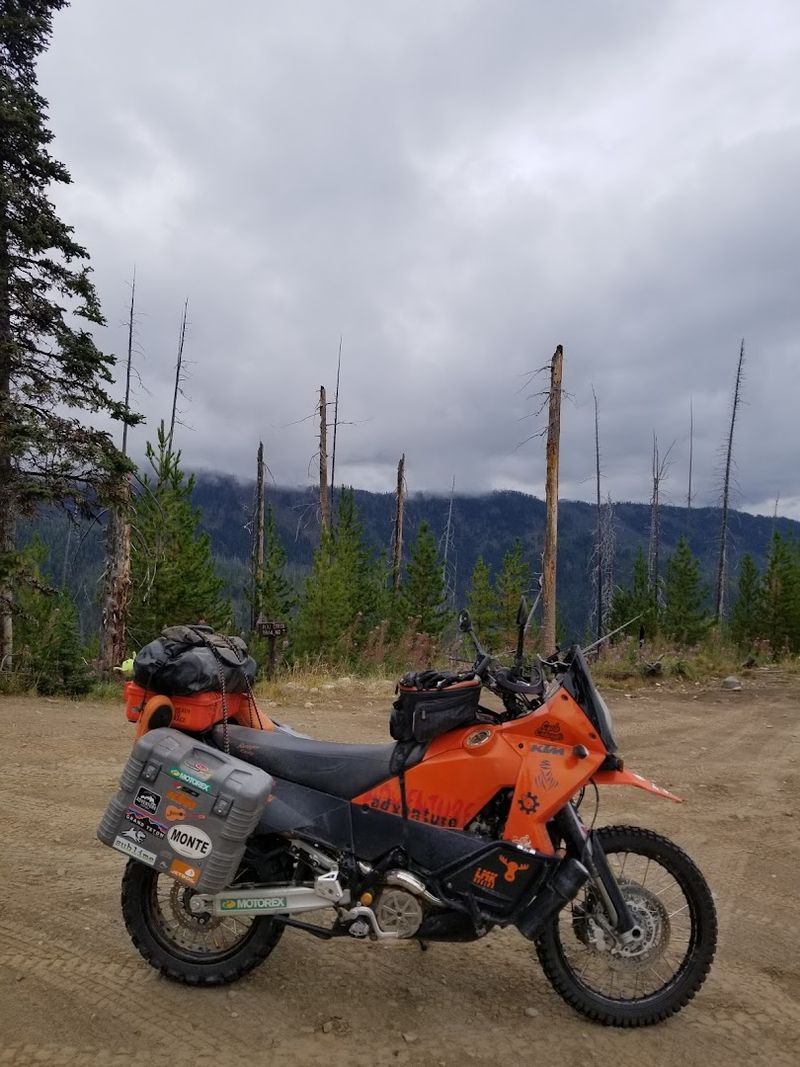
Distance feels different on a road that refuses to hurry. The Magruder Corridor stretches more than 100 miles between the Elk City area and the Montana side near the Bitterroot country, but mileage alone does not explain the commitment.
Most travelers move slowly because the road surface constantly changes, shifting between packed dirt, gravel, rocky patches, tight curves, and rougher sections that demand steady attention.
A route that might look manageable on a map can easily become a full-day effort once grades, weather, stops, and road conditions enter the picture.
Many experienced travelers prefer making the journey over two days, which gives the landscape room to breathe and makes the drive feel less like a challenge to finish.
High-clearance vehicles are strongly recommended, and four-wheel drive is a smart choice, especially when storms, mud, or lingering snow complicate the surface.
Trailers are a poor fit for this road because tight turns, narrow stretches, and steep sections leave little margin for error. Planning ahead matters.
Checking current forest road conditions before departure can make the difference between a memorable adventure and a risky mistake in a place where turning around is not always simple.
Two Huge Wilderness Areas Press In On Both Sides
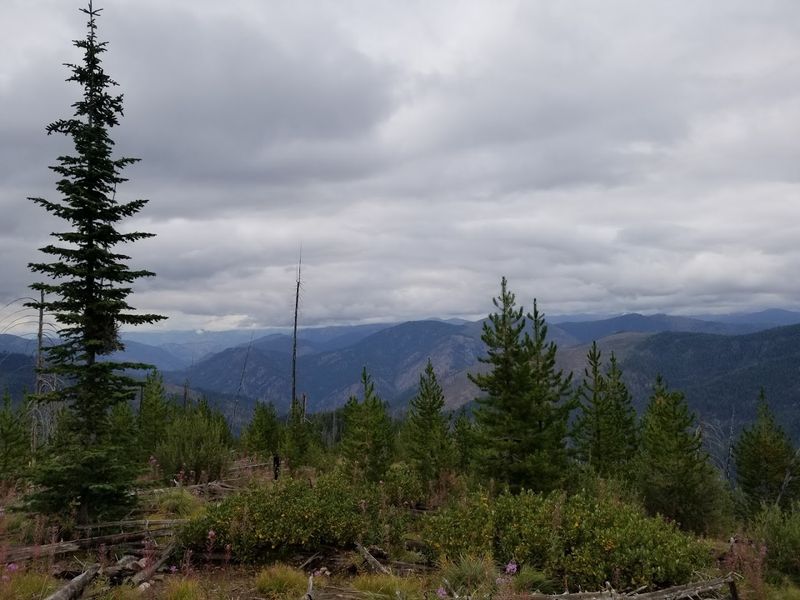
Vast protected land gives this road its almost unreal sense of scale. The Magruder Corridor runs between two enormous wilderness areas: the Selway-Bitterroot Wilderness to the north and the Frank Church-River of No Return Wilderness to the south.
Together, these wildlands form one of the largest roadless regions in the lower 48 states, which is why the corridor feels so thin, fragile, and extraordinary as it threads between them.
Driving here can feel like moving along the narrow seam between two massive worlds that have mostly resisted roads, towns, and modern development.
Forests press close, ridges roll away into the distance, and wildlife has room to move through country that still feels genuinely untamed.
Elk, deer, black bears, mountain goats, and countless smaller animals inhabit the surrounding terrain, though sightings usually reward quiet, patient travelers rather than loud or hurried ones.
The Central Idaho Wilderness Act of 1980 helped preserve the area’s wild character while keeping this corridor open as a rare passage through the backcountry. That history adds weight to every mile.
The road is not just a way across the mountains. It is a reminder of how much wild country still survives here.
High Ridges Bring The Route Into Serious Mountain Country
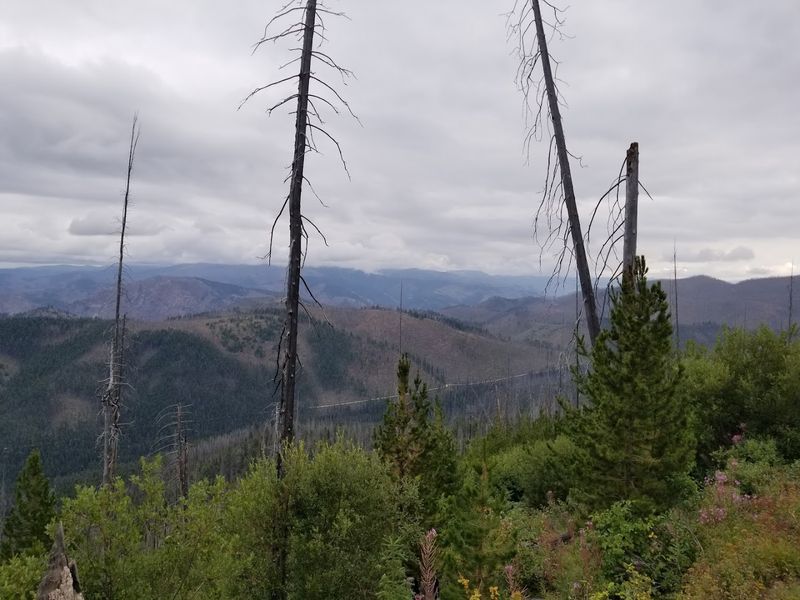
Elevation gives the Magruder Corridor some of its most dramatic moments. The road climbs through high, exposed mountain terrain, with nearby landmarks such as Salmon Mountain Lookout reaching close to 9,000 feet.
Up there, the views can feel almost endless. Forested ridgelines stack into the distance, valleys drop away suddenly, and signs of human life become nearly impossible to spot.
The climb itself deserves respect because some stretches gain serious elevation quickly, forcing vehicles to work hard and drivers to stay focused. Weather also becomes more unpredictable at these heights.
Snow can linger into early summer, storms can roll through quickly, and fallen trees or washouts may appear after rough conditions. That is why the travel season is usually limited to the warmer months, often from mid-summer into early fall depending on snowpack and maintenance.
Clear days at elevation are spectacular, but this is not a place to treat casually. A high ridge on the Magruder Corridor can feel peaceful one moment and unforgiving the next.
That edge is exactly what makes the scenery feel so powerful.
Forest Roads Turn The Drive Into A Serious Adventure
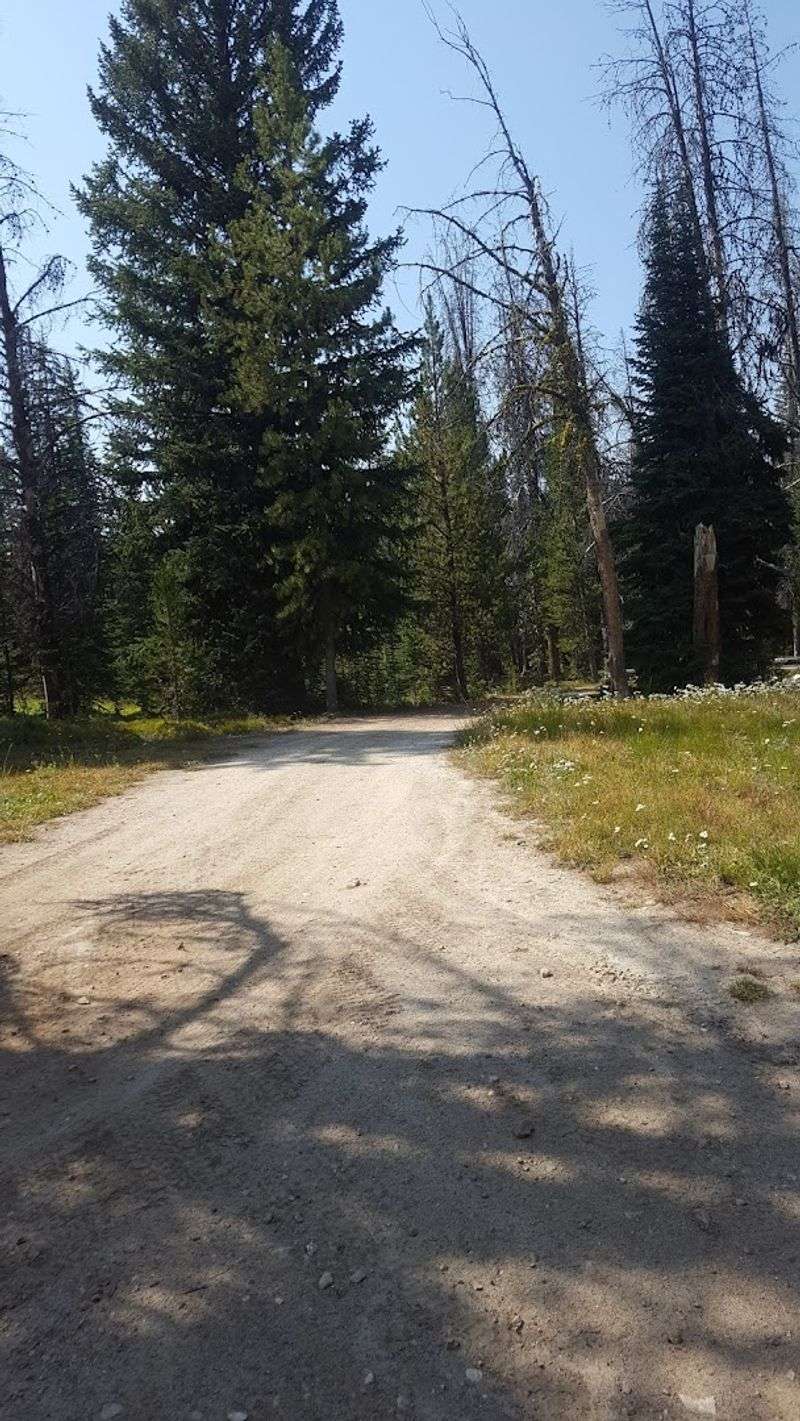
Calling this route a road can make it sound more forgiving than it really is.
Much of the Magruder Corridor behaves more like an old forest track, marked by rough surfaces, narrow passages, loose rock, washboard stretches, blind turns, and tight meeting spots. Driving there often requires patience and careful timing.
The drive demands constant attention because the conditions do not stay the same for long. One mile may feel smooth enough to relax slightly, while the next can rattle the vehicle and force you to slow down again.
This is part of the appeal for prepared backcountry travelers. The road feels alive, shaped by weather, erosion, use, and the realities of mountain country.
Recovery gear, a tool kit, extra fuel planning, and tire preparation are all smart considerations before attempting the route. Unlike a curated adventure park, nothing here is staged to create excitement.
The challenge comes honestly from the land itself. Drivers who enjoy real backcountry travel will find the Magruder Corridor deeply rewarding precisely because it does not smooth out every inconvenience.
Idaho shows its rougher, more demanding side here, and that honesty gives the journey its unforgettable character.
Historic Nez Perce Travel Routes Add A Deeper Story
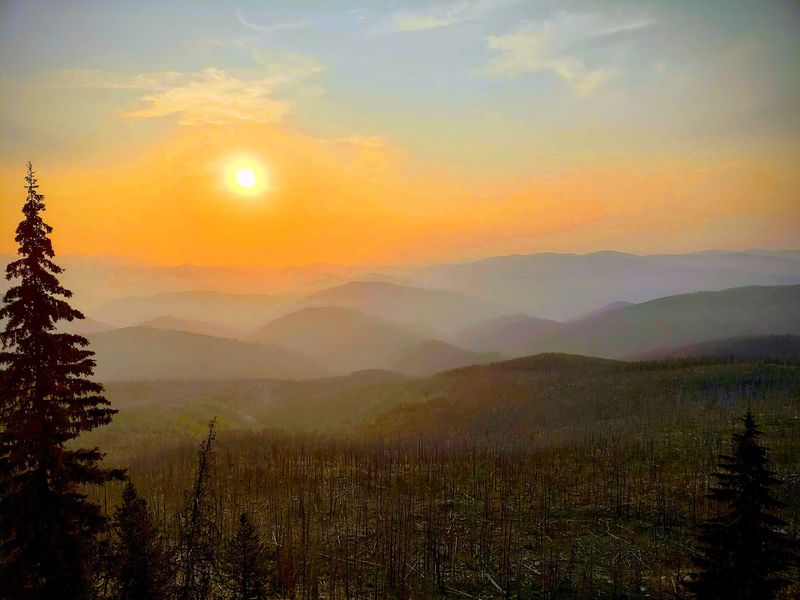
Human history runs through this corridor long before any modern vehicle ever touched it. Portions of the Magruder route follow or intersect with older travel paths used by the Nez Perce people, whose connection to this mountainous region reaches far deeper than the road itself.
Knowing that earlier generations moved through these ridges and valleys gives the drive a stronger sense of place. The landscape stops feeling like empty wilderness and begins to feel like a storied route shaped by movement, survival, trade, and memory.
The road’s name comes from Lloyd Magruder, an Elk City merchant whose passing in 1863 became a widely remembered frontier-era crime tied to this remote country.
Later, Civilian Conservation Corps crews improved portions of the route during the 1930s, turning older paths and rough access into a more passable backcountry road.
Those layers matter. They show how Indigenous travel, frontier commerce, government work, and wilderness preservation all overlap in one difficult, beautiful corridor.
Driving through today, travelers are not simply crossing mountains. They are passing through a landscape marked by centuries of movement, hardship, ambition, and survival.
That deeper story makes the silence feel even more meaningful.
Remote Campsites Make The Corridor Feel Even Farther Out
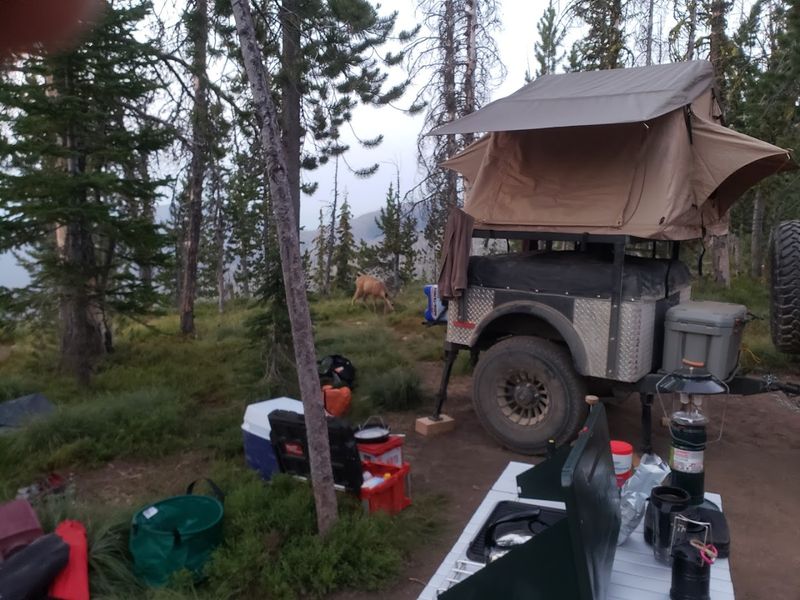
Spending the night along the Magruder Corridor changes the whole experience. A day drive can show the scale of the country, but camping reveals its silence.
Primitive campsites appear along the route and nearby areas, often offering little more than space, trees, sky, and the feeling of being very far from the nearest town. That simplicity is the point.
No developed campground comforts should be assumed, and travelers need to bring everything they require, including water, food, sanitation supplies, and a plan for packing out all trash.
Evenings can be extraordinary when the wind settles, the forest darkens, and stars begin filling the sky without city lights to soften them.
The soundscape becomes spare and memorable: branches moving, insects humming, an owl calling somewhere beyond the road. Campers should follow strict leave-no-trace practices because this landscape is fragile and remote.
Fire restrictions may apply depending on season and conditions, so checking current rules before arrival is essential. For prepared travelers, a night out here can become the most powerful part of the trip.
The road feels remote during daylight, but after dark, the distance from everything becomes unforgettable.
Summer And Early Fall Are The Safest Seasons To Attempt It
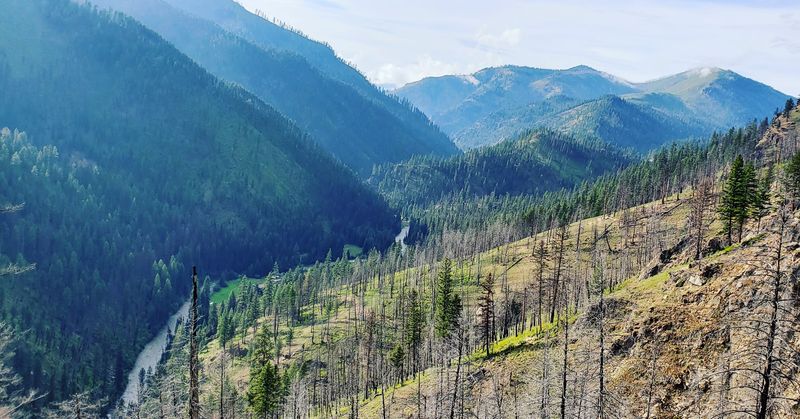
Timing can decide everything on this route. The Magruder Corridor usually becomes most practical during summer and early fall, when snow has melted, roads have had some time to dry, and forest access conditions are more predictable.
Even then, nothing should be assumed. Snow can linger at higher elevations, summer storms can damage roads, and fallen trees can block sections without much warning.
Late July through September often offers the most reliable window for travelers who want a better chance at completing the route safely. Early fall can be especially beautiful, with cooler temperatures, golden grasses, changing leaves, and a quieter atmosphere after peak summer travel.
Still, current road reports matter more than the calendar. Checking with the appropriate national forest office before departure is one of the smartest steps any traveler can take.
A flexible schedule also helps because weather delays, slow driving speeds, and unexpected obstacles are part of the backcountry reality here. The Magruder Corridor rewards people who treat it with humility.
Come prepared, drive slowly, respect closures, and allow the road to unfold at its own pace. Done that way, this Idaho backcountry journey feels less like a drive and more like a rare privilege.