These 11 Nebraska Birdwatching Spots Feel Like Hidden Front-Row Seats To Nature
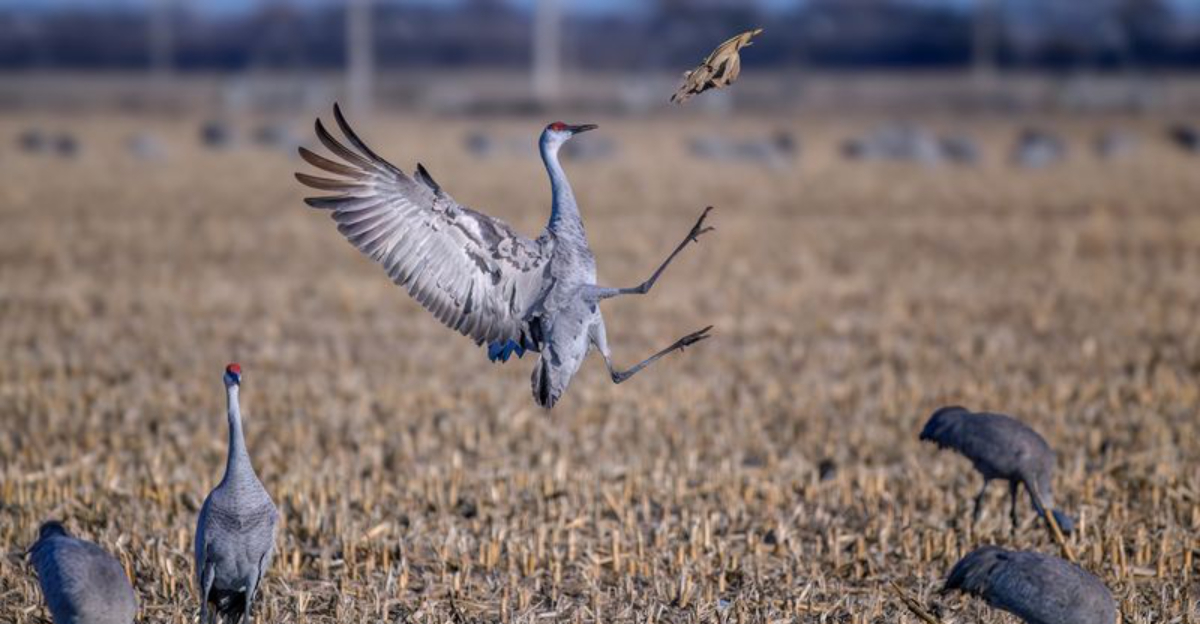
Birdwatching has a way of making people slow down before they even realize they needed it.
One minute, a trail looks ordinary. Next, something flashes through the trees or lands close enough to make everyone whisper for no reason.
Across Nebraska, even a quiet birdwatching stop can feel like prime seating.
You do not have to be a serious birder to enjoy it.
Binoculars help, sure. So does knowing the difference between every feathered visitor passing through.
But curiosity is enough to get started.
A good birdwatching spot gives you space to stand still and feel like nature is putting on a show.
Around the state, these places offer cranes, songbirds, and peaceful views that reward anyone willing to look a little longer.
Pack patience. The best part might fly in when you least expect it.
1. Rowe Sanctuary, Gibbon
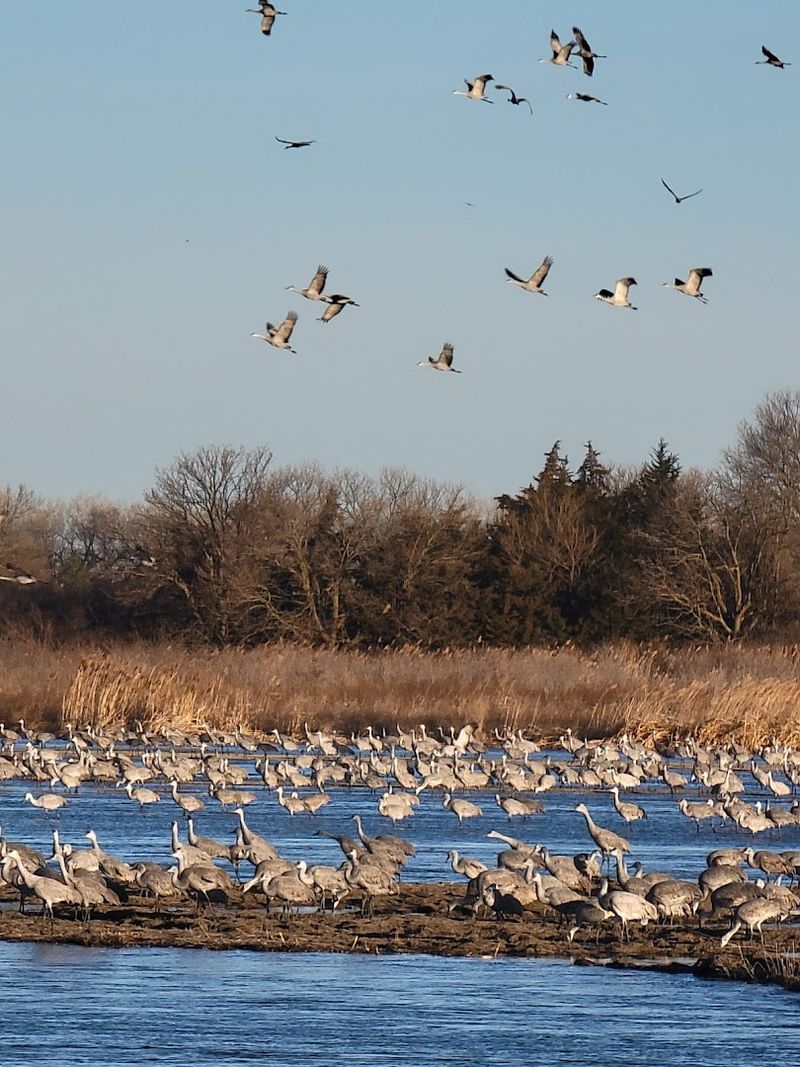
Every spring, something extraordinary unfolds along a quiet stretch of the Platte River near Gibbon that stops even seasoned birdwatchers in their tracks.
The Iain Nicolson Audubon Center at Rowe Sanctuary hosts one of the largest Sandhill Crane gatherings in the world, with numbers sometimes exceeding one million birds during peak migration.
Spanning roughly 3,000 acres of protected river habitat, the sanctuary gives cranes the shallow water and open sandbars they need to roost safely overnight.
Visitors can walk trails daily from dawn to dusk, and guided blind viewings are available for a fee, placing guests just feet from roosting birds in near-total silence.
Beyond cranes, the sanctuary also supports Bald Eagles, Least Terns, and Red-headed Woodpeckers throughout the season.
Bringing binoculars and arriving before sunrise dramatically improves the experience, since the pre-dawn crane chorus is genuinely unlike anything else in the American Midwest.
The combination of protected habitat, knowledgeable staff, and sheer bird volume makes this one of Nebraska’s most unforgettable wildlife destinations.
2. Crane Trust Nature & Visitor Center, Wood River
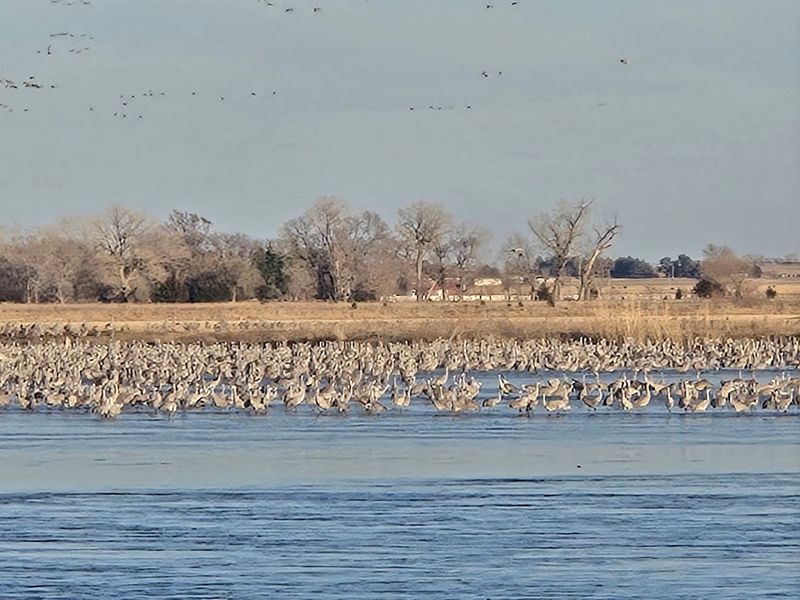
Between Grand Island and Kearney along the Platte River, the Crane Trust Nature and Visitor Center serves as both a conservation facility and a genuinely welcoming stop for anyone curious about the crane migration story.
The center features wildlife displays, walking trails along the river, and a 35-foot observation tower that offers broad views of the surrounding prairie and water habitat.
Open year-round, the visitor center provides context that makes the outdoor experience more meaningful, explaining why the Platte River corridor matters so much to migrating cranes and other species that depend on its shallow channels.
Guided viewing opportunities are available during the spring migration season, which typically runs from late February through early April.
The trails here move through varied habitat, mixing open prairie with riverside vegetation in a way that tends to produce sightings of multiple species within a single walk.
The observation tower is a particular highlight, since the elevated vantage point changes the entire scale of what is visible.
For first-time crane migration visitors, the Crane Trust provides a well-organized and educational entry point into one of nature’s most staggering seasonal events.
3. Spring Creek Prairie Audubon Center, Denton
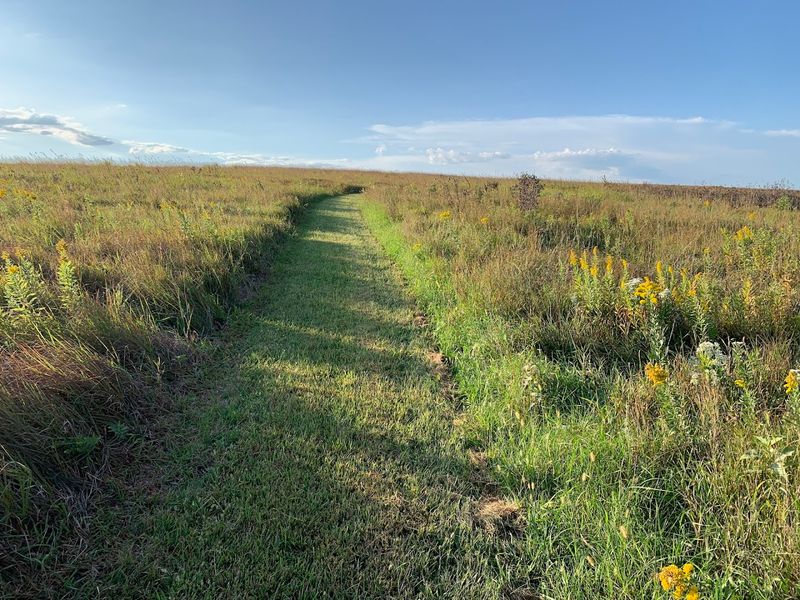
Covering over 1,100 acres of restored tallgrass prairie southeast of Lincoln, Spring Creek Prairie Audubon Center protects a type of habitat that has largely vanished from the American landscape.
The rolling grasslands, wetland pockets, and wooded stream corridors here support a remarkable range of grassland-dependent birds that are increasingly difficult to find elsewhere in the region.
Bobolinks, Upland Sandpipers, Henslow’s Sparrows, and Northern Bobwhite are among the species that nest on or near the property, making late spring and early summer some of the most productive times to visit.
Greater Prairie-Chickens have also been observed displaying on the prairie during spring, adding a dramatic element to early morning walks.
Northern Harriers hunt low over the grasses in winter, giving the preserve a year-round birding calendar that rewards repeat visits across seasons.
Miles of maintained trails wind through the native wildflowers and prairie grasses, and visible wagon-wheel ruts from the Oregon Trail add a quiet historical layer to the experience.
Spring Creek Prairie tends to attract dedicated birders who appreciate slower, more patient observation rather than high-volume spectacle, and the atmosphere here reflects that unhurried quality throughout.
4. Crescent Lake National Wildlife Refuge, Ellsworth Area
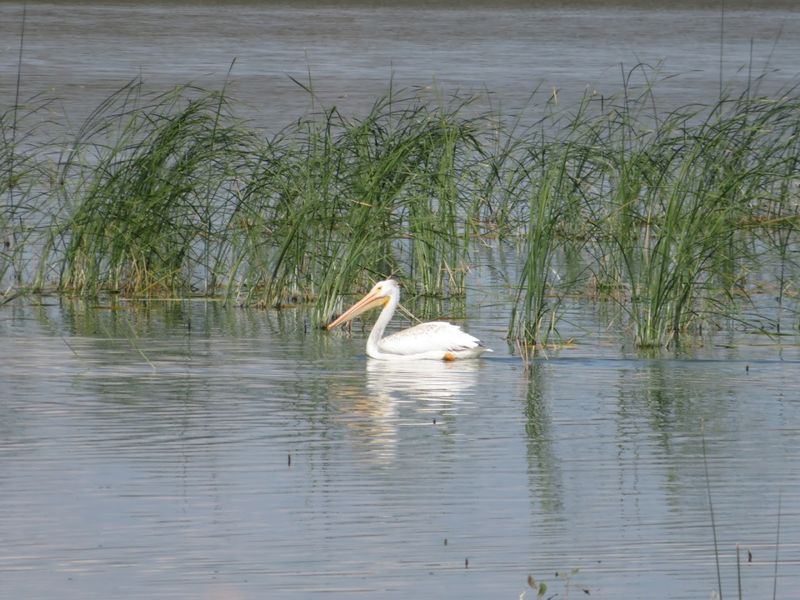
Getting to Crescent Lake National Wildlife Refuge requires commitment, with roughly 30 miles of unpaved road standing between the highway and the refuge entrance, but that remoteness is exactly what makes it special.
Spanning approximately 45,800 acres of Nebraska Sandhills habitat, the refuge contains thousands of small ponds and wetlands nestled among rolling, grass-covered hills that feel genuinely untouched.
Waterbirds thrive here during migration and nesting season, and notable sightings have included Trumpeter Swans, Burrowing Owls, Sharp-tailed Grouse, and Swainson’s Hawks.
The combination of wetland, marsh, grassland, and open water habitat within a single refuge creates conditions for exceptional bird diversity across a compact area.
Because the refuge sits far from major population centers, visitor numbers stay low even during peak migration periods, which means the experience often feels genuinely solitary.
Bringing plenty of water, a detailed map, and a full tank of gas before heading in is strongly recommended. The lack of cell service in much of the refuge adds to the off-grid character of a visit.
For birdwatchers who want to trade convenience for authenticity, Crescent Lake offers something close to a wilderness birding experience within Nebraska’s borders.
5. Branched Oak State Recreation Area, Raymond
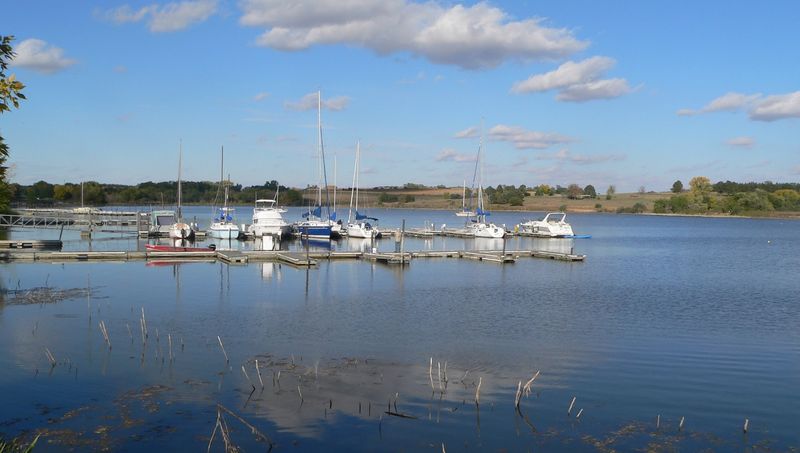
Located just northwest of Lincoln, Branched Oak State Recreation Area draws a consistent crowd of local birders who know exactly when to show up for the spring spectacle.
Dozens of Bald Eagles gather here during the colder months, perching in shoreline trees and circling above the lake in numbers that can genuinely surprise visitors who are not expecting it.
Snow Geese arrive in large, noisy flocks during spring migration, sometimes filling the sky above the lake in swirling white masses that create one of the more visually dramatic birding moments in eastern Nebraska.
Up to 20 species of waterfowl have been recorded here, and the dam area provides an elevated vantage point for scanning ducks, loons, grebes, gulls, and terns from fall through spring.
American White Pelicans are present for much of the year, and Ospreys make regular appearances in spring and fall.
Rare species including Black Scoter and Ross’s Gull have been documented here, giving the site added appeal for birders who keep detailed life lists.
The proximity to Lincoln makes Branched Oak easy to work into a half-day outing without requiring overnight travel or extensive advance planning.
6. Ponca State Park, Ponca
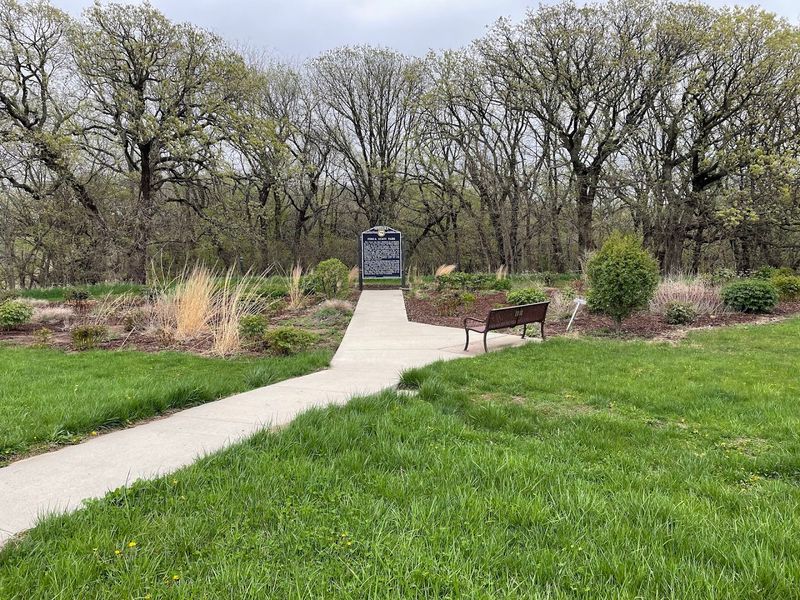
Perched on the Missouri River bluffs in the far northeastern corner of Nebraska, Ponca State Park feels more like the forested river hills of the upper Midwest than the open plains most people associate with the state.
Over 200 species have been recorded within the park, supported by a diverse mix of forested hillsides, grasslands, wetlands, and scenic river overlooks.
Spring migration brings impressive movement through the area, with Bald Eagles, Double-crested Cormorants, Ospreys, and American White Pelicans using the Missouri River corridor as a northward highway.
Park naturalists lead guided birdwatching walks during the spring season, offering an accessible entry point for visitors who are newer to birding or simply want local expertise.
The trail system here winds through varied terrain, which means a single morning walk can pass through multiple habitat types and produce a genuinely diverse species list.
Wetland areas near the park serve as popular stopover habitat during migration, and the elevated bluff trails offer broad sightlines for spotting raptors riding thermals above the river.
A visit to Ponca tends to feel less rushed than some of the more heavily trafficked crane-season destinations, giving birdwatching a comfortable, unhurried rhythm.
7. Fort Kearny State Recreation Area, Kearney
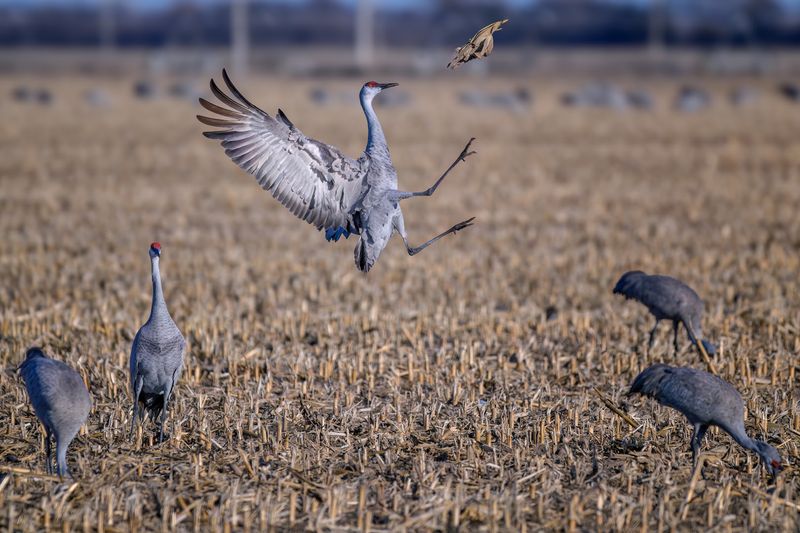
Positioned along one of the most productive crane-viewing corridors in central Nebraska, Fort Kearny State Recreation Area offers a slightly different angle on the same spring migration spectacle that draws visitors from across the country.
Sandpit lakes scattered throughout the area create ideal resting habitat for cranes, waterfowl, and shorebirds during their northward journey.
Sunrise and sunset are the most rewarding times to visit, since birds tend to move most actively during those low-light windows.
Grassland trails and wooded edges nearby also attract a secondary cast of species including meadowlarks, sparrows, and various raptors that hunt the open fields throughout the day.
The recreation area tends to feel less crowded than some of the dedicated crane-viewing facilities nearby, which gives birdwatchers more room to spread out and observe at a relaxed pace.
Parking is generally straightforward, and the flat terrain makes it accessible for visitors of most mobility levels.
Combining a visit here with nearby Rowe Sanctuary on the same day creates a full and genuinely rewarding crane season experience along the Platte River corridor.
8. Indian Cave State Park, Shubert
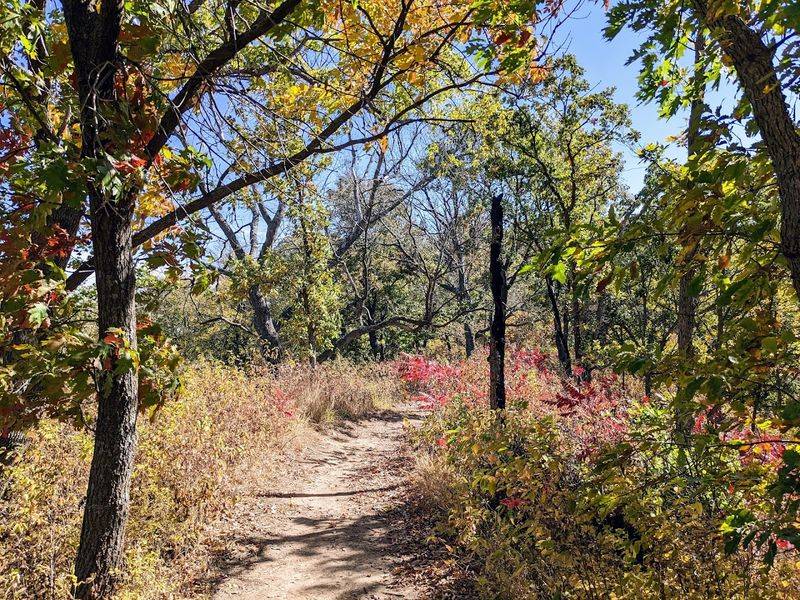
Southeastern Nebraska holds some of the state’s most underappreciated birding terrain, and Indian Cave State Park stands out as a genuine hidden gem within that region.
More than 2,000 acres of extensive hardwood forest cover the picturesque sandstone bluffs along the Missouri River, creating sheltered habitat that draws an impressive variety of migrating and nesting songbirds.
Spring migration here can bring waves of vireos, thrushes, and warblers moving through the forest canopy in the kind of concentrated numbers that make slow, patient trail walks feel genuinely rewarding.
Some bird species that are considered uncommon elsewhere in Nebraska have been documented nesting within the park, adding an element of discovery to visits during the breeding season.
The quiet, wooded trails and river views give the park an atmosphere that feels removed from the more open, sky-dominated birding of central Nebraska, offering a different sensory experience altogether.
Sound plays a big role here, since the forest fills with layered bird calls on spring mornings in a way that rewards listening as much as looking.
Visiting on a weekday tends to mean lighter foot traffic on the trails, which generally improves the quality of wildlife encounters throughout the park.
9. Wildcat Hills State Recreation Area, Gering Area
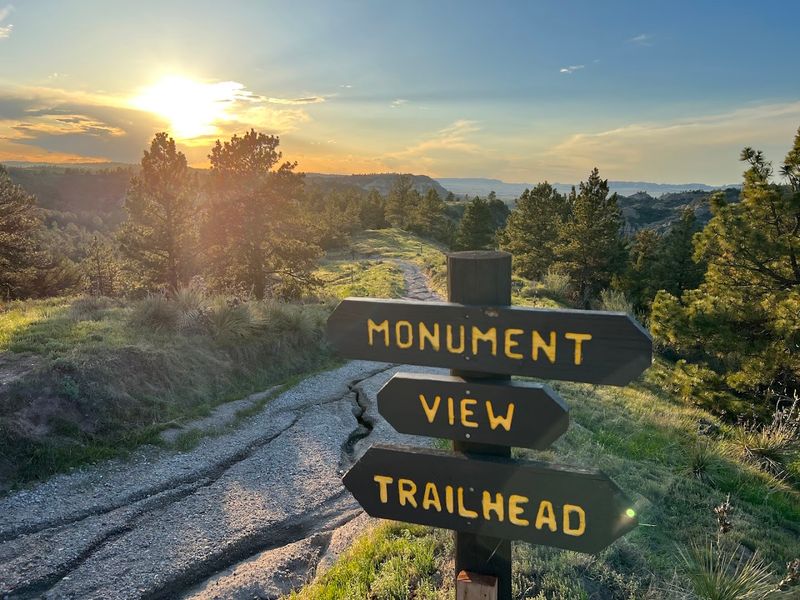
The Nebraska Panhandle has a geological and ecological personality all its own, and Wildcat Hills State Recreation Area captures that character with pine-covered ridges and rocky canyons that support a suite of western bird species.
The rugged landscape here feels more like the Rocky Mountain foothills than classic Great Plains, and the birdlife reflects that distinction.
Pygmy Nuthatches and Violet-green Swallows move through the pine forests, while bluebirds favor the more open edges.
Golden Eagles and Prairie Falcons hunt the canyon walls and open ridgelines, and patient observers scanning the rocky outcrops can sometimes spot these raptors perched at surprisingly close range.
The recreation area connects to a broader network of Pine Ridge habitat that supports even more western species, making it a productive base for a longer panhandle birding day.
Mornings tend to be the most active time, especially during spring when breeding birds are establishing territories and calling frequently.
The combination of elevation change, pine forest, and open canyon habitat creates a layered birding environment that rewards both experienced listers and casual visitors who simply enjoy spending time in visually striking terrain.
10. Valentine National Wildlife Refuge, Valentine Area
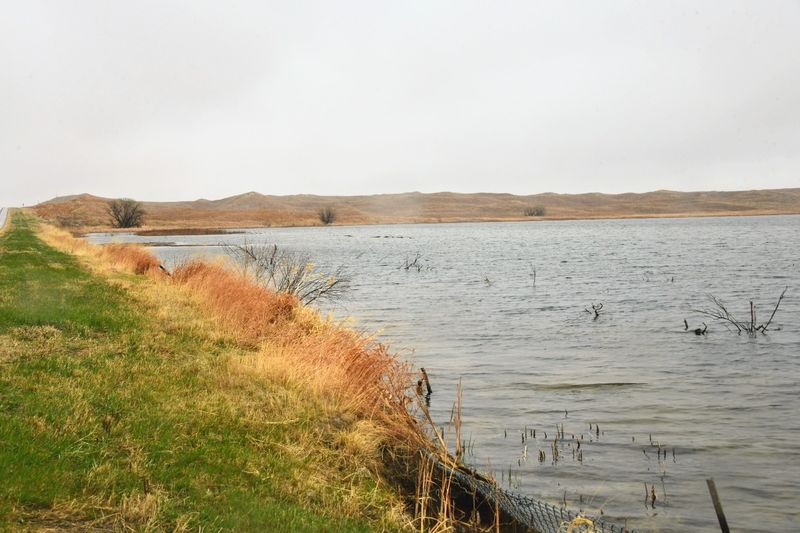
Stretching across more than 71,000 acres of Sandhills prairie and shallow marshes, Valentine National Wildlife Refuge is Nebraska’s largest national wildlife refuge and one of its most rewarding birding destinations.
At least 224 bird species have been recorded here, reflecting the remarkable habitat diversity packed into this rolling, lake-dotted landscape in north-central Nebraska.
Greater Prairie-Chickens and Sharp-tailed Grouse both use the refuge, and their booming and dancing displays during spring courtship are among the most memorable wildlife behaviors observable anywhere in the Great Plains.
The refuge has been designated a Nebraska Important Bird Area by the Audubon Society, recognizing its significance for both breeding and migratory species.
Several of the refuge’s lakes are open for kayaking and boating, which opens up additional birding angles on species that stay close to open water.
The wide-open Sandhills terrain creates that distinctive front-row-seat feeling, where the sky and land seem to operate at a scale that makes every bird sighting feel larger and more immediate than usual.
Planning a visit during migration seasons tends to maximize species variety, though the refuge offers genuinely worthwhile birding throughout the year for those willing to make the drive.
11. Big Alkali Wildlife Management Area, Valentine Area
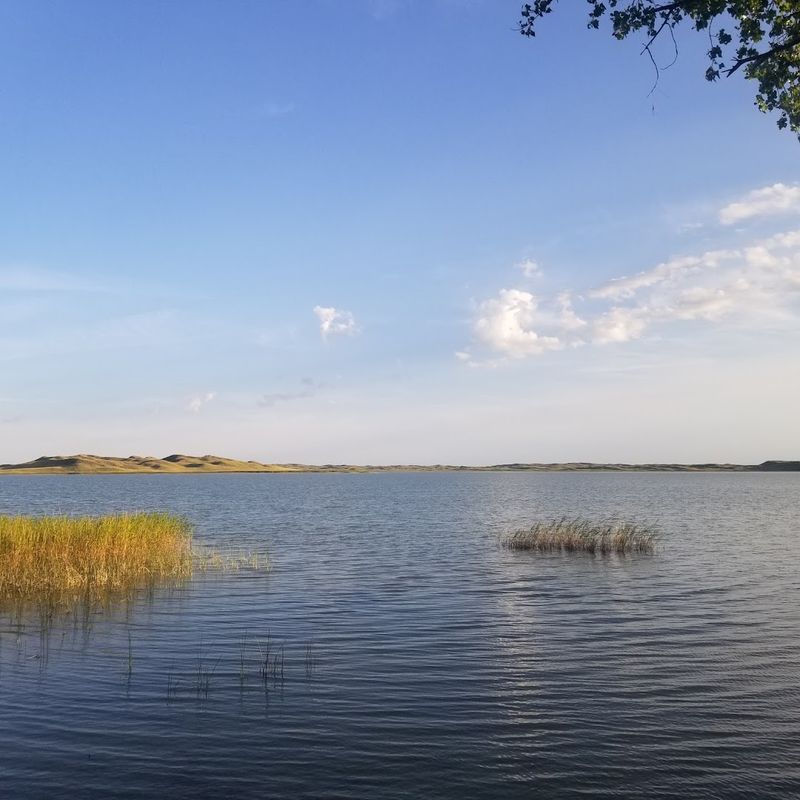
Not every great birdwatching spot needs to be famous to deliver a memorable experience, and Big Alkali Wildlife Management Area near Valentine is a perfect example of that principle in action.
Smaller and quieter than the nearby Valentine National Wildlife Refuge, this Sandhills wetland area offers lakeside habitat with a road-trip-stop quality that feels genuinely relaxed and unhurried.
The alkali lake and surrounding grasslands attract a steady mix of shorebirds, waterfowl, and grassland species throughout the warmer months.
The low visitor volume here means that wildlife tends to behave more naturally, with less disturbance affecting how closely birds allow approach before flushing.
Stopping at Big Alkali works especially well as part of a longer Sandhills birding loop that might also include Valentine National Wildlife Refuge and other nearby wetland areas.
The gravel roads that access the area require a bit of patience, but the payoff is a birding environment that still feels genuinely off the beaten path.
Mornings during May and early June tend to produce the highest activity levels, with breeding season behavior adding energy and sound to an already scenic lakeside setting.