These 12 California Tide Pool Spots Feel Like Tiny Ocean Worlds Hiding In Plain Sight
Tide pools are basically nature’s tiny surprise parties.
You walk over thinking the rocks look interesting. Then one little pool starts showing off.
A sea anemone opens like it has been waiting for attention. Something tiny moves, and suddenly everyone is crouched down like amateur ocean detectives.
California knows how to hide whole little worlds right at the edge of the water.
One minute, the beach feels familiar. Next, the rocks are full of color and tiny creatures that make you forget you were only planning a quick stop.
That is the magic of tide pooling. It turns a regular coastal walk into a scavenger hunt with waves in the background.
You just need low tide, careful steps, and enough curiosity to look closely. These 12 spots prove the ocean does not always need to roar to steal the show.
1. Fitzgerald Marine Reserve, Moss Beach
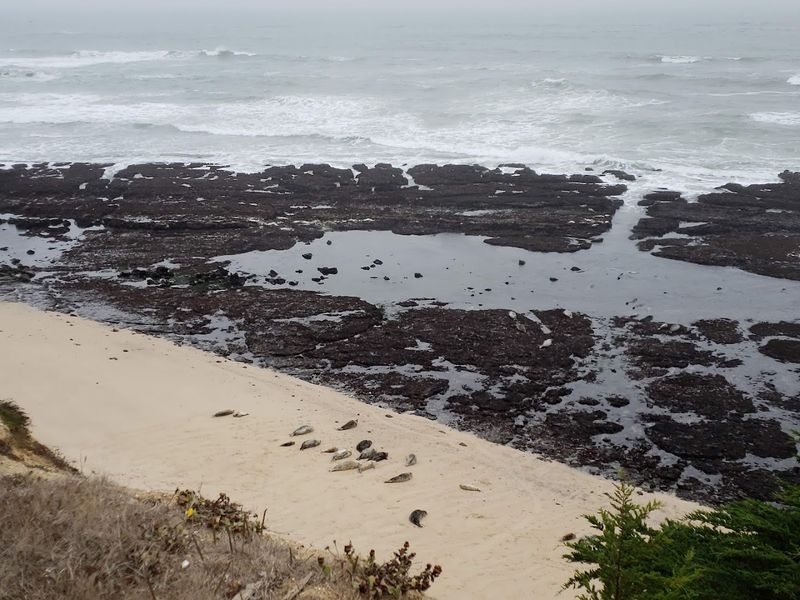
Broad reef shelves stretch out like a natural mosaic at Fitzgerald Marine Reserve, making it one of the most biodiverse tide-pooling destinations along the entire California coast.
Located near Half Moon Bay, the reserve is easily accessible from both San Francisco and San Jose, which makes it a popular weekend stop for families and curious explorers.
The protected status here means the marine life has had room to thrive.
Giant green anemones, hermit crabs, sea stars, and the occasional octopus can all be spotted during a well-timed low-tide visit.
Negative tides offer the deepest look into the reef’s hidden compartments. Arriving about an hour before the lowest tide point gives enough time to explore without rushing.
Rubber-soled shoes with good grip are strongly recommended since the rocks tend to be slippery with algae.
Removing shells, rocks, or any living creature from the reserve is prohibited.
The pools here genuinely feel like small glass windows into a living ocean, and even a short visit tends to leave people lingering far longer than planned.
2. Cabrillo National Monument Tide Pools, San Diego
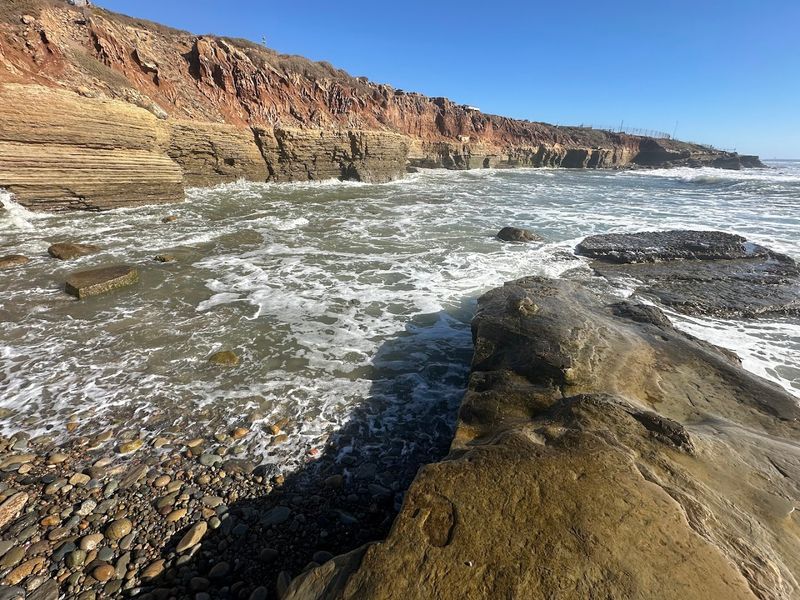
Dramatic cliffs frame one of Southern California’s most carefully protected stretches of rocky shoreline at Cabrillo National Monument.
The tide pools here sit within a federally managed intertidal zone, and that protection shows in the variety of life visible during a good low-tide window.
Fall and winter tend to bring the strongest daytime low tides along this part of the coast, making those seasons especially rewarding for a visit.
Keyhole limpets, black tegula snails, and even spiny lobsters during very low tides have been spotted in these pools.
The combination of clear water and relatively calm cove conditions makes it easier to see what is actually living in each pool without crouching for too long.
The park also provides interpretive signage that helps visitors identify what they are looking at.
Parking is available within the monument, though fees apply and weekend crowds can be significant. Sturdy shoes with solid traction are essential here since the rocks near the waterline can be unexpectedly slick.
Checking a tide chart before heading out is one of the most useful things anyone can do before planning a trip to this spot.
3. Crystal Cove State Park, Newport Beach
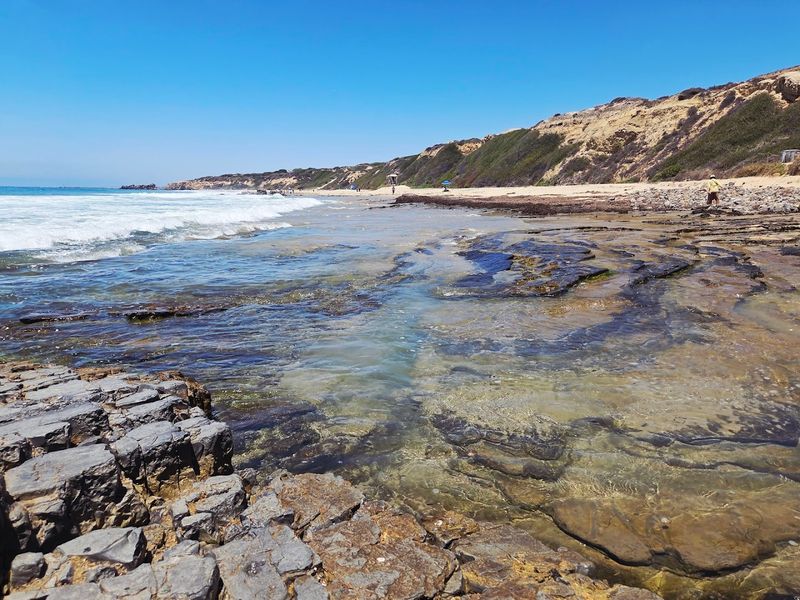
Four distinct tide-pooling areas within a single park is a rare thing, and Crystal Cove State Park in Newport Beach delivers exactly that.
Reef Point, Rocky Bight, Pelican Point, and Treasure Cove each offer slightly different rocky terrain and marine life concentrations, giving visitors options depending on the tide level and how far they want to walk.
All four areas are designated Marine Protected Areas.
The variety of habitats packed into one park means that a single visit could reveal anemones in one cove and a completely different set of creatures just a short walk away.
Ochre sea stars and purple urchins are among the more colorful residents that may appear when conditions are right. The coastal scenery between spots is worth the walk on its own.
Parking at Crystal Cove can fill quickly on weekends, so arriving early tends to make the experience much smoother.
Tide charts should be checked in advance since the best pools are only accessible during lower tides.
Flat, closed-toe shoes with grip work well here, and bringing a small water bottle and sunscreen helps since the rocky stretches offer little shade during midday hours.
4. Asilomar State Beach, Pacific Grove
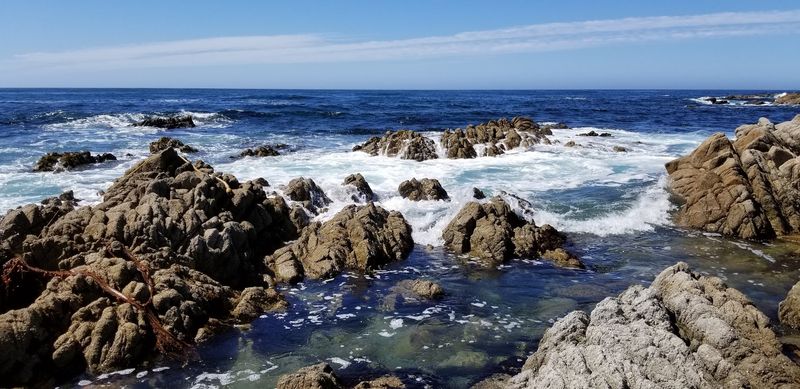
Rocky shoreline runs along a generous stretch of Asilomar State Beach in Pacific Grove, and at low tide that shoreline transforms into something worth slowing down for.
The area along Sunset Drive is particularly rich with marine life, including sea anemones, sand dollars, and sea urchins tucked into wave-carved pools.
The Monterey Bay setting adds a layer of coastal drama that makes the whole experience feel genuinely immersive.
Asilomar tends to be more accessible than some other tide-pooling spots, with relatively flat approach paths and pools that are easy to peer into without much scrambling.
The variety of creatures visible in a single visit can be surprisingly wide, from small crabs navigating between rocks to anemones waving their tentacles in shallow water.
The cool, foggy coastal air typical of Pacific Grove adds to the atmosphere.
Tides of 0.5 feet or lower reveal the most interesting pools here, so checking a reliable tide chart before heading out makes a meaningful difference.
Layered clothing is practical since temperatures near the water can shift quickly.
The beach is open to the public and parking is available nearby, though weekend mornings tend to draw more visitors than weekday afternoons.
5. Natural Bridges State Beach, Santa Cruz
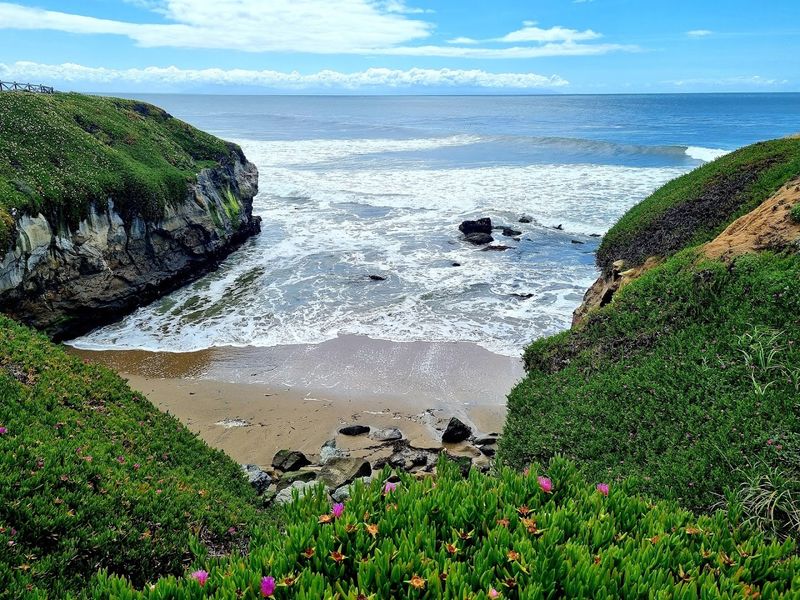
Tides of two feet or lower unlock the best of what Natural Bridges State Beach has to offer, and at those levels the rocky pools near the iconic natural bridge arch become genuinely absorbing to explore.
Santa Cruz locals know this spot well, but it can still feel calm and unhurried on a well-timed weekday visit.
The setting combines coastal geology, wildlife, and the kind of quiet that makes it easy to slow down.
Hermit crabs, snails, anemones, and small fish tend to appear in the pools closest to the water’s edge once the tide pulls back enough.
The natural bridge formation in the background gives the whole scene a distinctive visual frame that makes it recognizable and photogenic without being overdone.
Chitons and limpets cling to exposed rocks throughout the area.
The beach also sits near a monarch butterfly preserve that draws visitors during winter months, so combining both stops in a single outing is a reasonable option when timing works out.
Reef shoes or waterproof boots with good traction are useful since the rocks near the pools can be slippery.
Arriving roughly an hour before the lowest tide point tends to give the most comfortable window for exploration.
6. Point Lobos State Natural Reserve, Carmel
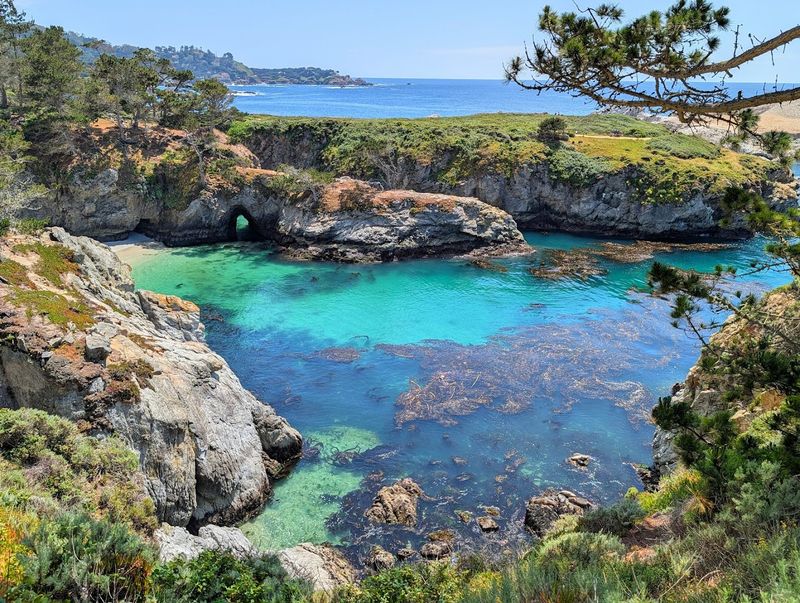
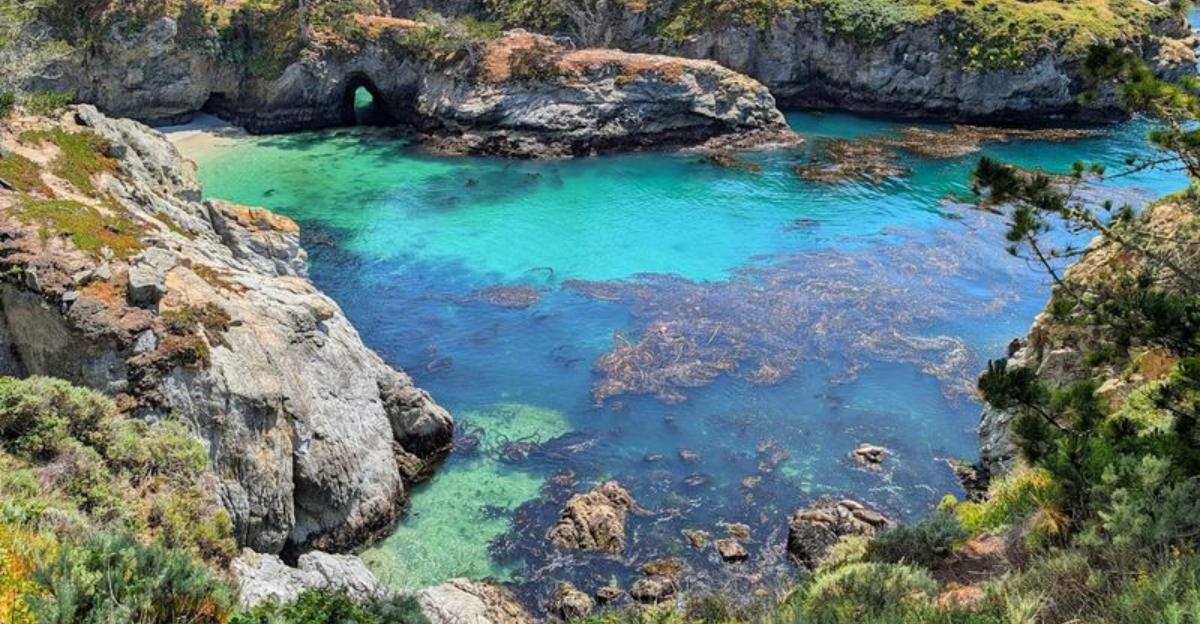
Rocky coves and crystalline water give Point Lobos State Natural Reserve a quality that feels almost unreal on a clear day.
Weston Beach within the reserve is particularly well regarded for tide-pooling, offering close looks at anemones, mollusks, and the occasional sea otter floating just offshore in the kelp.
The reserve’s protected status keeps the shoreline in remarkable condition year-round.
Visiting during a low tide of 0.5 feet or less reveals the most life in the pools, and the combination of diverse rocky terrain and clean water makes identification relatively straightforward.
Coralline algae coats many of the rocks in shades of pink and lavender, adding unexpected color to the scene. Sea stars, hermit crabs, and small fish dart between crevices throughout the intertidal zone.
Parking at Point Lobos is limited and the reserve can reach capacity on busy weekends, so arriving early or visiting on a weekday tends to result in a quieter experience.
Reservations may be required during peak periods, so checking the reserve’s current entry policy before visiting is a practical step.
The pace here tends to be slower and more contemplative than at larger beach parks, which suits the setting well.
7. Leo Carrillo State Park, Malibu
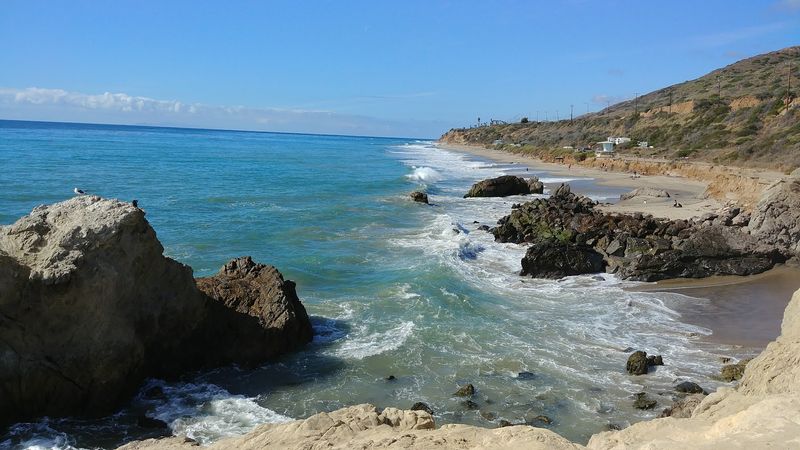
Low tide near Sequit Point at Leo Carrillo State Park pulls back to reveal rocky pockets filled with a surprisingly lively cast of coastal residents.
Mossy chitons, striped shore crabs, fat sea stars, mussels, and black sea hares have all been observed in the intertidal zone here.
The dramatic sea caves accessible at low tide add an adventurous element that sets this Malibu spot apart from more straightforward beach parks.
The cave exploration is best done carefully and only during safe, calm conditions since wave surge can be unpredictable near cave entrances.
The combination of tide pools and sea caves makes Leo Carrillo appealing to visitors who want more than just a standard shoreline walk. The rocky terrain here rewards patience and close observation.
Parking is available within the state park, and the beach is generally less crowded on weekday mornings than on weekend afternoons.
Closed-toe shoes with good grip are strongly recommended since the rocks near the tide pools can be slick with algae and moisture.
Keeping a safe distance from waves at all times is important here since the shoreline can shift quickly between calm and active depending on swell conditions.
8. Abalone Cove Shoreline Park, Rancho Palos Verdes
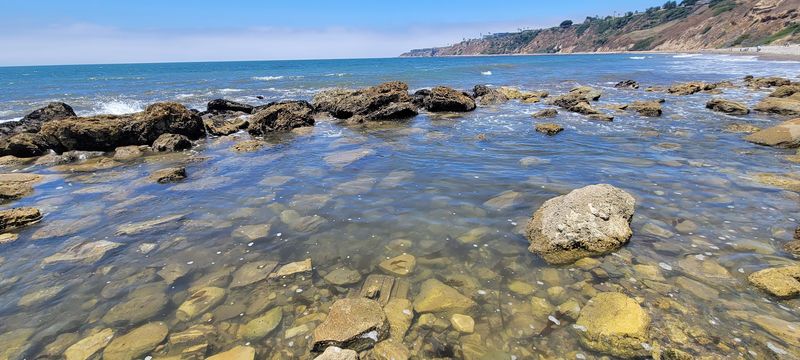
Cliffs, coves, and rocky shelves give Abalone Cove Shoreline Park in Rancho Palos Verdes a rugged, slightly removed quality that feels like a genuine escape from the surrounding urban landscape.
The park sits along the Palos Verdes Peninsula, and its intertidal zone contains a variety of rocky habitats worth exploring at low tide.
The terrain here is uneven and requires some careful footing, which actually keeps the experience from feeling crowded.
Anemones, urchins, hermit crabs, and various snail species tend to occupy the pools closest to the waterline when tides recede.
The cliffside backdrop and cove formations give the spot a photogenic quality without it feeling manicured or touristy.
Sea caves are also present along parts of the shoreline and add an element of exploration for those willing to pick their way carefully across the rocks.
An entrance fee is typically charged at the parking area, and the trail down to the shoreline involves a moderate descent that may not be suitable for all visitors.
Checking tide predictions before visiting is especially important here since the best pools are only reachable during lower tides.
Sturdy waterproof footwear is worth prioritizing since some sections of the rocky shelf tend to hold standing water even between tidal cycles.
9. La Jolla Tide Pools, San Diego
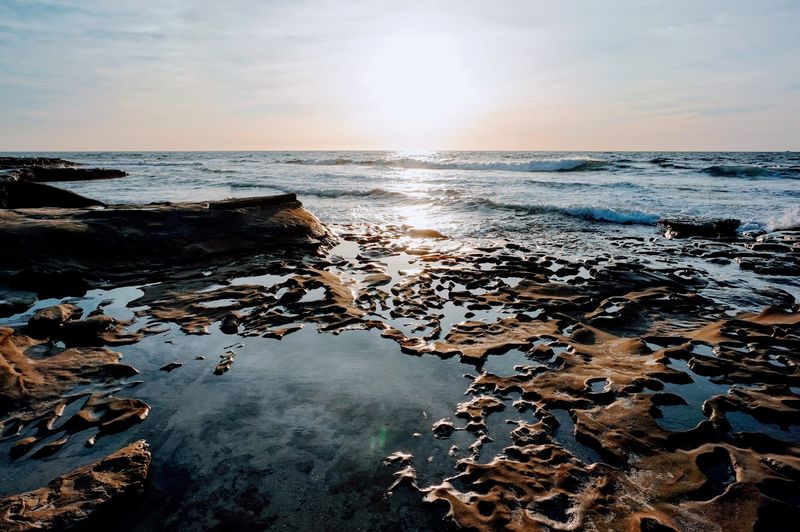
Rocky pockets along the La Jolla shoreline in San Diego become some of the most photogenic and accessible tide pools in Southern California when the tide cooperates.
The combination of relatively easy coastal access and clear water makes it straightforward to spot anemones, small fish, hermit crabs, and other intertidal residents without much effort.
The backdrop of sandstone cliffs and open ocean adds a visual richness to the experience.
Crescent Bay and the areas around the Children’s Pool and Coast Walk Trail are among the most visited stretches for tide-pooling in La Jolla.
Seals and sea lions are commonly visible along nearby rocks, and dolphins are occasionally spotted just offshore. The variety of wildlife in a compact area makes La Jolla feel genuinely layered as a destination.
Weekend crowds can be significant here, particularly during summer, so a weekday visit during a morning low tide tends to offer a calmer experience.
Parking near the shoreline can be competitive, and walking from nearby streets is often the most practical approach.
Staying on bare rock and avoiding stepping on any algae-covered surfaces protects both the marine life and the visitor’s footing on what can be unexpectedly slippery terrain.
10. Piedras Blancas Area, San Simeon
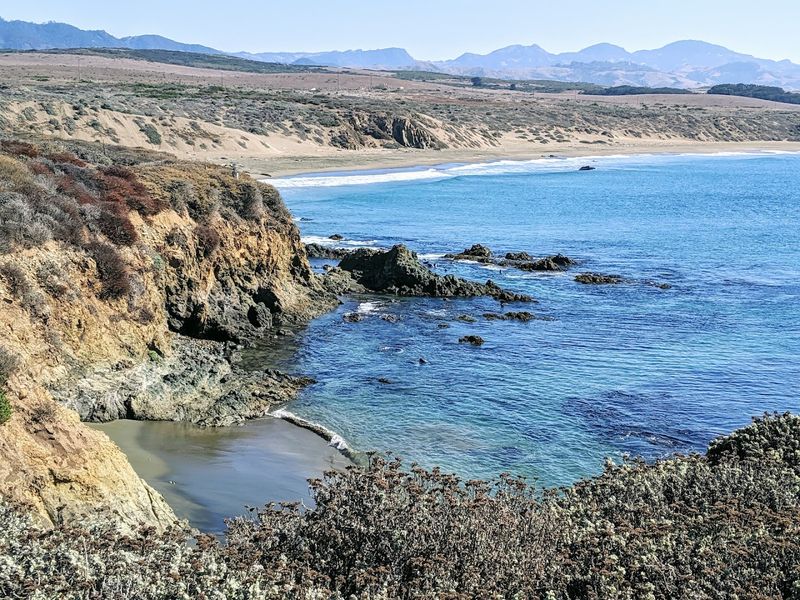
Beaches north of the Piedras Blancas Light Station and parts of W. R.
Hearst Memorial Beach along the San Simeon coast reveal a quietly impressive intertidal zone when the tide drops.
Hermit crabs, anemones, urchins, sea stars, limpets, barnacles, chitons, and turban snails are among the creatures that may appear in the rocky pools during a well-timed visit.
The offshore kelp beds nearby also attract sea otters, which are sometimes visible from shore.
The Central Coast setting gives this stretch of coastline a slower, more open feel compared to busier Southern California spots.
Crowds tend to be lighter here, which means more time to actually look closely at the pools without feeling rushed.
The wide, flat rocky shelves in some sections make it comfortable to move around without too much scrambling.
Piedras Blancas is also well known as a northern elephant seal viewing area, and the rookery near the highway can be visited as part of the same outing.
Checking both tide charts and elephant seal activity schedules before visiting helps with planning.
Waterproof shoes are practical since parts of the rocky shelf can hold shallow water even after the main tide has receded.
11. Montana de Oro State Park, Los Osos
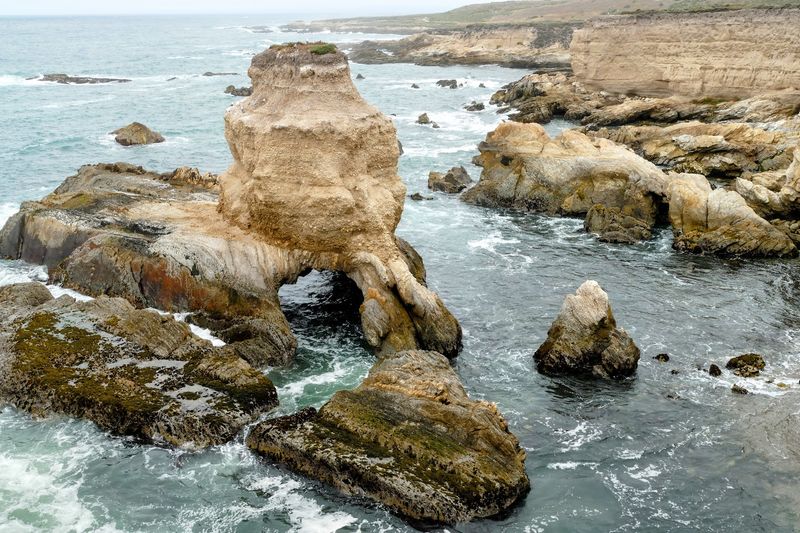
Hazard Reef and the surrounding shoreline at Montana de Oro State Park bring Central Coast tide-pooling to a level that consistently surprises first-time visitors.
Crabs, anemones, mollusks, and sea stars populate the rocky shelves here, and Corallina Cove is known for sea stars in shades of orange, yellow, and purple.
The park’s relative distance from major urban centers keeps crowds noticeably lighter than at more famous spots.
Spooner’s Cove offers another accessible entry point with snails, limpets, barnacles, and anemones visible in the pools even during moderate low tides.
The coastal scenery throughout the park is expansive and rugged, with ocean views that stretch out uninterrupted on clear days.
Hiking trails run along the bluffs above the shoreline and offer a broader perspective of the intertidal zone below.
The park is free to enter, which is a practical advantage for visitors who want to spend a full day exploring without worrying about fees. Parking is available at several trailheads throughout the park.
Layered clothing is a smart choice since the coastal fog typical of the Los Osos area can linger well into the afternoon, keeping temperatures cooler than expected even in warmer months.
12. Point Pinos, Pacific Grove
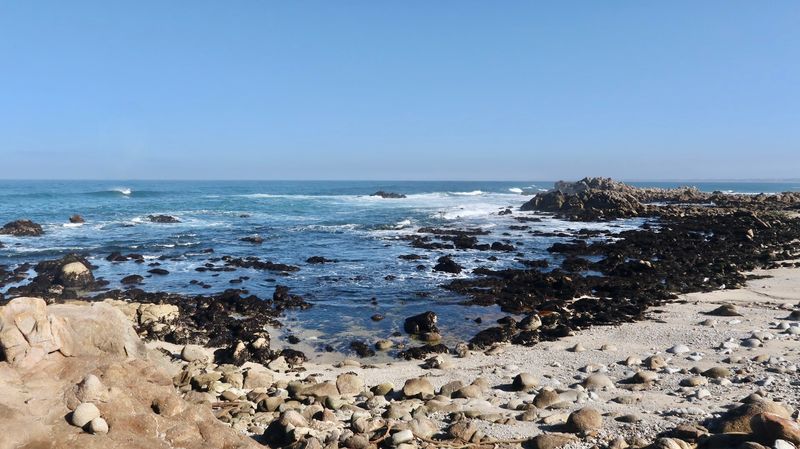
Point Pinos in Pacific Grove holds a reputation as one of the most populated tide pool habitats in the world, and the exposed rock formations here make that reputation easy to understand during a low-tide visit.
Some pools remain visible and filled with life even at higher tides, which gives the site a longer daily window for exploration compared to spots that only reveal themselves during extreme lows.
The setting along the Monterey Bay coastline adds a scenic dimension that makes the visit feel complete.
Anemones, urchins, small fish, and a variety of snails and crabs can be found throughout the rocky intertidal zone here.
The site is sometimes called the Great Tide Pool in reference to its density and diversity of marine life.
Coastal views extend in multiple directions from the point, making it a pleasant spot to walk even beyond the tide-pooling areas.
Pacific Grove as a town is walkable and easy to navigate, which makes Point Pinos a natural fit as part of a broader coastal day trip that could include Asilomar State Beach just a short distance away.
Wearing shoes with solid grip remains important since the rocks near the waterline can be coated in algae.
Arriving during a falling tide rather than a rising one tends to give the most comfortable and safe window for exploration.