The New Mexico Hike Where A Desert Spring And Forgotten Ruins Wait At The End
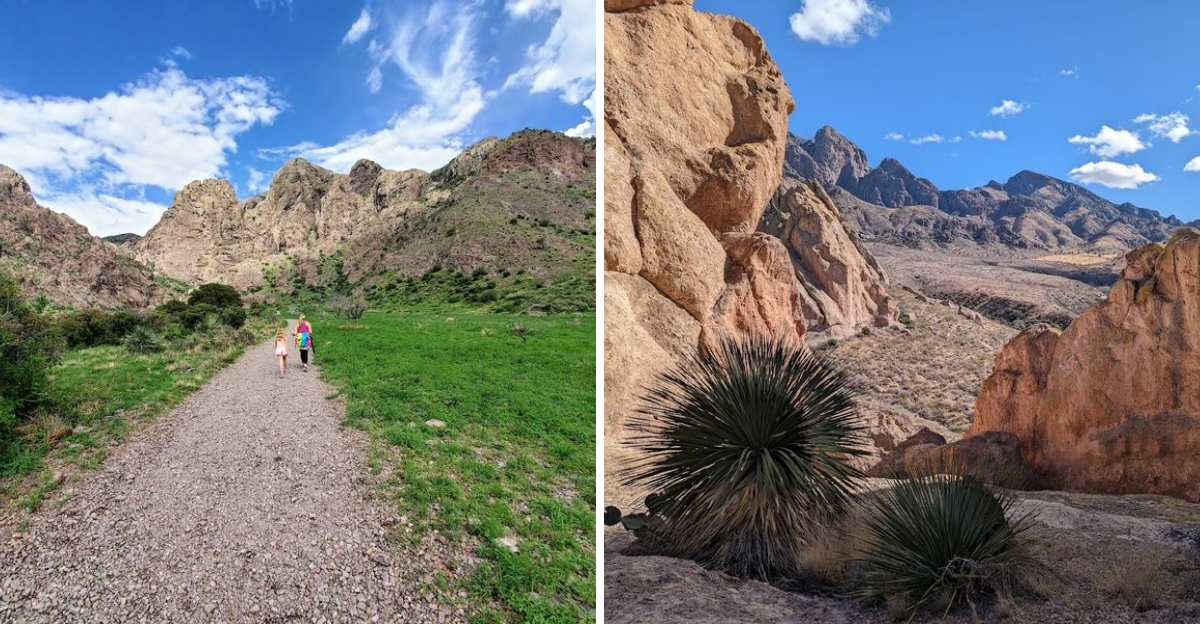
The Chihuahuan Desert plays its cards close, revealing its best surprises only to the people willing to lace up their boots and go looking.
Most visitors to southern New Mexico stick to the obvious stops, which means the good stuff stays exactly where it belongs: out on the trail, waiting patiently.
This particular path delivers the kind of ending that makes the whole drive worthwhile.
A natural spring appears where you least expect one, cold and steady in the middle of a sun-baked landscape.
Just beyond it, the stone walls of a long-abandoned resort rise quietly from the desert floor, asking more questions than they answer.
Finding water and ruins together at the end of a single trail feels less like a coincidence and more like the desert showing off.
Southern New Mexico has been sitting on this one for years, and it absolutely deserves to be found.
The Trailhead That Sets The Tone
Dripping Springs Natural Area, located at 15000 Dripping Springs Rd, Las Cruces, New Mexico, starts with a parking lot that feels almost too civilized for what comes next.
A small visitor center sits near the entrance, staffed by friendly Bureau of Land Management rangers who genuinely want you to enjoy the trail.
The fee to enter is modest, just a few dollars per vehicle, and it covers access to one of the most rewarding short hikes in the entire region.
Restrooms are available near the trailhead, which is a detail hikers always appreciate more than they admit.
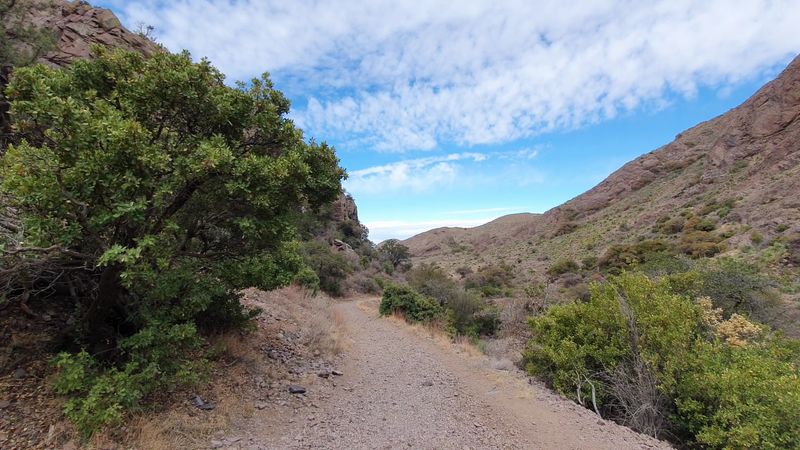
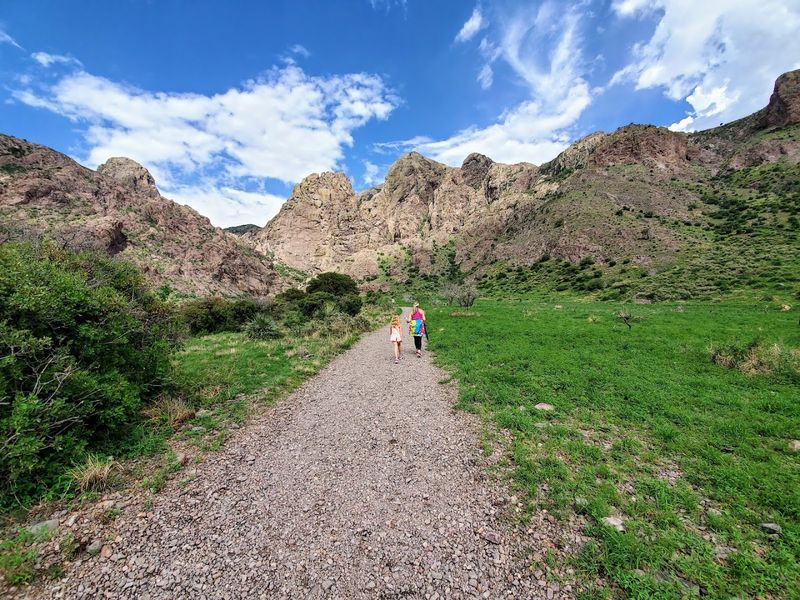
The trail begins on a wide, flat path that cuts through scrubby desert vegetation. Creosote bushes line both sides, releasing that sharp, earthy smell that only comes after desert rain.
The Organ Mountains loom ahead like a jagged crown. From the very first step, there is a sense that this place is building toward something.
The anticipation alone makes the walk feel purposeful and alive.
Three Miles Of Desert Storytelling
The round trip covers roughly three miles, and the elevation gain is gradual enough that most people of average fitness can handle it without much drama.
That said, the sun in southern New Mexico is absolutely serious business, especially between April and October.
Bring more water than you think you need. The trail surface is packed gravel and dirt, with some rocky sections near the upper end.
Trekking poles help on the steeper parts but are far from required.
The path is well-marked and easy to follow, so getting lost is not really a concern here.
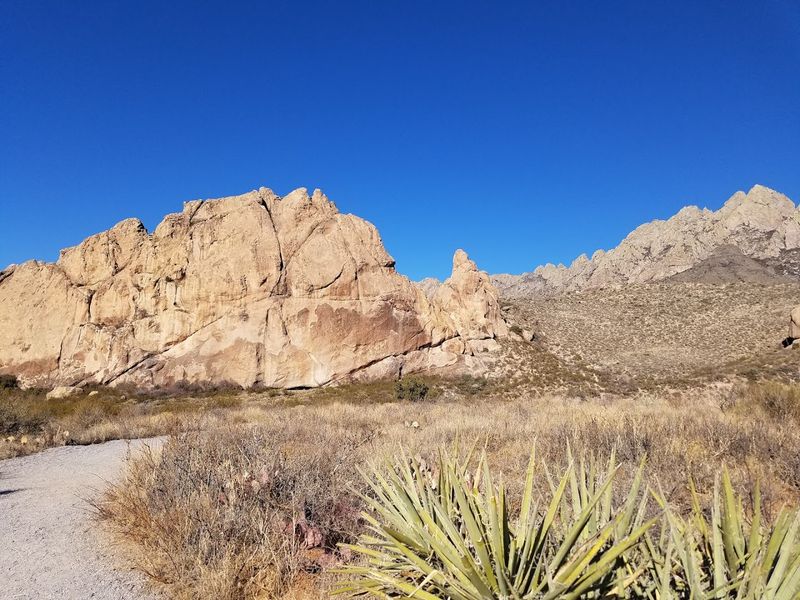
What makes this trail special is not the difficulty but the scenery that unfolds slowly, almost deliberately. Massive volcanic rock formations crowd the trail on both sides as you climb.
The canyon walls grow taller and more dramatic with every quarter mile. By the time you reach the upper canyon, you feel like the desert has been telling you a story in chapters, and the best chapter is still ahead.
Wildlife You Might Meet Along The Way
The Chihuahuan Desert looks empty at first glance, but spend thirty quiet minutes on this trail and that impression completely changes.
Roadrunners are surprisingly common here, and spotting one darting across the path feels like a small gift from the desert.
Mule deer occasionally appear near the canyon walls in the early morning hours.
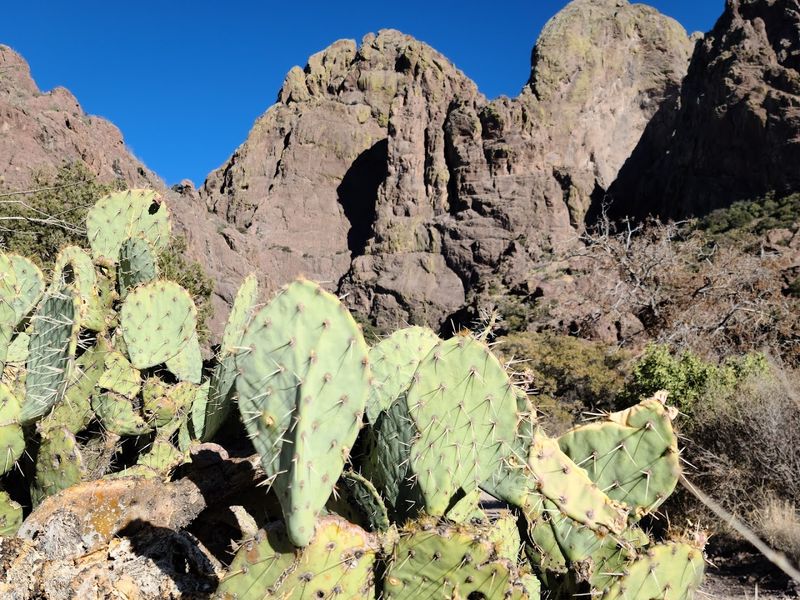
Cactus wrens call out from the top of prickly pear clusters, and if you look closely at the rocks, you might catch a lizard doing push-ups in the sun. The desert is genuinely busy once you slow down enough to notice.
Javelinas, those bristly pig-like creatures native to the Southwest, have been spotted in the area as well.
They travel in groups and are not aggressive unless cornered, so give them space and enjoy the sighting. The variety of wildlife here reflects how healthy this desert ecosystem actually is.
Birders especially love this trail in spring, when migrating species add even more variety to the mix.
History Hiding In Plain Sight
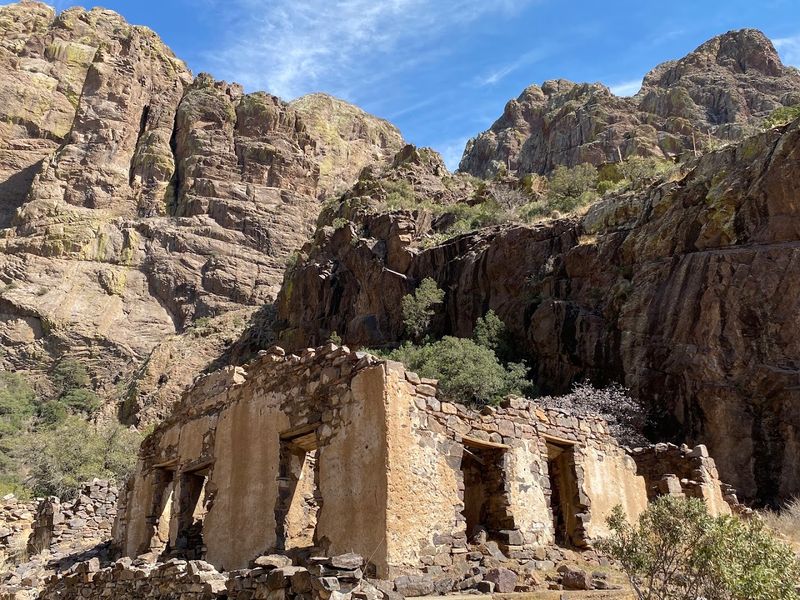
Few people expect to find a ruined resort halfway up a desert canyon, but that is exactly what waits near the end of this trail.
The Van Patten Mountain Camp was built in the 1870s by Eugene Van Patten, a former soldier who believed the mountain air had healing properties.
At its peak, the camp attracted guests from across the region looking for rest and fresh air. The stone walls that remain today are remarkably intact in places, giving you a real sense of the original scale.
Walking through the ruins feels less like a history lesson and more like stumbling onto a movie set that nobody cleaned up.
There are informational signs placed near the ruins that explain the history clearly and without overwhelming detail.
The contrast between the crumbling stonework and the wild desert landscape around it is genuinely striking.
Photographers tend to linger here longer than anywhere else on the trail. It is the kind of place that makes you want to sit on a rock and just think for a while.
Water In The Desert Hits Different
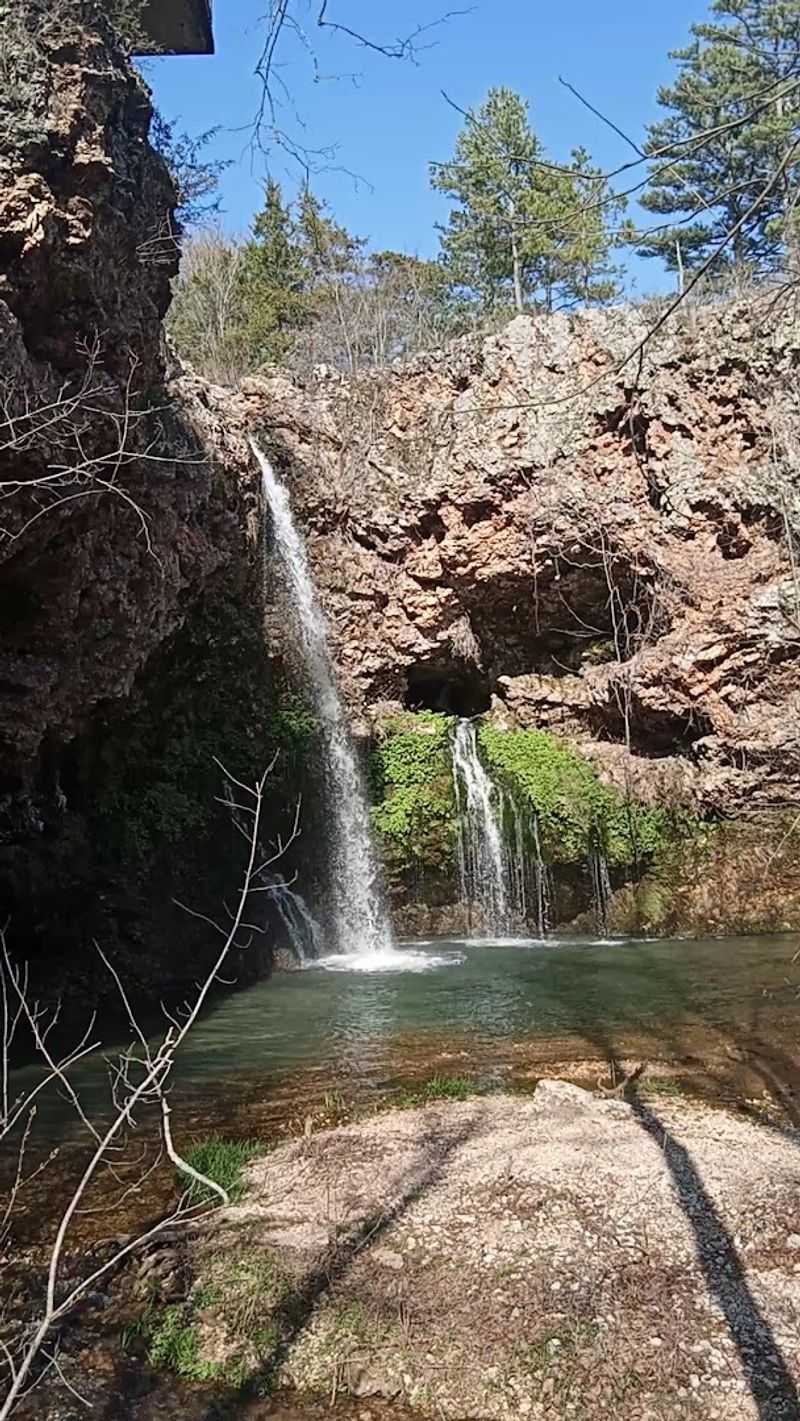
After walking through miles of dry, sun-baked desert, finding actual water seeping out of a canyon wall feels almost surreal.
The spring at Dripping Springs is exactly what the name promises: water trickling steadily down a mossy rock face, quiet and consistent.
The moisture supports a small patch of vegetation that stands in sharp contrast to everything around it. Ferns and mosses cling to the wet rock, and the air near the spring feels noticeably cooler.
It is one of those small natural moments that stays with you longer than the grand views do.
The spring has been flowing here for centuries and has supported both wildlife and human visitors throughout that entire time.
Indigenous peoples used this canyon long before Van Patten arrived, and the spring was almost certainly a key reason why.
Standing next to it, watching the water move slowly down the rock, you get a quiet sense of how much this single water source has meant to this landscape. It earns its name every single day.
Best Time To Go And What To Bring
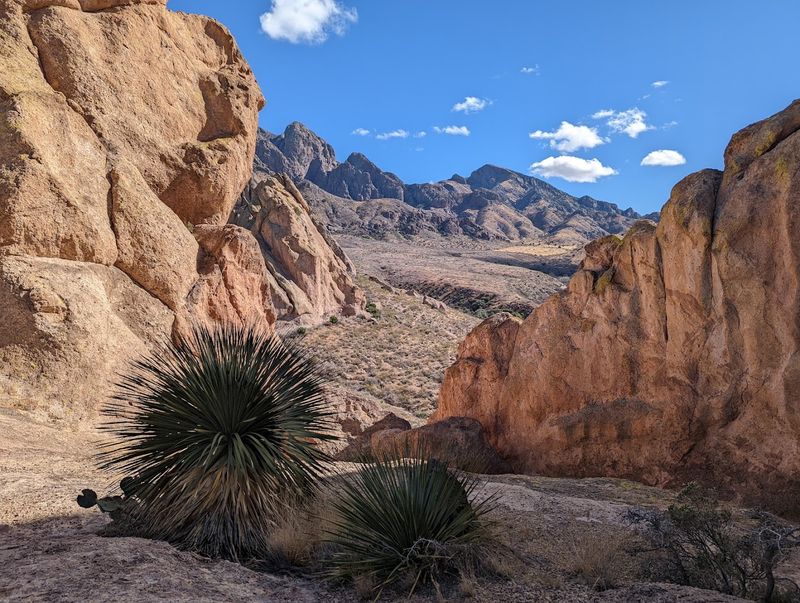
October through April is the sweet spot for this hike. Temperatures stay comfortable, the light is softer, and the trail is far less crowded than during summer months.
Summer is not impossible, but the midday heat is genuinely intense and should be taken seriously.
Start early if you visit between May and September. On the trail by seven in the morning means you finish before the worst heat arrives.
A wide-brimmed hat, sunscreen, and at least two liters of water per person are non-negotiable regardless of season.
Wear sturdy shoes with ankle support since the upper trail gets rocky. A light snack is worth packing because the ruins make a perfect rest stop for lunch.
Cell service is limited in the canyon, so download the trail map before you leave the car. The visitor center sometimes has printed maps available as well.
Dogs are allowed on leash, and the trail is appropriate for older kids who are comfortable with uneven terrain.
Overall, this is one of the most accessible and rewarding desert hikes in southern New Mexico for a reason.
Getting There And Parking Without The Stress
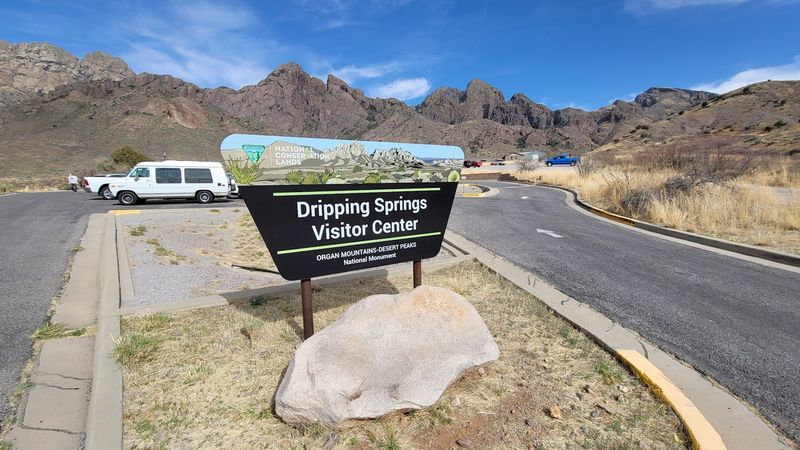
Navigation apps handle the route without any issues from downtown Las Cruces. The drive takes about twenty minutes from the city center and the road is paved all the way to the parking area.
The parking lot is reasonably sized but can fill up on weekend mornings, especially in spring. Arriving by eight or nine in the morning on a Saturday almost always guarantees a spot.
Weekday visits are noticeably quieter and the trail feels more personal when fewer people are around.
There is a self-pay fee station at the entrance where you pay per vehicle. The fee is minimal and goes directly toward maintaining the trail and visitor facilities.
The parking area has a covered ramada, restrooms, and a small display about the natural and cultural history of the site. It is a genuinely well-run operation for a relatively small public land area.
Why This Trail Stays With You After You Leave
Most hikes deliver scenery. This one delivers scenery plus history plus a working natural spring plus wildlife, all in under three miles.
That combination is genuinely rare, and it is why people who do this trail once almost always come back.
There is something about finding those ruins in the middle of the desert that triggers real curiosity.
You start asking questions: Who stayed here? What did they eat?
What did they hear at night?
The landscape answers some of those questions in its own quiet way, and that is more satisfying than any museum exhibit.
The spring is the emotional high point, but the whole trail builds toward it in a way that feels almost intentional.
By the time you are back at the parking lot, dusty boots and all, there is a specific kind of tired that only comes from a hike that actually meant something.
The Organ Mountains have a lot of trails, but Dripping Springs earns its reputation every single time. Go once and see if you do not immediately start planning a return trip.