These 11 Louisiana Destinations Offer History, Flavor, And Plenty To Explore
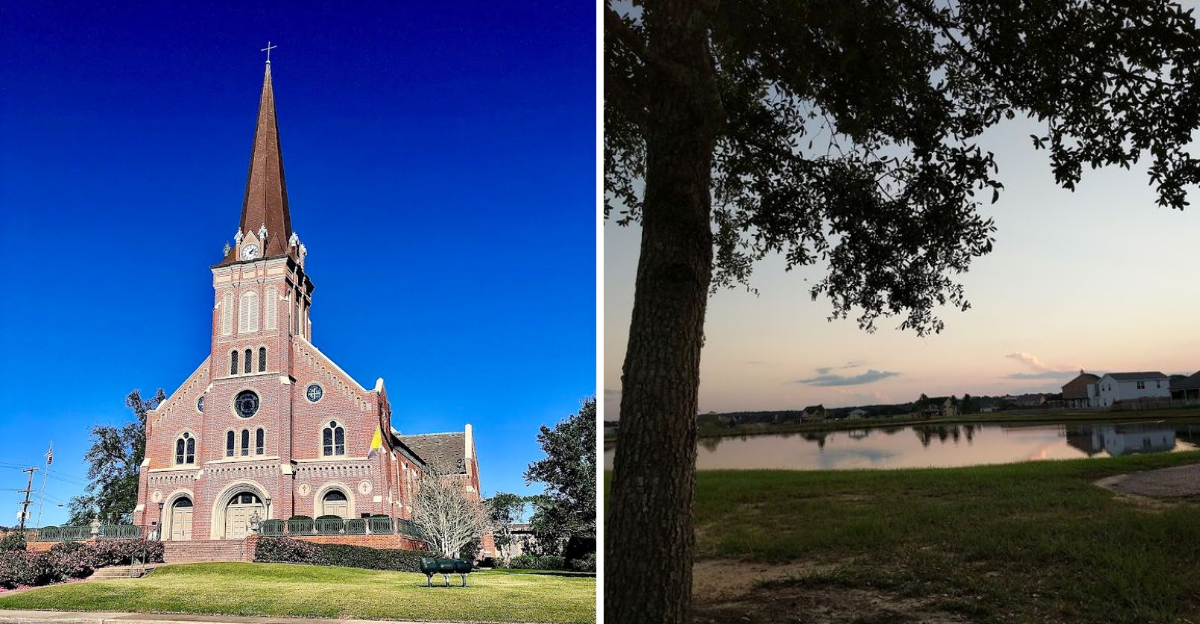
History and flavor mingle around every corner in this state. These destinations blend stories, food, and discovery.
You stroll past landmarks steeped in deep tradition. Local kitchens serve recipes passed down for generations.
Louisiana packs rich culture into each one of these welcoming towns. Music drifts from open doorways as you explore.
Old architecture whispers tales of the past. You taste history in every spiced, simmering pot. Each stop reveals another layer to uncover.
Curiosity and appetite guide the whole journey. Festivals spill music into the bright streets. Every corner tells its own story, and every meal feeds you in the best possible way.
I love a trip that equally feeds mind and stomach. The question is, do you?
1. New Orleans
I know, some cities just refuse to be ordinary.
New Orleans, located in southeastern Louisiana, is one of the most layered cities in the entire United States. Every street has a story, and every corner has a smell that pulls you toward the nearest kitchen.
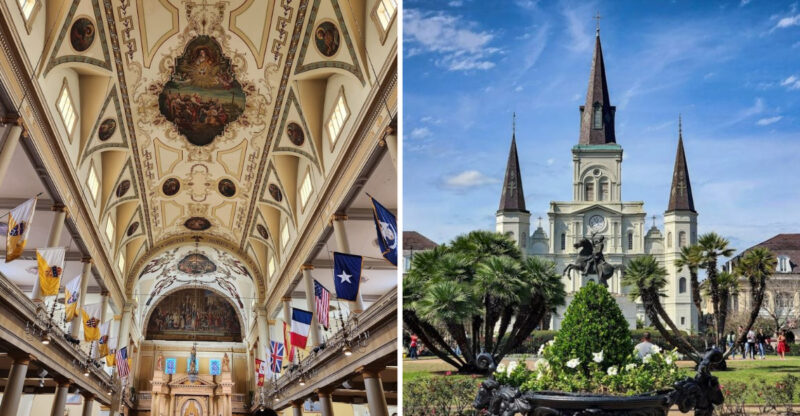
The French Quarter is the historic heart of the city. Its iron-lace balconies and pastel buildings date back to the 18th century. Walking those streets feels like flipping through a living history book.
Beyond the architecture, the food scene is truly unmatched. Gumbo, beignets, and crawfish etouffee are just the beginning.
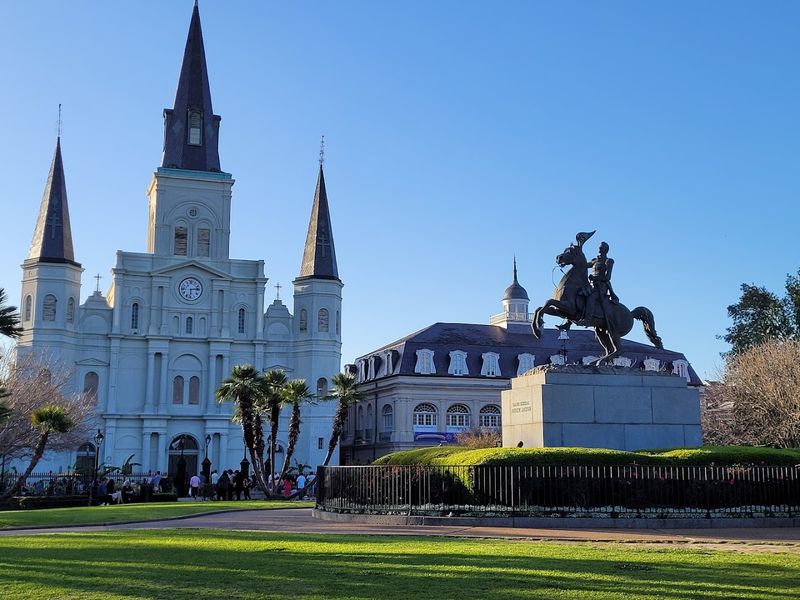
Local chefs treat Creole and Cajun traditions with enormous respect. Jackson Square is a must-see landmark. Artists, fortune tellers, and musicians gather there daily.
The St. Louis Cathedral at 615 Pere Antoine Alley looming in the background makes every photo look cinematic.
Mardi Gras is the city’s most famous celebration, drawing crowds from around the world. Even outside of festival season, New Orleans hums with energy.
2. Natchitoches
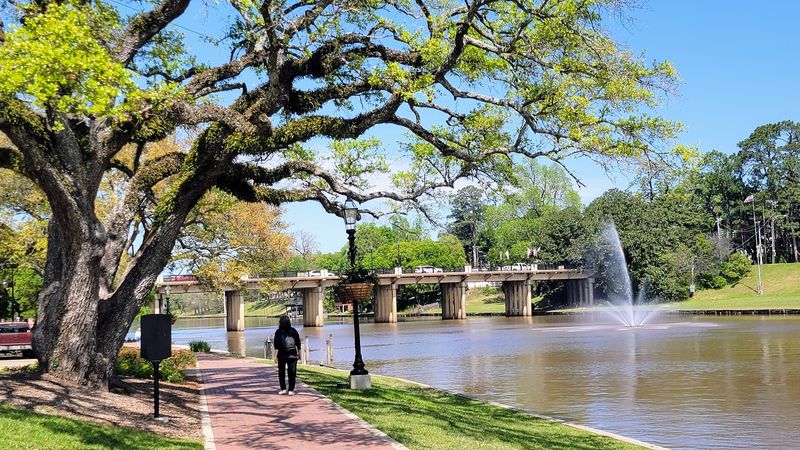
Would you ever think that the oldest permanent settlement in Louisiana would also be one of its most charming towns?
Natchitoches, located in central-northwest Louisiana, sits along the beautiful Cane River Lake. Its brick-paved Front Street is lined with 19th-century storefronts and hanging lights.
Founded in 1714 by French colonists, the city carries deep colonial history. The Natchitoches National Historic Landmark District preserves much of that past.
Touring those streets gives you a real sense of how life looked centuries ago.
The town is also famous for its meat pies, a savory handheld pastry with deep Creole roots. Local bakeries and restaurants serve them fresh throughout the day. Once you try one, you will understand the obsession.
Fort St. Jean Baptiste State Historic Site at 155 Jefferson St reconstructs the original French colonial fort. It is an excellent educational stop for families and history lovers alike.
Costumed interpreters bring the 18th century to life in an engaging way.
The Christmas Festival of Lights here is legendary in Louisiana. Thousands of lights reflect off the Cane River each December.
3. Lafayette
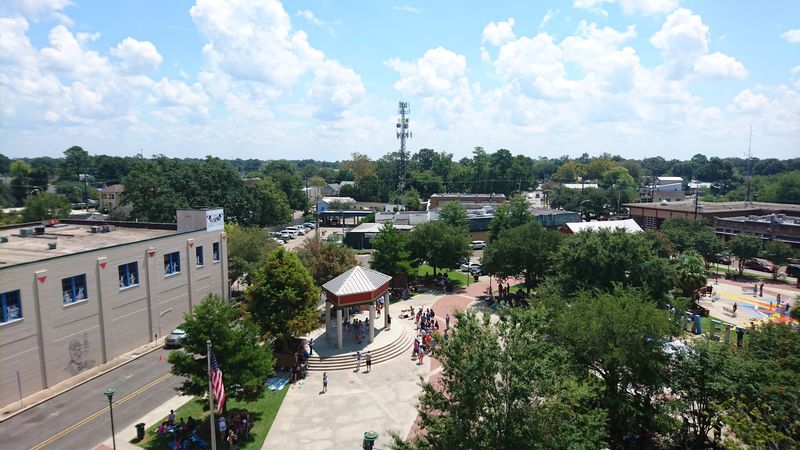
Trust me, no city in Louisiana wears its Cajun identity more proudly than Lafayette.
In the heart of Acadiana in south-central Louisiana, Lafayette is widely considered the cultural capital of Cajun country. The food, music, and festivals here are not performances for tourists, they are everyday life.
Vermilionville at 300 Fisher Rd is a living history museum and folklife park worth every minute. It recreates Cajun and Creole village life from the 18th and 19th centuries.
Craftspeople, musicians, and cooks demonstrate traditions that have been passed down for generations.
The Cajun food scene in Lafayette is extraordinary. Boudin, cracklins, and crawfish bisque are local staples found at roadside shops and sit-down restaurants alike. Even a quick lunch here can be a memorable culinary experience.
Lafayette also hosts some of Louisiana’s biggest festivals. Festival International de Louisiane celebrates Francophone culture every spring. The energy during festival season is completely infectious and hard to describe in words.
The Atchafalaya Basin, the largest wetland in the United States, sits just outside the city. Swamp tours let you see alligators, herons, and cypress trees up close. Nature and culture collide beautifully in Lafayette.
4. Breaux Bridge
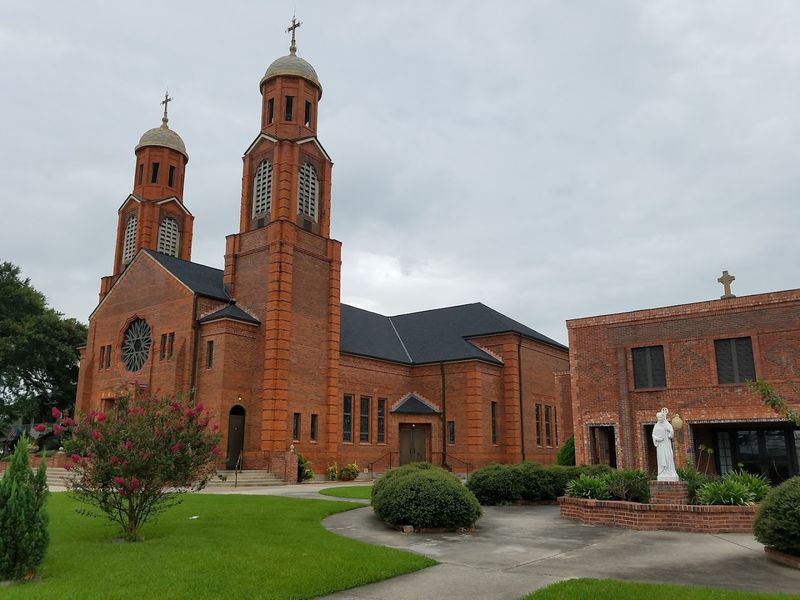
Believe me, a town that calls itself the Crawfish Capital of the World does not make that claim lightly.
Breaux Bridge, nestled in St. Martin Parish in south-central Louisiana, is a small but enormously flavorful town. Its downtown area hugs Bayou Teche, giving it a slow, scenic quality that is hard to rush through.
The Crawfish Festival held here every May is one of the most beloved food events in the entire state. Thousands of people gather to eat, dance, and celebrate Cajun culture.
It is the event that turns first-time attendees into annual regulars.
Downtown Breaux Bridge is packed with antique shops, local art galleries, and Cajun restaurants. The streets are small but lively, especially on weekends. Zydeco music often spills out of open doors and onto the sidewalk.
Bayou Teche itself is a stunning natural feature that runs right through town. Kayaking or canoeing along it gives you an entirely different perspective of the landscape. Spanish moss, cypress knees, and quiet water make every paddle feel peaceful.
Breaux Bridge is also an easy day trip from Lafayette. Its compact size means you can see the highlights in a single afternoon.
5. St. Martinville
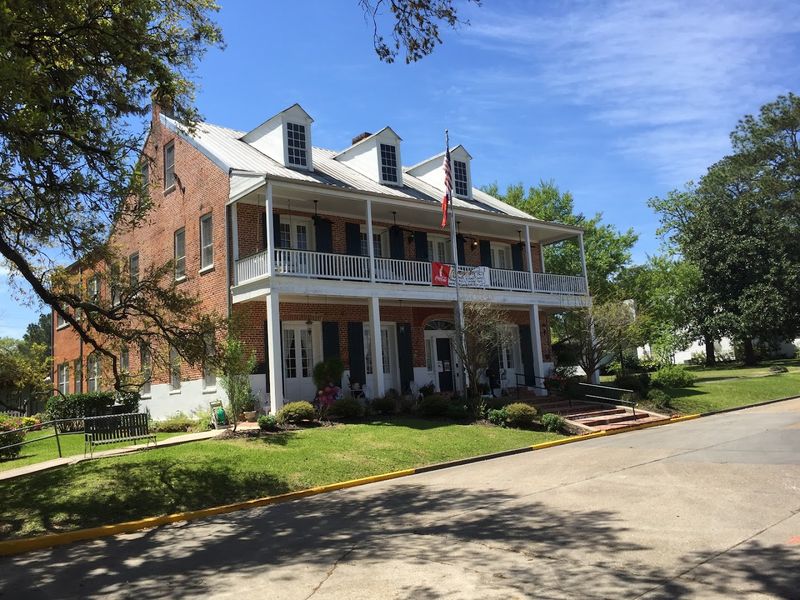
Can you believe a single oak tree can hold enough history to anchor an entire town’s identity?
St. Martinville, a small and deeply historic town in St. Martin Parish in south-central Louisiana, is home to the famous Evangeline Oak. That ancient tree beside Bayou Teche has become a symbol of Acadian heritage and longing.
The town was settled largely by Acadian exiles who arrived from Nova Scotia in the 18th century. Their story of displacement and resilience shaped the entire cultural fabric of this region.
St. Martinville wears that legacy with quiet, steady pride.
The Acadian Memorial and Museum at 121 S New Market St is a moving tribute to those early settlers. It includes a Wall of Names listing thousands of Acadian exiles.
Genealogy researchers and history lovers find it especially meaningful.
St. Martin de Tours Catholic Church at 133 S Main St, founded in 1765, stands as one of the oldest Catholic parishes in Louisiana. Its architecture and cemetery are both worth exploring.
History surrounds you at every step in this town.
Bayou Teche runs gently through the area, offering scenic spots for photography and reflection. The town is small and unhurried, which is part of its appeal.
6. New Iberia
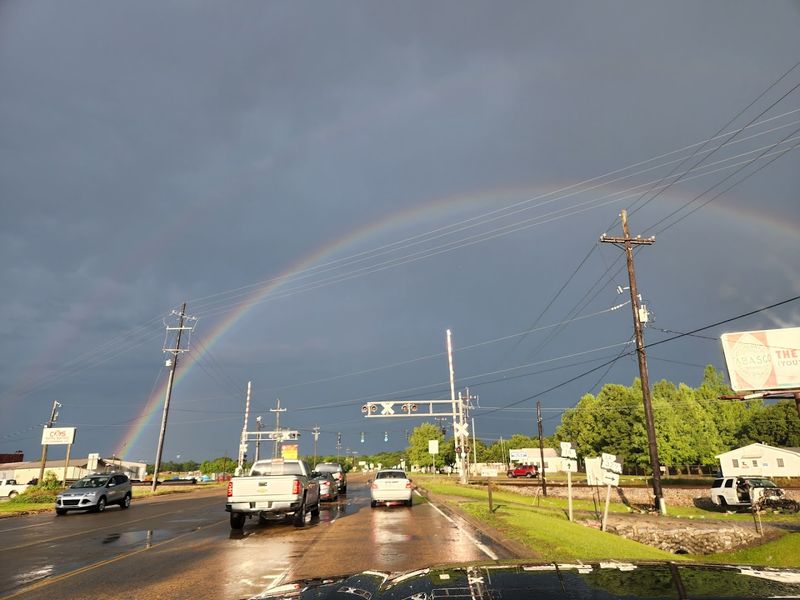
I never would have guessed that a small Louisiana town could pack in this much personality and history.
New Iberia, the parish seat of Iberia Parish in south-central Louisiana, sits along Bayou Teche and overflows with antebellum architecture and sugar cane heritage. It is a town that takes its past seriously without feeling stuck in it.
Shadows-on-the-Teche is the crown jewel of New Iberia. This stunning 1834 plantation home is now a National Trust Historic Site.
Its gardens and bayou setting make it one of the most photographed homes in Louisiana.
Avery Island, just outside the city, is home to the Tabasco factory and McIlhenny Company. Tours of the facility are fascinating for food lovers.
The Jungle Gardens on the island, with its Buddha statue and bird sanctuary, add an unexpected layer of beauty.
Downtown New Iberia has a charming Main Street lined with locally owned shops and restaurants. Cajun and Creole flavors dominate every menu in the best possible way.
Fresh seafood and smoked meats are local favorites worth seeking out.
The Conrad Rice Mill at 307 Ann St, one of the oldest rice mills in the United States, is also here. It still operates and offers tours to curious visitors.
7. Abbeville
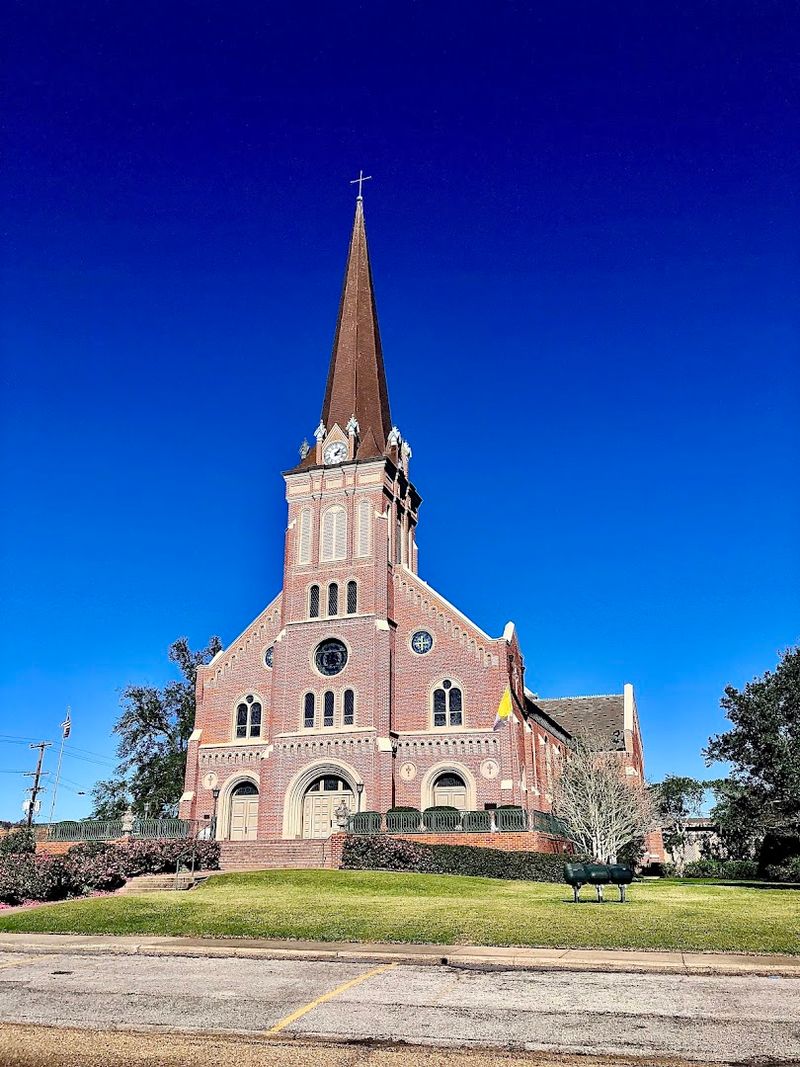
I must admit, towns with a courthouse square at their center always draw me in immediately.
Abbeville, the seat of Vermilion Parish in south Louisiana, is built around a lovely central square that feels straight out of a classic Southern postcard.
Abbeville’s distinctive design is two squares: Magdalen Square, with the church, and Courthouse Square, with the courthouse.
St. Mary Magdalen Catholic Church at 300 Pere Megret St dates back to the 19th century. Its architecture and placement gives Abbeville’s downtown a quietly grand feel.
Few small towns in Louisiana have a backdrop quite like this one.
Abbeville is also known as a top destination for fresh oysters. The Gulf Coast location means the seafood here is incredibly fresh and locally sourced.
Oyster season brings food lovers from across the state to this small but proud town.
The Magdalen Square area is great for an afternoon stroll. Local shops, cafes, and the Abbeville Historic District make it easy to spend a few hours exploring. The pace is relaxed, and the locals are genuinely welcoming.
Vermilion Bay and the surrounding marshlands offer excellent fishing and wildlife watching. Roseate spoonbills, egrets, and herons are common sights in the wetlands nearby.
8. St. Francisville, Louisiana
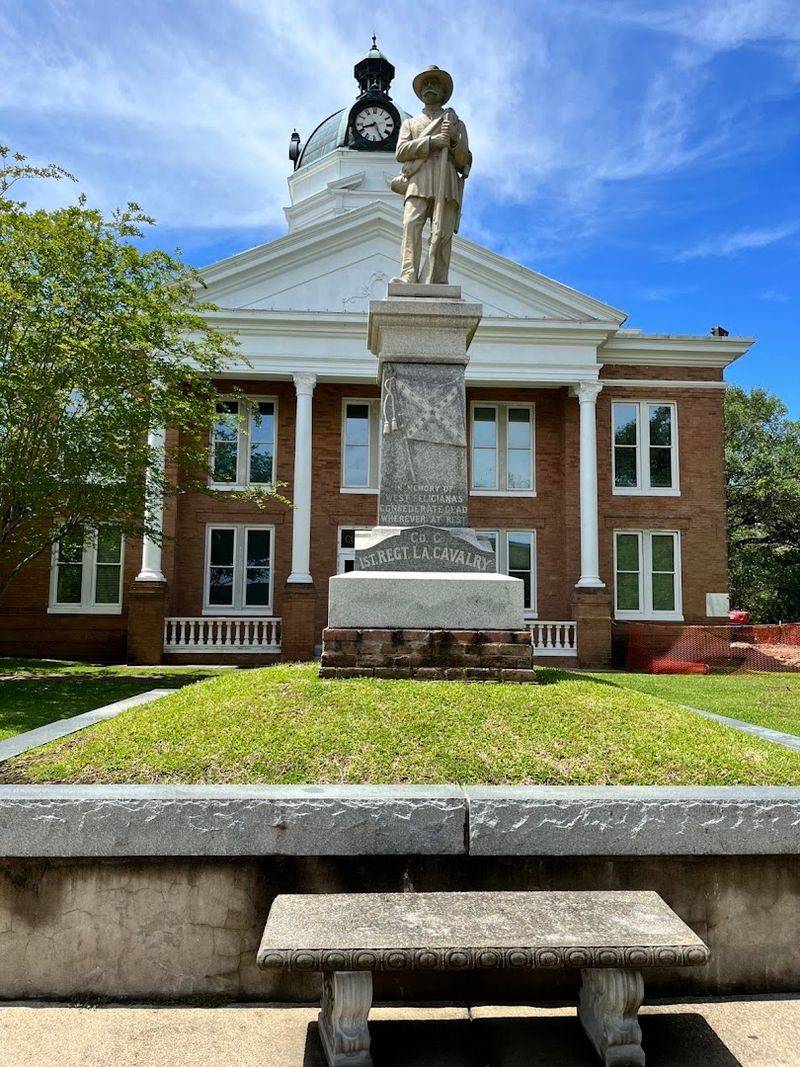
Doesn’t it seem like some towns exist in their own perfectly preserved version of time?
St. Francisville, located in West Feliciana Parish in the Florida Parishes region of southeastern Louisiana, is one of those places. Its historic district stretches for miles and contains one of the largest concentrations of antebellum homes in the entire South.
The town was a prosperous cotton-trading hub in the early 19th century. That wealth built the grand plantation homes that still line the roads today.
Many of them are now open for tours and even overnight stays.
Rosedown Plantation State Historic Site at 12501 LA-10 is the most famous of these estates. Its 28-acre formal garden, designed in the French style, is a breathtaking sight. The main house has been meticulously restored to reflect 1830s grandeur.
The Audubon State Historic Site at 11788 LA-965 is another highlight. John James Audubon spent time here painting birds in the early 1800s. The surrounding forest trails are still alive with the same bird species he documented.
Grace Episcopal Church, founded in 1827, sits in a stunning oak grove cemetery. The town itself is compact and walkable, with galleries and cafes tucked between historic buildings.
9. Donaldsonville
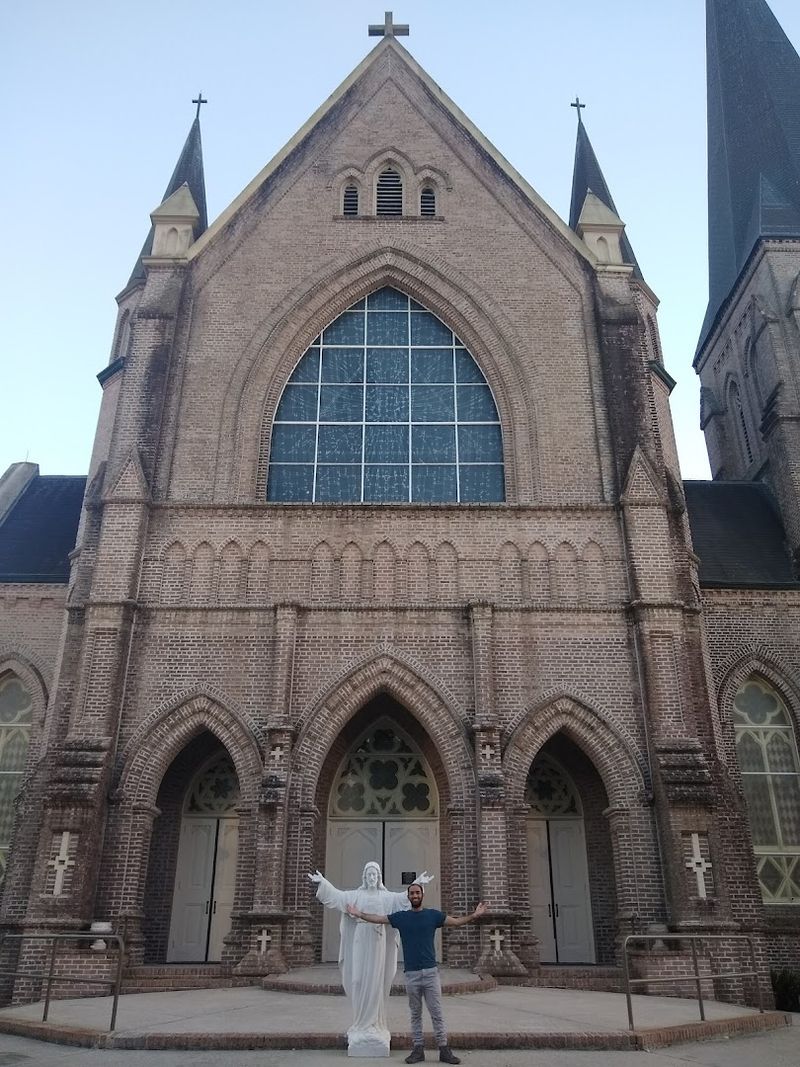
Who would have thought that one of Louisiana’s most historically significant towns sits quietly between two of America’s greatest rivers?
Donaldsonville, located in Ascension Parish in southeastern Louisiana, sits at the junction of the Mississippi River and Bayou Lafourche. It served as the state capital of Louisiana for a brief but notable period in the early 1800s.
That historical weight is still visible throughout the town. The Historic District is packed with 19th-century commercial buildings and homes that have survived remarkably well.
A walk down Railroad Avenue feels like a genuine step back in time.
Fort Butler, a Civil War-era fortification, once stood here at the river’s edge. The site is part of the town’s documented history and adds to its layered past. History enthusiasts will find plenty to research and explore in the local archives.
The Great River Road runs through Donaldsonville, connecting it to a plantation estate. Evergreen Plantation is within easy driving distance. That corridor of history makes for an excellent road trip route.
Local restaurants in Donaldsonville serve hearty Cajun and Creole dishes with a homey feel. The riverfront views are peaceful and worth lingering over.
10. Covington
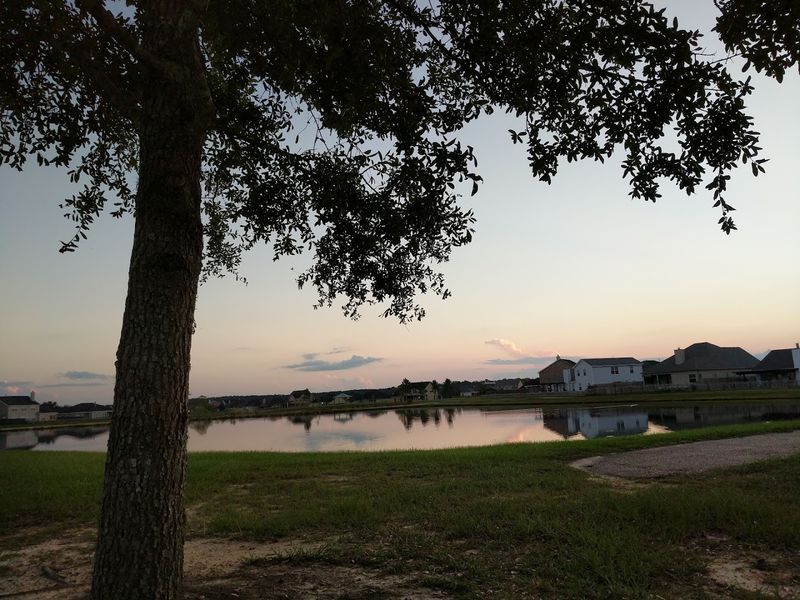
You might not believe me, but a town on the north shore of Lake Pontchartrain can feel like a completely different world from New Orleans.
Covington, the seat of St. Tammany Parish in southeastern Louisiana, sits along the Bogue Falaya River and has built a reputation as one of the most livable and walkable small cities in the state. Its arts scene punches well above its weight.
The historic downtown is filled with independent galleries, boutiques, and restaurants housed in early 20th-century buildings. Columbia Street is the main artery of this charming district.
Weekend mornings here are especially pleasant, with the farmers market drawing locals and travelers alike.
Covington is also a gateway to the Tammany Trace, a 31-mile rail trail that runs through St. Tammany Parish. Cyclists, joggers, and nature lovers use it regularly throughout the year.
The trail passes through forests, wetlands, and several charming towns along the way.
The Bogue Falaya Wayside Park offers a lovely riverside setting for picnics and relaxation. Tall pines and oak trees provide shade along the water’s edge. It is a simple but refreshing outdoor escape.
Covington also has a strong culinary scene rooted in Louisiana tradition. Fresh Gulf seafood and local produce show up on nearly every menu.
11. Opelousas

I know it sounds bold, but Opelousas might be the most underrated food and music town in all of Louisiana.
Opelousas is one of the oldest cities in the state, founded in 1720. It carries that age with a grounded, no-frills kind of confidence.
Zydeco music was born and nurtured in this region, and Opelousas is its spiritual home. Local dance halls and music venues keep that tradition alive on weekends. The energy on a Saturday night here is raw, joyful, and completely authentic.
The Opelousas Museum and Interpretive Center at 315 N Main St covers the city’s rich history in impressive depth. Indigenous cultures, French colonists, Creole communities, and Civil War events are all documented there.
It is one of the better small-city history museums in the state.
The Acadiana area’s famous boudin trail passes right through Opelousas. Several beloved local butcher shops and specialty stores line the main roads into town. Boudin here is made fresh daily and is considered some of the best in Louisiana.