This Maine Lake Plunges More Than 300 Feet Below The Surface
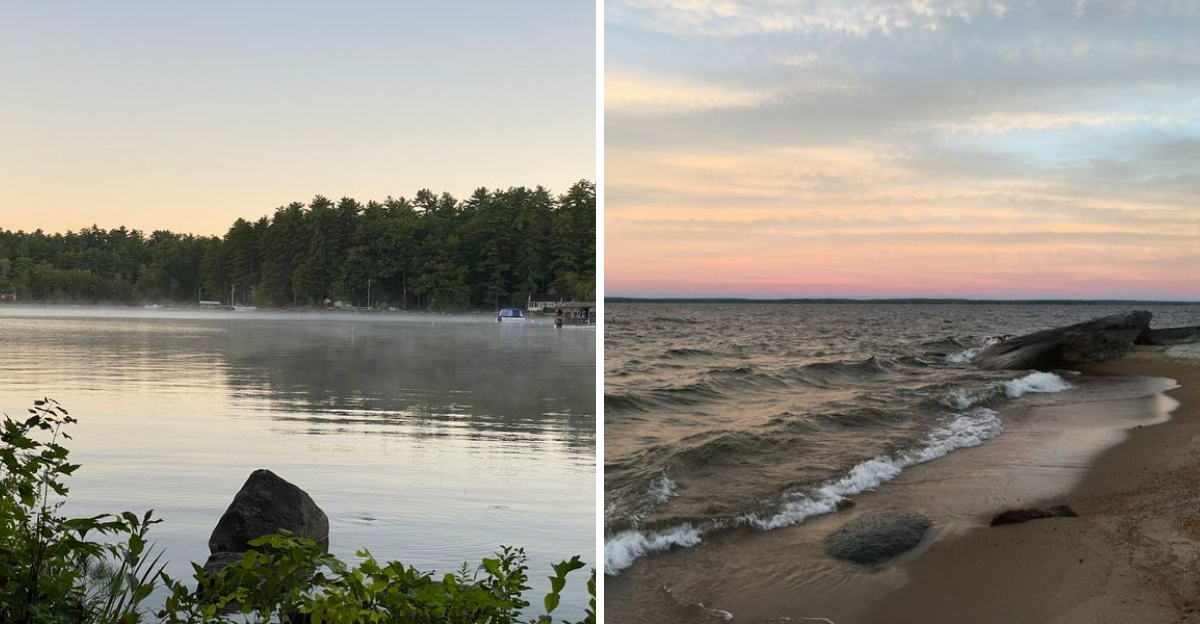
I was floating on a paddleboard when my friend said something that made my stomach drop. Right below us, the bottom was more than 300 feet down.
I stared at the dark water between my feet and tried to picture it. A 30-story building could stand on the lakebed, and the rooftop would still sit far below my board.
Suddenly the water felt very different. Maine is full of beautiful lakes, but this one plays in a league of its own.
The surface looks calm and ordinary, almost modest. The secret hides underneath, in a depth that very few freshwater lakes in the country can match.
Locals swim, fish, and boat here every summer without a second thought. Most have no idea what sits beneath them.
This Maine giant has been keeping its secret in plain sight.
The Staggering Depth That Breaks All Expectations
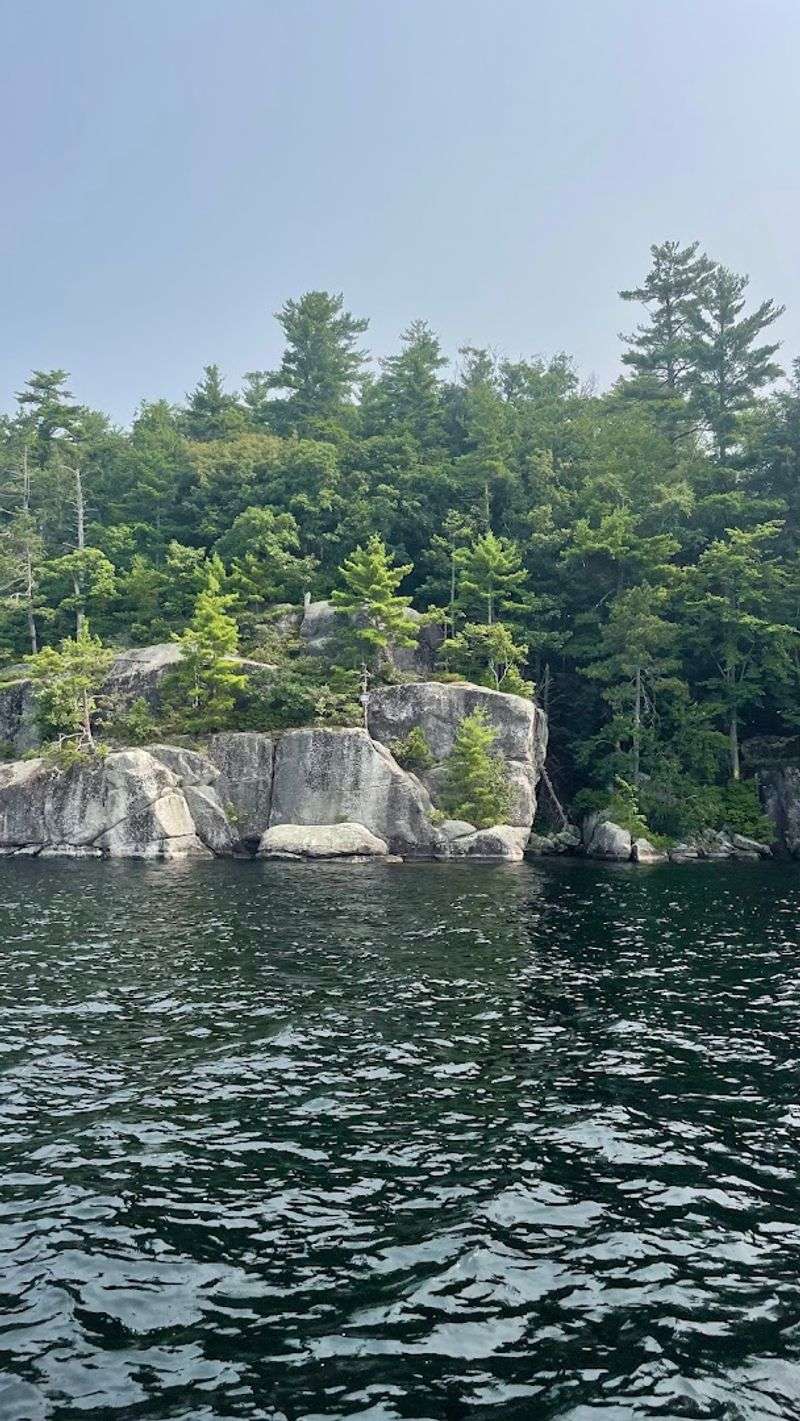
Standing at the edge of Sebago Lake, you get no warning about what lies below. The water looks clear and inviting, almost deceivingly calm.
But beneath that glassy surface, the lake drops more than 300 feet at its deepest point.
That number is hard to wrap your head around at first. A standard 30-story building stands roughly 300 feet tall.
Sebago Lake beats that measurement and then some.
Its average depth sits between 101 and 107 feet, which is already impressive. But the maximum depth takes it to a completely different level.
Most people visiting for the first time have no idea they are floating above such an extraordinary abyss.
Glaciers carved this basin around 12,000 years ago. The ice sheets that once covered this region were powerful enough to grind deep into bedrock.
The result was a lake basin unlike almost anything else in New England.
Parts of the lake bottom actually sit below current sea level. The lake surface itself sits about 267 to 270 feet above sea level.
So the deepest sections of the lakebed technically dip below the ocean’s baseline. That fact alone makes Sebago Lake one of the most geologically fascinating lakes in the entire eastern United States.
Glaciers Did The Heavy Lifting Here
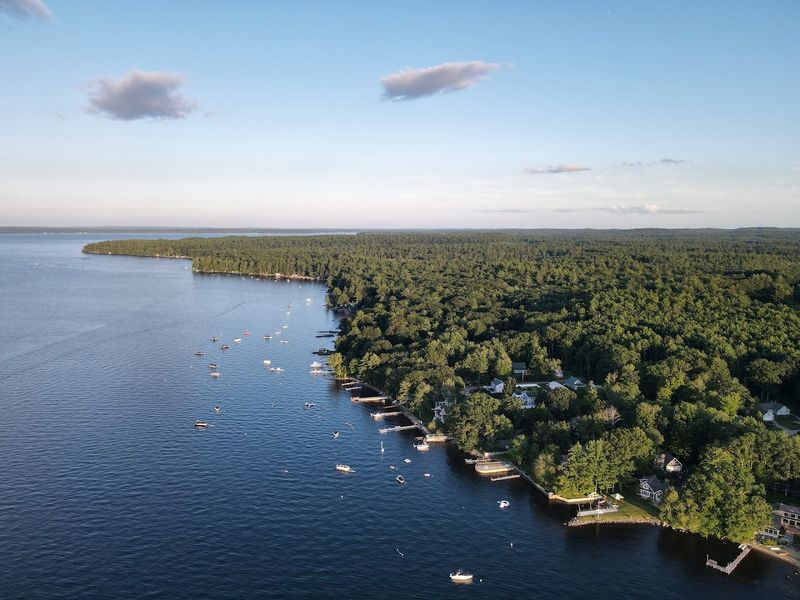
Not every lake has a dramatic origin story, but this one absolutely does. About 12,000 years ago, massive glaciers covered much of what is now Maine.
As those glaciers moved, they scraped and gouged the land beneath them with incredible force.
That grinding action carved a deep basin into the bedrock below Sebago Lake. It was not a gentle process.
It was slow, powerful, and relentless over thousands of years.
When the glaciers finally melted, they left behind meltwater that filled these carved-out basins. Sebago Lake is essentially a glacial gift, shaped by forces most of us can barely imagine.
The depth we see today is a direct result of that ancient geological work.
This type of lake is called a glacially carved lake, or sometimes a kettle lake depending on how it formed. Sebago fits the profile of a lake shaped by glacial erosion on a massive scale.
The bedrock below was simply no match for the weight and movement of all that ice.
Understanding the glacial history makes the lake feel even more special. Every swim, every boat ride, every fishing trip happens inside a bowl carved by prehistoric ice.
That is a pretty wild thing to think about on a sunny summer afternoon.
Why The Water Clarity Here Is Truly Remarkable
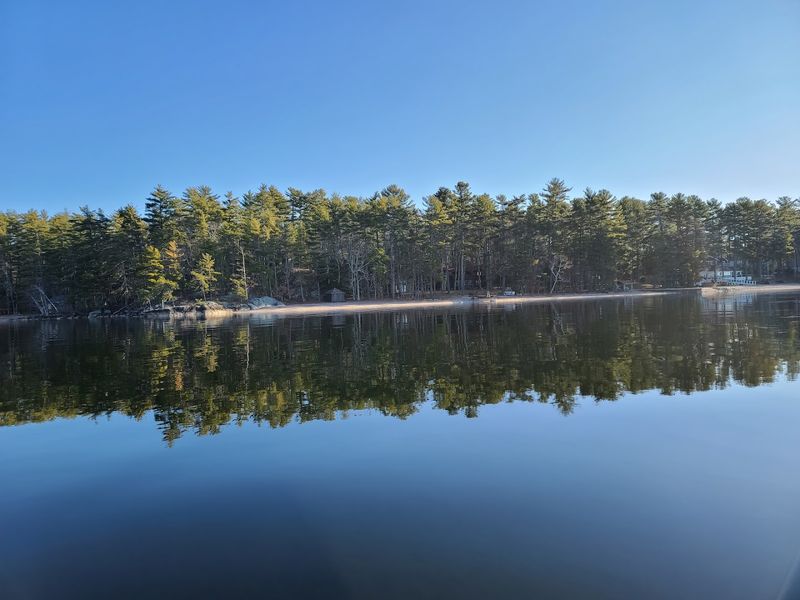
Clear water is something people talk about at Sebago Lake constantly, and for good reason. Visitors often describe being able to see straight to the bottom in the shallower sections.
The visibility in this lake is genuinely impressive compared to most lakes in the region.
The depth plays a big role in that clarity. Cold, deep water stays stratified, meaning warmer and cooler layers do not mix easily.
That stratification limits the growth of algae and other organisms that cloud water in shallower lakes.
The lake also benefits from a relatively undeveloped northwestern shoreline. Less human activity near the water means fewer pollutants and runoff issues.
The combination of natural factors keeps the water unusually clean and clear year-round.
Swimmers love the feeling of floating over deep, transparent water. It is one of those sensory experiences that just stays with you.
Looking down and seeing nothing but blue fading into darkness is both beautiful and a little eerie in the best possible way.
The cold, clear conditions also support a thriving cold-water fishery. Lake trout and landlocked Atlantic salmon thrive in these depths.
Anglers travel specifically to fish Sebago Lake because the water quality creates ideal habitat for these prized species. The clarity is not just pretty.
It is ecologically important.
Sebago Lake Supplies Drinking Water To Thousands
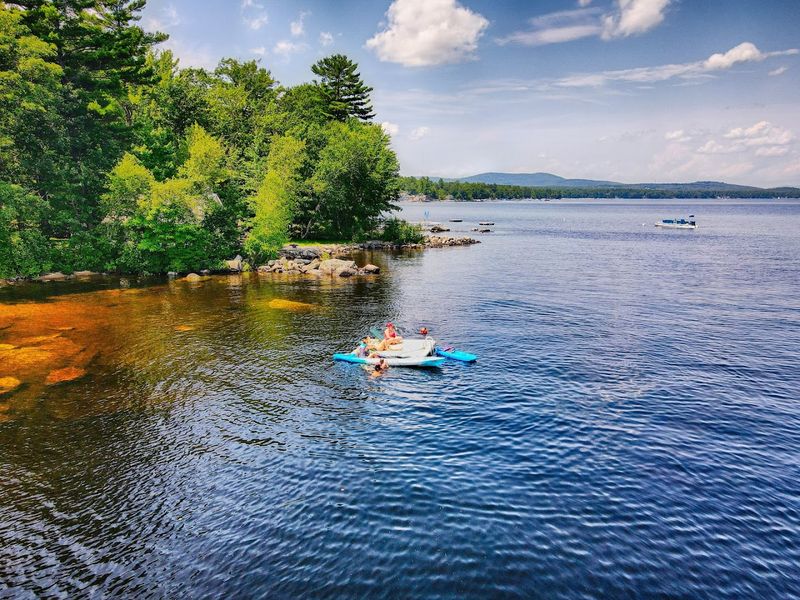
Here is a fact that genuinely surprised me when I first learned it. Sebago Lake serves as the primary drinking water supply for the Portland Water District.
Roughly 20 percent of Maine’s entire population gets their drinking water from this one lake.
That is an enormous responsibility for a single body of water. The lake’s size, depth, and natural clarity make it well-suited for this role.
Clean, cold, deep water is much easier to treat and distribute than murky or shallow alternatives.
The Portland Water District works hard to protect the watershed surrounding the lake. Strict regulations help limit pollution and runoff from nearby land.
Those protections also happen to benefit everyone who visits for recreation.
It is a rare and interesting overlap where environmental protection serves both public health and outdoor enjoyment. When you swim in Sebago Lake, you are essentially swimming in a carefully protected natural reservoir.
That context adds a layer of appreciation to every visit.
The lake covers roughly 28,771 acres and has about 105 miles of shoreline. Its sheer volume of water makes it a reliable source even during dry years.
Knowing that this lake quietly keeps hundreds of thousands of people hydrated every day makes it feel even more essential to the region than its scenic beauty alone would suggest.
Boating And Recreation On One Of New England’s Biggest Lakes
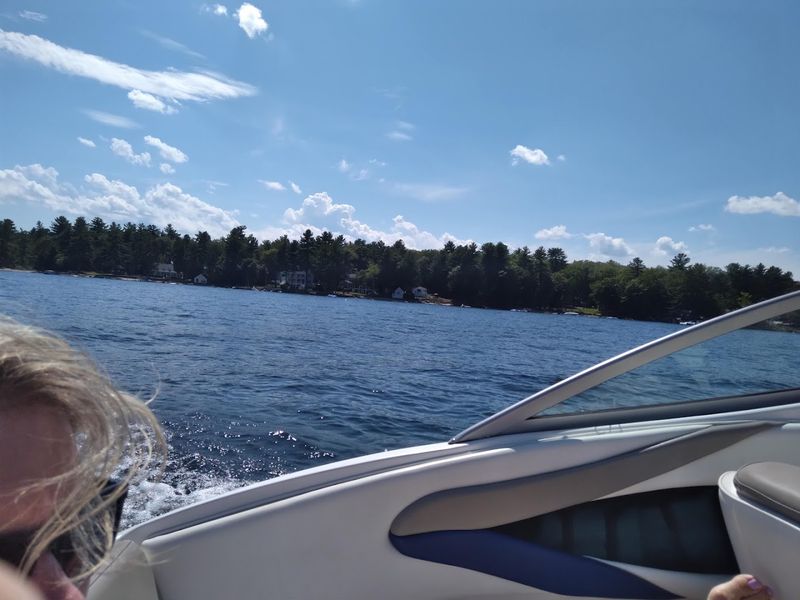
Sebago Lake is the second largest lake in Maine, and that size creates serious room for adventure on the water. With about 105 miles of shoreline and nearly 29,000 acres of surface area, there is no shortage of space to explore.
Boats of all sizes take to these waters every summer.
Pontoon boats are a popular choice for families wanting a relaxed day on the lake. Kayaks and canoes appeal to those who prefer a quieter, more personal experience.
Paddle boards have also become a common sight near the shoreline in recent years.
The lake can get rough when winds pick up, which is something smaller watercraft users should keep in mind. Open water stretches leave little protection from wind-driven waves.
Checking the forecast before heading out is always a smart move.
Multiple public boat launches around the lake make access relatively easy. Long Beach Marina is one well-known spot where visitors can rent watercraft.
Having rental options available means you do not need to own a boat to enjoy the full experience.
Rock jumping is another popular activity, especially around Frye Island. Cliffs along certain sections of the shoreline attract thrill-seekers every summer.
The combination of boating, swimming, tubing, and cliff jumping makes Sebago Lake a genuinely complete outdoor recreation destination for all ages.
The Fishing Scene Is Something Else Entirely
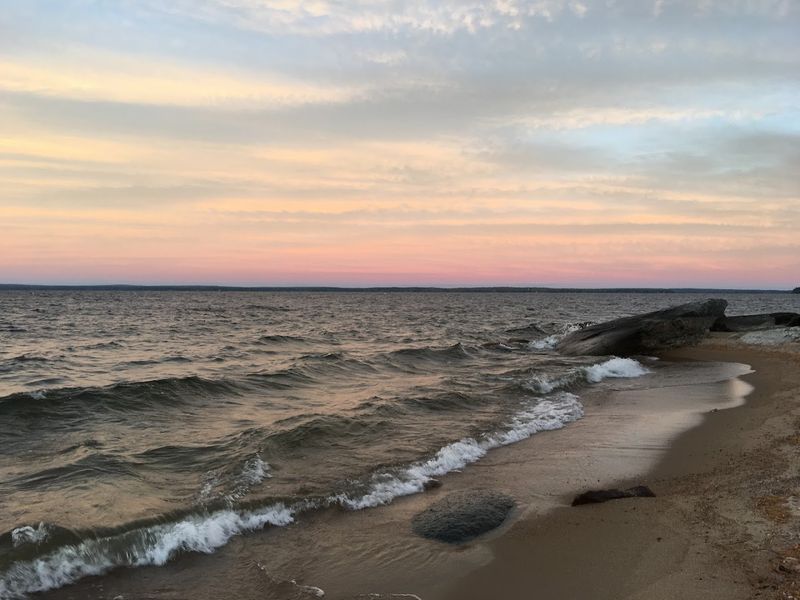
Fishing on Sebago Lake is not just a casual weekend hobby for most people who do it. The lake has a serious reputation among anglers throughout New England.
The depth and cold-water conditions create a habitat that supports species rarely found in typical lakes.
Landlocked Atlantic salmon are one of the biggest draws. Sebago Lake is historically famous for its salmon population.
These fish can grow to impressive sizes in the deep, cold water, and catching one is considered a real achievement.
Lake trout are another prized catch here. They prefer the deepest, coldest sections of the lake and require specific techniques to target successfully.
Trolling at depth with specialized gear is a common approach for serious anglers.
Smallmouth bass, white perch, and other species round out a diverse fishery. There is truly something for every type of angler, from beginners to seasoned veterans.
The variety keeps people coming back season after season.
Ice fishing in winter is also popular here. Parts of the lake may freeze in winter, but ice conditions can vary, and the park specifically advises caution before venturing onto the ice.
Fishing at Sebago Lake is a year-round activity, not just a summer pastime. The depth and cold water ensure fish are active and available no matter the season.
It is a genuinely complete fishing destination.
Camping Right On The Shoreline Is An Absolute Must
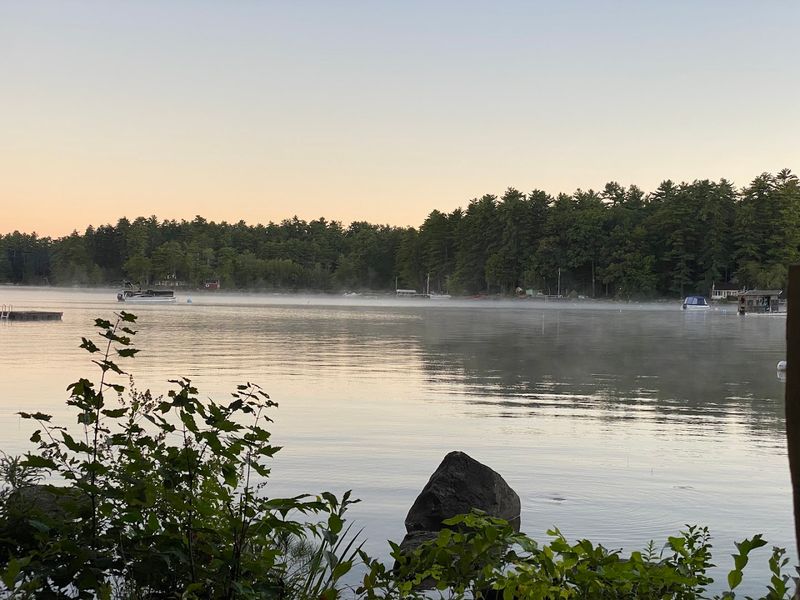
Waking up just steps from one of the deepest lakes in New England is a genuinely special experience. Sebago Lake State Park offers campgrounds that put you right in the heart of the action.
The park sits on the northern end of the lake and draws visitors from across the region.
Campsites range from basic tent spots to sites with electric hookups for RVs. The park is well-maintained and facilities are kept clean and functional.
Showers are available, which is always a welcome bonus after a long day on the water.
The wooded setting around the campground adds to the atmosphere. Tall pines and mixed forest surround most sites, giving each spot a sense of privacy.
Mornings at the campground have a quiet, unhurried quality that feels completely removed from everyday life.
Rangers at the park are known for being knowledgeable and enthusiastic about the area. They can point you toward the best swimming spots, fishing areas, and nearby trails.
That local knowledge is genuinely useful, especially on a first visit.
Reservations fill up quickly during peak summer months, so planning ahead is essential. The park is a popular destination for families, couples, and solo campers alike.
Staying overnight transforms a day trip into a full immersive experience. Sebago Lake at sunrise from a campsite is something worth setting an alarm for.
The Shoreline Has More Personality Than You Might Expect
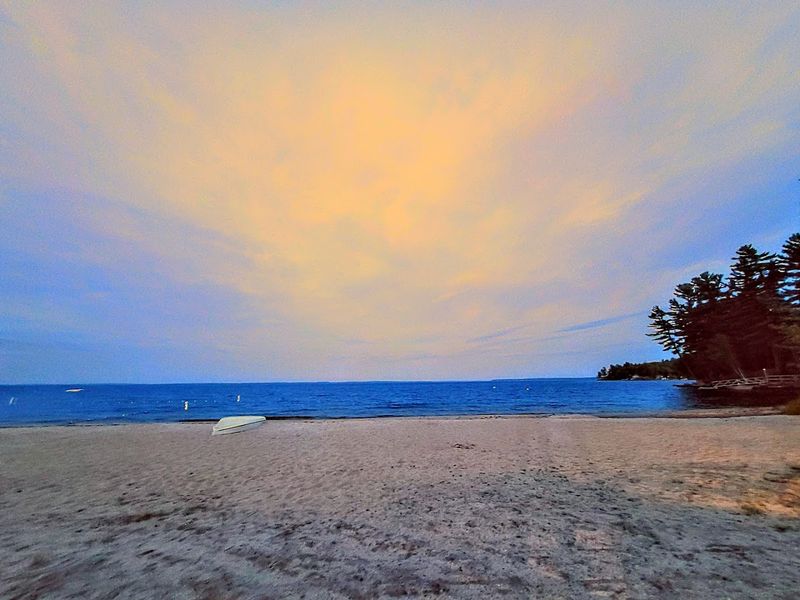
Not every section of Sebago Lake looks the same, and that variety is part of what makes exploring it so enjoyable. The eastern, southern, and northeastern shores have small villages and more developed areas.
The northwestern side stays largely undeveloped, giving it a wilder, more natural feel.
Sandy beaches dot the shoreline and offer classic swimming spots during summer months. The water is clean and clear near the shore, making beach days genuinely refreshing.
Families with young children tend to gravitate toward the calmer, shallower beach areas.
Small shops and local businesses around the lake add character to the surrounding communities. The area has a relaxed, unhurried vibe that feels different from busier tourist destinations.
It is the kind of place where people return year after year because it feels familiar and comfortable.
Songo Locks is a unique nearby feature worth mentioning. It is reportedly one of the last remaining hand-operated waterway crossings of its kind.
Watching it operate is a surprisingly interesting experience that gives a sense of the region’s history.
The mix of natural landscape, small-town charm, and accessible recreation makes the shoreline feel genuinely inviting. Every corner of this lake seems to offer something slightly different from the last.