10 Idaho Rivers Where Rockhounds Search For Agates, Jasper, And Tiny Flashes Of Gold
River treasure hunting has a way of making grown adults crouch beside the water like raccoons with geology degrees.
That tiny flash under the current can turn a calm afternoon into a full search mission before anyone has even admitted how excited they are.
Suddenly, Idaho feels like it has been hiding shiny secrets on purpose, and every scoop of gravel starts looking suspicious in the best way.
The fun comes from joining the hunt and letting the river make you earn the reward.
A good find might be small, but it can still make the whole day feel wildly successful.
Beginners can show up curious, while experienced rockhounds already know patience is part of the game.
Grab a pan and follow the sparkle, because these rivers are not going to brag about their treasures for you.
1. Salmon River
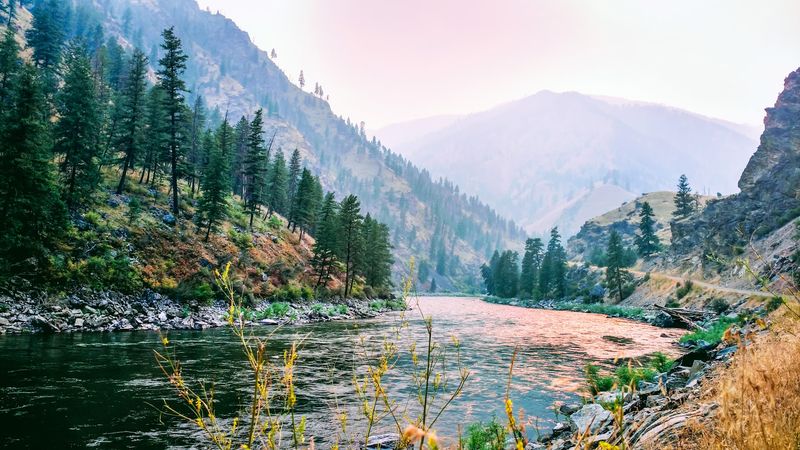
Rugged canyon scenery gives the Salmon River a rockhounding mood that feels bigger than the bucket in your hand.
Known widely as the River of No Return, this long central Idaho waterway cuts through varied mountain geology. That geology helps explain why gravel bars near places such as Salmon, Riggins, and White Bird attract collectors looking for colorful river-worn material.
Agate, jasper, quartz, and occasional placer gold are the kinds of finds people hope for, but the smartest wording here is “search for,” not “guarantee.”
Rivers constantly move material, and a promising bar one season can look completely different after high water. Early morning helps because wet stones and low-angle light make translucent pieces easier to notice.
A spray bottle, hand lens, small scoop, gloves, and sturdy shoes are more useful than brute force. Because much of this region includes public lands, agency rules still matter, especially around mining claims, protected areas, and stream disturbance.
The Salmon-Challis National Forest specifically notes that prospecting, rockhounding, and fossil hunting are popular activities, but visitors need to understand regulations before collecting. The Salmon rewards patience, careful eyes, and respect for one of Idaho’s wildest river corridors.
2. South Fork Payette River
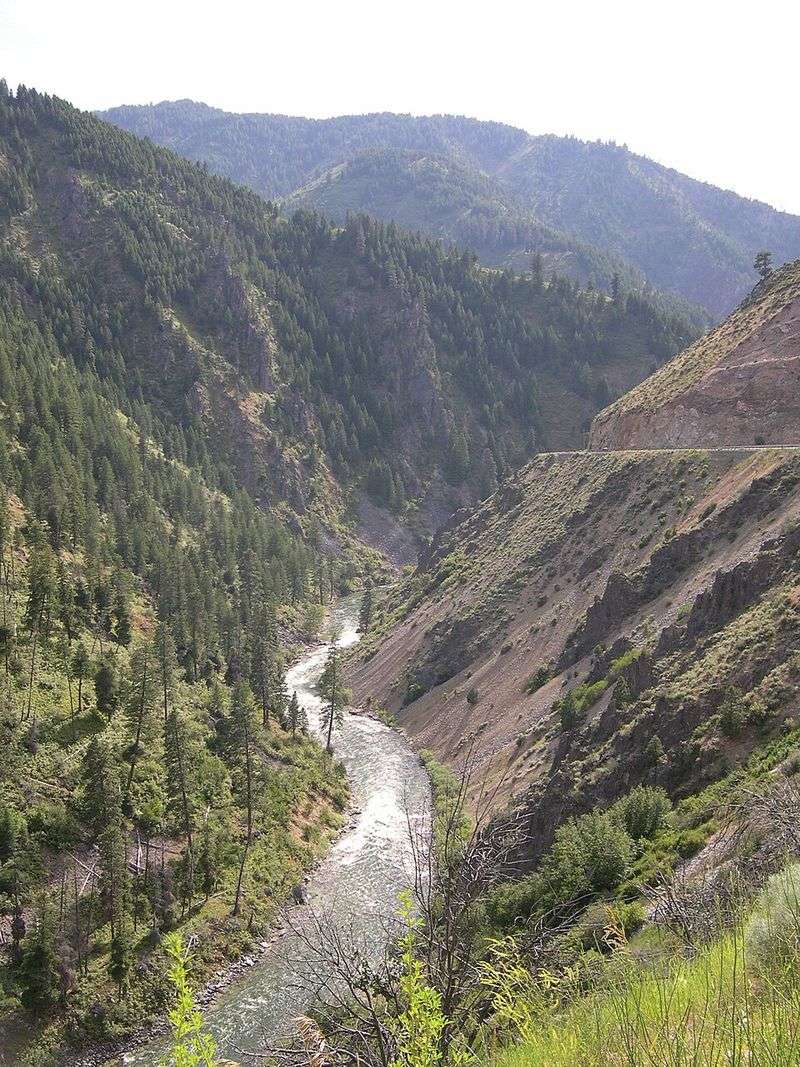
Mountain road scenery makes the South Fork Payette River especially tempting for collectors who want a beautiful drive with their rock search.
Between Lowman, Garden Valley, Banks, and Crouch, the river cuts through Boise National Forest country where volcanic and granitic influences help create a mixed gravel story.
Rockhounds commonly look for jasper, agate, quartz, chalcedony, and other polished stones along exposed bars, especially after runoff has shifted material. The key is to keep claims modest.
This is not a river where every bend throws treasure into your palm. It is a place where careful searching can turn up attractive pieces if water levels, access, and luck cooperate.
Polarized sunglasses help reduce glare in shallow water, while a spray bottle reveals colors on dry rocks that may look dull at first glance. Late summer and early fall are often easier for safe gravel-bar access because spring snowmelt can make the river powerful and dangerous.
Boise National Forest’s minerals and geology guidance points visitors toward agency contact for prospecting and mineral questions, which is useful before doing more than casual looking. For rockhounds who enjoy scenery as much as finds, this river corridor is hard to beat.
3. Boise River
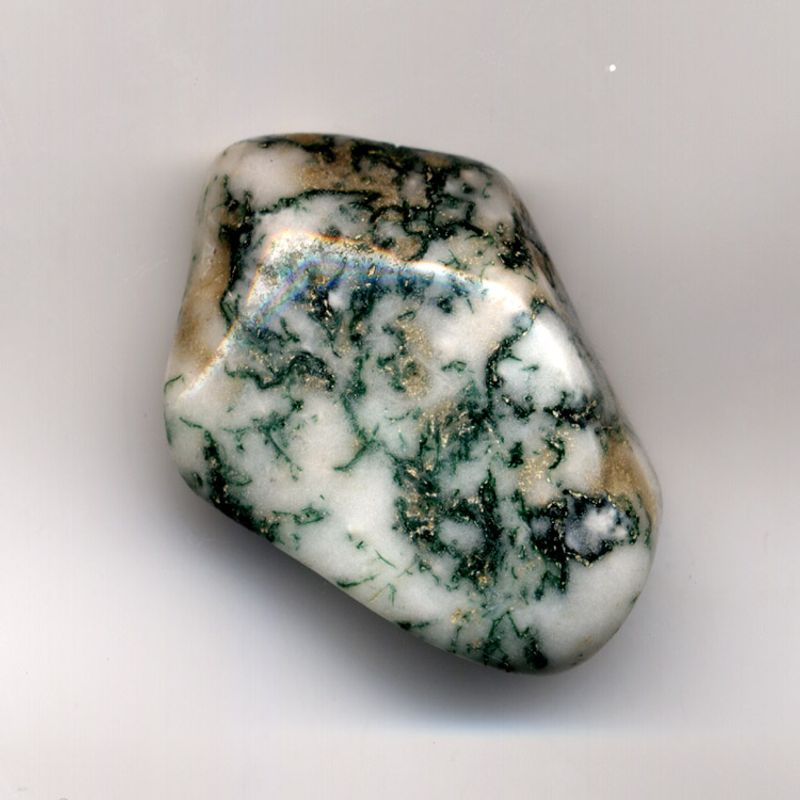
Urban access makes the Boise River a practical starting point for beginners who want to train their eyes before driving deep into the backcountry.
From foothill stretches near Lucky Peak down through Boise, the river carries a mix of rounded stones. These include quartz, chalcedony, jasper-like pieces, and occasional agate-looking material, making gravel-bar searching surprisingly absorbing.
The best part is convenience. A visitor can combine a Greenbelt walk, a simple rock search, and a city day without turning the outing into a full expedition.
That convenience comes with extra responsibility, though. City parks, private property, restoration areas, and riverbank protections may limit where collecting is appropriate, so casual observation is often the safest approach in busy public sections.
If panning or disturbing streambed material is the goal, Idaho’s recreational mining guidance becomes relevant because moving material below the ordinary high-water mark can trigger rules. Weekday mornings are usually calmer, and lower-water periods make gravel easier to inspect.
A hand lens, small bag, and good restraint are enough for a casual outing. The Boise River proves that rockhounding curiosity does not always need remote wilderness, but it does need common sense, permission, and respect for shared urban river space.
4. Snake River
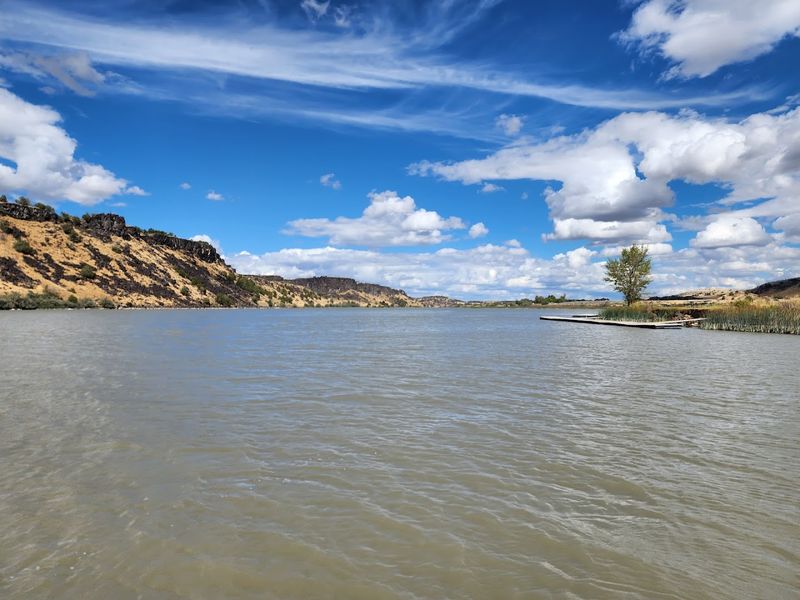
Basalt cliffs, big water, and long southern Idaho history make the Snake River one of the state’s most recognizable rockhounding corridors.
Around Twin Falls, Hagerman, Swan Falls, and other accessible stretches, collectors often search gravel bars and nearby public lands. Common finds include agate, jasper, chalcedony, petrified wood fragments, and the occasional tiny flash of placer gold.
The wider Snake River Plain is strongly shaped by volcanic activity, which helps explain the variety of silica-rich materials that show up across the region. Still, access varies sharply.
Some riverbanks are private, some areas are managed for recreation or wildlife, and some collecting locations may fall under specific BLM or state rules.
Bureau of Land Management guidance for Idaho states that collecting rocks, mineral specimens, gemstones, petrified wood, and common invertebrate fossils on public lands is generally allowed as casual use.
This applies when collecting is not prohibited and disturbance of the land remains limited.
That makes checking land status a real part of the hobby, not an annoying extra step. Late summer can expose more bars, but heat and water safety matter.
The Snake is powerful, scenic, and productive enough to spark curiosity, but the best collectors here are patient, prepared, and careful about where they step.
5. Clearwater River
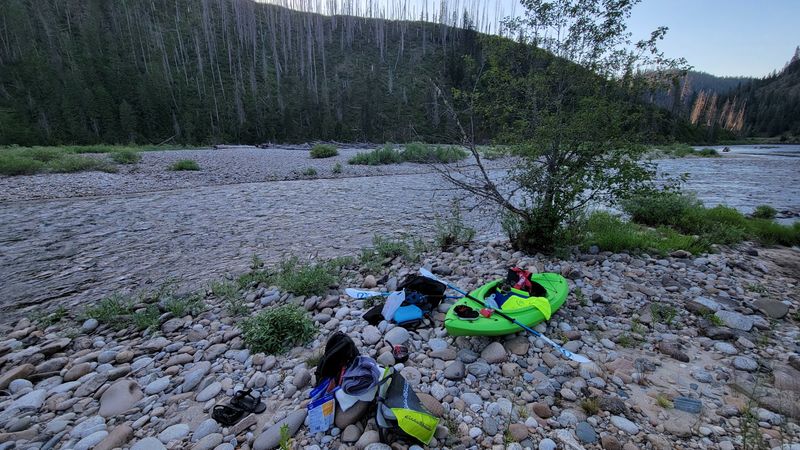
Forested banks and gold-rush history give the Clearwater River a different feel from Idaho’s desert rivers.
Flowing through north-central Idaho toward Lewiston, the river passes areas long associated with mining interest. That history explains why modern rockhounds still inspect gravel bars for agate, jasper, quartz, and tiny placer-gold possibilities.
The best finds often come from reading the river rather than wandering randomly. Inside bends, recently exposed bars, and places where heavier material naturally settles can be more interesting than smooth, heavily walked banks.
Wet stones reveal color better, so shallow edges after safe water drops can be useful for spotting jasper reds, pale chalcedony, and patterned pieces.
A simple gold pan may be worth carrying for hobby-level testing, but Idaho recreational mining guidance should be checked before disturbing streambed material.
Fall can be a comfortable season for searching because cooler weather makes long riverside hours easier, and the surrounding trees add color to the trip. Water levels can change quickly after storms or upstream releases, so safety matters more than any possible find.
The Clearwater works best for rockhounds who enjoy a mix of scenery, history, and slow gravel-bar searching rather than instant payoff.
6. Payette River
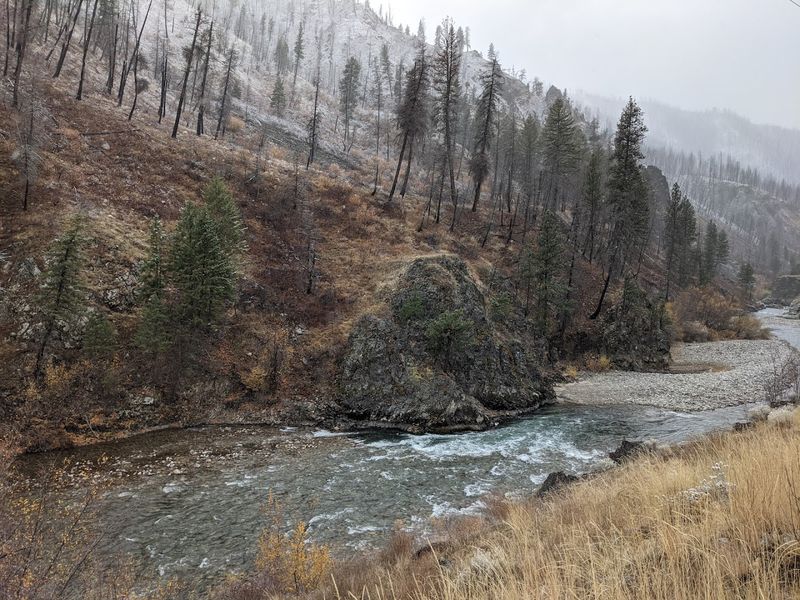
Changing terrain makes the Payette River appealing because the river system passes through mountain, reservoir, canyon, and lower-valley settings before joining the Snake River.
Around McCall, Cascade, Horseshoe Bend, and Emmett, rockhounds search for colorful river-worn stones, jasper, agate-like chalcedony, quartz, and occasional pieces of petrified wood depending on the stretch.
The lower Payette and Black Canyon Reservoir area are often mentioned by hobby collectors for agate and jasper, which gives the river a stronger public reputation than some quieter waterways. That does not mean every gravel bar is open or productive.
Public access, private land, reservoir rules, and seasonal water levels all shape what a visitor can actually do. After spring runoff settles, newly shifted gravel can be easier to inspect, and later summer often makes bars more approachable.
A spray bottle helps reveal color, and polarized sunglasses can make submerged stones easier to judge. This is also a good river for beginners because the scenic drive and nearby towns make planning less intimidating than remote backcountry trips.
The Payette’s real strength is variety. A patient collector can sample different sections and learn how much a river’s mood changes from mountain water to lower-valley gravel.
7. St. Joe River
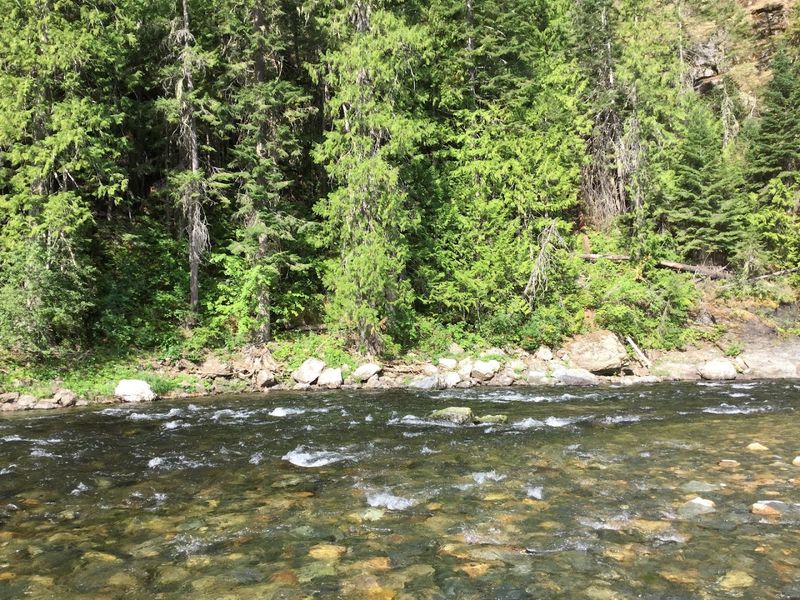
Clear water gives the St. Joe River one of the prettiest rockhounding experiences in northern Idaho.
Between St. Maries and Avery, the river winds through forested country where gravel bars can hold quartz, jasper, agate-like chalcedony, and other smooth stones washed down from the surrounding mountains.
The scenery is a major part of the reward. Even a modest collecting day feels memorable when the water is transparent, the road follows the river, and the forest closes in around the bends.
Rockhounds should approach this river gently, especially because clear water can make it tempting to step farther into current than conditions allow. Shallow edges, exposed bars, and safe pullouts are better places to search than slippery midstream rocks.
Weekdays tend to feel quieter than summer weekends, when anglers, campers, and paddlers also use the corridor.
Idaho public-land rockhounding rules still apply, and collectors should check Forest Service or local land status before taking material, especially near campgrounds, private parcels, or sensitive areas.
A small bag, water shoes, and a careful eye are enough for a simple outing. The St. Joe is not just about what comes home in a pocket.
It is about how beautiful the search feels.
8. Coeur d’Alene River
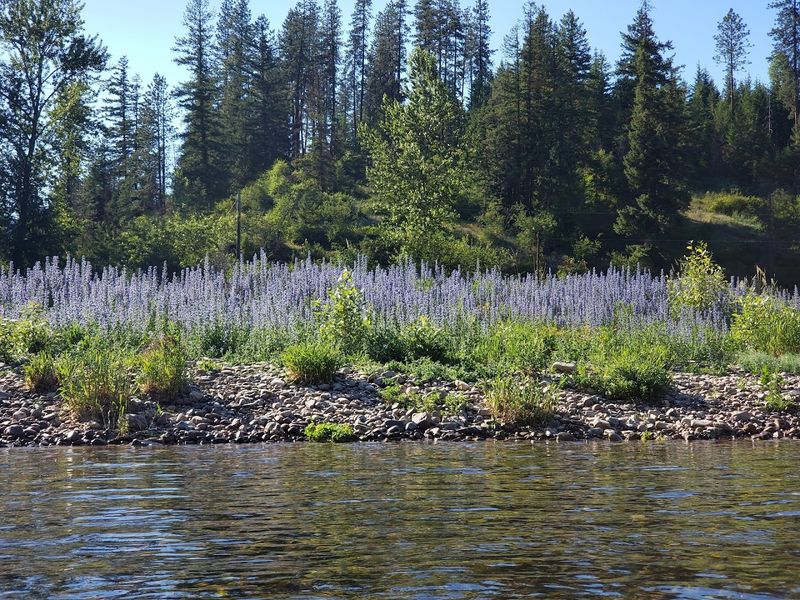
Mining history makes the Coeur d’Alene River fascinating, but it also makes this entry the one that needs the strongest caution. The river flows through Idaho’s Silver Valley, a region deeply shaped by historic mining, and that legacy left heavy-metal contamination in parts of the Coeur d’Alene Basin.
University of Idaho Water Resources Research Institute notes that the basin, lake, and Spokane River are impacted by heavy metals from historic mining and are part of the Bunker Hill Mining and Metallurgical Complex Superfund Site.
That does not mean visitors cannot enjoy the region, but it does mean rockhounding here should be approached with care, current safety guidance, and respect for posted signs.
Visitors should treat this corridor as observation-first unless current local safety and land-management guidance clearly supports collecting at a specific spot. Wash hands, avoid eating on bare ground, keep kids from playing in sediments, and follow local “Play Clean” recommendations.
Cataldo and the Trail of the Coeur d’Alenes area add historical context, but the safest version of this outing is more observation-focused than haul-focused. The river’s geology is interesting, but public health guidance comes first.
9. Little Wood River
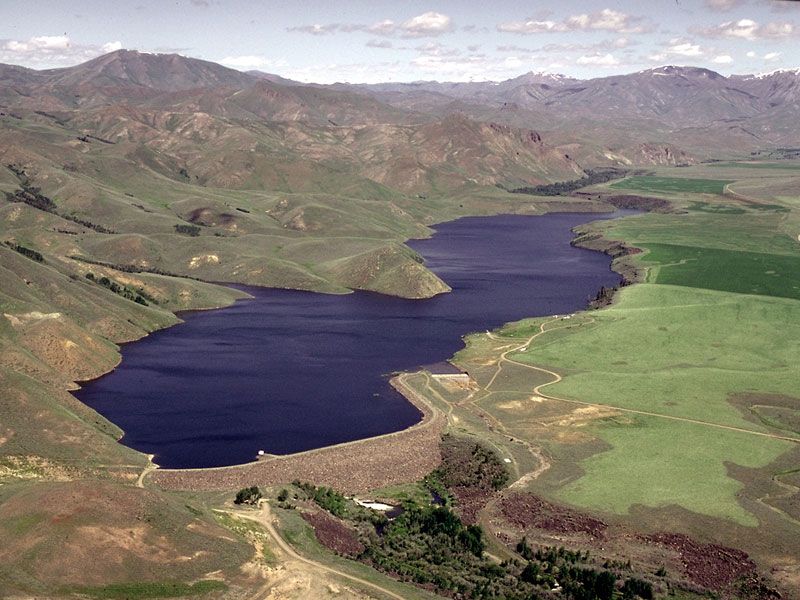
High-desert quiet gives the Little Wood River a slower, more searching kind of appeal.
Near Carey, Richfield, and Shoshone, the river moves through volcanic country. In these areas, collectors may look for jasper, chalcedony, agate-like pieces, quartz, and dark volcanic material in gravel bars and surrounding public-land areas.
The original claim about obsidian fragments should be treated carefully, since obsidian is often found in Idaho’s volcanic regions. However, whether it appears along any specific river stretch depends on local geology and legal access rules.
That makes the Little Wood a better fit for patient exploring than bold promises.
Spring and fall are more comfortable than peak summer, when exposed desert heat can make a casual rock search feel punishing. Bring more water than seems necessary, wear sun protection, and avoid pushing into muddy banks or unstable edges.
If collecting happens on BLM land, casual-use rules may apply, but restrictions, private land, and sensitive sites can still change the answer from one spot to the next. The pleasure here comes from space, silence, and the chance of spotting color among plain-looking gravel.
For rockhounds who enjoy less crowded places, the Little Wood offers a quieter Idaho river story.
10. Big Lost River
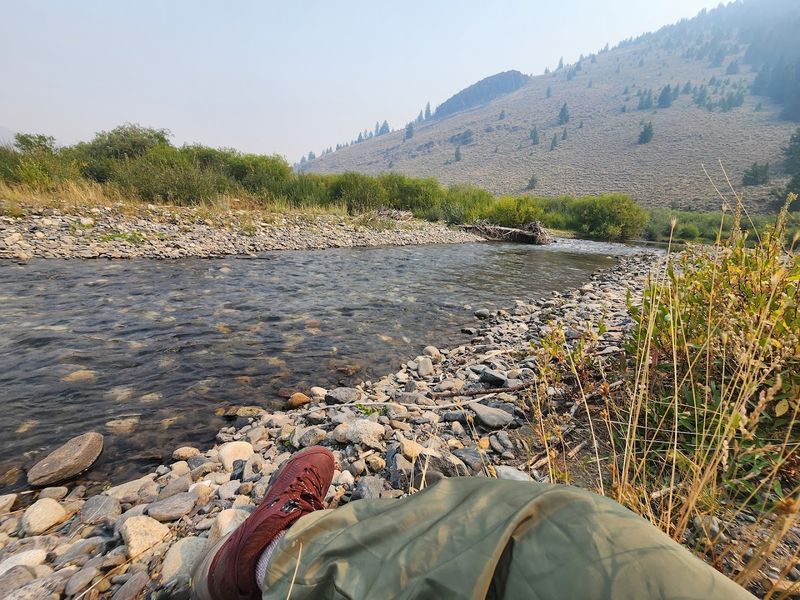
A disappearing river gives the Big Lost River a natural mystery before anyone even starts looking for stones. Near Mackay and Arco, the river drains the Lost River Range and eventually sinks into the Snake River Plain aquifer, which makes the landscape feel unusual even by Idaho standards.
Rockhounds often search gravel bars and nearby public areas for jasper, agate-like chalcedony, quartz, and garnet possibilities. In suitable sediments, they may also look for small placer-gold color, especially in stretches influenced by mineral-rich mountains.
Mackay’s mining history adds to the appeal, but it also means claims and land status need attention before any panning or collecting.
The Forest Service’s prospecting guidance for nearby national forest lands reminds visitors not to dig or alter stream banks, to fill hand excavations, and to get permission before panning on mining claims.
Late summer often provides lower water and better gravel access, while spring runoff can make the river unsafe and cloudy.
A gold pan, hand lens, gloves, and careful map check are more useful than heavy equipment. The Big Lost rewards people who like geology with a little drama: big mountains, disappearing water, quiet gravel bars, and the chance of a tiny flash in the pan.