These Are The Best North Carolina Places To Find Shark Teeth, Gemstones, Quartz, And More
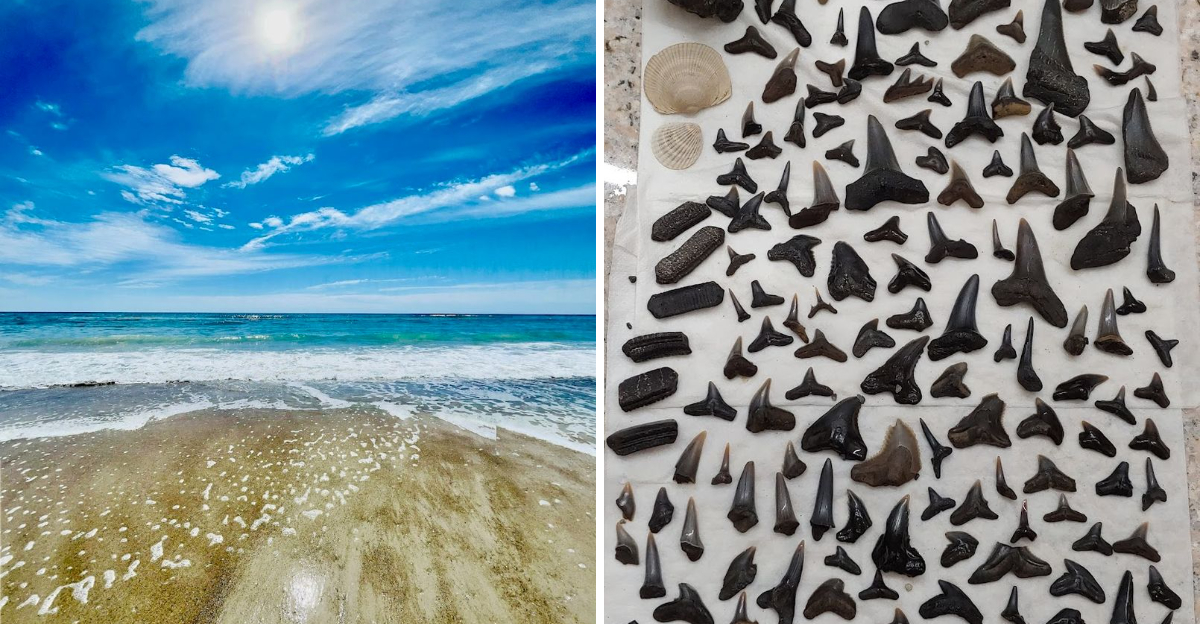
Treasure hunting in North Carolina can make a perfectly normal adult start crouching in the dirt like a pirate who misplaced the map.
One minute, the plan is just to look around.
Next, every pebble seems suspicious, every scoop feels promising, and suddenly a bucket becomes serious equipment. That is the fun of searching here.
The state offers the kind of variety that keeps explorers curious, from mountain digging spots to coastal finds that feel like tiny pieces of ancient drama.
No one needs a dramatic hat or a movie soundtrack, although both would probably help morale.
Patience matters more than luck, especially when the best discoveries like to hide just long enough to make people question their eyesight.
Bring curiosity, bring comfortable shoes, and prepare to say, “Wait, is this something?” about 47 times.
1. Emerald Hollow Mine
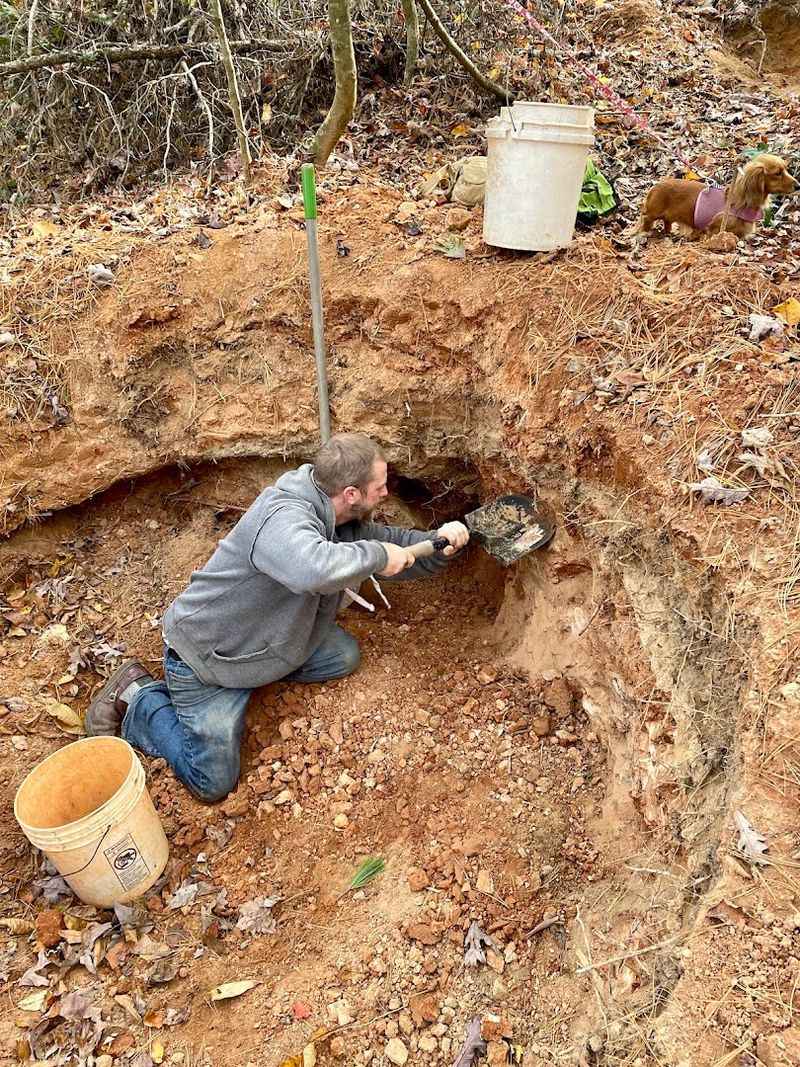
Hiddenite gives gemstone hunters one of North Carolina’s boldest claims, and Emerald Hollow Mine is the place behind it. The mine describes itself as the only emerald mine in the world open to the public for prospecting, which instantly makes the stop feel bigger than a basic tourist sluice.
Visitors can dig in the mine area, sluice through material, or search the creek, depending on how hands-on they want the experience to be. That variety helps beginners and more serious rockhounds enjoy the same property at different levels of effort.
Emeralds are the headline, but public mine information and visitor listings also point to other possible finds such as hiddenite, quartz, amethyst, and additional mineral material tied to the Brushy Mountains.
The best part is that the visit feels connected to real North Carolina gem history instead of a generic bucket-of-rocks setup.
Hiddenite itself is named for the rare green gemstone found in this region, which gives the whole outing extra context. Families can make it casual, while collectors can take the search more seriously.
For a first North Carolina gem stop, Emerald Hollow is hard to beat. Emerald Hollow Mine is at 484 Emerald Hollow Mine Drive, Hiddenite, NC 28636.
2. Mason Mountain Mine And Cowee Gift Shop
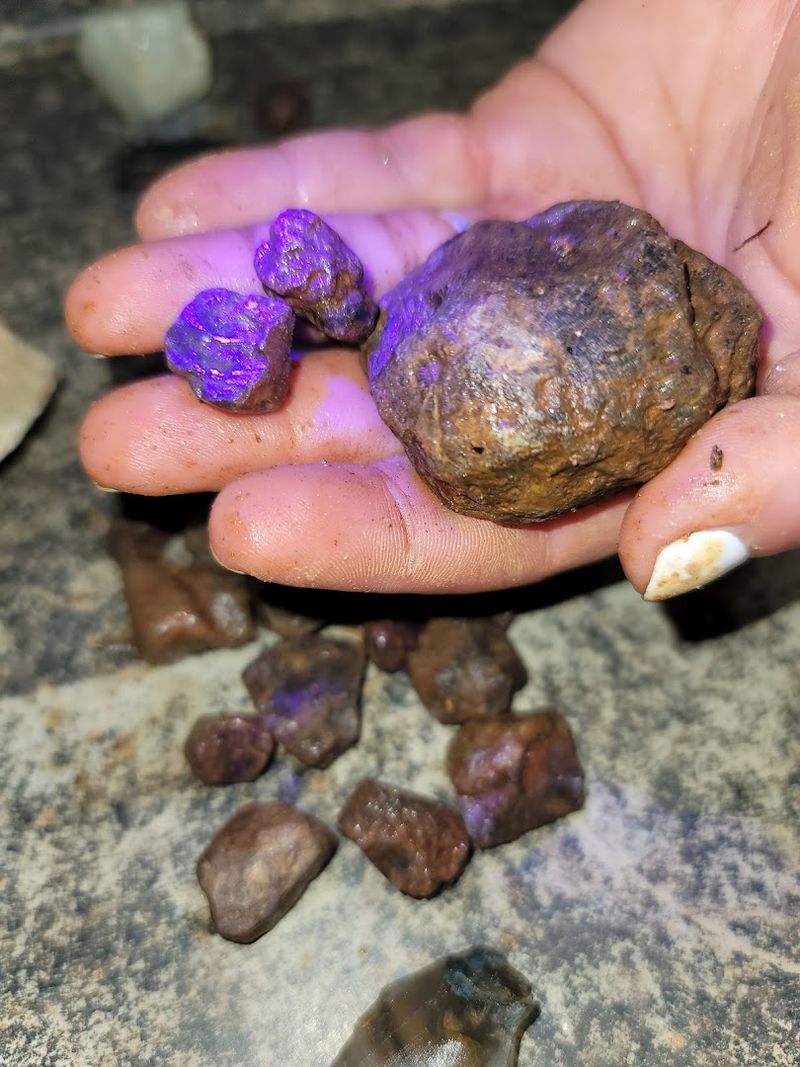
Franklin’s gem reputation gets a very real boost from Mason Mountain Mine and Cowee Gift Shop because this stop focuses on native material from its own private mine. The mine advertises 100% native, unsalted dirt for its native dig pile, meaning nothing is added to make the search easier or flashier.
That detail matters to rockhounds who want the thrill of finding what actually belongs to the mountain.
Experience Franklin notes that Mason Mountain material may include rhodolite garnet, ruby, sapphire, kyanite, moonstone, cordierite, and smoky quartz. That variety gives visitors a strong reason to slow down and examine every promising piece.
The setup works especially well for people who want authenticity but still appreciate guidance, supplies, and staff who can help identify finds. Beginners get the structure of a visitor-friendly mine, while serious hobbyists get a more satisfying connection to local geology.
The Cowee Gift Shop adds the useful second half of the experience, with help, souvenirs, and a place to better understand what came out of the dirt. Franklin has many gem stops, but native unsalted material gives this one its strongest hook.
Mason Mountain Mine and Cowee Gift Shop is at 5315 Bryson City Road, Franklin, NC 28734.
3. Aurora Fossil Museum
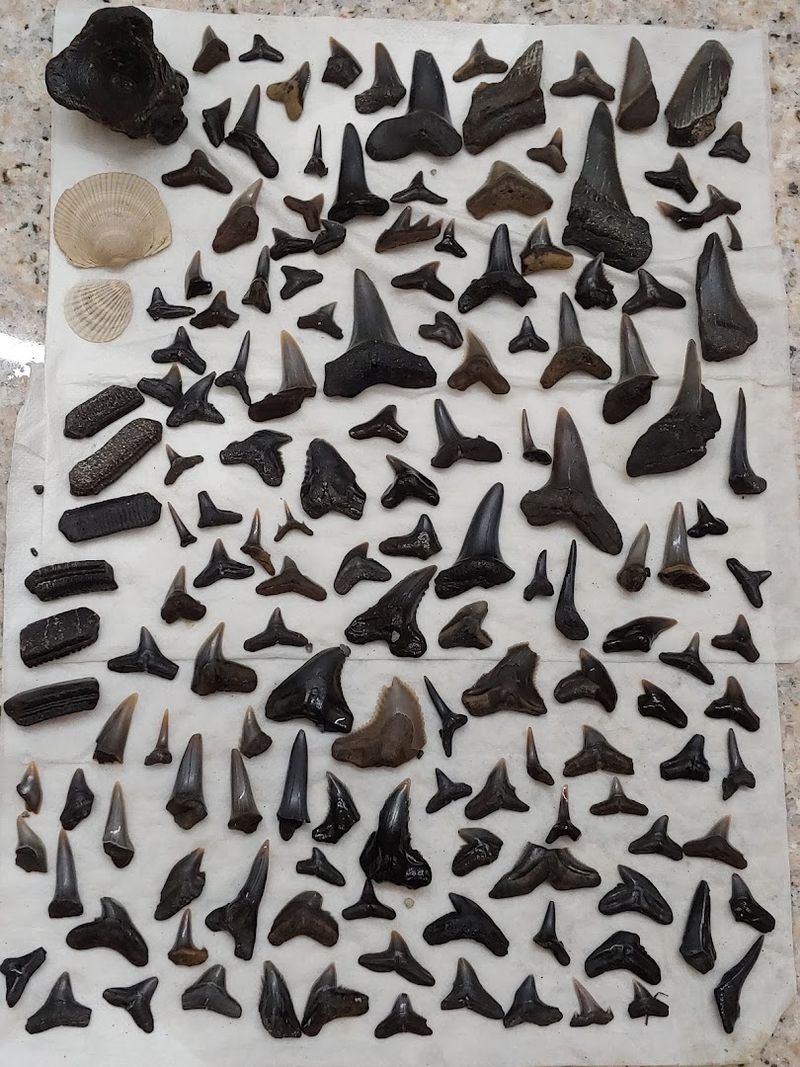
Free fossil hunting makes Aurora Fossil Museum one of the easiest treasure stops to love.
The museum sits in Aurora, a small Beaufort County town tied to the famous Lee Creek fossil record, and its fossil park gives visitors a hands-on chance to search through fossil-bearing material.
Official museum information lists the address as 400 Main Street and notes that the fossil park and fossil pits operate on the same schedule as the museum. That matters because access to the outdoor areas is not available when the museum is closed.
Shark teeth are the big draw, and the museum’s own educational materials say fossil shark teeth are the most common fossil found in the neighboring phosphate mine.
That makes the search exciting without needing to oversell it. Nobody is promised a perfect tooth, but the odds of finding something interesting feel friendly enough for kids, beginners, and casual fossil fans.
The museum galleries add context, showing why these fossils matter and how ancient marine life shaped the region long before anyone was digging through piles with a screen.
Donations and gift shop purchases help support the admission-free tradition, which makes the stop feel generous as well as educational.
Aurora Fossil Museum is at 400 Main Street, Aurora, NC 27806.
4. Mason’s Ruby & Sapphire Mine
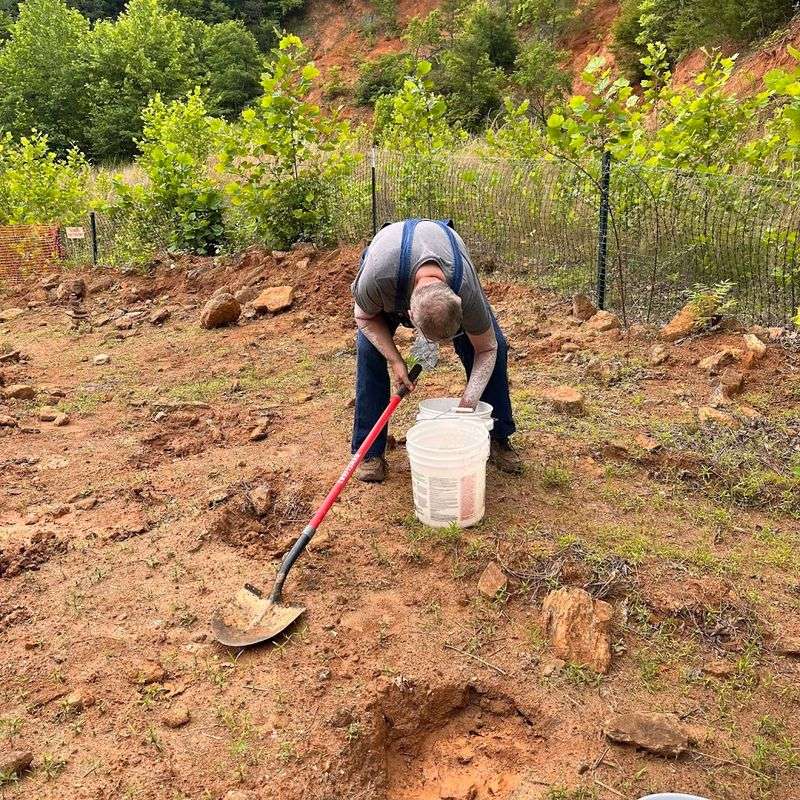
Decades of digging give Mason’s Ruby & Sapphire Mine the kind of credibility gem hunters appreciate.
The mine describes itself as a native dig-your-own gem mine that has been operating since the 1950s, while Franklin Chamber information calls it Franklin’s original “Dig Your Own” native gemstone mine.
That history gives visitors a more grounded experience than a simple roadside bucket stop. The main appeal is the chance to work real native material in search of rubies, sapphires, and other stones from the surrounding area.
Enriched buckets are also available for people who want a more concentrated, time-friendly option, but the native-dig identity remains the heart of the place.
Families can enjoy the thrill of seeing color appear in the gravel, while more patient diggers can settle into the slower satisfaction of working through material carefully.
Franklin’s larger “Gem Capital” reputation helps, but Mason’s stands on its own because it has stayed connected to the dig-your-own tradition for so long. A visit here is messy, slow, and much more memorable than buying a polished stone from a case.
Mason’s Ruby & Sapphire Mine is at 6961 Upper Burningtown Road, Franklin, NC 28734.
5. Emerald Village
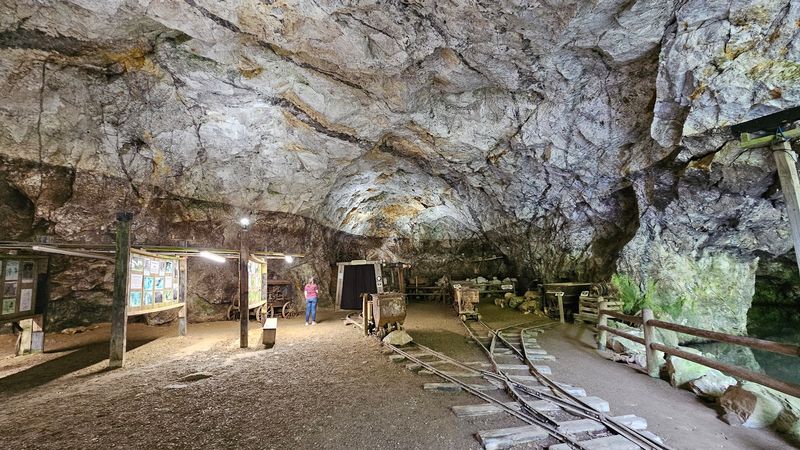
Mountain mining history gives Emerald Village a layered appeal that goes beyond a simple gem bucket. The attraction describes itself as a group of gem, mining, and historical attractions in the Blue Ridge Mountains, with 12 historic real mines connected to the property.
That makes the visit feel like a mix of hands-on searching, regional history, and mountain exploration. Visitors can pan for gems or gold, tour mine-related exhibits, browse displays, and take in the setting near Little Switzerland, just off the Blue Ridge Parkway.
The Blue Ridge Parkway Association lists Emerald Village at 331 McKinney Mine Road in Spruce Pine and notes gem mining, gold panning, mine tours, a waterfall, free exhibits, real mines, and shopping as part of the experience. That variety is the strongest reason to include it.
Some visitors come for the treasure-hunt feeling, others come for the underground and mining-history atmosphere, and families often appreciate having several activities in one mountain stop.
Spruce Pine sits in a mineral-rich region that has drawn geologists and collectors for generations, so the setting itself feels right.
Emerald Village is especially good for travelers who want their gem search wrapped in a bigger story. Emerald Village is at 331 McKinney Mine Road, Spruce Pine, NC 28777.
6. Topsail Island Beaches
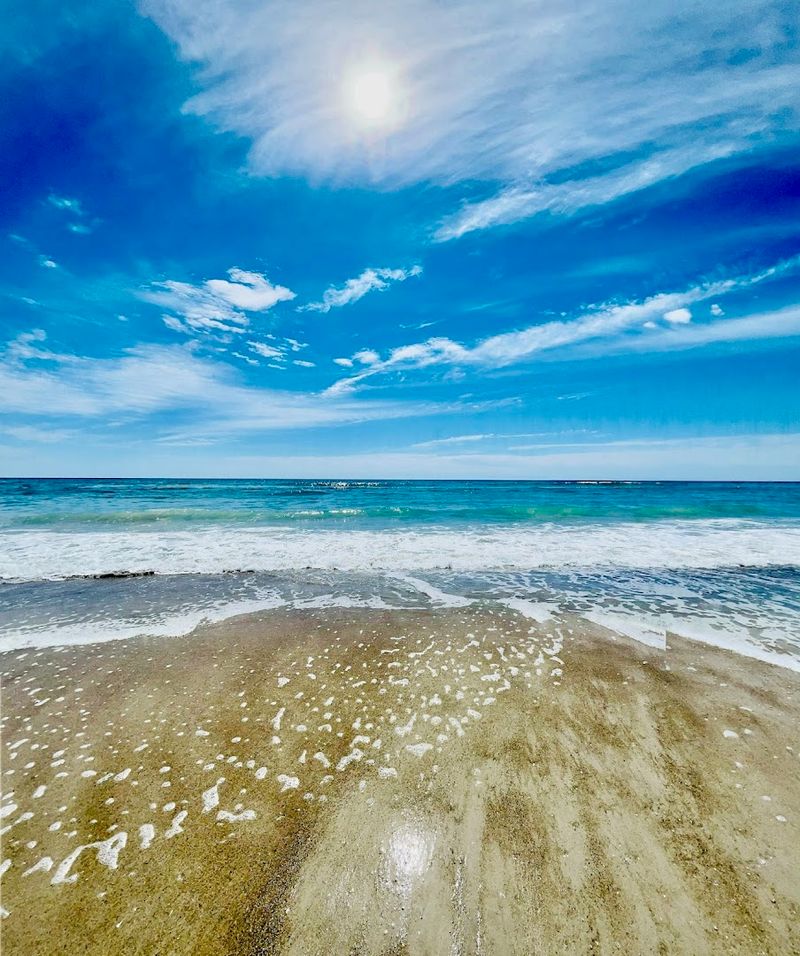
Topsail Island has the kind of shark-tooth reputation that turns an ordinary beach walk into a focused scan of every dark speck in the sand.
Southern Living describes Topsail as a 26-mile barrier island made up of North Topsail Beach, Surf City, and Topsail Beach. It also notes the area’s beaches are a well-known hotspot for shark teeth, especially around low tide.
That timing is important because receding water exposes shell beds, darker sediment, and small fossil pieces that are easy to miss when the beach is busy or glare is strong.
Our State also explains that fossilized shark teeth along southeastern North Carolina, including Topsail Island, are released as the ocean erodes sedimentary rock offshore.
That gives the search a real geological backbone rather than making it feel like beach luck alone. Visitors should manage expectations, though.
Shark teeth are never guaranteed, and the best finds often come after storms, during low tide, or through patient repeat walks. A small mesh bag, scoop, and polarized sunglasses can help, but patience is the real tool.
Topsail rewards slow walkers who are willing to look closely. Topsail Island includes Topsail Beach, Surf City, and North Topsail Beach along the coast northeast of Wilmington.
7. Holden Beach
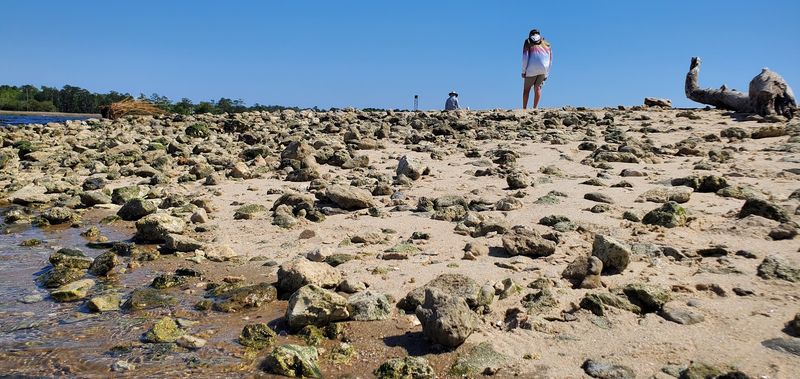
Holden Beach has one of the strongest word-of-mouth reputations for shark-tooth hunting on the North Carolina coast.
Walter Magazine interviewed fossil hunters and reported that Holden Beach consistently came up as one of the best places to find shark teeth along the shore. The east end was specifically highlighted for its sandbars and tide pools that appear during low tide.
That kind of local fossil-hunter support makes the beach feel especially promising, but it still rewards patience more than speed. Visitors should walk slowly, watch shell beds, and pay attention where waves pull back and leave darker fragments behind.
A black triangle can look like shell at first, which is why beginners often miss teeth until they learn the shape and shine. Storms, dredging, tides, and shifting sand can all change what appears from week to week.
The beach itself helps make the search enjoyable even when finds are modest. Holden Beach has a calm, family-friendly feel, with enough space to turn tooth hunting into a relaxed coastal outing rather than a competitive scramble.
Bring a small container, rinse finds carefully, and remember that the best souvenir may be the hunt itself. Holden Beach is a Brunswick County beach town in southeastern North Carolina.
8. Ocean Isle Beach
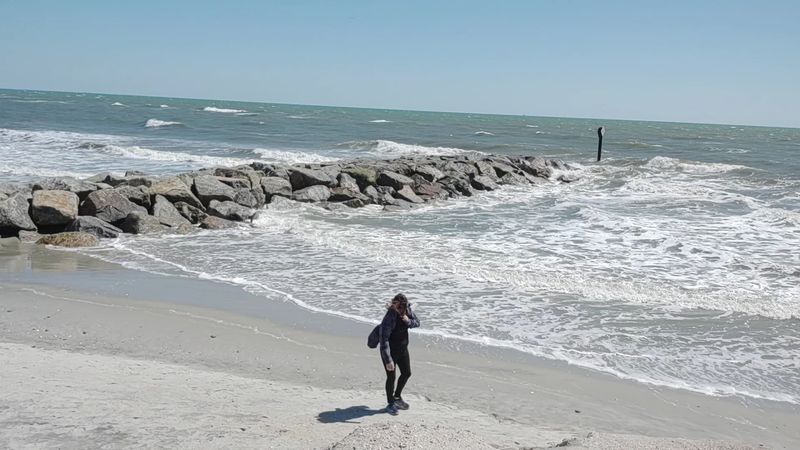
Shell piles along the water’s edge do a lot of the sorting work here, gathering small fossils in natural clusters that sharp-eyed visitors can spot with a bit of practice.
Ocean Isle Beach earns its spot on Walter Magazine’s list of top North Carolina shark tooth beaches, though the experience is best approached as a patient, exploratory outing rather than a guaranteed fossil haul.
That honest framing actually makes the wins feel sweeter.
The beach sits in Brunswick County, offering a quieter alternative to more heavily visited coastal towns. Arriving at low tide and walking slowly near the swash zone, where waves wash back and forth across the sand, gives the best chance of spotting the tiny dark triangles that signal a tooth.
Polarized sunglasses can help cut glare and make small objects in the sand easier to see.
Beyond the fossil hunting, Ocean Isle Beach offers beautiful scenery, calm surf, and a relaxed pace that suits anyone looking to combine a nature outing with genuine coastal charm.
Every visit brings something slightly different to the shoreline.
9. Shark Tooth Island
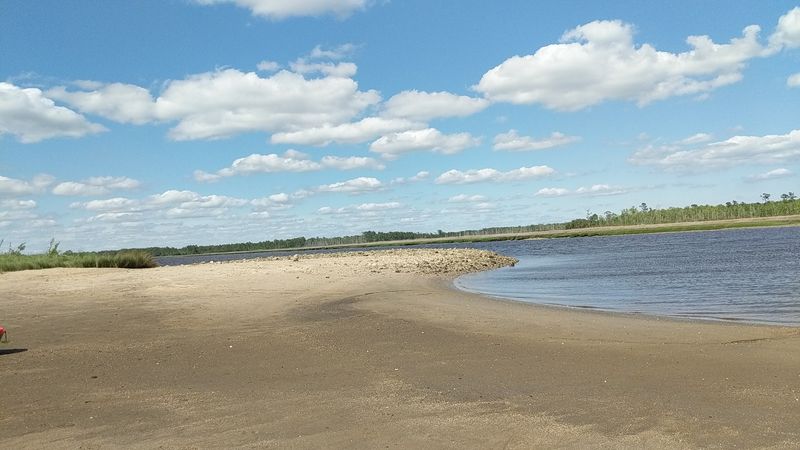
Adventure access gives Shark Tooth Island a completely different feeling from a regular beach walk. The tour operator’s site describes Shark’s Tooth as a string of islands near the mouth of the Cape Fear River in North Carolina, created by dredging long ago in the late 1800s.
ABC11 also reported that the island formed when the Cape Fear River was dredged and is accessible by kayak from River Road Park in Wilmington. That dredged origin helps explain why fossil hunters get excited about the area.
Material brought up from the river bottom can include fossilized shark teeth and other marine remnants, giving searchers a different setting than the open ocean beach.
Most visitors should go with a guide or a reputable tour operator because tides, water conditions, boat traffic, and access logistics matter.
The payoff is the feeling of a real fossil-hunting expedition. Instead of wandering a public beach between beach chairs, visitors paddle or boat out to islands where the whole outing is centered on the search.
Beginners benefit from guide advice on where to look and what shapes to notice. For the most immersive shark-tooth experience on this list, Shark Tooth Island easily earns the finale.
Shark Tooth Island is near the mouth of the Cape Fear River in the Wilmington, NC area.