This Abandoned Florida Town Has A Fascinating Past Worth Exploring
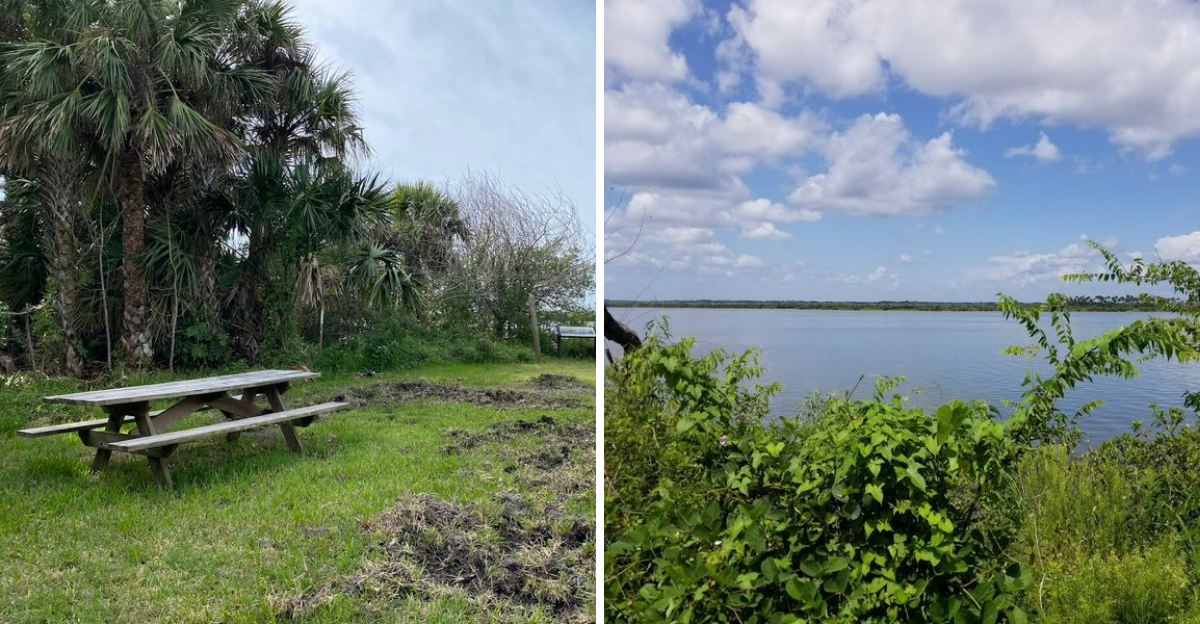
I almost walked right past it. The trail looked like any other coastal path, sandy and quiet, with seabirds calling overhead.
Then I spotted an old roofline through the trees and stopped cold. Who lived out here?
Why did they leave? I had so many questions and nobody around to answer them.
Florida is famous for theme parks and crowded beaches, but this place felt like the opposite of all that. A whole community once thrived here.
People built homes, planted groves, and watched ships pass on the water. Then, slowly, everyone disappeared.
Today their story sits waiting for anyone curious enough to find it. If you think Florida has no secrets left, this forgotten town will prove you wrong.
I left with sand in my shoes and a hundred new questions.
The Founding Of Eldora And How It Got Its Name
Two sisters changed history just by moving to Florida. Ellen and Dora Pitzer settled in what would become one of the most interesting communities in Volusia County.
The town of Eldora was named by combining their first names, creating a legacy tied directly to family roots.
Founded in 1882, Eldora grew fast along the banks of the Mosquito Lagoon. It was a smart location, connecting central Florida citrus farmers to markets further south before roads or railroads existed.
Steamboats made regular stops here, making the town a lively hub of trade and travel.
What strikes me most is how personal this origin story feels. A whole town named after two women who simply showed up and built something.
The community that grew around their presence included a post office, a school, and several small businesses tied to fishing, beekeeping, vegetable farming, and timber. For a place most people have never heard of, Eldora had a remarkably full life.
It is the kind of origin story that makes you want to dig deeper into every corner of the site.
Orange Groves That Once Defined A Community
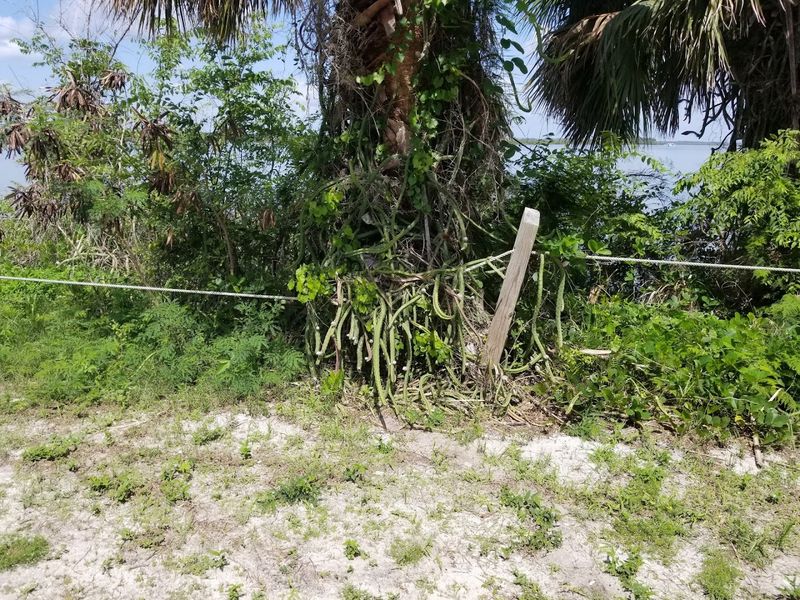
Before theme parks and beach resorts, citrus was king in this part of the state. Orange groves were one of the major forces behind Eldora’s early economy, and for a while, those trees delivered real prosperity.
Farmers here shipped fruit south along the Indian River, which is now known as Mosquito Lagoon, using steamboats as their main transport.
The groves stretched across the hammock landscape, and the scent of orange blossoms must have been something extraordinary. Eldora became a recognized stop on the steamboat route because of how reliably the citrus harvest came in each season.
The town thrived through the 1880s and into the early 1890s on the strength of those trees alone.
Standing in the same area today, it is hard to imagine rows of citrus where wild palms and scrub now dominate. The groves are completely gone, but the memory of what they meant to this community lingers in every preserved artifact at the Eldora House museum.
Citrus shaped this town from its first years, and understanding that makes the later devastation of the great freezes feel genuinely heartbreaking. Those trees were not just crops.
They were the entire economy.
The Great Freezes That Ended Everything
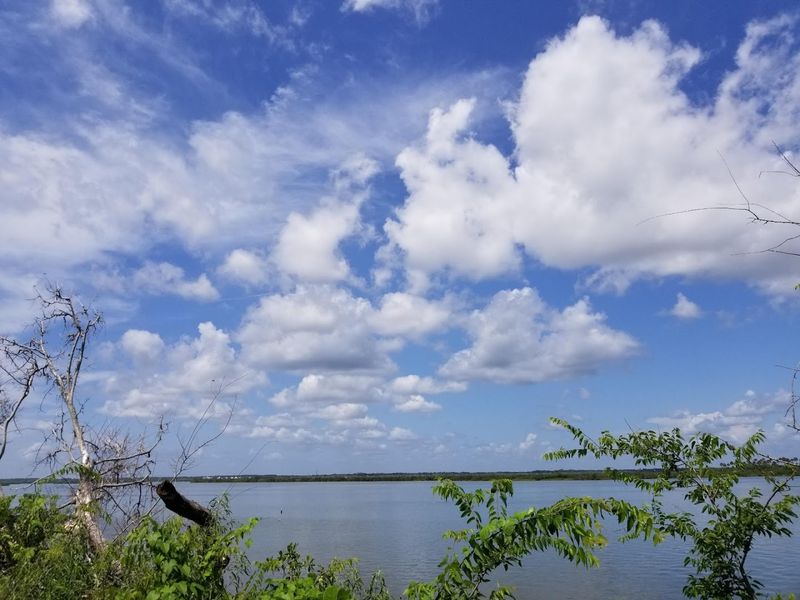
Nature can be brutally efficient at ending a good thing. The devastating freezes of the late 1890s badly damaged the citrus economy that Eldora depended on.
Temperatures dropped to levels that Florida farmers had never planned for, and the citrus crop was gone almost overnight.
Families who had built their entire livelihoods around those trees had nothing left to harvest. Many packed up and left, and the steady stream of settlers who had been arriving slowed to almost nothing.
The freezes did not just damage crops. They broke the economic backbone that had held the community together for over a decade.
I find this part of the story genuinely striking because the destruction was so swift and so complete. One season changed everything.
Some residents tried to hold on and replant, but the second freeze in 1900 removed any remaining optimism. Eldora never recovered its agricultural identity after those two winters.
The freezes are the turning point in this town’s story, and every historian who covers Eldora comes back to those cold nights as the moment the clock started counting down. It is a reminder of how fragile even thriving communities can be.
A Town That Lived And Breathed By The Water
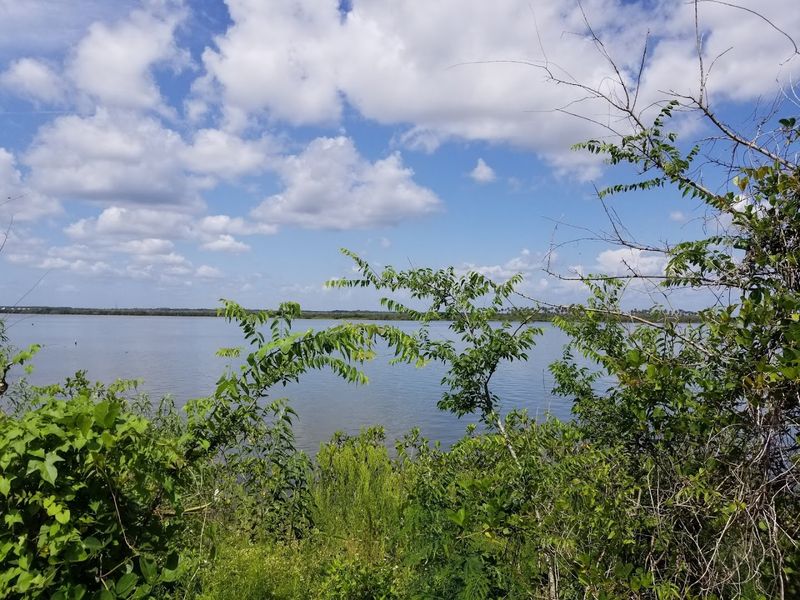
Long before roads connected Florida’s interior to its coasts, water was the highway. Eldora sat in a prime position along the Mosquito Lagoon, and steamboats made regular stops to load and unload goods.
This water-based trade route gave the town a commercial energy that few inland communities could match during the same era.
The lagoon connected Eldora to a wider world of commerce. Citrus, timber, fish, and vegetables all moved through this waterway, and the steamboat stop made Eldora a recognizable name on regional trade maps.
Merchants, farmers, and travelers passed through regularly, giving the small community an outsized economic presence.
When railroads arrived on the mainland, everything shifted. Trains were faster, cheaper, and more reliable than steamboats for moving cargo.
Almost overnight, Eldora’s strategic location became a liability rather than an advantage. The town was suddenly isolated, cut off from the main transportation network that was reshaping Florida’s economy.
I think about this every time I hear people talk about how technology changes communities. The same thing that built Eldora, its perfect position on the water, became the reason it could not survive once the world moved on to something newer.
Transportation history is surprisingly emotional when you see it played out in a ghost town.
The Eldora House And Its Remarkable Survival
Most ghost towns leave nothing but foundations and silence. Eldora managed to preserve something far more tangible.
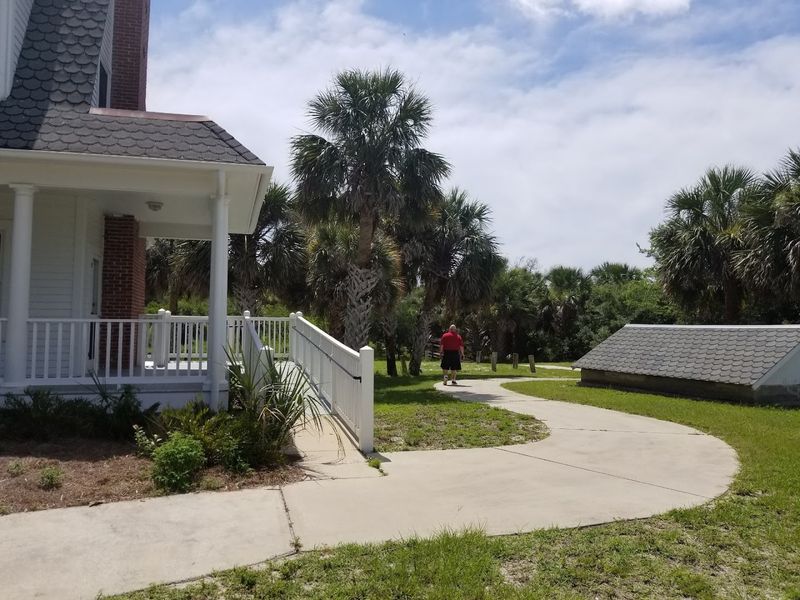
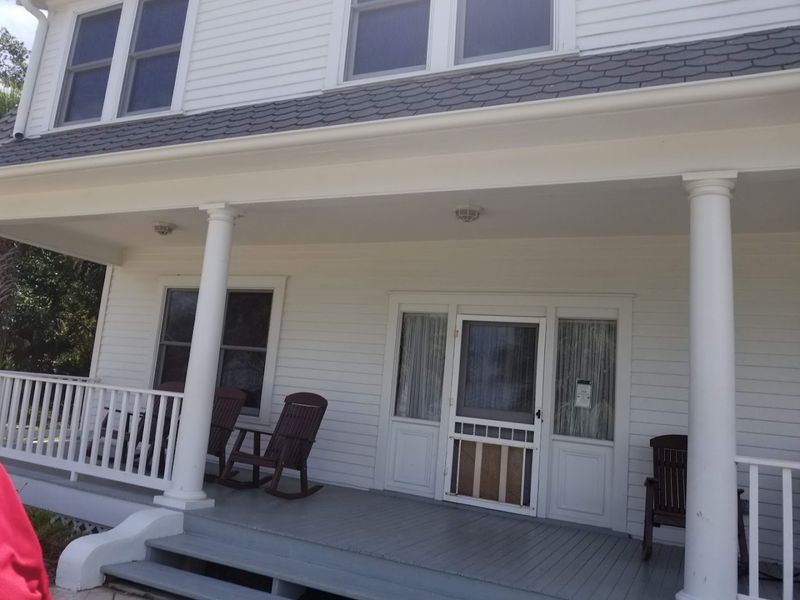
The Eldora House, also known as the Moulton-Wells House, was built around 1913 and stands as one of only two original structures remaining on the site. It has been carefully restored and now serves as a small but genuinely informative museum.
Walking through the Eldora House feels different from reading about history in a book. The building itself is modest, the kind of home that was built for function rather than style.
Inside, photographs and artifacts tell the story of the community that once surrounded it. You get a real sense of what daily life looked like for the people who called this place home.
The house is open to visitors, typically on weekends or by calling ahead to confirm access. It sits at the heart of the Eldora Village Loop trail system, making it the natural centerpiece of any visit to the area.
The address for the general area is Florida 32169, placing it within Canaveral National Seashore in Volusia County. Finding this building standing after more than a century of hurricanes, floods, and neglect feels like a small miracle.
It earns every bit of the restoration effort that went into saving it.
Hiking The Eldora Hammock Trail And Village Loop
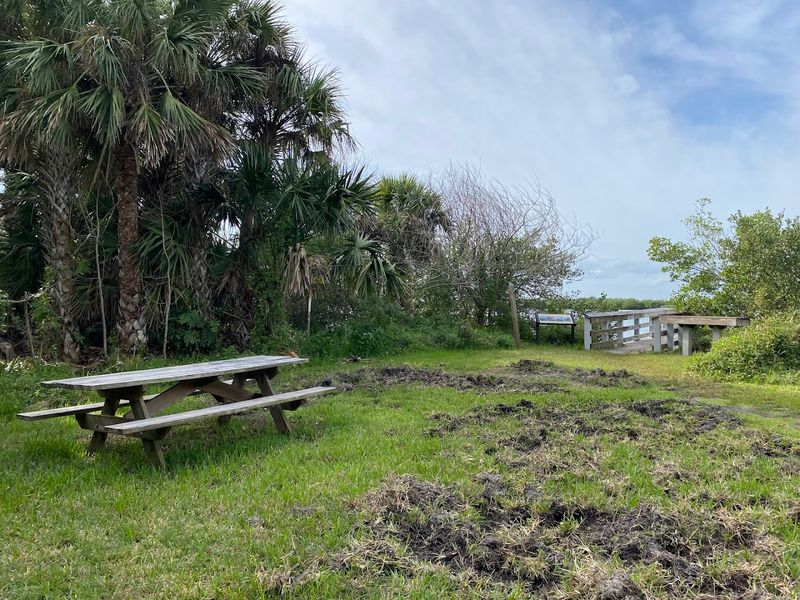
Not every history lesson happens in a classroom, and this one definitely does not. Two short hiking trails let visitors explore what remains of Eldora at their own pace.
The Eldora Hammock Trail and the Eldora Village Loop are both accessible from the one-way Eldora Loop Road, making the whole experience easy to navigate even for first-time visitors.
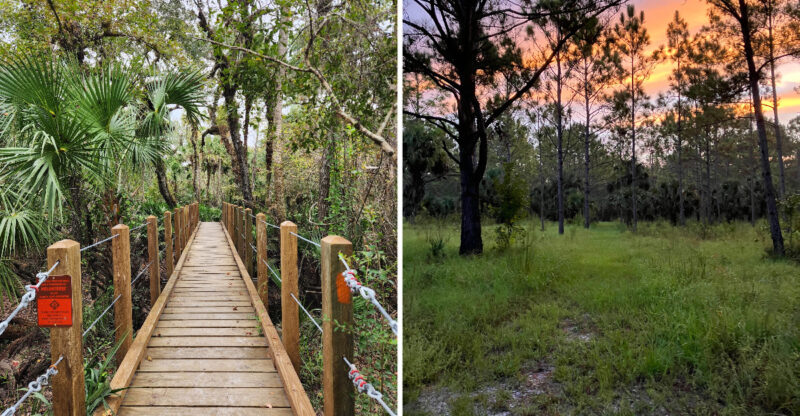
The trails are short enough to complete in a single afternoon without feeling rushed. Dense coastal hammock surrounds most of the path, giving the walk a genuinely atmospheric quality.
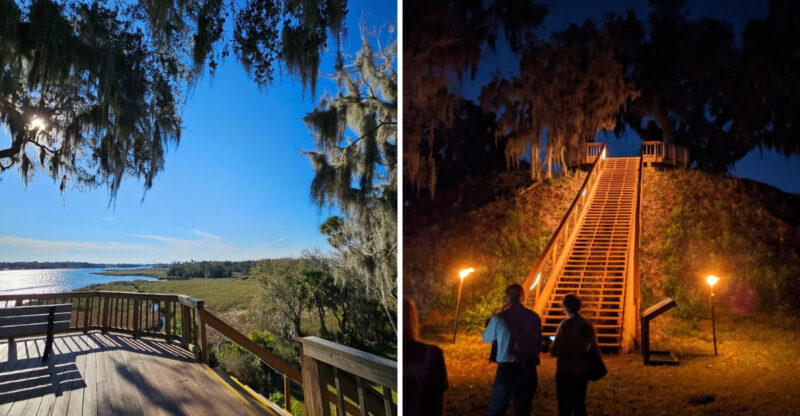
Spanish moss, cabbage palms, and thick undergrowth create the kind of scenery that makes you slow down naturally. The Mosquito Lagoon glimmers through gaps in the trees on certain sections of the route.
What I appreciate most about these trails is how they let the landscape do the storytelling. You pass through areas where buildings once stood, where families once gathered, where orange trees once bloomed.
There are no dramatic reconstructions or flashy exhibits out on the trail, just nature reclaiming what was once a busy community. That quiet reclamation is oddly moving.
The trails are well-maintained and suitable for most fitness levels, making Eldora one of the more accessible ghost town experiences anywhere in the area. Bring water and wear comfortable shoes.
Legends Of Buried Treasure And Pirate Lore
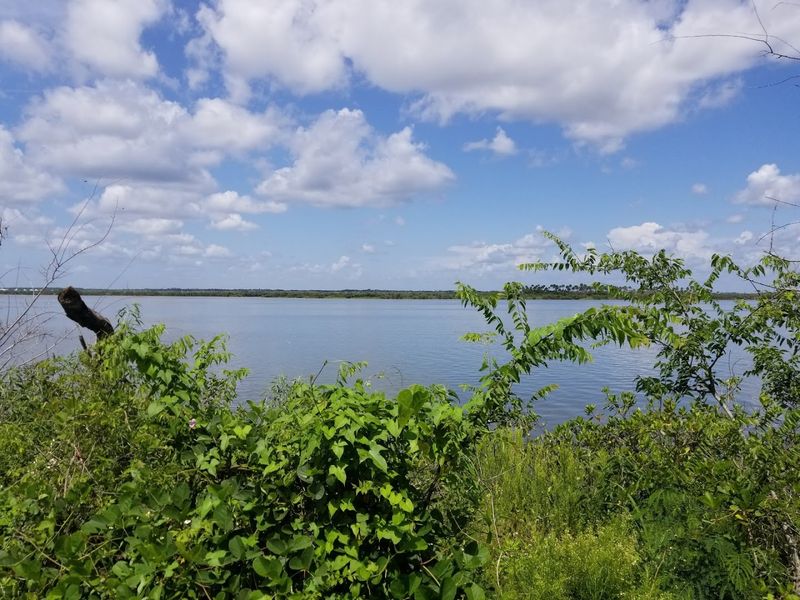
Some stories refuse to stay buried, even when the evidence for them is thin. Rumors of hidden treasure connected to Eldora have circulated for decades, with tales ranging from early settler caches to hidden valuables supposedly stashed somewhere near the lagoon.
No significant treasure has ever been found, but the stories persist with impressive stubbornness.
The geography of the area does lend itself to imagination. Isolated coastline, dense hammock vegetation, and a lagoon that once hosted regular boat traffic all create the right backdrop for treasure legends.
I am not personally convinced that pirates buried gold near Eldora, but I understand why people want to believe it. These legends are part of how communities build identity and keep interest alive long after the practical reasons for visiting have faded.
The treasure stories also attract a certain kind of curious visitor who might not otherwise care about 19th-century citrus farming or steamboat routes. Whatever their origin, the legends serve the town well.
They keep Eldora in conversation and remind people that even a small, forgotten community can carry a big and colorful mythology.
Doris Leeper And Her Fight To Preserve Eldora
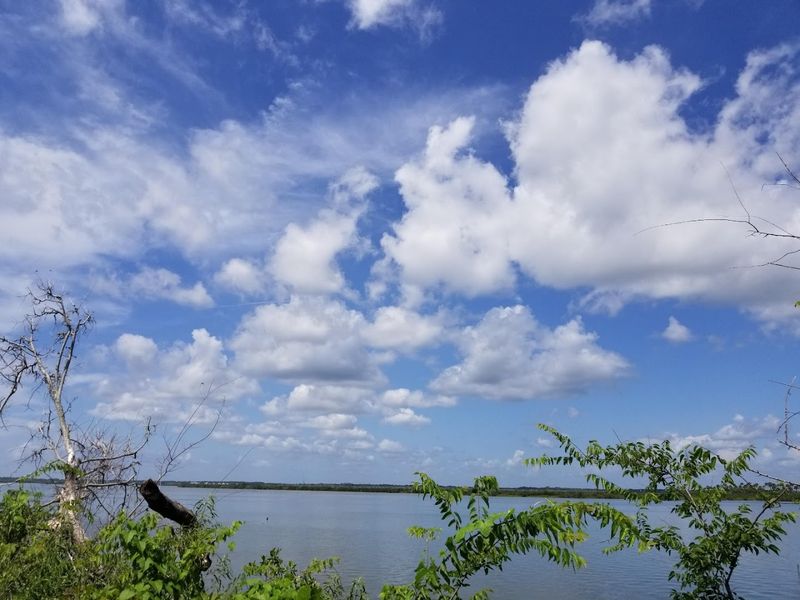
Behind every forgotten place, there is usually someone who refused to forget it. Doris Leeper, known affectionately as Doc, was Eldora’s last resident and one of its most passionate advocates.
An artist and conservationist, she dedicated years of her life to preserving both the natural landscape and the historical memory of this community.
Leeper was instrumental in efforts to protect the land around Eldora from development, helping ensure that the site eventually became part of Canaveral National Seashore.
Her work as a conservationist extended well beyond Eldora, but her connection to this specific place gave her advocacy a personal urgency that was hard to ignore.
She understood that losing Eldora would mean losing an irreplaceable piece of regional history.
She passed away in 2000, and with her went the last living thread of continuous human habitation at the site. Learning about Leeper adds real emotional weight to any visit.
She was not a founding pioneer or a famous historical figure. She was simply someone who loved a place deeply enough to fight for it.
That kind of dedication is worth recognizing and celebrating. The preserved trails, the restored Eldora House, and the continued access for visitors all carry her fingerprints in ways that a simple historical marker cannot fully capture.