10 Stunning Connecticut Gardens And Arboretums Worth Exploring This Summer
Not every great summer afternoon needs a packed itinerary or an expensive ticket. Sometimes a beautiful garden is all it takes.
Connecticut has arboretums and gardens this summer that are genuinely worth going out of your way for and the variety across them means there is something worth exploring regardless of what kind of outdoor experience you are in the mood for.
Getting lost in a really well tended space on a warm afternoon has this wonderfully restorative quality that hits harder than expected every single time. The seasonal blooms here are extraordinary right now.
Colors and textures that make even the most casual visitor stop and actually look properly rather than just passing through.
People who discover their favorite among these spots make returning a very regular summer habit and that loyalty is completely understandable given how good these places actually are at this time of year.
1. Bartlett Arboretum & Gardens, Stamford
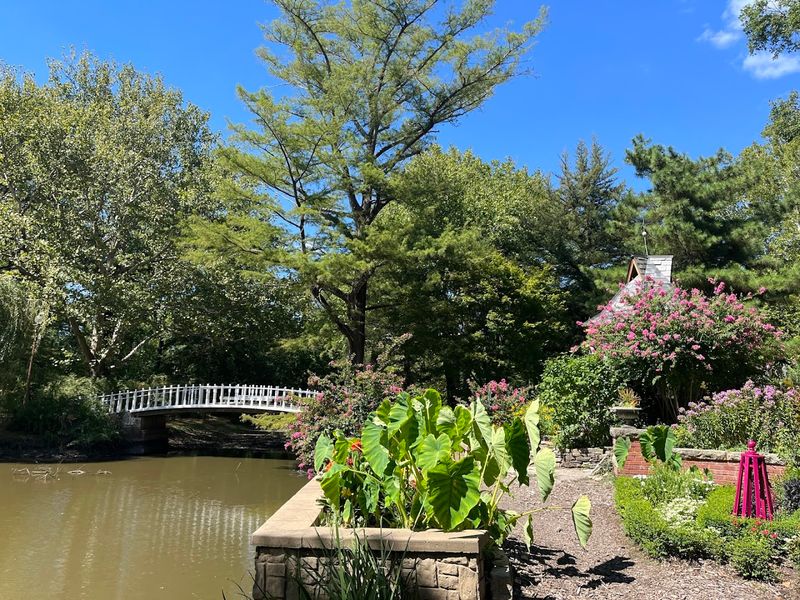
A quiet day outdoors feels easy to find at the Bartlett Arboretum and Gardens, where 93 acres of trails, gardens, trees, and plant collections create one of Stamford’s most inviting green escapes.
The grounds are open every day from dawn to dusk, and admission is free, which makes this leafy retreat especially easy to enjoy without much planning.
Across the property, visitors can explore more than 3,500 specimens, from rare mature trees to smaller flowering plants that brighten the paths throughout the growing season.
The arboretum also brings a gentle learning element to the experience. Plant labels and interpretive signs help guests notice what they might otherwise pass by, turning a simple stroll into a relaxed lesson in nature.
Trails range in length and difficulty, giving most visitors a chance to choose a route that fits their pace. Families will also find educational programs and summer camps designed to help younger guests connect with the outdoors in a hands-on way.
Summer is an especially beautiful time to visit, when the tree canopy fills in and soft patches of light move across the walking paths. The arboretum can be found at 151 Brookdale Rd, Stamford, CT 06903, with weekday mornings often offering a calmer atmosphere.
Comfortable shoes are a smart choice, since some sections of trail have uneven ground and are best enjoyed at an easy, unhurried pace.
2. Connecticut College Arboretum, New London
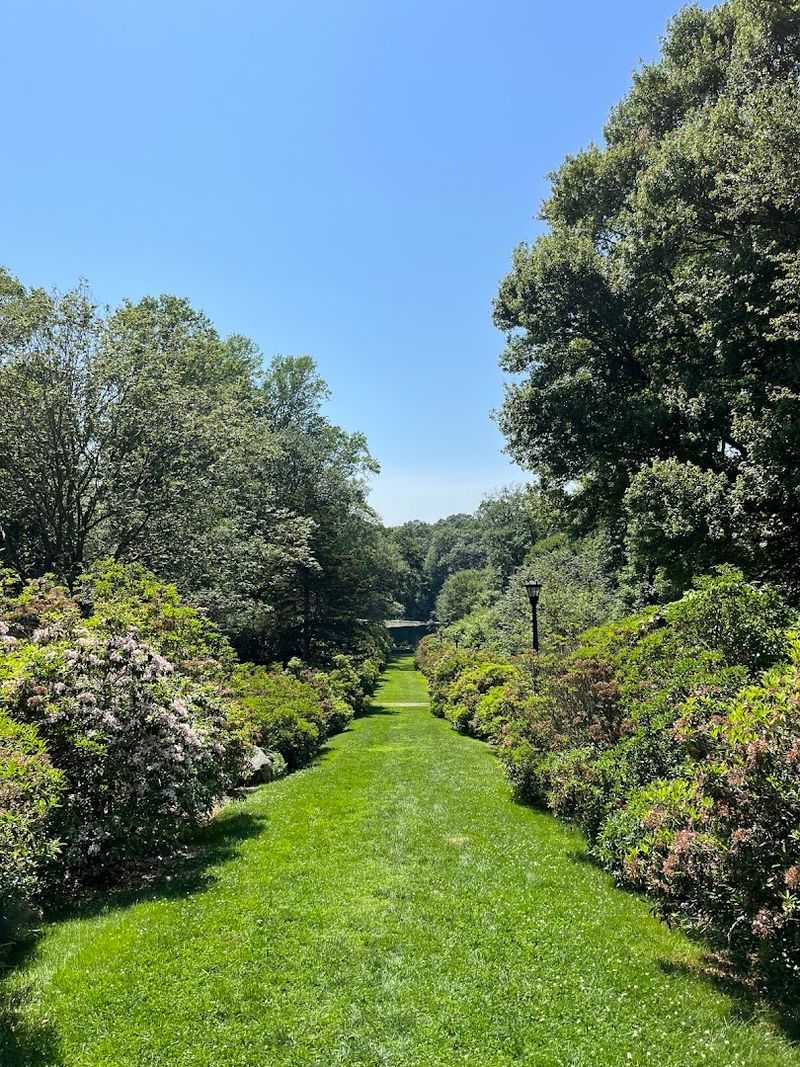
Spanning an impressive 750 acres, the Connecticut College Arboretum in New London is one of the largest college-affiliated arboretums in the entire country.
The arboretum sits at 270 Mohegan Ave Pkwy, New London, CT 06320, and remains open to the public seven days a week from dawn to dusk without any admission charge.
That combination of scale and accessibility makes it a genuinely rare find among botanical spaces in New England.
The property includes the college campus grounds along with dedicated plant collections, managed nature areas, and woodland trails that shift noticeably in character from one section to the next.
The Native Plant Collection is a standout feature, showcasing species indigenous to the state and the broader northeastern region.
The Caroline Black Garden adds a more structured and cultivated feel within the larger natural landscape.
Summer brings out the full depth of the arboretum’s greenery, with paths shaded by mature canopy trees and open meadow sections that catch afternoon light. Birdwatching is a popular activity here given the habitat diversity across the property.
Visitors are encouraged to stay on marked trails to protect sensitive plant areas, and a trail map available on the arboretum’s website helps with planning a route in advance.
3. Elizabeth Park Conservancy, West Hartford
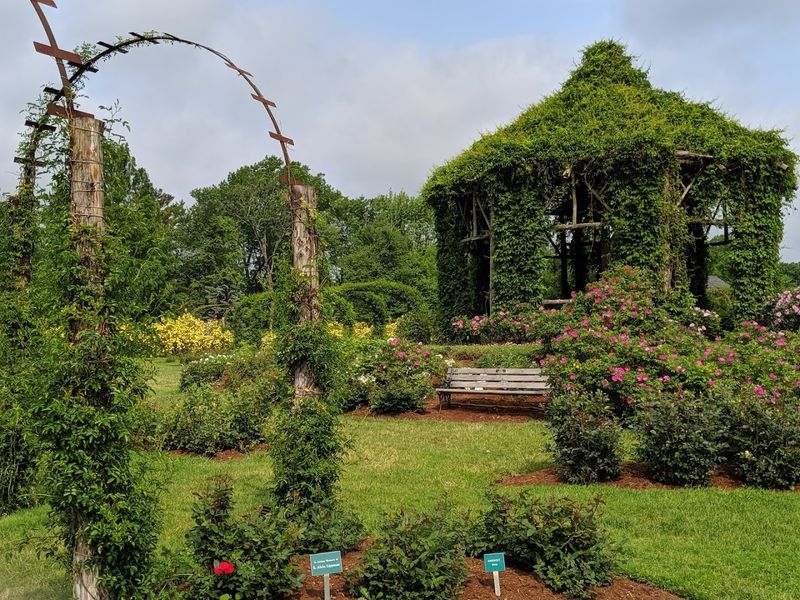
A summer garden stroll feels especially memorable when it comes with more than a century of history behind it.
Elizabeth Park in West Hartford is home to the country’s oldest municipally operated rose garden, a two-and-a-half-acre showpiece with more than 15,000 rose bushes and around 800 varieties.
Peak bloom usually arrives around mid-June, bringing a colorful rush of visitors eager to see the garden at its brightest.
Beyond the roses, the larger park covers about 100 acres and offers several garden areas with their own personality. The rock garden, herb garden, annual beds, and perennial displays add depth to the landscape, making it worth taking your time instead of heading straight for the main attraction.
The Elizabeth Park Conservancy can be found at 1561 Asylum Ave, West Hartford, CT 06117, while the park also has entrances near the Hartford and West Hartford line.
Weekend afternoons in summer can feel lively, especially when the roses are in full bloom. Early mornings are usually calmer, with softer light that works beautifully for photos.
Admission is free, and paved paths make much of the garden area easier to navigate for guests with mobility needs. Shaded benches and quiet corners throughout the grounds also give visitors plenty of places to pause between garden sections.
4. Marsh Botanical Garden, New Haven

A quieter garden visit can be a refreshing addition to a day spent exploring New Haven.
On the edge of Yale University’s campus, Marsh Botanical Garden offers a compact, thoughtful experience with outdoor beds, mature trees, and greenhouse collections that make it feel more personal than many larger public gardens.
Its mix of indoor and outdoor growing spaces gives visitors something to enjoy in different kinds of weather, with the grounds open daily from 7 a.m. to sunset and the indoor collections open weekdays from 9 a.m. to 4 p.m.
Summer brings the outdoor plantings into their fullest seasonal form, with displays that shift over time according to the garden’s teaching, research, and collection goals.
Inside the greenhouses, tropical, desert, carnivorous, rare, and endangered species create a vivid contrast with the temperate plantings outside.
The change from open-air paths to glasshouse collections adds a welcome bit of surprise to an otherwise calm visit. The garden can be found at 265 Mansfield Street, New Haven, CT 06511.
Because the space is tied closely to Yale’s academic programs, labels and collection details tend to be especially informative. Weekdays are usually the best choice for a slower browse, particularly for visitors hoping to spend time with the greenhouse displays.
Marsh Botanical Garden is a strong stop for a New Haven itinerary that may already include Yale’s museums, courtyards, and historic architecture.
5. Harkness Memorial State Park Gardens, Waterford
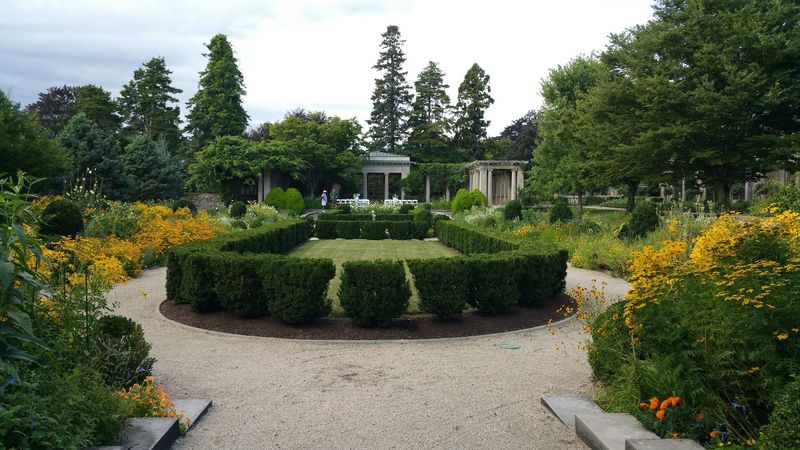
Standing at the edge of Long Island Sound, the gardens at Harkness Memorial State Park carry a sense of grandeur that comes from both their design history and their coastal setting.
The formal gardens surrounding the Eolia Mansion were originally designed by Beatrix Farrand, one of the most respected landscape designers of the early twentieth century.
That heritage gives the grounds a layered quality that goes beyond simple visual appeal.
The park is located at 275 Great Neck Rd, Waterford, CT 06385, and the estate dates to 1906 when it served as a private summer retreat. Long lawns stretch toward the water, and the salt air from the Sound drifts through the garden beds throughout the warmer months.
Seasonal blooms appear from spring through fall, with summer bringing the most variety across the formal planting areas.
Birdwatching is a popular secondary activity at the park, with osprey commonly spotted near the waterfront sections of the property. The combination of formal garden design and open coastal landscape makes Harkness feel unlike most other garden destinations.
Parking is available on site, and the park draws a mix of garden enthusiasts, picnickers, and visitors who come simply to enjoy the view across the Sound on a clear summer afternoon.
6. Hollister House Garden, Washington
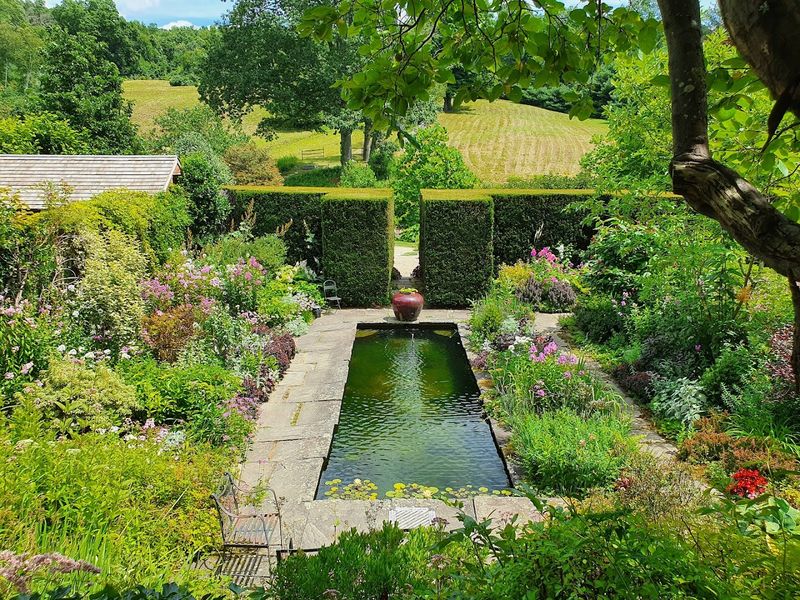
Surrounded by the rolling hills of Litchfield County, Hollister House Garden in Washington offers one of the most distinctive garden experiences.
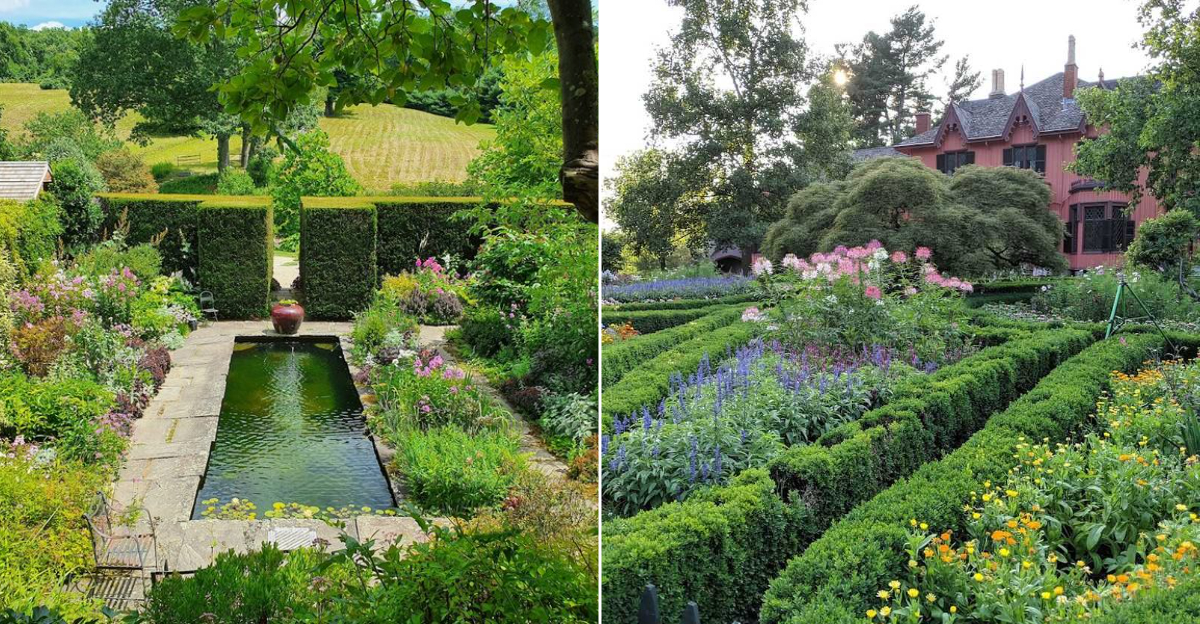
The design draws clear inspiration from celebrated English gardens like Sissinghurst and Hidcote, blending formal structural elements with an exuberant and somewhat wild planting style that feels alive rather than manicured.
That tension between structure and looseness gives the garden a character that is hard to replicate.
The garden sits at 300 Nettleton Hollow Rd, Washington, CT 06793, and is generally open to visitors on Fridays and Saturdays from late April through late September.
The terraced layout follows the natural slope of the land, creating distinct garden rooms that reveal themselves gradually as visitors move through the space.
Each terrace tends to feel like a separate chapter in the same story.
Summer is when the planting reaches its fullest expression, with perennials and annuals filling in around the structured hedges and stone walls. The garden rewards slow walking and close attention to individual plant combinations rather than a quick pass-through.
Visitors who appreciate the craft of garden design tend to find Hollister House especially rewarding since the planting choices reflect a deep knowledge of color, texture, and seasonal timing working together.
7. Wickham Park, Manchester
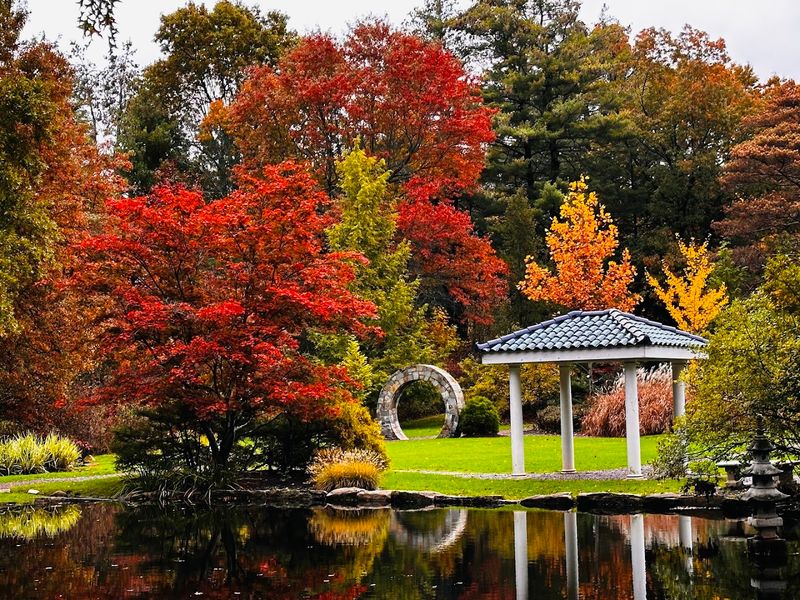
With ten distinct themed gardens spread across 250 to 280 acres, Wickham Park in Manchester delivers a garden-hopping experience that few other parks can match.
The themed areas include an Irish Garden, an English Garden, a Scottish Garden, an Oriental Garden, an Italian Shrine, a Lotus Garden, a Wetlands Garden, a Sensory Garden, an Arboretum, and a Cabin Garden with an Amphitheater.
Moving between these spaces feels like traveling through a series of carefully considered outdoor rooms.
The park is located at 1329 Middle Turnpike W, Manchester, CT 06040, and sits within a broader landscape that includes woodlands, open fields, ponds, and picnic areas.
That variety means a visit here can be as active or as relaxed as preferred, depending on how much ground visitors choose to cover.
Families often split time between the garden areas and the open lawn sections, while garden-focused visitors tend to move more slowly through the themed beds.
Summer is a strong season for the Lotus Garden in particular, when the lotus plants are in active bloom and the pond takes on a distinctly lush character. The Sensory Garden is worth seeking out for its focus on texture, scent, and sound rather than purely visual appeal.
A small admission fee applies, and the park is well suited to a half-day visit that covers multiple themed areas at a comfortable pace.
8. Hill-Stead Museum Sunken Garden, Farmington
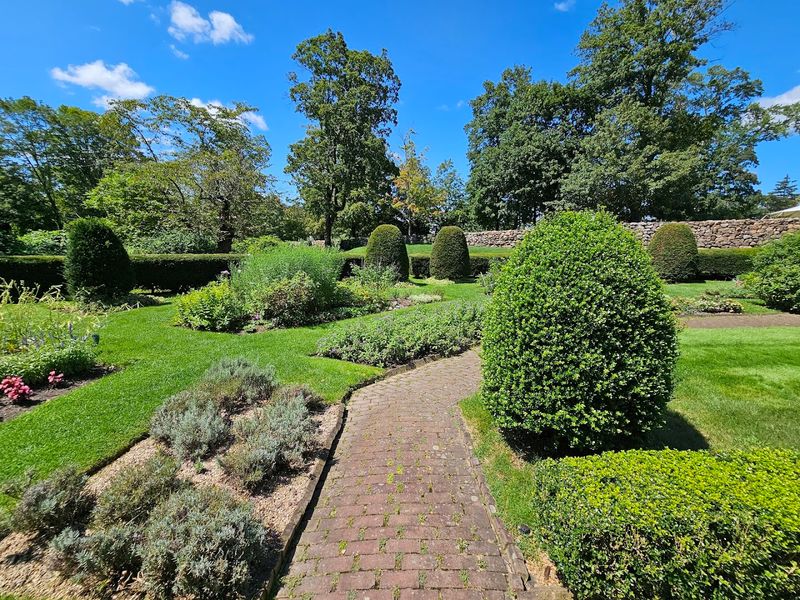
A visit to Hill-Stead Museum’s Sunken Garden brings a softer, more intimate kind of summer beauty. Low stone walls frame the space, giving it a sheltered feeling within the open grounds of the historic Farmington estate.
Designed around 1920 by landscape architect Beatrix Farrand, the garden pairs formal structure with loose, colorful plantings that shift as the season unfolds. Moving from the lawn into the lower garden creates a clear sense of arrival without feeling overly grand.
Hill-Stead itself is a National Historic Landmark known for its architecture, art collection, and wide estate grounds.
The museum and garden can be found at 35 Mountain Rd, Farmington, CT 06032, and many visitors include the Sunken Garden as part of a longer stop that also takes in the house and surrounding landscape.
That mix of indoor galleries, architecture, and outdoor scenery gives the property plenty of range for a summer visit.
Afternoons in the Sunken Garden often feel calm and unhurried, with the stone walls adding a sense of enclosure around the perennial beds. Though modest in size, the garden is rich in detail and rewards a slower look at color, texture, and planting combinations.
During the warmer months, the space is also associated with the Sunken Garden Poetry Festival and other outdoor programming.
9. Florence Griswold Museum Gardens, Old Lyme
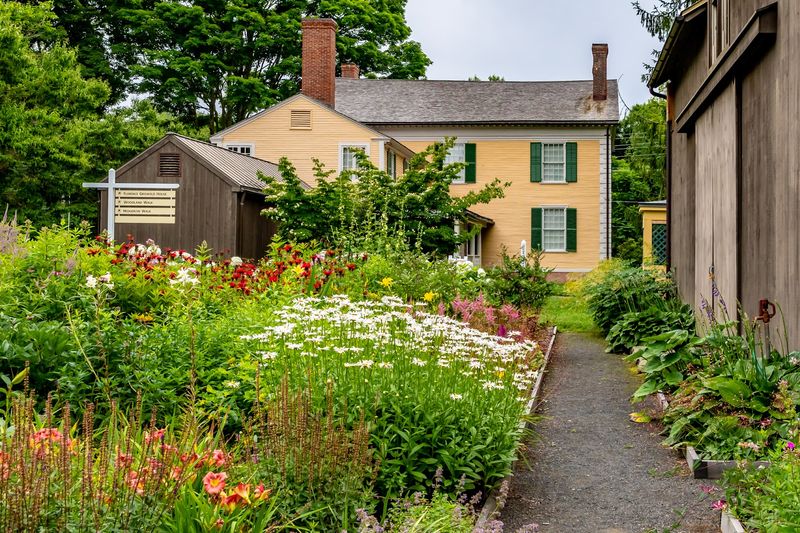
Restored to reflect their appearance around 1910, the gardens at the Florence Griswold Museum in Old Lyme carry a strong sense of living history alongside their seasonal beauty.
The English-style layout features layered flower borders, winding paths, and a setting along the Lieutenant River that adds a calm, reflective quality to the overall atmosphere.
The twelve-acre property gives the gardens room to breathe without feeling overwhelming to explore.
The museum is located at 96 Lyme St, Old Lyme, CT 06371, and the gardens are accessible during museum hours throughout the summer season.
Old Lyme has a long association with American Impressionist painting, and the gardens here reflect that artistic heritage through their emphasis on color, light, and naturalistic planting arrangements.
Walking through the grounds in summer, it becomes easy to understand why artists were drawn to this particular stretch of the shoreline.
The garden paths are well maintained and relatively easy to navigate, making the space comfortable for a range of visitors. Seasonal plantings ensure that the gardens look their best across the full summer period rather than peaking early and fading.
Combining a garden visit with time spent inside the museum exploring the Impressionist collection offers a well-rounded cultural and natural experience that suits both art enthusiasts and garden lovers equally well.
10. Roseland Cottage Gardens, Woodstock
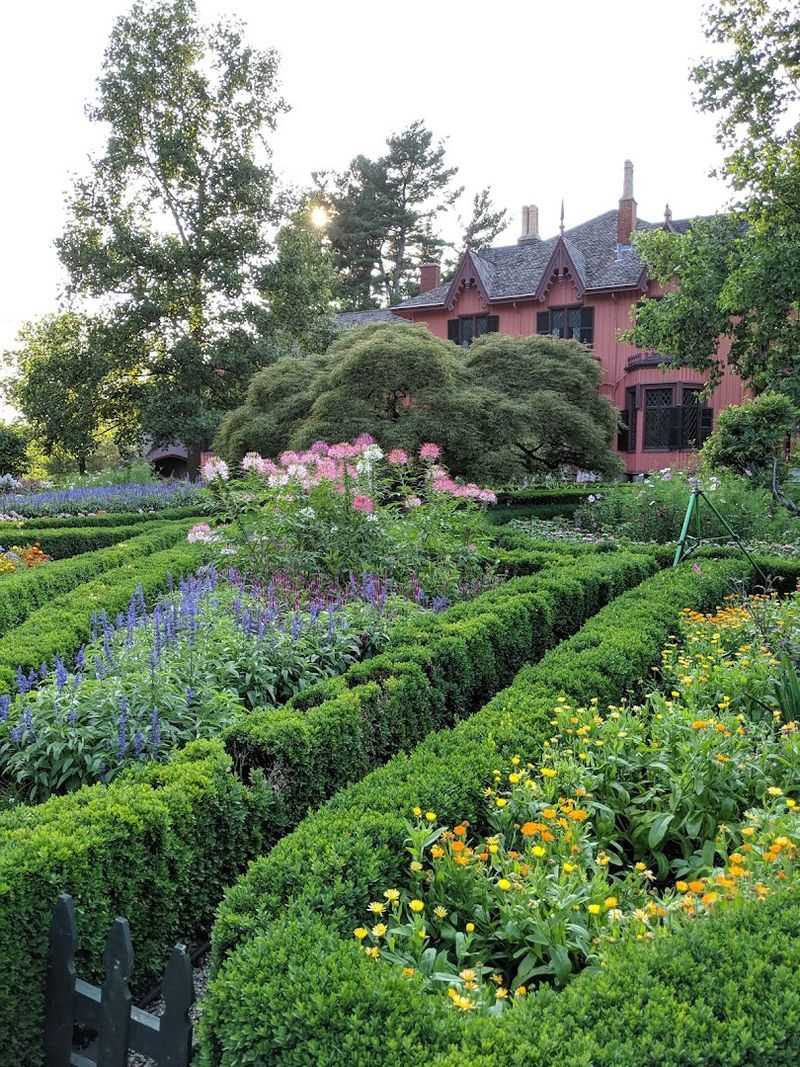
Bright color and formal design give Roseland Cottage in Woodstock a garden scene that is hard to forget. The parterre garden features 21 original boxwood-edged beds arranged in a crisp geometric pattern, with seasonal plantings filling the design with cheerful color.
Behind it, the 1846 Gothic Revival cottage stands out in its famous pink hue, making the property instantly recognizable and giving the whole estate a playful, unmistakable character.
The cottage and gardens can be found at 556 CT-169, Woodstock, CT 06281, in the quiet northeastern part of the state often called the Quiet Corner.
Beyond the parterre, the property includes an icehouse, a garden house, carriage barn, and what is believed to be the country’s oldest surviving bowling alley.
Together, the house, garden, and outbuildings offer a layered look at nineteenth-century domestic life, leisure, design, and status.
Summer is the best season to see the parterre at its most colorful, when annuals and perennials fill the boxwood framework in a dense, lively display. Historic New England maintains Roseland Cottage and oversees its preservation, tours, and public programming.
A guided visit through the cottage pairs especially well with time in the garden, giving guests a fuller sense of the estate’s bold style and historic personality.