This Idaho Aviation Museum Is Packed With Rare Warplanes That Look Ready For Takeoff
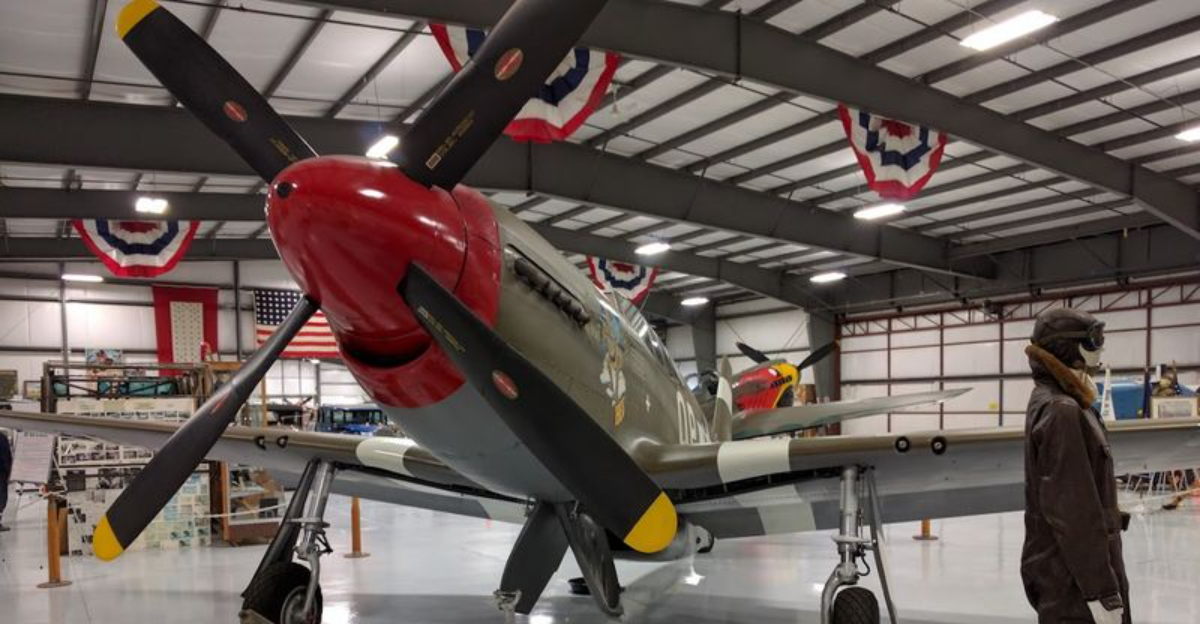
Airplane museums are already cool, but this Idaho stop raises the stakes by keeping history so close to the runway that everything feels ready to wake up.
Visitors can walk between polished aircraft and still feel like the engines might roar at any second, which makes staying calm surprisingly difficult.
A vintage warplane has a way of turning even quiet people into someone fighting the urge to make takeoff noises in public.
The hangars carry real drama because these machines do not look forgotten or dusty.
They look cared for and powerful, almost as if someone just stepped away before the next mission.
Even people who cannot tell one aircraft from another may find themselves staring longer than expected.
This is the kind of museum where the past does not sit still. It feels ready.
Nampa’s Warplanes Look Like They Could Roll Out Any Minute
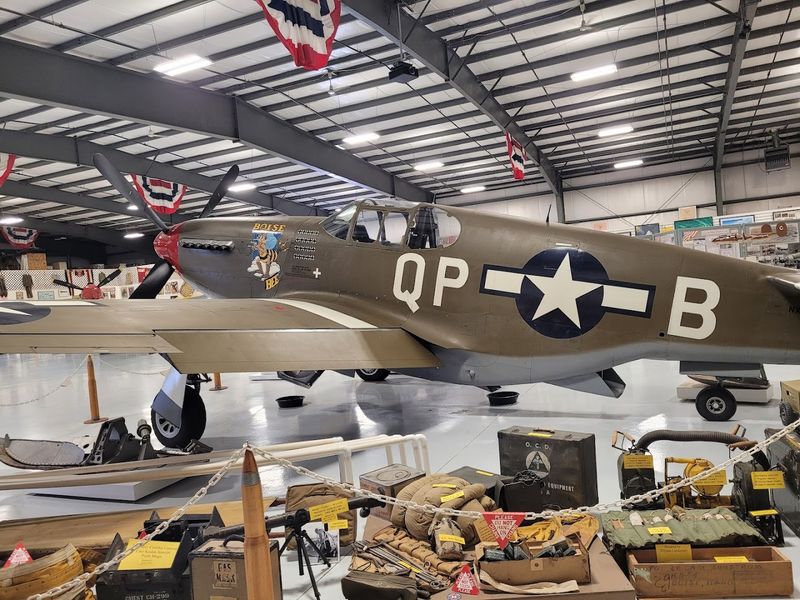
Stepping into Warhawk Air Museum brings an immediate sense of scale, because the aircraft do not feel like distant decorations or flat textbook illustrations.
Polished metal, careful markings, open hangar space, and the active-airport setting around Nampa Municipal Airport give the museum a ready-for-takeoff mood before anyone even reaches the first display.
Warhawk’s official visit page lists the museum at 201 Municipal Drive in Nampa, with hours Tuesday through Saturday from 10 a.m. to 5 p.m. and Sunday from 11 a.m. to 4 p.m., which makes it easy to plan around a Treasure Valley trip. Aircraft preservation here is the important phrase.
Rather than claiming every plane is certified to fly, the museum focuses on maintaining its aircraft, vehicles, uniforms, photographs, and memorabilia with exceptional care. That attention makes the collection feel remarkably vivid.
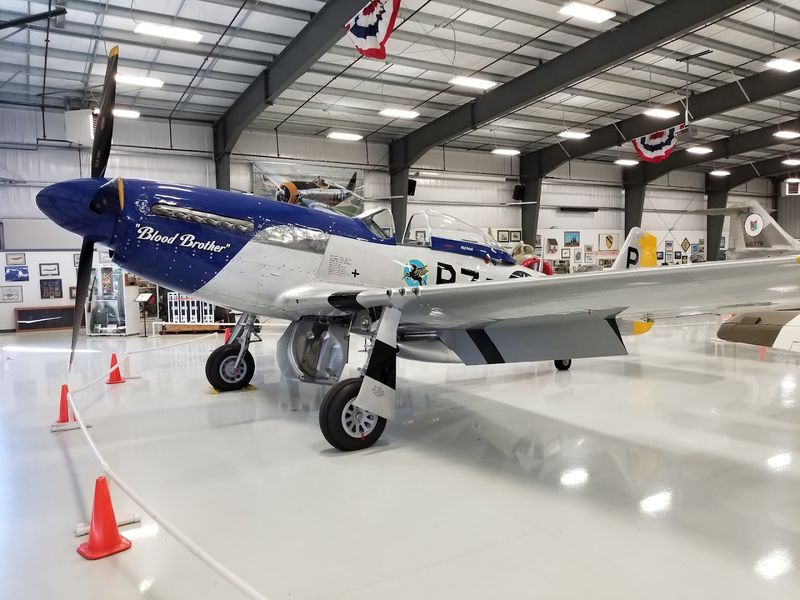
Visit Idaho describes the museum as housing a large collection of airplanes and equipment, including rare Curtiss P-40 World War II fighters and a P-51C razorback Mustang.
Families, veterans, aviation fans, and curious road-trippers all get the same first impression: these machines may be still, but the stories around them are anything but quiet.
Rare Aircraft Give This Museum Its Ready-For-Takeoff Thrill
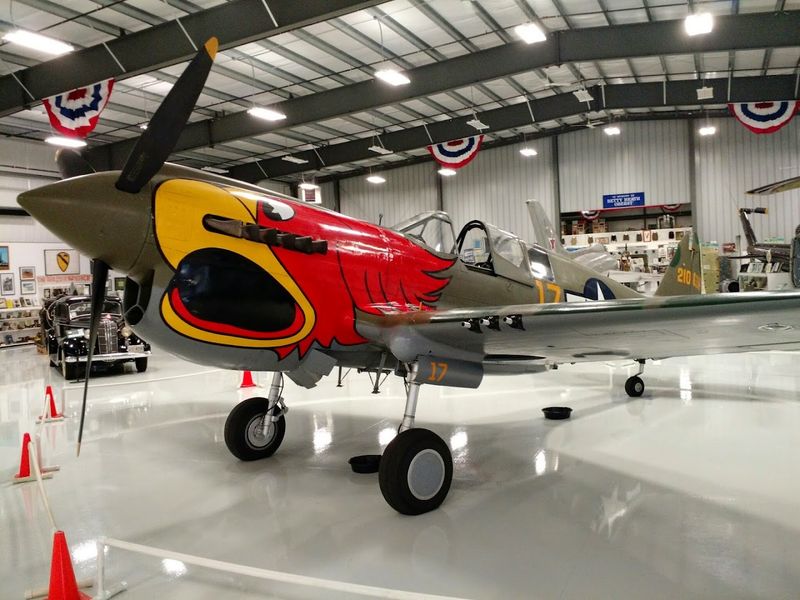
Not many museums in the country can claim a collection quite like this one. The Warhawk Air Museum houses aircraft that are genuinely hard to find anywhere else, including examples of the iconic P-40 Warhawk, the plane that inspired the museum’s name.
Seeing one up close changes your understanding of what wartime pilots actually dealt with.
What makes the collection so special is that these aircraft were not simply purchased and parked. Each one was carefully sourced, restored, and maintained by people who are deeply passionate about preserving aviation heritage.
The attention to historical detail is extraordinary, right down to the correct period markings on each fuselage.
The museum pairs World War II aircraft with exhibits and memorabilia connected to later conflicts, including Korea, Vietnam, and the Global War on Terror. Idaho visitors who stop here often say they planned for an hour and stayed for three.
The rarity of what is on display, combined with the museum’s dedication to accuracy, gives every visit a thrilling, almost cinematic quality that is hard to shake.
Every Hangar Corner Feels Packed With Aviation Drama
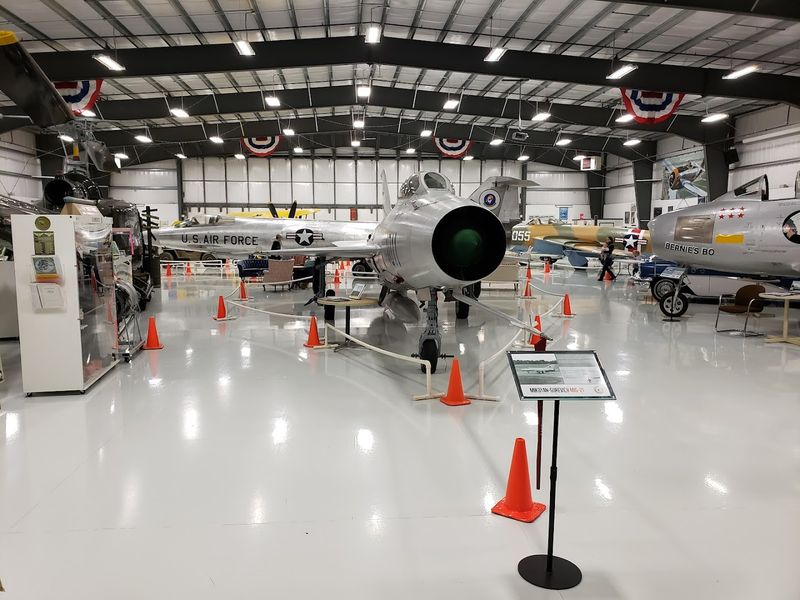
Beyond the aircraft, Warhawk Air Museum fills its spaces with enough artifacts and personal material to make every corner feel connected to a larger human story.
Official museum language emphasizes historic warbirds and personal memorabilia tied to World War II, Korea, Vietnam, and the Global War on Terror, which means the visit is not limited to airplane appreciation alone.
Uniforms, photographs, letters, equipment, vehicles, documents, and tribute displays work together to show how military history reached into ordinary lives as well as battlefields. One strength of the museum is how often visitors encounter individual people rather than anonymous categories.
Names, faces, service details, and family connections appear throughout the exhibits, giving the collection emotional weight without needing sensational language.
Warhawk’s mission statement centers on educating visitors about the cost of freedom and honoring those who paid its price, and that mission comes through most clearly in these personal displays.
Idaho visitors expecting only planes may be surprised by how long they spend reading. A hangar full of aircraft is impressive, but a hangar full of aircraft surrounded by lived experience is harder to rush through.
Drama here comes from the combination: machines built for speed, and stories built from sacrifice, memory, skill, and service.
Warbirds Make Idaho History Feel Loud, Fast, And Close
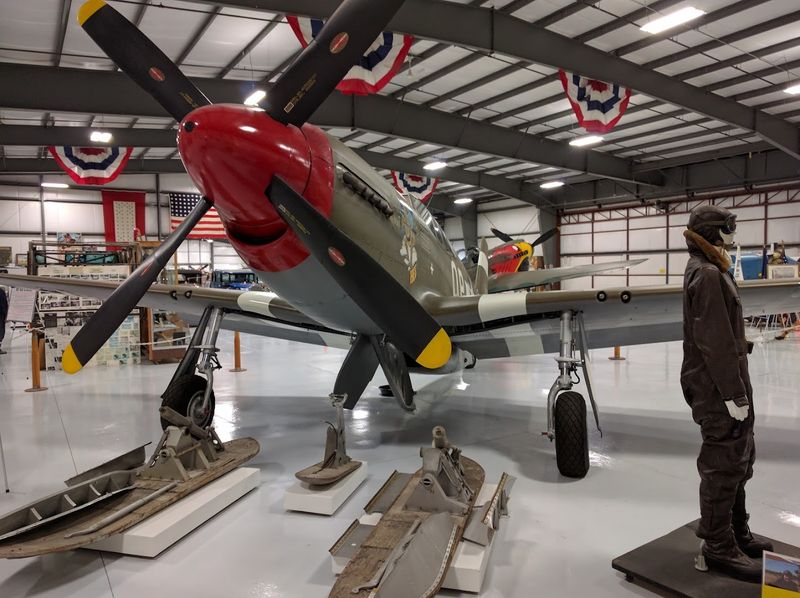
Standing beside a warbird changes how military aviation history lands, because scale can teach faster than a paragraph ever could.
Warhawk Air Museum’s collection spans more than a century of American military and aviation history. Visit Southwest Idaho describes it as a 100,000-square-foot, family-friendly destination preserving more than 100 years of that legacy.
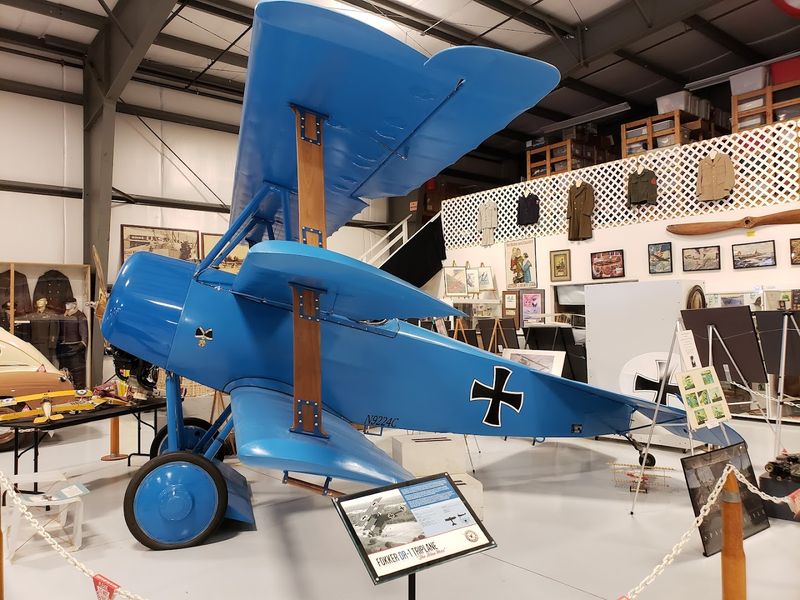
Aircraft from different eras show how quickly design, materials, speed, and strategy changed across the twentieth century and into more recent conflicts.
Earlier aircraft suggest exposed courage and mechanical vulnerability, while later displays point toward faster, more complex technology and changing military needs.
Idaho’s connection to the story is not forced either. The museum sits in Nampa, grew from regional preservation efforts, and uses its Treasure Valley setting to give national military history a local home.
Official materials describe Warhawk as a not-for-profit organization created to preserve history and educate future generations about veterans’ contributions. That goal matters because the aircraft are not presented simply as cool machines, even though they absolutely look cool.
Each warbird becomes a doorway into the people who built, flew, maintained, feared, loved, and remembered them. Close-up viewing makes the history feel louder, faster, and more immediate than a screen ever could.
Personal Stories Turn The Planes Into More Than Machines
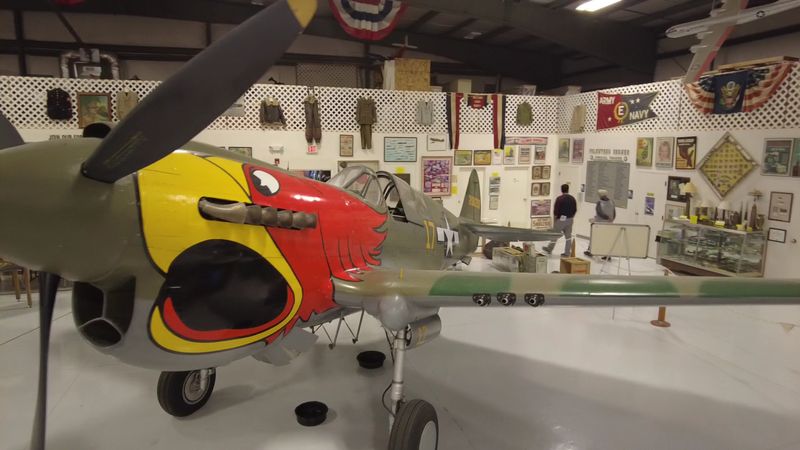
What separates the Warhawk Air Museum from a simple collection of old aircraft is the human story woven through every exhibit.
The museum catalogs personal accounts from soldiers, pilots, and civilians, and those stories are actually sent to the national archives in Washington, D.C., ensuring they are preserved for future generations.
Many of the volunteers who guide visitors through the museum are veterans themselves, carrying firsthand knowledge that no textbook can replicate. Their stories bring the exhibits to life in a way that is completely unscripted and genuinely moving.
Spending even a few minutes in conversation with one of these volunteers transforms the visit entirely.
The museum also spotlights women who served, Medal of Honor recipients, and service members from diverse backgrounds, creating a portrait of military history that is both broad and deeply personal.
Each binder, each photograph, and each artifact represents a real person who gave something significant.
For families visiting from across Idaho and beyond, these personal connections make the planes feel like far more than beautifully maintained machines.
The Collection Makes Military Aviation Feel Surprisingly Up Close
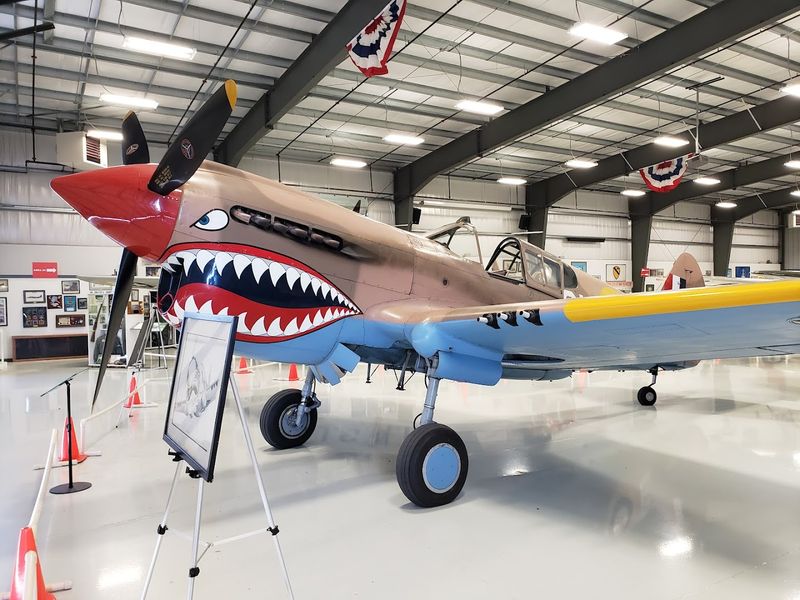
Close viewing is one of Warhawk Air Museum’s biggest strengths, letting visitors study aircraft, vehicles, artifacts, and cockpit details up close. That proximity makes aviation engineering feel tangible rather than remote.
Official and regional tourism pages describe a large collection of airplanes, equipment, memorabilia, and military-history exhibits inside the Nampa museum. A newer Global War on Terror wing expands the story into more recent service.
Not every display should be described as hands-on, and visitors should respect barriers or staff guidance, but the museum still offers a more intimate experience than many people expect from an aviation collection.
Rivets, propellers, tires, paint, engine shapes, cockpit openings, and period markings reward careful looking.
Moving from older military aviation displays toward later conflicts creates a timeline that feels more physical than abstract.
Hours currently run Tuesday through Saturday from 10 a.m. to 5 p.m. and Sunday from 11 a.m. to 4 p.m., with Monday closures and special holiday/event adjustments listed by the museum.
Planning for at least a couple of hours is sensible, especially for anyone who likes reading exhibit labels rather than simply taking photos. Aircraft may be the headline, but proximity turns the visit into a fuller lesson in design, service, risk, and remembrance.
Special Events Bring The Warbird Energy Even Higher
Special events give Warhawk Air Museum a different kind of momentum, especially on days when the hangars shift from quiet exhibits to community gathering spaces.
The museum’s events calendar lists Rosie the Riveter Day, Father’s Day programming, summer camp, Kilroy Coffee Klatch veteran gatherings, Patriot Run 5K, and Warbird Roundup among 2026 offerings.
Rosie the Riveter Day, scheduled for March 21, 2026, features hands-on STEM stations like riveting, codebreaking, drones, circuits, and victory-garden activities. The event is geared especially toward families and younger visitors.
Warbird Roundup brings the aviation energy even higher, with the museum describing the 2026 event as Idaho’s largest two-day gathering of historic warplanes from across the country.
That kind of programming matters because it keeps history from feeling sealed off behind glass. Kids get missions, veterans get gathering spaces, families get shared activities, and aviation fans get special reasons to return.
Event days can also bring schedule changes, early closures, or different admission details, so checking the official calendar before visiting is not just helpful. It is the difference between a good museum stop and catching the hangars at their liveliest.
Warhawk Air Museum Feels Like A Runway Frozen In Time
Leaving Warhawk Air Museum can feel slightly disorienting, because the hangars make aviation history feel so present that ordinary parking-lot life seems to resume too quickly. The Nampa setting helps create that runway-frozen-in-time feeling.
Aircraft sit near an active airfield environment, while museum displays keep drawing visitors back into stories of flight, service, technology, and remembrance.
Warhawk began as a preservation effort by founders John and Sue Paul and has grown into a major Southwest Idaho attraction. Visit Southwest Idaho describes it today as a 100,000-square-foot museum preserving more than 100 years of American aviation and military history.
Tripadvisor currently lists Warhawk Air Museum among Nampa’s top things to do, with a 4.7 rating from more than 260 reviews, though review totals and ratings can change over time. Such praise makes sense because the museum balances spectacle with substance.
Rare aircraft provide the visual thrill, but personal memorabilia, veteran stories, special events, and newer exhibits give the visit lasting weight.
Idaho is fortunate to have a museum where warplanes look ready for takeoff, yet the deeper achievement is how carefully the people behind those machines are remembered.