One Alaska Town Proves You Don’t Need A Big Budget To Live Well
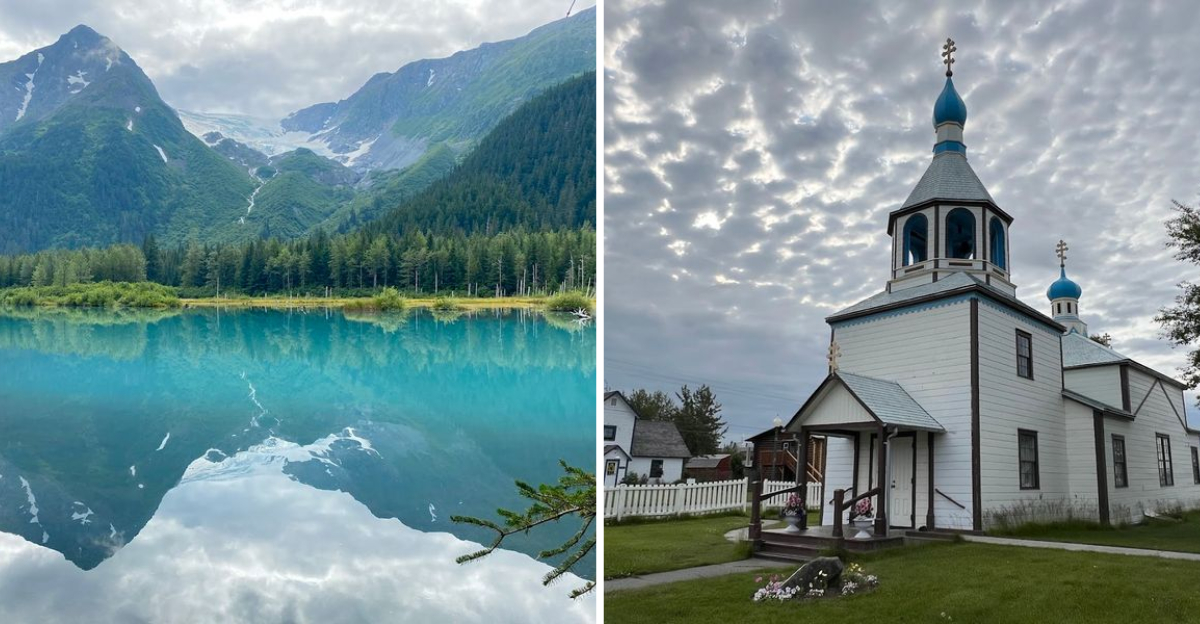
Living well here costs surprisingly little. The town sits on a rich salmon river. Spires catch the soft morning light.
Real value hides along this stretch of Alaska. Eagles circle while mountains stack up behind. I came briefly and stayed far longer. You fill a week without spending much.
The beauty asks for nothing in return. Nobody here chases flash or status. This corner of the north proves a good life stays affordable. Days feel full yet wonderfully cheap.
Quiet richness beats expensive noise every time. Wild salmon run thick every single season.
Neighbors swap fish and friendly stories. Life feels rich here. Keep reading and rethink your budget.
Where This Town Stands On The Map
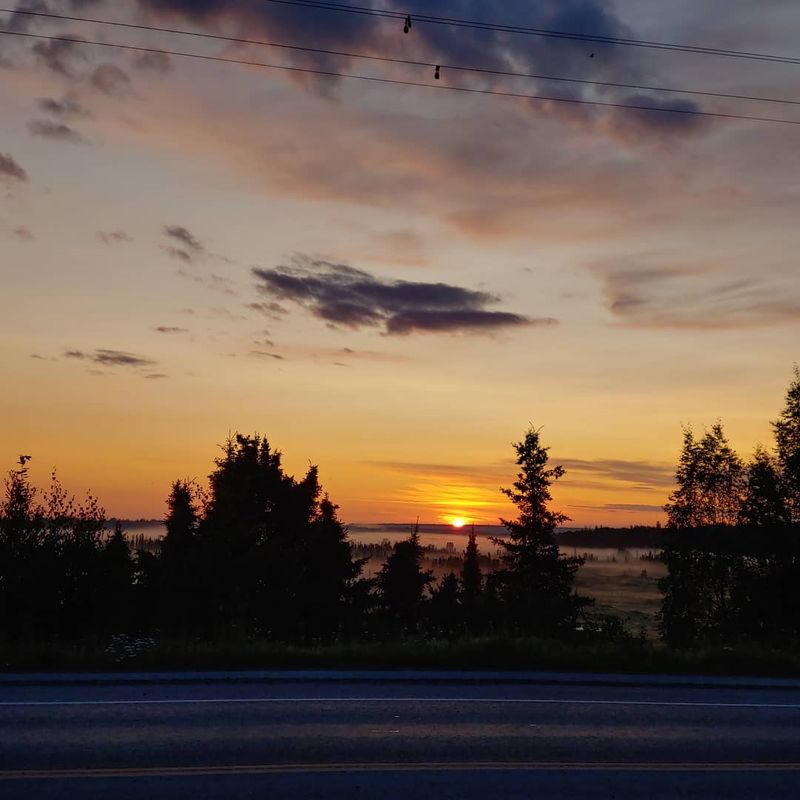
Kenai sits on the western Kenai Peninsula, right where the Kenai River empties into Cook Inlet.
The city is about 160 miles southwest of Anchorage, making it accessible by car along the Seward Highway and Sterling Highway. That drive alone is worth writing home about, with mountain passes, glacial lakes, and moose sightings around nearly every bend.
The city covers about 17 square miles and sits at a low elevation near sea level. That coastal position gives it a climate that is slightly milder than interior Alaska, though winters are still cold and snowy.
Summers bring long daylight hours that stretch well past 10 p.m., giving visitors enormous amounts of time to explore without rushing.
Cook Inlet frames the western edge of town, and on clear days, the views across the water toward the Alaska Range are breathtaking.
The surrounding region is part of the broader Kenai Peninsula Borough, which is one of the most scenically loaded areas in all of Alaska.
A History Older Than Statehood
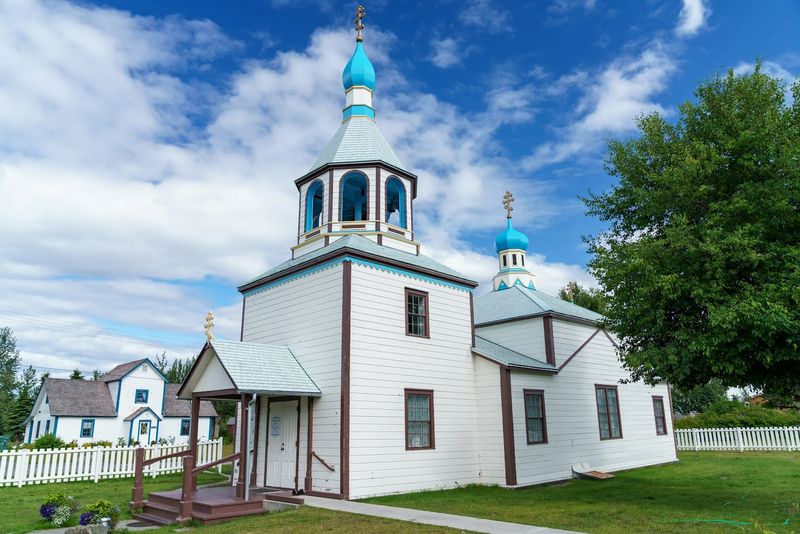
Long before Alaska became the 49th state, this stretch of coastline was home to the Dena’ina Athabascan people, who called the area Shk’ituk’t.
The Dena’ina built their lives around the river, the inlet, and the surrounding forests for thousands of years before European contact changed everything. Their presence is still felt in place names and cultural practices across the region today.
Russian fur traders arrived in the 1700s, and by 1791, Fort St. Nicholas was established here, making it one of the earliest Russian settlements in Alaska.
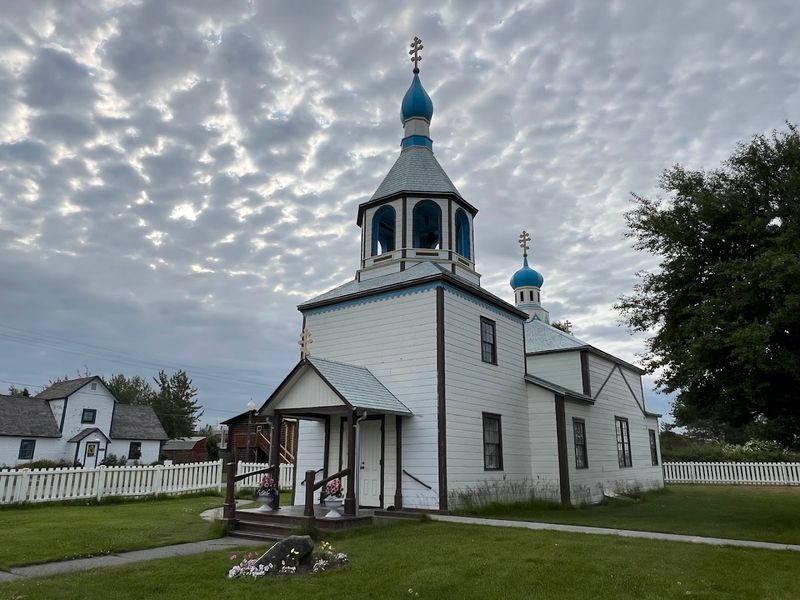
That Russian influence left a lasting mark on the town, most visibly in the Holy Assumption of the Virgin Mary Russian Orthodox Church. Built in the 1890s, the church features the iconic blue onion domes that have become a symbol of the area.
Just steps away stands the tiny St. Nicholas Memorial Chapel, constructed in 1906 from hand-hewn logs. Both structures sit in the Old Town neighborhood, which feels like a quiet step back through layers of history.
The United States purchased Alaska in 1867 and it became a state in 1959, but Kenai carries its pre-statehood stories with quiet pride.
Salmon Season Changes Everything
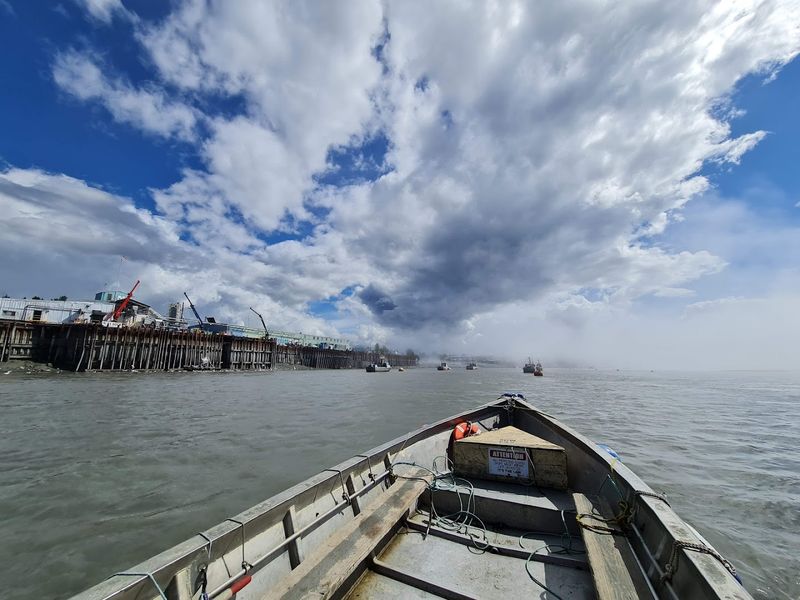
There is a moment every summer when the energy in this town shifts completely.
The salmon start running, and suddenly every parking lot near the river fills up, every tackle shop buzzes with activity, and locals who have been waiting all year pull out their rods with serious focus.
The Kenai River is one of the most famous salmon fisheries in the world, and it earns that reputation every single season.
King salmon, also called Chinook, make their run through here in two waves, one in May and June and another in July. Sockeye salmon, known locally as reds, arrive in massive numbers through July and August.
The river also sees silver salmon and pink salmon runs, meaning the fishing opportunities stretch across most of the summer.
Many visitors come specifically for the chance to catch a trophy-sized king salmon, which can exceed 90 pounds in these waters.
You do not need a boat or expensive gear to participate. The river banks offer public access in multiple spots, and charter fishing services operate throughout the season for those who want guided trips.
Old Town Tells The Real Story
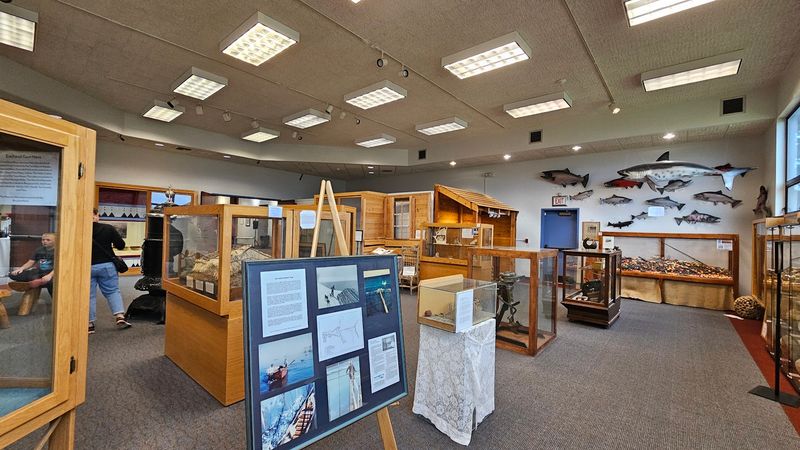
Most towns have a historic district. Few have one that feels this untouched.
Old Town Kenai sits on a bluff overlooking Cook Inlet, and it holds the oldest surviving structures in the area within just a few walkable blocks.
The Russian Orthodox church at 1106 Mission Ave, the small chapel, and the surrounding buildings create a neighborhood that feels more like a living museum than a tourist attraction.
The Kenai Visitor and Cultural Center at 11471 Kenai Spur Hwy anchors the experience with exhibits on local wildlife, Dena’ina culture, and the history of Russian and American settlement in the region.
The center is a practical first stop for any visitor, with helpful staff and well-organized displays that give context to everything else you will see around town. Entry is free, which fits perfectly with the low-budget spirit of the whole destination.
The bluff views across the inlet are spectacular, especially in the late afternoon when the light turns golden and the mountains across the water glow.
Wildlife That Needs No Introduction
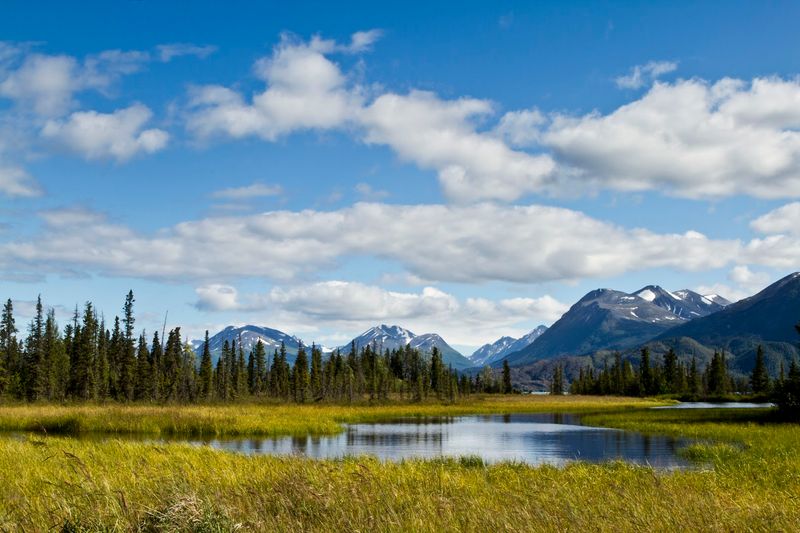
Bald eagles here are practically a background detail.
I spotted my first three within an hour of arriving, perched on driftwood along the river like they owned the place, which, honestly, they sort of do.
Moose wander through town on a regular basis, sometimes strolling through backyards or pausing in the middle of a road to decide where they want to go next.
Black bears and brown bears move through the surrounding forests and along the river during salmon season.
Beluga whales are sometimes spotted in Cook Inlet, particularly during summer months when they follow fish close to shore.
The Kenai National Wildlife Refuge at 33398 Ski Hill Rd in Soldotna, which is near the city, covers nearly two million acres and protects an extraordinary variety of species. Dall sheep, caribou, wolves, and lynx all live within the refuge boundaries.
Day hikes into the refuge require minimal planning and no fees for most trail access. Birders find the area especially rewarding, with species ranging from common loons to trumpeter swans.
Outdoor Activities Beyond Fishing
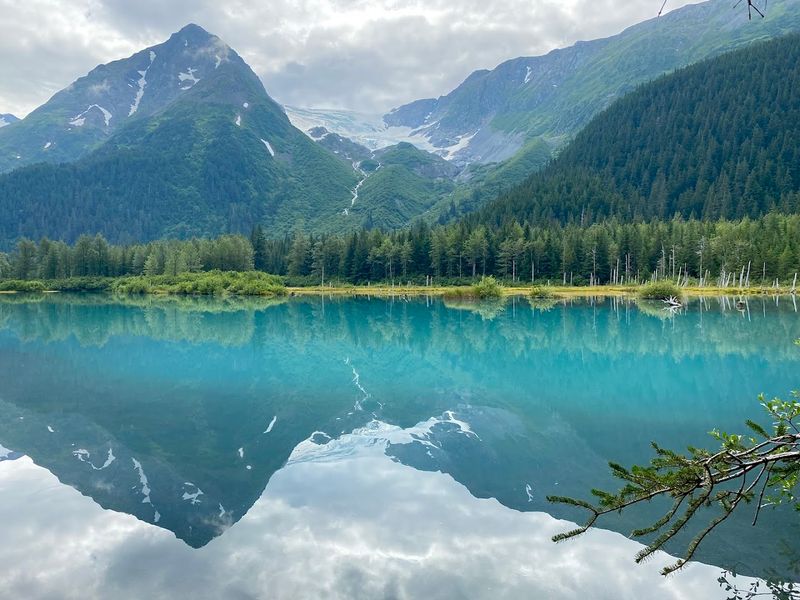
Fishing gets most of the attention, but the outdoor menu here runs much deeper.
Hiking trails in and around the area range from easy riverside walks to more demanding routes that climb into the hills above town.
The Kenai River Trail follows the water through forested stretches that feel completely removed from city life, even though you are just minutes from the center of town.
Kayaking on the river and along the inlet is popular during the summer months. Flat water paddling near the river mouth gives beginners a manageable entry point, while more experienced paddlers can explore further along the coastline.
Clam digging on the beaches near the inlet is a beloved local tradition that requires a fishing license but very little else in terms of equipment or skill.
Winter opens up a completely different set of options. Snowmobiling, cross-country skiing, and ice fishing are all common activities once the cold settles in.
Snowshoeing along quiet forest trails with the world hushed under a foot of fresh snow is one of those experiences that resets something deep inside you, and it does not cost much to do it.
Local Culture And Community Life
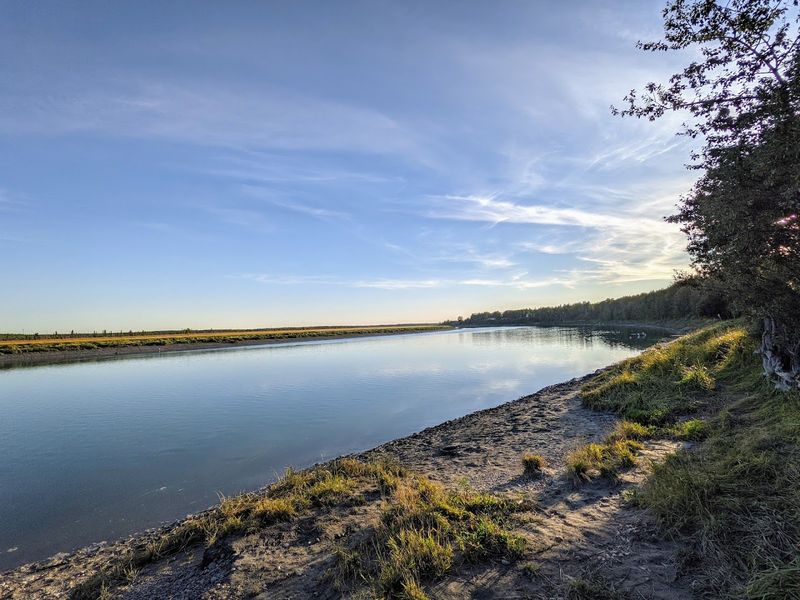
Small towns in Alaska tend to have a self-reliant streak, and Kenai is no different.
The community here has a practical, unpretentious character that takes some getting used to if you come from a big city.
Once you settle into it, the straightforwardness feels refreshing. People here know their neighbors, fix their own equipment, and take the seasons seriously.
The Kenai Visitor and Cultural Center hosts rotating exhibits and events that connect residents and visitors to the region’s layered past.
Dena’ina cultural heritage is represented thoughtfully, with artifacts and storytelling that go beyond the surface-level displays you find in many tourist-facing museums.
The center makes a genuine effort to honor the people who have lived on this land the longest.
Local markets, small shops, and family-run businesses give the town its economic texture. The commercial fishing industry remains a major part of daily life, and you can feel that in the rhythm of the community, especially during the summer run.
Community events, including cultural festivals and outdoor gatherings, bring people together across the seasons.
Living Well Without Spending Much
The title of this article is not a stretch. Kenai rewards visitors who travel with a tight budget and an adventurous mindset.
Public access to the river, the beaches, and the trails costs nothing. Wildlife viewing, which in many places requires expensive guided tours, happens spontaneously here just by being outside and paying attention.
Camping options in and around the area are plentiful and affordable. The Kenai National Wildlife Refuge maintains campgrounds that sit inside some of the most beautiful boreal forest in Alaska.
Cooking your own food, especially if you catch your own salmon and clams, keeps costs extremely low while delivering meals that most restaurants could not replicate.
The combination of free nature and accessible food sources makes this place unusually budget-friendly for Alaska.
Compared to other Alaskan destinations that require floatplane access or cruise ship packages to reach, Kenai is straightforward and affordable to get to by car or regional flight.
Alaska has a reputation for being a pricey place to visit, and in some corners that reputation is earned, but in Kenai, the best things are almost entirely free.