Budget-Conscious Retirees Are Falling For This Laid-Back Hawaii Town
Retiring in Hawaii sounds like something that requires either a trust fund or a willingness to significantly lower your expectations, and then you hear about this Big Island town and the whole equation changes.
The cost of living here sits well below what most people assume Hawaii demands.
The weather is warm without being relentless, and the community has the kind of unhurried, genuinely welcoming energy that most retirees spend years searching for in more obvious places.
Here you get farmers markets, local diners, ocean views without ocean drive prices, and neighbors who know your name by the second week.
This town delivers all of it without the premium that comes attached to the more famous parts of the island.
Word is spreading slowly among retirees who did their homework and stopped assuming this state was out of reach.
The ones who made the move are not exactly rushing to share the discovery with everyone they know.
Where Retirement Feels Like A Vacation
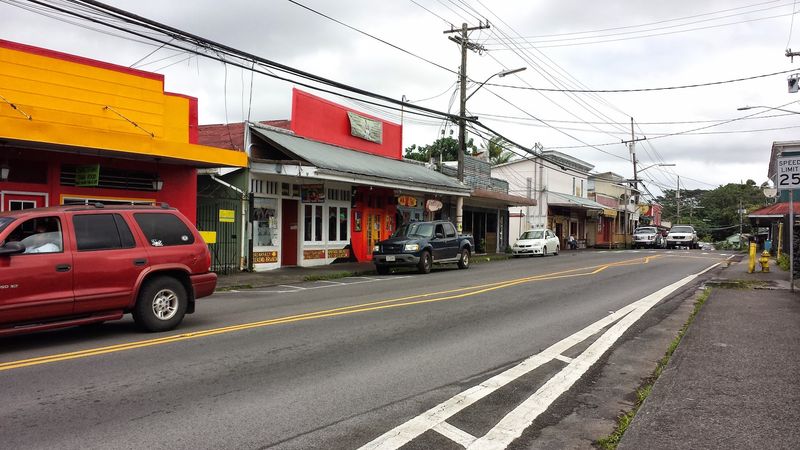
Pahoa is the kind of town that makes you reconsider every retirement plan you ever made. Sitting in the Puna district on the Big Island of Hawaii, Pahoa is a small, low-key community with a character all its own.
Wooden boardwalks, colorful storefronts, and towering tropical trees line the main street in a way that feels more like a movie set than a real town.
The vibe here is genuinely relaxed. Nobody is rushing anywhere, and that energy is contagious in the best possible way.
Retirees who have traded expensive Honolulu rents for Pahoa living often describe it as the best financial decision they ever made.
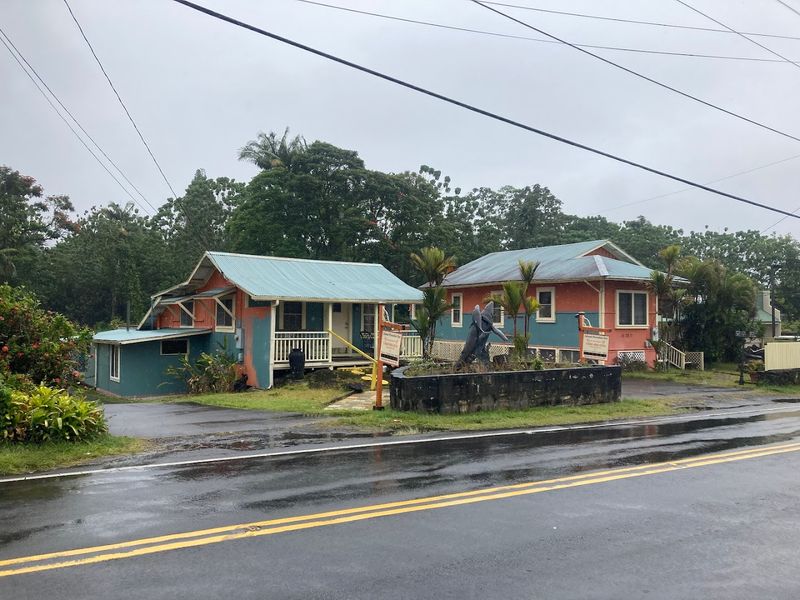
Housing costs in Pahoa run significantly lower than most Hawaiian communities. You can find rental homes for a fraction of what you would pay on Maui or Oahu.
The trade-off is a slower pace and a more rugged, jungle-adjacent lifestyle, which for many retirees sounds less like a compromise and more like a dream come true.
The Cost Of Living That Makes Sense
Retirees living on Social Security or a fixed pension often feel squeezed out of Hawaii before they even unpack. Pahoa flips that script entirely.
The Puna district consistently ranks as one of the most affordable places to live on any Hawaiian island, and that matters enormously when your monthly budget has a firm ceiling.
Grocery costs benefit from local farmers markets where fresh produce sells at prices that feel almost too good.
Many retirees supplement their meals with backyard gardens, since the volcanic soil in this region is famously fertile. Growing your own papayas and herbs is not a hobby here, it is practically a lifestyle.
Utility costs also stay manageable for those willing to embrace solar energy, which is widely used throughout the Puna district.
Internet access has improved considerably over recent years, so staying connected with family on the mainland is no longer a struggle.
For retirees who want the Hawaii experience without the Hawaii price tag, Pahoa delivers in ways that bigger, flashier towns simply cannot match.
Warm Weather That Skips The Tourist Crowds
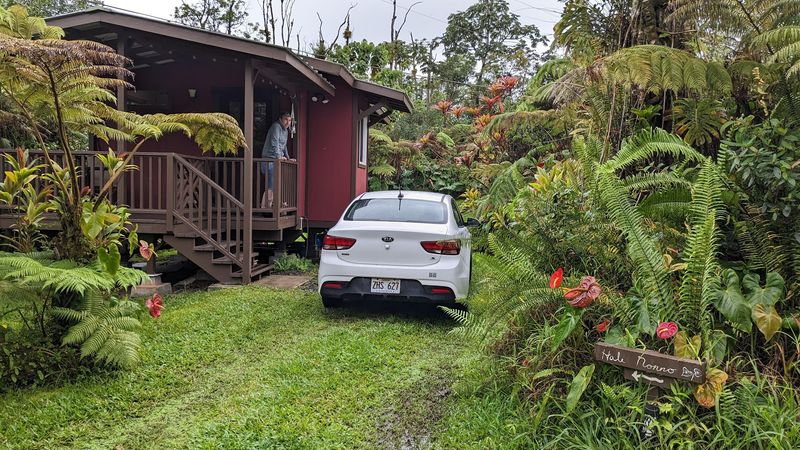
One of the first things you notice about Pahoa is how few tourists are wandering around compared to places like Kailua-Kona or Waimea. That is not an accident.
Pahoa is not on the typical resort circuit, which means the beaches, parks, and local spots stay genuinely uncrowded most of the year.
The climate in lower Puna runs warm and humid, with frequent rain showers that keep everything brilliantly green.
If you love the jungle aesthetic and do not mind an occasional afternoon shower, this climate feels like paradise.
The temperature rarely dips below 65 degrees Fahrenheit even in winter, which is a significant draw for retirees escaping cold northern states.
Mornings in Pahoa have a quality that is hard to describe without sounding overly poetic. The air smells like rain and flowers, birds call from every direction, and the light through the tree canopy has a soft, golden quality.
Spending a morning on a lanai with coffee and that view is not a luxury reserved for resort guests. It is just a Tuesday in Pahoa.
A Community That Welcomes New Faces
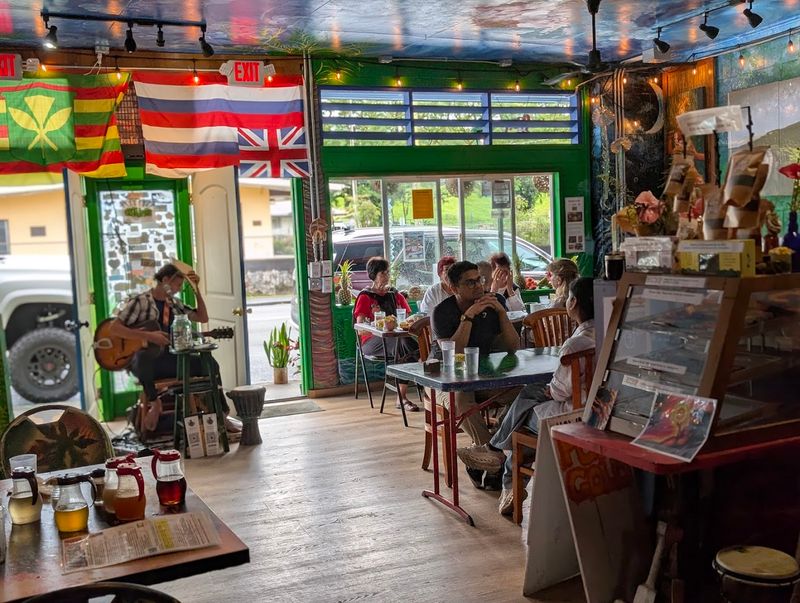
Pahoa has long attracted artists, free spirits, and people who prefer authenticity over polish.
That culture creates a surprisingly welcoming atmosphere for retirees who arrive without knowing a single person on the island.
The community is small enough that familiar faces appear quickly, but diverse enough that newcomers rarely feel out of place.
Local community events happen regularly throughout the year. Farmers markets, art shows, music gatherings, and neighborhood potlucks give residents easy ways to connect without spending much money.
For retirees who worry about social isolation, Pahoa offers a natural antidote built right into the fabric of daily life.
The Puna Community Medical Center provides basic healthcare services locally, and larger medical facilities in Hilo are only about 25 minutes away.
That proximity to Hilo matters a great deal for retirees who need regular appointments or specialist care.
Having real healthcare access while living in a rural jungle town is not something every small Hawaiian community can offer, and Pahoa benefits enormously from its location relative to Hilo.
Volcanoes National Park Right At Your Doorstep
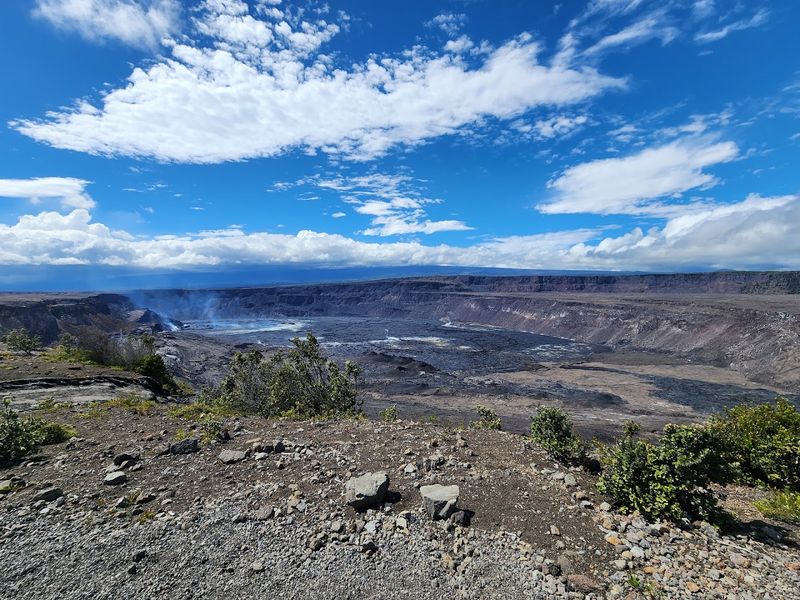
Living near one of the most active volcanoes on Earth sounds dramatic, but for Pahoa residents it is simply part of the backdrop.
Hawaii Volcanoes National Park sits roughly 30 miles from town, close enough for regular visits but far enough that daily life proceeds without drama.
Retirees with a national park pass can visit as often as they like at no extra cost.
The park offers accessible walking trails, stunning crater overlooks, and educational visitor centers that never get old regardless of how many times you visit.
Watching steam rise from the caldera at sunset is the kind of experience that reminds you exactly why you chose Hawaii in the first place. It does not require a reservation, a tour guide, or an expensive excursion.
Wildlife spotting around the park adds another layer of enjoyment. Nene geese, Hawaii’s state bird, wander the park grounds with casual confidence.
The park’s diverse elevation zones mean you can hike through rainforest, desert-like lava fields, and coastal bluffs all within the same afternoon. For active retirees who want nature on a grand scale, nothing compares.
The Farmers Market Scene That Feeds Body And Soul
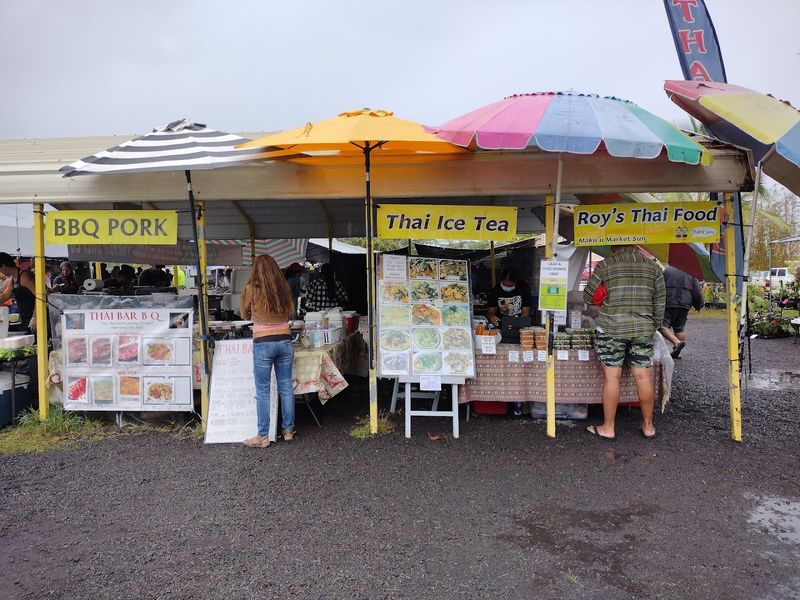
The Maku’u Farmers Market near Pahoa is one of the largest and most beloved outdoor markets on the Big Island, drawing vendors and shoppers every Sunday morning with impressive consistency.
Retirees on a budget quickly discover that this market is not just a fun outing, it is a genuine strategy for eating well without overspending at grocery stores.
Fresh tropical fruit, locally grown vegetables, homemade jams, prepared foods, handmade crafts, and plant starts all show up in abundance.
Vendors are friendly, prices are fair, and the atmosphere has a festive quality that makes Sunday mornings feel like a small celebration every single week. Going once is enough to make it a permanent fixture in your routine.
Beyond the practical savings, the market functions as a social hub for the Puna community.
Regulars greet each other warmly, conversations happen easily between strangers, and the whole experience moves at a pace that feels generous rather than rushed.
For retirees who want community, great food, and a reason to get out of the house every week, the Maku’u market delivers all three simultaneously.
Beaches That Feel Like A Personal Discovery
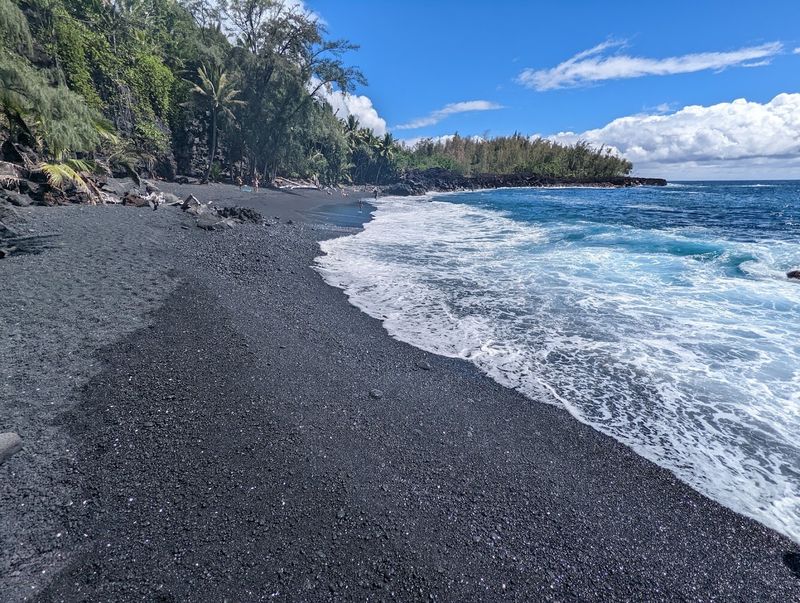
Forget the manicured resort beaches with umbrella rentals and smoothie stands. The coastline near Pahoa offers something rawer and more memorable.
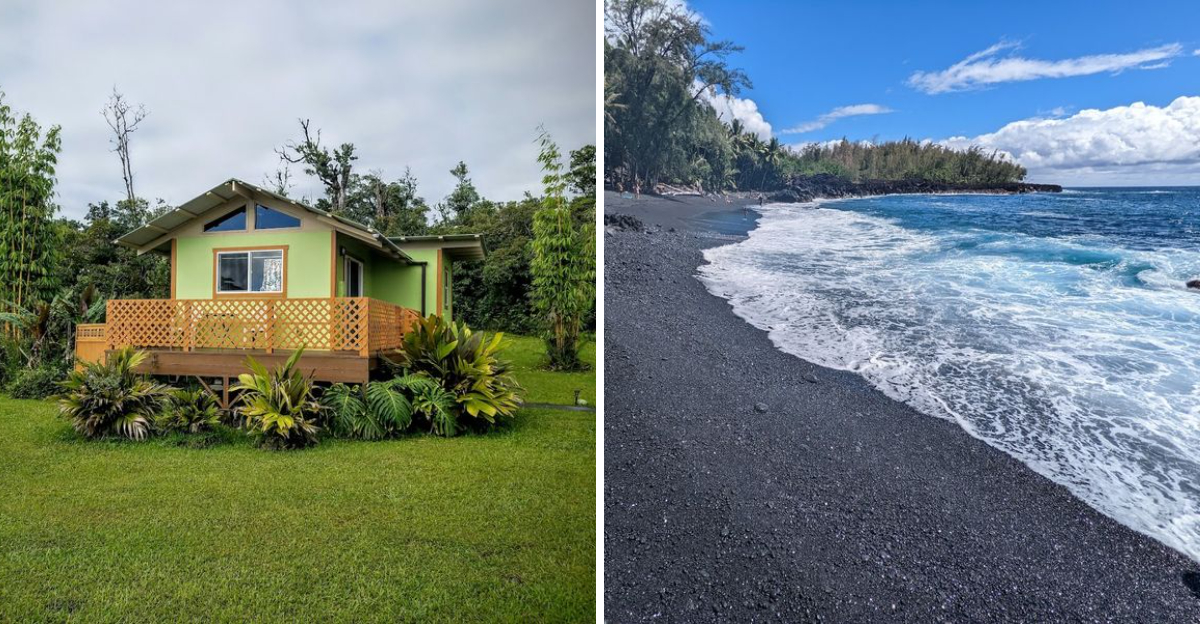
Kehena Beach, a black sand shoreline accessible by a short trail, draws locals who appreciate its natural, no-frills beauty. The contrast of black volcanic sand against bright blue Pacific water is genuinely striking.
Isaac Hale Beach Park provides boat ramp access and a calmer area for swimming and snorkeling that locals use regularly.
Warm Springs, a coastal spot where natural thermal water mixes with the ocean, offers a bathing experience unlike anything else on the islands.
These are not spots you will find on most tourist itineraries, which is precisely what makes them so appealing.
Driving the coastal road in lower Puna on a clear morning, with the ocean visible between lava fields and palm trees, is the kind of sensory experience that reminds you why people fall in love with the Big Island specifically.
Pahoa’s location puts you within easy reach of multiple coastal access points without requiring a long drive or a hotel reservation. The ocean here feels personal rather than performative.
A Retirement Lifestyle Built Around Simplicity
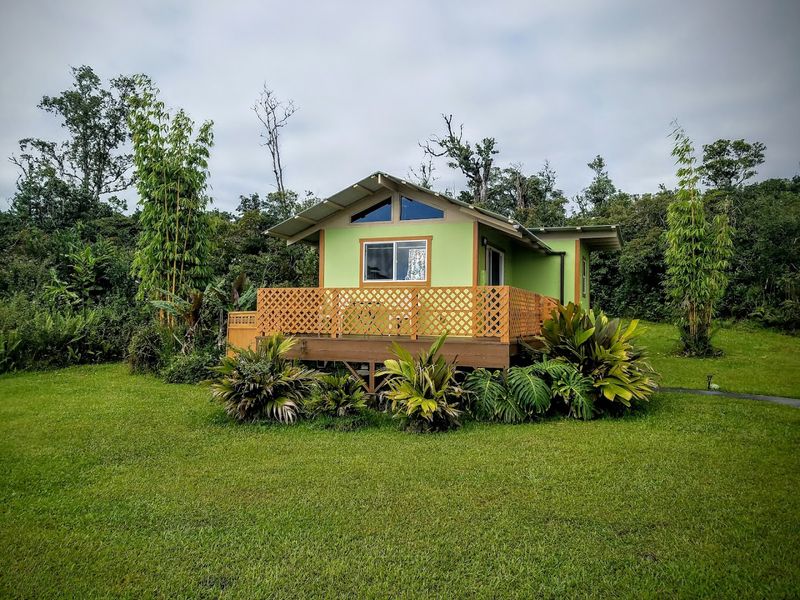
The retirees who thrive in Pahoa are not looking for luxury. They are looking for meaning, ease, and a life that does not drain their savings every month.
Pahoa rewards that mindset generously.
The slower rhythm of the town naturally encourages simpler pleasures, morning walks, garden projects, community connections, and long afternoons with nowhere urgent to be.
Monthly living expenses for a retired couple in Pahoa can run considerably lower than national averages when housing is managed smartly.
Many retirees rent modest homes with large yards, grow portions of their own food, and find that social life costs almost nothing given how community-centered the area already is.
The math starts looking very different from mainland retirement projections.
What Pahoa offers that money genuinely cannot manufacture is a sense of place. The town has personality, history, and a quirky independence that makes daily life interesting in small, consistent ways.
Retirees who have lived in generic suburban communities often describe Pahoa as the first place they have ever lived that actually feels alive.
For a budget-conscious retirement that still feels rich in every way that matters, Pahoa on the Big Island deserves serious consideration.