Nebraska Wildlife Spots Where Bison, Elk, And Other Big Animals Are Easy To See
Big animals make people forget how casual they were trying to act.
Everyone starts out normal.
Then a bison lifts its head or a massive shape moves in the distance, and suddenly the whole car becomes very serious.
Wildlife watching feels best when it does not require a complicated expedition or a heroic amount of patience.
You want a real chance to see something impressive. That is where Nebraska can surprise people.
The state has open spaces, scenic drives, and protected places where large animals are part of the landscape.
Bison have presence. Elk add drama. Even deer, longhorns, and other big grazers can make a simple outing feel bigger.
A good wildlife stop gives you that little jolt of excitement while still feeling easy enough for anyone who just wants nature to show up.
1. Fort Niobrara National Wildlife Refuge, Valentine
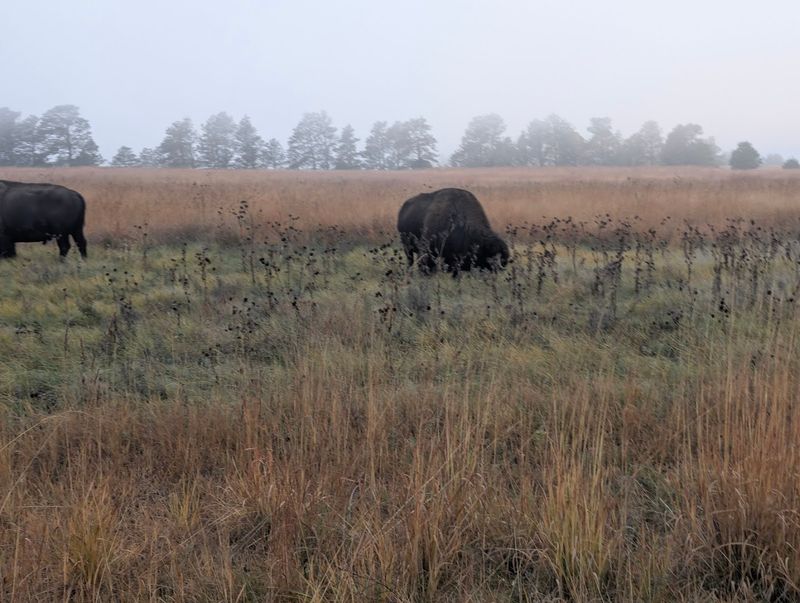
Roughly 350 free-roaming bison call this refuge home, and watching them move across the grasslands at their own pace feels completely different from a zoo or a drive-through park.
Fort Niobrara National Wildlife Refuge near Valentine, Nebraska, offers a 3.5-mile wildlife drive that winds through native prairie where bison, deer, elk, coyotes, and birds can all be spotted depending on the season.
Early summer tends to bring newborn calves into the picture, which adds an extra layer of excitement to any visit.
Late summer is worth timing for, too, since male bison display dominance behaviors during mating season that are genuinely impressive to observe from a safe distance.
Binoculars are strongly recommended because the herd may be grazing far from the road on any given day.
Prairie dog towns are also scattered throughout the refuge, giving visitors another interesting stop along the route.
The refuge sits in a beautiful stretch of the Niobrara River valley, so the scenery alone makes the drive worthwhile even on slower wildlife days.
Checking the refuge’s current conditions before visiting helps set realistic expectations and improves the overall experience significantly.
2. Pioneers Park Nature Center, Lincoln
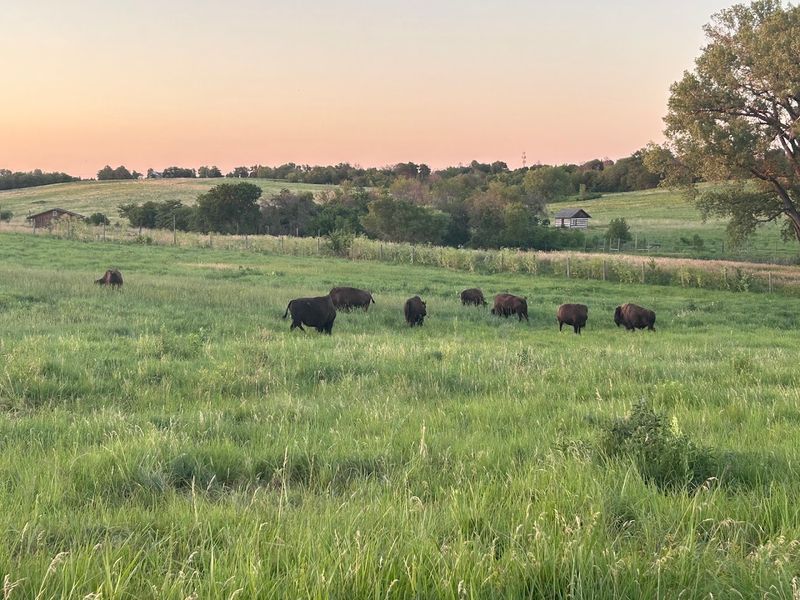
Not everyone has time to drive hours across the state just to spot a bison, and that is exactly where this Lincoln gem earns its reputation.
Pioneers Park Nature Center offers a genuinely satisfying wildlife experience right inside the city, with outdoor exhibits featuring bison, elk, deer, and birds of prey that visitors can observe without any long-distance travel involved.
The nature center sits on more than ten miles of hiking trails, so there is plenty of room to wander and take things at a relaxed pace.
The bison herd here is small but consistently viewable, which makes it a dependable option when weather or time limits a longer trip.
Families with kids tend to find the layout very manageable since everything is close together and easy to navigate.
Birds of prey exhibits add a different kind of wow factor to the visit, with raptors that most people rarely get to see up close.
The center balances education and outdoor enjoyment in a way that feels natural rather than forced.
For anyone based in Lincoln or passing through, skipping this stop would genuinely be a missed opportunity to connect with Nebraska’s native wildlife without the hassle of a full-day excursion.
3. Fort Robinson State Park, Crawford
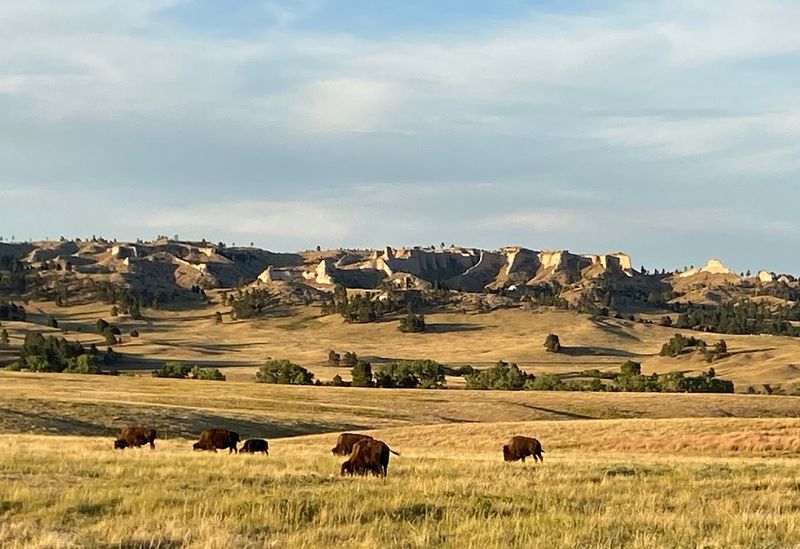
Big skies and bigger animals define the experience at this sprawling park in western Nebraska.
Fort Robinson State Park in Crawford covers more than 22,000 acres of dramatic landscape, and both bison and longhorn herds roam across the grounds, giving visitors a genuine sense of what the Great Plains once looked like.
The scenery here is hard to overstate, with rugged buttes and open valleys creating a backdrop that makes every wildlife sighting feel more cinematic than expected.
Bighorn sheep have also been spotted on the park’s rocky pinnacles, which adds another potential highlight to any visit.
The combination of terrain and animals makes Fort Robinson stand out from most other wildlife viewing spots in the state.
Beyond the animals, the park has a rich history tied to the U.S. Army and the region’s Indigenous past, so there is plenty of context to absorb while exploring.
Camping and cabin rentals are available for those who want to spend more than a single day, which increases the chances of catching animals during the quieter morning and evening hours.
Western Nebraska does not always get the credit it deserves as a wildlife destination, but this park makes a strong case for the region.
4. Niobrara Valley Preserve, near Ainsworth and Norden
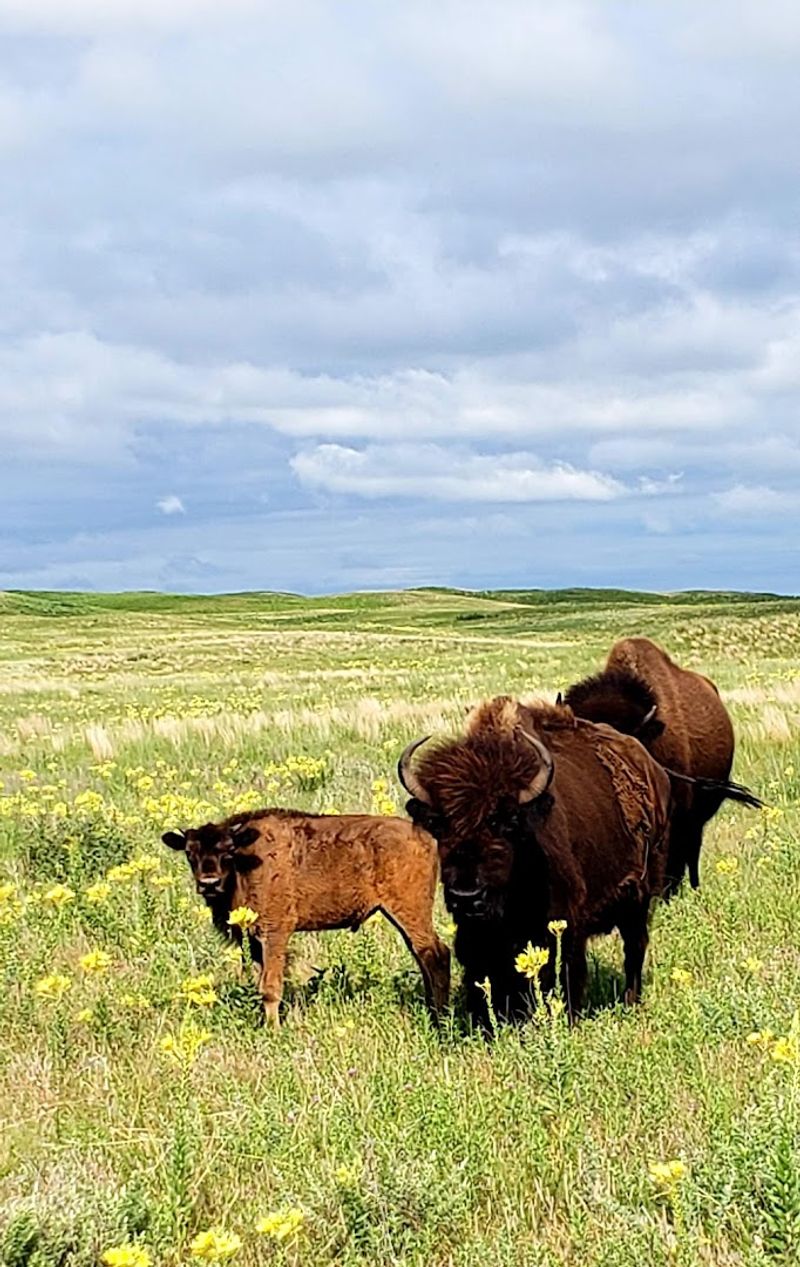
Managed by The Nature Conservancy, this preserve offers a wilder and more open-land wildlife experience than most drive-through or city-based options in Nebraska.
Two separate bison herds graze across large native prairie pastures here, and the landscape itself feels genuinely untamed in a way that some of the more structured parks do not quite replicate.
Sightings are less guaranteed than at a safari park, which is actually part of the appeal for visitors who prefer a more authentic encounter with animals living on their own terms.
The preserve sits in the Niobrara River valley region, an area recognized for its outstanding biodiversity and scenic river bluffs that make the surroundings feel worth the trip even on slower animal days.
Conservation is central to everything happening here, so visiting comes with the added satisfaction of supporting meaningful prairie restoration work.
Planning ahead matters at this location since access and programming may vary by season.
Those who enjoy a more exploratory, less scripted wildlife outing will likely find this preserve one of the most rewarding stops in the state.
Patience and a good pair of binoculars go a long way when spending time here.
5. Lee G. Simmons Conservation Park and Wildlife Safari, Ashland
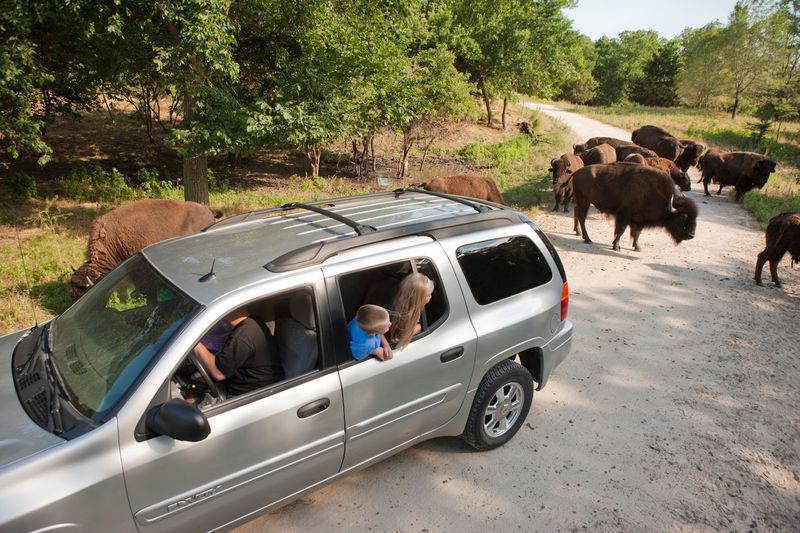
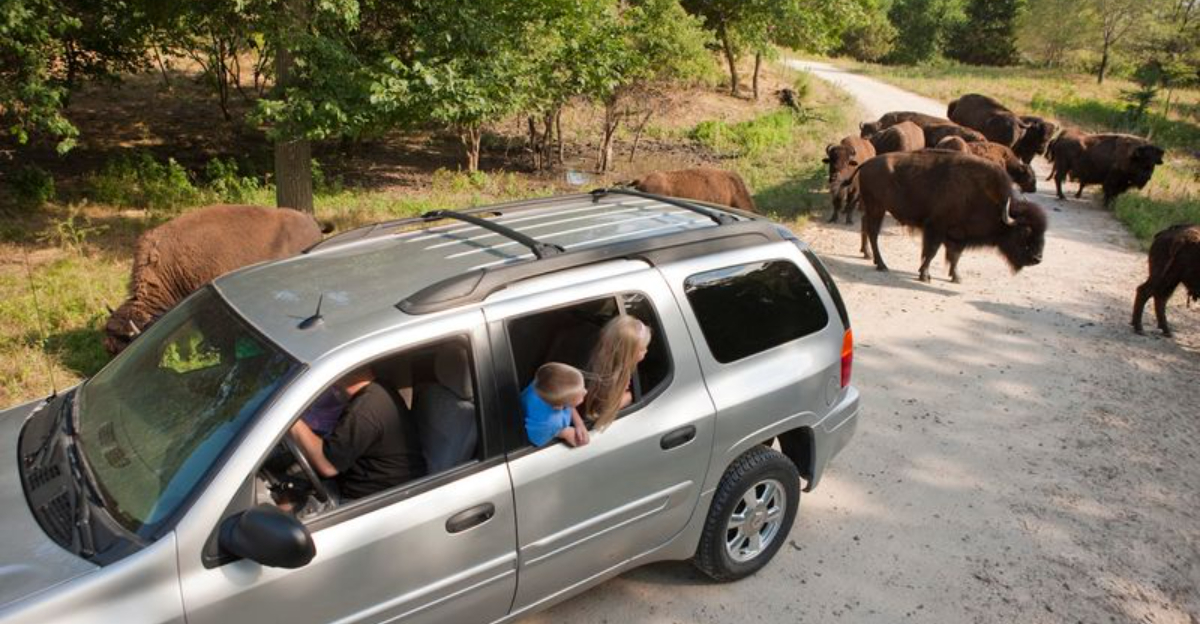
Rolling down the car window and coming face-to-face with a bison is something most people do not expect to happen in Nebraska, but that is exactly what a visit here can feel like.
At 16406 292nd St, Ashland, NE 68003, the Lee G. Simmons Conservation Park and Wildlife Safari offers a four-mile drive-through route where bison, elk, deer, pronghorn, and waterfowl roam freely around passing vehicles.
The setup is about as low-effort as wildlife viewing gets, since there is no hiking required and no long waits hoping animals will appear.
Visitors stay in their cars and move at their own pace through the route, which makes it a solid choice for families with young children or anyone who wants a reliable sighting without unpredictable conditions.
Wolves and bears are also part of the park experience, viewable in enclosures along the route.
The park tends to be most lively during warmer months, so checking seasonal hours before heading out is a smart move.
For first-timers curious about Nebraska wildlife, this is genuinely one of the most accessible and rewarding stops in the entire state.
6. Wildcat Hills State Recreation Area, Gering
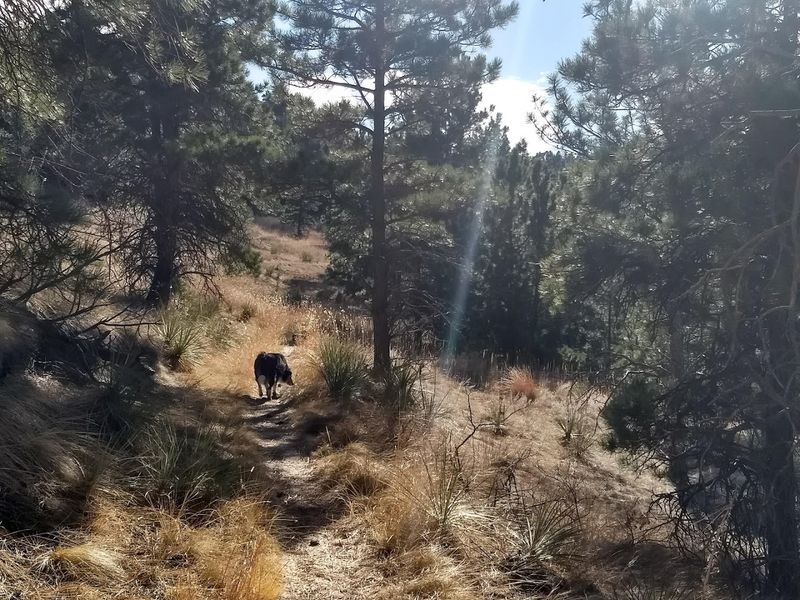
Spotting bighorn sheep on a rugged canyon ridge is not something most people associate with a Nebraska road trip, but Wildcat Hills delivers exactly that kind of unexpected thrill.
Located near Gering in western Nebraska, this recreation area is one of the reliable places in the state to observe bighorn sheep in a natural setting without needing a guided tour or special permit.
The landscape here is strikingly different from the flat prairie most people picture when thinking about Nebraska, with pine-covered buttes and dramatic rock formations creating a habitat that genuinely suits these sure-footed animals.
White-tailed deer are also commonly seen in the area, adding more wildlife variety to a single visit. The terrain rewards visitors who take their time and scan the ridgelines carefully rather than rushing through.
A nature center at the site provides helpful context about the local ecosystem and the animals that call it home.
Morning visits tend to offer better sightings since wildlife is generally more active before midday heat sets in.
The combination of unusual scenery and real wildlife viewing potential makes Wildcat Hills a standout stop for anyone traveling through the Scottsbluff area and looking for something genuinely memorable beyond the typical tourist route.
7. Ponca State Park, Ponca
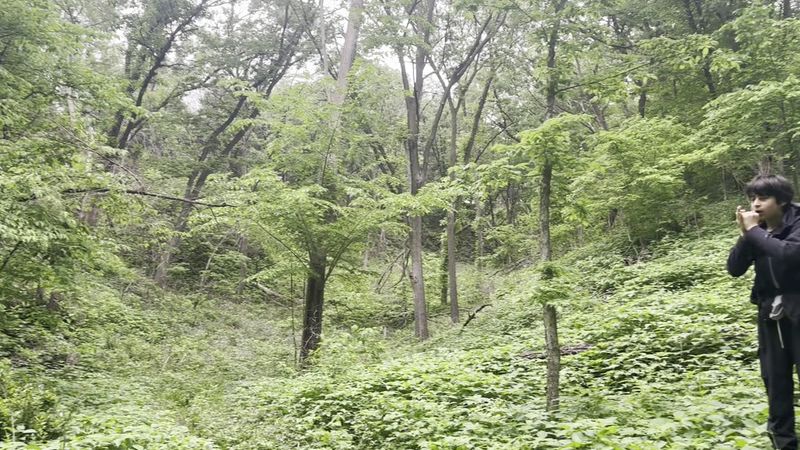
Wild turkeys might not be the first animal that comes to mind when planning a big-animal wildlife outing, but seeing a large group of them move through the Missouri River bluffs at Ponca State Park is genuinely striking in its own right.
High concentrations of wild turkeys gather along the river corridor here, and the setting itself is one of the most scenic in all of Nebraska.
The park sits on a stretch of the Missouri River known for its ecological richness, with white-tailed deer also commonly spotted along trails and forest edges throughout the year.
The mix of dense woodland and open bluff views creates a layered wildlife experience that rewards visitors who slow down and look carefully rather than rushing from point to point.
Trail options range from easy riverside walks to more rugged ridge hikes depending on how much ground visitors want to cover.
Fall is a particularly rewarding season to visit since foliage color peaks alongside increased animal activity before winter sets in.
Camping is available within the park for those who want to extend a visit into a full overnight experience.
Ponca State Park consistently offers a quieter, more reflective wildlife outing compared to some of Nebraska’s more heavily visited spots.
8. Cedar Canyons Wildlife Management Area, near Gering
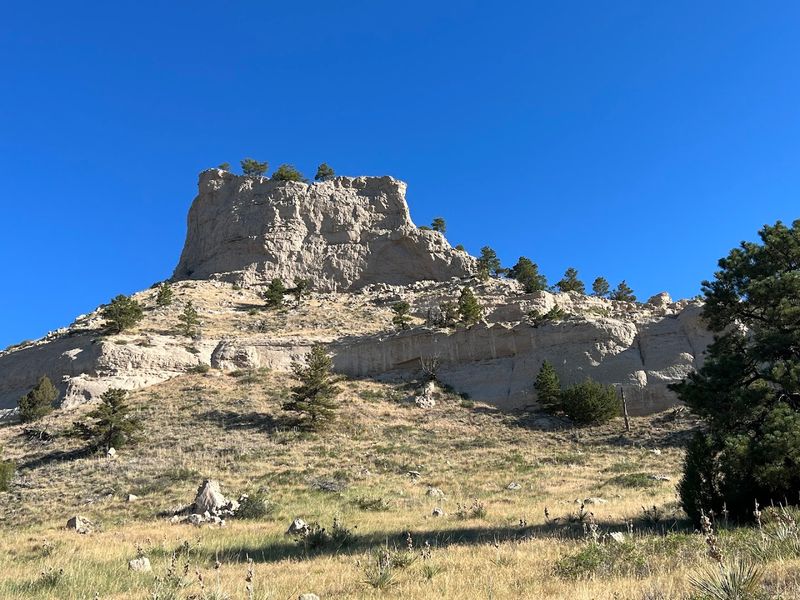
In the rugged canyon country near Gering, this wildlife management area offers one of the more rewarding bighorn sheep viewing opportunities in Nebraska without requiring a long or complicated trip.
Cedar Canyons WMA features the kind of rocky, broken terrain that bighorn sheep naturally gravitate toward, and visitors who scan the canyon walls carefully are often rewarded with sightings of these agile animals.
The area feels genuinely wild compared to more developed parks, which suits visitors looking for a less crowded and more exploratory experience.
There are no paved roads or formal visitor facilities here, so coming prepared with water, sturdy footwear, and a map of the area makes a real difference in how comfortable the visit feels.
White-tailed deer and various bird species also inhabit the canyons, filling out the wildlife experience beyond just the sheep.
Morning light tends to be the best time to spot animals before they move to shadier ground during midday.
The proximity to Gering and Scottsbluff means this spot pairs naturally with a stop at Wildcat Hills or the nearby Scotts Bluff National Monument for a full day of western Nebraska exploration.