These 9 Alaska Towns Show That Affordable Living Isn’t Gone Yet
Everyone pictures Alaska as frozen and impossibly expensive. The truth turned out to be a pleasant surprise.
Real towns sit tucked between the peaks and fjords. Costs here never spiraled the way the rest did. You can still build a good life without debt.
Fishing boats, farm stands, and front porches anchor daily life. I kept finding places where a dollar stretches far.
Mountains and bright water frame nearly every small downtown. Neighbors know your name and wave from passing trucks.
Housing stays reasonable while the scenery stays priceless. These towns make the case better than I can.
Keep reading, and start rethinking your northern move.
1. Wrangell
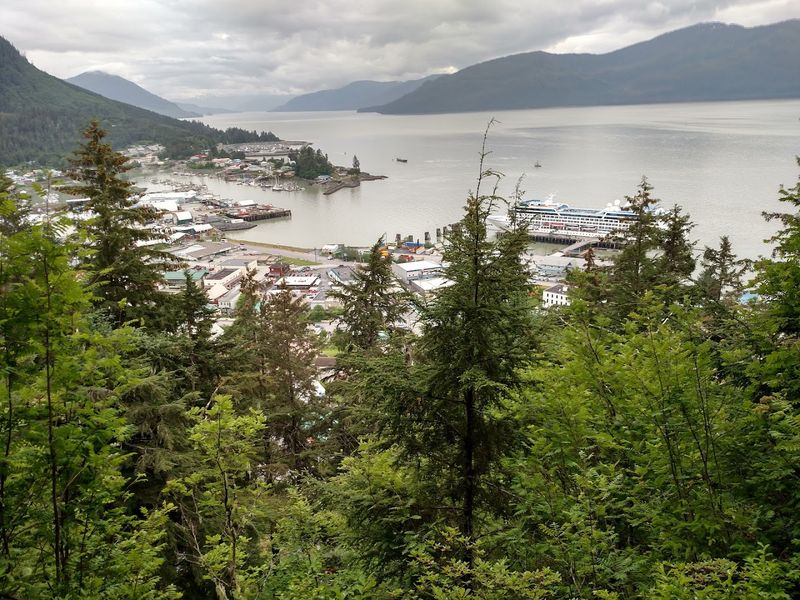
You might not believe me, but one of Alaska’s most affordable and overlooked towns sits quietly on its own island.
Wrangell rests on Wrangell Island in the Southeast Alaska panhandle. It is one of the few towns in the state accessible by both sea and air, with no road connection to the mainland.
The town has a rich Tlingit heritage that stretches back thousands of years. Petroglyphs carved into beach rocks near town are among the oldest in the Pacific Northwest.
History here is not behind glass in a museum. It is literally under your feet.
Wrangell is surrounded by the Tongass National Forest, the largest national forest in the United States. The Stikine River nearby is a magnet for wildlife, including bears, eagles, and beluga whales during spring.
Outdoor recreation is essentially free and endlessly available.
The housing market here is remarkably reasonable by Alaska standards. A small but tight-knit community of around 2,000 people keeps things personal and connected.
Neighbors actually know each other, which is a rare and wonderful thing.
Fishing and timber have shaped the local economy for generations. Today, tourism is growing steadily without overwhelming the town’s quiet character.
2. Palmer
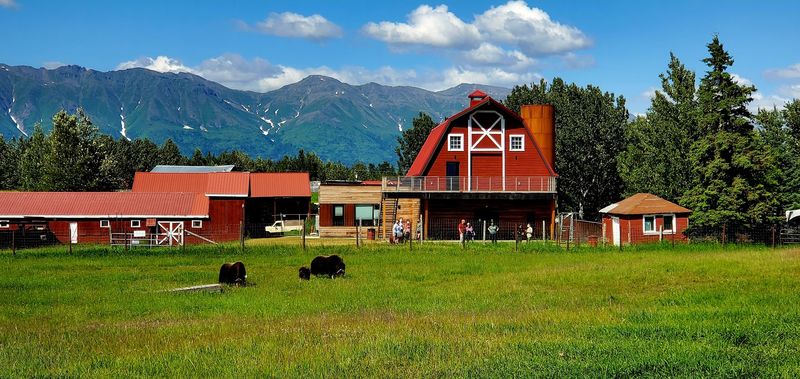
I never would have guessed that a farming community in Alaska could be one of its most livable and budget-friendly towns.
Palmer sits in the Matanuska-Susitna Valley, about 40 miles northeast of Anchorage. It enjoys a surprising amount of sunshine for a northern state, which makes it a genuine agricultural hub.
Palmer was founded in the 1930s as part of a New Deal agricultural colony. The government relocated farming families here from the Midwest during the Great Depression.
That pioneering spirit still runs through the town’s DNA today.
The Matanuska-Susitna Valley is famous for its giant vegetables. Cabbages here can grow to over 100 pounds thanks to the long summer daylight hours.
The Alaska State Fair, held annually in Palmer, is a beloved celebration of that agricultural legacy.
Housing costs in Palmer are noticeably lower than in nearby Anchorage. Many families choose to live here and commute to the city for work.
The trade-off is more space, cleaner air, and a slower, more grounded lifestyle.
Hiking trails, rivers, and glaciers are all within easy reach from town. The Matanuska Glacier, one of Alaska’s most accessible glaciers, is just a short drive away.
3. Soldotna
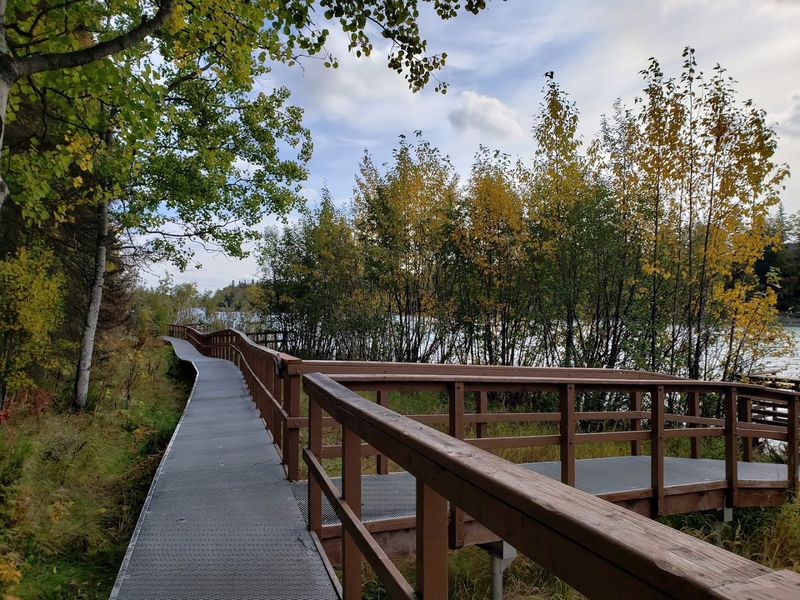
Trust me, not every fishing town in Alaska comes with an outrageous cost of living.
Soldotna is located on the Kenai Peninsula, roughly 150 miles south of Anchorage. It sits along the banks of the world-famous Kenai River, a waterway celebrated for its record-breaking king salmon runs.
The town was established in the late 1940s when homesteaders flooded the Kenai Peninsula after World War II. It grew steadily as a service hub for the surrounding region.
Today it functions as a small but capable city with hospitals, schools, and a range of local businesses.
Soldotna’s economy is anchored by fishing, tourism, and oil industry workers from nearby Cook Inlet operations. The combination keeps the job market relatively stable compared to many rural Alaskan communities.
That stability translates into a more predictable and manageable cost of living.
Housing here tends to be more affordable than in Anchorage or Juneau. Many residents enjoy large lots with room for gardens, workshops, and outdoor storage.
The lifestyle leans heavily toward self-sufficiency, which suits the Alaskan character well.
Kenai National Wildlife Refuge borders the town, putting moose, bears, and swans practically in the backyard. The Kenai River Festival each summer brings the community together in a fun way.
Soldotna is the sort of town where affordability and adventure share the same address, and that is a rare combination worth celebrating.
4. Sitka
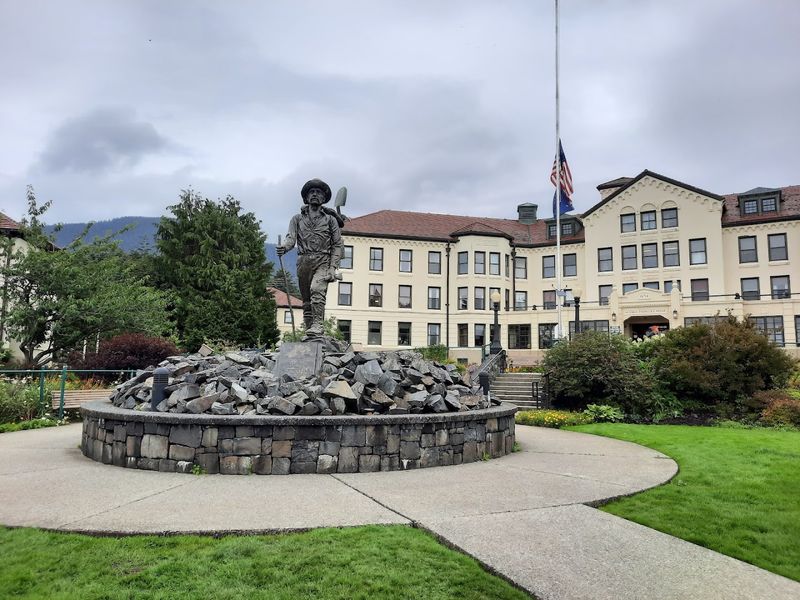
Can you believe that one of Alaska’s most historically rich towns is also one of its more reasonably priced coastal communities?
Sitka is tucked along the western edge of Baranof Island in Southeast Alaska. It faces the open Pacific Ocean, giving it a dramatic and windswept character unlike any other Alaskan town.
Sitka was once the capital of Russian Alaska, and that history is impossible to miss. Saint Michael’s Cathedral, a stunning Russian Orthodox church, stands at the heart of downtown.
The Sitka National Historical Park preserves totem poles and the site of a major 1804 battle between Russian colonizers and the Tlingit people.
The town is surrounded by Tongass National Forest on all sides, with ocean access completing the picture. Sitka Sound offers world-class fishing, kayaking, and whale watching.
Humpback whales are a common sight, especially in the fall months when they feed heavily near shore.
Housing in Sitka is more affordable than many outsiders expect for a Southeast Alaska community. The island setting does mean some goods are pricier due to shipping costs.
But the trade-off is a strikingly beautiful and culturally layered place to call home.
Sitka’s arts scene is small but genuinely active, with music festivals and cultural events throughout the year.
The Sitka Summer Music Festival draws classical musicians from around the world. Living here means trading urban convenience for something far more rare and rewarding.
5. Kenai
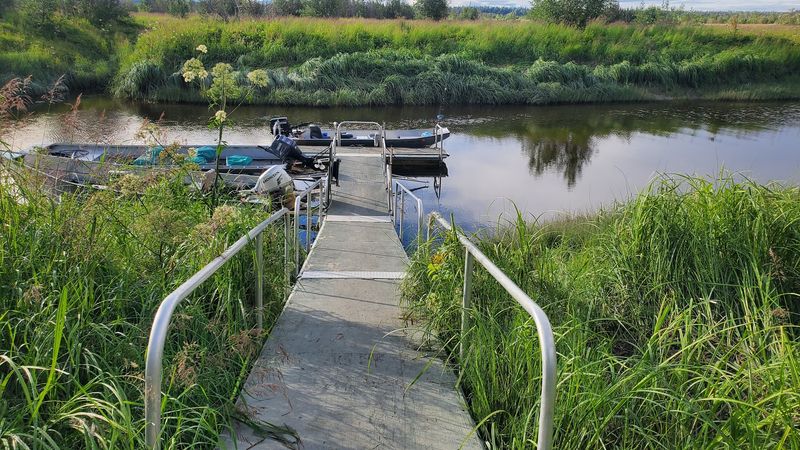
Believe me, not many towns in the United States offer a view of active volcanoes from their downtown bluff.
Kenai is on the western side of the Kenai Peninsula, overlooking Cook Inlet and the snow-capped Alaska Range. On a clear day, you can see four volcanoes from the historic Old Town area near the bluff.
Kenai is one of Alaska’s oldest continuously inhabited communities. The Dena’ina Athabascan people called this area home for centuries before Russian fur traders established a fort here in 1791.
That layered history gives the town a depth that surprises first-time visitors.
The local economy benefits from the oil and gas industry operating in Cook Inlet, which has provided relatively stable employment for decades.
Commercial fishing is also a major driver, with the Kenai River drawing anglers from around the world each summer. These industries help keep the local economy grounded and diverse.
Housing costs in Kenai are considerably lower than in Anchorage, yet the town still offers solid infrastructure, including medical facilities and good schools.
Many families find it an ideal balance between urban access and small-town living. The drive to Anchorage takes about 2.5-3 hours, making it a realistic commuter option.
The Kenai Flats near the river mouth are a spectacular wildlife area, especially during shorebird migration in spring.
6. Valdez
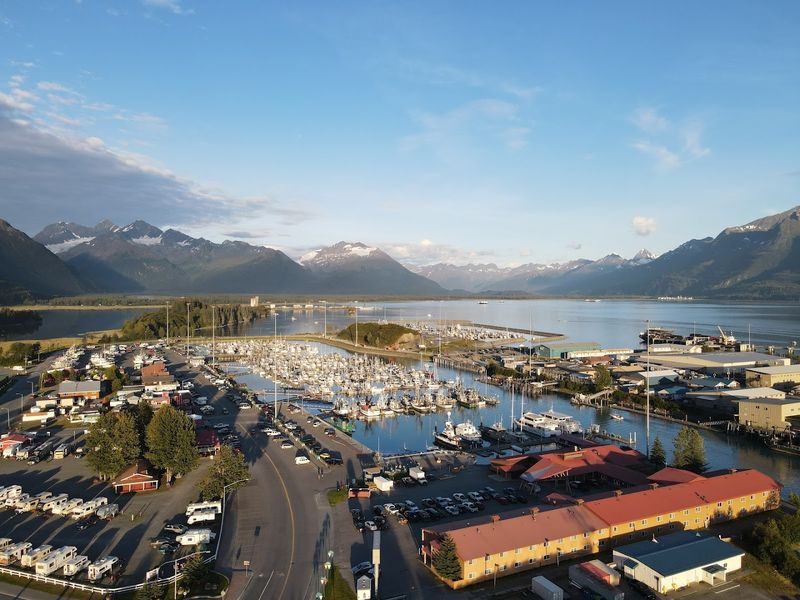
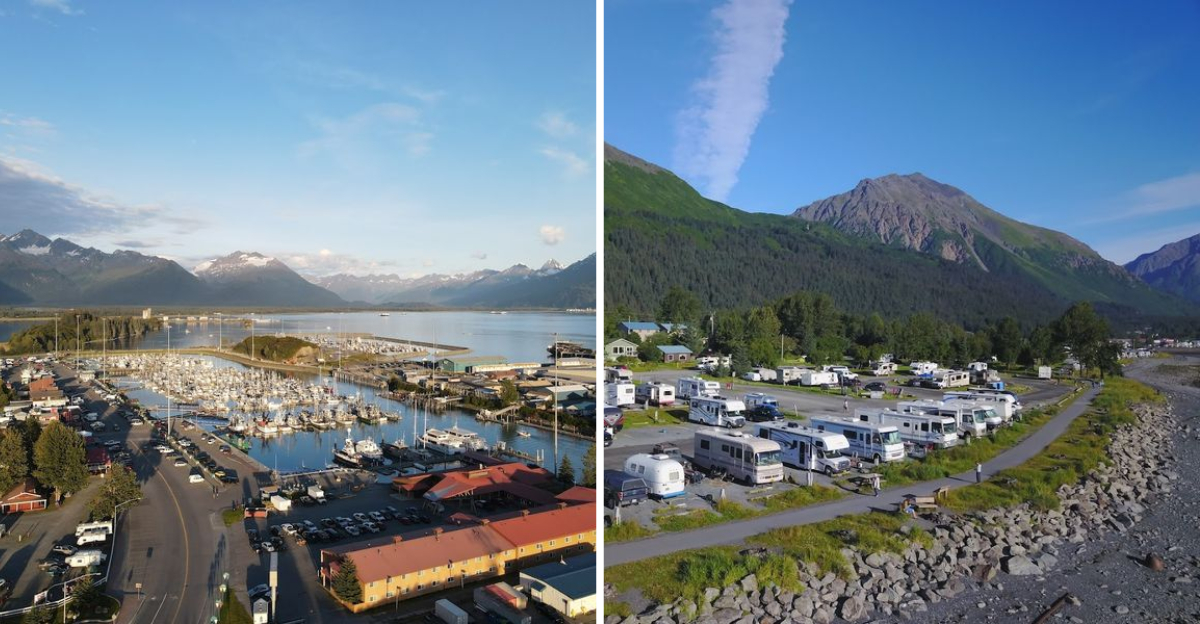
Would you ever think that a town famous for a 1989 oil spill could bounce back to become one of Alaska’s more affordable and scenically stunning communities?
Valdez is at the head of Port Valdez, a fjord in Southcentral Alaska. It is the northernmost ice-free port in North America, which makes it the critical terminus of the Trans-Alaska Pipeline System.
The mountains surrounding Valdez are among the steepest and snowiest in North America. The town receives an average of over 300 inches of snow per year, making it a magnet for backcountry skiers and snowboarders.
Valdez is widely considered one of the premier extreme skiing destinations in the world. Despite its dramatic setting, Valdez has maintained a relatively modest cost of living for Alaska.
The pipeline terminal provides stable employment and tax revenue that benefits the entire community. That economic foundation helps keep services and housing more accessible than in many comparable small towns.
Kayaking in Prince William Sound is one of the great outdoor experiences available right from town. Glaciers, sea otters, orcas, and puffins are all within paddling distance.
Few places on Earth pack this much natural spectacle into such a compact and navigable area.
The Valdez Museum at 217 Egan Dr 436 S tells the story of the 1964 Good Friday Earthquake, which destroyed the original town and forced its relocation. That story of rebuilding speaks to the resilience woven into this community’s character.
7. Kodiak
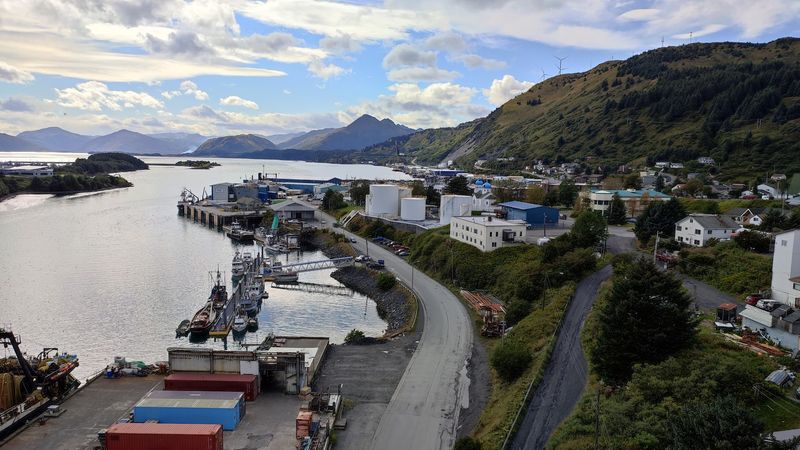
I must admit, Kodiak surprised me more than almost any other Alaskan town on this list.
Kodiak is located on Kodiak Island in the Gulf of Alaska, about 250 miles southwest of Anchorage. It is the second-largest island in the United States and home to one of the most productive fishing fleets in the country.
The Kodiak brown bear, one of the largest land predators on Earth, roams the Kodiak National Wildlife Refuge that covers most of the island. These bears can weigh over 1,500 pounds.
Seeing one in the wild is an experience that stays with you for a lifetime.
Kodiak’s economy is dominated by commercial fishing, particularly for salmon, crab, and pollock. The harbor is one of the busiest fishing ports in the nation by volume.
That fishing-driven economy creates steady work and keeps the community economically grounded year-round.
Housing on Kodiak Island is more affordable than many coastal Alaskan communities of similar size.
The island lifestyle does come with the reality of ferry or air travel for reaching the mainland. But for those who embrace island living, the trade-off feels completely worthwhile.
The Alutiiq Museum at 215 Mission Rd in town preserves the culture and history of the island’s indigenous people, offering a moving experience. Fort Abercrombie State Historical Park preserves World War II bunkers overlooking the Pacific.
8. Homer
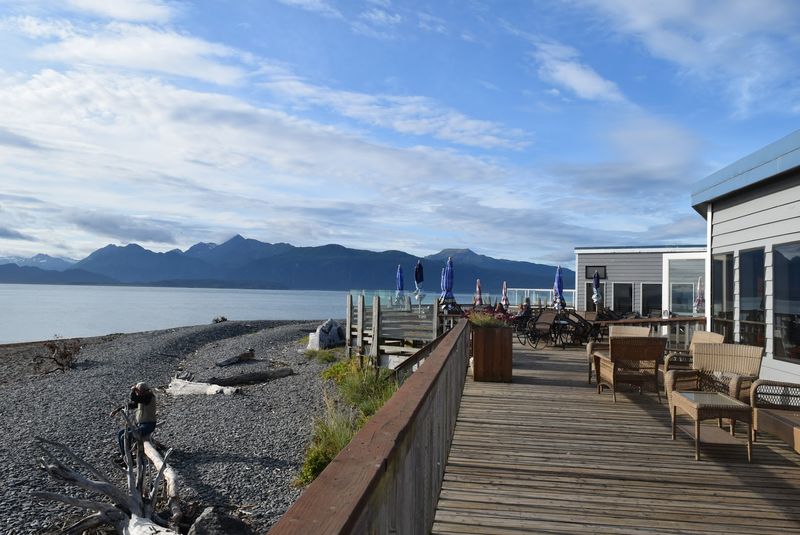
Doesn’t it seem almost too good to be true that a town nicknamed the Halibut Fishing Capital of the World also happens to be one of Alaska’s most artsy and affordable communities?
Homer sits at the base of the Kenai Peninsula on the shore of Kachemak Bay, about 220 miles south of Anchorage. The town is perhaps best known for the Homer Spit, a narrow strip of land that juts four and a half miles into the bay.
Homer has long attracted artists, writers, and free thinkers drawn to its dramatic scenery and independent spirit.
The town supports an impressive number of galleries, studios, and performance spaces for its small population. That creative energy gives Homer a personality unlike any other Alaskan community.
Kachemak Bay State Park, accessible only by boat or floatplane, sits just across the water from town. It offers hundreds of miles of hiking trails, glacier viewing, and tidepool exploration.
The bay itself is rich with marine life, from sea otters to orcas to Steller sea lions.
Housing in Homer is relatively affordable compared to Anchorage, and the quality of life here is genuinely high. A lot of residents grow their own food, fish for their own protein, and heat their homes with locally sourced wood.
The Pratt Museum at 3779 Bartlett St, is a wonderful local institution covering natural history and indigenous culture.
9. Seward
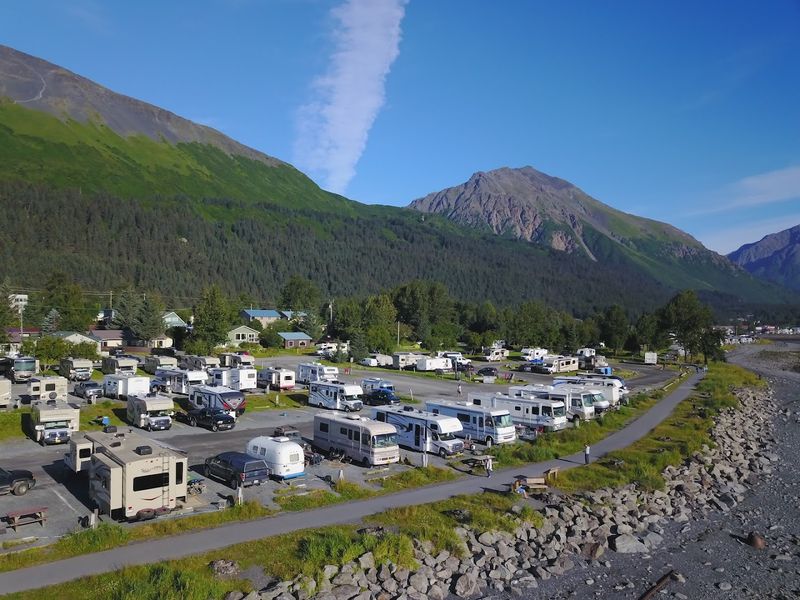
I know, a glacier town that is also budget-friendly sounds almost fictional, but Seward makes it real.
Seward is located on Resurrection Bay in Southcentral Alaska, about 125 miles south of Anchorage. It sits at the edge of Kenai Fjords National Park, one of the most spectacular national parks in the entire country.
The park protects the Harding Icefield, one of the largest icefields in North America. Exit Glacier, reachable by road from town, offers an up-close look at a living, moving glacier.
Rangers lead free guided walks there throughout the summer, which keeps the experience accessible to everyone.
Seward’s harbor is the launch point for boat tours into Kenai Fjords, where orcas, humpbacks, sea otters, and thousands of seabirds share the same waters.
The tours showcase one of the most biodiverse marine ecosystems in Alaska. It is the kind of natural abundance that most people only see in documentaries.
Housing in Seward is more affordable than its national park gateway status might suggest. The town has a population of under 3,000, which keeps the community intimate and manageable.
Many residents work in fishing, tourism support, or government services, creating a reasonably stable local economy.
The Alaska SeaLife Center at 301 Railway Ave, a marine research and rehabilitation facility, is open to the public year-round.