The Low Cost Of Living In This Alaska Town Might Change Your Retirement Plans
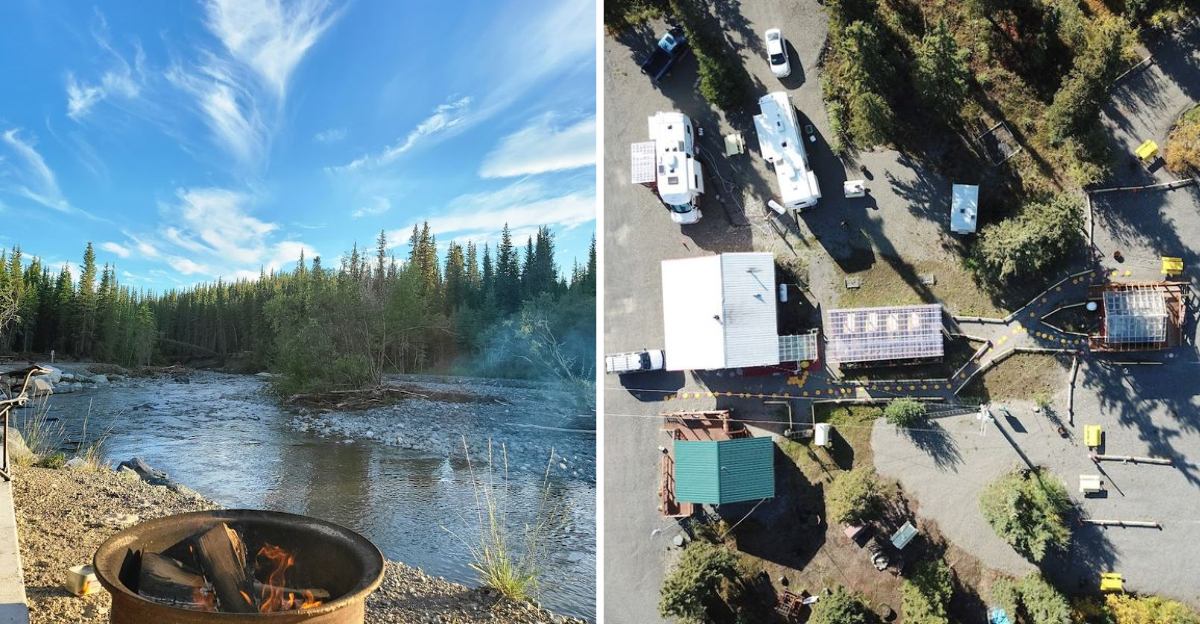
Retirement does not have to drain your savings. Picture mountains painted across the horizon, and a tiny town sits at their feet.
Serious value waits in small Alaska towns like this. The cost of living stays refreshingly low. Community spirit feels straight from old novels.
I planned a pit stop and lingered. You keep your quality of life intact. The scenery costs you absolutely nothing.
Alaska stretches a fixed income beautifully. Beauty and budget rarely align this well.
This could reshape your whole retirement plan. Snow-capped peaks fill the wide front windows.
Neighbors truly look out for each other here. Keep reading before you decide anything.
Where Exactly Is This Place
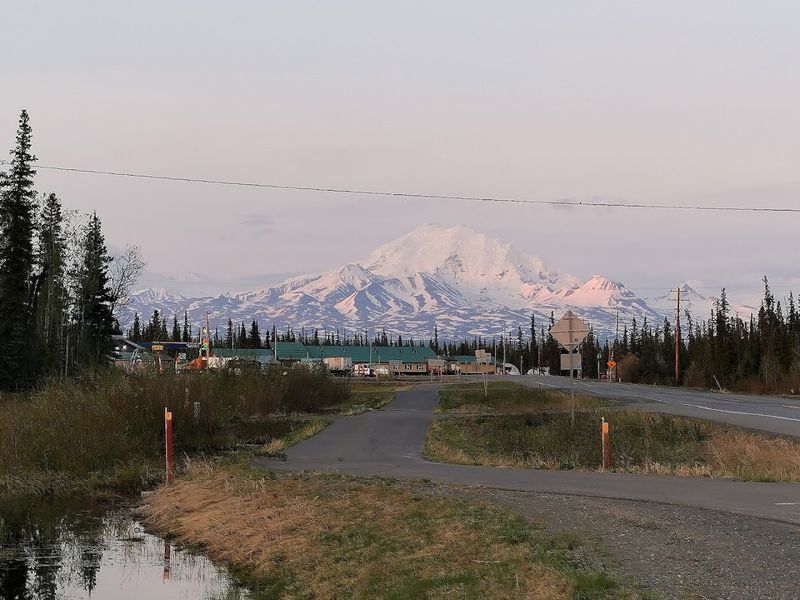
Glennallen is about 187 miles northeast of Anchorage. It sits at roughly 1,500 feet in elevation, which means the air is crisp and the views are wide open.
The town anchors the junction of the Glenn and Richardson Highways, the two main routes through this part of the state. That meeting of roads has shaped its identity for nearly eighty years, ever since the Glenn Highway reached the valley in 1945.
The town functions as the main hub for the surrounding region. Travelers heading toward Valdez, Fairbanks, or Tok often pass through here, making it a natural crossroads.
That position gives the community an unexpected energy for such a small place.
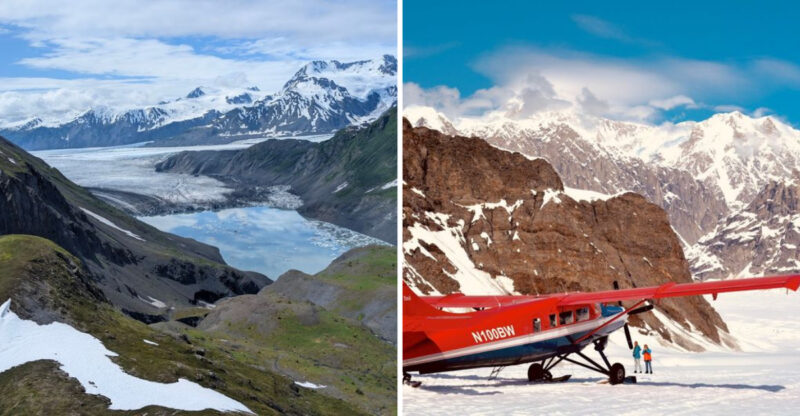
The Wrangell-St. Elias National Park is practically a neighbor, which means access to one of the largest protected wilderness areas in the world is almost effortless.
I remember driving in and feeling like the mountains were leaning in for a closer look. The surrounding landscape is vast, raw, and completely unapologetic about how beautiful it is.
For retirees who want space and quiet without total isolation, the location delivers on both fronts every single day.
The Real Cost Of Living
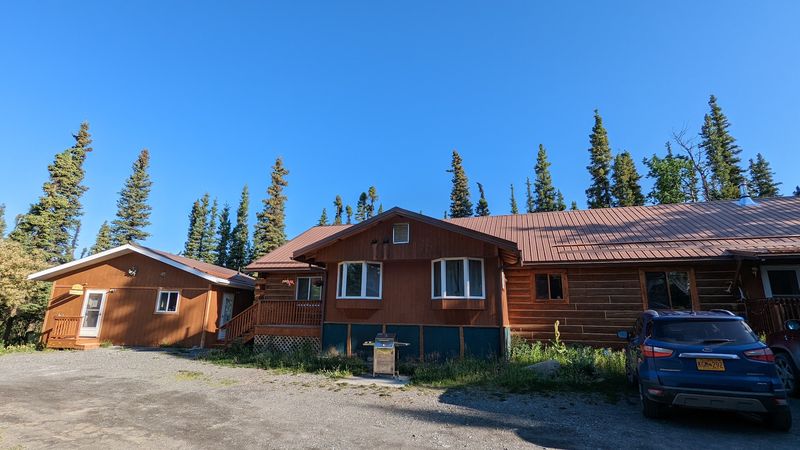
One of the first things I noticed when researching a stay here was how different the financial picture looked compared to other Alaskan towns.
The numbers simply add up in a way that feels almost forgotten elsewhere. For retirees watching every dollar, that difference can quietly reshape what a fixed income makes possible.
Housing costs in this area are significantly lower than in Anchorage or Juneau, where real estate can feel like a competitive sport with no end in sight.
Modest homes and cabins are available at prices that would genuinely surprise someone coming from the lower 48 states.
Property taxes in the Unorganized Borough are also among the lowest you will find anywhere in Alaska, which adds up to meaningful savings over a retirement timeline.
Alaska also has no state income tax and no state sales tax, which is a financial detail that retirees tend to appreciate deeply.
On top of that, Alaska residents can qualify for the Permanent Fund Dividend, an annual payment funded by oil revenues that puts real money back into residents’ pockets.
Utility costs can run higher in remote areas, but many locals offset this through energy-efficient building and wood heating.
A Landscape Worth Retiring For
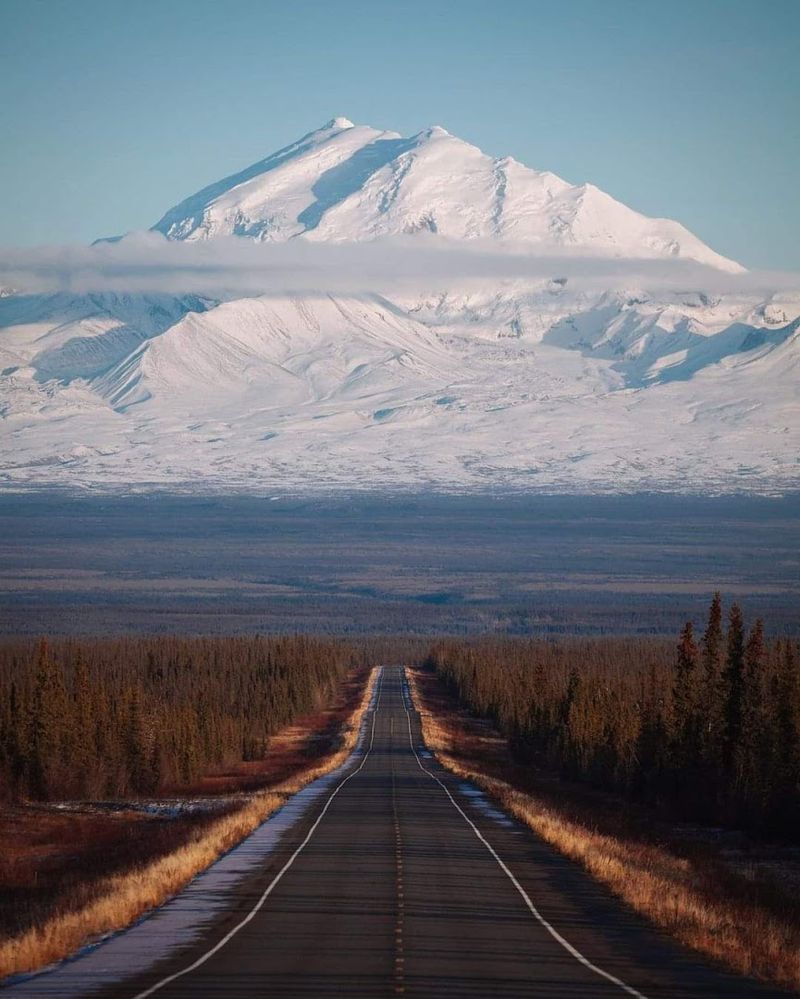
Standing outside on a clear morning here, the Wrangell Mountains fill the entire southern horizon like a wall of ambition.
Mount Sanford, Mount Drum, and Mount Wrangell are all visible on good days, and good days happen more often than you might expect for Alaska.
The Copper River valley stretches out around the community with a sort of quiet authority. In autumn, the tundra turns every shade of red, orange, and gold, and the whole valley looks like it caught fire in the most photogenic way possible.
Winter brings a completely different mood. Snow blankets the spruce forests, and the northern lights occasionally sweep across the sky in colors that no camera fully captures.
Spring arrives slowly but confidently, with migratory birds returning and rivers running fast with snowmelt. Summer days are long and surprisingly warm, with temperatures often reaching the 70s Fahrenheit.
Each season offers its own version of this landscape, meaning retirement here never looks the same twice.
Outdoor Activities On Your Doorstep
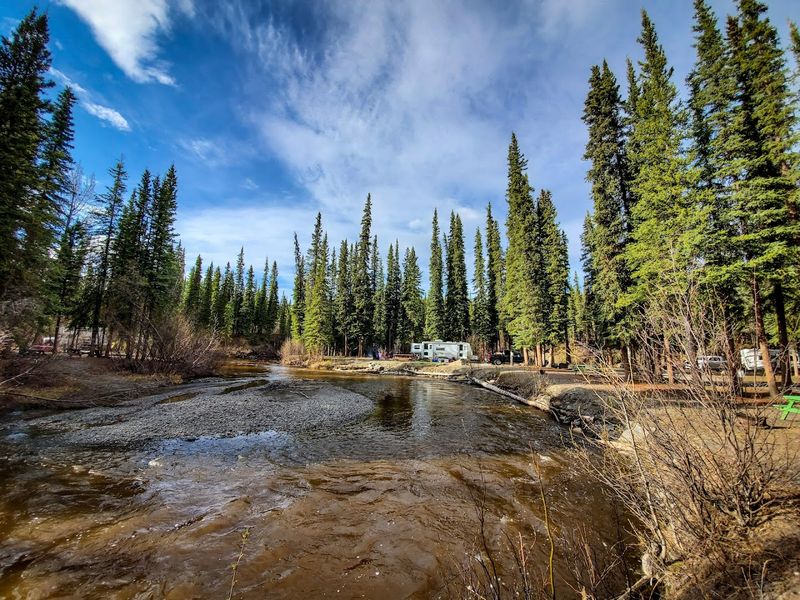
Retirement here does not mean slowing down.
The surrounding wilderness offers fishing, hiking, snowshoeing, cross-country skiing, and wildlife watching all within a short drive. The Copper River is famous for its salmon runs, and fishing access is relatively easy for residents.
Wrangell-St. Elias National Park, the largest national park in the United States, begins just southeast of town. It covers more than 13 million acres, meaning you could spend an entire retirement exploring it and still find new terrain.
Hiking trails range from easy riverside walks to serious backcountry routes that require planning and preparation.
Snowmobiling is popular in winter, and many locals use it as practical transportation as much as recreation. Bird watching is also rewarding here, with species like trumpeter swans, sandhill cranes, and various raptors passing through or nesting nearby.
I spent one afternoon watching a moose and her calf cross a field near the highway, completely unbothered by my presence.
Community Life In A Small Town
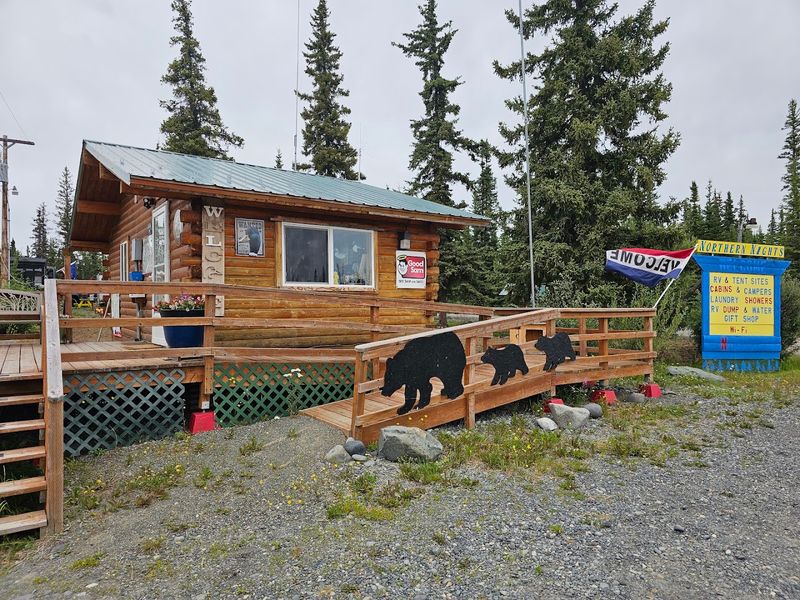
With fewer than 500 residents, Glennallen has the kind of community where people actually know their neighbors.
That might sound ordinary, but in practice it creates a support network that larger cities rarely manage to replicate. Local events, church gatherings, and volunteer groups form the social backbone of daily life.
The community serves as the regional center for the Copper River area, which means it attracts residents from surrounding villages and homesteads.
That mix creates a diverse and resourceful population that is used to solving problems creatively. Self-reliance is both a value and a practical necessity here.
There is a school, a health clinic, and basic services that cover everyday needs. The Copper River Native Association plays an important role in the community, connecting residents with health, social, and cultural services.
Local businesses are small but steady, and the people running them tend to be invested in their neighbors’ wellbeing. I found conversations here refreshingly direct and warm at the same time.
Retirees who want to contribute meaningfully to a community, rather than disappear into one, will find that this town has real room for new voices and helping hands.
Wildlife And Nature Up Close
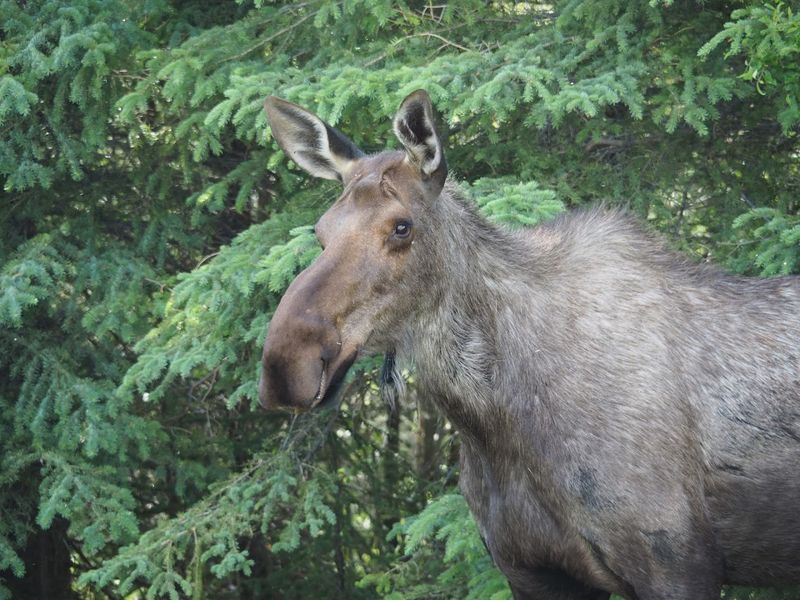
Alaska is famous for its wildlife, and the area around this community does not disappoint.
Moose sightings are frequent enough to feel routine, though they never quite lose their impressiveness. Caribou herds move through the region seasonally, and black bears and grizzly bears are present in the surrounding wilderness.
Dall sheep can sometimes be spotted on rocky slopes visible from the highway. Wolves, foxes, and lynx also inhabit the region, though they tend to be more elusive.
Bald eagles are common along the rivers, and the diversity of bird species throughout the year keeps wildlife watchers consistently engaged.
The Copper River itself supports one of the most productive salmon fisheries in Alaska, which in turn supports a rich food web of predators and scavengers.
Watching a bald eagle pull a fish from the river is the type of scene that still makes me stop whatever I am doing. Nature here is not a weekend excursion.
It is the daily environment.
Practical Tips Before You Move
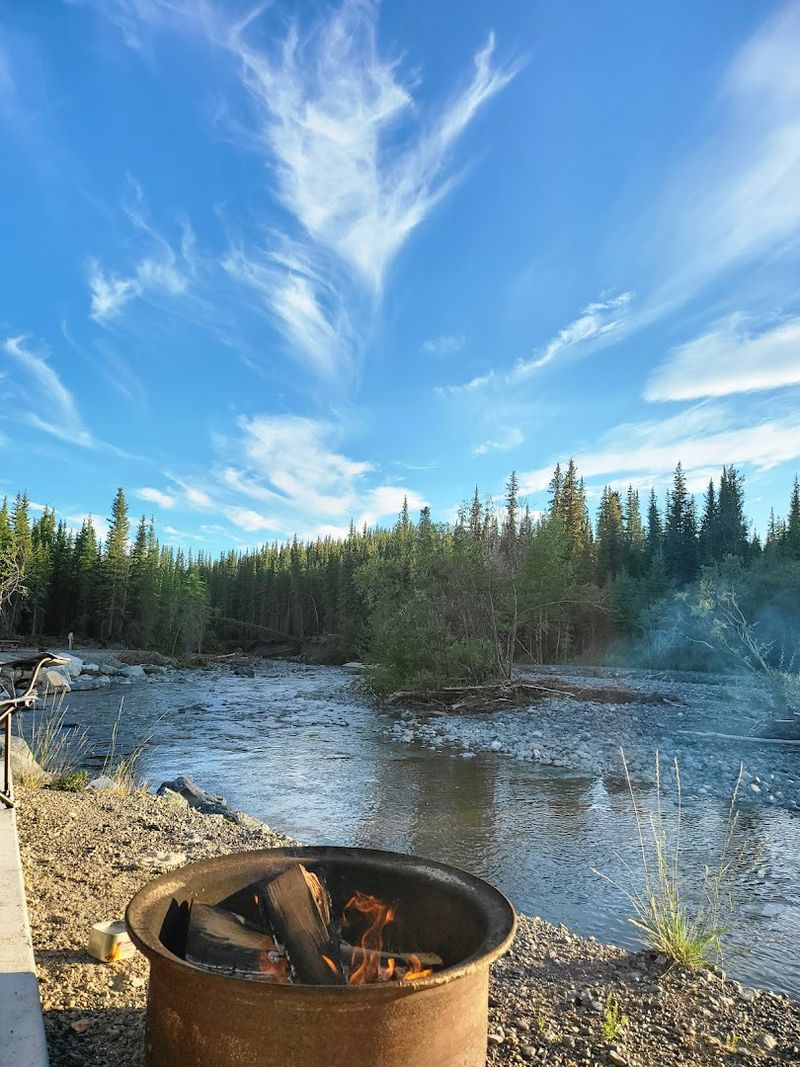
Planning a move or extended stay here requires honest preparation.
Winter temperatures can drop well below zero Fahrenheit, and roads can become challenging during storms. A reliable vehicle with good winter tires is not optional.
It is simply part of life in this part of Alaska.
Grocery options are limited compared to urban areas, so many residents stock up during trips to larger towns or order supplies in advance.
Internet connectivity has improved in recent years, which matters for retirees who want to stay connected with family or work remotely part-time.
Healthcare access is available locally at the Cross Road Medical Center, which handles primary care needs. For specialized care, Anchorage is the closest major city, roughly a three-hour drive under good conditions.
Many residents plan medical appointments around supply runs to make the trip worthwhile.
Building a solid emergency kit, maintaining a well-stocked pantry, and connecting with neighbors early are all habits that experienced locals recommend without hesitation.
Is This Your Retirement Match
Not every retirement destination suits every personality.
Glennallen is honest about what it offers and what it does not. If you need a mall, a major airport, or a dense social calendar built around urban entertainment, this place will test your patience fairly quickly.
But if you value open space, clean air, low costs, and a community that functions through mutual respect rather than anonymity, this town lines up remarkably well with a certain kind of retirement vision.
The pace here is deliberate, not slow. People are busy with real things.
The financial advantages are real and measurable. No state income tax, no sales tax, low property costs, and the Permanent Fund Dividend all combine to stretch a fixed retirement income in ways that matter month to month.
Add in the extraordinary natural setting and the tight-knit community, and the picture becomes genuinely compelling for the right person. I left this place with a long mental list of reasons to return.
Alaska has many remarkable corners, and this particular one sits at a crossroads, both literally and figuratively, of affordability, beauty, and the kind of quiet purpose that a well-earned retirement deserves.