These 10 Texas Museums Turn Ordinary Afternoons Into Memorable Stories
Ordinary afternoons turn into real stories here. Behind quiet doors, whole centuries patiently wait.
You expect dusty cases and polite boredom. Instead, the past reaches out and grabs you. These collections trace history, science, and culture.
Some feel world-class, others wonderfully strange. I love a museum that truly surprises me. Together they form a trail worth following.
Texas holds stories most people never hear. Curiosity is the only ticket you need. Make time for something real and lasting.
You leave a little changed each time. Hands-on rooms invite you to touch almost everything.
The children forget they are even learning. Wonder waits behind every door.
1. Bullock Texas State History Museum, Austin
Some collections inform; this one quietly rearranges how you see the whole state.
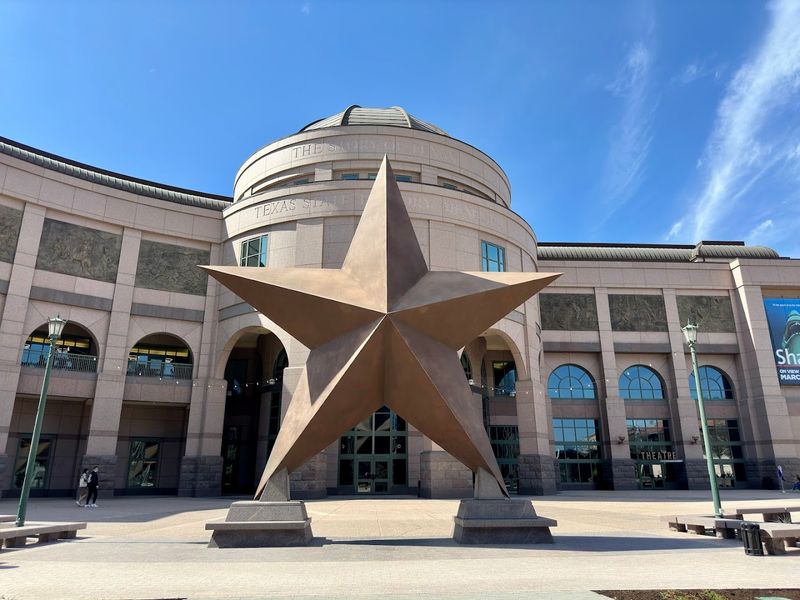
The Bullock Texas State History Museum earns its reputation through sheer depth and thoughtful curation. Three floors of exhibits walk you through Texas history in a way that feels layered, not rushed.
The bronze Star of Texas out front sets the tone immediately. Inside, you will find everything from Spanish colonial artifacts to space-age Texas contributions.
The exhibits are well-lit and well-labeled, making them easy to follow for all ages.
One of the standout features is the IMAX theater, which adds a cinematic dimension to the experience. The building itself, located at 1800 Congress Ave in Austin, is impressive enough to slow you down before you even reach the entrance.
The architecture reflects the ambition of what is inside.
Families tend to linger longer than expected here. The mix of interactive displays and genuine historical objects keeps attention moving in the best way.
Children respond well to the hands-on sections, while adults appreciate the research-level depth available in certain exhibits.
This is not a museum you rush through in an hour. Plan for at least two to three hours to absorb what the Bullock truly has to show.
You will leave with a stronger sense of why Texas history matters beyond the state lines.
2. Fort Worth Museum Of Science And History
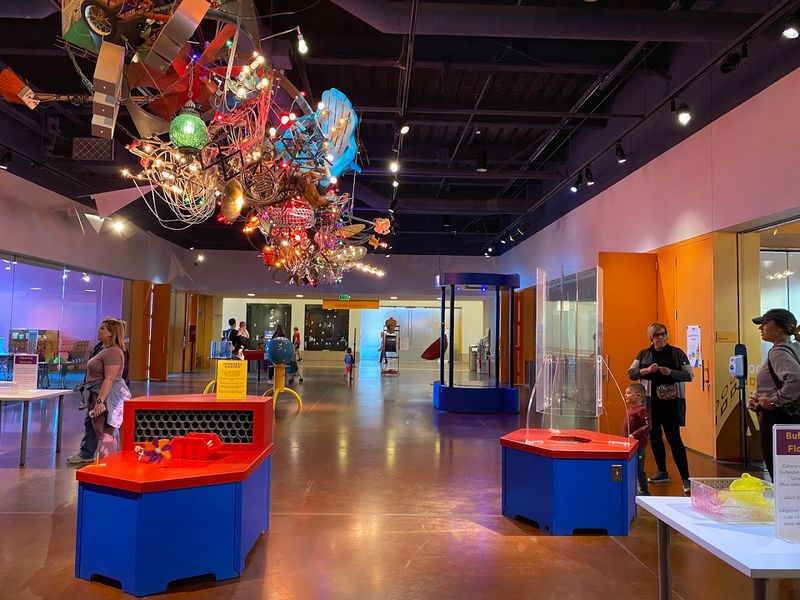
You don’t need a degree, just a curious pair of eyes to enjoy what this place has to offer.
The Fort Worth Museum of Science and History is one of the most well-rounded institutions in North Texas. Science, nature, and local history share the same roof here, and somehow it all works together smoothly.
The Noble Planetarium draws visitors of all ages with its immersive sky shows. The DinoLabs section gives younger guests a hands-on look at fossil science that goes beyond typical displays.
These are not just objects behind glass; they are conversations waiting to happen.
The museum also holds a strong permanent collection focused on regional natural history. Fossil specimens, taxidermy wildlife, and geological samples give the exhibits a grounded, educational feel. Nothing here feels like filler.
The energy shifts noticeably between the children’s areas and the adult-focused science halls. Both are engaging, but in very different ways.
That contrast keeps the whole experience from feeling one-note.
You will find the museum at 1600 Gendy St in Fort Worth, tucked into the Cultural District alongside other respected institutions.
The neighborhood itself adds to the appeal. Spending a full afternoon here and then walking the surrounding area is a satisfying way to spend a day in this city.
3. National Museum Of The Pacific War
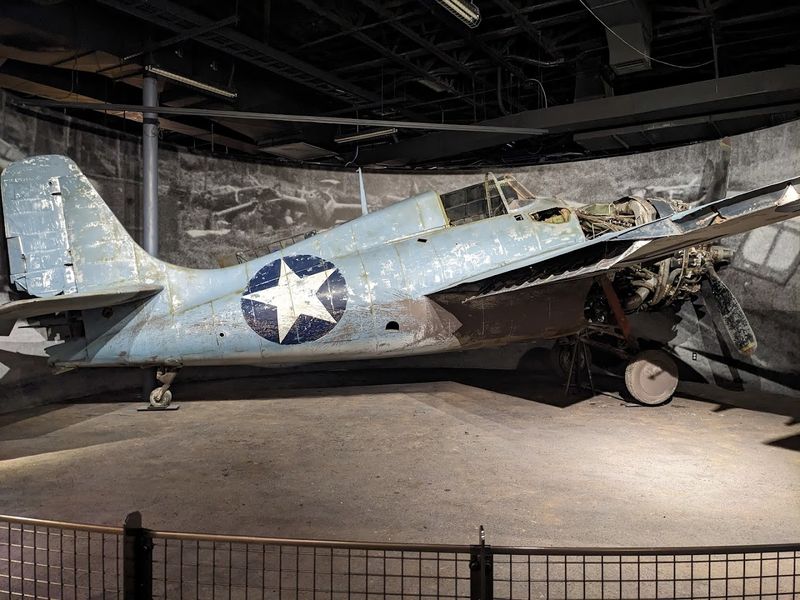
Forget the highlight reel; the small rooms hold the surprises at this remarkable institution in Fredericksburg.
The National Museum of the Pacific War is widely considered one of the finest World War II museums in the country. Its focus on the Pacific theater sets it apart from most military collections.
The outdoor exhibits alone are worth the trip. Full-scale aircraft, naval guns, and a replica PT boat sit in open-air displays that give a sense of real scale.
Walking among them creates a weight that indoor exhibits sometimes cannot match.
Inside, the galleries move chronologically through the Pacific campaign. Maps, personal letters, photographs, and equipment tell the story from multiple perspectives.
The Japanese Garden of Peace is a quieter section that adds meaningful context.
The museum sits at 311 E Austin St in Fredericksburg, a town with deep German-Texan roots and a natural connection to this history. Admiral Chester Nimitz, who commanded U.S.
Pacific forces, was born here. That local tie gives the entire collection an added layer of meaning.
Plan for at least three hours, possibly more if you read the panels carefully. This is one of those institutions where you leave knowing something you absolutely did not know when you arrived.
4. Panhandle-Plains Historical Museum, Canyon
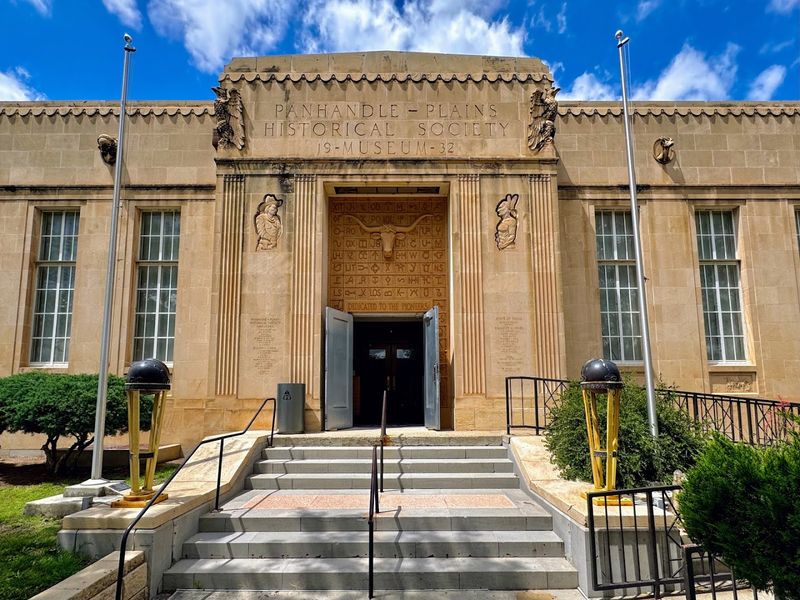
What if a single building could hold an entire region’s memory?
The Panhandle-Plains Historical Museum does exactly that, and it does it on an impressive scale. It is the largest history museum in Texas and one of the largest in the American Southwest.
The collections span geology, paleontology, Native American culture, pioneer history, and the petroleum industry.
Each section transitions naturally into the next, creating a narrative arc across the Panhandle’s deep past. The fossil hall alone is worth the trip for anyone interested in prehistoric Texas.
Western art is another strong suit here. Paintings and sculptures by notable regional artists fill several dedicated rooms.
These works reflect the land and lifestyle of the High Plains in ways that photographs cannot fully capture.
The building has a commanding presence that matches what it holds inside. It sits close to West Texas A&M University and benefits from an academic environment that keeps the research standards high. The setting feels purposeful.
Families, students, and solo travelers all find something different to connect with at 2503 4th Ave in Canyon. The sheer variety of the collection means that no two people walk away with the same experience.
5. National Museum Of Funeral History, Houston
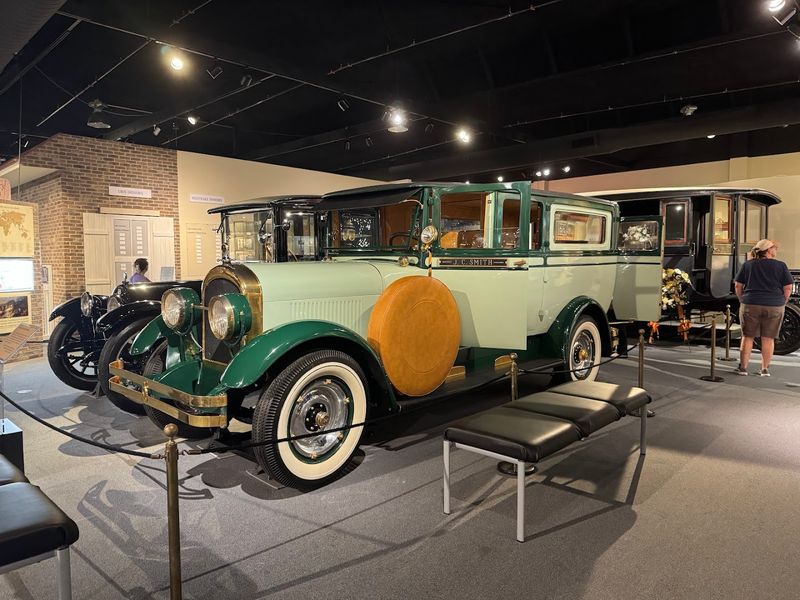
Trust the quiet corners; the overlooked pieces often linger longest, and this Houston institution proves that point with confidence.
The National Museum of Funeral History tackles a subject most people avoid, and it does so with respect, clarity, and unexpected warmth. This is not a grim experience; it is a eye-opening one.
The collection of antique hearses is one of the most striking in the world. Horse-drawn carriages, early motorized vehicles, and ceremonial coaches from different cultures and eras sit side by side.
Each one tells a story about how communities have honored their members across time.
Exhibits covering presidential funeral traditions are a particular highlight. The section dedicated to the passing of U.S. presidents includes replicas and original artifacts that carry real historical weight.
It is the sort of material rarely seen in mainstream history collections.
International funeral customs are also represented, giving the museum a global scope. Sections covering African, Asian, and European traditions add cultural breadth that enriches the overall experience.
This is where the museum truly distinguishes itself.
The address, 415 Barren Springs Dr in Houston, is easy to reach and has ample parking. First-time visitors often arrive with hesitation and leave with appreciation.
The museum handles a universal human experience with more grace than most expect, and that is its quiet strength.
6. Log Cabin Village, Fort Worth
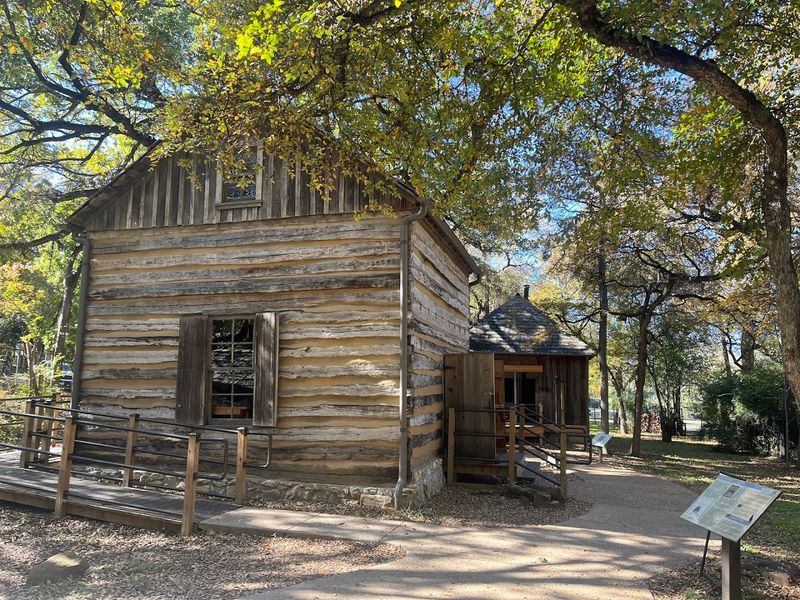
There is a specific stillness that only good open-air museums keep, and Log Cabin Village in Fort Worth has it in full.
This living history site brings together a collection of authentic 19th-century log cabins, each relocated from different parts of Texas and carefully restored.
Each cabin has its own story and original function. Some were family homes, others served as working structures like grist mills or blacksmith shops.
Costumed interpreters bring these spaces to life on select days, demonstrating skills that have largely faded from everyday use.
The grounds are shaded and well-maintained, making the outdoor experience comfortable in most seasons. Children respond well to the tactile nature of the exhibits here.
Spinning demonstrations, candle-making, and other hands-on activities make the history feel accessible rather than distant.
On a personal note, the scale of the village is just right. It is large enough to feel like a real settlement but small enough to explore without fatigue.
That balance makes it ideal for families with younger kids who have shorter attention spans.
You will find the entrance at 2100 Log Cabin Village Ln in Fort Worth. The surrounding park adds natural beauty to the already scenic grounds.
7. Museum Of South Texas History, Edinburg
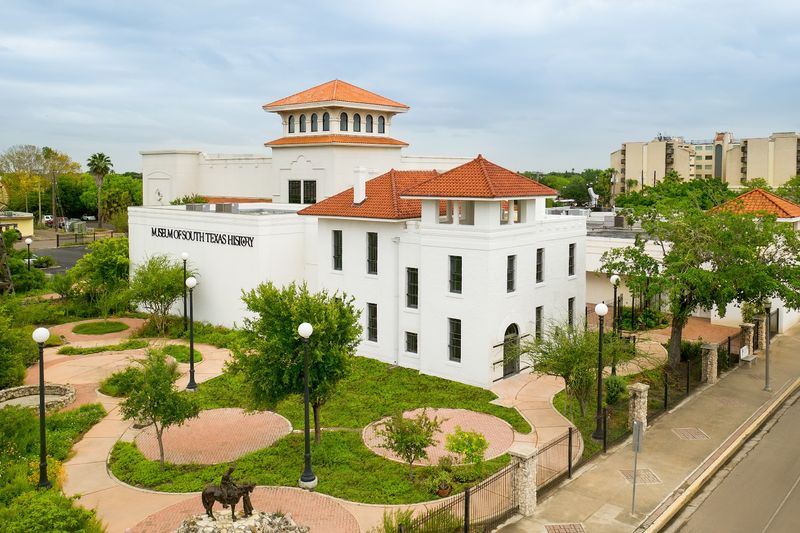
Ever stood in front of one exhibit and suddenly understood an entire region’s identity?
That is the kind of moment the Museum of South Texas History creates with regularity. It covers a stretch of the state that often gets overlooked in broader Texas narratives, and it makes a strong case for why that should change.
The collection spans thousands of years, beginning with indigenous cultures and moving through Spanish colonization, ranching, and modern development.
Each era is represented with artifacts, documents, and photography that ground the history in real evidence. The timeline feels both broad and personal.
The building itself is worth noting. Housed in a beautifully restored historic structure, the museum blends its architectural heritage with modern exhibit design.
The contrast between old and new works in its favor throughout.
Regional maps and land grant documents are among the most fascinating items on display. They reveal how dramatically South Texas was divided, negotiated, and transformed over centuries.
These pieces attract researchers and casual visitors alike for very different reasons.
The museum is at 200 N Closner Blvd in Edinburg, serving as a cultural anchor for the Rio Grande Valley.
The surrounding area reflects the same multicultural story the exhibits tell inside. Leaving here with a stronger appreciation for South Texas history is almost unavoidable.
8. The Whiteside Museum Of Natural History, West Texas
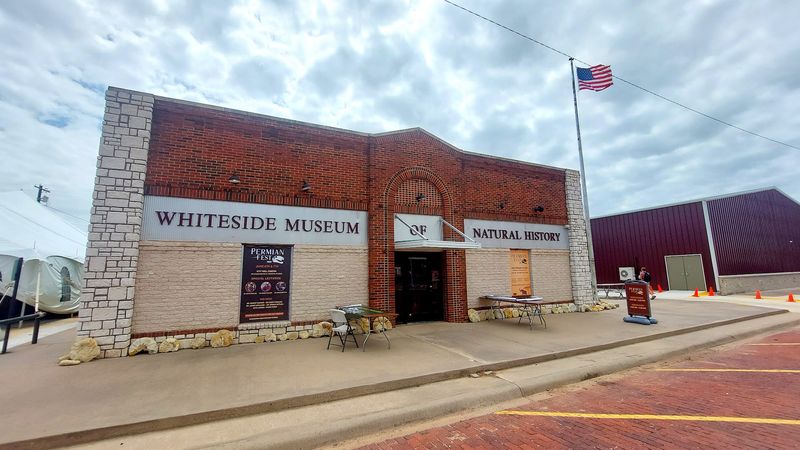
It turns out that slow looking teaches more than quick reading, and nowhere is that truer than at this compact but remarkable institution.
The Whiteside Museum of Natural History in Seymour punches well above its size when it comes to fossil collections. The region surrounding this part of Texas is rich in Permian-era deposits, and the museum reflects that geological abundance.
The star of the collection is an extraordinary array of Permian fossils, many excavated locally. These specimens date back roughly 280 million years, making them some of the oldest on public display in Texas.
The scientific significance here is real and well-documented.
The exhibits are clearly labeled and organized with educational intent. This is a museum where you can arrive knowing very little about paleontology and leave with a solid foundation.
The staff is knowledgeable and approachable, which adds to the learning experience.
Seymour is not a large city, but the museum at 310 N Washington St gives visitors a compelling reason to stop.
The building is modest in size, which actually helps focus attention on what matters most: the fossils themselves. Nothing competes for your attention unnecessarily.
For travelers passing through West Texas, this is the kind of unexpected find that makes road trips worth taking. The depth of the collection relative to the museum’s size is striking.
9. Frontier Texas, Abilene
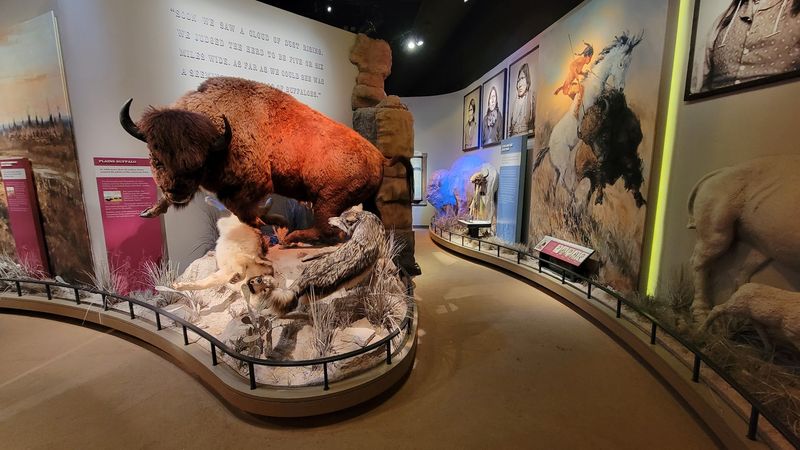
Ready to trade scrolling for slow, deliberate looking at something completely unlike any other Texas museum? Frontier Texas! in Abilene takes a theatrical approach to history that sets it apart immediately.
The exhibits use life-size holographic figures to tell the story of the West Texas frontier in a way that feels cinematic without sacrificing accuracy.
The holographic storytellers appear throughout the galleries, narrating their own experiences as settlers, soldiers, and Native Americans. Each figure is based on historical research, giving the dramatization a grounded quality.
The technology enhances the story rather than distracting from it.
Buffalo herds, frontier conflicts, and the arrival of the railroad are all covered in detail. The pacing of the museum is well-designed, guiding visitors through a clear chronological arc.
Nothing feels out of sequence or disconnected.
The building at 625 N 1st St in Abilene is purpose-built for this experience. The exterior references frontier architecture in a way that signals what is coming before you step inside.
That kind of intentional design is not always common in regional museums.
Children are particularly drawn to the immersive format, but adults find it equally engaging. The combination of solid historical content and innovative presentation makes Frontier Texas! one of the most distinctive institutions on this list.
It earns its reputation as a standout in West Texas cultural tourism.
10. LBJ Presidential Library, Austin
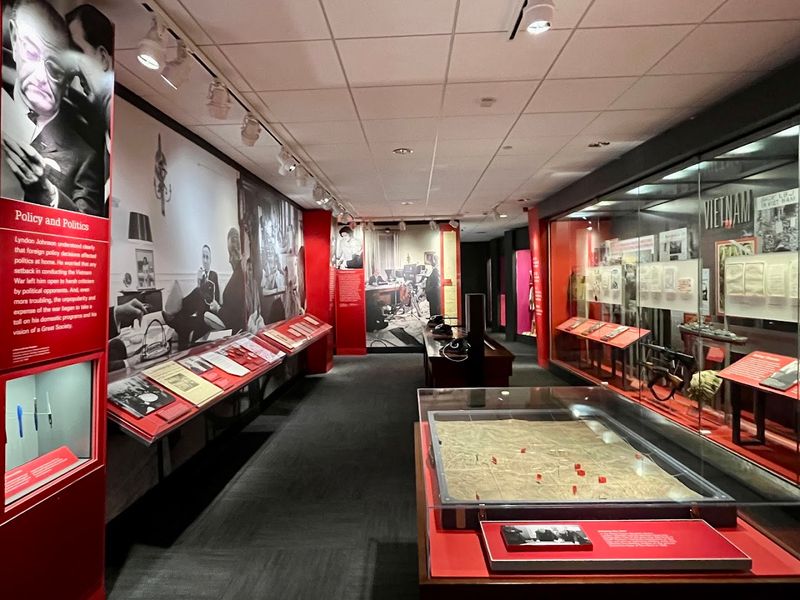
Some collections display objects; this one frames whole decades of American political history with remarkable honesty.
The LBJ Presidential Library on the University of Texas campus holds one of the most extensive presidential archives in the country.
Forty-five million pages of historical documents are stored here, though the public exhibits are what most visitors come to see.
The museum floors cover Lyndon B. Johnson’s rise from rural Texas to the presidency with thorough and balanced storytelling.
Civil rights legislation, the Great Society programs, and the Vietnam War are all addressed without flinching. That willingness to engage with complexity is one of the library’s defining qualities.
A replica of the Oval Office as it appeared during Johnson’s presidency is one of the most photographed spaces in the building. The attention to period detail is precise and compelling.
Standing in that room connects you to a specific moment in American history in a tangible way.
On a personal note, the audio recordings available throughout the exhibits are particularly powerful. Hearing Johnson’s actual voice discussing policy decisions adds a dimension that photographs and text simply cannot replicate.
Those recordings stay with you after you leave.
The library sits at 2313 Red River St in Austin, on a campus that adds an intellectual energy to the experience. Allow at least two hours to move through the exhibits at a thoughtful pace.
This is the kind of institution that rewards careful attention more than a quick walk-through.