Your First Visit To This 47-Acre Magical Botanical Garden Hiding In California Will Stay With You
Botanical gardens have a way of tricking people into thinking they are only going for flowers.
Then the paths start curving. The air smells different. A bench appears exactly where you wanted one.
Before long, the whole visit feels calmer than whatever you were doing an hour earlier.
A 47-acre garden on the California coast gets even better because the setting does not rely on blooms alone.
There is ocean air in the mix.
There are quiet corners and shaded paths that make a casual stroll feel like something you will actually remember.
That first visit matters.
You do not know which turn will surprise you yet. You do not know where the view will open up.
You just keep walking and wondering why places like this are not required therapy.
Interested in a garden with a little magic and a lot of breathing room? This coastal hideaway leaves a mark.
Forty-Seven Acres Make The First Visit Feel Bigger Than Expected
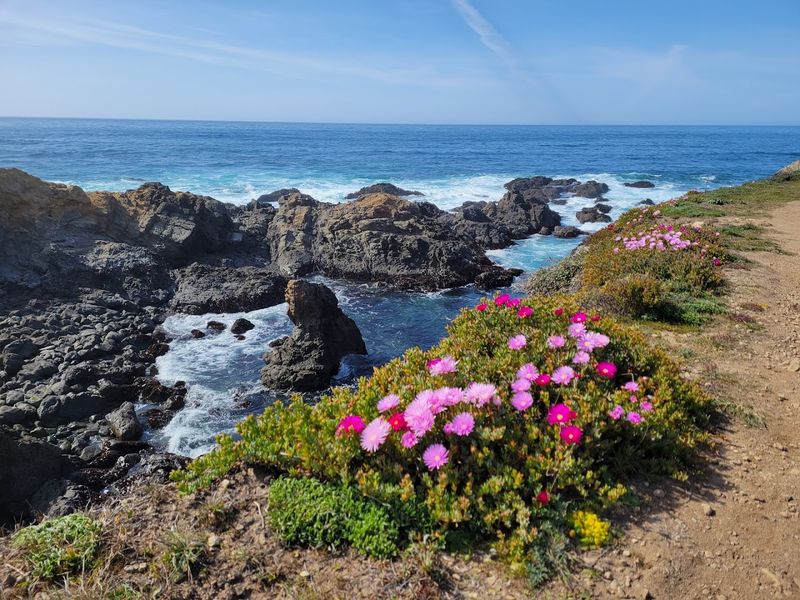
Pulling into the parking lot off North Highway 1, the first impression could easily be that the garden is a modest roadside attraction.
That assumption disappears quickly once visitors pass through the entrance and begin walking the grounds.
The full 47-acre spread of Mendocino Coast Botanical Gardens at 18220 CA-1, Fort Bragg, CA 95437 unfolds gradually, revealing formal planting beds, coastal forest, fern-covered ravines, and open bluff areas one after another.
Planning at least two to three hours for a first visit makes a real difference, because rushing through tends to mean missing entire sections entirely.
Over four miles of trails wind through the property, connecting very different types of terrain in a way that keeps the walk from feeling repetitive.
Some paths are wide, hard-packed gravel that handles strollers and wheelchairs well, while others narrow into shadier forest corridors.
Arriving before 11 AM on weekdays tends to make the scale feel even more expansive, since the trails are quieter and the morning light across the flower beds is especially clear.
The garden is open daily from 9 AM to 5 PM during summer months, giving plenty of time to explore without feeling rushed.
Ocean Bluffs Turn A Garden Walk Into A Coastal Surprise
Most botanical garden visits end somewhere near a gift shop or a fountain, but the trail system here leads somewhere far more dramatic.
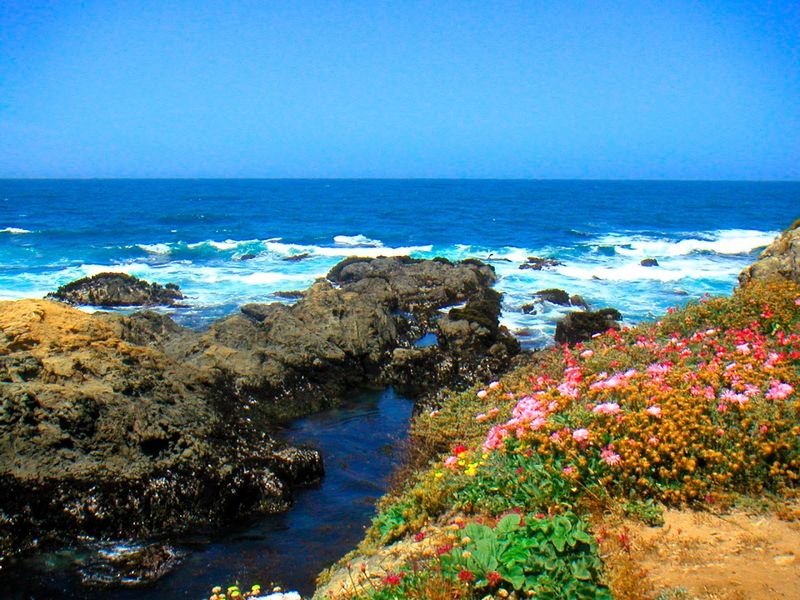
Walking toward the back of the property along the South Trail brings visitors to the coastal bluff edge, where the Pacific Ocean opens up in a wide, unobstructed view that feels genuinely unexpected for a garden setting.
The sound of the ocean gets louder gradually as the trail moves through coastal pine forest before breaking into open bluff terrain.
On clear days the water stretches to the horizon in deep blue-gray tones, and the coastal winds pick up noticeably once the tree cover ends.
From November through May, the bluff area also serves as one of the better vantage points for spotting migrating gray whales offshore, and the garden is officially part of The Whale Trail network.
The South Trail leading to the bluff is mostly level and considered accessible for strollers, though the North Trail involves steeper terrain that may present challenges for some visitors.
Wearing layers is a practical choice, since the temperature near the bluff can drop noticeably compared to the sheltered interior garden paths, especially on foggy mornings.
Seasonal Blooms Keep The Place Feeling Different Every Time
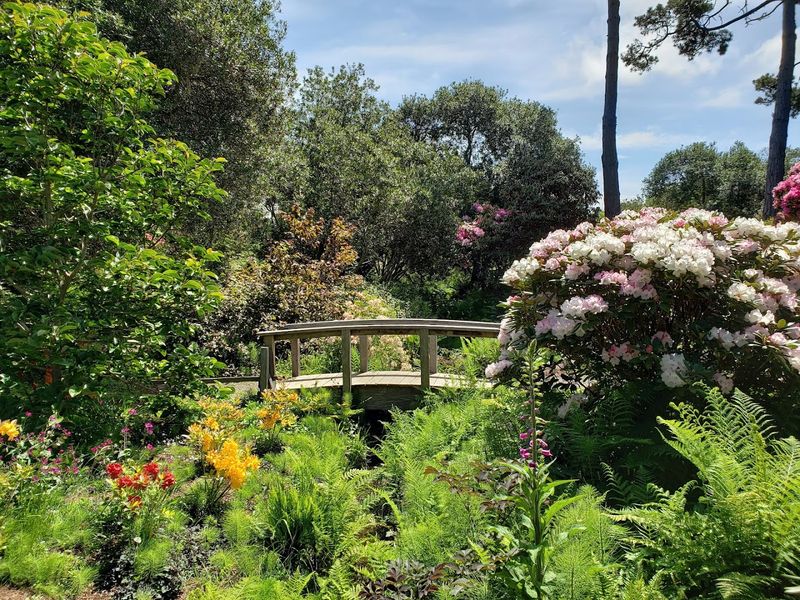
Few public gardens manage to stay visually compelling across every month of the year, but the mild Mendocino Coast climate gives this garden an unusually wide seasonal range.
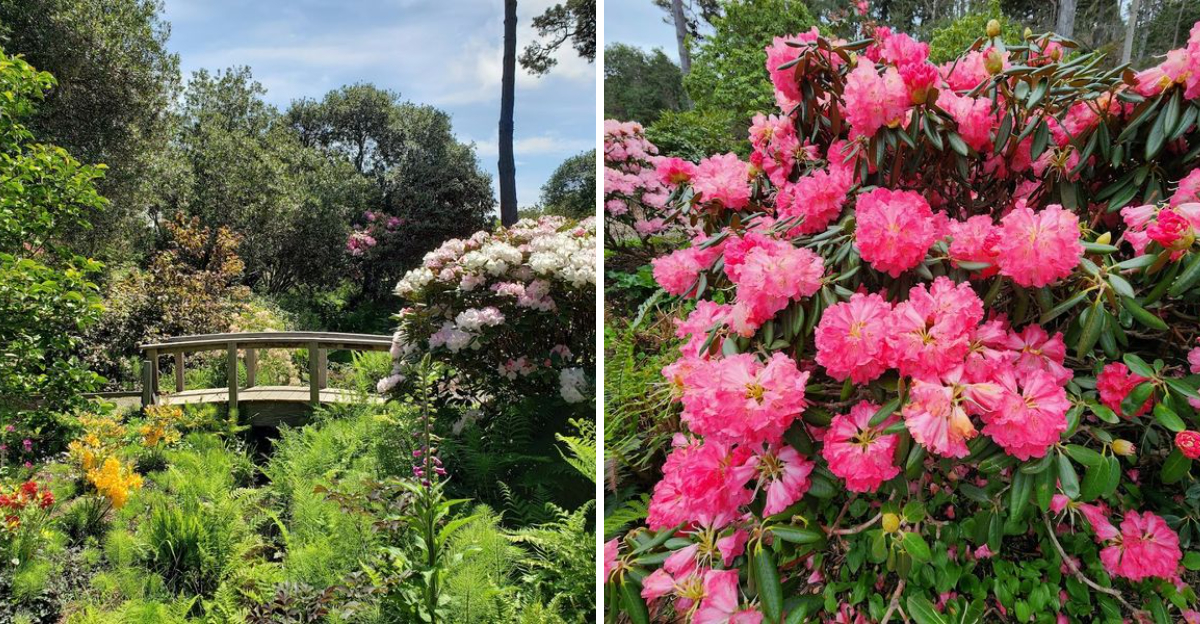
Rhododendrons begin blooming as early as January and continue through June, while camellias and magnolias add color in late winter and early spring when many other gardens are still bare.
Spring brings the most concentrated burst of color, with azaleas and coastal wildflowers joining the rhododendrons across the upper garden areas.
Late summer and autumn shift the palette dramatically, with the Dahlia Garden reaching peak display in August, September, and October alongside heathers, begonias, fuchsias, and hydrangeas.
Salvias have been noted blooming around the winter holiday period, which means even an off-season visit tends to offer something in flower.
The Perennial Garden provides a steady thread of color from spring all the way through fall, with bulbs, grasses, and flowering perennials cycling through in succession.
Checking the garden’s website before visiting can help match a trip to whichever collection is at its most vivid, though the honest truth is that no month leaves the grounds completely bare.
Fern Canyons Add That Hidden-Forest Feeling
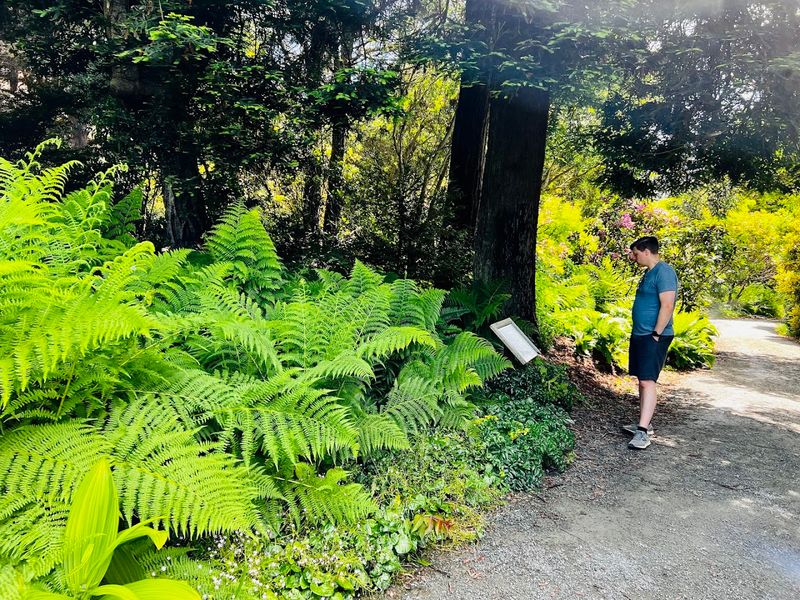
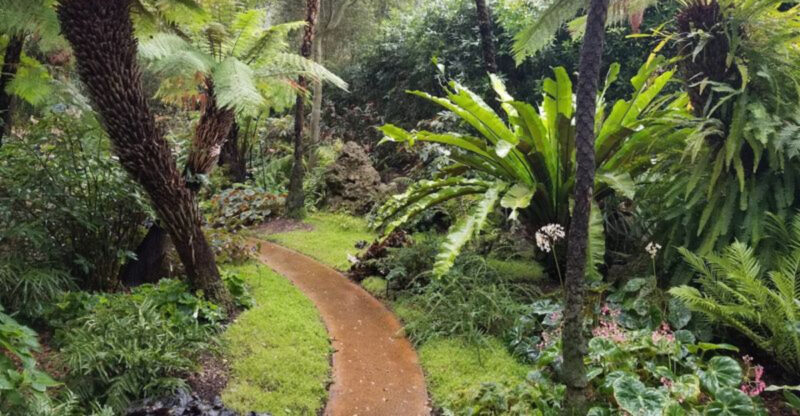
Walking into the fern canyon section of the garden feels like crossing an invisible threshold into a completely different environment.
The light changes, the air gets cooler and more humid, and the sound of Fern Canyon Creek running alongside the trail replaces the open-sky feeling of the formal garden areas.
Tall ferns arch overhead and crowd the path edges in a way that makes the canyon feel enclosed and quietly dramatic.
Visitors who have only seen the front garden sections sometimes describe the fern canyon as the moment the visit shifted from pleasant to memorable.
The dense vegetation and the creek sounds create a sensory contrast that stands apart from the bright flower beds near the entrance.
Some visitors mention feeling like they have left the garden entirely and wandered into a coastal forest preserve.
The path through the canyon connects to other trail sections, so it works naturally as part of a longer loop rather than a detour.
Footwear with decent grip is worth considering here, since some surfaces near the creek can be uneven or slightly damp depending on recent weather.
The canyon tends to stay cooler than the rest of the garden, making it a welcome stretch during warmer afternoon visits in summer months.
Rhododendrons Bring Big Leaves And Big Drama
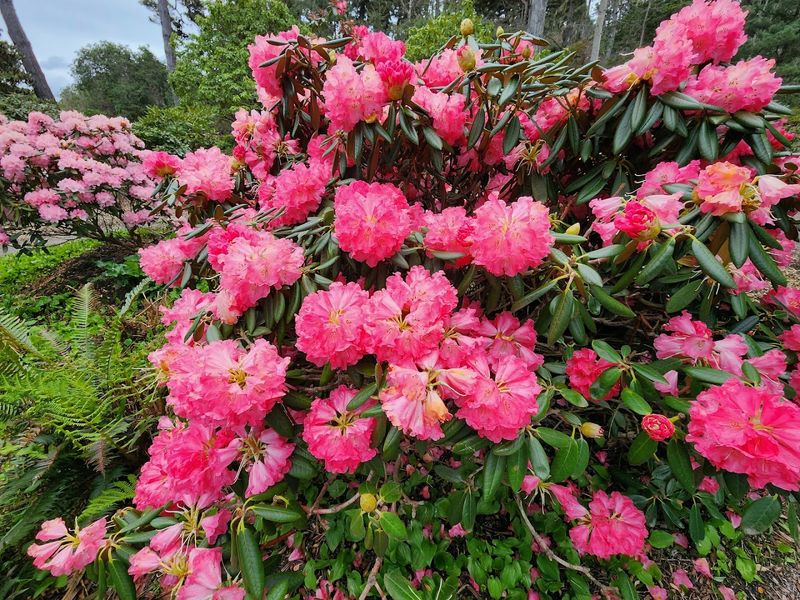
Rhododendrons are common enough in Pacific Northwest gardens, but the collection at Mendocino Coast Botanical Gardens includes varieties that stop visitors mid-step.
The big-leaf species growing near Fern Canyon Creek produce leaves that can reach up to 25 inches in length, which gives parts of the garden a lush, almost tropical character.
Tender species that would struggle in harsher inland climates thrive here because of the garden’s naturally mild, moist coastal conditions.
The bloom period for rhododendrons runs from January through June, making the collection one of the longest-performing attractions on the property.
Early spring visits catch the peak of the display, when clusters of blooms in pink, red, white, and purple cover the upper canopy of the plants.
The rhododendron collection is considered one of the garden’s signature features, and it draws visitors specifically during bloom season from quite a distance.
Even outside of bloom months, the foliage alone is worth a look, particularly the oversized leaves of the big-leaf varieties that hold their texture and color well into summer.
Walking the paths near the collection gives a real sense of why the coastal climate makes this location so unusual for plant growing.
Dahlias Make Late Summer Feel Like Peak Garden Season
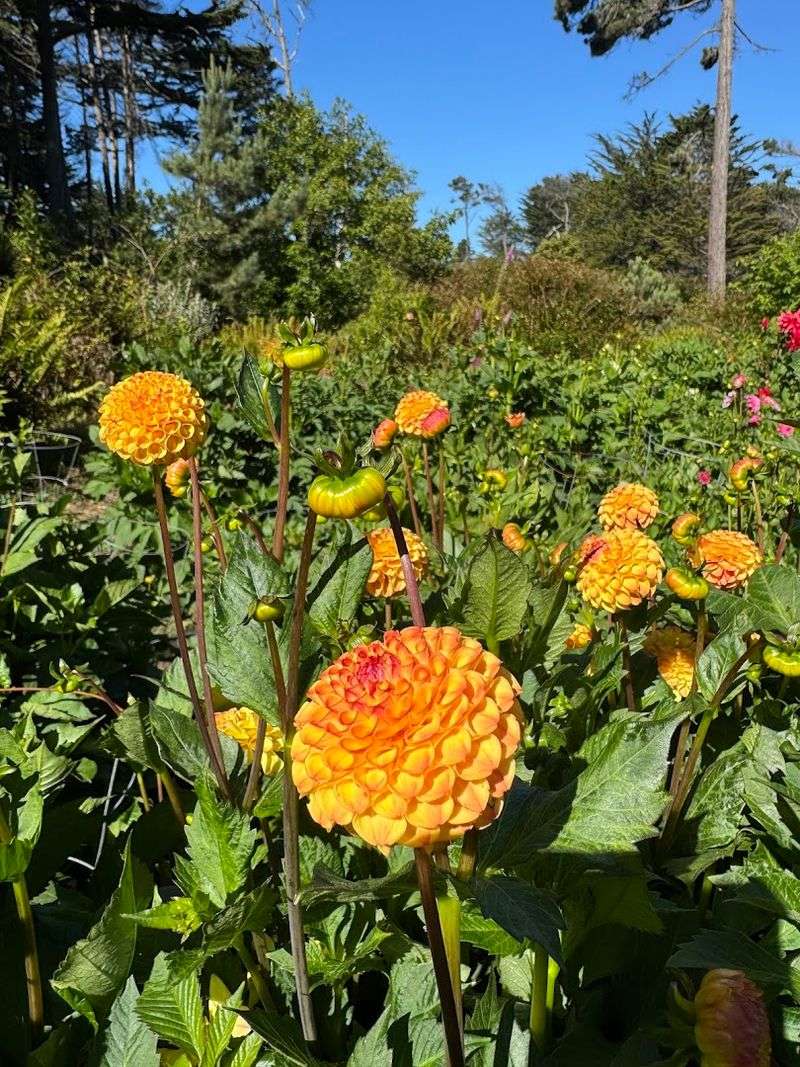
Late August through October brings a color intensity to the Dahlia Garden that surprises visitors who associate botanical gardens primarily with spring flowers.
Hundreds of dahlia plants bloom across a dedicated garden section, producing flowers in an almost overwhelming range of colors and sizes.
Some blooms grow large enough to rival a dinner plate, and the density of the planting means the area feels saturated with color from multiple angles.
Heathers, begonias, fuchsias, and hydrangeas all join the late-summer display, which makes the overall garden feel at its most generous during this period.
Visitors who time a trip for September often describe it as one of the most rewarding months to visit, since the dahlia peak coincides with clearer coastal weather compared to the foggier summer months of June and July.
The garden also held a plant sale during September in past years, giving visitors the opportunity to take a piece of the visit home.
A small nursery operates year-round on the property, stocking plants that reflect what is currently growing in the garden beds.
The Coastal Climate Helps It Stay Interesting Year-Round
The Mendocino Coast sits in a climate zone that most inland California residents would find surprising.
Coastal fog keeps temperatures mild and moisture levels relatively consistent, which creates growing conditions that support plant species from multiple continents.
Acidic coastal soils add another layer of specificity, making the garden an unusually hospitable environment for rhododendrons, heaths, heathers, and other acid-loving plants that demand particular conditions.
Winter hours run from 9 AM to 4 PM between November and March, with closures on Thanksgiving and Christmas Day.
Even during winter months, the garden tends to offer something in bloom, since salvias have been documented flowering around the holiday season and certain rhododendron varieties begin their bloom cycle as early as January.
The coastal pine forest and fern canyon areas remain visually engaging regardless of the season.
Collections of succulents, conifers, maples, and native California plants round out the year-round interest by providing texture and structure even when fewer flowers are in bloom.
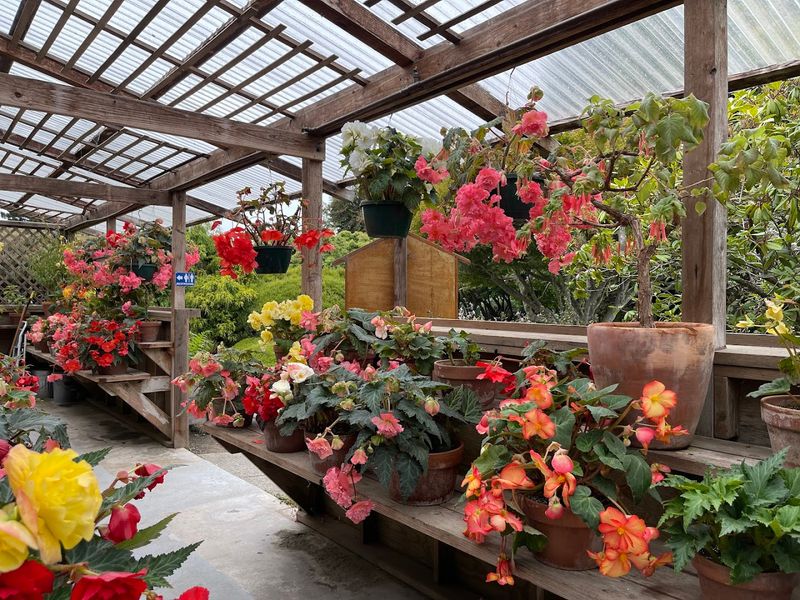
The garden also maintains a greenhouse that visitors can access, which adds a sheltered and climate-controlled option on cooler or mistier days.
The mild climate is not just a backdrop here; it is genuinely the reason so many plant families can coexist on the same 47-acre property.
Manicured Gardens And Wilder Corners Balance Each Other
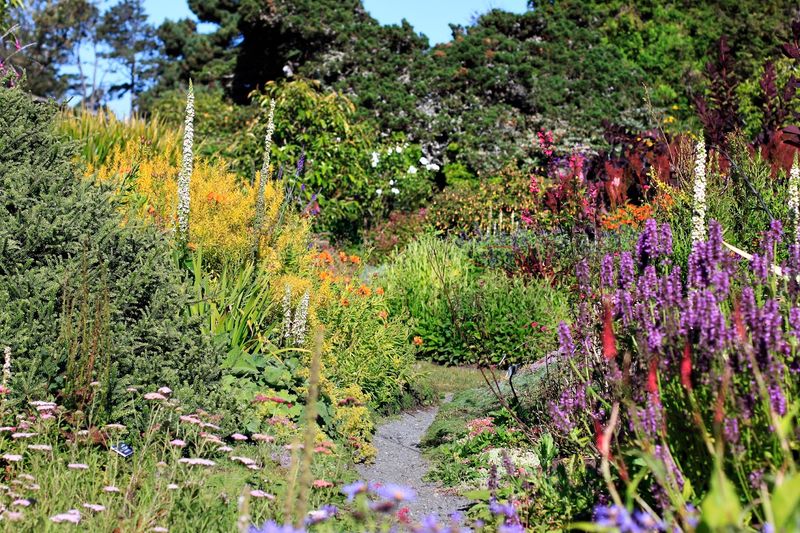
One of the more distinctive qualities of a walk through the full property is how abruptly the character of the landscape shifts between sections.
Formal planting beds near the entrance present flowers in organized, labeled arrangements that feel curated and precise.
A few minutes of walking later, a path can lead into coastal pine forest where the ground cover is uneven and the atmosphere feels genuinely wild.
Native plant areas, wetlands, and coastal prairies each occupy their own corners of the 47-acre property, adding ecological variety alongside the horticultural displays.
The California native plant garden gives context for what grows naturally along this stretch of coast, which makes the more exotic collections feel even more impressive by comparison.
A vegetable garden on the property reportedly supplies produce to a local school, adding a practical community dimension to the overall mission.
An earth sculpture described as a labyrinth of continuous grass lines sits near the forested section and is best viewed from a small adjacent hill.
The combination of formal, wild, native, and sculptural elements across the property means that two visitors walking the same trail on the same day can come away with entirely different impressions of what the garden is primarily about.
The Address Is Easy, But The Atmosphere Feels Secret
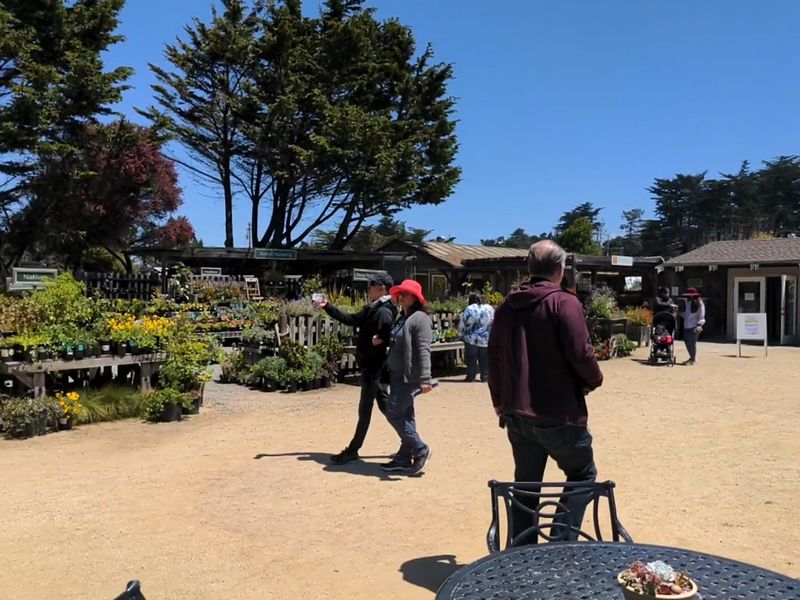
There is something quietly contradictory about a place that sits directly on a major coastal highway yet still manages to feel tucked away.
Walking through the garden store entrance and into the grounds, the highway noise fades quickly behind the vegetation and the ambient sound shifts to birdsong and wind moving through coastal pines.
Over 180 bird species have been recorded on the property, and spotting them during a walk requires no special effort or equipment.
The garden store and nursery operate year-round, while Rhody’s Garden Cafe runs seasonally from spring through fall.
The cafe has earned positive mentions for its food, and the setting near the garden beds makes a lunch stop feel like a natural extension of the visit rather than an interruption.
Dogs are permitted on leash throughout the property, which adds a relaxed and inclusive quality to the atmosphere.
Admission pricing as of available information runs approximately $26 per adult, with discounted rates for seniors, military visitors, children, and EBT cardholders.
Memberships are also available and include discounted repeat visits.
The combination of ocean views, diverse plant collections, wildlife, accessible trails, and on-site dining creates an experience that feels far more layered than the straightforward Fort Bragg address might initially suggest.