One Connecticut Ramen Spot Gets The Flavor Wonderfully Close To Japan
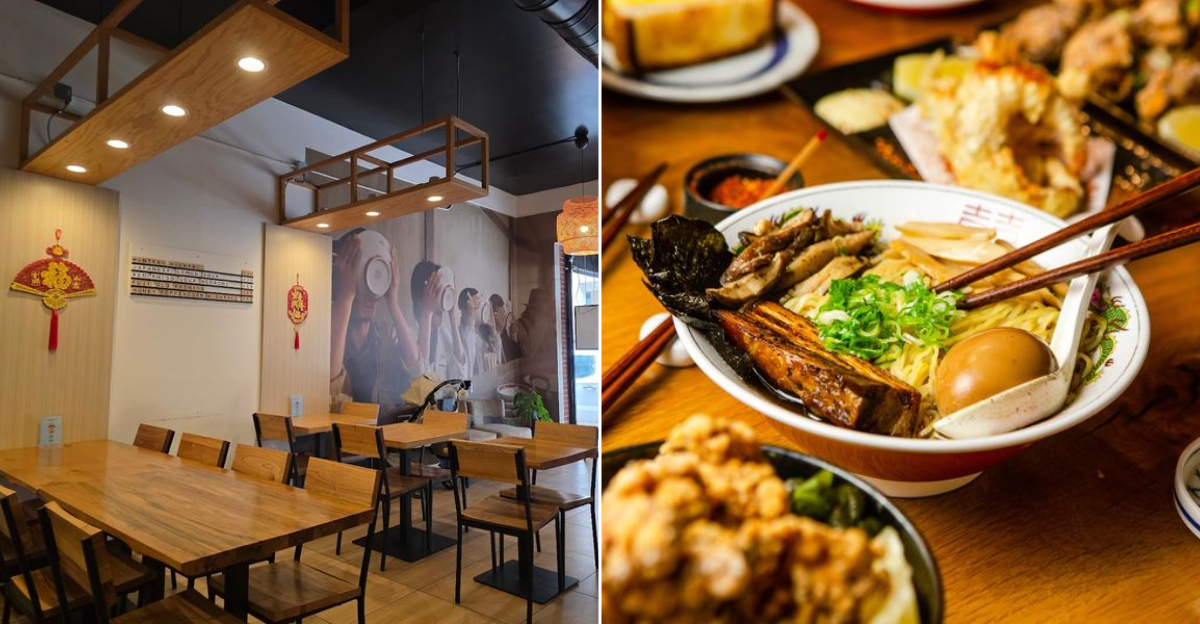
Ramen is one of those meals that can fix a day fast. The bowl arrives steaming, and suddenly everything slows down in the best way.
Good ramen is not only about noodles. It is about broth with depth, toppings that feel thoughtful, and that first spoonful that makes you stop talking for a second.
Here, the mood stays casual, but the flavors feel focused. A ramen spot in Connecticut can make a simple bowl feel close to a little Tokyo daydream.
That sentence sounds big, but the food earns it. The menu gives you comfort without making the choice feel complicated.
You can settle into a rich bowl when the weather is cold, or crave one just because the broth hits right. The best part is how unfussy it feels.
No drama. Just a warm bowl, good texture, and a reminder that simple food can still feel special.
1. A Cozy Bowl Of Ramen
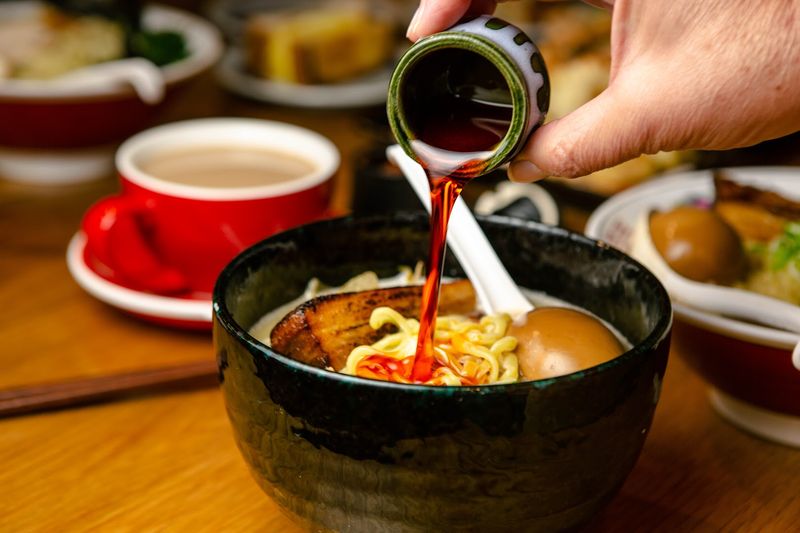
A really good bowl of ramen has a way of grabbing your attention before you have fully settled into the meal. At Menya-Gumi in New Haven, that moment usually comes with the first spoonful of broth, when the depth, balance, and texture all start to make sense.
The restaurant builds its ramen around careful technique, and that attention shows in the way each bowl comes together.
The Tori Paitan is one of the menu’s richer choices, made with a creamy chicken broth that clings nicely to the noodles and gives the bowl real comfort.
The Shoyu Chintan takes a different route, using a soy-based tare with chicken broth for a cleaner, more direct flavor that still feels layered rather than plain.
Together, the two styles show a kitchen that understands how much the broth matters, whether the goal is richness or clarity.
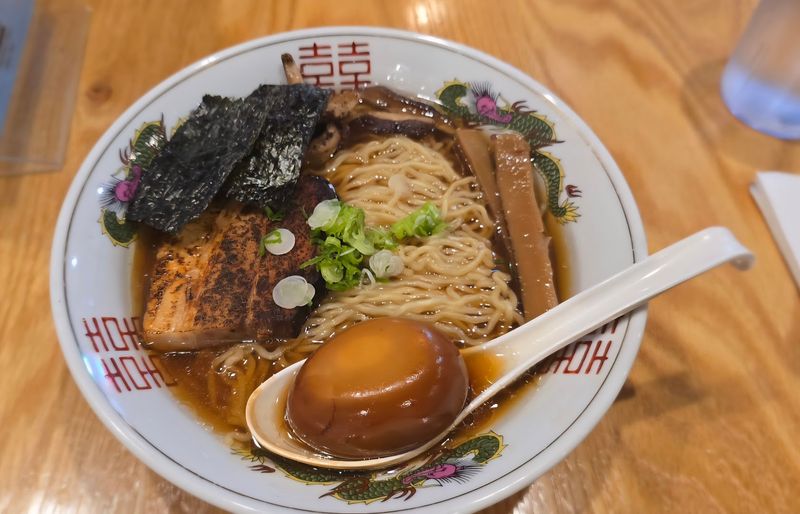
You’ll find Menya-Gumi at 165 Orange St., New Haven 06510, where the menu focuses on Japanese comfort food with ramen at the center. Toppings help complete the experience, from pork belly chasu and ajitama to scallions, menma, shiitake, and nori, depending on the bowl.
The marinated egg adds richness, the bamboo shoots bring an earthy bite, and the chasu gives the ramen a satisfying savory depth.
For diners who miss the kind of ramen that feels carefully built rather than simply assembled, Menya-Gumi comes impressively close. It is the sort of bowl that rewards slow eating, even if the first taste makes that hard to do.
2. Where To Find It In New Haven
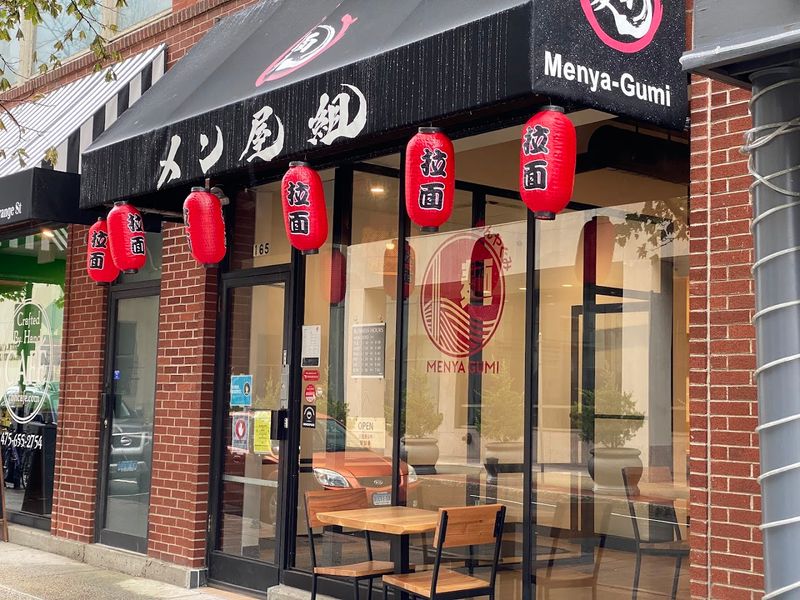
Located on one of New Haven’s well-traveled streets, Menya-Gumi sits in a spot that is easy to reach whether arriving by car or on foot.
The restaurant is at 165 Orange St, New Haven, CT 06510, placing it within a walkable part of the city that also has nearby parking options depending on the time of day.
The address puts it close enough to Yale’s campus that students and faculty make up part of the regular crowd.
Knowing the hours before heading over helps avoid a wasted trip, since the restaurant is closed on Mondays. Tuesday through Saturday hours run from 11:30 AM to 10:00 PM, while Sunday hours are slightly shorter, from 12:00 PM to 9:00 PM.
Arriving closer to opening time on weekdays tends to mean shorter waits and a calmer atmosphere.
For anyone coming from out of town, the Orange Street location is a reasonable stop if passing through the New Haven area. The restaurant does not take reservations based on available information, so walk-in timing matters.
3. The Broth That Brings Comfort
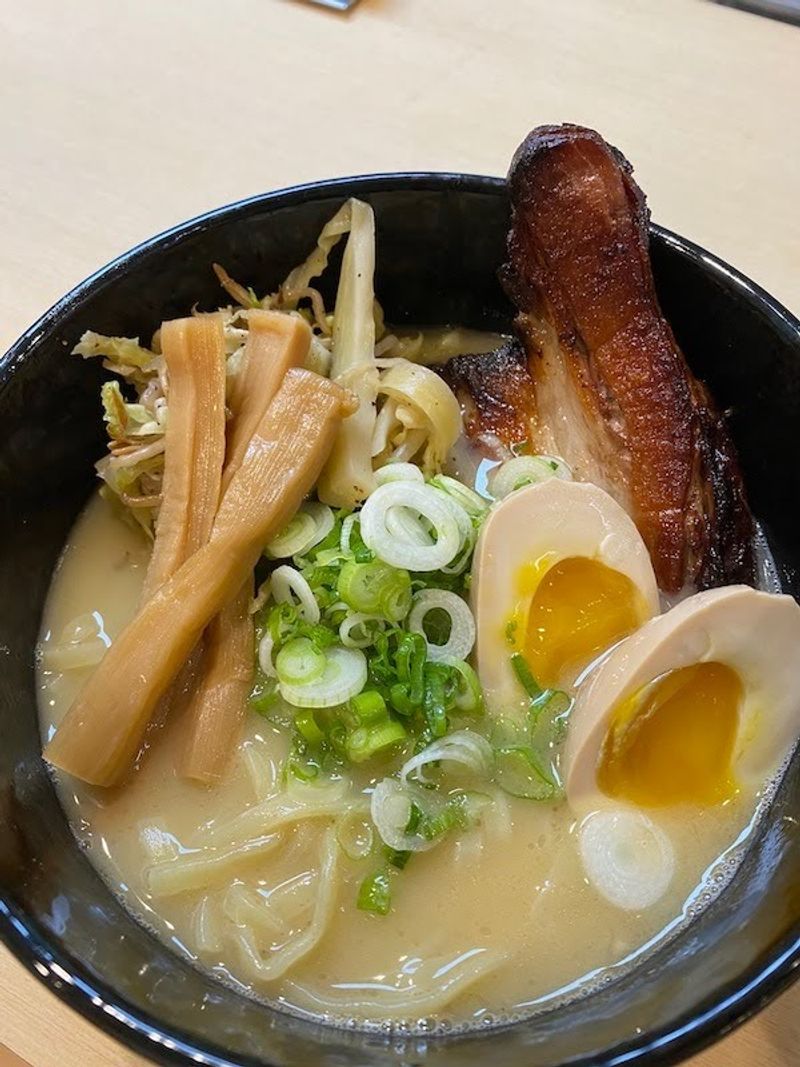
Broth is the foundation of any serious ramen, and at Menya-Gumi, it is treated with the kind of attention that separates a forgettable bowl from one worth returning for.
The Shoyu Chintan broth uses a soy-based base built on dashi, which gives it a savory depth that stays clean rather than muddy or overly salty.
It is the sort of broth that feels restorative, especially on a cold or rainy day in Connecticut.
The Tori Paitan broth takes a completely different approach, leaning into richness with a creamy chicken base that clings to the noodles and builds flavor with each bite. Both styles demonstrate that the kitchen has studied traditional Japanese ramen preparation rather than approximating it.
The balance between salt, fat, and umami in each broth is what keeps the bowl from feeling heavy or one-dimensional.
Regulars who have spent time eating ramen in Japan often point to the broth as the detail that sets Menya-Gumi apart from other spots in the region. Getting broth right requires time, quality ingredients, and consistency, and the kitchen here appears to take all three seriously.
For first-time visitors, trying both broth styles across two visits gives a fuller picture of what the menu can offer.
4. Noodles With Real Pull
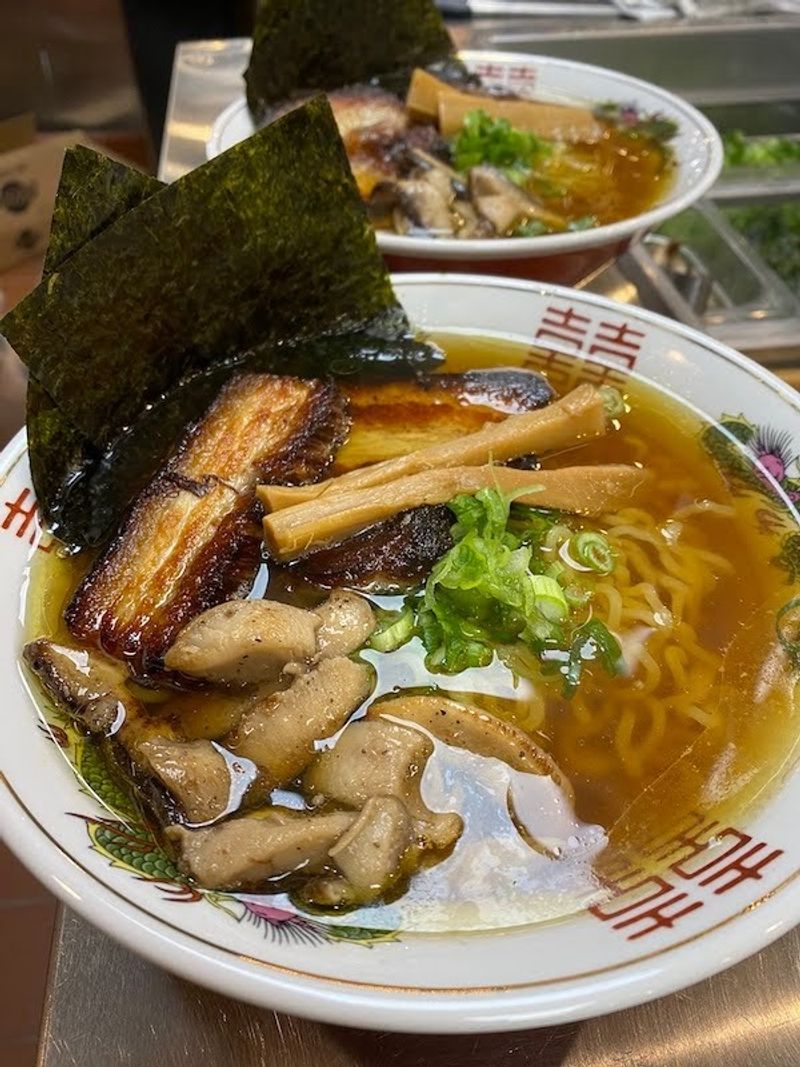
Noodles in a ramen bowl do more than just fill space, they carry broth, interact with toppings, and contribute their own texture to every bite. At Menya-Gumi, the noodles have a firm, springy texture that holds up well in the broth without turning soft or mushy partway through the meal.
That firmness is a quality that ramen enthusiasts tend to appreciate, since it keeps the eating experience consistent from the first bite to the last.
Beyond the standard ramen noodles, the menu also includes Hong Kong-style noodles that have drawn their own following. Those noodles are notably bouncy and chewy with an al dente quality that feels distinct from the ramen noodles.
The two styles give the menu more range than a typical ramen-only spot, and regulars sometimes visit specifically for the Hong Kong-style options.
Fresh noodles behave differently from dried or pre-packaged versions, and the texture difference becomes obvious once you have eaten both side by side. The noodles at Menya-Gumi are prepared in-house, which contributes to their consistency and quality.
Ordering a bowl and paying attention to how the noodles feel against the broth is one of the small pleasures of eating here that tends to go unnoticed until it is pointed out.
5. Toppings That Add Flavor
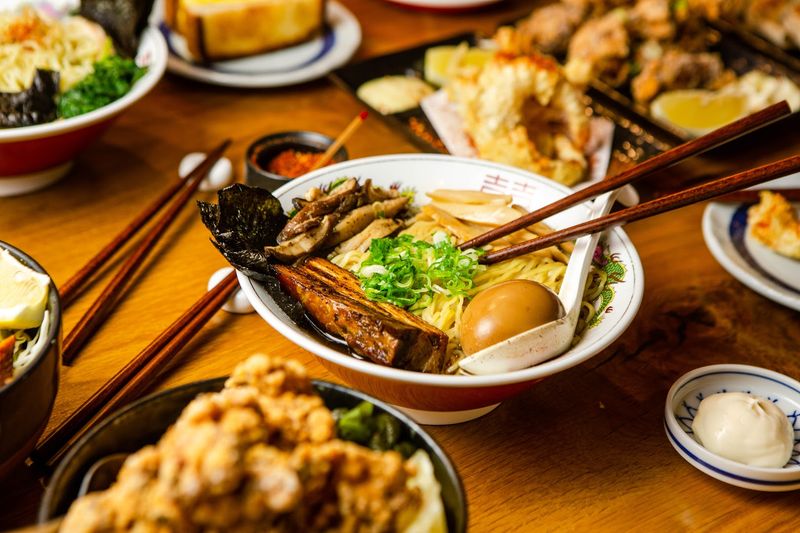
Toppings on a ramen bowl are not decoration, they are part of the flavor system, and at Menya-Gumi, each one earns its place in the bowl.
The pork belly chashu is consistently described as tender and fatty, with the kind of melt-in-your-mouth quality that comes from slow preparation and careful seasoning.
It sits in the broth and gradually releases more flavor as the meal progresses.
The marinated egg is another standout, showing a jammy golden-orange center that signals proper timing and seasoning during the marinating process. Bamboo shoots add an earthy, slightly chewy contrast that balances the richness of the broth and meat.
The mushrooms, when included, are cut thick enough to provide real texture rather than disappearing into the bowl.
What makes the toppings here feel cohesive rather than random is that each one complements the broth it sits in.
The Tori Paitan and Shoyu Chintan bowls have slightly different topping profiles that suit their respective broths, which shows a level of menu thoughtfulness that goes beyond simply piling ingredients into a bowl.
For anyone who tends to eat around toppings in other ramen spots, Menya-Gumi may be the place that changes that habit entirely.
6. A Casual Place To Eat
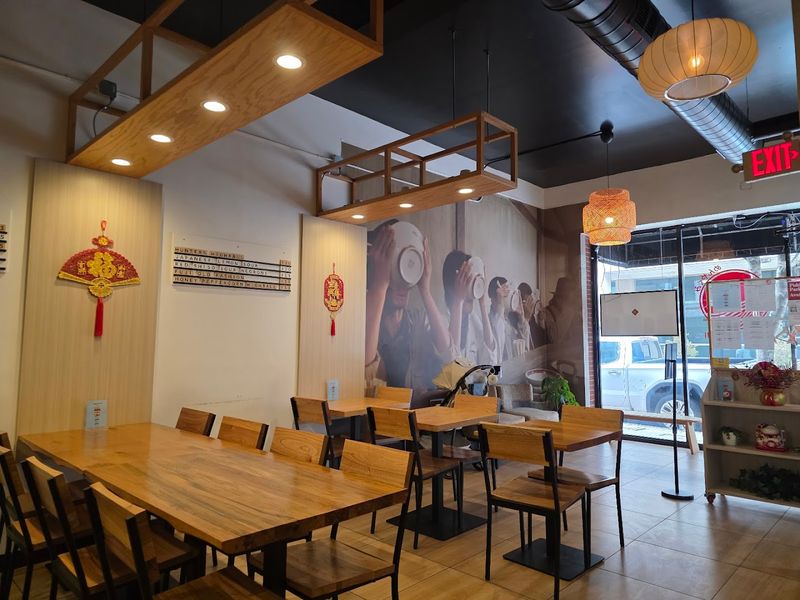
The space is modest in size, with simple seating and warm lighting that makes it feel like a neighborhood spot rather than a polished dining destination.
That casual quality is part of what makes it easy to sit down and focus on the food.
The noise level tends to stay manageable, which makes it a reasonable choice for a quiet solo lunch or a relaxed meal with a small group. Seating yourself upon arrival is part of the standard experience here, and the service rhythm is generally described as quick and attentive once an order is placed.
Food tends to arrive at a good pace, which suits the no-fuss atmosphere of the room.
The restaurant is known for staying clean and well-maintained, which adds to the overall comfort of eating there.
Beyond ramen, the menu includes Japanese comfort foods like the Egg Sando, Katsu Sando, karaage, gyoza, and dim sum options that give the space a broader appeal than a single-focus noodle shop.
For anyone looking for a place to decompress with good food and no pressure, the vibe at Menya-Gumi tends to deliver exactly that.
7. Best Time For A Warm Meal
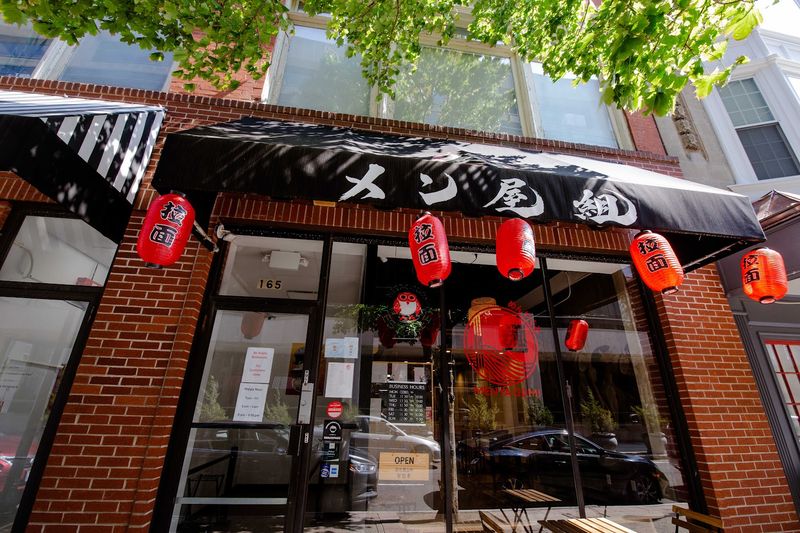
Arriving near opening time on a weekday, around 11:30 AM, tends to mean a quieter room and quicker service compared to weekend dinner hours when the space fills up more steadily. For anyone who prefers eating without noise or waiting, a weekday lunch slot is worth considering.
New Haven winters and cool autumn days create exactly the kind of weather that makes a bowl of hot ramen feel especially satisfying.
The Tori Paitan and Shoyu Chintan broths are both warming in a way that suits cold or rainy conditions, and the overall pace of the restaurant encourages sitting and eating slowly rather than rushing through a meal.
Coming in on a chilly afternoon rather than a busy Friday evening can change the entire feel of the visit.
It is worth noting that arriving close to closing time may mean some menu items have sold out for the day, which is a common reality at restaurants that prepare food fresh. Planning a visit during the earlier part of service gives the best chance of accessing the full menu.
Mondays are a firm day off, so checking the weekly schedule before heading over prevents a wasted trip.
8. Why Ramen Fans Return
Repeat visits to a restaurant usually come down to one thing: the food doing exactly what it promised the first time, and then doing it again.
At Menya-Gumi, the consistency across visits is something regulars mention frequently, with the broth, noodles, and toppings holding their quality whether it is a first visit or a fifth.
That kind of reliability is harder to build than it looks, especially in a small kitchen.
The menu also evolves with specials and seasonal offerings that give returning customers something new to try without replacing the core dishes they already rely on.
The braised beef brisket noodle soup and the Hong Kong-style noodle dishes have developed their own followings alongside the main ramen options.
That range means a group with varying preferences can usually all find something that works for them.
Beyond the food, the overall atmosphere of the restaurant plays a role in why people come back. The combination of honest pricing, fresh ingredients, and a no-fuss environment creates a dining experience that feels worth repeating.
Menya-Gumi opened in 2020 and has continued to build a steady local following in New Haven, which reflects the kind of quiet confidence that comes from a kitchen focused on getting the food right rather than chasing attention.