This Tiny California Island Town Hides A Wild Bison Herd In 42,000 Acres Of Protected Backcountry
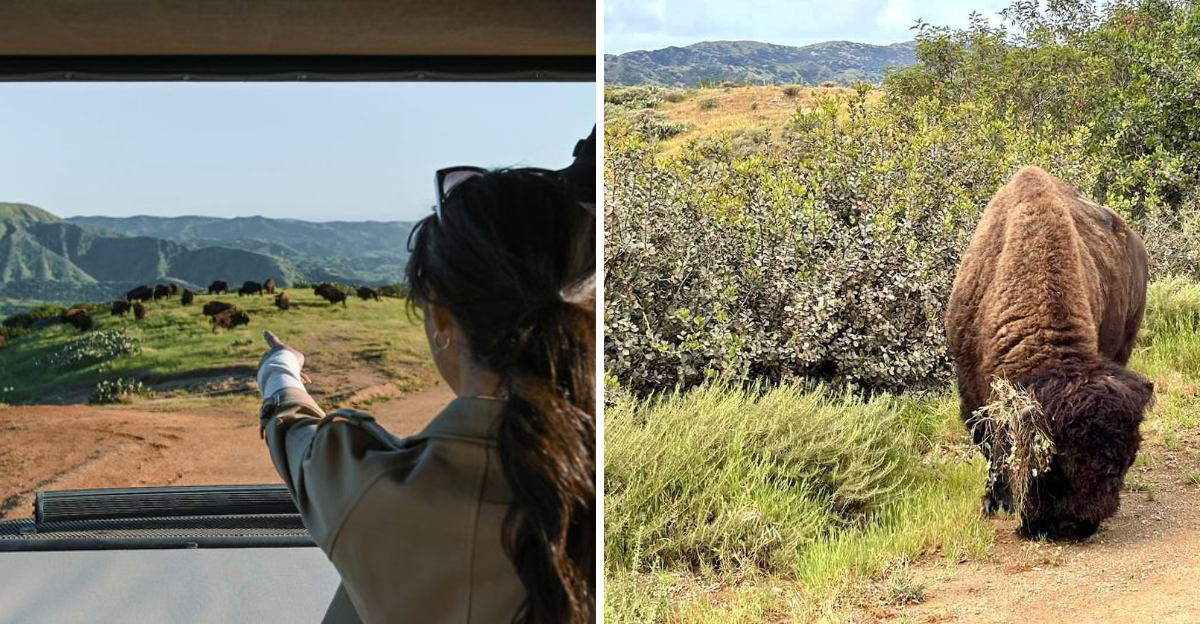
Island towns already feel like they are keeping a few secrets. A wild bison herd just raises the stakes.
You can arrive expecting ocean views and boat rides. Then the backcountry enters the conversation, and the whole place starts feeling much bigger.
On this California island, 42,000 acres of protected interior land give the story real scale.
That is where the surprise lives.
Not along the waterfront. Not beside the souvenir shops.
Farther inland, where rugged hills and roaming bison make the island feel almost impossible to pin down.
The contrast is what makes it so fascinating.
One part of the visit feels breezy and coastal. Another feels wild enough to make you forget how close the mainland actually is.
For anyone who loves places with a twist, this tiny island town offers more than pretty views.
A Backcountry Herd With A Movie-Star Origin
Back in 1924, a small group of bison were shipped to Catalina Island for a Hollywood film production, believed to be either “The Vanishing American” or “The Thundering Herd.”
Around 14 or 15 animals made the crossing, which was no small logistical effort for the era. Whether their footage was ever used in the final film remains unclear, but what happened next is the part that stuck.
The bison were simply left behind after filming wrapped.
William Wrigley Jr., who owned the island at the time, allowed them to remain rather than arranging for their return to the mainland.
That decision, made almost casually a century ago, set off one of California’s most unusual wildlife stories.
Over the following decades, the herd grew without any formal management plan in place.
At its peak, estimates suggest the population reached somewhere between 400 and 600 animals, which put serious pressure on the island’s native plants and habitats.
The story of how Catalina has worked to balance that legacy since then is just as interesting as the origin itself, and it gives the bison a context that feels richer than a simple wildlife sighting.
Avalon Is The Easy Gateway Into Bison Country
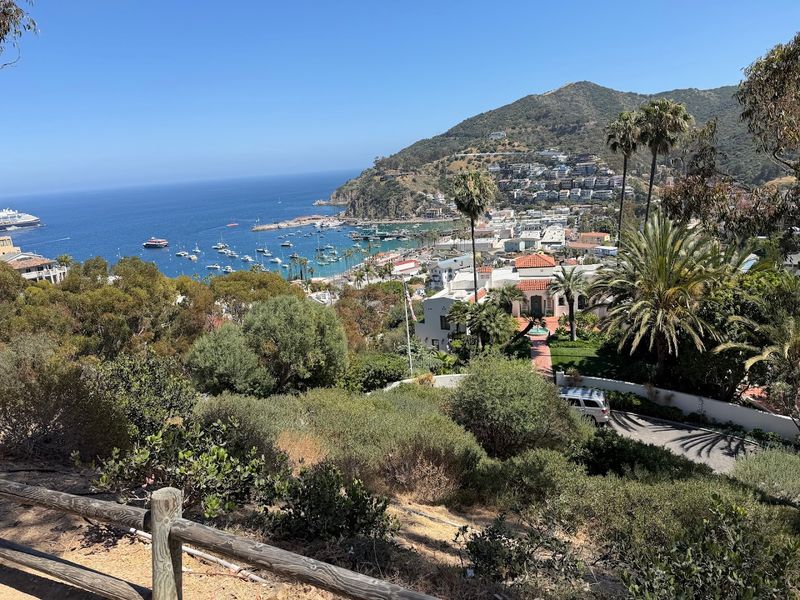
Most visitors arrive in Avalon by ferry, stepping off into a compact seaside town that feels polished, walkable, and thoroughly coastal.
The main street runs along the waterfront, lined with shops, cafes, and the iconic Avalon Casino building. At first glance, nothing about the scene hints at wild bison roaming nearby.
Avalon is the only incorporated city on Catalina Island, covering roughly one square mile on the island’s eastern end.
That small footprint makes it easy to explore on foot, and most visitors can cover the main areas within a few hours.
The bison generally do not wander into the city itself, which means the town and the backcountry feel like two separate experiences sharing the same island.
Getting from Avalon into the interior requires either a guided tour, a hiking permit, or a mountain bike.
The Catalina Island Conservancy Trailhead in Avalon offers complimentary hiking permits that open up access to the interior trail network.
That short process is worth doing before heading out, because the transition from the town’s waterfront energy to the dry, open hills beyond happens quickly and the change in atmosphere is striking.
The Protected Land Is Larger Than Most People Realize
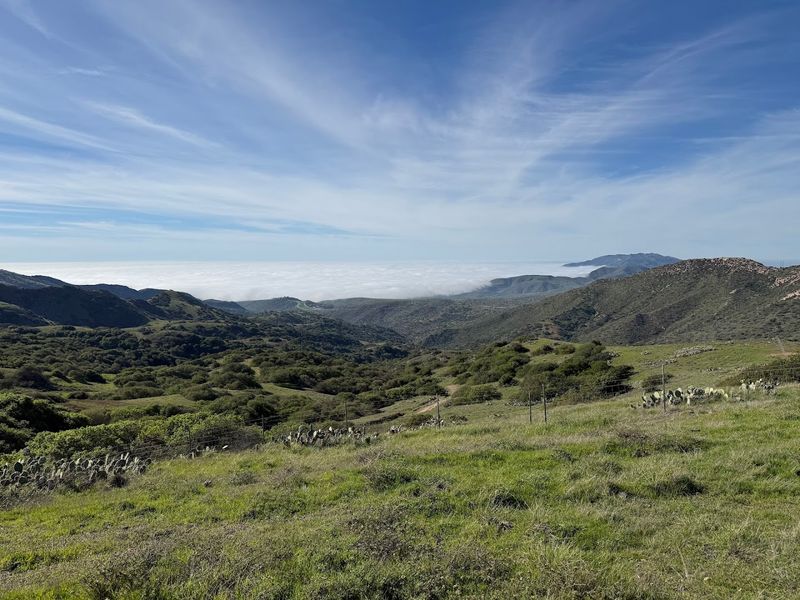
The Catalina Island Conservancy was established in 1972 as a non-profit organization dedicated to preserving the island’s natural and cultural resources.
Today, the Conservancy protects approximately 88 percent of Catalina Island, which translates to roughly 42,000 acres of wildlands.
That number tends to surprise visitors who picture the island mainly as a beach destination.
Forty-two thousand acres is a significant stretch of land for an island located just off the coast of one of the most densely populated regions in the country.
The protected interior includes chaparral, oak woodlands, grasslands, and canyon systems, all of which look and feel nothing like the mainland coast a short ferry ride away.
Bison move through much of this terrain depending on season, forage availability, and herd dynamics.
The sheer scale of the protected land is also what makes bison sightings feel genuinely wild rather than staged.
Animals roam across ridgelines and through valleys that have no permanent roads or visitor infrastructure, which means encounters depend on timing, patience, and a little luck.
That unpredictability is part of what gives the experience its appeal and sets it apart from wildlife parks where sightings are practically guaranteed.
The Herd Is Smaller Than Many Visitors Expect
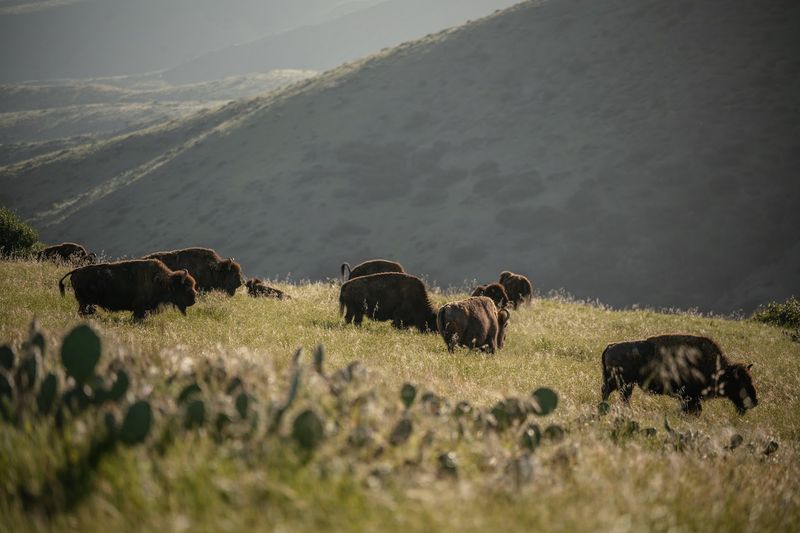
At its historical peak, the Catalina bison herd numbered somewhere between 400 and 600 animals.
That kind of population on a relatively small island created real ecological strain, with overgrazing threatening native plant communities and disrupting habitats that had evolved without large grazing mammals.
Managing that imbalance became one of the Conservancy’s ongoing priorities.
A contraception program for the herd began in 2009, shifting population control away from culling and toward a more gradual, humane approach.
Recent estimates place the herd at somewhere around 90 to 100 animals, though numbers fluctuate.
The Conservancy’s goal has been to keep the population at no more than 150 animals to reduce ecological pressure while still maintaining a visible herd for the island’s visitors and its own conservation story.
Interestingly, reports suggest a long-term plan may allow the population to decline naturally to zero over a period of 20 to 40 years, which would eventually return the island’s ecosystem to a state closer to what existed before the 1924 introduction.
That detail adds a layer of complexity to the bison story that goes well beyond a simple wildlife attraction, and it makes the current herd feel worth seeing while it still roams the island’s hills.
Bison Are Not Native To Catalina And That Detail Matters
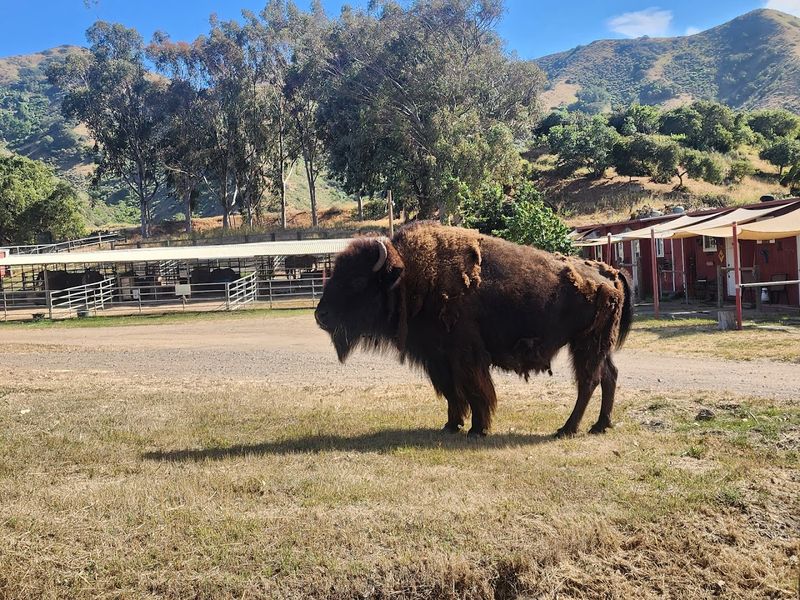
Unlike the island’s foxes, birds, and native plant species, bison have no natural evolutionary history on Catalina.
They arrived because of a film production decision made a century ago, which means every aspect of their presence on the island is the result of human choice rather than natural migration or habitat range.
That distinction shapes how the Conservancy approaches their management today. The ecological concerns are real and documented.
Bison coats can carry seeds from non-native plant species, spreading invasive vegetation across the landscape as the animals move through the interior.
Their grazing patterns also affect native plant communities in ways that differ from the island’s historically adapted herbivores, and their hooves can compact soil and alter drainage in sensitive areas.
Visitors who love seeing the bison and conservationists who worry about their long-term impact on the island’s ecosystem are both responding to legitimate realities.
The Conservancy holds both of those truths at the same time, which is part of what makes Catalina’s wildlife story more nuanced than a straightforward success narrative.
Knowing the bison are non-native does not make a sighting less thrilling, but it does add an honest layer of context to what that sighting actually represents.
Two Harbors Offers A Different Angle On Bison Territory
Most visitors arrive in Avalon, but the island has a second, much quieter settlement on its western end called Two Harbors.
Situated between two natural bays, the village has a noticeably different pace from Avalon’s more polished waterfront scene.
Fewer people make the trip out there, which gives it a more remote and unhurried atmosphere that suits the surrounding landscape.
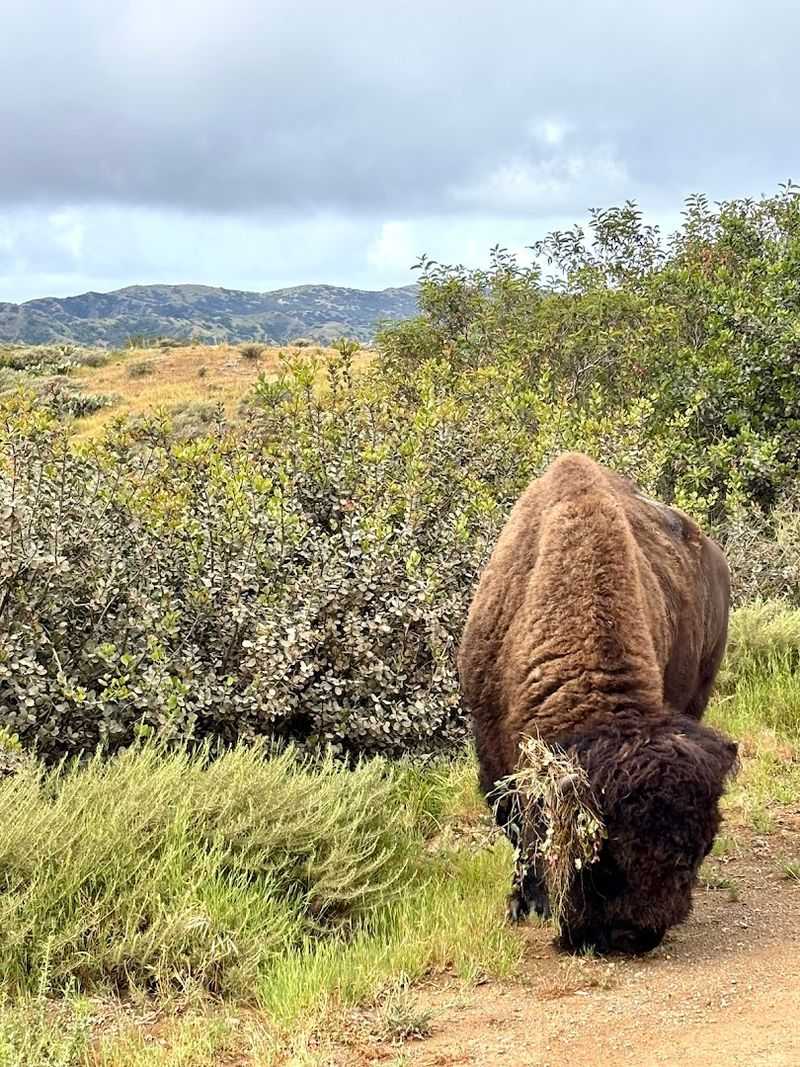
Bison are sometimes spotted in and around Two Harbors, making it one of the more accessible places on the island where a casual encounter is genuinely possible without booking a backcountry tour.
The animals have been known to wander into the village area and nearby campgrounds, which creates a different kind of wildlife experience than watching them from a tour vehicle on a distant ridge.
Reaching Two Harbors from Avalon requires either a ferry connection or a long overland journey through the interior, so most visitors who go there plan it as a separate destination rather than a quick side trip.
For travelers who want a slower, less developed version of Catalina combined with a reasonable chance of seeing bison in a relatively open setting, Two Harbors offers a compelling reason to venture beyond the island’s main town.
The Story Has A Real Conservation Twist
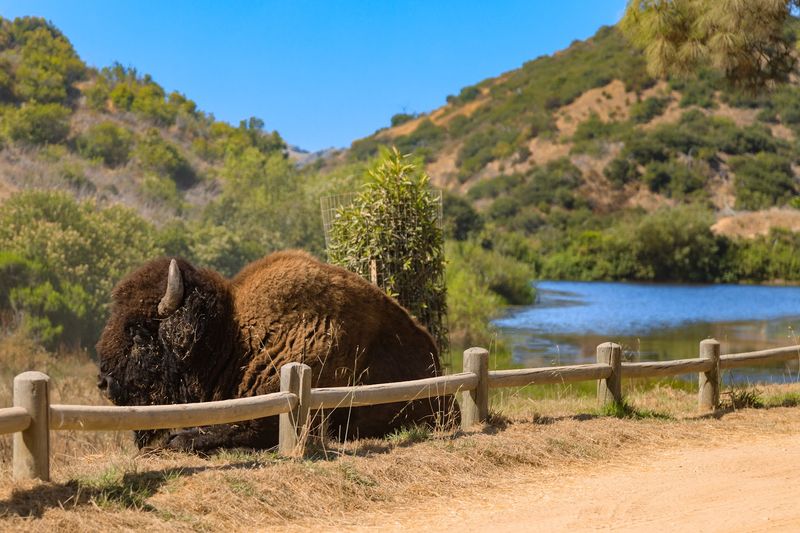
The bison on Catalina are genuinely beloved by visitors, but their presence also creates ongoing management challenges that the Conservancy has to navigate carefully.
Overgrazing, seed dispersal from non-native plants, and soil disturbance are all documented concerns that have shaped how the island’s land managers approach the herd.
Balancing animal welfare, visitor experience, and habitat protection is not a simple equation.
The contraception program that began in 2009 represented a shift away from population reduction through culling, which had been used in earlier decades.
That change reflected both evolving public values around wildlife management and advances in conservation science.
The program has helped bring herd numbers down from historical highs, though managing a free-roaming herd across 42,000 acres of rugged terrain remains logistically complex work.
Long-term projections suggest the herd may eventually decline to zero through natural attrition rather than active removal, which would allow the island’s native ecosystems to recover over time.
That possibility gives the current bison population a kind of bittersweet quality for visitors who find the animals compelling.
Seeing them now, while they still roam the island’s open hills, carries a different weight when understood against that larger conservation backdrop and the slow, deliberate work of restoring what existed before 1924.
The Best Way To See Them Is On A Guided Interior Tour
Hoping to spot a bison while wandering near the Avalon waterfront is not a realistic plan.
The animals roam the island’s protected interior, which covers tens of thousands of acres of dry hills and canyon terrain well away from the town.
Getting into that backcountry in a meaningful way usually means either hiking with a permit or booking a guided tour specifically designed to cover ground where bison are likely to be found.
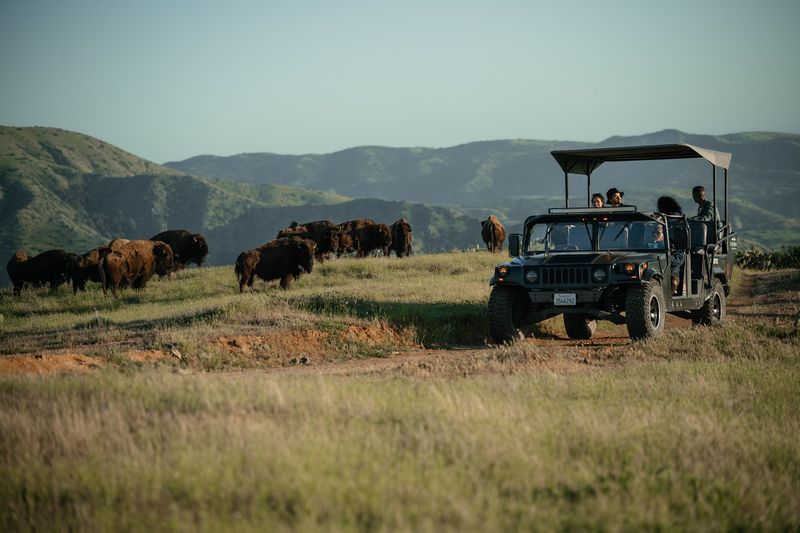
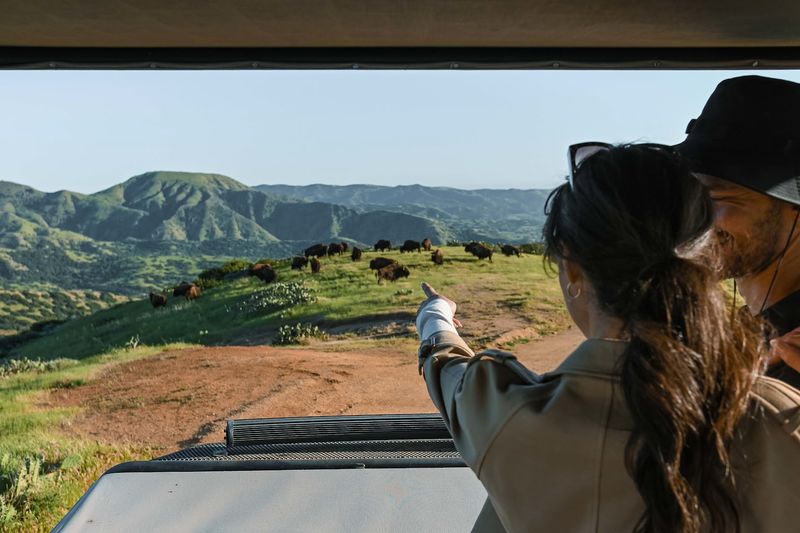
The Catalina Island Conservancy and other operators offer guided EcoTours and Bison Tours that take guests into the interior using open-air vehicles.
These tours move through terrain that would take hours to cover on foot, increasing the chances of an actual sighting significantly.
Guides familiar with the herd’s seasonal patterns and favorite grazing areas can also add context that makes the experience feel educational rather than just scenic.
Booking in advance is generally a good idea, especially during peak visitor months when spots fill up quickly.
Tour availability and pricing can change, so checking directly with the Catalina Island Conservancy or local tour operators before arriving is the most reliable approach.
The experience of riding through open chaparral with the Pacific Ocean visible on both sides of the island’s ridgelines is genuinely hard to replicate anywhere else in California.
Getting A Hiking Permit Opens Up The Interior
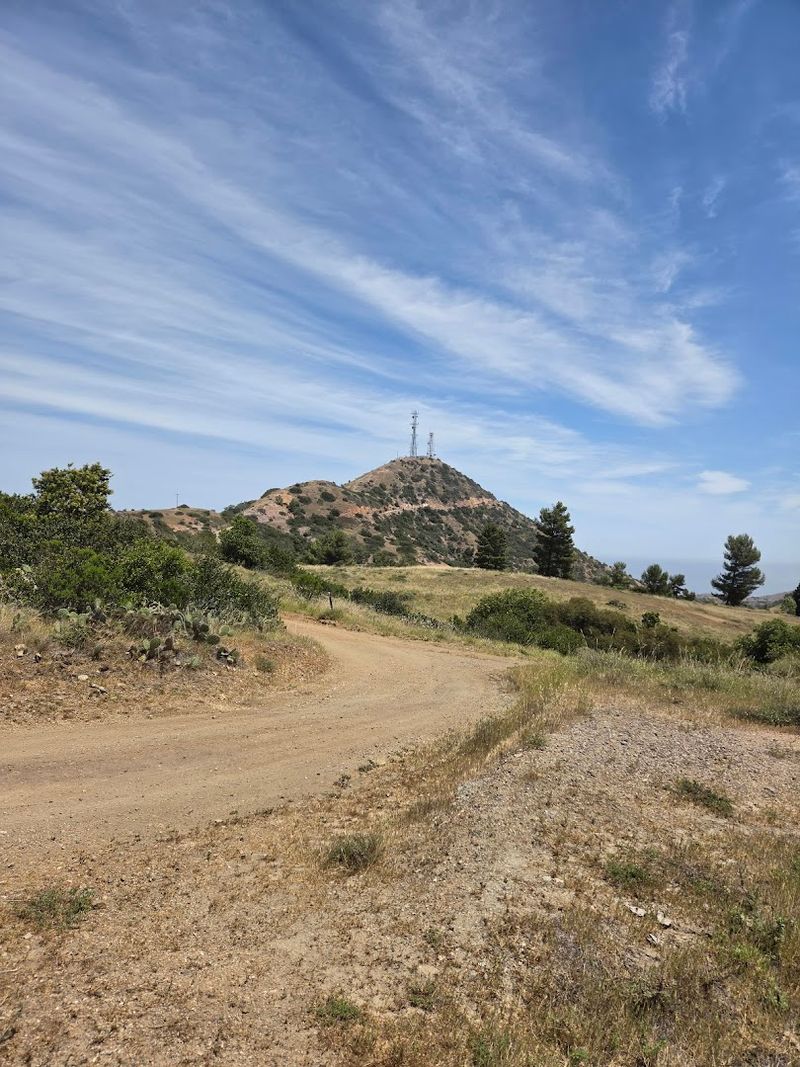
Access to Catalina’s interior trail network requires a complimentary hiking permit from the Catalina Island Conservancy Trailhead in Avalon.
The Conservancy Trailhead is located at 708 Crescent Ave, Avalon, CA 90704, and the permit process is straightforward and free of charge.
Picking one up before heading into the backcountry is both a practical step and a chance to get current trail information from staff familiar with conditions on the ground.
The permit system helps the Conservancy monitor trail use and manage the impact of foot traffic on sensitive native habitats.
Trails vary in difficulty from relatively easy fire road walks to more strenuous ridge routes with significant elevation gain.
Carrying enough water is essential because the interior has no reliable water sources and the dry chaparral environment can be deceptively demanding even on mild days.
Hikers who put in the effort to reach the island’s higher ridgelines are rewarded with views that take in both the mainland coast and the open Pacific simultaneously, a perspective that feels genuinely rare.
Bison can appear anywhere along the trail network, though certain areas near grasslands and gentler terrain tend to offer better grazing conditions that attract the herd.
Checking in at the trailhead before setting out is the simplest way to get current information on recent sightings and trail access.